Melo Villareal
A Winter Escape to Sapa, Vietnam: Mountain Adventures and Luxury at Hotel de la Coupole
Winter in northern Vietnam offers a refreshing alternative to traditional Asian winter destinations. In Sapa, mist-covered mountains, chilly village trails, and frosty highlands create a seasonal escape complemented by traditional Red Dao herbal baths and luxury hospitality at Hotel de la Coupole Sapa – MGallery Collection.
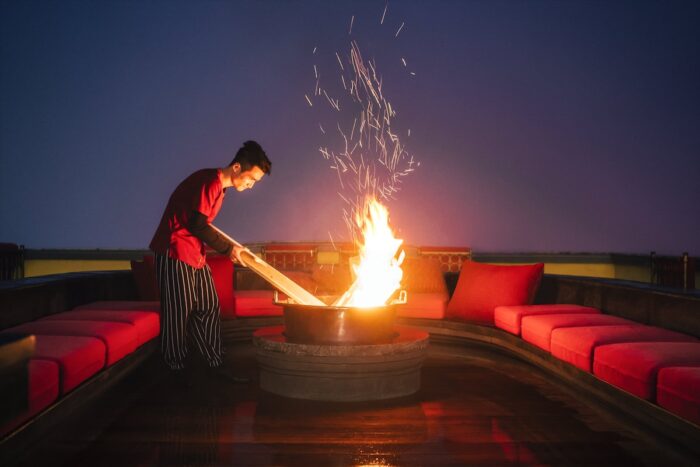
The outdoor fireplace at Absinthe, Hotel de la Coupole’s rooftop bar, provides a gathering place on cold mountain evenings
SAPA, VIETNAM, November 3, 2026 – Winter transforms Sapa into a captivating mountain destination, where clouds drift across the Muong Hoa Valley, and snow occasionally dusts Fansipan, Indochina’s highest mountain.
At about 1,500 metres above sea level, Sapa averages around 9°C in December and January. Higher elevations in the Hoang Lien Son mountain range can be even colder, with frost occasionally covering the slopes.
While Japan and South Korea remain popular winter destinations in Asia, Sapa offers a different seasonal experience. Travelers can explore mountain villages, walk through rice terraces, discover traditional handicrafts, and enjoy comforting regional dishes before retreating to a luxury hotel.
At the heart of the destination is Hotel de la Coupole Sapa – MGallery Collection, Sapa’s only international five-star hotel. The property received One MICHELIN Key in 2025 and 2026 and ranked No. 4 among Southeast Asia’s Best Hotels in Condé Nast Traveler’s 2026 Readers’ Choice Awards.
Designed by renowned architect Bill Bensley, the hotel combines French haute couture-inspired interiors with local textiles, traditional patterns, and the cultural influences of Vietnam’s northern highlands.
Exploring Fansipan and Sapa’s Mountain Villages
Discover the Roof of Indochina
One of Sapa’s most memorable attractions is Fansipan, widely known as the “Roof of Indochina.” Standing 3,143 metres above sea level, the mountain offers panoramic views of the Hoang Lien Son range.

Visitors can take a cable car across the Muong Hoa Valley, then continue toward the summit through a complex of pagodas, terraces, and stairways.
Winter gives the mountain a dramatic atmosphere. Clear skies reveal sweeping views of the surrounding peaks, while mist and clouds can envelop the temples and surrounding landscapes.
Summit temperatures are much colder than in town, so visitors need warm clothing and appropriate footwear.
Walk Through the Muong Hoa Valley
The Muong Hoa Valley offers another perspective on Sapa’s winter landscape. Villages such as Lao Chai and Ta Van are connected by walking trails that wind through rice terraces, local homes, and farmland.
Winter reveals the terraces’ contours after the harvest. Without the lush green rice plants, visitors can better appreciate the valley’s intricate landscape and the agricultural traditions that have shaped it.
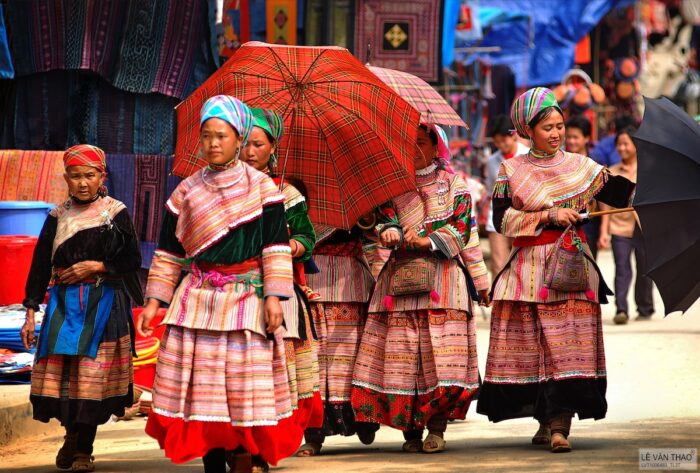
Travelers can choose shorter village walks or longer guided treks that include lunch stops and opportunities to interact with local communities.
Local guides provide insights into farming practices, traditional lifestyles, and the crops cultivated throughout the region. They can also adjust routes based on weather conditions, especially when rain makes trails slippery, or mist reduces visibility.
Discovering Sapa’s Local Food and Handicrafts
Sapa’s culinary traditions reflect its mountain environment and agricultural heritage. Local dishes feature fresh vegetables, tofu, trout, and seasonal produce sourced from nearby farms.
During colder months, people often enjoy chayote leaves sautéed with garlic, grilled trout seasoned with regional spices, and warming soups.
Local markets offer an opportunity to discover ingredients, traditional foods, and handmade textiles produced by ethnic communities throughout the highlands.
Experience Traditional Hmong Textile Making
Sapa is known for its traditional textile craftsmanship, particularly among the Black Hmong community.
The process begins with hemp cultivation, which typically takes around three months before harvesting. They cut, dry, and strip the stalks to extract fibres, then hand-join them to create thread for weaving.
Batik designs and intricate embroidery complete the process, resulting in textiles that reflect the community’s artistic traditions.
Visitors can join workshops to learn traditional weaving and embroidery techniques. Buying directly from local artisans also lets you understand the time, skill, and cultural knowledge that go into producing handmade textiles.
Experience Red Dao Culture in Ta Phin
Ta Phin is best known for its Red Dao community, traditional embroidery, and herbal bathing practices.
Red Dao herbal baths use leaves, bark, and other botanicals gathered from the surrounding mountains. They chop, dry, and boil these ingredients to prepare warm bathwater.
The practice reflects traditional knowledge passed down through generations and remains an important cultural experience for visitors exploring Sapa.
Red Dao Herbal Baths and Luxury Mountain Retreats
After a day of trekking through Sapa’s cold mountain trails, travelers can enjoy traditional wellness treatments at Hotel de la Coupole Sapa – MGallery Collection.
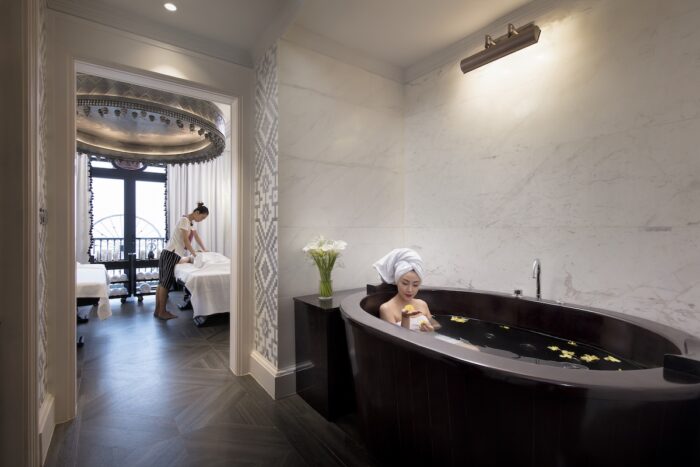
Relax at Nuages Spa
Nuages Spa offers the Red Dao Healing Herbal Bath, inspired by traditional bathing practices from the surrounding highlands.
The treatment features botanicals associated with the Fansipan mountains and is available as a 30-minute experience.
Guests can also combine the herbal bath with a rhythmic body massage through the Nuages Spa Signature Massage, which lasts approximately 90 to 120 minutes.
The experience provides a relaxing way to unwind after exploring Sapa’s mountain landscapes.
Enjoy the Indoor Pool at Le Grand Bassin
Le Grand Bassin offers another retreat within the hotel.
The indoor swimming pool features emerald marble columns and bronze statues, creating an elegant, French-inspired atmosphere.
Floor-to-ceiling windows frame views of the surrounding valley, while poolside loungers provide a comfortable place to spend a quiet afternoon.
The indoor setting is especially appealing during Sapa’s chilly winter months.
Experience French Haute Couture-Inspired Interiors
Hotel de la Coupole’s design blends French fashion influences with the cultural heritage of Vietnam’s northern highlands.
Public spaces feature colourful threads, paintings, antiques, and fashion-inspired decorative elements. The same aesthetic continues throughout the hotel’s 249 individually designed rooms and suites.
At Chic, the hotel’s restaurant, guests can enjoy French-inspired dishes prepared with seasonal local ingredients. Lanterns illuminate the restaurant’s raised catwalk, reinforcing the property’s fashion-inspired atmosphere.
Meanwhile, the Absinthe rooftop bar offers an inviting setting for evening drinks beside its outdoor fireplace, with views of Sapa’s mountains.
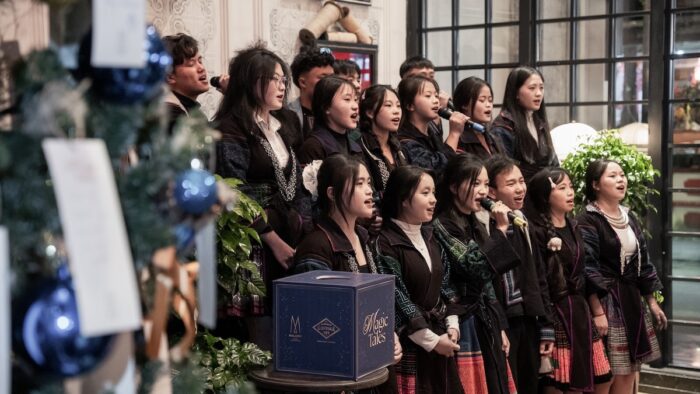
Celebrate Christmas and New Year in Sapa
Winter also brings festive celebrations to Hotel de la Coupole Sapa – MGallery Collection.
In December, the hotel transforms into a Christmas-inspired atelier through its L’Atelier de Noël celebration.
The festivities include a Christmas tree-lighting ceremony on December 5, 2026, featuring carols performed by students from local ethnic minority communities.
Christmas Eve Dining
At Chic, the Christmas Eve “From Paris to Sapa” buffet combines French festive dishes with flavours inspired by the Vietnamese highlands.
The celebration gives guests a chance to enjoy seasonal dining while experiencing the hotel’s distinctive French and local cultural influences.

New Year’s Eve Celebrations
The hotel’s “Around the World Feast” on New Year’s Eve celebrates culinary traditions from both Eastern and Western cultures.
Guests can continue the festivities at the rooftop bar, where a countdown to 2027 offers views toward Sapa’s fireworks.
For travelers planning a winter holiday in Vietnam, the celebrations offer a chance to combine mountain exploration with festive dining and luxury accommodations.
How to Get to Sapa, Vietnam
Hanoi serves as the primary gateway to Sapa for international travelers.
The Vietnamese capital is approximately two hours by direct flight from Bangkok and around three and a half hours from Singapore.
From Hanoi, travelers can continue to Sapa by road, with the journey typically taking approximately five to six hours.
Visitors should allow ample travel time when planning winter itineraries, especially during rain, fog, or colder weather.
Hotel de la Coupole Sapa Winter Accommodation Package
Travelers planning a winter getaway can take advantage of the hotel’s “Rejuvenate in Style” package.
The package starts at VND 3,770,000 per room per night, excluding taxes and service charges.
Inclusions are:
- Daily breakfast at Chic restaurant.
- VND 1,000,000 net in spa credit per room per night.
- 20% discount on dining at the hotel’s restaurants.
The offer is available for bookings and stays from October 20 to December 31, 2026.
Travelers can visit the official Hotel de la Coupole Sapa website for complete package details, booking information, and terms and conditions.
Why Visit Sapa During Winter?
Sapa offers a distinctive winter experience in Southeast Asia, combining mountain scenery, cultural encounters, outdoor activities, and luxury hospitality.
From exploring Fansipan and walking through traditional villages to discovering local handicrafts and enjoying Red Dao herbal baths, the destination provides plenty of opportunities for travelers seeking a seasonal escape.
For those looking beyond the familiar winter destinations of Japan and South Korea, Sapa presents a compelling alternative where mountain adventures meet refined luxury.
Follow and subscribe to OutofTownBlog.com on Facebook, Twitter, Instagram, Pinterest, and YouTube for more Travel-related updates.
Read:
- Bistro Hoi An Welcomes Summer with Bold Vietnamese Classics Featuring HK’s Biggest Charcoal Banh Mi
- Viet Ville Restaurant Puerto Princesa Review: A Taste of Vietnamese Heritage in Palawan
- Vietnam Food Guide: 25 Must-Try Dishes From Pho to Banh Mi