

 Melo Villareal
25 Best Vietnamese Foods to Try: Traditional Dishes, Street Food, and Desserts
Vietnamese cuisine combines fresh herbs, aromatic broths, rice, noodles, seafood, grilled meats, fermented sauces, and crisp vegetables. Its dishes reflect regional traditions, local ingredients, and centuries of culinary exchange. From a steaming bowl of pho in Hanoi to a freshly assembled banh mi on a busy Ho Chi Minh City street, Vietnamese food offers a wide range of flavors and textures.
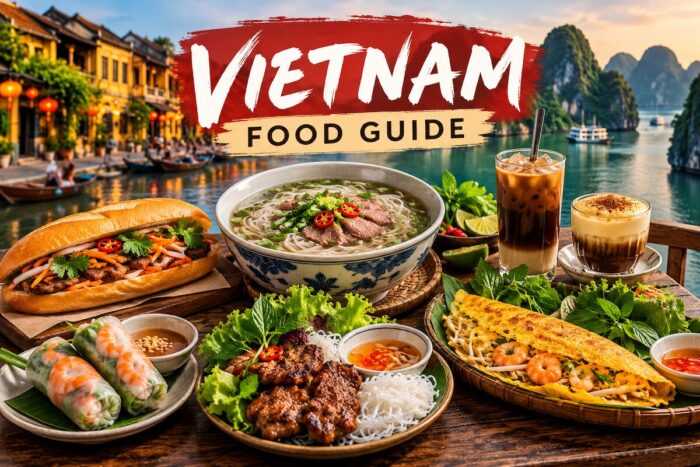
Vietnam Food Guide
This Vietnam food guide introduces 25 must-try dishes, including internationally recognized classics, regional specialties, lesser-known favorites, and authentic vegetarian options. Each entry explains the main ingredients, flavor profile, and where to try it, helping travelers discover more of Vietnam through its food.
Understanding Vietnamese Cuisine
Vietnamese food is often associated with balance. Rich, savory ingredients pair with fresh herbs, crunchy vegetables, acidity, sweetness, and sometimes chili heat. Fish sauce, lime, rice vinegar, fermented shrimp paste, garlic, lemongrass, ginger, and fresh chilies contribute distinctive flavors to many dishes.
Rice is central to the country’s food culture. It appears as steamed rice, rice noodles, rice paper, rice porridge, and fermented rice products. Noodles are equally important, while baguettes reflect French colonial influence and have become part of Vietnam’s culinary identity.
Regional differences also matter. Northern Vietnamese cuisine is often known for restrained seasoning and clear broths. Central Vietnam is famous for bold flavors, chili, and distinctive imperial and street food traditions. Southern Vietnamese food frequently combines fresh herbs, sweeter sauces, tropical produce, and ingredients from the Mekong Delta.
The following dishes offer a practical introduction to this diversity.
25 Must-Try Vietnamese Dishes
1. Pho
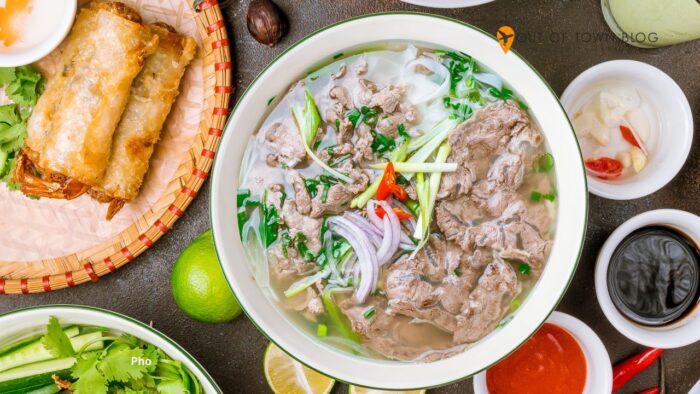
Pho is pronounced “fuh.”
Origin: Northern Vietnam, especially Hanoi
Pho is Vietnam’s most internationally recognized dish. It consists of flat rice noodles served in a fragrant broth, usually with thinly sliced beef or chicken. Beef pho often features stock simmered with bones, charred onion, ginger, star anise, cinnamon, and other aromatics. Fresh scallions and herbs finish the bowl.
Northern-style pho typically emphasizes a clear, balanced broth, while southern versions often arrive with a larger plate of bean sprouts, basil, lime, and additional condiments. People commonly eat it for breakfast, but you can find it throughout the day. Its development is generally associated with northern Vietnam in the early 20th century.
Where to try it: Hanoi is an excellent place to explore traditional beef pho. Ho Chi Minh City offers southern-style versions with a wider range of fresh accompaniments.
2. Banh Mi
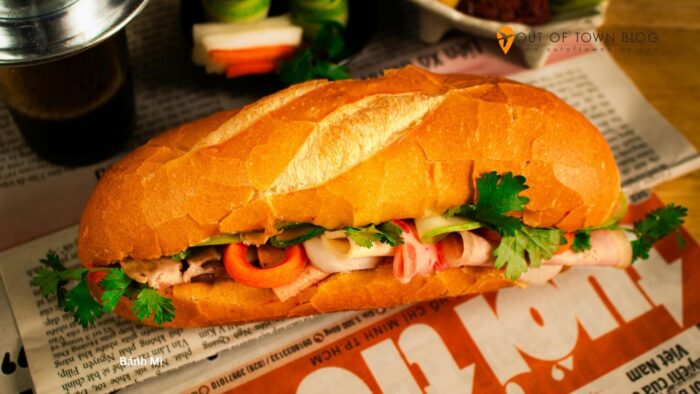
Banh mi is pronounced “bahn mee.”
Origin: Vietnam, with strong associations with Ho Chi Minh City
Banh mi is a Vietnamese sandwich made with a crisp, lightweight baguette filled with savory ingredients and fresh vegetables. Common fillings include grilled pork, Vietnamese cold cuts, pate, pork meatballs, or eggs. Pickled carrot and daikon, cucumber, coriander, chili, and a house sauce add acidity, crunch, and freshness.
Although the baguette reflects French colonial influence, Vietnamese cooks developed their own bread styles and distinctive filling combinations. The result is a portable meal with crisp bread, rich meat or egg, tangy pickles, and fragrant herbs.
Where to try it: Look for neighborhood bakeries and street stalls in Ho Chi Minh City, Hanoi, and Hoi An. Hoi An is particularly well known for its generously filled sandwiches.
3. Bun Cha

Bun cha is pronounced, “boon chah.”
Origin: Hanoi, Northern Vietnam
Bun cha combines grilled pork with rice vermicelli, fresh herbs, and a dipping sauce made with fish sauce, lime or vinegar, sugar, garlic, and chili. The pork usually comes in two forms: seasoned minced pork patties and thin slices of pork belly grilled over charcoal.
The smoky meat is served with a light, sweet-and-sour dipping liquid, often with pickled green papaya or carrot. Diners dip the pork and noodles into the sauce and eat them with herbs. This Hanoi specialty gained even wider international recognition after Barack Obama and Anthony Bourdain shared a meal in 2016.
Where to try it: Hanoi is the best place for the classic version, especially in the Old Quarter and other established local dining areas.
4. Bun Bo Hue
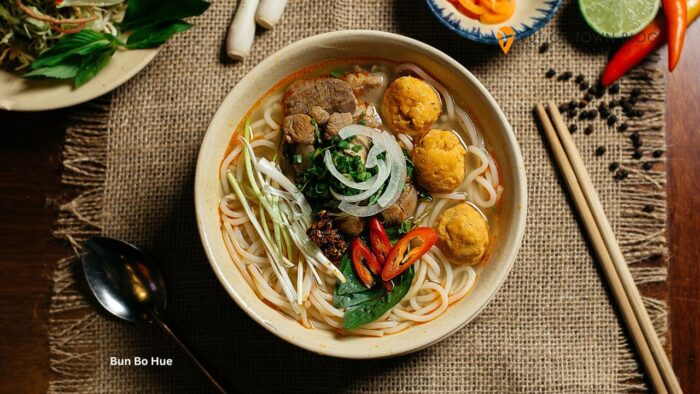
Bun bo Hue is pronounced “boon baw hway.”
Origin: Hue, Central Vietnam
Bun bo Hue is a bold noodle soup known for its beefy broth, lemongrass aroma, and chili-infused seasoning. It typically includes thick round rice noodles, beef, and sometimes pork hock or Vietnamese pork sausage. Fermented shrimp paste may deepen the broth.
Compared with pho, the soup is often more assertive, with noticeable lemongrass, savory richness, and heat. Its toppings vary by restaurant, so the exact combination depends on the cook and regional style.
Where to try it: Hue is the natural place to try this specialty. You can also find it in Da Nang, Ho Chi Minh City, and Vietnamese restaurants nationwide.
5. Com Tam
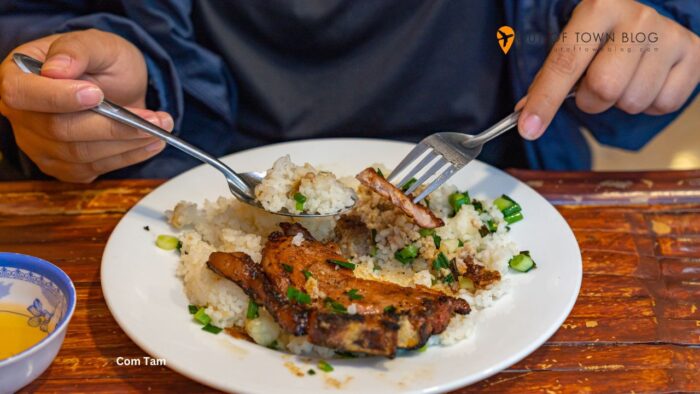
Com tam is pronounced, “kuhm tum.”
Origin: Southern Vietnam, especially Ho Chi Minh City
Com tam is a popular southern Vietnamese rice meal traditionally made with fractured rice grains. A classic plate includes a grilled pork chop, shredded pork skin, steamed egg meatloaf, pickled vegetables, and a small bowl of fish-sauce dressing. Some versions add a fried egg or extra grilled meat.
Broken rice has a distinctive texture, while the grilled pork adds smoky, savory flavor. Sweet-and-sour dressing and pickled vegetables help balance the richness. Once associated with less commercially valuable rice grains, com tam has become a beloved everyday meal.
Where to try it: Ho Chi Minh City is the best place to find traditional com tam, especially at local restaurants serving breakfast and lunch.
6. Cao Lau

Cao lau is pronounced “cow low.”
Origin: Hoi An, Central Vietnam
Cao lau is one of Hoi An’s most distinctive noodle dishes. It features thick, chewy noodles topped with slices of roast pork, leafy greens, bean sprouts, herbs, and crunchy rice crackers. Unlike a conventional noodle soup, it contains only a small amount of concentrated sauce or broth.
Its defining characteristic is the noodle texture, which differs from the soft rice noodles used in pho. Traditional preparation is tied to Hoi An’s local culinary heritage and specific noodle-making methods.
Where to try it: Try cao lau in Hoi An, where local restaurants specialize in it. It is a particularly useful choice for travelers who want to discover regional food beyond the country’s best-known exports.
7. Mi Quang

Mi Quang is pronounced “mee kwang.”
Origin: Quang Nam Province and the Da Nang area
Mi Quang is a Central Vietnamese noodle dish made with broad rice noodles, often colored yellow with turmeric. It can include pork, shrimp, chicken, or combinations of meat and seafood, topped with herbs, peanuts, scallions, and crispy rice crackers.
The dish uses less broth than many Vietnamese noodle soups. Its concentrated liquid coats the noodles rather than completely submerging them. The result combines savory seasoning, fresh herbs, crunchy toppings, and a satisfying mixture of textures.
Where to try it: Da Nang and Quang Nam are good places to sample regional versions. Ask about the toppings, because recipes differ from household to household and restaurant to restaurant.
8. Banh Xeo

Banh xeo is pronounced, “bahn say-oh.”
Origin: Found throughout Vietnam, with regional variations
Banh xeo is a savory, crispy pancake made from a rice-flour batter, often with turmeric and coconut milk, depending on the regional recipe. The batter is fried in a hot pan and filled with ingredients such as shrimp, pork, and bean sprouts.
The name comes from the sizzling sound the batter makes as it cooks. Diners tear off pieces of the pancake, wrap them in lettuce or mustard leaves with herbs, and dip them into a fish sauce-based dressing. Southern versions are often larger, while central versions can be smaller and crispier.
Where to try it: Try it in Ho Chi Minh City, the Mekong Delta, or Central Vietnam to compare different sizes, fillings, and serving styles.
9. Goi Cuon

Goi cuon is pronounced “goy kwun.”
Origin: Found throughout Vietnam
Goi cuon are fresh spring rolls made by wrapping rice paper around ingredients such as shrimp, pork, vermicelli noodles, lettuce, and herbs. Unlike fried spring rolls, these are served uncooked, allowing the ingredients to retain their freshness and texture.
They are usually paired with a dipping sauce, often a peanut hoisin sauce or a fish sauce dressing. Their appeal comes from the contrast between soft rice paper, tender protein, cool noodles, and crisp greens.
Where to try it: You can find fresh rolls at casual Vietnamese restaurants and food stalls. Check the filling before ordering, as some versions contain pork, shrimp, or other animal products.
10. Cha Ca

Cha ca is pronounced “chah kah.”
Origin: Hanoi, Northern Vietnam
Cha ca is a well-known Hanoi fish dish featuring turmeric-seasoned fish pieces, then cooked with dill and spring onions. Restaurants may finish the fish in a hot pan at the table, allowing diners to mix it with herbs and serve it alongside rice vermicelli, peanuts, and dipping sauce.
The dish has a distinctive herbal aroma, with the mild fish flavor balanced by seasoning and fresh greens. Its preparation makes it as much a shared dining experience as an individual meal.
Where to try it: Hanoi is the best place to find the traditional version. If you have dietary restrictions, ask which fish is used and whether the dish contains shrimp paste or fish sauce.
11. Banh Cuon

Banh cuon is pronounced “bahn kwun.”
Origin: Northern Vietnam
Banh cuon consists of thin, delicate sheets of steamed rice batter, usually rolled around minced pork and wood ear mushrooms. The rolls are topped with fried shallots and often served with Vietnamese pork sausage, fresh herbs, and a fish sauce-based dipping liquid.
The texture is soft and slightly slippery, with a savory filling and the crisp fragrance of shallots. Some regional versions serve plain rice sheets instead of filled rolls, letting the sausage and sauce take center stage.
Where to try it: Hanoi and the surrounding Red River Delta are known for banh cuon. It is a common breakfast option, although many restaurants serve it at other times.
12. Bun Rieu

Bun rieu is pronounced, “boon ree-uh.”
Origin: Popular across Vietnam, with northern roots
Bun rieu is a rice noodle soup distinguished by its tomato-based broth and crab flavor. Depending on the recipe, it may include freshwater crab, crab paste, tofu, pork, or other toppings. The broth is typically tangy and savory, with tomatoes providing a brighter flavor than pho’s aromatic stock.
The dish appeals especially to travelers who enjoy seafood-based soups and complex broths. However, recipes differ, and some versions contain multiple animal ingredients.
Where to try it: Look for bun rieu in Hanoi and Ho Chi Minh City. Ask whether the crab mixture contains pork or other seafood if you have allergies or dietary restrictions.
13. Hu Tieu

Hu tieu is pronounced “hoo tee-uh.”
Origin: Southern Vietnam
Hu tieu is a southern noodle dish that comes in several forms. It may be served in a clear broth or as dry noodles tossed with sauce, with soup served separately. Common ingredients include pork, shrimp, minced meat, bean sprouts, chives, and fried garlic.
Noodles can be made from rice or other starch blends, so texture varies by restaurant. Some versions reflect Chinese and Cambodian culinary influences that have shaped food traditions in southern Vietnam.
Where to try it: Ho Chi Minh City and the Mekong Delta are great places to explore different hu tieu styles. For a lighter meal, look for a clear-broth version with vegetables and herbs.
14. Banh Beo
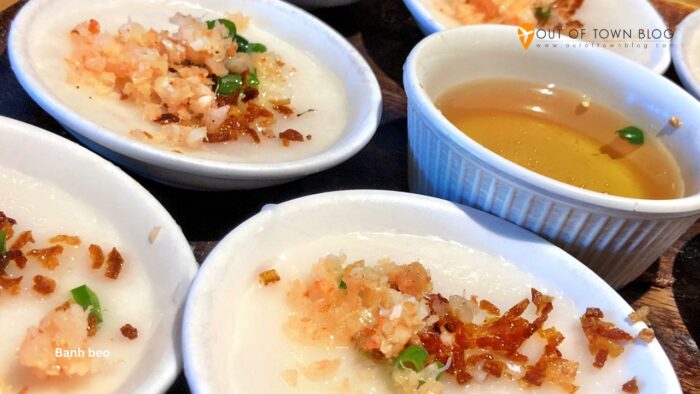
Banh beo is pronounced “bahn beh-oh.”
Origin: Central Vietnam, especially Hue
Banh beo consists of small, round steamed rice cakes served in individual dishes. They are commonly topped with dried or minced shrimp, scallions, crispy pork cracklings, and a spoonful of seasoned fish sauce. Some variations include mung beans or other toppings.
The cakes have a soft, delicate texture, while the toppings contribute saltiness and crunch. People typically eat them as a snack or as part of a larger meal featuring several Central Vietnamese specialties.
Where to try it: Hue is especially associated with banh beo. It is a good option for travelers who want to sample small portions of traditional regional food without committing to a large main course.
15. Banh Can
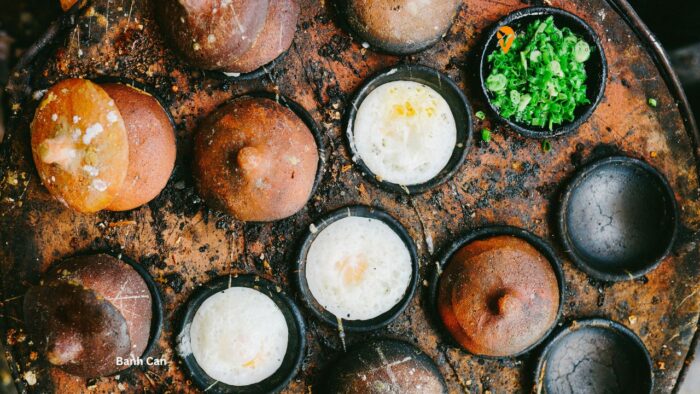
Banh can is pronounced “bahn kahn.”
Origin: Popular in south central coastal Vietnam
Banh can is made by cooking small portions of rice batter in round molds, often over charcoal or another direct heat source. Depending on the locality, the cakes may contain quail eggs, shrimp, squid, or other toppings. They are commonly served with a dipping sauce and fresh herbs.
Unlike banh xeo, banh can is usually not folded around a filling. Its appeal lies in the contrast between a lightly crisp exterior and a tender center. Regional serving styles can include a warm sauce or broth alongside the cakes.
Where to try it: Nha Trang, Phan Rang, and Da Lat are known for versions of banh can. Ask about the batter and cooking fat if you require a fully plant-based meal.
16. Bun Thit Nuong
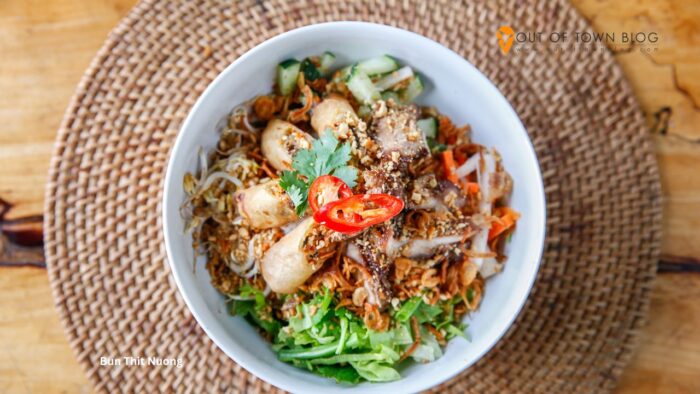
Bun thit nuong is pronounced, “boon tit noong.”
Origin: Popular in Southern Vietnam
Bun thit nuong is a bowl of rice vermicelli topped with grilled, marinated pork. It usually includes lettuce, cucumber, fresh herbs, pickled vegetables, roasted peanuts, and a fish sauce-based dressing. Some versions add fried spring rolls or other toppings.
The pork brings a smoky, savory sweetness, while the vegetables and herbs keep the dish fresh. Together, the ingredients create a balanced mix of soft noodles, grilled meat, crunch, and tangy sauce.
Where to try it: Ho Chi Minh City is an excellent place to find this dish at lunch stalls and casual restaurants. Ask for the dressing on the side if you want to control its sweetness or intensity.
17. Banh Chung
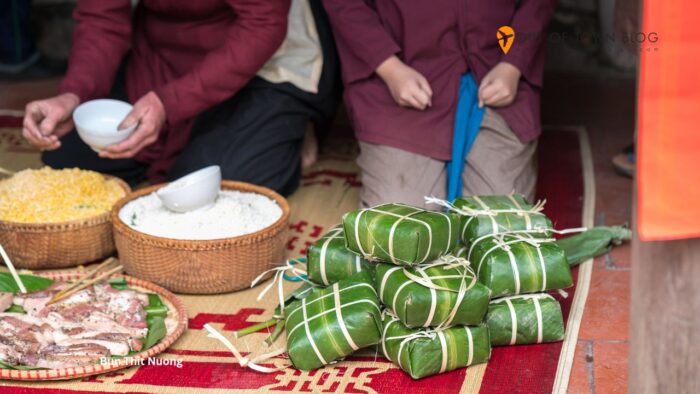
Banh chung is pronounced “bahn chung.”
Origin: Traditional specialty of Northern Vietnam, eaten nationwide during Tet
Banh chung is a square sticky rice cake traditionally prepared for Tet, the Vietnamese Lunar New Year. It is generally made with glutinous rice, mung beans, and pork, wrapped in green leaves and cooked for many hours until the ingredients form a dense, cohesive cake.
The dish carries cultural significance beyond its flavor. Families may prepare it together during the holiday season, connecting the food with family gatherings and Vietnamese traditions. It has a mild, savory flavor, a dense rice texture, and a rich filling.
Where to try it: Traditional markets, specialty food shops, and family kitchens are good places to encounter banh chung, especially around Tet. Vegetarian versions may be available, but confirm the filling before ordering.
18. Xoi

Xoi is pronounced “soy.”
Origin: Found throughout Vietnam
Xoi is Vietnamese sticky rice, served in savory and sweet forms. Savory versions may include mung beans, shredded chicken, pork floss, Chinese sausage, fried shallots, or other toppings. Sweet versions can combine sticky rice with coconut, beans, fruit, or sugar.
The grains are tender and cohesive, not separate like ordinary steamed rice. Xoi is popular for breakfast and as a convenient street snack because it is filling and easy to carry.
Where to try it: Street stalls and markets throughout Vietnam sell xoi, especially in the morning. Vegetarian choices include sticky rice with mung beans or coconut, but check whether fried shallots, toppings, or cooking fats contain animal products.
19. Rau Muong Xao Toi
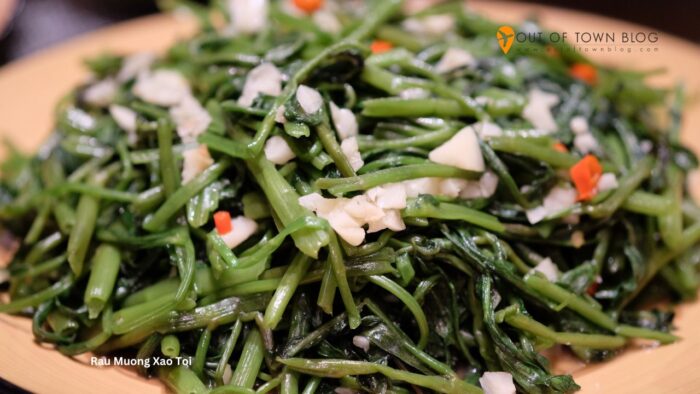
Rau muong xao toi is pronounced “row moo-ong sow toy.”
Origin: A common vegetable dish throughout Vietnam
Rau muong xao toi is water spinach stir-fried with garlic. It is a familiar side dish served alongside rice and other shared plates. The greens cook quickly over high heat, preserving a pleasant bite while letting the garlic infuse the vegetables.
The flavor is simple and savory, with a slight vegetal sweetness and fragrant garlic. It is a useful choice for travelers looking for a vegetable dish among menus dominated by meat, seafood, and noodles.
Where to try it: Family-style restaurants and local eateries throughout Vietnam commonly serve this dish. Ask whether it is cooked with fish sauce, oyster sauce, or animal fat if you need a fully vegetarian or vegan preparation.
20. Dau Hu Sot Ca Chua
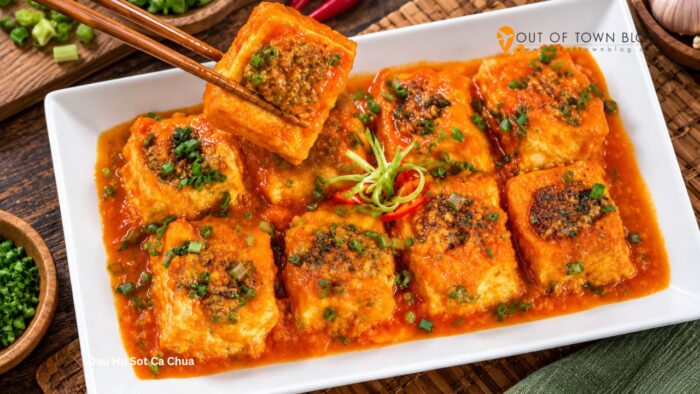
Dau hu sot ca chua is pronounced “dow hoo soht kah choo-uh.”
Origin: Common home-style dish throughout Vietnam
Dau hu sot ca chua is tofu cooked in a tomato sauce with aromatics such as garlic and scallions. This familiar home-style dish pairs well with steamed rice. The tofu absorbs the savory, slightly tangy sauce, while tomatoes provide moisture and a gentle sweetness.
This dish is a promising option for vegetarians, but the exact preparation matters. Some cooks add fish sauce, meat stock, or other animal-derived seasonings, so the name alone doesn’t guarantee a vegan serving.
Where to try it: Look for it at vegetarian restaurants, home-style eateries, and casual restaurants serving prepared rice dishes. If needed, request a version made without fish sauce or animal broth.
21. Canh Chua
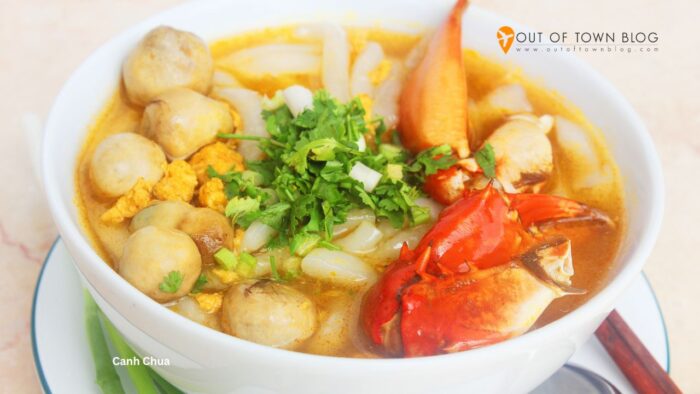
Canh chua is pronounced, “kan choo-uh.”
Origin: Strong associations with Southern Vietnam and the Mekong Delta
Canh chua is a sour soup commonly associated with southern Vietnamese cooking. Many versions use fish, tamarind, tomatoes, pineapple, okra, and herbs. The combination creates a tangy, lightly sweet, savory broth, with vegetables adding different textures.
Recipes vary widely. Some are centered on freshwater fish, while others use seafood or different vegetables. Many southern versions feature tamarind’s sourness and pineapple’s sweetness.
Where to try it: The Mekong Delta and southern Vietnamese restaurants are good places to sample canh chua. Vegetarian versions may use mushrooms, tofu, and vegetable broth, but you should request them specifically rather than assume they’re included.
22. Che
Che is pronounced “cheh.”
Origin: Found throughout Vietnam
Che is a broad category of Vietnamese sweet desserts, not a single recipe. Depending on the version, it may contain beans, tapioca pearls, jelly, fruit, sticky rice, lotus seeds, coconut milk, or crushed ice. Some are served warm, while others are chilled.
Texture is often as important as sweetness. A single serving may combine chewy pearls, soft beans, silky coconut milk, and pieces of fruit or jelly. Che offers a useful introduction to the variety of ingredients used in Vietnamese desserts.
Where to try it: Dessert stalls, markets, and casual eateries throughout Vietnam offer different kinds of che. Ask about dairy ingredients or toppings if you have allergies or follow a vegan diet.
23. Banh Troi Nuoc
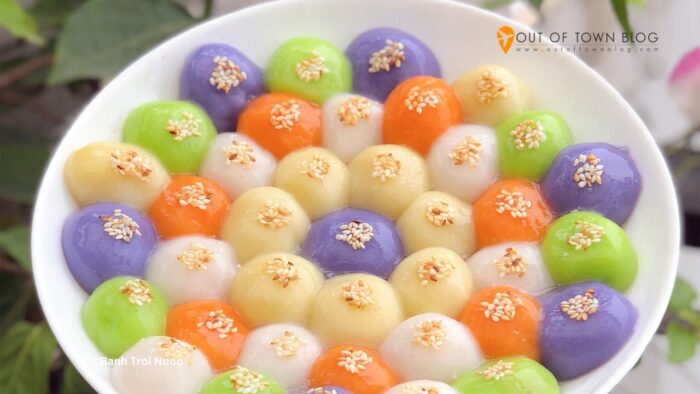
Banh troi nuoc is pronounced, “bahn choy nook.”
Origin: Traditional specialty of Northern Vietnam
Banh troi nuoc consists of glutinous rice balls served in a sweet liquid, often a warm ginger syrup. Some versions include mung bean filling, and you may top it with toasted sesame seeds or coconut. The rice balls are chewy, while the ginger syrup contributes warmth and fragrance.
The dish is part of northern Vietnamese dessert traditions and is often eaten during specific seasonal or cultural occasions. Its ingredients are simple, but the texture and balance among the rice, filling, and syrup make it distinctive.
Where to try it: Look for banh troi nuoc at traditional dessert vendors and local markets in Hanoi. Check the filling and syrup ingredients if you need to avoid particular allergens.
24. Banh Da Lon
Banh da lon is pronounced, “bahn zah luon.”
Origin: Popular in Southern Vietnam
Banh da lon is a layered steamed cake often made with tapioca starch, rice flour, mung beans, coconut milk, and pandan flavoring. Its characteristic green and yellow layers are soft, elastic, and slightly chewy.
The cake has a gentle sweetness rather than the rich texture of a butter-based Western dessert. Pandan gives it an aromatic, grassy note, while coconut milk adds richness. Mung beans contribute a mild, earthy flavor to the layers.
Where to try it: Southern Vietnamese bakeries, traditional markets, and dessert stalls are good places to find banh da lon. Ask about ingredients if you have concerns about coconut, mung beans, or possible cross-contact with allergens.
25. Banh Chuoi Nuong
Banh chuoi nuong is pronounced, “bahn choo-oy noong.”
Origin: Popular in Southern Vietnam
Banh chuoi nuong is a baked banana dessert made with ripe bananas and ingredients that may include bread, coconut milk, sugar, and sometimes tapioca or other starches. During baking, the banana softens and sweetens, while the surface darkens and develops a caramelized flavor.
The texture depends on the recipe. Some versions resemble a dense banana pudding, while others are more cake-like. Many preparations use coconut milk, giving the dessert a rich aroma that complements the fruit.
Where to try it: Look for banh chuoi nuong at traditional bakeries, street dessert vendors, and markets in southern Vietnam. Confirm the recipe if you need to avoid dairy, gluten, or other ingredients.
Iconic Vietnamese Drinks to Try
Although this guide focuses on food, Vietnamese drinks are an important part of the country’s culinary culture. Try these three specialties alongside local meals or as an afternoon treat.
Ca Phe Sua Da
Ca phe sua da is pronounced “kah feh soo-uh dah.”
Vietnamese iced coffee is traditionally made by brewing strong coffee through a metal filter, then mixing it with sweetened condensed milk and ice. It has a robust roasted flavor balanced by creamy sweetness. Some cafes use different beans or brewing styles, but the strong coffee-and-condensed-milk combination is widely associated with the drink.
Ca Phe Trung
Ca phe trung is pronounced, “kah feh chung.”
Egg coffee is especially associated with Hanoi. It combines strong coffee with a creamy mixture typically made from egg yolk and sweetened condensed milk. The topping is thick and dessert-like, creating a contrast between the coffee’s bitterness and the cream’s sweetness. Travelers who enjoy rich coffee drinks should look for it in Hanoi cafes.
Nuoc Mia
Nuoc mia is pronounced, “nook mee-uh.”
Nuoc mia is freshly pressed sugarcane juice, usually served cold. Its clean, grassy sweetness makes it refreshing in Vietnam’s warm weather. Some vendors add a little citrus or other ingredients to adjust the flavor. Choose a busy stall where the sugarcane is freshly pressed, and the serving equipment appears clean.
What Makes Vietnamese Food Distinctive?
Vietnamese cuisine combines contrasting flavors and textures in a single meal. A bowl of noodles may include a savory broth, fresh herbs, lime, and chili. A sandwich can combine crisp bread, rich pâté, grilled meat, pickled vegetables, and fragrant coriander. These combinations create variety without relying on heavy sauces alone.
Several ingredients appear repeatedly:
- Fish sauce: Adds saltiness and umami to dressings, marinades, soups, and dipping sauces.
- Fresh herbs: Mint, coriander, Thai basil, and other greens provide fragrance and freshness.
- Lime and tamarind: Contribute acidity that balances rich or sweet ingredients.
- Lemongrass and ginger: Add aromatic depth to soups, marinades, and grilled dishes.
- Rice and rice products: Form the foundation of many noodles, wrappers, cakes, and everyday meals.
- Chili: Adds heat, although many dishes are mild unless chili is included in the preparation or added at the table.
Vietnamese cuisine also reflects regional influences and local agriculture. Northern dishes often emphasize broth and measured seasoning. Central Vietnam is associated with distinctive noodle dishes and more assertive seasoning in many specialties. Southern food frequently uses tropical produce, herbs, and sweeter flavor profiles. These are broad patterns, not strict rules, and individual dishes vary considerably.
Vegetarian and Vegan Food in Vietnam
Vietnam has a long tradition of vegetarian cooking, including food associated with Buddhist practices. Vegetarian restaurants, often identified by the word chay, can offer tofu, mushrooms, vegetable dishes, rice, noodles, and plant-based versions of familiar foods.
However, don’t assume a dish with vegetables is vegetarian or vegan. Fish sauce is widely used in Vietnamese cooking, and some broths contain meat or seafood even when no pieces of meat appear in the bowl. Vegetable dishes can also use oyster sauce, shrimp paste, and animal fats.
When ordering, clearly explain your dietary requirements. Ask whether the dish contains fish sauce, meat broth, shrimp paste, oyster sauce, eggs, or dairy. If you are vegan, specify that you do not eat any animal products. For severe allergies, also ask about shared cooking equipment and cross-contact.
Several dishes in this guide may be suitable when prepared appropriately, including rau muong xao toi, dau hu sot ca chua, certain versions of xoi, and vegetable-based canh chua. Always confirm the actual recipe with the restaurant.
Frequently Asked Questions About Vietnamese Food
1. What is the most famous Vietnamese dish?
Pho is probably the most internationally recognized Vietnamese dish. This noodle soup features rice noodles, a fragrant broth, and beef or chicken, usually finished with herbs and scallions. It is especially associated with Hanoi, although southern versions have their own accompaniments and flavor profiles. Banh mi is another globally popular dish that combines a Vietnamese-style baguette with savory fillings, pickled vegetables, and herbs. Both are excellent starting points, but Vietnam’s cuisine includes many other specialties worth exploring.
2. What should first time visitors eat in Vietnam?
First-time visitors should begin with pho, banh mi, bun cha, banh xeo, goi cuon, and com tam. Together, these dishes introduce several important features of Vietnamese cuisine, including aromatic broths, fresh herbs, grilled meats, rice noodles, crisp vegetables, and balanced dipping sauces. Try regional specialties as you travel rather than ordering the same familiar dishes everywhere. For example, sample bun bo Hue in Hue and cao lau in Hoi An. This approach makes it easier to understand how ingredients and cooking traditions differ across the country.
3. What foods is Vietnam best known for?
Vietnam is best known for noodle soups, baguette sandwiches, fresh spring rolls, grilled pork with vermicelli, and a wide range of rice dishes. Pho and banh mi are particularly recognizable internationally, while bun cha, banh xeo, bun bo Hue, and com tam are popular choices for exploring the country’s wider culinary identity. Vietnamese cuisine is also known for fresh herbs, fish sauce, rice-based foods, and contrasting flavors and textures. Regional dishes, including cao lau and mi Quang, show why Vietnamese food cannot be reduced to just a few famous meals.
4. What is Vietnam’s national dish?
Pho is widely regarded as Vietnam’s signature dish and is often described internationally as the country’s national dish. However, it is more accurate to treat it as a national culinary symbol rather than assume one dish represents every Vietnamese food tradition. The country has numerous important regional specialties, including bun bo Hue, cao lau, mi Quang, and com tam. Pho’s popularity comes from its aromatic broth, rice noodles, and versatility, with beef and chicken versions available in many places. Trying several regional dishes provides a fuller picture of Vietnamese cuisine.
5. What Vietnamese street foods should travelers try?
Banh mi, bun cha, banh xeo, goi cuon, xoi, and banh cuon are excellent street food choices. They use different cooking techniques and offer varied textures, from crisp baguettes and sizzling pancakes to steamed rice rolls and fresh, herb-filled wraps. Street food also lets you observe local eating habits and discover dishes that may not appear on international restaurant menus. Choose busy stalls with freshly prepared food and clean handling practices. If you have food allergies or dietary restrictions, ask about sauces, fillings, broth, and cooking ingredients before ordering.
6. What are the main differences between Northern, Central, and Southern Vietnamese cuisine?
Northern Vietnamese cuisine is often associated with clear broths, restrained seasoning, and dishes such as pho and bun cha. Central Vietnam, including Hue, is known for specialties such as bun bo Hue and mi Quang, with many dishes featuring bold seasoning and chili. Southern cuisine frequently combines fresh herbs, tropical ingredients, and sweeter sauces, as seen in com tam and several noodle dishes. These distinctions are general patterns, not absolute rules. Recipes vary by city, restaurant, and family, so travelers should treat regional styles as a guide for exploration rather than a rigid classification.
7. Is Vietnamese food spicy?
Vietnamese food is not uniformly spicy. Many noodle soups, rice dishes, and grilled foods are relatively mild until you add chili at the table. Some Central Vietnamese specialties, particularly versions of bun bo Hue, may have noticeable heat from chili oil or other seasonings. Dipping sauces can also contain fresh chilies. If you prefer mild food, ask for no chili and taste condiments separately before adding them. Remember that a dish may still be strongly flavored through fish sauce, fermented shrimp paste, lemongrass, garlic, or other ingredients even when it is not hot.
8. Is vegetarian or vegan food easy to find in Vietnam?
Vegetarian food is available throughout Vietnam, especially in larger cities and at restaurants that specialize in chay cuisine. Common ingredients include tofu, mushrooms, vegetables, rice, noodles, mung beans, and coconut. Vegan options are also available, but travelers should check how each dish is prepared. Dishes that look plant-based may still contain fish sauce, shrimp paste, meat stock, oyster sauce, eggs, or dairy. Ask specifically for food prepared without animal products, and confirm that the broth, sauces, and cooking fats meet your requirements. Dedicated vegetarian restaurants are often the simplest option.
9. What Vietnamese desserts should visitors try?
Che, banh troi nuoc, banh da lon, and banh chuoi nuong offer a useful introduction to Vietnamese desserts. Che covers a broad family of sweet soups and puddings made with ingredients such as beans, tapioca pearls, jelly, fruit, sticky rice, and coconut milk. Banh troi nuoc features chewy rice balls in sweet ginger syrup, while banh da lon is a soft, layered cake commonly made with pandan, mung beans, and coconut milk. Banh chuoi nuong is a baked dessert made with ripe bananas. Recipes vary, so ask about ingredients if you have allergies or dietary restrictions.
10. What ingredients are commonly used in Vietnamese cooking?
Rice, rice noodles, fish sauce, fresh herbs, garlic, ginger, lemongrass, lime, chili, and fermented seasonings are common in Vietnamese cooking. Depending on the region and dish, cooks may also use coconut milk, peanuts, shrimp paste, soy products, mushrooms, and a variety of vegetables. These ingredients add saltiness, acidity, sweetness, fragrance, and umami. Fresh herbs and crunchy vegetables often balance rich broths, grilled meats, and savory sauces. Travelers with allergies should ask about individual ingredients rather than relying on a dish’s name or appearance, because recipes and sauces can differ between establishments.
11. What Vietnamese foods may contain common allergens?
Peanuts, shrimp, crab, fish, soy, wheat, eggs, and sesame can appear in Vietnamese dishes, although ingredients vary by recipe. Peanut sauces may accompany spring rolls, seafood can be used in noodle soups, soy products are common in vegetarian cooking, and wheat is found in baguettes and some processed ingredients. Fish sauce and shrimp paste can appear in dressings or broths even when they aren’t visible. If you have a food allergy, explain it clearly and ask about sauces, stocks, marinades, and shared equipment. For severe allergies, do not rely on removing a visible ingredient as sufficient protection.
12. What is the best way to experience Vietnamese food culture?
The best approach is to sample dishes from different regions you visit, including street food, family-style meals, noodle soups, snacks, and desserts. Eat pho in Hanoi, try bun bo Hue in Hue, and explore cao lau in Hoi An or com tam in Ho Chi Minh City. Visit local markets to see the ingredients used in everyday cooking, and pay attention to the herbs and condiments served alongside each meal. Many dishes are designed to be adjusted at the table, so taste the broth or sauce before adding chili, lime, or other seasonings. Trying regional specialties helps connect food with local history and daily life.
Final Tips for Exploring Vietnamese Cuisine
Vietnam’s food culture rewards curiosity. Start with familiar dishes, then make room for regional specialties, seasonal ingredients, and local desserts. A meal does not need to be elaborate to be memorable. A simple bowl of noodles, freshly grilled pork, or sticky rice from a neighborhood stall can reveal as much about everyday food traditions as a restaurant’s signature dish.
When choosing what to eat in Vietnam, consider the destination, the ingredients, and the style of preparation. If you have dietary restrictions, ask about sauces and broths, and try regional variations instead of assuming every version of a dish tastes the same. From pho and banh mi to lesser-known rice cakes and vegetable dishes, these 25 specialties offer a strong starting point for discovering Vietnamese cuisine.
Follow the Out of Town Travel Blog on Facebook, Twitter, Instagram, and Pinterest for more travel- and food-related updates.
Read:
- 10 Best Beaches in Vietnam
- 12 Fun Things to Do in Samal Island, Davao del Norte
- Review: Pearl Farm Beach Resort in Samal Island
- 15 Must-Try Filipino Restaurants in Dubai
- Top 49 Best Things to Do in Phu Quoc Island + Tourist Spots