

 Melo Villareal
Pampanga Food Trip: Must-Try Kapampangan Dishes
Pampanga is a province known for its rich heritage, fertile soil, vibrant culture, and especially its delicious cuisine. When visiting Pampanga, make sure to sample their unique local dishes that aren’t commonly found elsewhere in the country. If you’re short on time, consider trying these 8 authentic Kapampangan dishes instead.

Burung Bulig by TriporTreats.com
Burung Bulig or Balo Balo
Burung Bulig and Balo Balo are two iconic fermented dishes from Kapampangan cuisine that showcase the region’s bold and adventurous culinary traditions. Burung Bulig is made from fermented mudfish and served as a main dish. At the same time, Balo Balo uses fermented shrimp in rice and serves primarily as a condiment or dip for fried, roasted, or grilled meats, fish, and vegetables.
Both dishes are considered acquired tastes due to their intense, pungent flavors from the fermentation process, but they reflect the authentic, distinctive character of Kapampangan cooking. What makes them particularly iconic is that they remain a cultural challenge to outsiders and exemplify Pampanga’s reputation as the culinary capital of the Philippines, where cooks aren’t afraid to push boundaries and create complex flavors through traditional preservation techniques.
These fermented delicacies, particularly Burung Bulig from Candaba, are emblematic of how Kapampangan cuisine embraces unique ingredients and preparation methods passed down through generations.

Sisig
Sisig is one of the Philippines’ most iconic dishes, originating from the Pampanga region in Luzon over two centuries ago. The word “sisig” in the Kapampangan language means “sour,” reflecting its original form as a sour salad made with ingredients like green papaya or guava.
The dish underwent a dramatic transformation when Lucia “Aling Lucing” Cunanan of Angeles City accidentally created the sizzling sisig version we know today. Modern sisig is typically made from pork jowl and ears (maskara), pork belly, and chicken liver, seasoned with calamansi, onions, and chili peppers, and served on a sizzling hot plate that creates a theatrical presentation.
What makes sisig truly iconic to Kapampangan cuisine is its remarkable journey from humble beginnings—utilizing leftover pork parts, some say from the American Clark Air Base—into a flavor-packed dish that has become a symbol of Kapampangan culinary genius and resourcefulness. The dish perfectly embodies Pampanga’s reputation as the culinary capital of the Philippines, showcasing how traditional cooking techniques, bold flavors, and creative innovation can transform simple, often discarded ingredients into an unforgettable gastronomic experience.
Today, sisig has transcended its regional origins to become a national treasure and a staple of Filipino cuisine, served everywhere from street food stalls to upscale restaurants, with countless variations that still honor its Kapampangan roots.

Bringhe
Bringhe is a beloved Kapampangan rice dish often described as the Filipino version of Spanish paella, reflecting a fusion of Southeast Asian and Spanish culinary influences that defines Filipino cuisine. Unlike traditional paella made with regular rice, bringhe uses glutinous or sticky rice cooked in rich coconut milk and flavored with turmeric, which gives the dish its distinctive golden-yellow color and creamy texture.
The dish is typically loaded with chicken, chorizo de Bilbao, hard-boiled eggs, and colorful vegetables like bell peppers and green peas, creating a vibrant and festive presentation. What makes the bringhe truly iconic to Kapampangan culture is its status as a celebration dish, traditionally served during fiestas, Christmas, New Year, weddings, and other special occasions, symbolizing abundance, prosperity, and the warmth of Filipino hospitality.
The dish showcases the Kapampangan people’s culinary artistry and their ability to adapt foreign influences while adding their own unique twist—replacing saffron with turmeric and incorporating coconut milk to create a distinctly Filipino flavor profile. Bringhe is a one-pot meal that brings people together, embodying the communal spirit of Filipino gatherings and the province’s well-deserved reputation as the culinary capital of the Philippines.
The combination of savory meats, aromatic spices, and the creamy richness of coconut-infused glutinous rice creates a symphony of flavors that makes bringhe not just a meal, but a cultural experience that has been lovingly passed down through generations of Kapampangan families.

Bulanglang Kapampangan
Bulanglang Kapampangan is a distinctive sour soup that showcases the region’s unique approach to Filipino cooking, setting it apart from other regional variations. While it resembles sinigang, this Kapampangan version uses fresh guava instead of tamarind to create its signature gentle sourness, resulting in a subtly sweet and tangy broth.
The dish typically features pork belly, freshwater prawns called ulang, and sometimes bangus belly, combined with vegetables such as taro, kangkong, and eggplant, and simmered in a guava-infused broth. What makes bulanglang iconic in Kapampangan cuisine is its balanced flavors and its showcase of the region’s culinary creativity with local tropical ingredients.

Kamaru
Kamaru is a beloved Kapampangan delicacy made from mole crickets, a type of insect commonly found in the rice fields of Pampanga during the rainy season. These crickets are typically prepared as adobong kamaru, cooked adobo-style with vinegar, soy sauce, garlic, and spices, or simply fried until crispy, resulting in a crunchy texture with a distinct nutty flavor.
What makes kamaru iconic to Kapampangan cuisine is its representation of the region’s adventurous culinary spirit and resourcefulness, transforming what many consider an agricultural pest into a sustainable protein source and gourmet delicacy. This exotic dish exemplifies Pampanga’s reputation for fearless cooking and willingness to embrace unconventional ingredients.

Tugak
Tugak is a unique Kapampangan delicacy made from farm-raised frogs, showcasing the region’s adventurous and resourceful approach to cooking. The frogs are typically prepared adobo-style with vinegar, soy sauce, garlic, and bay leaves, or deep-fried until crispy and golden, resulting in tender meat with a mild, chicken-like flavor and satisfying crunch.
What makes tugak iconic in Kapampangan cuisine is its embodiment of the province’s culinary boldness and its willingness to transform unconventional ingredients into sought-after delicacies that challenge preconceptions about exotic food. This dish represents Pampanga’s reputation as the culinary capital of the Philippines, where innovation and tradition merge to create distinctive flavors.

Morcon Kapampangan
Morcon Kapampangan is a festive dish that differs significantly from the traditional Filipino morcon, showcasing the region’s unique culinary interpretation. Unlike the common morcon, made from thinly sliced beef rolled with eggs and sausages, the Kapampangan version uses a mixture of ground pork and beef, combined with chorizo, onions, hard-boiled eggs, grated cheese, and raisins, and formed into a decorative cylinder.
What makes morcon Kapampangan iconic is its elaborate presentation and rich, complex flavors, making it a centerpiece at celebrations and gatherings and embodying the Kapampangan spirit of festivity and culinary excellence. This dish reflects Pampanga’s reputation for transforming simple ingredients into extraordinary creations.

Pindang Kalabaw
Pindang kalabaw, also known as tapang kalabaw, is a traditional Kapampangan delicacy made from cured and fermented carabao meat that develops an intensely sour and pungent flavor. The carabao meat is marinated in vinegar, garlic, and spices, then either slow-cooked or sun-dried until tender, resulting in a preserved meat with a distinctive tangy flavor that can be quite strong for first-time tasters.
What makes pindang kalabaw iconic in Kapampangan cuisine is its representation of ancient preservation techniques and the region’s bold approach to flavor, turning locally raised carabao into a unique delicacy. This dish exemplifies Pampanga’s culinary heritage and resourcefulness in creating flavorful preserved foods.

San Nicolas Cookies
San Nicolas cookies, also known as Panecillos de San Nicolas or Sanikulas, are traditional Kapampangan butter cookies with a heritage dating back to the 19th century, introduced by Augustinian friars during the Spanish colonial era. These buttery, shortbread-like treats are made with arrowroot flour, coconut milk, and egg yolks.
They are molded using intricate heirloom cookie molds featuring the image of St. Nicholas de Tolentino, the patron saint of children. What makes San Nicolas cookies iconic to Kapampangan cuisine is their religious and cultural significance, originally created for the saint’s feast day on September 10th, and their representation of preserved culinary traditions passed down through generations of families like the Borromeos.
Tibuk-tibuk
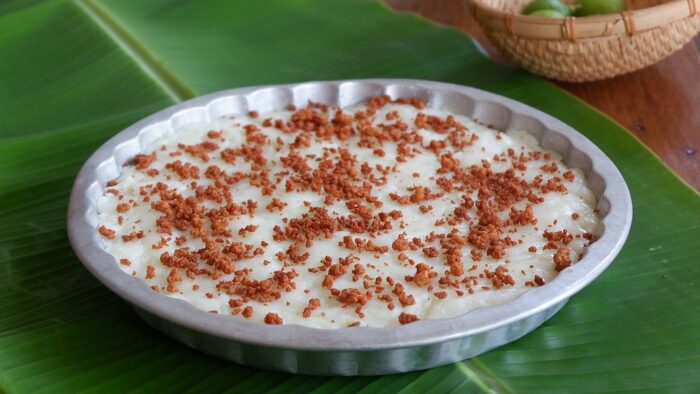
Tibuk-tibuk, or tibok-tibok, is a beloved Kapampangan dessert pudding made primarily from fresh carabao milk and ground, soaked glutinous rice, creating a smooth and creamy texture reminiscent of a heartbeat, which is what its name means in the Kapampangan language. The mixture is slowly cooked until it reaches a soft, jelly-like consistency, then topped with latik (coconut curds) before serving, adding a delightful contrast of textures and flavors.
What makes tibuk-tibuk iconic to Kapampangan cuisine is its use of locally-sourced carabao milk, which imparts a uniquely rich and indulgent flavor that distinguishes it from similar Filipino desserts like maja blanca, embodying Pampanga’s dairy traditions and culinary excellence.
Frequently Asked Questions
What Food Is Pampanga Known For?
Pampanga is widely recognized as the “Culinary Capital of the Philippines,” renowned for its rich, diverse food culture that showcases bold flavors, creative cooking techniques, and a fearless approach to ingredients. The province is known for sisig, the iconic sizzling pork dish invented in Angeles City and now a national treasure. Pampanga is also known for its exotic delicacies like kamaru (mole crickets) and tugak (frogs), demonstrating the region’s culinary adventurousness. Traditional dishes such as bringhe, a festive rice dish cooked in coconut milk and turmeric, and bulanglang, a sour soup made with guava, highlight the province’s unique flavor profiles.
Fermented specialties such as balo-balo and burong bulig showcase ancient preservation methods. In contrast, sweet treats such as tibuk-tibuk, a carabao milk pudding, and San Nicolas cookies reflect Spanish colonial influences.
Pampanga’s cuisine is characterized by its use of local ingredients, including carabao meat in dishes like pindang, and its ability to transform unconventional or straightforward ingredients into extraordinary culinary experiences that have influenced Filipino cooking nationwide.
What is the best dish of Pampanga?
The best dish of Pampanga is widely considered to be sisig, the iconic sizzling pork dish that has become synonymous with Kapampangan cuisine and Filipino food culture as a whole. Invented by Lucia “Aling Lucing” Cunanan in Angeles City, sisig transformed humble pork parts such as jowls and ears into a flavor-packed masterpiece, served on a sizzling hot plate with calamansi, onions, and chili peppers.
What makes sisig the ultimate Pampanga dish is its perfect representation of Kapampangan culinary genius—resourceful, bold, and innovative. It has transcended its regional origins to become a national favorite while remaining deeply rooted in Pampanga’s identity as the culinary capital of the Philippines.
What is the original Kapampangan dish?
The most iconic and original Kapampangan dish is arguably sisig, which has become the defining culinary symbol of Pampanga and one of the Philippines’ most celebrated dishes worldwide. Invented by Lucia “Aling Lucing” Cunanan in Angeles City during the 1970s, sisig represents a uniquely Kapampangan innovation that transformed leftover pork parts—cheeks, ears, and snout—into a sizzling masterpiece seasoned with calamansi, onions, and chili peppers. The dish’s theatrical presentation on a hot iron plate, combined with its bold, tangy flavors and crispy-tender textures, perfectly embodies the Kapampangan spirit of culinary creativity and resourcefulness.
However, some food historians might argue that bringhe holds an equal claim to being the most original Kapampangan dish, as it represents the province’s distinctive adaptation of Spanish paella, using indigenous ingredients such as glutinous rice, coconut milk, and turmeric instead of saffron. Bringhe has been a centerpiece of Kapampangan celebrations for centuries, predating the invention of sisig.
Ultimately, while sisig has achieved greater international recognition and become the face of Kapampangan cuisine in modern times, both dishes authentically represent Pampanga’s culinary heritage—sisig showcasing innovation and bold flavors, and bringhe demonstrating the region’s ability to blend foreign influences with local traditions to create something uniquely their own.
Searching for the best hotels, resorts, and affordable flights in the nearby Cities? Check out our list of affordable hotels and resorts via Agoda, or you may also see available Airbnb properties in the city.
Want more updates about new tourist attractions, destination guides, and travel ideas? Follow #TeamOutofTown on Facebook, Twitter, Instagram, and Pinterest for more travel tips.
Also See:
- Comercio Central: A New Gem in Pampanga
- 24 Tasty Filipino Foods You Should Be Eating Now
- Top 15 Filipino Dishes Served in Every Occasion
- What you don’t know about sisig