Melo Villareal
What to Eat in Cebu: 25 Must-Try Local Dishes, Street Food, and Delicacies
Cebu is famous for its lechon, but the province’s food culture offers much more than roasted pork. From crispy ngohiong and steaming siomai to seafood prepared beside the coast, Cebuano cuisine reflects generations of cooking traditions, Chinese-Filipino influences, abundant local ingredients, and the everyday food habits of communities across the island.
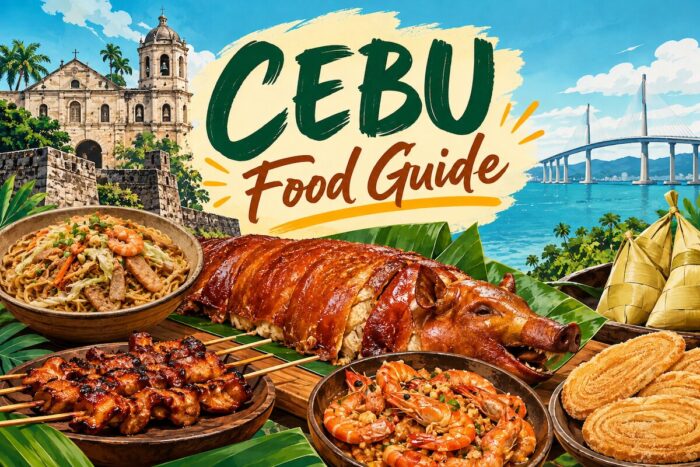
Cebu Food Guide
A food trip through Cebu can take you from the busy streets of Cebu City to Mandaue’s peanut sweets, Liloan’s traditional cookies, Argao’s native cakes, and Mactan’s seafood restaurants. You can sample charcoal-grilled barbecue at a casual food stall, share a bubbling pot of tuslob buwa with friends, or start your morning with fried danggit and garlic rice.
This guide covers 25 dishes, snacks, seafood specialties, and local delicacies worth trying across Cebu Province. It covers what each dish tastes like, its cultural background, and where to find it, so you can explore Cebu beyond its most famous dish.
25 Must-Try Cebuano Dishes Beyond Lechon
1. Puso: Cebu’s Famous Hanging Rice
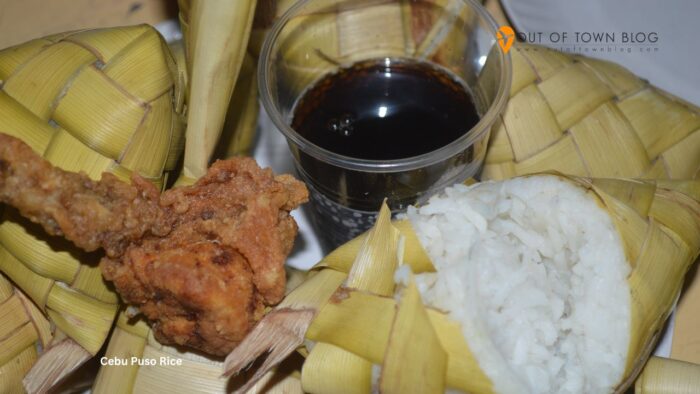
Puso is rice cooked inside small pouches woven from young coconut leaves. The rice absorbs steam inside the tightly woven pouch, producing a compact serving that is easy to carry and eat without a plate. The leaves are packaging, not part of the meal.
Puso is one of the most recognizable parts of Cebu’s everyday food culture. Vendors sell it alongside barbecue, grilled seafood, and other street foods. It is especially practical for outdoor meals because the woven pouch keeps the rice together until you are ready to eat.
Flavor and how to eat it: Puso tastes like ordinary steamed rice, making it a useful partner for salty, smoky, or spicy dishes. Open the weave and pair the rice with pork barbecue, chicken skewers, or grilled fish.
Where to try it: Look for puso at Larsian in Cebu City, neighborhood barbecue stalls, local eateries, and public-market food stalls throughout the province.
Best time to eat it: Lunch or dinner, especially with freshly grilled food.
2. Ngohiong: Cebu’s Crispy Five-Spice Spring Roll
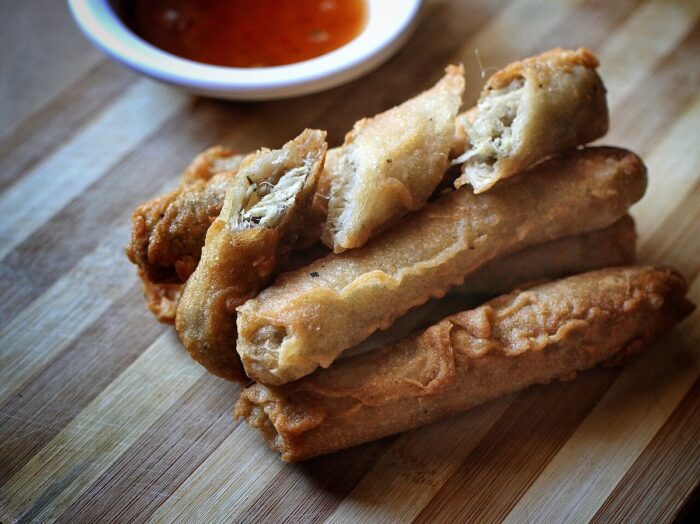
Ngohiong is a Cebu street-food favorite influenced by Chinese-Filipino cooking. Its name comes from five-spice seasoning, which gives the filling its distinctive aromatic character. The roll typically contains vegetables such as ubod, or heart of palm, with seasonings and other ingredients that vary by recipe.
The filling is wrapped, coated, and deep-fried until crisp. Vendors usually serve ngohiong with a thick, savory-sweet sauce that may have a spicy kick. It is a popular merienda and a convenient snack between sightseeing stops.
Flavor and how to eat it: Expect a crunchy exterior, a savory vegetable filling, and warm spices. Eat it fresh and hot with the house dipping sauce. Some versions contain meat or other ingredients, so ask about the filling if you have dietary restrictions.
Where to try it: Look for established ngohiong specialists around downtown Cebu City, including the Pelaez Street area, as well as local carinderias and street-food stalls.
Best time to eat it: Midmorning or afternoon, for a quick snack.
3. Siomai sa Tisa: Cebu’s Beloved Dumplings
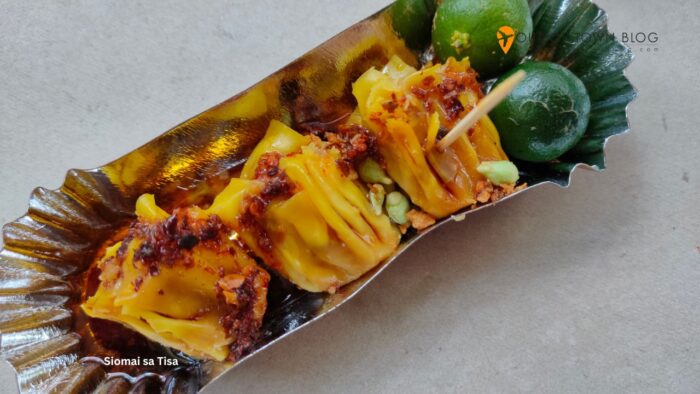
Siomai sa Tisa gets its name from Tisa, a neighborhood in Cebu City where the dumpling became popular. Although siomai has Chinese roots and is eaten throughout the Philippines, Cebu has developed its own recognizable street-food culture around it.
Vendors usually steam the dumplings and serve them with soy sauce, calamansi, and chili-garlic oil. Many diners pair them with puso, making the snack a quick, filling meal. Recipes and portion sizes vary between vendors.
Flavor and how to eat it: The dumplings are savory and tender, while the chili oil adds heat and the citrusy dip provides acidity. Start with a small amount of chili if you are unfamiliar with the vendor’s sauce.
Where to try it: Visit Tisa in Cebu City for the neighborhood experience, or look for siomai stalls around Labangon, downtown Cebu, and other residential areas.
Best time to eat it: Afternoon merienda or an informal evening meal.
4. Tuslob Buwa: A Communal Cebuano Food Experience

Tuslob buwa is one of Cebu’s most distinctive local food experiences. Its name is commonly translated as “dip in bubbles,” describing how diners dip puso into a bubbling mixture cooked in a pan. The dish is associated with working-class communities in Cebu City, particularly Pasil and nearby areas.
Traditional preparations may use pork brain and liver, garlic, onions, shrimp paste, and seasonings, although recipes differ. Diners cook the mixture until it thickens and bubbles, then dip pieces of rice into it.
Flavor and how to eat it: The sauce is rich, savory, and intensely flavorful. People often enjoy tuslob buwa communally, making it as much a social experience as a meal. Follow the vendor’s serving instructions and use clean serving utensils.
Where to try it: Look for established tuslob buwa eateries around Pasil and other Cebu City neighborhoods known for the dish. Some modern establishments offer a more structured dining experience.
Best time to eat it: Lunch or dinner with friends who are comfortable trying organ-meat dishes.
Important note: Traditional recipes may contain pork organs and shrimp paste. Ask about ingredients and preparation if you have allergies or dietary restrictions.
5. Cebu Pork Barbecue: A Street-Food Essential

Cebuano pork barbecue is a staple of neighborhood food stalls and casual dining spots. Small pieces of pork are marinated, skewered, and grilled over charcoal. The marinade varies, but often combines savory seasonings with sweetness that caramelizes over the fire.
Barbecue is everyday food, not a dish reserved for special occasions. It is easy to order by the stick and pair with puso, making it popular with students, workers, families, and visitors.
Flavor and how to eat it: Look for smoky meat with caramelized edges. Pair the skewers with puso and a vinegar-based dipping sauce to balance the rich marinade.
Where to try it: Larsian near the Fuente Osmeña area is a familiar destination for grilled street food. You will also find barbecue stalls throughout Cebu City, Mandaue, Lapu-Lapu, and towns across the province.
Best time to eat it: Dinner, especially when neighborhood grills are busy.
6. Cebu Chorizo: Sweet, Garlicky Local Sausage
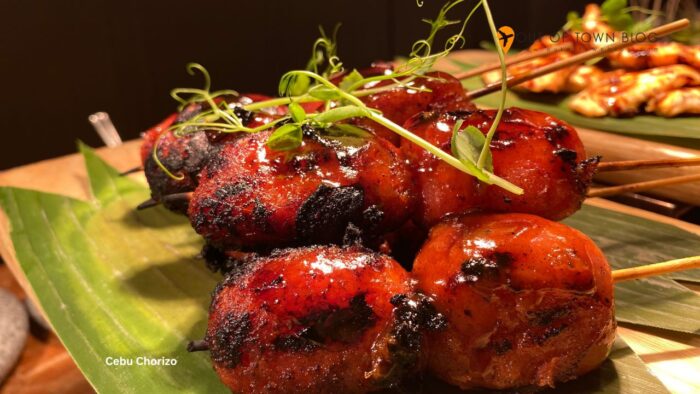
Chorizo de Cebu is a local sausage known for its bold seasoning and often sweet-savory flavor. Recipes vary by producer, but garlic, spices, and a characteristic sweetness often set it apart from other Filipino sausages.
It is a practical breakfast or grilled-food option and can be served with rice, eggs, or other local dishes. Some versions are sold fresh for cooking, while others are packaged for visitors to take home.
Flavor and how to eat it: Expect a juicy, seasoned sausage with caramelized edges when grilled or pan-fried. Pair it with garlic rice and an egg, or try it with puso at a barbecue stall.
Where to try it: Ask for Cebu chorizo at local Filipino restaurants, neighborhood grills, and food stalls around Cebu City and Mandaue.
Best time to eat it: Breakfast or dinner.
7. Ginabot: Crispy Fried Pork Intestines
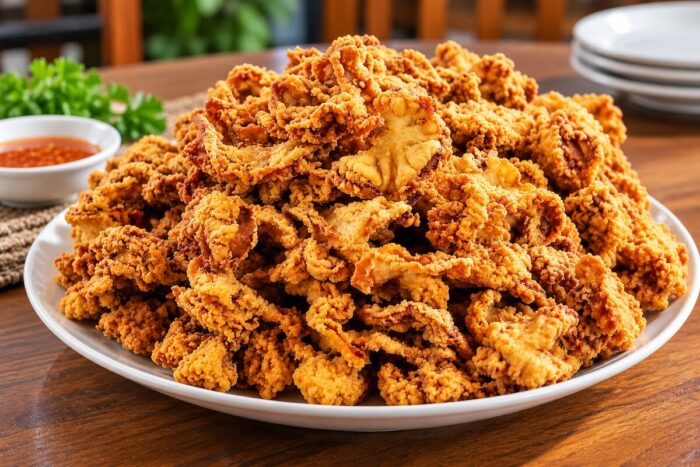
Ginabot is a Cebu street-food specialty made from pork intestines, cleaned, cooked, and deep-fried until crisp. It is especially common in casual eateries and stalls, where customers order a plate alongside rice or other fried food.
Its popularity reflects a broader Filipino tradition of using different parts of an animal rather than limiting meals to familiar cuts of meat. Preparation quality matters, especially for organ meats.
Flavor and how to eat it: Properly fried ginabot has a crunchy exterior and a rich, savory taste. Vinegar with chili or onions helps cut through the fat. Some diners enjoy it with puso or a simple rice meal.
Where to try it: Look for established ginabot stalls and traditional eateries around downtown Cebu City and public-market neighborhoods.
Best time to eat it: Lunch or evening merienda, when freshly cooked batches are available.
Practical tip: Choose a busy vendor with good food-handling practices, and make sure the dish is thoroughly cooked and served hot.
8. Pungko-Pungko Street-Food

Although puso has already earned its place in this guide, it deserves another mention as part of Cebu’s street-food culture. The rice itself is simple, but it plays a distinctive role in local eating. It is a portable accompaniment to foods that might otherwise require plates and utensils.
Street-food vendors often serve puso with several dishes, including barbecue, ginabot, siomai, and other grilled or fried specialties. This combination lets travelers sample different foods in one sitting.
Flavor and how to eat it: Use the rice to balance salty sauces, spicy dips, and smoky meats. If you are ordering from several vendors, confirm which items belong to each order and keep sauces separate when necessary.
Where to try it: Look around Larsian, downtown Cebu, Tisa, and neighborhood barbecue stalls across the province.
Best time to eat it: Anytime you want a casual local meal.
9. Danggit: Crispy Dried Fish for Breakfast
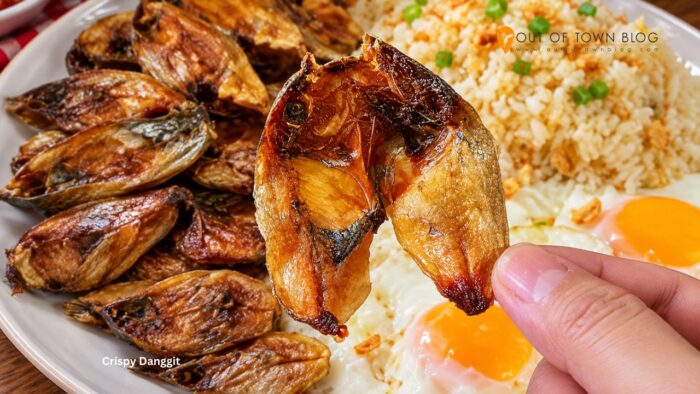
Danggit is dried rabbitfish commonly associated with Cebu’s breakfast culture and pasalubong trade. Locals salt and dry the fish, then fry it until crisp. Its strong aroma appeals to many locals, though first-time visitors may need time to appreciate it.
Dried fish has long been useful in coastal communities because drying and salting help preserve seafood. Today, people serve danggit at home, in small eateries, and in hotels as part of Filipino breakfast.
Flavor and how to eat it: Danggit is salty, crisp, and intensely savory. Pair it with garlic rice, a fried egg, and sliced tomatoes or vinegar to balance its richness.
Where to try it: Ask for danggit at traditional breakfast eateries. For take-home packs, Taboan Market in Cebu City is widely associated with dried seafood and other preserved local products.
Best time to eat it: Breakfast.
Practical tip: If you’re buying danggit as a gift, choose sealed packaging and check the storage instructions before packing it.
10. Sutukil: Three Ways to Enjoy Cebu Seafood
Sutukil is a popular Visayan seafood dining concept built around three cooking methods: sugba (grill), tuwa (soup or stew), and kilaw (vinegar-cured seafood). The name brings these methods together, letting diners enjoy seafood in different forms.
At a sutukil restaurant, you can choose a fish or shellfish and have it grilled, cooked in soup, or prepared as kinilaw. Some restaurants let groups order different preparations to share.
Flavor and how to eat it: Grilled seafood offers smoky, charred flavors. Soup highlights the fish and broth, while kinilaw is bright and tangy from vinegar, ginger, onion, and other seasonings.
Where to try it: Look for seafood restaurants in Mactan and Lapu-Lapu City, especially places that serve fresh seafood for group dining.
Best time to eat it: Lunch or dinner, preferably with a group so you can try multiple preparations.
Food safety note: Kinilaw is not cooked. Choose a reputable restaurant with good seafood handling and ask how the dish is prepared if you are concerned about raw or lightly cured seafood.
11. Kinilaw: Cebuano-Style Vinegar-Cured Seafood

Kinilaw is a traditional Filipino preparation in which fresh fish or other seafood is dressed with vinegar or another acidic ingredient. Cebuano versions often include ginger, onions, chili, and local seasonings. It is related to other vinegar-cured seafood traditions across the Visayas and Mindanao.
Unlike grilled fish, kinilaw relies on the quality and handling of fresh seafood rather than cooking over heat. The acidity changes the fish’s texture and flavor but does not eliminate all food-safety risks.
Flavor and how to eat it: Expect a sharp, refreshing taste with ginger’s warmth and chili’s heat. Kinilaw is often served as an appetizer or shared dish alongside grilled seafood and rice.
Where to try it: Look for kinilaw at established seafood restaurants in Lapu-Lapu City, Mactan, and coastal towns throughout Cebu Province.
Best time to eat it: Lunch or dinner, when the restaurant can confirm it’s freshly prepared.
12. Linarang: A Bold Cebuano Fish Stew

Linarang is a fish stew common in Cebuano cooking, especially in communities where seafood is readily available. Recipes vary by town and household, but the dish is known for its strong, savory broth and tangy or spicy character. Local souring ingredients and seasonings give each version its own identity.
Linarang is a useful introduction to the less-publicized side of Cebuano food. It is a dish built for rice and a hearty meal, not the polished presentation of restaurant-style seafood platters.
Flavor and how to eat it: The broth can be bold, tangy, and savory, depending on the fish and recipe. Eat it hot with steamed rice, and be careful around fish bones.
Where to try it: Ask at traditional Cebuano eateries and Filipino restaurants that specialize in local soups and seafood.
Best time to eat it: Lunch, particularly if you want a substantial local meal.
13. Sinuglaw: Grilled Pork Meets Kinilaw
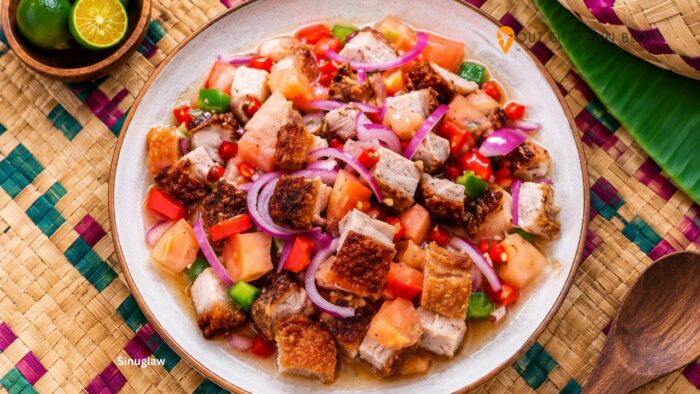
Sinuglaw combines sinugba (grilled food) with kinilaw, the vinegar-cured seafood preparation. The dish commonly pairs grilled pork belly with fish dressed in vinegar, onions, ginger, and chili. Versions differ across the Visayas and Mindanao, and not every restaurant uses the same fish or proportions.
The combination brings together two contrasting traditions: charcoal grilling and acidic seafood preparation. It is a good option for diners who want a more complex shared appetizer.
Flavor and how to eat it: Smoky pork provides richness, while the tangy fish and seasonings keep each bite lively. Eat it soon after preparation and share it as an appetizer or side dish.
Where to try it: Look for sinuglaw at Filipino restaurants serving regional dishes, particularly seafood restaurants and establishments with grilled specialties.
Best time to eat it: Lunch or dinner, especially when sharing several dishes.
Practical tip: Because the fish component may be raw or lightly cured, choose a restaurant with good food-handling standards.
14. Balbacua: Slow-Cooked Beef Comfort Food

Balbacua is a rich, slow-cooked stew made with beef skin, joints, and sometimes other collagen-rich cuts. It is associated with Cebu and other parts of the southern Philippines, where long simmering turns tougher cuts into a gelatinous, flavorful dish.
Balbacua rewards patience. The meat and skin cook for hours until tender, creating a thick broth that differs from clearer Filipino beef soups. Recipes vary, with some using annatto, peanuts, or other ingredients to build color and flavor.
Flavor and how to eat it: Expect a savory, hearty stew with soft, gelatinous textures. It is best eaten hot with rice, and a little acidity from vinegar or calamansi can help balance the richness.
Where to try it: Look for balbacua at traditional carinderias and local soup eateries around Cebu City and other towns in the province.
Best time to eat it: Lunch or dinner, particularly on a rainy day or when you want a filling meal.
15. Pochero: Cebu’s Hearty Beef Shank Soup

Cebuano pochero is commonly a hearty beef shank and bone-marrow soup. This differs from versions of pochero in other parts of the Philippines that may use different meats, vegetables, and broths. Cebuano cooks prize it for its substantial beef portions and rich flavor.
The dish is associated with family meals and restaurant dining, where people share a pot of soup with rice. Some establishments also serve a sizzling version that concentrates the sauce and presents the beef on a hot plate.
Flavor and how to eat it: The broth is deeply savory, with richness from the beef shank and marrow. Add rice and share the meat at the table. Ask about serving size before ordering for a group.
Where to try it: Look for Cebuano Filipino restaurants known for traditional beef dishes. Ask locals for current recommendations, as restaurant branches and menus can change.
Best time to eat it: Lunch or dinner, especially for a shared meal.
16. Humba: Sweet-Savory Braised Pork
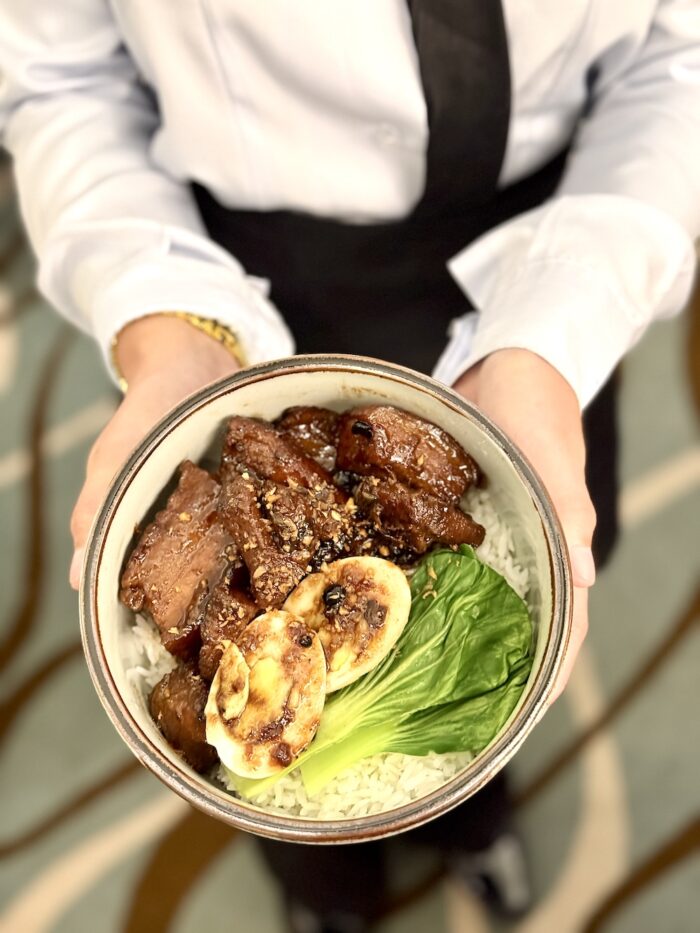
Humba is a Visayan braised pork dish influenced by Chinese cooking traditions. Cook pork slowly with seasonings such as soy sauce, vinegar, sugar, garlic, black beans, and banana blossoms. Household recipes vary, and some versions lean sweeter than others.
People often serve humba at family gatherings and everyday meals alike. It reflects the way local cooks have adapted imported ingredients and cooking techniques into regional dishes.
Flavor and how to eat it: The pork is tender, with a sweet-savory sauce that goes well with plain rice. The long cooking process gives the dish a deep flavor and soft texture.
Where to try it: Look for humba at traditional Filipino restaurants, carinderias, and eateries serving home-style Visayan food across Cebu Province.
Best time to eat it: Lunch or dinner, especially when you want a comforting alternative to grilled meat.
17. Balamban-Style Liempo: Grilled Pork Belly
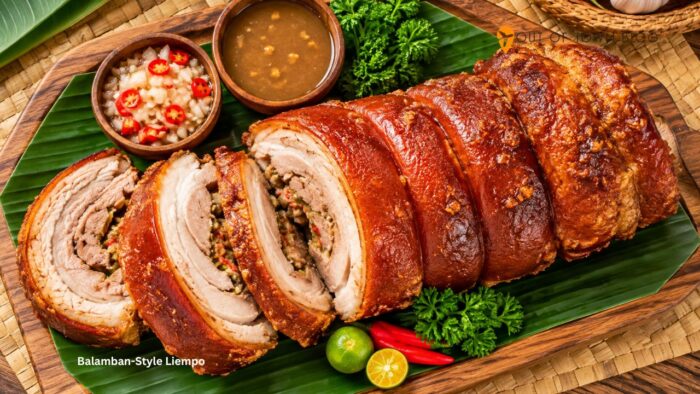
Balamban, a town on Cebu’s western side, is known for a local style of seasoned pork belly grilled until the exterior develops a smoky, browned crust. Balamban-style liempo is often sold by roadside eateries and local restaurants, making it a practical stop for travelers crossing the island.
The appeal is straightforward: pork belly with a satisfying balance of meat, fat, seasoning, and char. Preparation differs by cook, so the marinade and texture can vary.
Flavor and how to eat it: Expect smoky pork with crisp edges and juicy sections. Pair it with rice, sliced vegetables, and a vinegar dip to cut through the richness.
Where to try it: Look for local grills and eateries in Balamban and along routes through western Cebu. Ask locals which stalls currently specialize in the dish.
Best time to eat it: Lunch or early dinner, especially when passing through western Cebu.
18. Chorizo and Barbecue Combo Plates
For travelers who want to sample several flavors without committing to a large restaurant meal, a combo plate of Cebu chorizo, pork barbecue, and puso is a useful option. It brings together the sweet-savory sausage, smoky grilled pork, and plain rice that balances the seasoning.
This isn’t a fixed traditional recipe. It is a practical way to enjoy popular Cebuano grilled foods together, especially at street-food venues where diners choose items individually.
Flavor and how to eat it: Try the chorizo first, then alternate with barbecue and rice. Use vinegar-based dips to refresh the palate between richer bites.
Where to try it: Barbecue stalls, food courts, and casual Filipino restaurants throughout Cebu City, Mandaue, and Lapu-Lapu.
Best time to eat it: Dinner or an informal late-afternoon meal.
19. Torta de Cebu: Argao’s Traditional Cake

Torta de Cebu is a traditional native cake strongly associated with Argao, a heritage town in southern Cebu. It differs from the Spanish tortilla that shares the word “torta.” Cebu’s version is a sweet baked cake, and local recipes may include eggs, sugar, flour, and ingredients such as tuba (fermented coconut sap), depending on the baker’s method.
The cake is part of local baking traditions and a familiar pasalubong for travelers exploring southern Cebu. Its texture and flavor vary between producers.
Flavor and how to eat it: Torta is rich, sweet, and soft, often with a slightly dense crumb. Enjoy it with coffee or hot chocolate, or buy a boxed version to share with family.
Where to try it: Look for traditional bakeries in Argao and local pasalubong shops carrying products from the town.
Best time to eat it: Breakfast, afternoon merienda, or as a take-home treat.
20. Rosquillos: Liloan’s Ring-Shaped Cookies

Rosquillos are ring-shaped cookies associated with Liloan, north of Cebu City. They are among Cebu’s best-known baked pasalubong items. Their name and long local association have made them familiar to travelers buying edible souvenirs.
Rosquillos are generally crisp, lightly sweet, and easy to pack. They are a good choice for visitors who want a traditional treat that travels better than cream-filled pastries or delicate cakes.
Flavor and how to eat it: Expect a dry, crunchy biscuit with a mild sweetness. Pair it with coffee, tea, or hot chocolate.
Where to try it: Titay’s is the best-known name associated with rosquillos. Look for the brand and other local bakery versions in pasalubong shops in Liloan and Cebu.
Best time to eat it: Anytime, especially during merienda or as a travel snack.
21. Masareal: Mandaue’s Peanut Delicacy
Masareal is a traditional sweet associated with Mandaue City. It is made primarily from ground peanuts and sugar, producing a dense, crumbly confection. The recipe is simple, but the balance between nutty flavor and sweetness makes it a recognizable local specialty.
Unlike fresh desserts, masareal is commonly bought as a take-home snack or pasalubong. It reflects Cebu’s tradition of making sweets that people can carry home and share with relatives.
Flavor and how to eat it: Masareal has a pronounced roasted-peanut flavor and a firm, slightly crumbly texture. Eat a small piece with coffee or tea, or break it into bite-sized portions for sharing.
Where to try it: Look for traditional confectionery shops and pasalubong stores in Mandaue and Metro Cebu.
Best time to eat it: Afternoon merienda or whenever you want a sweet snack.
Practical tip: Check the package for ingredients if you have a peanut allergy, and keep the sweets sealed during travel.
22. Otap: A Flaky Cebu Pasalubong Favorite
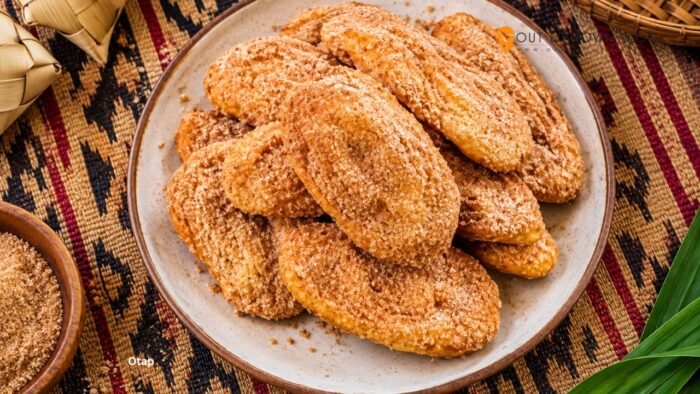
Otap is a flaky, oval-shaped pastry dusted with sugar. It is widely associated with Cebu’s pasalubong trade and is sold by bakeries and souvenir shops. Although similar pastries exist elsewhere, otap has become a familiar take-home snack in the region.
The pastry’s layered texture makes it different from the denser rosquillos and masareal. It is a convenient choice for travelers who want a light snack to carry on a trip.
Flavor and how to eat it: Otap is crisp, sweet, and crumbly. Eat it carefully because the thin layers can break apart, and pair it with coffee or tea.
Where to try it: Look for established Cebu bakeries and pasalubong shops around Cebu City, Mandaue, and major transport hubs.
Best time to eat it: Breakfast, merienda, or on the go.
23. Dried Mangoes: Cebu’s Famous Sweet Souvenir

Dried mangoes are among Cebu’s most recognizable food souvenirs. People slice ripe mangoes and dry them to concentrate their sweetness, creating a chewy snack that is easy to carry and share.
Although dried mangoes aren’t unique to Cebu, the province is strongly associated with producing and selling them. They are a popular choice for international visitors and Filipinos bringing pasalubong to friends and relatives.
Flavor and how to eat it: Dried mangoes are sweet, fruity, and chewy. Eat them straight from the package or add small pieces to trail mixes and desserts.
Where to try them: Look for sealed products at supermarkets, pasalubong shops, and established local food brands. Compare package sizes and ingredient lists before buying.
Best time to eat them: Anytime, particularly as a travel snack.
Practical tip: If you are taking dried fruit abroad, check the destination country’s customs rules and declare food when required.
24. Budbud Kabog: Sticky Rice Cake from the Visayas
Budbud kabog is a traditional sticky rice cake made with kabog, a type of millet used in parts of the Visayas. The mixture is cooked and wrapped, often in banana leaves, creating a compact snack that is convenient for breakfast or merienda.
Budbud varieties are found across the Visayas, and ingredients differ by locality. The kabog version is especially associated with regional food traditions that use grains beyond ordinary rice.
Flavor and how to eat it: It is chewy, gently sweet, and often has a distinctive grain flavor. Pair it with sikwate, or Filipino hot chocolate, for a satisfying local snack.
Where to try it: Look for traditional markets, roadside vendors, and native delicacy stalls in Cebu’s towns and nearby Visayan communities. Availability may vary by season and vendor.
Best time to eat it: Breakfast or afternoon merienda.
25. Pintos: A Sweet Corn-Based Delicacy
Pintos is a corn-based delicacy associated with Bogo and northern Cebu. People typically mix ground or grated corn with sweetening ingredients, then wrap it in corn husks and cook it. Recipes vary, but the result is a soft, sweet snack that highlights corn’s importance in local food traditions.
Pintos reminds us that Cebu’s food culture extends well beyond Cebu City. Travelers exploring northern Cebu may find native delicacies that are less common in urban restaurants but meaningful to the communities that make them.
Flavor and how to eat it: Pintos are usually sweet, soft, and corn-forward. Open the husk and eat the cooked filling while warm or at room temperature, depending on how it is sold.
Where to try it: Look for local delicacy sellers and pasalubong shops in Bogo and northern Cebu. Ask vendors about the day’s fresh batches.
Best time to eat it: Breakfast or merienda, or as a snack while traveling around northern Cebu.
Where to Explore Cebu’s Food Culture
Cebu’s dishes span cities, coastal communities, heritage towns, and local markets. These areas offer useful starting points when deciding where to eat.
Cebu City: Street Food and Traditional Meals
Explore downtown food stalls and public-market neighborhoods for ngohiong, puso, siomai, ginabot, and other everyday favorites. Larsian is a well-known spot for grilled barbecue, while Pasil is known for tuslob buwa.
Mandaue: Peanut Sweets and Local Delicacies
Look for masareal and other traditional snacks at local confectionery shops and pasalubong stores. Mandaue is also a practical area to find Cebuano restaurants serving grilled food and Filipino comfort dishes.
Lapu-Lapu and Mactan: Fresh Seafood
Explore seafood restaurants for sutukil, grilled fish, kinilaw, and shellfish. This area is great for groups who want to sample several preparations in one meal.
Argao: Torta and Heritage Baking
When traveling through southern Cebu, look for traditional torta and native delicacies from local bakeries. Argao’s heritage setting makes it a worthwhile stop for travelers interested in regional food traditions.
Liloan: Rosquillos
Look for rosquillos at established bakeries and local pasalubong shops. Their crisp texture and long association with Liloan make them a convenient souvenir.
Bogo and Northern Cebu: Pintos
Look for pintos and other local corn-based delicacies from traditional vendors. Availability varies, so ask residents or local shopkeepers where they sell fresh batches.
Carcar: Market Food and Local Snacks
Carcar is known for its lechon and local food products, including chicharon. It is a worthwhile stop for travelers exploring southern Cebu who want to browse market stalls and sample regional specialties.
Practical Tips for Eating Your Way Around Cebu
1. Try unfamiliar dishes in small portions first
Order one serving of tuslob buwa, ginabot, or balbacua before committing to a full meal. This lets you discover which flavors and textures you enjoy without wasting food.
2. Choose busy stalls with good food-handling practices
Look for freshly cooked dishes, clean preparation areas, covered ingredients, and vendors who handle cooked food separately from raw ingredients. Thoroughly cooked food served hot is generally safer than items left at room temperature for long periods.
Be particularly careful with raw or vinegar-cured seafood. Acidity does not reliably eliminate all harmful microorganisms or parasites.
3. Carry cash for smaller food stalls
Traditional markets and neighborhood vendors may have limited digital payment options. Carry small Philippine peso denominations, but confirm the price before ordering if it isn’t clearly displayed.
4. Learn a few useful Cebuano phrases
| Cebuano phrase | English meaning |
|---|---|
| Lami kaayo! | Very delicious! |
| Pila ni? | How much is this? |
| Usa ka serving, palihog. | One serving, please. |
| Dili kaayo halang. | Not too spicy. |
| Asa ta makapalit ani? | Where can we buy this? |
| Salamat! | Thank you! |
You do not need to speak Cebuano fluently to enjoy local food. A few polite phrases can make ordering easier and show appreciation for the people preparing your meal.
5. Ask about ingredients and preparation
Cebuano food includes pork, seafood, organ meats, peanuts, soy, and other ingredients that may not be obvious from a dish’s appearance. If you have allergies or dietary restrictions, ask the vendor directly. Don’t rely on a dish’s name alone to determine its ingredients.
6. Buy pasalubong strategically
Rosquillos, otap, masareal, dried mangoes, and other packaged delicacies make practical souvenirs. Buy fragile or perishable products close to your departure, check expiration dates, and choose sealed packaging for travel.
If you are flying internationally, check customs and food-import regulations at your destination, especially for animal products and fresh foods.
Frequently Asked Questions About Cebuano Food
1. What food is Cebu most famous for besides lechon?
Cebu is known for several specialties beyond lechon, including puso, ngohiong, siomai sa Tisa, tuslob buwa, danggit, sutukil, and torta de Cebu. These foods represent different parts of local life, from everyday street-food meals to coastal seafood traditions and heritage baking. Start with puso and barbecue for a familiar introduction, then try ngohiong and siomai for quick snacks. If you enjoy bold flavors, explore tuslob buwa or linarang at a local eatery.
2. What Cebuano dishes should first-time visitors try?
First-time visitors can start with five accessible choices: puso, pork barbecue, ngohiong, siomai sa Tisa, and Cebuano chorizo. These dishes are widely associated with casual local eating and can often be found at food stalls or Filipino restaurants. Add danggit for breakfast and torta or rosquillos for dessert or pasalubong. Seafood lovers should also try sutukil, which lets you sample grilled fish, seafood soup, and kinilaw in one meal.
3. Where can I find authentic Cebu street food?
Cebu City has several areas associated with street food and traditional local meals. Larsian is known for grilled barbecue, Tisa for siomai, and Pasil for tuslob buwa. Downtown market neighborhoods also offer snacks, rice meals, and other casual food options. Vendors and availability can change, so ask residents or your accommodation staff for current recommendations. Choose stalls with good hygiene practices, freshly cooked food, and clear pricing rather than selecting a vendor based only on popularity.
4. What is puso, and how do you eat it?
Puso is rice cooked inside a pouch woven from young coconut leaves. The leaves hold the rice together during cooking and make it convenient to carry, especially when eating grilled food outdoors. To eat it, open or cut the woven pouch and remove the rice. Do not eat the leaves. People commonly pair puso with barbecue, grilled seafood, and other savory dishes. Because it’s compact and sold individually, it is easy to order the quantity you need.
5. Is tuslob buwa safe for first-time visitors to try?
Tuslob buwa is a traditional Cebuano communal dish made from a bubbling savory mixture that may include pork brain, liver, shrimp paste, and seasonings. Its ingredients and preparation vary by establishment. If you want to try it, choose a reputable vendor that cooks the mixture thoroughly and follows good food-handling practices. Ask about the ingredients before ordering, particularly if you have allergies or avoid organ meats. Travelers who are uncomfortable sharing a communal pan can look for establishments that offer individual portions or a more structured serving arrangement.
6. What seafood dishes should I try in Cebu?
Sutukil and kinilaw are two excellent places to start. Sutukil offers three cooking methods: grilling, soup preparation, and vinegar-cured seafood. Kinilaw features fish or other seafood dressed with vinegar and seasonings such as ginger, onions, and chili. You can also look for grilled squid, shellfish, and local fish dishes at seafood restaurants around Mactan and Lapu-Lapu City. Because kinilaw isn’t cooked, choose a reputable establishment and be cautious if you are pregnant, immunocompromised, or otherwise advised to avoid raw seafood.
7. What are the best Cebuano desserts and pasalubong items?
Traditional options include torta de Cebu from Argao, rosquillos associated with Liloan, masareal from Mandaue, otap, dried mangoes, and budbud kabog. Pintos is another regional delicacy associated with northern Cebu. These products differ in texture and shelf life. Rosquillos and otap are crisp baked snacks, masareal has a dense peanut texture, and torta is a richer native cake. Dried mangoes are convenient for travel, while fresh or locally made cakes may need more careful storage.
8. Is Cebu food spicy?
Most Cebuano dishes aren’t inherently spicy, though some preparations use chili or spicy dipping sauces. Ngohiong is often served with a sweet-spicy sauce, while barbecue can be paired with chili vinegar. Tuslob buwa and kinilaw may also contain chili, depending on the recipe. If you prefer mild food, ask for dili kaayo halang (“not too spicy”) and, when possible, request sauces on the side. This lets you control the heat without missing the dish’s main flavors.
9. Are there vegetarian dishes in Cebu?
Yes, but many famous Cebuano specialties contain pork, fish, seafood, or meat-based seasonings. Puso is rice, while some versions of ngohiong contain vegetable fillings, although recipes vary. You may also find vegetable dishes, native rice cakes, and sweets at markets or restaurants. If you are vegetarian, ask whether the dish contains meat, fish sauce, shrimp paste, pork fat, or animal stock. Don’t assume a vegetable-filled snack or a rice dish is fully vegetarian without checking how it’s prepared.
10. What should I eat for breakfast in Cebu?
Danggit with garlic rice, eggs, and tomatoes is a familiar Cebuano breakfast choice. Cebu chorizo is another option if you prefer a sweet-savory sausage. Native cakes such as torta or budbud kabog make a lighter breakfast or morning snack, especially with coffee or hot chocolate. Traditional eateries and Filipino restaurants are good places to look for these dishes. If you are staying at a hotel, ask whether its breakfast menu includes local specialties rather than only international options.
11. How can I explore Cebu food beyond Cebu City?
Plan food stops around the towns and destinations you are already visiting. Look for torta in Argao, rosquillos in Liloan, masareal in Mandaue, and pintos in Bogo. Coastal areas around Mactan and Lapu-Lapu are best for seafood, while Carcar is known for lechon and local market finds. These are starting points, not guarantees that every stall will have every dish. Check with locals or your accommodation before making a special trip for a particular dish.
12. What Cebuano food should I bring home as pasalubong?
Rosquillos, otap, masareal, and dried mangoes are convenient choices because many versions are packaged for travel. Torta and other native delicacies are also worth considering if you can transport them safely and consume them within their recommended shelf life. Buy from established shops, inspect sealed packaging, and check expiration dates. If you are traveling internationally, review customs restrictions before packing food. For dried seafood such as danggit, use secure packaging to limit odor and follow your airline’s baggage rules.
Final Thoughts
Cebu’s food culture goes far beyond lechon. Puso and barbecue show how locals enjoy everyday meals; ngohiong and siomai reveal the influence of Chinese-Filipino food traditions; and dishes like tuslob buwa and linarang offer a taste of regional cooking. Torta, rosquillos, masareal, and other native delicacies add another dimension to the province’s culinary identity.
As you explore Cebu, make room for both familiar favorites and dishes you may not recognize. Ask locals for recommendations, visit traditional eateries, and try regional specialties as you travel beyond Cebu City.
Planning a trip to Cebu? Save this food guide, choose a few dishes you have never tried, and make them part of your next Cebu food adventure.
Follow and subscribe to OutofTownBlog.com on Facebook , Twitter, Instagram, Pinterest, and YouTube for more Travel-related updates.
Read:
- Top 10 Best Beach Resorts in Bantayan Island, Cebu
- 10 Best HOTELS and BEACH RESORTS in MOALBOAL, Cebu
- List of Beach Resorts in Camotes Island, Cebu
- 15 Best Beach Resorts in Cebu for Every Budget and Travel Style