Melo Villareal
Best Portuguese Food: Famous Traditional Dishes, Seafood, Meat, and Desserts
Portugal is a rewarding destination for food lovers. Its cuisine combines fresh Atlantic seafood, grilled fish, slow-cooked meat, hearty soups, rice dishes, rustic stews, and egg-and-sugar pastries. Recipes vary across the country, reflecting local ingredients, agricultural traditions, coastal communities, and generations of home cooking.

What to Eat in Portugal
From bacalhau (salt cod) and francesinha in the north to grilled sardines in Lisbon and seafood cataplana in the Algarve, each region offers a different taste of Portuguese food culture. Visitors can also discover regional cheeses, sausages, bread-based dishes, and traditional sweets beyond the country’s best-known specialties.
This guide covers traditional Portuguese dishes worth trying, explains their ingredients and flavors, and highlights where to find them during your trip.
Traditional Portuguese Dishes Every Traveler Should Try
1. Bacalhau: Portugal’s Famous Salt Cod
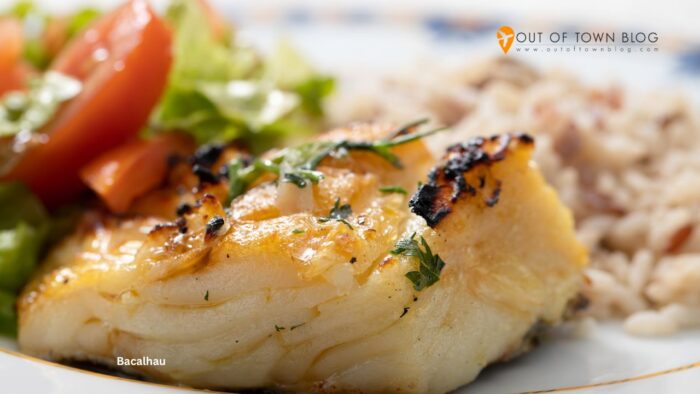
Bacalhau is a defining ingredient of Portuguese cuisine. Salted and dried cod has long been valued for its ability to keep well, making it an important food in a country with a strong maritime tradition. Portuguese cooks prepare it in many ways, from simple oven-baked dishes to elaborate combinations with potatoes, eggs, onions, and olive oil.
One popular version is bacalhau à Brás, which combines shredded salt cod with thin fried potatoes, scrambled eggs, onions, and black olives. The result is savory, soft, and slightly crisp. Another favorite, bacalhau com natas, layers cod with potatoes and a creamy sauce, then bakes it until golden.
Try bacalhau in traditional Portuguese restaurants and neighborhood eateries nationwide, especially in Lisbon and Porto. Recipes differ by restaurant, so ordering the same dish in two places can reveal interesting variations.
2. Pastéis de Nata: Portugal’s Iconic Custard Tarts

Pastéis de nata are small custard tarts with crisp, flaky pastry and a creamy filling. During baking, their tops develop characteristic dark spots that add a lightly caramelized flavor to the sweet custard.
The best-known version comes from Lisbon’s Belém district, where the famous Pastéis de Belém are made with a closely guarded recipe. However, bakeries, cafés, and pastry shops across Portugal also sell pastéis de nata.
Order one freshly baked when possible. The contrast between the crisp pastry and warm custard is a major part of the experience. Some people add cinnamon or powdered sugar, although the tart is equally enjoyable on its own.
3. Caldo Verde: A Comforting Portuguese Soup
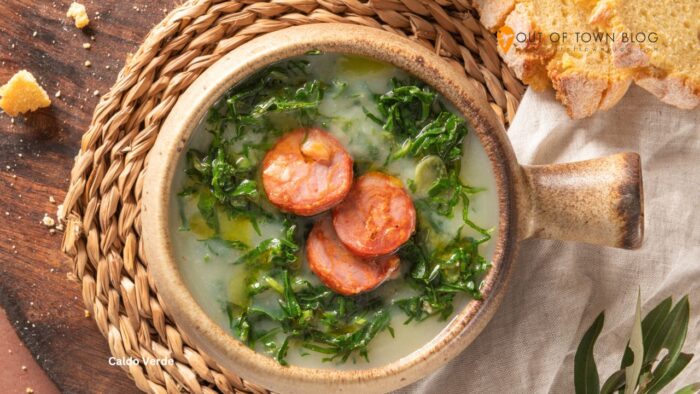
Caldo verde is a traditional soup made with potatoes, finely sliced collard greens or similar leafy cabbage, olive oil, and often slices of chouriço sausage. The potatoes provide a smooth base, while the greens add texture and a fresh, earthy flavor.
The soup originated in northern Portugal, particularly the Minho region, but now serves across the country. It is associated with family meals, celebrations, and traditional Portuguese gatherings.
Look for caldo verde in local restaurants, especially during cooler weather. Some versions include more sausage than others, so check the ingredients if you avoid pork.
4. Sardinhas Assadas: Grilled Portuguese Sardines
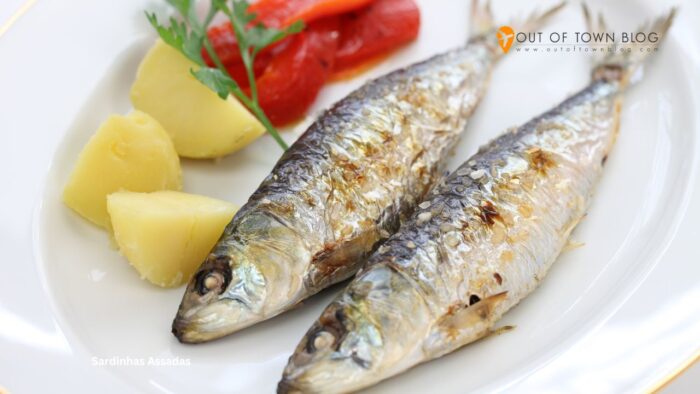
Grilled sardines are among Portugal’s most recognizable seafood specialties. People usually season fresh sardines simply with salt and grill them over hot charcoal. People often serve them with boiled potatoes, bread, or a simple salad.
Lisbon is especially known for grilled sardines during the popular June festivities honoring the city’s patron saint, Santo António. Restaurants and street grills get especially lively during this period, though coastal seafood restaurants also serve sardines.
The sardines have a rich, smoky flavor, with crisp skin and tender flesh. For a traditional experience, look for establishments that grill fresh fish over charcoal rather than relying on heavily seasoned preparations.
5. Francesinha: Porto’s Hearty Sandwich
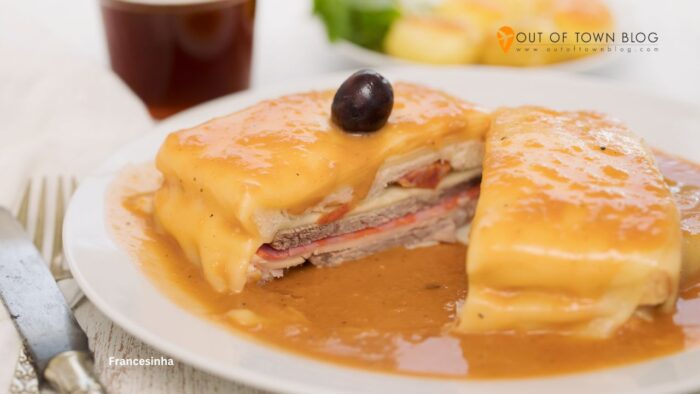
Francesinha is one of Porto’s most famous dishes. It is a substantial sandwich typically made with bread, ham, sausage, and steak or other meat, topped with melted cheese and covered in a warm tomato-based beer sauce. It is often served with French fries.
The dish is rich, savory, and filling. Recipes vary by restaurant, especially the sauce, which often defines each establishment’s version.
Try francesinha at a traditional restaurant or a casual eatery in Porto. It suits travelers who prefer hearty meat dishes over light lunches. Some restaurants offer variations, but the classic version usually centers on several types of meat.
6. Cozido à Portuguesa: A Traditional Meat and Vegetable Stew
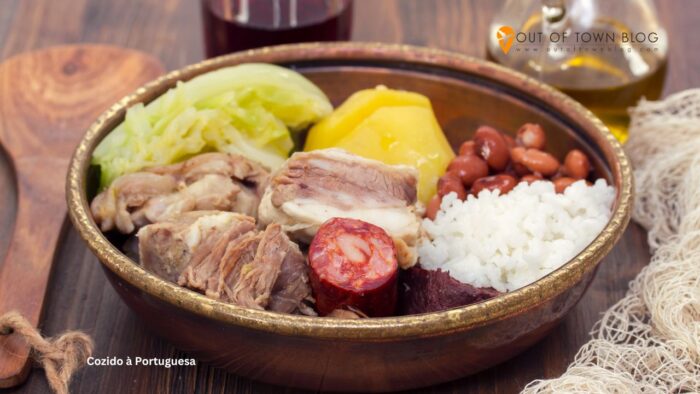
Cozido à Portuguesa is a substantial boiled meal featuring meats, sausages, potatoes, carrots, cabbage, and other vegetables. Cook the ingredients together or in stages, allowing the broth to develop a deep, savory flavor.
No single recipe is used throughout Portugal. Different regions and families choose different meats, sausages, and vegetables. The result is a dish that reflects traditional home cooking and the use of locally available ingredients.
Because it takes time to prepare and portions can be large, look for cozido at traditional restaurants specializing in Portuguese comfort food. Some establishments serve it on particular days, so availability can vary.
7. Arroz de Pato: Portuguese Duck Rice

Arroz de pato is a baked rice dish prepared with duck, broth, and often slices of chouriço. The rice absorbs the duck’s rich flavor, and the top may be browned in the oven for a slightly crisp finish.
It is common in Portuguese home cooking and restaurant menus, particularly in the country’s northern and central regions. Recipes vary in the amount of meat, seasoning, and sausage used.
Try it at a traditional restaurant offering Portuguese rice dishes. Unlike a simple side of rice, arroz de pato is usually served as a complete, filling meal.
8. Polvo à Lagareiro: Octopus with Olive Oil
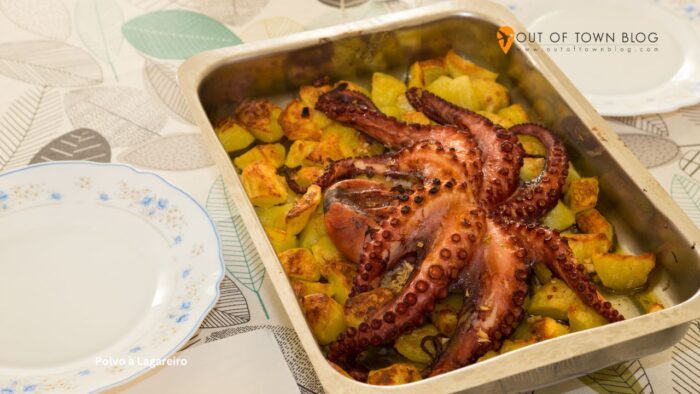
Polvo à Lagareiro is a popular Portuguese octopus preparation. The octopus is cooked until tender, then roasted or grilled and served with generous amounts of olive oil, garlic, and often potatoes. The final cooking lightly chars the outside while keeping the inside tender.
You’ll find it in coastal restaurants and traditional Portuguese eateries. The dish highlights the country’s use of seafood, olive oil, and straightforward seasoning rather than elaborate sauces.
Choose a restaurant known for seafood and ask how they prepare the octopus. Tenderness matters: properly cooked octopus should be easy to bite without becoming mushy.
Portuguese Seafood Specialties to Discover
9. Cataplana de Marisco: Algarve Seafood in a Copper Pot
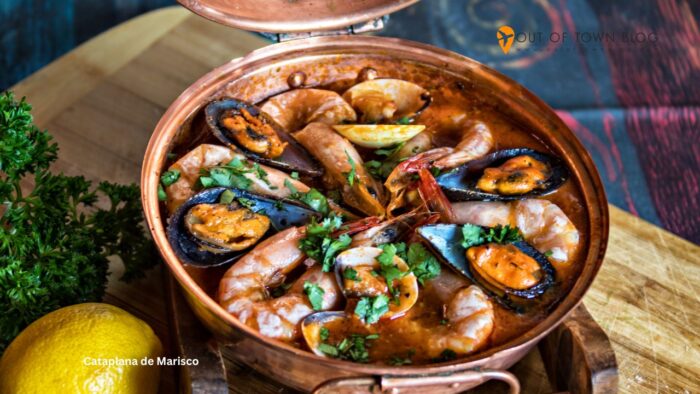
The Algarve is famous for seafood, and cataplana de marisco is one of its signature dishes. It combines shellfish such as clams, mussels, and prawns with tomatoes, onions, garlic, herbs, and white wine or other cooking liquids, depending on the recipe.
The ingredients cook inside a hinged, clam-shaped copper vessel called a cataplana. This enclosed method retains moisture and concentrates the flavours of the seafood and sauce.
Order cataplana at a traditional seafood restaurant in the Algarve, particularly in coastal towns where fresh shellfish is readily available. The dish is often intended for sharing, so ask about portion sizes when ordering.
10. Arroz de Marisco: Portuguese Seafood Rice
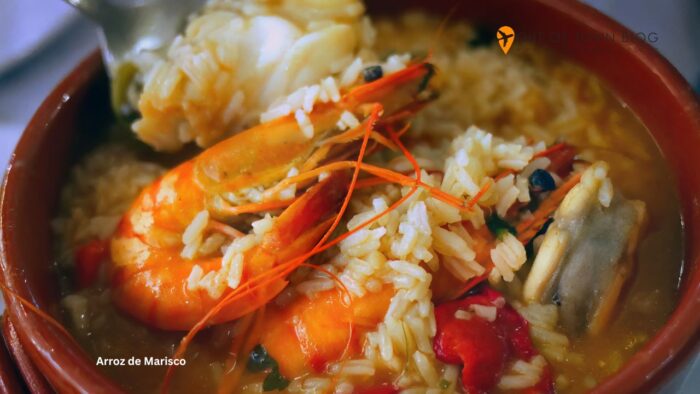
Arroz de marisco is a rich, moist seafood rice dish made with prawns, clams, mussels, crab, or other shellfish. The rice cooks in a flavorful seafood broth, often with tomatoes, garlic, onions, and herbs.
Unlike dry rice dishes, the Portuguese version is usually served with plenty of liquid. Its texture falls somewhere between a conventional rice dish and a thick seafood stew.
You will find it in seafood restaurants across Portugal, especially along the coast. The exact shellfish combination depends on the restaurant and what is available.
11. Ameijoas a Bulhao Pato: Clams with Garlic and Coriander
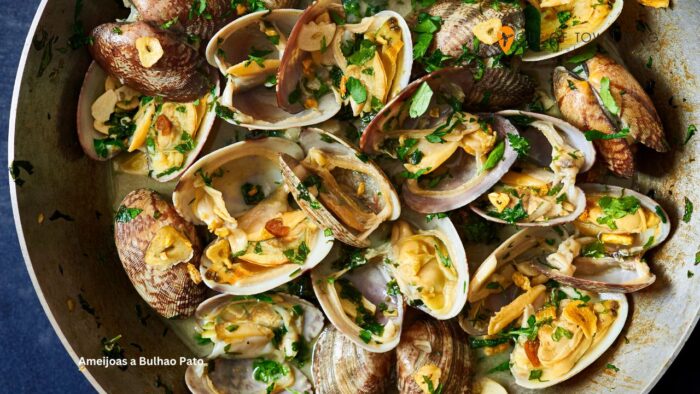
This classic Portuguese preparation features clams cooked with garlic, olive oil, coriander, and often white wine or lemon. The ingredients create a fragrant broth that complements the shellfish’s natural sweetness.
The dish is popular in Lisbon and coastal areas, where it is often served as a starter or shared plate. Bread is useful for soaking up the flavorful cooking liquid.
Look for it on menus at seafood restaurants and traditional marisqueiras, which specialize in shellfish and other seafood.
12. Bacalhau à Gomes de Sá: A Northern Portuguese Cod Dish
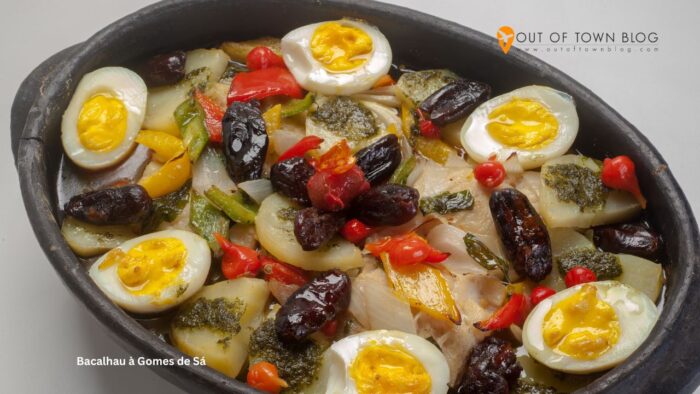
Originating in Porto, bacalhau à Gomes de Sá combines salt cod with potatoes, onions, olive oil, eggs, and olives. The ingredients are layered and baked, creating distinct layers of flavor rather than a creamy sauce.
It is a good choice for travelers who want to explore another traditional bacalhau preparation after trying bacalhau à Brás. The two dishes share similar core ingredients but differ in texture and presentation.
Try it in Porto or at restaurants that specialize in traditional Portuguese cuisine.
13. Caldeirada de Peixe: Portuguese Fish Stew
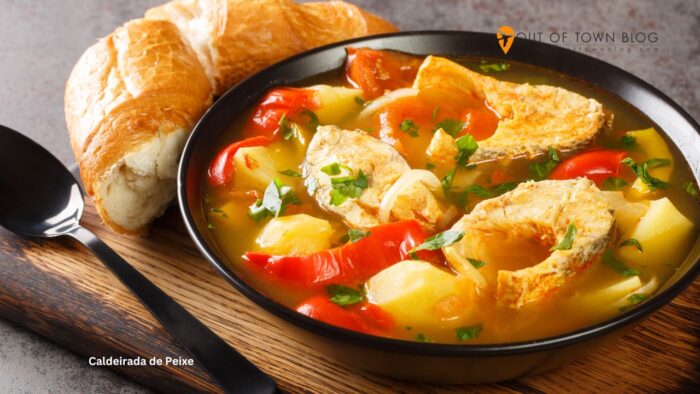
Caldeirada de peixe is a rustic fish stew made with several types of fish and, depending on the recipe, potatoes, tomatoes, onions, peppers, herbs, and olive oil. The ingredients are layered or simmered together, allowing the broth to absorb the flavors of the fish and vegetables.
The recipe changes across coastal communities, reflecting local catches and family traditions. Some versions are relatively simple, while others contain a wider variety of fish and shellfish.
Coastal restaurants are good places to try caldeirada, particularly when the menu highlights the day’s catch.
Portuguese Meat Dishes and Regional Specialties
14. Leitão da Bairrada: Roasted Suckling Pig
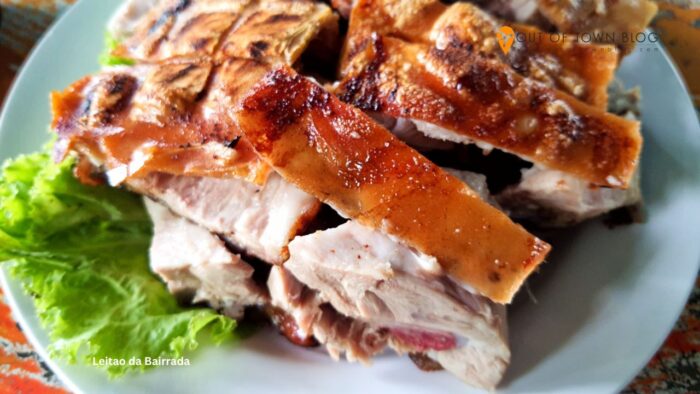
Leitão da Bairrada is a specialty of the Bairrada region in central Portugal, particularly around Mealhada. Traditionally, they roast the suckling pig until the skin becomes crisp while the meat stays tender and flavorful.
People often serve it with simple accompaniments that keep the roasted meat as the focus. Some restaurants serve it as a full meal, while others sell portions to take away.
If your travels take you through central Portugal, look for restaurants specializing in Bairrada cuisine. This is one of the country’s best-known regional meat dishes.
15. Carne de Porco à Alentejana: Pork with Clams
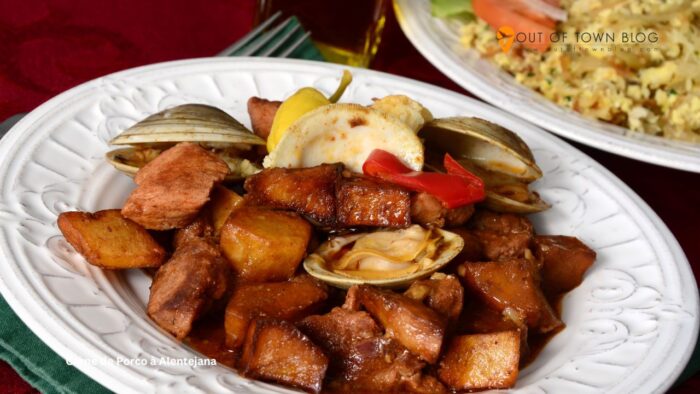
This distinctive dish combines marinated pork with clams, potatoes, garlic, coriander, and seasonings. It is associated with the Alentejo region, although it is widely served elsewhere in Portugal.
The pork and shellfish create a contrast between savory meat and briny seafood. Potatoes help absorb the sauce, while coriander adds a fresh finish.
Try it at traditional Portuguese restaurants that feature regional dishes. It is a particularly interesting choice for travelers who want something beyond conventional grilled meat or seafood plates.
16. Alheira: A Traditional Northern Sausage
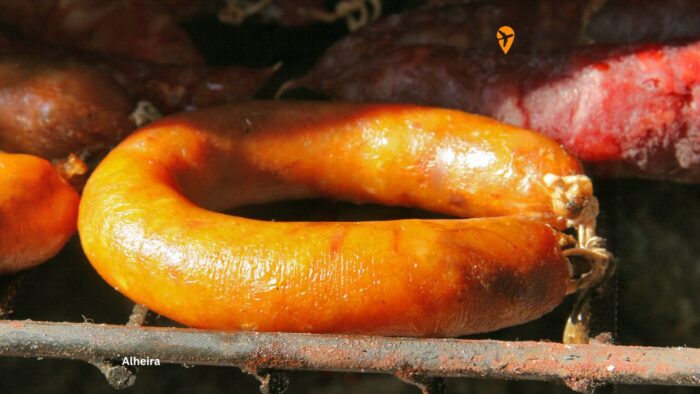
Alheira is a Portuguese sausage associated especially with northern Portugal and the Trás-os-Montes region. Traditional versions may contain bread, poultry, pork, game, or other meats, depending on the recipe and producer. People usually fry or grill the sausage and serve it with potatoes, greens, or a fried egg.
Alheira has a distinctive history tied to Portugal’s Jewish communities during the Inquisition. Some historical accounts describe it as a way for conversos to conceal their identity by making sausages that resembled common pork sausages. Modern varieties vary widely, so the name alone doesn’t guarantee a particular ingredient list.
Try it at regional restaurants in northern Portugal. Check the label or ask about the ingredients if you have dietary restrictions.
17. Bifana: A Simple Portuguese Pork Sandwich

A bifana is a popular sandwich made with thin slices of pork cooked in a seasoned sauce and served in a bread roll. Cooks may use garlic, paprika, white wine, and other seasonings.
It is a familiar option at cafés, casual restaurants, and traditional snack bars. Some versions are juicy and mildly seasoned, while others have a stronger garlic or chili flavor.
Lisbon and Porto each have their own bifana tradition. It is an accessible way to sample everyday Portuguese food without committing to a large restaurant meal.
18. Chouriço Assado: Flame-Grilled Portuguese Sausage

Chouriço assado is Portuguese sausage grilled or roasted, often until the outside browns and becomes fragrant. Some restaurants prepare it over an open flame in a special tabletop dish, while others cook it in the kitchen.
The sausage is seasoned with paprika, garlic, and other spices. It may be served as a starter with bread or as part of a larger meal.
Look for it in traditional taverns and restaurants serving petiscos, Portugal’s small plates and snacks. Recipes and seasoning vary, and the dish is usually pork-based.
19. Tripas à Moda do Porto: Porto-Style Tripe Stew
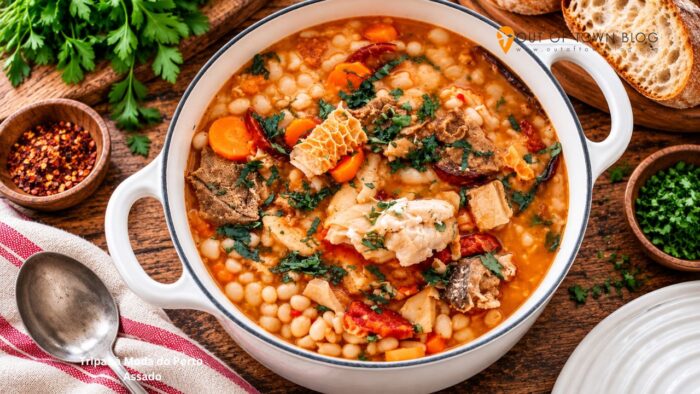
Tripas à moda do Porto is a traditional stew associated with Porto. It typically combines tripe with white beans, sausages, and other meats, seasoned with herbs and spices.
The dish is closely tied to Porto’s culinary identity and is often cited as an example of resourceful traditional cooking. Its rich texture and strong flavors appeal most to diners who enjoy offal and substantial stews.
Try it at traditional Porto restaurants that serve regional specialties. If tripe is unfamiliar to you, ask about the ingredients before ordering.
Soups, Rice Dishes, and Portuguese Comfort Food
20. Açorda Alentejana: Bread Soup from Alentejo
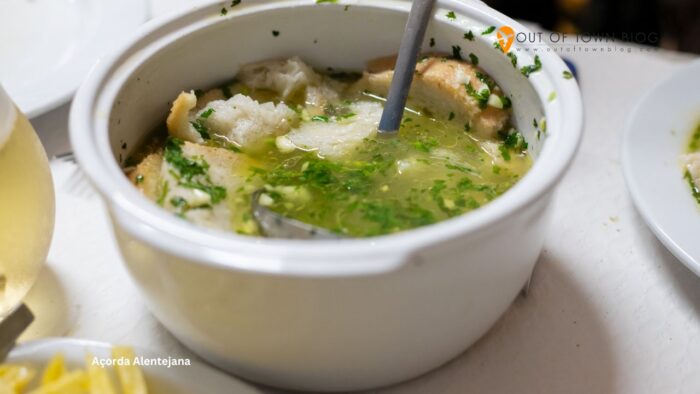
Açorda alentejana is a traditional bread-based soup associated with Alentejo. It typically combines rustic bread with garlic, coriander, olive oil, and hot water or broth, often topped with a poached egg.
Its simplicity reflects the region’s agricultural traditions and the importance of making good use of everyday ingredients. The bread soaks up the fragrant liquid, creating a soft, comforting dish.
Try it at traditional Alentejo restaurants, where recipes may differ from household to household and from establishment to establishment.
21. Feijoada: Portuguese Bean Stew

Portuguese feijoada combines beans with meat and sausages, although the exact ingredients vary by region. This filling, slow-cooked dish has a savory broth and a texture that develops as the beans and meats simmer together.
Portugal has several regional versions. Some use white beans, while others feature red beans or different combinations of pork and sausage.
Look for feijoada at traditional restaurants, especially those offering daily home-style specials. Ask about the meat ingredients because the dish is generally not vegetarian.
22. Sopa da Pedra: Stone Soup from Almeirim
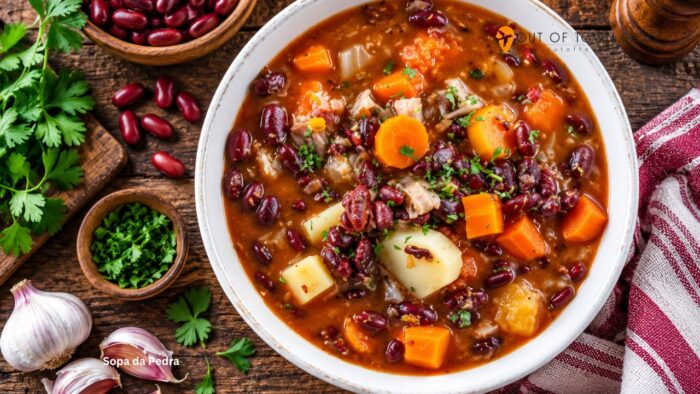
Sopa da Pedra, or stone soup, is associated with Almeirim in the Ribatejo region. The name comes from a local legend about a stone used to start a soup, but the finished dish is a hearty mix of beans, potatoes, vegetables, and several types of meat or sausage.
It is known for its hearty character and regional identity. Recipes differ, but it is generally a full meal rather than a light starter.
Try it in Almeirim or at Portuguese restaurants that feature traditional regional cooking.
Portuguese Pastries, Desserts, and Regional Sweets
23. Ovos Moles de Aveiro: Sweet Egg-Yolk Confections

Ovos moles are a traditional sweet from Aveiro, made primarily with egg yolks and sugar. The filling is often enclosed in thin edible wafer shells shaped like marine motifs, reflecting the city’s connection with the lagoon and coast.
The texture is smooth and rich, with a concentrated sweetness. The confection is protected as a traditional regional specialty and is widely available in Aveiro’s pastry shops.
Look for it at bakeries and confectioners in the city, especially if you want a dessert strongly associated with its place of origin.
24. Travesseiros de Sintra: Flaky Almond Pastries

Travesseiros are rectangular pastries from Sintra, filled with a sweet mixture commonly made with almond and egg-based cream. Their name means “pillows,” referring to their shape.
The pastry is flaky on the outside and filled with a rich, sweet mixture. They are closely associated with the historic town of Sintra, where pastry shops serve them alongside other local specialties.
Try them while visiting Sintra’s town center. They are a popular snack after exploring the town’s palaces and historic streets.
25. Pão de Ló: Portuguese Sponge Cake

Pão de ló is a traditional Portuguese sponge cake made mainly with eggs, sugar, and flour. Some versions are fully baked and airy, while others have a softer, almost custard-like center.
Different regions have their own variations. Ovar, in particular, is known for a moist interior, while other styles bake more evenly.
You can find pão de ló at traditional bakeries, pastry shops, and during festive occasions. It shows how a few basic ingredients can produce different regional desserts.
26. Queijadas de Sintra: Small Traditional Cheese Pastries

Queijadas de Sintra are small pastries traditionally made with fresh cheese, sugar, eggs, flour, and cinnamon. Their filling is dense and sweet, with a subtle dairy flavor and a lightly crisp exterior.
They are associated with Sintra and have long been part of its local pastry tradition. Although the name relates to cheese, recipes and textures vary among producers.
Try them at established pastry shops in Sintra, where they are often sold alongside travesseiros.
27. Bolo de Mel: Madeira’s Honey Cake

Bolo de mel is a traditional Madeiran cake made with sugarcane honey or molasses, flour, spices, and often nuts or dried fruit. It has a dark color, a dense texture, and a warm, spicy flavor.
The cake is particularly associated with Christmas and festive occasions, but visitors can find it in bakeries and specialty food shops throughout Madeira.
Its flavor is more intense than that of a light sponge cake, making it a distinctive regional sweet to try if you visit the island.
28. Toucinho do Céu: Almond and Egg-Yolk Cake

Toucinho do céu is a rich Portuguese dessert made with sugar, egg yolks, and almonds. Some traditional recipes include other ingredients, and regional versions differ in texture and presentation.
The name roughly translates to “bacon from heaven,” but the dessert isn’t necessarily made with pork. Its name is historical, and the cake is known for its richness and sweetness.
Look for it in traditional pastry shops, especially those selling regional convent sweets. Because it relies heavily on egg yolks and sugar, enjoy it in small portions.
Where to Experience Portugal’s Food Culture
Portugal’s cuisine reflects its geography and local traditions. Coastal communities emphasize fresh fish, shellfish, and olive oil. Inland areas are known for pork, sausages, beans, bread, and slow-cooked stews. Madeira and the Azores have their own island specialties shaped by local agriculture, dairy production, and access to the Atlantic.
For the widest variety of traditional dishes, consider these destinations:
- Lisbon: Try grilled sardines, bacalhau, bifanas, pastéis de nata, and traditional petiscos at neighborhood restaurants and bakeries.
- Porto: Try francesinha, tripas à moda do Porto, bacalhau à Gomes de Sá, and other northern Portuguese specialties.
- Algarve: Explore seafood restaurants serving cataplana, grilled fish, clams, and seafood rice.
- Alentejo: Sample açorda, carne de porco à alentejana, regional cheeses, and traditional bread-based dishes.
- Bairrada and Mealhada: Seek out restaurants specializing in leitão da Bairrada, the region’s famous roasted suckling pig.
- Aveiro: Visit traditional confectioners for ovos moles and explore local seafood dishes.
- Sintra: Try travesseiros and queijadas at traditional pastry shops.
- Madeira: Look for bolo de mel and island dishes made with local ingredients.
- The Azores: Explore regional beef, seafood, cheeses, and traditional island cooking.
Traditional tascas, family-run restaurants, seafood eateries, and independent bakeries are useful places to discover these dishes. Menus often reflect local specialties, although availability varies by season and establishment.
FAQ: What to Eat in Portugal
1. What is the most famous traditional food in Portugal?
Bacalhau, or salt cod, is among Portugal’s most famous traditional foods. It appears in numerous recipes, including bacalhau à Brás, bacalhau com natas, and bacalhau à Gomes de Sá. Other iconic dishes include caldo verde, francesinha, grilled sardines, and pastéis de nata. Portuguese cuisine varies by region, so the most famous dish depends partly on where you travel. Lisbon is known for custard tarts and seafood, while Porto is best known for francesinha and hearty northern specialties.
2. What should first-time visitors eat in Portugal?
First-time visitors should try bacalhau, grilled sardines, caldo verde, a traditional meat dish, and freshly baked pastéis de nata. These dishes provide a useful introduction to Portugal’s seafood, home cooking, and pastry traditions. If you visit Porto, try francesinha, and in the Algarve, explore cataplana and other seafood specialties. Travelers with more time can seek out regional dishes such as leitão da Bairrada, ovos moles from Aveiro, and travesseiros from Sintra.
3. What food is Portugal best known for?
Portugal is especially known for salt cod, grilled sardines, seafood rice, hearty meat dishes, and egg-based pastries. Its culinary identity also includes olive oil, bread, regional sausages, soups, and slow-cooked stews. Pastéis de nata have become internationally recognized, while francesinha and cataplana represent distinctive regional traditions. Portuguese food is not limited to seafood. Inland regions have strong agricultural and meat-cooking traditions, and the country’s islands offer additional specialties shaped by local ingredients and Atlantic geography.
4. What is Portugal’s national dish?
Portugal does not have one universally designated national dish, although bacalhau is often described as a national favorite because of its cultural importance and many preparations. Caldo verde, cozido à portuguesa, and grilled sardines are also strongly associated with Portuguese food traditions. The choice often depends on the context and region. Instead of looking for one official dish, travelers can experience Portuguese cuisine more fully by sampling several classics and exploring specialties tied to the destinations they visit.
5. What seafood should I try in Portugal?
Try grilled sardines, polvo à lagareiro, arroz de marisco, cataplana de marisco, amêijoas à Bulhão Pato, and caldeirada de peixe. These dishes showcase different ways Portuguese cooks prepare fish and shellfish, from simple charcoal grilling to rich broths and enclosed-pot cooking. Coastal restaurants are particularly good places to explore seafood. The Algarve is well known for cataplana, while Lisbon and other coastal cities offer a wide range of grilled fish and shellfish dishes. Ask about the day’s catch when ordering.
6. What meat dishes are popular in Portugal?
Popular Portuguese meat dishes include francesinha, cozido à portuguesa, leitão da Bairrada, bifana, alheira, and carne de porco à alentejana. These dishes range from casual pork sandwiches to substantial stews and carefully roasted meat. Francesinha is especially associated with Porto, while leitão da Bairrada is a central Portuguese specialty. Alentejo is known for pork dishes and traditional bread-based cooking. Regional recipes vary, so trying a specialty in its home region can offer a more distinctive experience.
7. What desserts should I try in Portugal?
Start with pastéis de nata, then explore regional sweets such as ovos moles de Aveiro, travesseiros de Sintra, queijadas de Sintra, pão de ló, and bolo de mel from Madeira. Portuguese confectionery often uses egg yolks and sugar, reflecting a long pastry-making tradition. Many sweets are strongly tied to particular towns or regions. Independent bakeries and traditional confectioners are good places to find them. Whenever possible, try pastries freshly prepared rather than relying only on packaged versions.
8. Is Portuguese food spicy?
Most traditional Portuguese dishes aren’t intensely spicy, though some recipes use chili, paprika, garlic, black pepper, or other seasonings. Many dishes rely more heavily on olive oil, herbs, onions, wine, and the natural flavors of meat or seafood. Piri-piri, a chili-based seasoning, appears in some grilled chicken dishes and other preparations. Spice levels vary by restaurant and recipe. If you prefer mild food, ask about chili before ordering, especially when choosing grilled meats, sauces, or regional specialties.
9. Is it easy to find vegetarian food in Portugal?
Vegetarian food is available in Portugal, particularly in larger cities, but traditional regional cooking often features meat, fish, or both. Soups, salads, vegetable sides, bread, and certain rice dishes may be suitable, depending on their ingredients and preparation. Caldo verde commonly contains chouriço, while some bean stews use pork or sausage. Ask whether a dish includes stock, meat, or fish, even when it appears vegetable-based. Travelers with strict dietary requirements should confirm ingredients rather than assuming a traditional recipe is vegetarian.
10. What Portuguese dishes contain common allergens?
Portuguese dishes can contain fish, shellfish, wheat, eggs, dairy, nuts, and other allergens. Bacalhau contains fish; seafood rice and cataplana often contain shellfish, and pastéis de nata contain wheat, eggs, and dairy. Almond-based sweets such as travesseiros may contain nuts, depending on the recipe. Sauces, broths, and baked goods may include ingredients not immediately obvious from the menu. If you have a serious allergy, tell restaurant staff clearly and confirm preparation methods, including the risk of cross-contact.
11. Where can I try authentic Portuguese food?
Traditional tascas, family-run restaurants, seafood eateries, regional restaurants, and independent bakeries are good places to discover Portuguese cuisine. Look for menus that identify local specialties and reflect the region you are visiting. In Porto, try northern dishes such as francesinha and tripas à moda do Porto. In the Algarve, explore seafood restaurants, while Alentejo offers traditional stews and bread-based dishes. In Sintra and Aveiro, seek out established pastry shops known for regional sweets. You do not need to visit an expensive restaurant to enjoy traditional Portuguese food.
12. What is the difference between food in northern and southern Portugal?
Northern Portugal is known for hearty dishes, sausages, stews, and regional specialties such as francesinha and tripas à moda do Porto. Central Portugal offers dishes including leitão da Bairrada and the regional sweets of Aveiro. Lisbon combines seafood, grilled sardines, traditional snacks, and pastries, while the Algarve is particularly associated with fish, shellfish, and cataplana. Alentejo emphasizes bread, pork, olive oil, and rustic cooking. These are broad regional patterns rather than strict boundaries, and many dishes are now served throughout the country.
Final Thoughts
Portuguese cuisine offers much more than salt cod and custard tarts. Its regional dishes reveal the country’s coastal heritage, agricultural traditions, and distinctive approaches to seafood, meat, soups, and sweets.
Start with classics such as bacalhau, caldo verde, grilled sardines, and pastéis de nata, then explore regional specialties in Porto, the Algarve, Alentejo, Aveiro, Sintra, and the islands. When planning your Portugal trip, look beyond famous dishes and seek out the traditional food associated with each destination. That is one of the best ways to experience the country’s culinary culture.
Want more updates about new package tours and tourist spots in Portugal? Follow #TeamOutofTown on Facebook, Twitter, Instagram, Bloglovin, and Pinterest for more travel ideas.
Watch -> Top 10 Best Tourist Attractions in Portugal – Travel Video