Melo Villareal
Beyond Adobo: 20 Unusual Filipino Delicacies Every Adventurous Traveler Should Taste
The Philippines offers much more than adobo, lechon, and halo-halo. Across its islands, travelers can discover unusual delicacies made with duck embryos, wood-boring mollusks, fermented meat, freshwater fish, insects, and traditional preservation techniques.

Unusual Filipino Foods
These foods reflect the country’s regional diversity, local ingredients, indigenous knowledge, and centuries of cultural exchange. Some are familiar favorites for Filipinos but surprising discoveries for international visitors. Others are regional specialties that travelers may encounter only in particular provinces, markets, festivals, or community gatherings.
This guide features 20 unusual Filipino foods worth discovering, from approachable street food to challenging delicacies. Each entry explains what the dish contains, how it tastes, where to look for it, how it is prepared, and what travelers should know about its cultural significance and food safety.
The goal is not simply to try the strangest food available. It is to understand the people, places, and traditions behind every dish. Philippine food culture is remarkably diverse, and regional specialties deserve curiosity and respect.
1. Balut: The Famous Filipino Duck Embryo

Where to try it: Street food stalls, evening vendors, and public markets in Metro Manila, Pampanga, Laguna, and other parts of Luzon, as well as cities throughout the country.
What it is: Balut is a fertilized duck egg containing a developing embryo. The egg is incubated for a set period, then boiled and served hot. The stage of development varies, so each egg looks and feels different.
Taste, texture, and preparation: The experience combines warm broth with a soft yolk and a firmer embryo. Depending on its development, the embryo may have recognizable features and a more substantial texture. Vendors boil the eggs before serving, often with salt or spiced vinegar.
Cultural significance: Balut is among the Philippines’ most recognizable street foods. Vendors often sell it in the evening, and it’s associated with informal roadside eating and local food culture. Although foreign visitors often see it as an extreme delicacy, many Filipinos enjoy it as an ordinary snack.
Traveler tips and safety: Start with a freshly boiled egg from a busy vendor who handles food hygienically. Eat it hot, and avoid eggs with damaged shells or an unusual odor. Duck eggs are not suitable for people with egg allergies. Travelers who are uncomfortable with the embryo can try penoy, a boiled duck egg without a developed embryo, where available.
2. Tamilok: Palawan’s Wood-Boring Mollusk
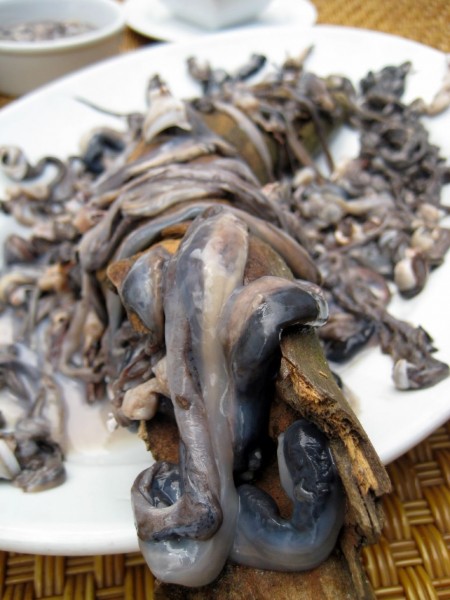
Where to try it: Coastal communities and seafood eateries in Puerto Princesa, other parts of Palawan, and selected Visayas destinations where tamilok is available.
What it is: Despite its wormlike appearance, tamilok is a marine mollusk known as a shipworm. It lives in submerged or waterlogged wood, particularly in mangrove and coastal environments. It is not an ordinary terrestrial worm.
Taste, texture, and preparation: People often eat tamilok raw in a vinegar-based preparation similar to kinilaw. Its soft, slippery texture and briny, oyster-like flavor make it distinctive. Local preparations may include vinegar, onion, ginger, chili, and calamansi.
Cultural significance: Tamilok connects local food traditions with coastal livelihoods and mangrove ecosystems. In some communities, harvesting and serving it also form part of the visitor experience. Its availability depends on local harvesting practices and environmental conditions.
Traveler tips and safety: Vinegar and calamansi do not reliably eliminate foodborne pathogens or parasites in raw seafood. Choose a reputable establishment that follows safe harvesting and handling practices, and ask whether a cooked version is available. Pregnant travelers and people with weakened immune systems or certain chronic conditions should avoid raw or undercooked seafood. Avoid tamilok harvested from polluted areas or mangroves with uncertain water quality.
3. Kinilaw: The Filipino Raw-Seafood Tradition

Where to try it: Seafood restaurants, coastal markets, and community eateries in Davao, General Santos, Cebu, Siargao, and other fishing destinations.
What it is: Kinilaw is a Filipino preparation in which fresh fish or other seafood is dressed with vinegar or an acidic ingredient, often with ginger, onion, chili, and local citrus. Similar dishes vary in name and form across the archipelago. Some compare it to ceviche, though the ingredients, seasoning, and cultural history differ.
Taste, texture, and preparation: Good kinilaw is bright, tangy, and aromatic. The fish should have a clean marine flavor and a firm, fresh texture. The acidic dressing changes the fish’s surface texture but does not make raw seafood microbiologically safe. Some versions include coconut milk or other regional ingredients.
Cultural significance: Kinilaw reflects the Philippines’ coastal food traditions and access to fresh seafood. It is particularly associated with places where fishing plays a central role in daily life and local cuisine.
Traveler tips and safety: Ask which fish is being served and how it has been stored. Prefer a reputable establishment with proper refrigeration. If you need to avoid raw seafood, choose a cooked fish dish instead. Fish allergies matter, and travelers with shellfish allergies should ask about shared utensils and preparation surfaces.
4. Pinikpikan: A Traditional Cordillera Chicken Dish

Where to try it: Baguio, Sagada, and other parts of the Cordillera, particularly at eateries serving regional highland cuisine and during culinary events.
What it is: Pinikpikan is a traditional chicken dish associated with Cordilleran communities. People commonly prepare it with chicken, ginger, and other ingredients, sometimes including etag, a preserved meat product. Recipes and practices vary by community.
Taste, texture, and preparation: The soup is savory and warming, with a distinct chicken flavor and aromatic ginger. Traditional preparation has cultural significance beyond the finished dish. In some customary practices, handling the chicken is part of a ritual. Modern commercial versions may use different preparation methods.
Cultural significance: Pinikpikan is connected to highland food traditions and community practices. Don’t reduce it to a spectacle or assume every Cordilleran household prepares it the same way. The dish’s meaning and preparation can differ between communities.
Traveler tips and safety: Ask the cook or host about the preparation and local context rather than relying on sensational descriptions. If you are uncomfortable with a traditional method, you can respectfully decline or choose another dish. Make sure the chicken is thoroughly cooked, especially near the bones, and ask whether the broth contains preserved meat, soy, or other ingredients that affect your dietary needs.
5. Etag: The Cordillera’s Preserved Pork
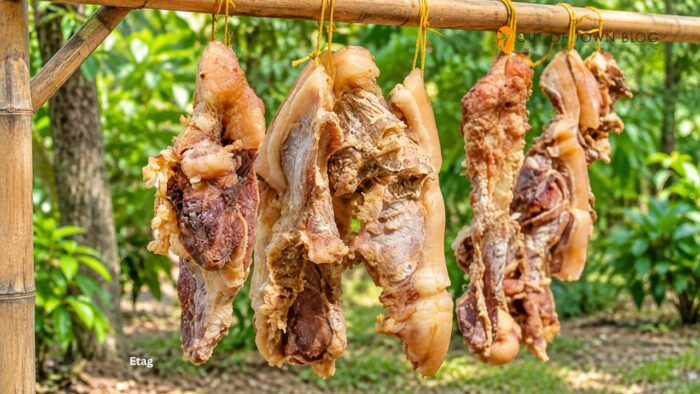
Where to try it: Sagada, Mountain Province, and selected highland markets, eateries, and community food events across the Cordillera.
What it is: Etag is a traditional preserved pork product associated with Cordillera communities. People salt and cure pork, with methods varying by location and household. Some versions are smoked or dried, producing a distinctive aroma and concentrated flavor.
Taste, texture, and preparation: Expect a salty, meaty flavor and a firmer texture than fresh pork. Depending on how it’s prepared, etag can have smoky, cured, or strongly fermented notes. You may use it in soups and other dishes, including some versions of pinikpikan.
Cultural significance: Etag reflects traditional food preservation and the importance of pork in certain highland culinary and ceremonial practices. It can represent local knowledge passed between generations.
Traveler tips and safety: Buy etag from a reputable local producer or eat it in a restaurant familiar with traditional preparation. Preservation does not automatically make meat safe, and improperly cured products can carry foodborne risks. Ask how it is stored and cooked, and avoid products with signs of spoilage. People limiting sodium should note that cured pork can be very salty.
6. Betute: Pampanga’s Stuffed Frog
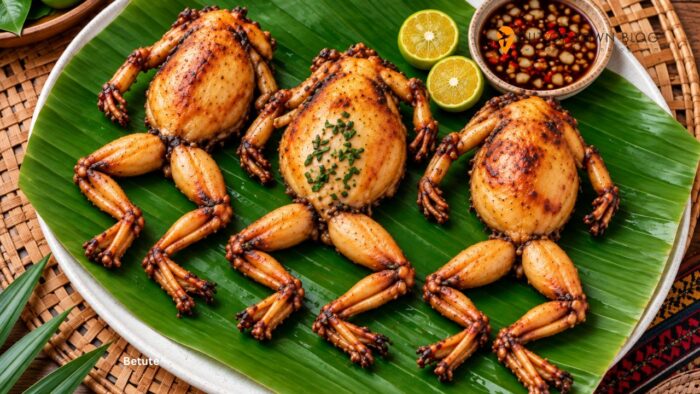
Where to try it: Pampanga, particularly restaurants and culinary establishments specializing in Kapampangan cuisine.
What it is: Betute is a regional delicacy made by stuffing a cleaned frog with a seasoned filling, often minced pork or other meat, before cooking it. Recipes vary, and some versions are fried.
Taste, texture, and preparation: Properly cooked frog meat is generally mild and lean, with a texture often compared with chicken. The stuffing adds savory richness. When fried, the outer surface may be crisp while the filling remains moist.
Cultural significance: Pampanga has a strong culinary identity, and betute is one example of the province’s inventive use of locally available ingredients. It is often mentioned alongside other regional specialties that challenge visitors’ expectations of Filipino food.
Traveler tips and safety: Choose an established restaurant that can identify the frog species and source. Wild-caught animals can raise food-safety and conservation concerns, and some species may be protected. Make sure the meat and filling are fully cooked. Ask about ingredients and preparation surfaces if you have food allergies.
7. Soup No. 5: A Controversial Traditional Soup
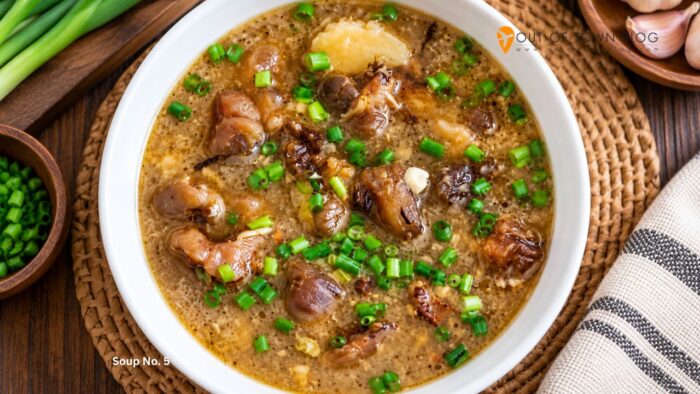
Where to try it: Selected traditional Filipino restaurants and eateries in Metro Manila and other urban areas. Availability can be inconsistent, so ask locally before making a special trip.
What it is: Soup No. 5 is a name used for a soup commonly associated with bull or ox reproductive organs, usually cooked in a rich broth with aromatics and seasonings. Recipes vary, and individual establishments may use the name differently.
Taste, texture, and preparation: The broth is savory and hearty, with ginger, garlic, onion, pepper, or other seasonings. The organ meat has a distinctive texture that may be firmer or chewier than ordinary beef. It is generally simmered until cooked and incorporated into the soup.
Cultural significance: The dish is often marketed as an adventurous specialty and sometimes associated with traditional beliefs about virility. These claims reflect cultural beliefs, not established medical benefits. There is no good reason to assume that eating these organs improves sexual performance or fertility.
Traveler tips and safety: Ask the restaurant to confirm the ingredients, particularly if you have dietary restrictions. Choose a place that prepares organ meats thoroughly and stores them safely. Organ meat isn’t for everyone, and people following medically prescribed dietary restrictions should check with a clinician when needed.
8. Uok: Coconut Beetle Larvae in Some Filipino Food Traditions
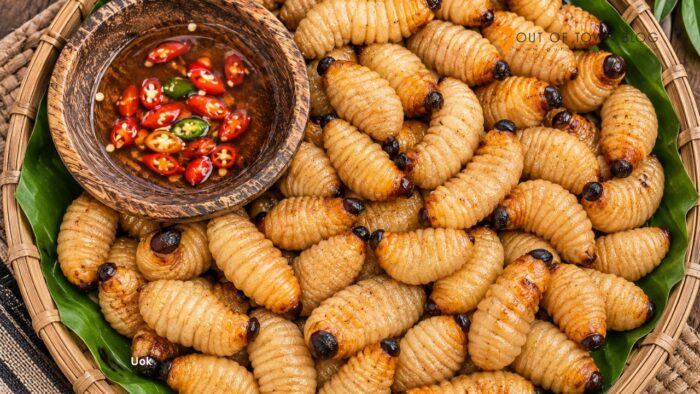
Where to try it: Selected rural communities and local food gatherings in parts of Luzon and other areas where people traditionally eat edible larvae. Availability is highly localized.
What it is: Uok is a local name for grubs or beetle larvae found in decaying plant material, including coconut trunks in some areas. The exact species and local terminology may differ, so don’t treat every larva sold under a similar name as the same food.
Taste, texture, and preparation: Depending on the species and method, larvae may have a soft, fatty texture and a mild, nutty flavor. People may cook them by frying, roasting, or incorporating them into local preparations. Do not assume a specimen is edible simply because it resembles a traditionally consumed larva.
Cultural significance: In communities where people eat insect larvae, they can be part of local food knowledge and the practical use of available resources. Such foods are not inherently strange within their original cultural setting.
Traveler tips and safety: Don’t collect larvae yourself unless you can confidently identify the species and know how to prepare it. Ask a knowledgeable local cook or reputable vendor about the source and cooking method. Avoid raw larvae and specimens gathered from areas exposed to pesticides, chemicals, or contamination. People with shellfish allergies may want medical advice before trying edible insects because some allergenic proteins can cross-react.
9. Kinunot na Pagi: Bicol’s Stingray and Coconut Milk Dish
Where to try it: Albay, Camarines Sur, and other parts of the Bicol Region, particularly local eateries and carinderias serving traditional Bicolano cuisine.
What it is: Kinunot na pagi is a regional Bicolano dish made with stingray cooked in coconut milk, often with malunggay leaves or other leafy greens. Garlic, onion, ginger, chili, and other seasonings provide flavor. Recipes vary between households and communities.
Taste, texture, and preparation: The dish combines creamy coconut milk with savory stingray and aromatic spices. Its texture depends on how the stingray is prepared and shredded. Chili can add considerable heat, although milder versions are also possible. The coconut milk creates a rich sauce that balances the seafood’s distinctive flavor.
Cultural significance: Kinunot na pagi reflects Bicol’s strong seafood traditions and the region’s extensive use of coconut milk and chili. It is a useful introduction to Bicolano cuisine for travelers who want to explore regional dishes beyond the familiar laing and Bicol Express.
Traveler tips and safety: Ask the cook which seafood is used and how it was sourced. Stingray must be properly cleaned and thoroughly cooked. Because stingray species and harvesting practices vary, choose a reputable establishment and avoid seafood of uncertain origin. Ask about chili levels if you are sensitive to spicy food. The dish contains fish and coconut, which may affect your dietary needs or trigger allergies.
10. Kamaru: Pampanga’s Mole Cricket Delicacy
Where to try it: Pampanga, particularly eateries serving traditional Kapampangan dishes and local food festivals.
What it is: Kamaru refers to edible mole crickets prepared as a regional delicacy. People commonly clean and cook them with aromatics, often including garlic, onion, and tomato. The dish is associated with Kapampangan cooking and is one of the region’s better-known adventurous foods.
Taste, texture, and preparation: Kamaru can have a crunchy exterior and a savory, slightly nutty flavor. Depending on the cooking method, some preparations produce a softer interior. People usually sauté or fry them after cleaning.
Cultural significance: Kamaru demonstrates the diversity of ingredients in Philippine regional cuisine. What may seem unfamiliar to a visitor can be a valued local dish with a long culinary history.
Traveler tips and safety: Buy from a restaurant or vendor that can identify the species and explain how it is cleaned and cooked. Avoid raw or poorly handled insects. Insect allergens can affect people with shellfish allergies, so sensitive travelers should exercise caution. If the dish is unfamiliar, start with a small serving and pair it with rice or vegetables.
11. Tuslob Buwa: Cebu’s Shared Pork-Brain Dip

Where to try it: Cebu City, especially eateries and food stalls specializing in Cebuano street food.
What it is: Tuslob buwa means roughly “dip into bubbles” in Cebuano. The dish is a bubbling sauce traditionally made with pork brain and other ingredients, such as liver, garlic, onion, and seasonings. Diners dip small portions of puso, or hanging rice, into the hot mixture.
Taste, texture, and preparation: The sauce is rich, savory, and creamy, with a smooth consistency when properly prepared. The flavor depends on the recipe, seasoning, and balance of organ meats. Cook the sauce in a pan and serve it hot.
Cultural significance: Tuslob buwa is as much a communal eating experience as it is a dish. Diners gather around a shared pan, making it a memorable way to encounter Cebuano food culture. The shared format is part of its appeal, though it may not suit every traveler.
Traveler tips and safety: Confirm that the sauce is thoroughly cooked and kept hot. Shared dipping can create hygiene concerns if diners touch the sauce with food they have already bitten or use utensils inconsistently. Choose an establishment with clean serving practices, and ask for an individual portion if available. The dish contains pork offal and may include other ingredients unsuitable for certain diets.
12. Adobong Palaka: Frog Cooked in Filipino Adobo Style
Where to try it: Selected rural food destinations and traditional eateries in areas where frog is part of local cooking. Ask locally, because it isn’t widely available everywhere.
What it is: Adobong palaka is frog cooked in an adobo-style sauce. Recipes commonly use vinegar, garlic, pepper, and sometimes soy sauce or other seasonings. Species and local methods vary, so treat this dish as a regional specialty rather than a standard menu item.
Taste, texture, and preparation: Frog meat is generally mild and lean, with a texture similar to chicken. The vinegar and garlic provide the familiar savory-tangy flavor associated with adobo. The meat should be cooked thoroughly.
Cultural significance: Frog dishes illustrate how Filipino cooks adapt familiar techniques to local ingredients. Adobo isn’t one fixed recipe, and cooks can apply the method to different meats and vegetables across the country.
Traveler tips and safety: Confirm that the frog species is legally sourced and intended for consumption. Avoid wild-caught frogs from polluted waterways or areas exposed to agricultural chemicals. Eat only thoroughly cooked meat from a reputable establishment. Travelers who prefer familiar flavors but want a less challenging dish can choose chicken or pork adobo prepared with the same basic seasoning.
13. Dayok: Fermented Fish from Mindanao and the Sulu Sea Region
Where to try it: Coastal communities and local markets in parts of Mindanao and the Sulu Sea region, where people make and sell fermented fish products.
What it is: Dayok is a traditional fermented fish product associated with parts of the southern Philippines. Its exact preparation, ingredients, and local use vary by community. People may use it as a condiment, seasoning, or component of a cooked dish rather than eating it as a standalone snack.
Taste, texture, and preparation: Fermentation develops a strong, salty, savory aroma and concentrated flavor. The texture depends on the fish and method, ranging from relatively intact pieces to softer mixtures. Fermented fish can add depth to soups, sauces, and vegetable dishes.
Cultural significance: Fermented seafood reflects the importance of fishing and preservation in coastal food traditions. These techniques help transform seasonal catches into ingredients that can be stored and used over time. They also show how different communities have developed their own food vocabularies and flavor profiles.
Traveler tips and safety: Buy from a trusted producer who understands proper fermentation and storage. A strong smell may be characteristic of fermentation, but it shouldn’t be the sole test of safety. Avoid products with unusual mold, damaged packaging, or questionable storage. Dayok may contain fish allergens and can be very high in sodium. Ask about ingredients if you use it in a cooked dish.
14. Burong Isda: Fermented Rice and Fish
Where to try it: Pampanga and other parts of Central Luzon, especially markets and eateries that sell traditional fermented foods.
What it is: Burong isda is a fermented fish-and-rice preparation. Recipes vary, but salt and rice are central. In some versions, the mixture develops a sour aroma and is cooked with vegetables or other ingredients before serving.
Taste, texture, and preparation: The dish has a pronounced fermented flavor with salty, sour notes. Depending on how it’s prepared, the fish may soften during fermentation. People often cook it with mustard greens, eggplant, or other vegetables, which help balance its intensity.
Cultural significance: Fermentation is an important food-preservation method in several Filipino regions. Burong isda reflects a tradition of using local fish and rice creatively, while developing flavors that are distinct from fresh fish preparations.
Traveler tips and safety: Fermentation requires appropriate salt levels, cleanliness, and control of time and temperature. Choose a reputable producer or restaurant, and eat the product as intended. Don’t assume every homemade fermented fish mixture is safe. People with fish allergies should avoid it, and those restricting sodium should ask about salt content.
15. Nilarang or Linarang: A Strong-Flavored Fish Soup

Where to try it: Cebu and parts of the Visayas, especially local eateries serving traditional fish soups. Names and recipes differ by town.
What it is: Linarang, sometimes called nilarang in related regional usage, refers to a fish soup or stew found in parts of the Visayas. Some versions use a strong fermented fish ingredient, while others rely on different souring agents and seasonings. The exact dish varies by locality.
Taste, texture, and preparation: Expect a savory broth with a pronounced fish flavor, sometimes balanced by sourness, chili, or aromatics. The fish may be simmered with vegetables and local seasonings. Some versions have a stronger aroma than the clear fish soups many travelers are familiar with.
Cultural significance: This dish illustrates how regional names and cooking methods vary even between nearby communities. The same or similar names may refer to different recipes, so asking local cooks about ingredients can be useful.
Traveler tips and safety: Ask what fish and fermented ingredients they use. Check for fish or shellfish allergens, and be mindful of fish bones. Choose a busy establishment with proper refrigeration and thorough cooking. Travelers sensitive to strong aromas can request a milder fish soup, but confirm the restaurant can prepare one.
16. Pinais: Seafood or Meat Wrapped in Leaves
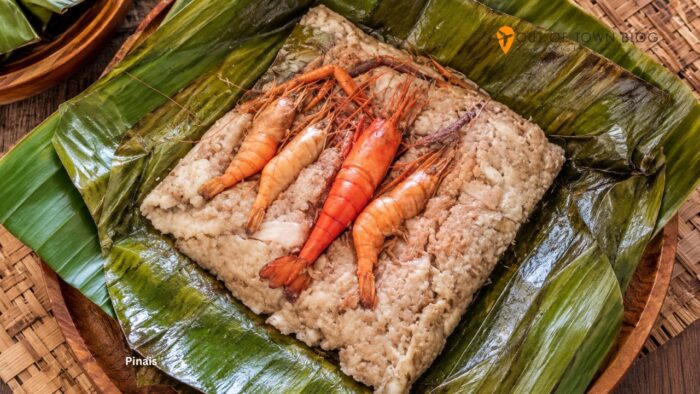
Where to try it: Bicol and other regions where leaf-wrapped cooking is common. Ask local markets and traditional eateries about the version specific to the area.
What it is: Pinais is a name used for different leaf-wrapped preparations in the Philippines. Depending on the region, the filling may include seafood, meat, coconut, or other ingredients. The food is wrapped in leaves and cooked, allowing the ingredients to steam and absorb the filling and seasonings.
Taste, texture, and preparation: The result can be moist and aromatic, with flavors ranging from rich coconut to savory seafood or meat. The leaves help retain moisture and impart a subtle vegetal aroma. Preparation methods and fillings vary considerably.
Cultural significance: Leaf wrapping is a practical cooking technique found in many Philippine food traditions. It connects local ingredients with resourceful cooking and serving methods, and the name pinais can mean different things depending on where it is used.
Traveler tips and safety: Ask the vendor what the parcel contains before ordering. Don’t assume the filling is vegetarian or seafood-free. Make sure the contents are fully cooked, especially if they include fish or meat. The outer leaves are usually a cooking wrapper, not meant to be eaten unless specifically prepared for consumption.
17. Binungor: Kalinga’s Adventurous Spicy Dish
Where to try it: Kalinga, especially local eateries, community food gatherings, and regional culinary events that feature traditional dishes.
What it is: Binungor is a traditional Kalinga dish. Ingredients vary, and versions may feature local freshwater or land-based ingredients, including items unfamiliar to visitors. Because recipes differ, travelers should ask the cook to identify the ingredients rather than rely on a single generic description.
Taste, texture, and preparation: Some versions are known for strong chili heat and a mixture of textures from the local ingredients. Aromatics and regional seasonings contribute to a robust flavor. Preparation may involve simmering or cooking the ingredients together.
Cultural significance: Binungor is part of the Cordillera’s distinctive culinary heritage. It is best understood through local food knowledge, rather than treated as a dare because of its unusual ingredients. Regional food festivals can offer a good opportunity to learn how the dish is made.
Traveler tips and safety: Ask about the exact ingredients, spice level, and cooking method. If you have food allergies or avoid particular meats or seafood, confirm every component. Start with a small serving if you are sensitive to chili. Eat the dish only when thoroughly cooked and served hygienically. Community food events may let you speak directly with the cooks about its local significance.
18. Sinarapan: The Tiny Fish of Bicol
Where to try it: Lake Buhi and the surrounding area in Camarines Sur, Bicol, where sinarapan is associated with local food and freshwater ecology.
What it is: Sinarapan is a very small freshwater fish associated with Lake Buhi. It has long been recognized as part of the area’s natural and culinary heritage. Availability can be limited, and conservation matters because small local fish populations are vulnerable to environmental pressures.
Taste, texture, and preparation: When legally and sustainably available, people may prepare the fish in simple local dishes, including fried or cooked preparations. Its small size can give it a delicate texture and mild fish flavor. Recipes depend on the catch and local practice.
Cultural significance: Sinarapan links regional food traditions with Lake Buhi’s ecology. It shows why food tourism should consider habitat protection and the future of local food resources.
Traveler tips and safety: Don’t assume sinarapan is available year-round or that all harvesting is sustainable. Ask local tourism offices or reputable food providers about current availability and conservation rules. Avoid buying protected or illegally harvested wildlife. If it is unavailable, try another local freshwater fish dish rather than encouraging unsustainable demand.
19. Pinunnog: Ifugao’s Traditional Sausage
Where to try it: Ifugao communities, regional food fairs, and traditional eateries that serve highland specialties. Ask locally because availability varies.
What it is: Pinunnog is a traditional sausage associated with Ifugao food culture. It is generally made with pork and seasonings, with preparation methods varying by locality. Confirm the exact recipe with the cook.
Taste, texture, and preparation: The flavor is savory and meaty, broadly similar to other traditional sausages but shaped by local seasonings and preparation. The texture can be firm, especially when the sausage is well cooked. People may serve it with rice and other local dishes.
Cultural significance: Pinunnog is among the Cordillera specialties featured in regional culinary events that promote local food heritage. Traditional meat preparations may be tied to communal meals and celebrations, though customs vary by community.
Traveler tips and safety: Ask whether the sausage is fresh, smoked, or otherwise preserved, and how it is cooked before serving. Pork should be thoroughly cooked, and preserved products should be stored appropriately. If you avoid pork, ask about ingredients rather than assuming the dish uses another meat. When visiting indigenous communities, follow local guidance on photography, hospitality, and cultural practices.
20. Adobong Suso: Filipino Snails Cooked in Adobo Sauce
Where to try it: Selected rural communities, public markets, and traditional eateries in parts of Luzon and the Visayas where people locally consume edible freshwater or land snails. Availability and recipes vary by province.
What it is: Adobong suso is a snail dish prepared using the familiar Filipino adobo combination of vinegar, garlic, pepper, and sometimes soy sauce. The type of snail and preparation method depend on local traditions and what is available. Because the name can refer to different snail species, travelers should ask the cook which species is used.
Taste, texture, and preparation: The sauce is tangy, savory, and aromatic, with garlic and pepper providing much of the flavor. Properly cooked snail meat is usually firm and slightly chewy. The snails are cleaned and cooked thoroughly in the seasoned sauce. Some local recipes include coconut milk, chili, or other regional ingredients.
Cultural significance: Snail dishes reflect the resourcefulness of Filipino regional cooking, where locals adapt locally available ingredients to familiar techniques. Adobo is not one fixed recipe. Vinegar, garlic, and seasonings can be paired with different ingredients, creating distinctive versions across the Philippines.
Traveler tips and safety: Eat snails only from a reputable source that can identify the species and confirm they are intended for consumption. Snails collected from polluted waterways, contaminated land, or pesticide-exposed areas may pose health risks. Some snails can carry parasites, so thorough cleaning and cooking are essential. Never eat them raw or undercooked. If you have allergies or dietary restrictions, ask about ingredients and choose another dish if you’re unsure of the source or preparation.
How to Experience Unusual Filipino Foods Respectfully
Trying unusual Filipino foods is more rewarding when you approach them as part of a place’s culinary heritage rather than as novelty challenges. A dish may reflect a community’s environment, preservation methods, celebrations, or everyday eating habits.
- Visit public markets. Go early when possible, observe how food is handled, and ask vendors about regional ingredients and preparation.
- Try carinderias. These small local eateries can introduce you to everyday dishes that are not always featured in tourist-oriented restaurants.
- Attend food festivals. Local festivals and culinary fairs may feature dishes that are difficult to find at other times of the year.
- Learn from community cooks. Ask politely about ingredients, traditional methods, and what a dish means. Don’t assume every recipe represents an entire ethnic group.
- Respect indigenous food traditions. Follow local guidance on photography, ceremonies, and community protocols. Ask before photographing people or documenting culturally significant practices.
- Avoid treating food as a dare. You can taste a small portion, ask questions, or decline respectfully. You don’t need to finish a dish that makes you uncomfortable.
Food Safety, Allergies, and Dietary Considerations
Unusual ingredients aren’t automatically unsafe, and familiar foods aren’t automatically safe. The important factors are sourcing, preparation, cooking, storage, and personal dietary needs.
- Choose busy food stalls and established eateries with clean preparation areas.
- Eat hot foods hot, and avoid cooked food left at room temperature for extended periods.
- Take extra care with raw fish, raw mollusks, and other uncooked seafood. Acidic marinades do not reliably eliminate pathogens.
- Avoid undercooked meat and seafood, improperly stored items, or products of uncertain origin.
- Ask about fish, shellfish, eggs, pork, organ meats, soy, peanuts, and other ingredients that may trigger allergies or conflict with your diet.
- Be cautious with traditional fermented products if you cannot verify their source and storage conditions.
- If you are pregnant, immunocompromised, or have a medical condition that increases the risks of foodborne illness, avoid raw or undercooked animal products and seek medical advice about higher-risk foods.
People with allergies should explain their needs clearly and ask about shared cooking surfaces and utensils. When a vendor cannot confirm the ingredients or preparation method, choose another dish.
Frequently Asked Questions About Unusual Filipino Foods
1. What is the strangest Filipino food for foreigners to try?
Balut is often the most challenging Filipino food for first-time visitors because it contains a developing duck embryo inside a boiled egg. Tamilok can be equally surprising because it is a wormlike marine mollusk commonly served raw with vinegar. Other adventurous options include kamaru, made with mole crickets, and tuslob buwa, a Cebuano dish traditionally prepared with pork brain. What seems unusual depends on your food background, so start with a dish that interests you rather than choosing one simply because it appears shocking.
2. What Filipino delicacies should beginners try first?
Travelers new to unusual Filipino foods can begin with kinilaw if they are comfortable eating raw seafood and can find a reputable establishment. They can also try betute, a stuffed frog dish with familiar savory seasonings, or kamaru, a cooked dish with a crunchy texture. Kinunot na pagi is another option for travelers who enjoy seafood and coconut-based dishes. Travelers who prefer familiar flavors can start with regional sausages or leaf-wrapped dishes and gradually explore stronger flavors.
3. Is balut safe to eat?
Balut is generally boiled, but food safety still depends on proper handling, cooking, and storage. Buy it hot from a vendor who handles the eggs hygienically. Avoid eggs with damaged shells, unusual odors, or uncertain storage conditions. People with egg allergies should avoid balut. Pregnant travelers and people with weakened immune systems should be particularly careful about food hygiene and should avoid any egg that may have been inadequately cooked or stored. If you are unsure, choose another snack.
4. What does tamilok taste like?
Tamilok is often described as having a soft, slippery texture and a briny flavor similar to oysters. It is a marine mollusk, not a conventional worm, and is commonly served raw with vinegar and seasonings. The exact flavor depends on freshness, handling, and preparation. Because it is often eaten uncooked, food safety is a key concern. Vinegar does not reliably kill all harmful microorganisms or parasites. Choose a reputable establishment, ask about sourcing, and avoid raw tamilok if you are pregnant or at increased risk from foodborne illness.
5. Which Filipino foods are associated with indigenous communities?
Several regional dishes are associated with indigenous food traditions, including pinikpikan, etag, pinunnog, and binungor. These foods have different histories and meanings, and they should not be treated as interchangeable examples of a single indigenous cuisine. Preparation methods can vary between communities and households. Travelers should ask local cooks about the dish’s ingredients and cultural context rather than assuming one recipe represents an entire ethnic group. Community-based food experiences and regional culinary events can provide opportunities to learn directly from people who maintain these traditions.
6. Where can travelers find unusual Filipino foods?
The best places depend on the dish. Pampanga is a useful destination for Kapampangan specialties such as betute and kamaru. Cebu is known for tuslob buwa and a range of local seafood dishes. Palawan is associated with tamilok, while the Cordillera offers highland specialties such as etag and pinikpikan. The Bicol Region is known for kinunot na pagi and other coconut-based seafood preparations. Public markets, carinderias, local food festivals, and community eateries are good places to ask about specialties, but availability varies by season.
7. Are unusual Filipino foods expensive?
Many traditional foods are sold at ordinary market stalls, small eateries, or community food events, but prices vary by location, season, ingredient, and availability. Rare seafood or labor-intensive artisanal products may be harder to find than familiar street foods. Because this guide doesn’t list prices, travelers should ask vendors for current rates before ordering. For foods that are harvested seasonally or produced in small quantities, availability can matter more than cost. Buying directly from reputable local producers can also help visitors learn how a food is made.
8. Are Filipino exotic foods always spicy?
No. Some dishes, including certain versions of binungor, can be very spicy, but unusual Filipino foods span many flavor profiles. Balut is rich and savory, tamilok is briny, etag is salty and sometimes smoky, and kinunot na pagi is creamy and savory with a flavor that depends on the seafood and seasonings. Fermented foods can have strong aromas without being hot. Ask the cook about chili, vinegar, and other seasonings before ordering. If you are sensitive to spice, ask for a milder preparation when possible or choose a different regional specialty.
9. Can vegetarians find unusual Filipino foods to try?
Yes, although many of the best-known unusual delicacies contain meat, seafood, or animal products. Vegetarians can explore regional rice cakes and plant-based dishes made with local vegetables, root crops, coconut, and indigenous ingredients. However, recipes may include shrimp paste, fish sauce, meat stock, or animal fat even when the main ingredient is a vegetable. Ask about the complete preparation method, not just the dish’s name, and explain your dietary requirements before ordering.
10. What food safety precautions should adventurous travelers follow?
Choose reputable vendors, check that food is freshly prepared, and prioritize dishes served thoroughly cooked and hot. Be particularly cautious with raw seafood, undercooked meat, improperly stored fermented foods, and unfamiliar wild-harvested ingredients. Wash your hands before eating, use clean utensils, and avoid food left unrefrigerated for long periods. If you have allergies, ask about ingredients and shared cooking equipment. Travelers at increased risk of foodborne illness should avoid raw or undercooked animal products and seek medical advice before their trip.
11. What is the difference between kinilaw and ceviche?
Kinilaw is a Filipino tradition of preparing seafood with vinegar or other acidic ingredients, often combined with ginger, onion, chili, and calamansi. Ceviche, associated with Latin American cuisines, also uses acidic ingredients to season seafood, but its ingredients, methods, and cultural history differ by country and region. People often compare the two dishes because both feature seafood dressed with acid. Neither should automatically be considered safe simply because the seafood has been marinated. Proper sourcing, refrigeration, and handling remain essential.
12. Why are fermented foods important in Filipino cuisine?
Fermentation has helped communities preserve ingredients, develop distinctive flavors, and make use of seasonal harvests. Foods such as burong isda and regional fermented fish products reflect the importance of rice, seafood, salt, and local knowledge in Philippine food traditions. Fermentation can produce sour, salty, pungent, and intensely savory flavors that distinguish regional dishes. However, fermentation must be carried out correctly to produce safe food. Travelers should buy these products from trusted producers and not assume that a strong smell alone indicates safety or spoilage.
13. Are traditional Filipino foods the same throughout the country?
No. Filipino cuisine varies considerably across Luzon, the Visayas, and Mindanao, as well as between provinces, islands, and cultural communities. Geography, climate, available ingredients, trade, migration, and local traditions all influence cooking methods and flavors. Even dishes with similar names may have different ingredients or preparation techniques in neighboring communities. A food associated with one province should not automatically be described as representative of the entire Philippines. Travelers can better understand this diversity by asking local cooks about regional names, family recipes, and each dish’s history.
14. What is the best way to try an unfamiliar Filipino delicacy?
Start by learning what the dish contains, how it is prepared, and whether it has any cultural significance. Ask the vendor or cook about the ingredients and food safety, especially with raw seafood, organ meats, insects, or preserved products. If you are unsure about the flavor or texture, order a small portion or share a serving with a willing companion. Avoid pressuring anyone to eat food they dislike, and don’t treat local culinary traditions as entertainment at the expense of the people who maintain them.
15. When is the best time to experience unusual Filipino foods?
There is no single best season because availability depends on the ingredient, locality, weather, and local customs. Some specialties are easiest to find at public markets on ordinary days, while others appear during festivals, community celebrations, or seasonal harvests. Food fairs can be especially useful for sampling several regional dishes in one place and learning how they’re prepared. Before traveling specifically for a rare delicacy, check with the local tourism office or community organizers. Be flexible, and choose a sustainable alternative when a particular ingredient is unavailable.
Final Thoughts
Unusual Filipino foods offer a way to explore the Philippines beyond its most familiar dishes. From balut and tamilok to Cordilleran preserved meats, Kapampangan delicacies, and Bicol’s kinunot na pagi, each discovery reveals something about local ingredients, cooking techniques, and regional identity.
The best food adventures combine curiosity with respect. Ask questions, learn the local names, understand the preparation, and make responsible choices about food safety and sustainability. Support reputable local vendors, visit public markets and community food events, and remember that not every specialty is available year-round.
Most importantly, approach every dish on its own terms. You do not have to enjoy every flavor or texture to appreciate its place in Filipino food culture. Sometimes the most memorable part of a culinary journey is learning the story behind what is on your plate.
Follow the Out of Town Travel Blog on Facebook, Twitter, Instagram, and Pinterest for more travel and food-related updates.
Read:
- Sinigang na Baboy Recipe: Filipino Pork in Sour Soup Dish
- 10 Filipino Restaurants In Los Angeles You Need To Try Right Now
- FILIPINO FOOD: 42 Tasty Dishes You Should Be Eating Now