Melo Villareal
What to Eat in Italy: 25 Must-Try Regional Foods, from Pasta to Sicilian Desserts
Italian food is a highlight of traveling through Italy, but the country’s culinary identity extends far beyond pizza, pasta, and gelato. Each region has distinctive specialties shaped by its geography, agricultural traditions, local ingredients, and cultural history.
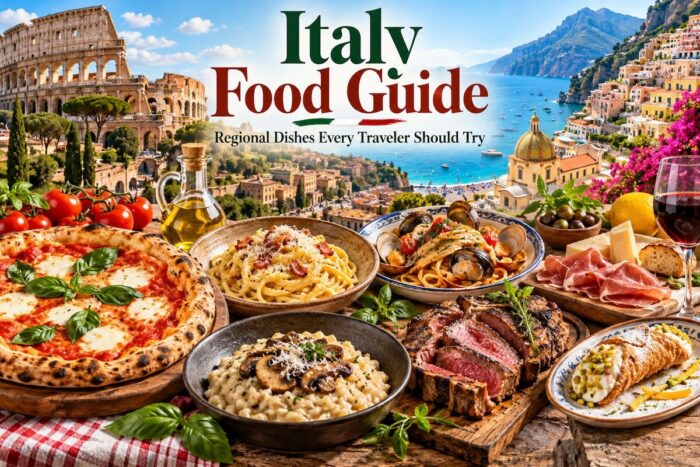
Italy Food Guide: Regional Dishes Every Traveler Should Try
Northern Italy is known for dishes featuring rice, butter, polenta, and mountain cheeses. Central Italy offers handmade pasta, rustic soups, grilled meats, and recipes rooted in rural traditions. Southern Italy showcases tomatoes, olive oil, seafood, and durum-wheat pasta, while Sicily and Sardinia preserve culinary traditions influenced by centuries of trade and cultural exchange. These differences make eating your way across Italy an essential part of the travel experience. Italy’s official tourism portal also highlights the country’s regional food traditions as an important part of its cultural identity.
From Bologna’s handmade pasta to Naples’ iconic pizza and Sicily’s famous pastries, these 25 regional Italian dishes offer a practical introduction to the country’s diverse food culture. Each dish tells a story about where it developed and the people who still prepare it.
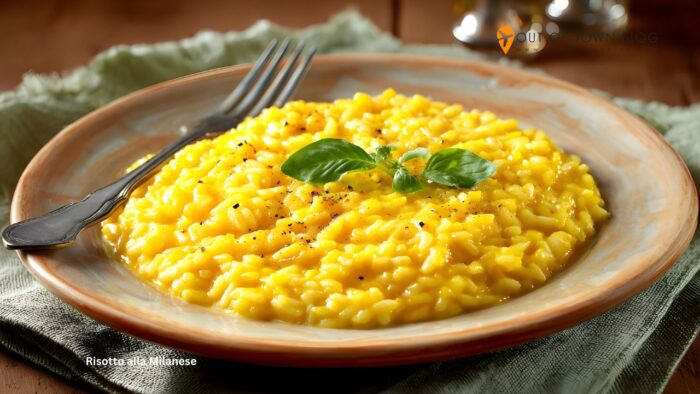
1. Risotto alla Milanese: Lombardy’s Saffron Rice
Region: Lombardy
Best known in: Milan
Risotto alla Milanese is one of northern Italy’s most recognizable specialties. This creamy rice dish is made by gradually cooking rice with broth, butter, onion, and saffron. The saffron gives it a distinctive golden color and an earthy, aromatic flavor.
Unlike ordinary steamed rice, risotto requires attention throughout cooking. As it absorbs the broth, the rice releases starch, creating a creamy consistency without necessarily requiring cream. People often add butter and grated cheese at the end to enrich the texture.
The dish is closely associated with Milan, a city whose cuisine reflects the agricultural traditions of the Po Valley, where rice cultivation has long been important. Risotto alla Milanese is sometimes served alongside ossobuco, a slow-braised veal shank dish, but it is also enjoyed on its own.
Travelers visiting Milan should look for risotto alla Milanese in traditional trattorias. It is an excellent introduction to the richer, rice-based cooking associated with northern Italy.
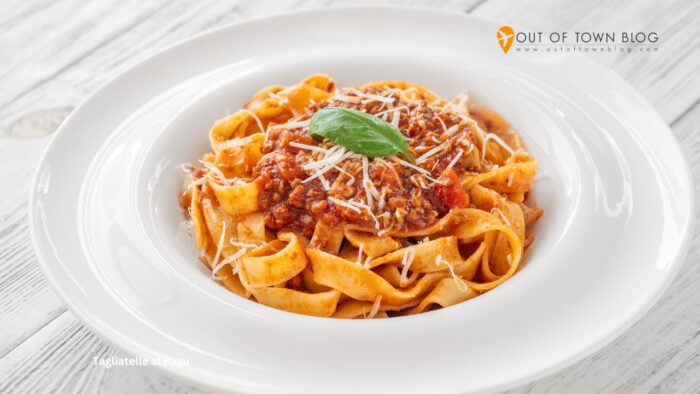
2. Tagliatelle al Ragù: Bologna’s Handmade Pasta
Region: Emilia-Romagna
Best known in: Bologna
Tagliatelle al ragù is a classic dish from Bologna, Emilia-Romagna’s capital. It combines fresh egg pasta with a slow-cooked meat sauce made with beef, pork, onion, carrot, celery, tomato, and wine.
The sauce develops its flavor through extended cooking. Rather than being dominated by tomato, a traditional ragù emphasizes the meat’s richness, the vegetables’ sweetness, and the depth created by slow simmering.
Fresh tagliatelle has a slightly rough texture that helps the sauce cling to the pasta. The combination reflects Emilia-Romagna’s strong tradition of handmade egg pasta and carefully prepared meat sauces.
Outside Italy, people often associate ragù with spaghetti Bolognese. However, tagliatelle is the more characteristic pasta pairing in Bologna. Ordering the local combination offers a better introduction to the city’s culinary traditions.
For travelers interested in Italian food culture, this dish demonstrates how pasta shape and sauce are selected to complement one another rather than treated as interchangeable components.
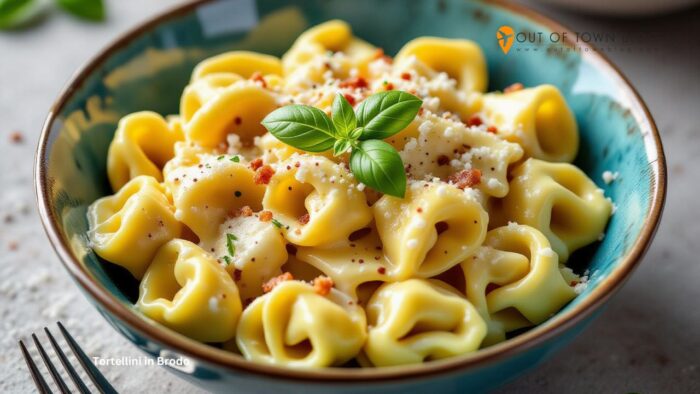
3. Tortellini in Brodo: Emilia-Romagna’s Stuffed Pasta
Region: Emilia-Romagna
Best known in: Bologna and Modena
Tortellini are small, ring-shaped pasta parcels traditionally filled with a mixture that may include pork, cured ham, mortadella, cheese, and other seasonings. One classic way to serve them is in brodo, a clear meat broth.
Making tortellini requires skill. You must roll the pasta thinly, fill it carefully, and fold it into its distinctive shape. In many households, preparing them remains a special family activity, particularly around Christmas and other celebrations.
The broth provides a lighter counterpoint to the rich filling. It also keeps the pasta and its ingredients at the center of the dish.
Bologna and Modena are both associated with tortellini, and local traditions can differ in their preferred fillings and preparation methods. Instead of seeking one universal recipe, travelers can appreciate the variations across Emilia-Romagna.
Tortellini in brodo is particularly worth trying during cooler months. It offers a comforting alternative to pasta served with thick sauces and showcases the region’s long tradition of filled pasta.
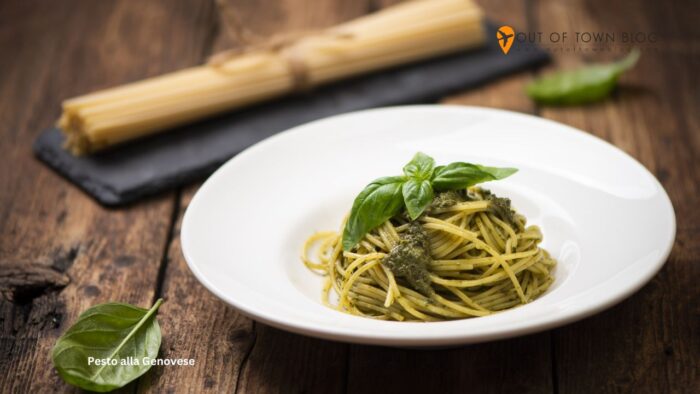
4. Pesto alla Genovese: Liguria’s Basil Sauce
Region: Liguria
Best known in: Genoa
Pesto alla Genovese is a fresh sauce traditionally made with basil, pine nuts, garlic, extra-virgin olive oil, cheese, and salt. It originates from Genoa, the capital of Liguria, a coastal region known for its herbs, olive oil, and seafood.
Traditionally, people crush the ingredients together, historically using a mortar and pestle. This technique releases the basil’s fragrance while combining the ingredients into a rich green sauce.
People commonly serve pesto with trofie, a short, twisted pasta associated with Liguria. It can also accompany trenette, another regional pasta. Some preparations add potatoes and green beans to the pasta, creating a more substantial meal.
The sauce stands out for relying on fresh herbs and olive oil rather than a tomato base or long cooking time. Its flavor is aromatic, slightly nutty, and savory.
Travelers visiting Genoa should try pesto with a pasta shape commonly associated with the region. The combination offers a taste of Ligurian cooking, where simple ingredients and careful preparation create dishes with a strong regional identity.
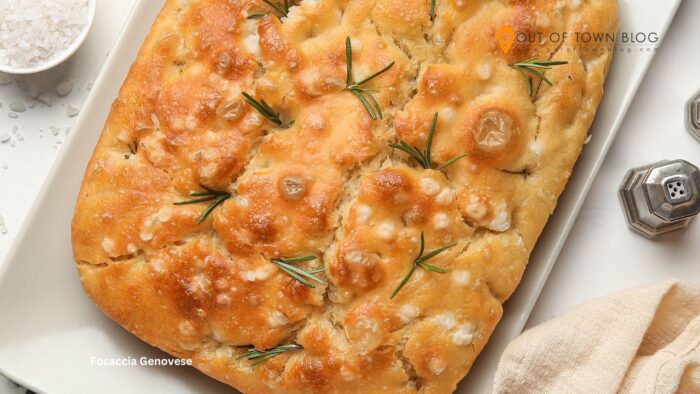
5. Focaccia Genovese: Genoa’s Olive Oil Bread
Region: Liguria
Best known in: Genoa
Focaccia Genovese is a flatbread known for its golden surface, soft interior, and generous use of olive oil. It is typically seasoned with salt and may feature small indentations across the dough that help retain moisture and oil during baking.
Unlike heavily topped versions of focaccia found elsewhere, the Genoese style is often relatively simple. Its appeal comes from the balance of bread, olive oil, salt, and a lightly crisp exterior.
Focaccia has long been part of everyday Ligurian food culture. People eat it at breakfast, as a snack, or alongside other dishes. Bakeries often sell it by weight, making it easy for travelers to purchase a portion while exploring the city.
The bread reflects the importance of wheat, olive oil, and bakery traditions in coastal Ligurian cuisine.
For visitors, freshly baked focaccia is one of the easiest regional foods to enjoy without planning a restaurant meal. Try it warm from a bakery to appreciate its texture and aroma.
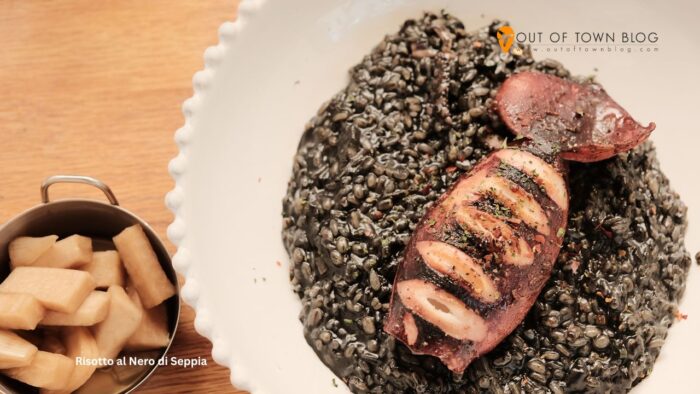
6. Risotto al Nero di Seppia: Veneto’s Black Seafood Risotto
Region: Veneto
Best known in: Venice and coastal Veneto
Risotto al nero di seppia is a dramatic seafood dish made with rice and cuttlefish ink. The ink gives the risotto its deep black color and contributes a distinctive briny flavor.
The preparation often includes cuttlefish, onion, olive oil, broth, and wine. As the rice cooks, it absorbs the liquid and becomes creamy. The seafood provides additional texture and flavor, while the ink gives the dish its unmistakable appearance.
Venice’s historic relationship with the lagoon and Adriatic Sea has shaped its cuisine. Seafood is central to many traditional dishes, and local cooks have developed ways to use a wide variety of marine ingredients.
Risotto is especially interesting for travelers who want something beyond familiar tomato-based pasta or grilled seafood. Its appearance can be surprising, but its flavor is generally savory rather than overwhelmingly fishy.
When visiting Venice, look for this dish in restaurants serving traditional Venetian cuisine. Enjoy it freshly prepared, while the rice remains creamy.
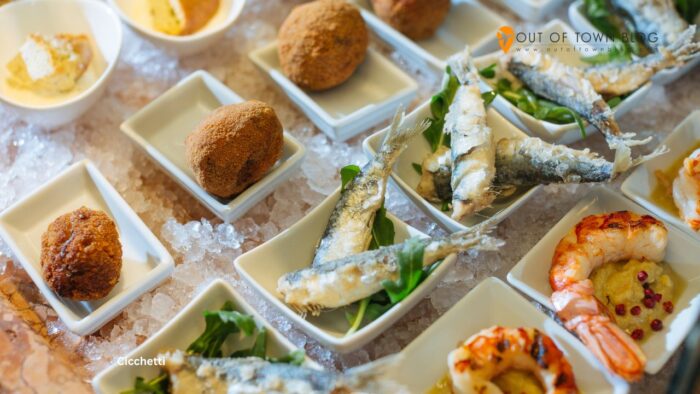
7. Cicchetti: Venice’s Small Bites
Region: Veneto
Best known in: Venice
Cicchetti are small portions of food served in Venetian bars known as bacari. They are not one specific recipe but a collection of snacks that can include seafood, cured meats, cheeses, vegetables, and small pieces of bread topped with savory ingredients.
Popular examples include baccalà mantecato, a creamy preparation of salt cod, and crostini topped with fish or other regional ingredients. The selection varies by establishment and season.
Cicchetti are connected to Venice’s social dining culture. Locals may stop at several bars, enjoying a small bite and a drink at each rather than sitting down for a full multi-course meal.
For travelers, cicchetti offer a flexible way to sample several flavors in one afternoon. They are especially useful when exploring Venice’s narrow streets, where small neighborhood bars offer a more casual alternative to formal restaurants.
Cicchetti don’t have a fixed menu across the city. Ask what is freshly prepared and choose a few different toppings to experience the variety of Venetian snack culture.
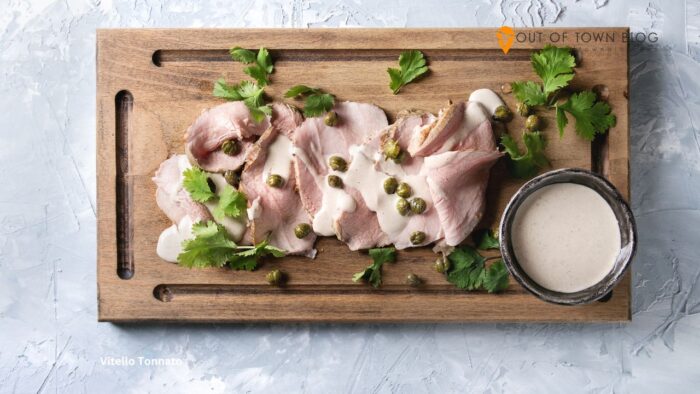
8. Vitello Tonnato: Piedmont’s Veal and Tuna Sauce
Region: Piedmont
Best known in: Turin and the surrounding region
Vitello tonnato is a traditional Piedmontese dish consisting of thin slices of cooked veal served cold with a creamy tuna-based sauce. The sauce often combines tuna, anchovies, capers, olive oil, and other ingredients, depending on the recipe.
The meat-and-fish combination may sound unusual to some travelers, but it has long been a feature of the dish. The tuna sauce adds a savory, slightly tangy note that complements the veal’s delicate flavor.
Vitello tonnato is often served as an antipasto, or starter, and is particularly associated with festive meals and traditional Piedmontese dining.
Piedmont’s culinary traditions include rich meat dishes, cheeses, rice, and seasonal ingredients such as truffles. Vitello tonnato offers a different experience from the region’s heavier stews and braised meats.
Travelers visiting Turin should look for it on menus featuring traditional regional cuisine. The dish is generally served chilled or at room temperature, making it especially appealing during warmer weather.
9. Fonduta Valdostana: Aosta Valley’s Melted Cheese Dish

Region: Aosta Valley
Best known in: Aosta and Alpine mountain towns
Fonduta Valdostana is a rich cheese preparation traditionally made with Fontina, the region’s distinctive cow’s milk cheese. It may use milk, butter, and egg yolks to create a smooth, warm mixture.
The dish reflects the Alpine region’s dairy farming traditions and the importance of cheese in mountain cooking. Fontina melts well and contributes a creamy texture and pronounced savory flavor.
Fonduta can be served as a shared dish with bread, vegetables, or other accompaniments. It is especially popular during colder weather, when hearty meals are part of the mountain dining experience.
Although it resembles Swiss fondue, the ingredients and preparation reflect the Aosta Valley’s own culinary identity. It is not simply a copy of a cheese dish from another country.
Travelers exploring the Italian Alps should try fonduta in a traditional restaurant or mountain inn. It is an ideal choice after hiking or skiing, especially when paired with local bread and other regional products.
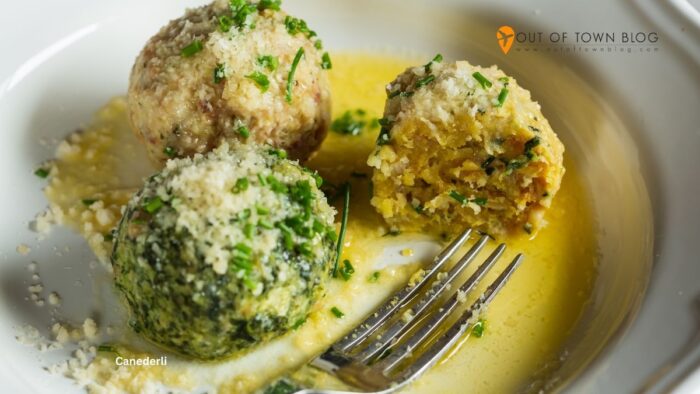
10. Canederli: Trentino-Alto Adige’s Bread Dumplings
Region: Trentino-Alto Adige
Best known in: Bolzano, Trento, and the Dolomites
Canederli are large dumplings typically made from stale bread, milk, eggs, flour, and seasonings. Depending on the recipe, they may contain speck, cheese, herbs, or other ingredients.
You can serve the dumplings in broth or with melted butter and cheese. Their hearty, soft texture makes them a satisfying meal during the colder months.
The dish reflects the region’s Alpine food traditions and its historical connections with Central European cooking. Similar bread dumplings appear in neighboring areas, but local ingredients and preparation methods give each version its own identity.
Canederli also demonstrate an important principle of traditional cooking: using leftover bread rather than wasting it. By combining it with eggs, milk, and other ingredients, cooks turn a basic staple into a substantial dish.
For travelers visiting the Dolomites, canederli are worth ordering at a mountain restaurant or traditional inn. They provide a comforting introduction to the food culture of northern Italy’s Alpine communities.
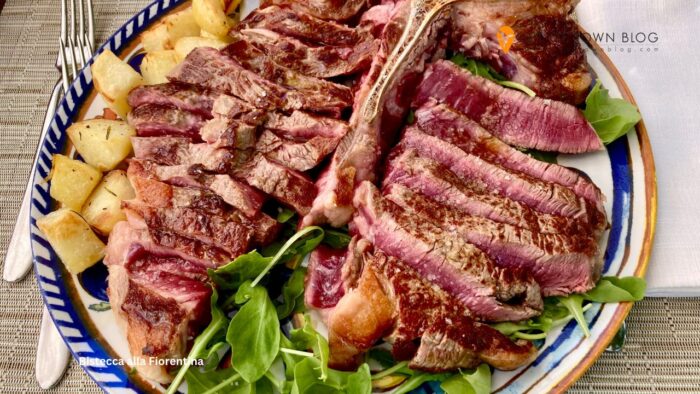
11. Bistecca alla Fiorentina: Tuscany’s Famous Steak
Region: Tuscany
Best known in: Florence
Bistecca alla Fiorentina is a thick-cut steak traditionally prepared from a T-bone or porterhouse-style cut. It reflects Florence and Tuscany’s long-standing meat and livestock traditions.
The steak is typically grilled over high heat and simply seasoned with salt. The goal is to highlight the meat’s quality rather than cover it with a complex sauce. Traditional preparations are often served rare or very rare in the center.
Bistecca alla Fiorentina is usually substantial enough to share, making it a popular choice for groups. Because the meat is thick and sold by weight, travelers should ask about the portion size and price before ordering.
The dish often comes with beans, potatoes, or simple vegetables. Its reputation reflects Tuscany’s appreciation for straightforward cooking and high-quality ingredients.
For travelers visiting Florence, bistecca alla Fiorentina is a major regional specialty. It is especially suitable for diners who enjoy grilled meat and want to experience one of Tuscany’s best-known traditional dishes.
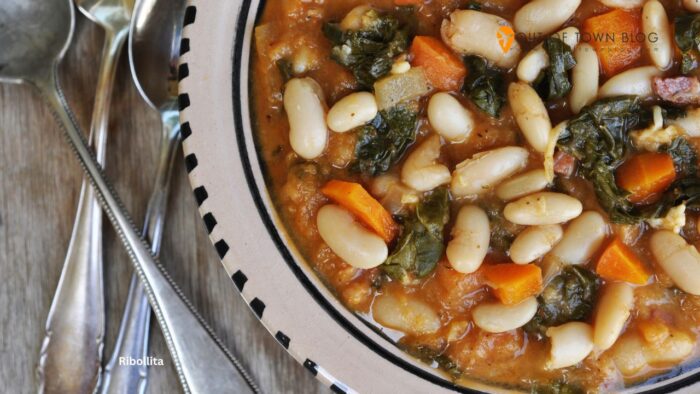
12. Ribollita: Tuscany’s Traditional Bread and Vegetable Soup
Region: Tuscany
Best known in: Florence and rural Tuscany
Ribollita is a thick Tuscan soup made with bread, beans, vegetables, and olive oil. Common ingredients include cannellini beans, cavolo nero (black cabbage), carrots, celery, and onions.
The name suggests reheating or recooking the soup. Historically, cooks could prepare a large pot of vegetable soup and use leftover bread to make subsequent servings more filling.
The bread thickens the soup and adds density, while the beans provide protein and the vegetables add earthy flavors. People often add good olive oil before serving.
Ribollita reflects Tuscany’s rural food traditions, where people used simple ingredients efficiently and built meals around seasonal produce. It remains a popular example of cucina povera, or traditional resourceful cooking.
Travelers seeking an alternative to pasta and meat should consider ribollita. It is especially satisfying in cooler weather and offers a glimpse into Tuscany’s everyday culinary heritage.
13. Carbonara: Lazio’s Roman Pasta Classic

Region: Lazio
Best known in: Rome
Carbonara is one of Rome’s most famous pasta dishes. Traditionally, it combines pasta, eggs, Pecorino Romano cheese, guanciale, and black pepper.
Guanciale is cured pork jowl, prized for its rich flavor and rendered fat. As it cooks, the fat helps coat the pasta. Eggs and cheese form a creamy sauce when combined with hot pasta, without needing cream in the classic preparation.
Carbonara’s popularity has led to countless international adaptations. However, travelers in Rome will generally encounter versions that emphasize the traditional ingredients and a carefully balanced sauce.
The dish demonstrates how a relatively short ingredient list can create a satisfying meal through technique. Pasta temperature and timing the egg mixture are especially important for achieving the right consistency.
For visitors exploring Roman cuisine, carbonara is an essential choice. It is also worth comparing with other local pasta classics, particularly cacio e pepe and amatriciana, to understand how small ingredient changes create distinct dishes.
14. Cacio e Pepe: Rome’s Minimalist Cheese and Pepper Pasta
Region: Lazio
Best known in: Rome
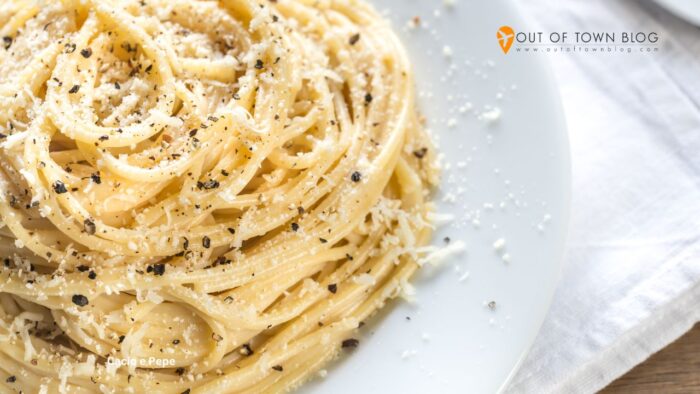
Cacio e pepe is a traditional Roman pasta dish made with Pecorino Romano cheese and black pepper. Its name roughly translates to cheese and pepper, reflecting the two ingredients that define its flavor.
The dish relies on technique rather than a long list of ingredients. Pasta water helps combine the grated cheese and pepper into a smooth sauce that coats the noodles. When prepared properly, the sauce is creamy without relying on cream.
The dish reflects the resourcefulness of Roman cooking, where a few pantry staples can become a complete meal. Its strong cheese flavor and peppery finish make it distinctive despite its simplicity.
Cacio e pepe is often made with tonnarelli, a thick, square-cut pasta, though other shapes may be used.
Travelers visiting Rome should try cacio e pepe at a traditional trattoria. It is a useful dish for understanding the city’s culinary style and offers a different experience from the meat-based richness of carbonara.
15. Supplì: Rome’s Crispy Rice Snack
Region: Lazio
Best known in: Rome
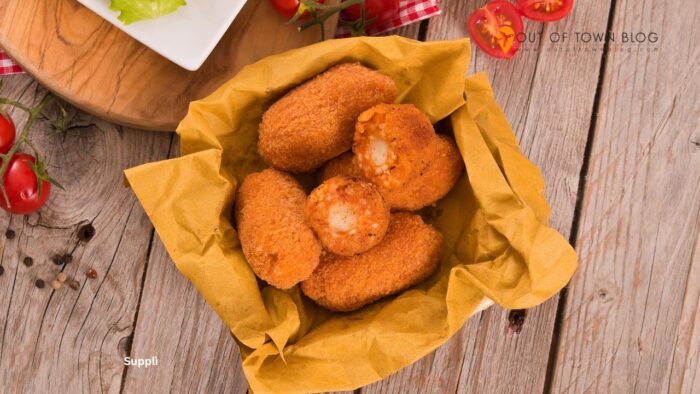
Supplì are fried rice croquettes traditionally filled with tomato-seasoned rice and mozzarella. The rice is shaped into an oval, coated in breadcrumbs, and deep-fried until crisp.
When cut open, a well-made supplì reveals a soft rice centre and melted cheese. This textural contrast is part of the snack’s appeal.
Supplì are commonly sold in Roman pizzerias, takeaway shops, and casual eateries. People often enjoy them as a starter or snack before a meal, making them a convenient choice for travelers exploring the city.
The name often comes from the French word surprise, referring to the melted cheese hidden inside. The dish has become a familiar part of Rome’s casual food culture.
Supplì are worth trying because they show how Italian regional cuisine includes more than sit-down restaurant dishes. Street snacks and takeaway foods also carry strong local identities.
Order one freshly fried when possible so the exterior stays crisp and the mozzarella stays soft.
16. Pizza Napoletana: Naples’ Iconic Pizza
Region: Campania
Best known in: Naples
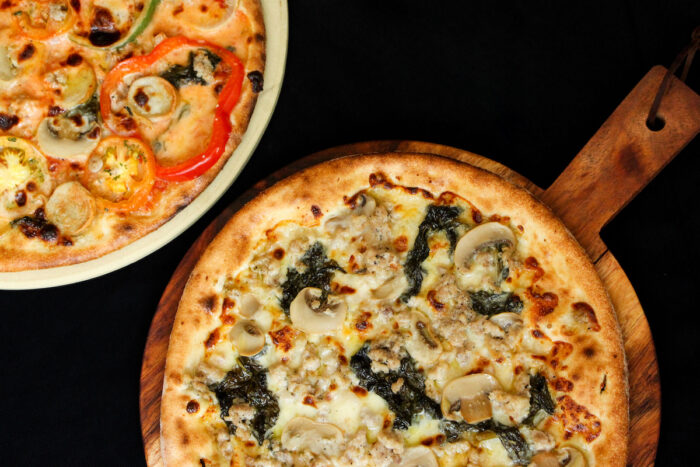
Pizza Napoletana is one of Italy’s most internationally recognized foods. In its traditional form, it features soft, elastic dough with a raised edge, topped with tomatoes, mozzarella, basil, and olive oil.
Two familiar versions are the Marinara, made with tomato, garlic, oregano, and olive oil, and the Margherita, which typically combines tomato, mozzarella, basil, and olive oil.
Naples’ pizza tradition grew around affordable, filling food made with simple ingredients. Over time, the city’s pizzerias became central to its culinary identity, and Neapolitan pizza gained international recognition.
Dough, fermentation, shaping, and high-temperature baking all shape the final product. A classic Neapolitan pizza has a tender center and a characteristic raised crust, rather than the uniformly crisp base found in some other styles.
For travelers visiting Naples, pizza is an essential part of the experience. Trying it in its home city allows visitors to appreciate the balance of dough, sauce, cheese, and heat that defines the traditional style.
17. Sfogliatella: Campania’s Layered Pastry

Region: Campania
Best known in: Naples
Sfogliatella is a traditional Neapolitan pastry with crisp layers and a rich filling. Two familiar varieties are sfogliatella riccia, with a shell-like layered exterior, and sfogliatella frolla, made with a smoother shortcrust pastry.
The filling commonly contains ricotta, semolina, sugar, and flavorings such as citrus or cinnamon. The combination creates a creamy, fragrant center that contrasts with the crisp pastry.
Sfogliatella is closely associated with Naples’ bakery and café culture. People often enjoy it for breakfast or as a sweet snack with coffee.
The pastry requires careful preparation, especially the layered version, where the dough must be worked to create its distinctive texture. Its popularity reflects the region’s long tradition of elaborate pastries and festive sweets.
Travelers visiting Naples should look for freshly baked sfogliatella at a local pastry shop. The crisp exterior and warm filling are especially enjoyable when the pastry comes straight out of the oven.
18. Orecchiette con Cime di Rapa: Puglia’s Signature Pasta
Region: Puglia
Best known in: Bari and surrounding areas
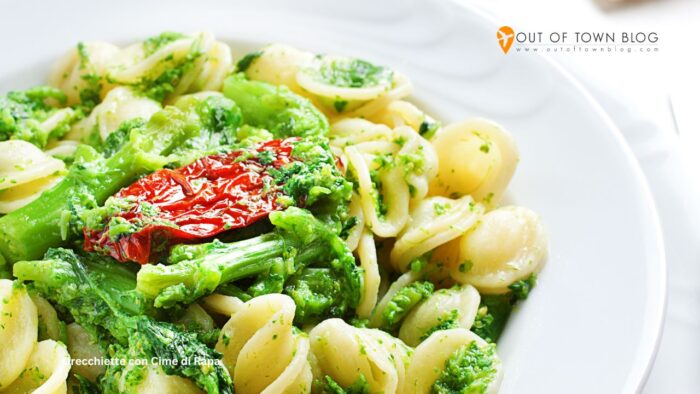
Orecchiette are small, ear-shaped pasta pieces traditionally associated with Puglia. One of the region’s best-known preparations pairs them with cime di rapa, a leafy vegetable often translated as turnip tops or broccoli rabe.
The pasta is commonly made from durum-wheat semolina and water. Its shape helps hold the sauce and vegetables, while garlic, olive oil, chili, and anchovies may add further flavor.
The dish reflects Puglia’s agricultural traditions and its strong relationship with durum wheat, olive oil, and seasonal vegetables. It is often less rich than cream-based pasta dishes, relying instead on the ingredients’ natural flavor.
Orecchiette are also closely associated with home cooking. In parts of Bari, travelers may see fresh pasta being hand-made, reflecting a tradition passed down through generations.
For visitors to Puglia, this dish offers an excellent introduction to southern Italian cuisine. It is especially appealing to people who enjoy pasta with vegetables and savory seasoning rather than heavy sauces.
19. Focaccia Barese: Puglia’s Tomato-Topped Bread
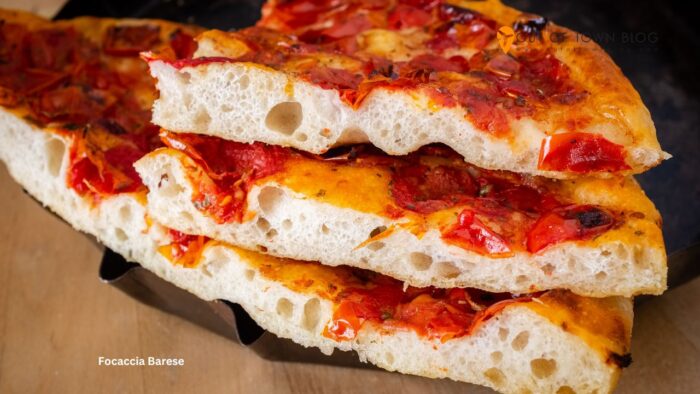
Region: Puglia
Best known in: Bari
Focaccia Barese is a regional flatbread associated with Bari and the wider Puglia region. It is typically made with a dough that may include potato, olive oil, and wheat flour, giving it a soft interior and a golden, slightly crisp exterior.
People commonly top it with tomatoes, olive oil, salt, and oregano. Some versions also add olives, which add a briny flavor that complements the tomatoes’ sweetness.
Focaccia is widely available in bakeries and casual food shops. You can eat it as a snack, a light meal, or alongside other dishes.
Puglia’s cuisine makes extensive use of olive oil, wheat, vegetables, and other Mediterranean ingredients. Focaccia Barese brings these elements together in a simple, portable food that suits travelers exploring the region.
For the best experience, buy a fresh slice from a local bakery. The contrast between the airy interior, crisp bottom, and juicy toppings makes it a memorable regional specialty.
20. Arancini: Sicily’s Filled Rice Balls

Region: Sicily
Best known in: Palermo, Catania, and across Sicily
Arancini are fried rice balls or cones, typically filled with ragù, mozzarella, peas, or other ingredients. They are coated in breadcrumbs and fried until the exterior becomes crisp.
Shapes and names vary across Sicily. In many parts of the island, people use the word arancini, while arancine is common in Palermo and western Sicily. Fillings and shapes also vary by town and shop.
People often season the rice with saffron or other ingredients before forming it around the filling. The result is a portable snack with a crunchy shell and a soft, flavorful center.
Arancini are widely sold in Sicilian bars, bakeries, and takeaway shops. They can serve as a snack or a substantial light meal, especially when paired with other street foods.
Travelers should try different fillings rather than assuming every arancino contains meat sauce. The variety reflects Sicily’s rich food culture and the importance of practical, flavorful street food.
21. Pasta alla Norma: Sicily’s Eggplant Pasta

Region: Sicily
Best known in: Catania
Pasta alla Norma is a Sicilian pasta dish traditionally associated with Catania. It combines tomato sauce, fried eggplant, basil, and grated ricotta salata, a firm, salted ricotta cheese.
The eggplant adds a soft texture and savory flavor, while the tomato sauce provides acidity and sweetness. Ricotta salata contributes a salty finish, and basil adds freshness.
The dish is often prepared with short pasta shapes or other varieties that hold the sauce well. Its ingredients reflect Sicily’s Mediterranean agricultural traditions, with tomatoes, eggplant, herbs, and cheese featured prominently.
Pasta alla Norma shows how a regional dish can achieve a distinctive identity without expensive ingredients. Its flavor depends on the quality of the produce and the balance between the sauce, eggplant, and cheese.
Travelers visiting Catania should look for this dish on menus featuring traditional Sicilian cooking. It is a particularly appealing option for those who want a classic pasta dish without meat.
22. Cannoli Siciliani: Sicily’s Iconic Ricotta Pastry

Region: Sicily
Best known in: Palermo and other Sicilian cities
Cannoli are crisp pastry tubes filled with sweetened ricotta. The shell is traditionally fried, while the filling may include chocolate chips, candied fruit, citrus zest, or other additions depending on the recipe.
Sicilian ricotta, often made from sheep’s milk in traditional preparations, contributes a rich texture and distinctive flavor. The crisp shell contrasts with the soft filling, making freshness especially important.
Cannoli are associated with Sicilian celebrations, pastry shops, and café culture. Their history reflects the island’s complex culinary influences, shaped over centuries by Mediterranean trade and cultural exchange.
Recipes vary across Sicily, with differences in shell size, filling, and decoration. Some pastry shops fill cannoli only when ordered, keeping the shell crisp instead of letting it soften.
For travelers, cannoli are one of Sicily’s essential desserts. Try them at a reputable local pasticceria, and look for a shell that stays crisp with a fresh, creamy filling.
23. Porceddu: Sardinia’s Slow-Roasted Suckling Pig
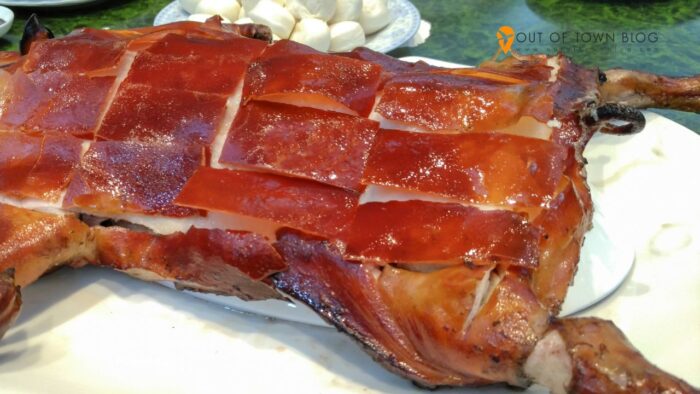
Region: Sardinia
Best known across: Sardinia’s inland communities and traditional restaurants
Porceddu is a traditional Sardinian suckling pig preparation, typically slow-roasted over a fire or cooked using other traditional roasting methods. The exterior becomes crisp while the meat remains tender.
Seasoning is often simple, keeping the pork’s flavor at the center. Some preparations use herbs such as myrtle, reflecting the island’s local vegetation and culinary traditions.
Porceddu is frequently associated with festive meals, family gatherings, and traditional hospitality. Because it takes considerable time and care to prepare, it’s more common at celebrations and in restaurants specializing in Sardinian cuisine than in quick everyday meals.
Sardinia’s food culture includes pastoral traditions, sheep’s milk cheese, breads, cured meats, and seafood. Porceddu represents the island’s meat-centered cooking and the importance of communal dining.
Travelers who eat pork should look for porceddu when exploring Sardinia’s traditional restaurants. Because preparation methods and availability vary, ask whether the dish is freshly prepared or offered on particular days.
24. Culurgiones: Sardinia’s Stuffed Pasta
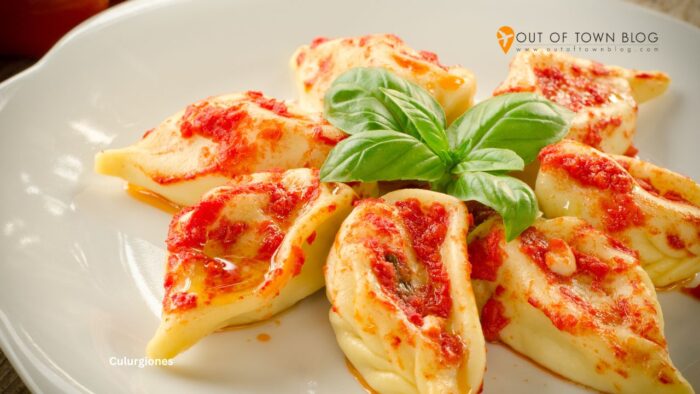
Region: Sardinia
Best known in: Ogliastra and eastern Sardinia
Culurgiones are traditional Sardinian stuffed pasta parcels, often filled with potato, pecorino cheese, garlic, and mint. The filling varies by locality, and some recipes use different cheeses or seasonings.
The pasta is distinctive because the edges are carefully pinched or braided, creating a decorative closure that, in some traditional interpretations, resembles an ear of wheat.
Culurgiones are often served with tomato sauce and grated cheese, although preparations vary. The filling is soft and savory, while the mint adds a fresh, aromatic note that sets the dish apart from many other Italian stuffed pastas.
The dish is associated with Sardinian home cooking and local celebrations. Hand-making culurgiones takes practice, and the folding technique is an important part of the culinary tradition.
For travelers visiting eastern Sardinia, culurgiones offer a chance to discover a regional pasta that differs from the familiar ravioli and tortellini found elsewhere in Italy.
25. ‘Nduja: Calabria’s Spicy Spreadable Sausage
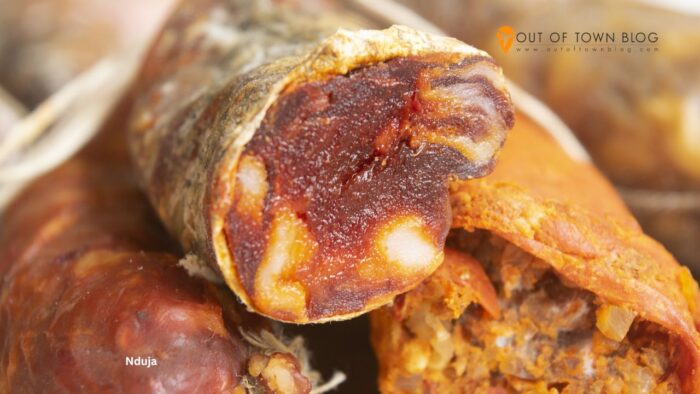
Region: Calabria
Best known in: Spilinga and the surrounding area
‘Nduja is a soft, spreadable pork sausage associated with Calabria, particularly the area around Spilinga. It is made from pork and chili peppers, with heat levels varying by producer.
Unlike firm cured sausages that are sliced and served in pieces, ‘nduja has a soft texture that makes it easy to spread on bread or stir into sauces. Its flavor combines pork richness with pronounced chili heat.
Serve it on toasted bread, add it to pasta sauces, or use it to season vegetables and other dishes. Because it is concentrated and spicy, a small amount can make a noticeable difference to a meal.
Calabria’s cuisine is known for its use of chili peppers, preserved foods, local cheeses, and pork products. ‘Nduja reflects the region’s distinctive flavor preferences and the tradition of making cured meats from available ingredients.
Travelers exploring Calabria should look for ‘nduja in local food shops and traditional restaurants. It is a memorable specialty for diners who enjoy spicy food and want to explore southern Italy’s bold regional flavors.
How to Experience Italy Through Its Regional Food
Exploring Italy’s food culture is easier when you treat each destination as a chance to discover local specialties rather than searching for the same menu everywhere.
Look for regional names on menus. Dishes such as tagliatelle al ragù, orecchiette con cime di rapa, and pasta alla Norma are strongly associated with particular areas. Ordering them locally provides useful context for understanding the ingredients and cooking traditions.
Visit bakeries and neighborhood food shops. Regional food is not limited to restaurants. Focaccia, supplì, cicchetti, and arancini are convenient ways to sample local flavors while sightseeing.
Ask about seasonal ingredients. Truffles, seafood, vegetables, and certain traditional preparations are best enjoyed when ingredients are in season. Local menus can change throughout the year.
Pay attention to regional differences. A dish may have several versions even within the same region. Pasta shapes, sauces, seasonings, and serving traditions can vary by city and household.
Make room for desserts. Cannoli and sfogliatella demonstrate that Italian regional cuisine extends well beyond savory dishes. Local pastry shops often provide an accessible introduction to a city’s food traditions.
Italian cuisine is not a single collection of recipes. It is a broad network of regional identities, family traditions, and local ingredients. Exploring these differences makes food essential to understanding the country.
Frequently Asked Questions About Italian Regional Food
1. What are the most famous regional dishes in Italy?
Some of Italy’s most famous regional dishes include pizza Napoletana from Campania, tagliatelle al ragù from Emilia-Romagna, risotto alla Milanese from Lombardy, carbonara from Lazio, pesto alla Genovese from Liguria, and arancini from Sicily. Each is strongly associated with its home region, although these foods are now available internationally. Traditional versions often rely on specific ingredients and preparation techniques. Travelers can get more from an Italian food trip by trying regional specialties where they are locally established rather than ordering only internationally familiar dishes.
2. What food should first-time visitors try in Italy?
First-time visitors can start with pizza Napoletana, fresh pasta, risotto, focaccia, gelato, and a traditional regional dessert. These foods are widely available and offer a taste of Italy’s diverse culinary traditions. After trying familiar dishes, explore local specialties such as tortellini in brodo in Emilia-Romagna, ribollita in Tuscany, orecchiette in Puglia, or culurgiones in Sardinia. The best choices depend on your itinerary, because Italy’s food culture changes considerably between regions. Trying even two or three local dishes in each destination can make a trip more memorable.
3. What is the difference between northern and southern Italian cuisine?
Northern Italian cuisine often features butter, rice, polenta, mountain cheeses, and fresh egg pasta. Southern Italian cooking frequently uses olive oil, tomatoes, durum-wheat pasta, vegetables, and seafood. These are broad patterns rather than strict rules, since every region has its own ingredients and traditions. Liguria, for example, is in northern Italy but is strongly associated with olive oil, basil pesto, and coastal cooking. Sicily also has distinctive influences from Mediterranean trade and historical cultural exchange. Travelers should think of Italian cuisine as a collection of regional traditions rather than a single, uniform style.
4. Which Italian region is best known for pasta?
Emilia-Romagna is particularly famous for fresh egg pasta, including tagliatelle, tortellini, and other stuffed or shaped varieties. Bologna and Modena are especially associated with these traditions. However, pasta is central to food culture throughout Italy, and different regions have their own characteristic shapes, ingredients, and sauces. Lazio is known for Roman classics such as carbonara and cacio e pepe, while Puglia is associated with orecchiette and Sicily has its own distinctive pasta preparations. Instead of choosing one region as the definitive pasta destination, travelers can explore several regional styles along the way.
5. Is authentic Italian food different from Italian food served abroad?
It can be different because restaurants outside Italy often adapt recipes to local ingredients, tastes, and dining habits. Traditional Italian dishes may use specific pasta shapes, cheeses, cured meats, or regional produce that are not always easy to find elsewhere. Even within Italy, recipes vary from town to town and household to household. A dish doesn’t automatically become inauthentic just because a cook makes a variation, but regional traditions provide useful context. When traveling, look for local specialties on menus, ask about ingredients, and be open to dishes that may differ from familiar international versions.
6. What Italian regional foods are good for street-food lovers?
Italy offers many regional foods that are easy to eat on the go. Venice is known for cicchetti, Rome for supplì, Sicily for arancini, and Puglia for focaccia. Bakeries and takeaway shops are also good places to find regional breads, pastries, and savory snacks. These foods allow travelers to experience local cooking without planning a full restaurant meal. Prices and portion sizes vary by city and establishment, so check the menu before ordering. For a varied food experience, combine street snacks with a few sit-down meals featuring regional pasta, seafood, or meat dishes.
7. What are some traditional Italian desserts travelers should try?
Cannoli from Sicily and sfogliatella from Naples are two famous regional desserts. Cannoli feature crisp pastry shells filled with sweetened ricotta, while sfogliatella is known for its layered or shortcrust exterior and rich filling. Travelers can also explore regional cakes, biscuits, gelato, and pastries in local bakeries. Recipes and decorations often vary by city, family, or occasion. For pastries whose appeal depends on texture, freshness matters, so ask when an item was prepared. Visiting a local pasticceria can be as rewarding as dining at a traditional restaurant, especially when you sample several small sweets with coffee.
8. Can travelers find vegetarian regional dishes in Italy?
Yes. Many regional Italian dishes feature vegetables, bread, cheese, beans, rice, and pasta. Examples include ribollita from Tuscany, pasta alla Norma from Sicily, pesto-based pasta from Liguria, and orecchiette with vegetables from Puglia. However, traditional recipes may contain meat stock, anchovies, or animal-based cheese ingredients, even when the dish appears vegetable-focused. Travelers who avoid meat should ask how the dish is prepared instead of relying on its name alone. Italian menus often list ingredients, but it helps to confirm details with the restaurant, especially when following a strict dietary preference.
9. What Italian regional foods are best for seafood lovers?
Seafood lovers can explore Venice and coastal Veneto for seafood risotto and lagoon specialties, Liguria for fish dishes and seafood stews, and Sicily for a wide variety of coastal preparations. Other regions, including Puglia and Sardinia, also have strong seafood traditions. Ingredients and cooking methods depend on local catches and seasonality, so menus may change throughout the year. When choosing seafood, ask what is fresh and locally available. Travelers should also know that some dishes use raw or lightly prepared seafood, so choose reputable establishments that follow safe handling practices.
10. What is the best way to discover authentic regional Italian food?
Start by identifying the specialties associated with each city or region on your itinerary. Look for traditional dishes on local menus, visit bakeries and food markets, and ask restaurant staff which items are particularly associated with the area. Neighborhood trattorias and family-run food businesses can be great places to learn about local cooking, though quality varies by establishment. Avoid assuming that one recipe represents every household in a region. Regional food traditions evolve, and many dishes have several established variations. The goal is to understand the local context and enjoy the range of flavors rather than search for a single supposedly perfect version.
11. Why do Italian dishes vary between regions?
Italy’s regional dishes reflect differences in geography, climate, agriculture, fishing, livestock, and historical cultural exchange. Mountain areas developed food traditions that used dairy products, preserved meat, and hearty grains. Agricultural plains supported rice and wheat production, while coastal communities built cuisines around seafood and olive oil. Trade and migration also introduced ingredients and techniques that became part of local cooking. Over generations, families adapted recipes to the products available to them. These differences explain why two Italian regions can use similar ingredients but produce dishes with distinct flavors, shapes, and cultural meanings.
12. How can travelers plan an Italy trip around regional food?
Start with your travel route, then choose two or three specialties for each destination. For example, travelers visiting Bologna can try tagliatelle al ragù and tortellini in brodo, while Rome offers carbonara, cacio e pepe, and supplì. In Naples, start with pizza and sfogliatella; in Sicily, try arancini, pasta alla Norma, and cannoli. Leave room for seasonal dishes and local restaurant recommendations. You do not need to visit every region to appreciate Italian food, but exploring different culinary traditions can add depth to your trip and help you understand the country beyond its famous landmarks.
Final Thoughts: Explore Italy One Regional Dish at a Time
Italy’s food culture shines through its regional differences. A bowl of handmade pasta in Bologna, a freshly baked focaccia in Bari, a plate of arancini in Sicily, or a serving of risotto in Milan offers more than a meal. Each dish reflects local ingredients, culinary knowledge, and traditions passed between generations.
As you plan your Italian itinerary, make regional food part of the experience. Try the specialties of the places you visit, explore local bakeries and neighborhood restaurants, and stay curious about variations in ingredients and preparation. From Alpine cheese dishes to Mediterranean seafood and traditional pastries, Italy rewards travelers who look beyond the familiar classics.
The best Italy food guide ultimately encourages you to explore, taste, and discover how each region expresses its identity through food.
Follow #TeamOutofTown on Facebook, Twitter, Instagram, and Pinterest for more travel ideas.
Also read:
- Bucket List: Top 15 Best Things To Do In Venice, Italy
- Gondola Ride At The Love River In Kaohsiung, Taiwan
- Food Trip: Eat Like a Local in Venice, Italy