
 Al P. Manlangit
The Battle of Waterloo
As I stood at the top of the hill and surveyed the beautiful, undulating, verdant landscape, it was hard to visualize that 201 years ago, one of the greatest battles in the annals of history was fought right there. On June 18, 1815, Napoleon Bonaparte’s French Army was routed by the combined Anglo-Prussian force led by the Duke of Wellington, leading to the former’s downfall and changing the course of European history.
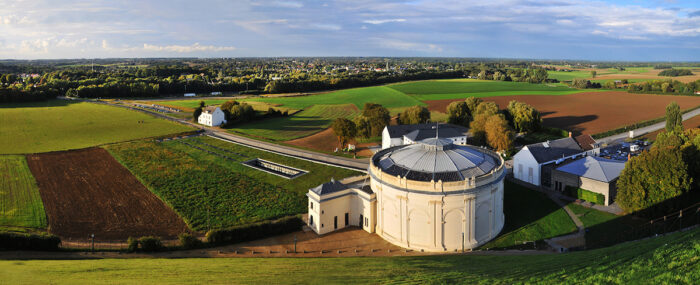
Panoramic view of the wide open fields where the battle took place, taken from the top of the Lion’s Mound with the round theater in the foreground.
It was a 4-hour drive from Paris to this place located some 15 km south of Brussels, Belgium.
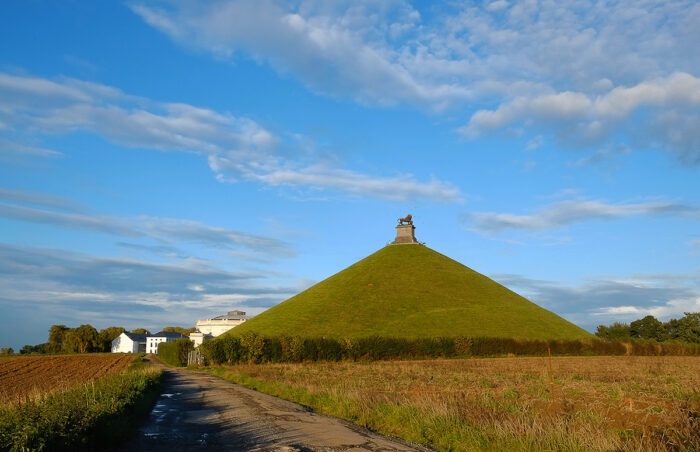
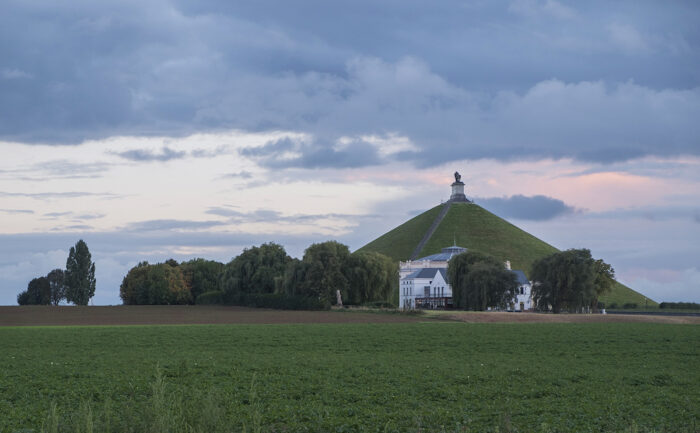
Right in the middle of the fields where the battle took place stands the 141-foot-high conical Lion’s Mound (4 km. from the town of Waterloo itself), a small hill built from the surrounding ground immediately after the cessation of hostilities.
On top of it is a 4.5-meter-high cast-iron sculpture of a lion, the heraldic symbol of the Netherlands, whose Prince Willem of Orange fought and was wounded there.
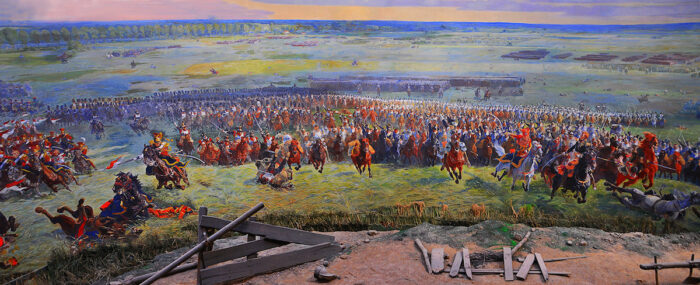
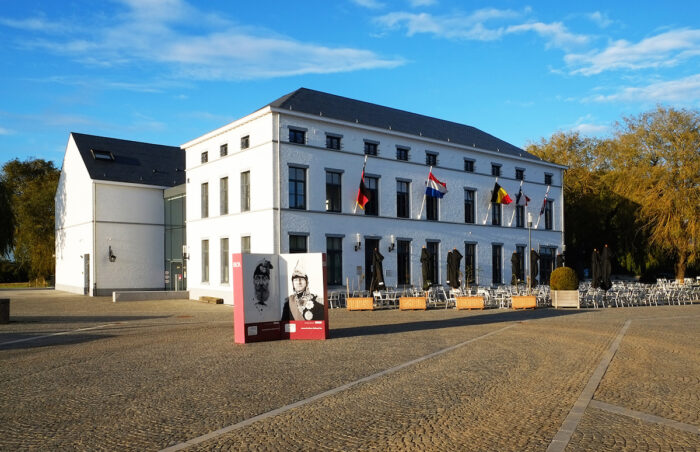
We arrived late in the afternoon, before the underground museum closed, and bought tickets to the impressive round theater, which featured a 360-degree panoramic mural standing 12 meters tall. It depicted the battle complete with the sound of thundering horses on a cavalry charge, cannons firing alongside withering rifle shots, and anguished cries of wounded and dying men. Standing on a raised platform, you felt as though you were in the midst of it all!
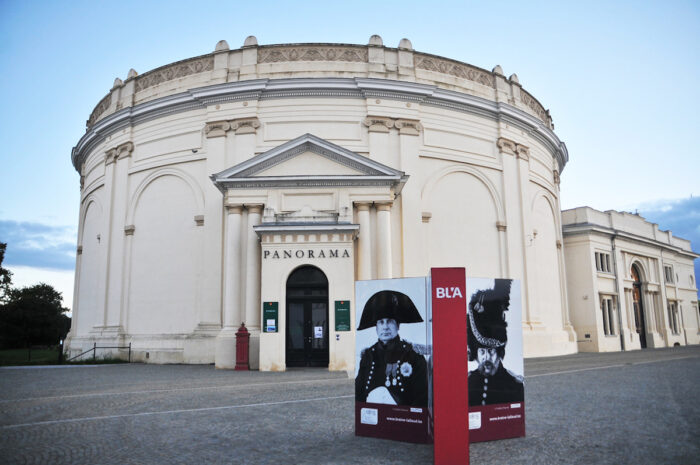
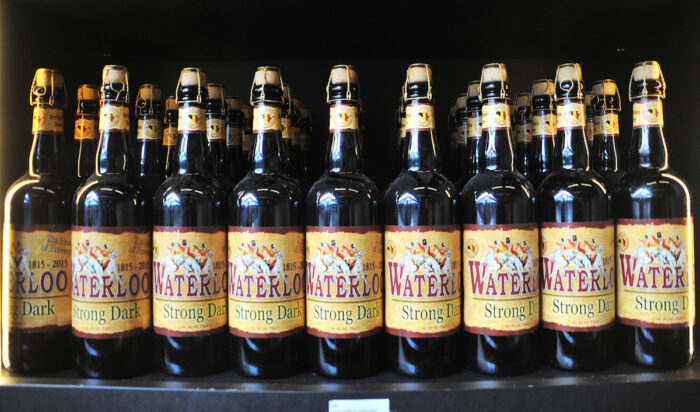
There are movie clips shown in another theater as well, but we missed the last screening, so I just bought a copy of it – “Waterloo,” the epic movie by Russian director Sergei Bondarchuk, which is quite good. At the souvenir shop, there were many books on the subject, as well as crates of champagne commemorating the battle. I am sure Napoleon must’ve had a sip of it too before the fighting commenced.
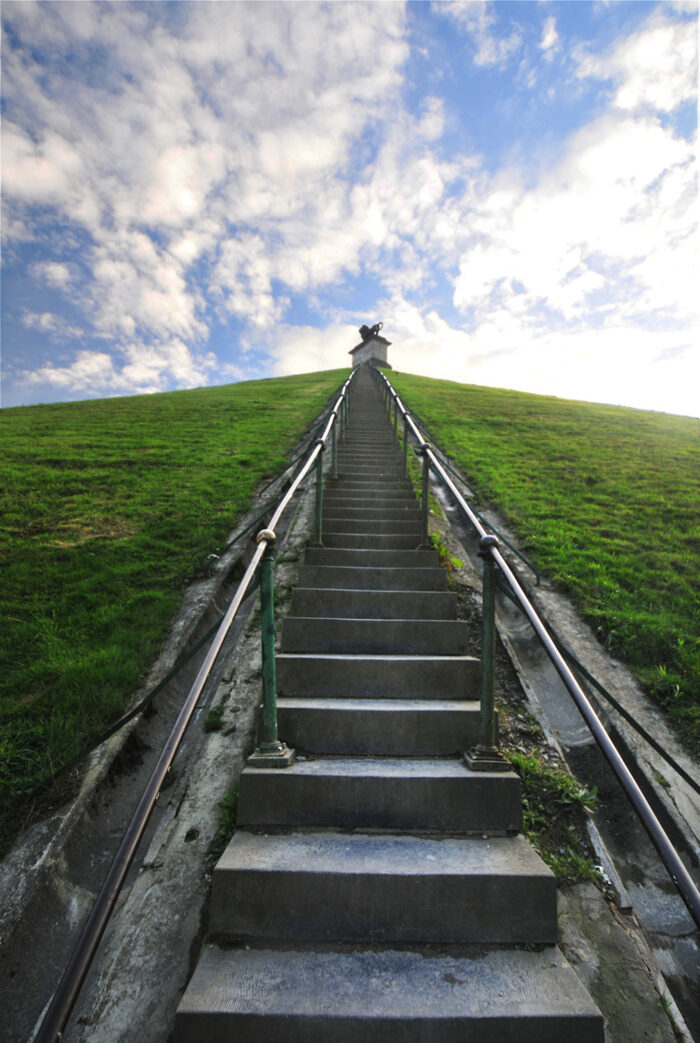
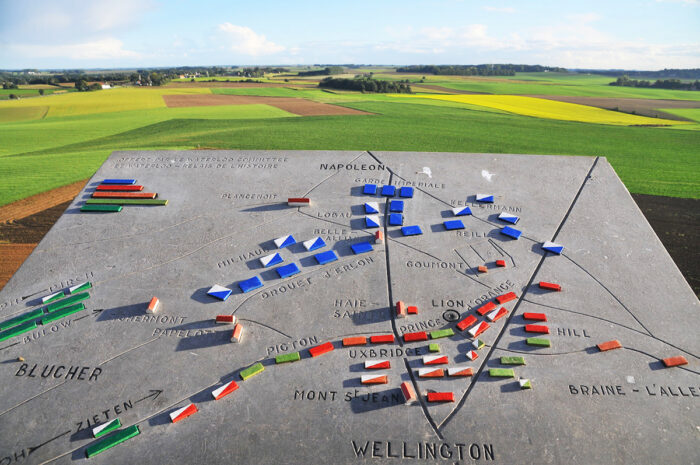
We climbed the 226 steps up the mound for an unrestricted view of the whole countryside, made up of ordinary farmland with ridges on the landscape, which, as the maps and plaques explained, made for good defensive positions by Wellington.
But it was a close-run thing, with the battle swinging in the balance for both forces for much of the day, and it was amazing that some of the fiercest fighting took place in and around ordinary farmhouses, most of which still exist.

What Napoleon did was his fatal blunder: delaying the battle until midday to let the ground dry for his cannons to roll (it had rained the previous day and night, making the battlefield wet and soggy). This gave Wellington time to hold the line while waiting for his Prussian comrades to arrive with reinforcements late in the day.
This turned the whole thing around in favor of the Allies and led to the rout of the French, with Napoleon scurrying back to Paris with what remained of his motley crew. After four days, he abdicated and surrendered to the British. Almost a month later, he was sent packing into exile to St Helena, a remote island off the coast of Africa, where he lived for 6 years. He died in May 1821 at the age of 51.


We walked a bit along the road that meandered through the quiet fields with the setting sun in the background and couldn’t help but be in awe of how much of a turning point in European history was made in such a remote and ordinary setting.
Out of the 250,000 soldiers who fought in the battle, 25,000 Frenchmen died or were wounded, while the British and Prussians suffered 23,000 casualties. Their sacrifice brought peace in Europe for almost 50 years.
Meanwhile, the name Waterloo is etched in memory as something which we all know so well: a downfall. It’s also a popular Abba song… oh well!
Searching for the best hotels and affordable flights? Check out our complete list of affordable hotels and resorts on Agoda, or browse available Airbnb properties in the city.
Want more travel-related news updates? Please follow #TeamOutofTown on Facebook, Twitter, Instagram, and Pinterest for more travel ideas.
Read: Top 10 Destinations to Visit in Hokkaido This Summer