

 Melo Villareal
What clothes to take on a skiing holiday?
There are a number of things you need to be suitably prepared to partake in skiing and snowboarding when winter rolls around – however, once you have amassed the right clothing and gear, you can hit the slopes for hours of fun.
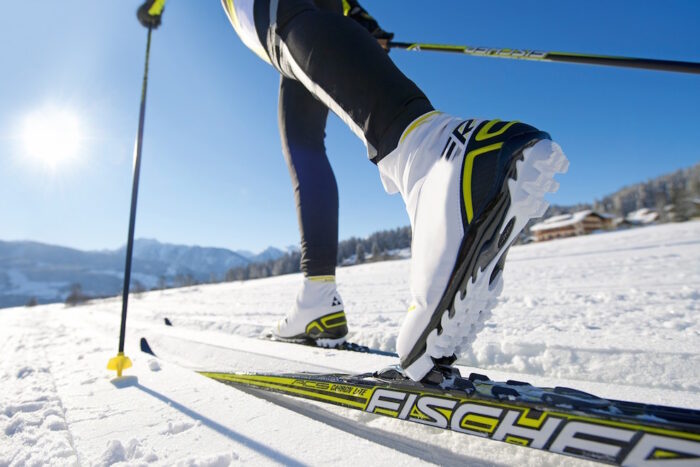
Cross-country Skiing
Whether you’re heading to the snowy slopes of Japan, South Korea, Switzerland, Canada, or the United States, having the proper clothing can make or break your ski vacation. Dressing correctly isn’t just about staying warm—it’s also about staying dry, comfortable, and safe while enjoying your time on the mountain.
First-time skiers often underestimate how cold and unpredictable alpine weather can be. Temperatures can change dramatically throughout the day, and snowfall, wind, and sunshine can all occur within a few hours. Wearing the right layers allows you to adapt to changing conditions while maintaining comfort throughout your adventure.
This guide explains everything you need to know about choosing the proper ski clothing, from base layers to accessories, so you can spend more time enjoying the slopes and less time worrying about the weather.
History of Skiing
Skiing has a history of almost five millennia. Although modern skiing has evolved from its beginnings in Scandinavia, it may have been practiced more than 100 centuries ago in what is now China, according to an interpretation of ancient paintings. However, this remains debated.
The word “ski” comes from the Old Norse word “skío,” which means “split piece of wood or firewood.”
Why Proper Ski Clothing Matters
Unlike regular winter clothing, ski apparel is specifically designed for active movement in cold environments. Skiing generates body heat, but you’ll also spend time riding chairlifts, waiting in lift lines, and taking breaks where you’re exposed to freezing temperatures and strong winds.
The right clothing helps:
- Keep your body warm without overheating
- Stay dry by managing sweat and moisture
- Protect against snow, wind, and rain
- Improve mobility while skiing
- Reduce the risk of cold-related injuries such as frostbite or hypothermia
- Make your ski experience significantly more enjoyable
The Three-Layer System
Experienced skiers rely on the three-layer clothing system because it provides maximum flexibility and comfort.
Base Layer
The base layer sits directly against your skin and is responsible for wicking moisture away from your body.
Choose materials such as:
- Merino wool
- Polyester
- Synthetic performance fabrics
Avoid cotton at all costs. Cotton absorbs sweat and stays wet, making you colder throughout the day.
Your base layer should include:
- Long-sleeve thermal top
- Thermal leggings or long underwear
- Moisture-wicking underwear
The fit should be snug but comfortable without restricting movement.
Mid Layer
The mid layer provides insulation by trapping body heat.
Popular options include:
- Fleece jackets
- Down jackets
- Synthetic insulated jackets
- Lightweight insulated pullovers
Choose the thickness depending on the expected weather. Colder destinations may require thicker insulation, while spring skiing often only needs a light fleece.
Outer Layer
The outer layer protects you from wind, snow, and moisture.
A quality ski jacket should be:
- Waterproof
- Windproof
- Breathable
- Equipped with ventilation zippers
- Designed with snow skirts and adjustable cuffs
Your ski pants should offer similar waterproof protection while allowing full movement during skiing.
Look for clothing with waterproof ratings of at least 10,000 mm if you’ll be skiing for multiple days.
Essential Ski Jacket Features
Not all winter jackets are suitable for skiing.
Look for features including:
- Helmet-compatible hood
- Waterproof zippers
- Adjustable cuffs
- Powder skirt
- Ventilation under the arms
- Multiple pockets for lift passes and phones
- Breathable fabric
Investing in a quality ski jacket can significantly improve your overall experience.
Choosing the Right Ski Pants
Ski pants should keep snow out while allowing unrestricted movement.
Features to consider include:
- Waterproof fabric
- Reinforced ankles
- Adjustable waist
- Boot gaiters
- Ventilation zippers
- Insulation appropriate for your destination
Bib-style ski pants provide additional warmth and better protection against snow entering your clothing during falls.
Don’t Forget Ski Socks
Many beginners wear multiple pairs of socks, thinking they’ll stay warmer.
In reality, one good pair of ski socks is much better than two ordinary pairs.
Quality ski socks:
- Wick moisture
- Prevent blisters
- Improve boot comfort
- Provide cushioning
- Keep feet warm
Merino wool remains one of the best materials for ski socks because it regulates temperature exceptionally well.
Gloves or Mittens?
Cold hands can quickly ruin a ski day.
Both gloves and mittens have advantages.
Gloves
Pros:
- Better dexterity
- Easier to adjust equipment
- Better grip
Cons:
- Fingers lose heat more quickly
Mittens
Pros:
- Warmer
- Better for extremely cold destinations
Cons:
- Less finger mobility
Whichever you choose, ensure they’re waterproof and insulated.
Protect Your Head
A significant amount of body heat escapes through your head.
Always wear:
- Ski helmet
- Thermal beanie (off the slopes)
- Neck warmer
- Balaclava for extremely cold conditions
Modern ski helmets provide excellent protection while remaining lightweight and comfortable.
Ski Goggles
Snow reflects sunlight intensely, making goggles an essential piece of equipment rather than an optional accessory.
Good ski goggles help:
- Protect against UV rays
- Improve visibility
- Shield your eyes from snow
- Reduce glare
- Improve safety during changing weather
Choose interchangeable lenses if you’ll experience varying conditions.
Sunglasses for Breaks
When you’re relaxing at mountain lodges or walking around ski villages, polarized sunglasses provide excellent protection against intense snow glare.
Proper Footwear
After skiing, you’ll likely explore nearby villages or restaurants.
Waterproof winter boots help keep your feet warm and dry while walking through snow-covered streets.
Choose boots with:
- Good insulation
- Waterproof materials
- Slip-resistant soles
- Comfortable support
Hand and Foot Warmers
Disposable warmers can be lifesavers during extremely cold days.
They’re particularly useful for:
- Children
- Beginners
- Long chairlift rides
- Very cold destinations
- People who naturally get cold easily
What Should You Rent?
If you’re skiing for the first time, renting equipment can save money.
Common rental items include:
- Skis
- Snowboard
- Boots
- Poles
- Helmet
However, many experienced travelers recommend bringing your own:
- Base layers
- Socks
- Gloves
- Neck warmer
- Goggles (if possible)
These personal items generally fit better and are more hygienic.
What to Pack for a Ski Trip
A practical ski packing checklist includes:
- Thermal base layers
- Fleece jacket
- Insulated mid layer
- Waterproof ski jacket
- Waterproof ski pants
- Ski socks
- Waterproof gloves or mittens
- Neck gaiter
- Balaclava
- Ski helmet
- Ski goggles
- Sunglasses
- Winter boots
- Casual winter clothing
- Hand warmers
- Lip balm with SPF
- Sunscreen
- Moisturizer
How to Save Money on Ski Clothing
Quality ski clothing can be expensive, but there are several ways to reduce costs.
Rent Instead of Buying
Many ski resorts rent jackets and pants, making this an affordable option for beginners or one-time travelers.
Buy During Off-Season Sales
Retailers often discount ski apparel after winter ends.
Consider Layering Instead of Heavy Jackets
A flexible layering system usually performs better than one bulky jacket and allows you to adapt to changing temperatures.
Borrow from Friends
If you’re only skiing once, borrowing gear from friends can significantly reduce expenses.
Common Ski Clothing Mistakes
Avoid these beginner mistakes:
- Wearing cotton clothing
- Dressing too warmly and overheating
- Forgetting waterproof outerwear
- Wearing jeans
- Using regular fashion gloves
- Ignoring sunscreen because it’s cold
- Wearing multiple thick socks inside ski boots
- Choosing clothing that restricts movement
Final Thoughts
Having the proper clothing for your ski trip is one of the most important investments you can make before hitting the slopes. A well-planned layering system, waterproof outerwear, quality accessories, and moisture-wicking fabrics will keep you warm, dry, and comfortable throughout your adventure.
Whether you’re planning your first ski holiday or returning to your favorite mountain destination, dressing appropriately allows you to focus on what truly matters—enjoying breathtaking snowy landscapes, improving your skiing skills, and creating unforgettable winter memories. By packing the right clothing and avoiding common mistakes, you’ll be prepared for everything the mountain has to offer, regardless of the weather.
Follow Out of Town Travel Blog on Facebook, Twitter, Instagram, and Pinterest if you want more travel and tech-related updates.
Also see:
- The Chamonix
- Experiencing the Ultimate Bhutan Adventure
- Things You Need To Know Before You Go To Bhutan