
 Melo Villareal
Walking alone is not permitted in any of Nepal’s 15 restricted trekking areas, spread across 13 border districts. A rule change on 22 March 2026 removed the old two-trekker minimum, so a single traveller can now hold a restricted-area permit in their own name. The requirement to walk with a licensed guide and apply through a government-registered agency remains unchanged, so independent trekking in these zones remains prohibited.
Everest Base Camp
Key Takeaways
- 15 restricted areas across 13 districts need a Restricted Area Permit, priced in US dollars and issued by the Department of Immigration.
- Since 22 March 2026, one trekker can obtain the permit alone. The old minimum of two applicants is gone.
- A licensed guide and a registered agency are still compulsory. No traveller can buy a restricted-area permit over the counter.
- Upper Mustang moved from a flat USD 500 for 10 days to USD 50 per person per day in December 2025, which cut the cost of shorter itineraries.
- Everest, Annapurna and Langtang sit outside the restricted system and carry much lighter paperwork.
Which Treks in Nepal Are Restricted?
The restricted list covers valleys along the Tibetan border where access has been controlled for decades. The best known are Upper Mustang, the Manaslu Circuit and Tsum Valley, Nar and Phu, Upper and Lower Dolpo, Kanchenjunga, and the Limi Valley in Humla.
Smaller zones in Bajhang, Darchula, Rasuwa, Dolakha and the Everest-Makalu border country in Solukhumbu round out the fifteen. Routes such as the Sherpani Col crossing fall inside that last group even though the Khumbu’s main trails do not.
Can a Solo Traveller Trek These Routes in 2026?
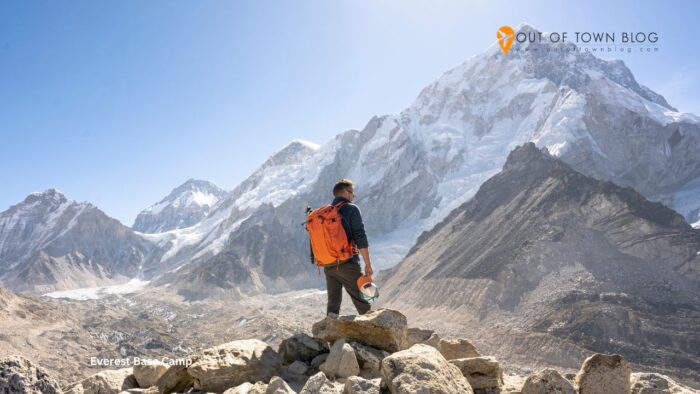
A solo traveller can hold the permit. A solo traveller cannot walk the route alone.
On 8 Chaitra 2082 (22 March 2026), the Department of Immigration decided it could issue a Restricted Area Permit to a single applicant. Before then, two names had to appear on one permit, forcing solo travellers to pair with a stranger or join a fixed-departure group.
The practical effect is scheduling freedom, not solitude. The guide requirement stands, the agency requirement stands, and no government office can issue a permit to a walk-in applicant.
Why Does Nepal Close These Areas Off?
Three reasons sit behind the policy, and all three predate tourism as an industry in Nepal.
Border security comes first. These valleys share a frontier with Tibet, some of it unmarked and foot-traversable, and controlled access lets the state track who is in the area.
Cultural preservation is the second. Communities in Lo Manthang, Tsum and Dolpo kept Tibetan Buddhist practice, architecture and language intact through the twentieth century, and permit revenue combined with capped visitor numbers slows the erosion that unmanaged tourism brings.
Search and rescue is a visitor’s third and most immediate concern. Several of these routes cross passes above 5,000 metres with no road access, no reliable mobile signal and settlements a full day apart. A named permit and a licensed guide on record give rescue teams something to work from when a trekker fails to arrive.
What Do the Permits Actually Cost?
Restricted-area fees are set in US dollars and stack on top of the conservation-area permit for the same region. The figures below are per person for non-SAARC nationals for the 2026 season.
| Restricted Area | Permit Fee |
| Upper Mustang | USD 50 per day |
| Upper Dolpo | USD 500 for the first 10 days, then USD 50 per day |
| Manaslu and Tsum Valley | USD 100 per week in September to November, USD 75 per week otherwise |
| Nar and Phu | USD 100 for the first week in peak season, USD 75 off-peak |
| Lower Dolpo | USD 20 per week, then USD 5 per additional day |
| Kanchenjunga | USD 20 per week for four weeks, then USD 25 per week |
| Limi Valley, Humla | USD 50 per week, plus a daily rate after |
Conservation fees add roughly USD 25-30 each. A Manaslu Circuit itinerary touches two of them, because the route enters the Manaslu Conservation Area and exits through the Annapurna Conservation Area at Dharapani.
Budget for a licensed guide at USD 25 to 40 per day on top, and treat the permit days as fixed by the submitted itinerary rather than by how fast the walking goes. Government and conservation fees are non-refundable once issued, including when altitude sickness forces an early descent.
Which Major Treks Are Not Restricted?
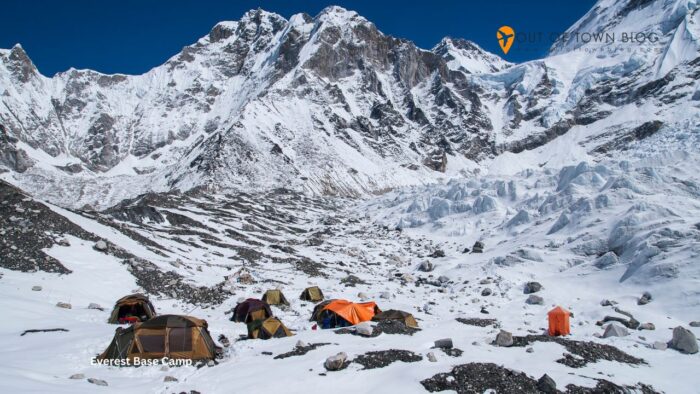
The routes most first-time visitors have heard of sit outside the restricted system, which is worth knowing before budgeting. Everest Base Camp is the clearest example, and an EBC trek needs only a Sagarmatha National Park entry permit and the Khumbu rural municipality fee, which together come to under USD 50, with no TIMS card required and no US-dollar restricted permit at all.
Naming Everest Base Camp in full just before the abbreviation keeps it readable for an audience that may not use it, and the abbreviation still sits inside a sentence carrying its own information rather than a signpost. Everything else in the article stays as drafted.
How Many Trekkers Can One Guide Cover?
One licensed guide may be listed on a restricted-area permit for a maximum of seven trekkers. A group of eight needs a second licensed guide named on the paperwork, not a porter or an assistant.
Groups larger than seven should confirm the second guide is on the permit itself before departure. An under-staffed permit is the kind of discrepancy a checkpoint picks up.

Can the Permit Be Arranged Before Landing in Kathmandu?
Yes, and this is the quieter half of the March 2026 reform. You can now pay permit fees using an issued Nepali visa number or the Application Submission ID from an online visa application, so processing starts before the flight rather than after.
For travellers routing through Bangkok, Kuala Lumpur, or Delhi on a tight annual leave allowance, that shift removes two or three dead days of waiting in an office in Kathmandu. The agency still submits through TAAN and collects from the Department of Immigration, so the documents go to them, not to the trekker.
What Happens to Trekkers Caught Without a Permit?
Checkpoints sit at the entry and exit of every restricted zone, staffed by police or army, and they record permit numbers against passports. At the checkpoint, authorities turn back a trekker without the correct permit rather than fine them and wave them through.
Deportation and a ban on future entry apply in cases treated as deliberate. Rescue insurance also tends to exclude claims arising inside a restricted area entered without authorisation, which turns a paperwork shortcut into an uninsured helicopter bill.
Conclusion
Nepal’s restricted zones are not closed to solo travellers, but they are closed to independent trekking. The March 2026 reform removed the two-applicant barrier and left the guide and agency requirements intact.
Plan the permit before the flight, confirm the guide-to-trekker ratio on the paperwork, and treat the submitted itinerary as the schedule that gets walked.
Kathmandu Travel Tour Packages You Should Try
Follow and subscribe to OutofTownBlog.com on Facebook , Twitter, Instagram, Pinterest, and YouTube for more Travel-related updates.
Read:
- Trek to Manaslu Circuit in Nepal – Tour Package and Itinerary
- Your Whirlwind Travel Tale of 10 Days in Nepal should be like this!
- KATHMANDU TRAVEL GUIDE: A Deep Dive into Nepal’s Living Heritage, Culture, and Himalayan Gateway