Melo Villareal
Top 12 Best Things to Do in Mauban, Quezon: Tourist Spots, Cagbalete Island, and Travel Tips
Mauban is a coastal municipality in Quezon Province known for its beaches, islands, waterfalls, heritage landmarks, and local traditions. Located along Lamon Bay, it offers a mix of seaside relaxation, outdoor adventures, and cultural sightseeing.
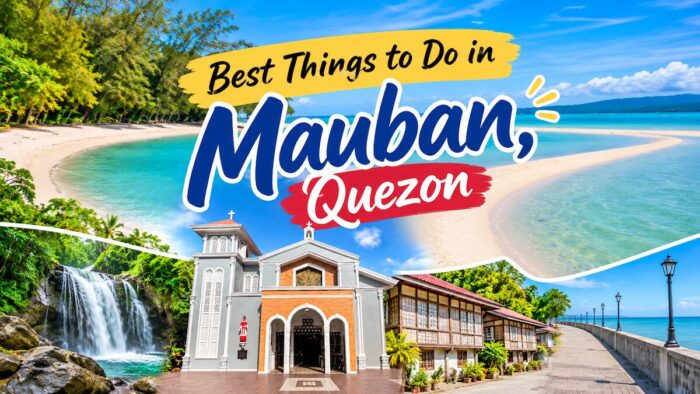
Best Things to Do in Mauban, Quezon
Many travelers use Mauban as a gateway to Cagbalete Island, a popular destination known for sandy beaches, tidal flats, and island-hopping opportunities. However, mainland Mauban also deserves time on your itinerary. The town has historic structures, scenic parks, waterfalls, and a seafront promenade that provide a different perspective on Quezon Province.
Whether you are planning a beach getaway, a nature trip, a heritage tour, or an adventurous weekend, Mauban offers experiences for different travel styles.
Here are 12 of the best things to do in Mauban, Quezon, including popular mainland attractions and Cagbalete Island.
1. Explore the Beaches of Cagbalete Island
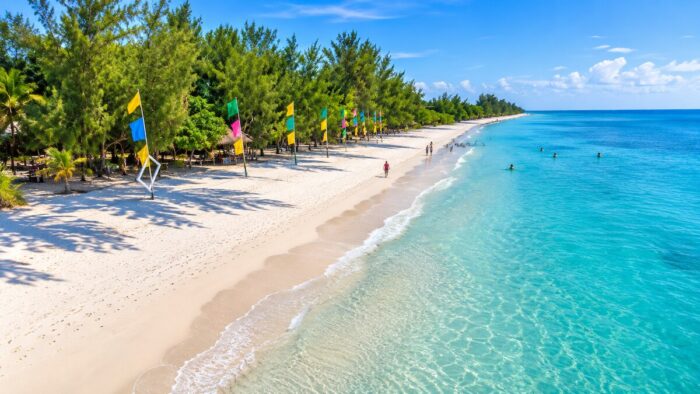
Cagbalete Island is one of Mauban’s most popular tourist destinations. Located off the mainland, the island is known for its sandy beaches, coastal scenery, and relaxed atmosphere.
The beach experience changes significantly depending on the tide. At low tide, expansive sand flats appear, creating opportunities for long beach walks and photography. At high tide, the water reaches closer to the shoreline, making swimming and other water activities more convenient in suitable areas.
Things to do on Cagbalete Island include:
- Walk along the beach during low tide.
- Swim in designated areas when conditions are safe.
- Take photographs of the coastline.
- Relax beneath the trees or along the shore.
- Enjoy sunrise and sunset views when weather conditions allow.
- Explore the island’s coastal communities.
Cagbalete suits couples, families, groups of friends, and solo travelers. However, visitors should check the tide schedule before planning beach activities. Some areas become hard to access during high tide, while certain sandbars appear only during low tide.
2. Visit the Bonsai Island Sandbar
Bonsai Island is a well-known island-hopping destination near Cagbalete Island. Its exposed sand formations and shallow coastal areas make it a popular stop for sightseeing and photography.
The sandbar’s appearance depends on the tide. At low tide, more of the surrounding sand becomes visible, allowing visitors to explore parts of the shoreline on foot when conditions permit.
Activities include:
- Walking across exposed sand.
- Taking photographs of the coastal landscape.
- Enjoying the surrounding seascape.
- Exploring nearby tidal areas with a local guide or boat operator.
Do not assume the sandbar will be accessible at every hour. Ask your boat operator or local tourism staff about tide conditions and the safest time to visit. Avoid walking across submerged areas without knowing the water depth, current, and return route.
3. Go Island Hopping Around Cagbalete
Island hopping is one of the best ways to explore Cagbalete’s coastal attractions. Local boat operators may offer trips to nearby beaches, sandbars, and islands, depending on weather, sea conditions, and the available tour routes.
Potential stops include Baliscar Island and other coastal attractions around Lamon Bay. Some tours combine beach stops with snorkeling or swimming in suitable areas.
Before booking an island-hopping trip, ask the operator:
- Which destinations are included?
- How long will the tour take?
- Is snorkeling equipment included?
- Are entrance or environmental fees separate?
- How many passengers can the boat safely accommodate?
- What happens if the weather changes?
Plan island hopping for the morning, when conditions are often favorable, though weather can change at any time. Follow local instructions and avoid entering the water in areas with strong currents or poor visibility.
4. Enjoy Swimming, Snorkeling, and Other Beach Activities
Cagbalete Island is a destination for travelers who want to spend time outdoors and enjoy the coast. Depending on the beach, tide, and weather, visitors may be able to swim, snorkel, kayak, or participate in other water activities.
Swimming conditions vary across the island. Some areas may be shallow, while others may be deeper or affected by currents. Ask local staff where swimming is permitted and whether conditions are safe.
Beach activities to consider include:
- Swimming in designated areas.
- Snorkeling during suitable sea conditions.
- Kayaking where rentals are available.
- Beach games and recreational activities.
- Relaxing along the shoreline.
- Photographing the beach and coastal landscape.
Bring your own swimming essentials, including sun protection, drinking water, and a waterproof bag. If you are snorkeling, use appropriate equipment and avoid touching coral, marine animals, or other underwater features.
5. Discover Mauban’s Waterfalls
Mauban’s inland areas feature waterfalls and river landscapes that appeal to travelers seeking nature experiences beyond the beach.
Two waterfalls commonly associated with Mauban are Alitap Falls and Dahoyhoy Falls.
Alitap Falls

Alitap Falls is known for its cascading water and forest surroundings. It offers a nature-oriented experience for visitors who want to explore beyond the town center.
Depending on the route and conditions, reaching waterfalls may involve walking along uneven terrain. Wear shoes with good grip and avoid visiting during heavy rain or when water levels are rising.
Dahoyhoy Falls
Dahoyhoy Falls is another waterfall attraction in Mauban. Its natural surroundings make it a potential stop for travelers interested in photography and outdoor exploration.
Before visiting either waterfall, confirm current access arrangements with the local tourism office. Some trails may require a guide, and conditions can change after heavy rainfall.
Important: Do not assume every waterfall is suitable for swimming. Check water depth, current, access restrictions, and local safety advice before entering.
6. Visit Saint Bonaventure Parish Church

Saint Bonaventure Parish Church, commonly known as Mauban Church, is one of the town’s important historical and religious landmarks.
The church dates back to the Spanish colonial period. After earthquake damage, the town rebuilt earlier structures, and the current church was completed in the late 19th century.
Visitors interested in Philippine history, religious architecture, and heritage tourism should include the church in their Mauban itinerary.
Things to do here:
- Observe the church’s architecture.
- Learn about its historical significance.
- Visit the surrounding town plaza.
- Photograph the exterior respectfully.
- Attend Mass if your visit coincides with a scheduled service.
Remember that the church remains a place of worship. Dress appropriately, avoid loud conversations, and ask permission before photographing religious ceremonies or worshippers.
7. Explore Mauban’s Heritage Houses
Mauban has a collection of old houses and historic buildings, particularly around the town center. These structures offer a glimpse into the municipality’s past and its development during the Spanish and American colonial periods.
A heritage walk around the town plaza and nearby streets can reveal traditional architectural details, old façades, and buildings that continue to serve residential or commercial purposes.
Look for:
- Traditional wooden windows.
- Old architectural details.
- Historic residential structures.
- Heritage buildings near the town center.
- Streets that retain elements of Mauban’s historic character.
Some heritage houses are privately owned or occupied. Visitors should admire them from public areas and avoid entering properties without permission.
8. See the Spanish-Era Mauban Public Bath
The Mauban Public Bath is a historical attraction associated with the town’s Spanish colonial period. The structure is commonly described as dating back to 1725 and is considered an unusual heritage feature in the municipality.
The public bath offers a different type of historical experience from churches and ancestral houses. It provides insight into how people used communal facilities in earlier centuries.
When you visit, take time to observe the remaining structure and learn about its history. Because the site is a heritage landmark, avoid climbing on walls, touching fragile materials, or leaving litter.
The public bath can be part of a walking tour of Mauban’s historic center, along with the church, heritage houses, and nearby public spaces.
9. Take a Walk Along the Mauban Seawall
The Mauban Seawall is a scenic public promenade along the coast. It offers a place to enjoy the sea breeze, observe local life, and photograph Lamon Bay.
Unlike island attractions, the seawall is a convenient option for travelers who want a relaxing activity close to the town center.
Things to do include:
- Walk along the promenade.
- Enjoy coastal views.
- Photograph the seafront.
- Observe local residents and daily activities.
- Visit nearby parks and landmarks.
The seawall is a practical stop before or after a boat trip to Cagbalete Island. It is also a good option for travelers who have limited time in Mauban.
Be mindful of the weather and sea conditions. Avoid walking too close to the water during rough seas and follow any local safety restrictions.
10. Visit Gat Uban Park and Monument
Gat Uban Park is a public space along Mauban’s coastal area. It honors Gat Uban, a figure associated with local history and tradition.
The park is a convenient stop for travelers exploring the seawall and town center. It combines a small recreational space with a historical monument.
Visitors can:
- See the Gat Uban monument.
- Learn the local story behind the figure.
- Take photographs.
- Relax during a town sightseeing walk.
- Explore nearby coastal attractions.
Gat Uban is also associated with Mauban’s local identity. Visiting the park lets you learn more about the town’s history beyond its beaches and waterfalls.
11. Enjoy the Views from Rizal Hill Park
Rizal Hill Park is a small elevated park in the town center. Its location provides a different perspective of Mauban and the surrounding area.
The hill has historically served as a lookout point. Today, visitors can enjoy views, explore the park, and see the Rizal monument.
Things to do at Rizal Hill Park include:
- Enjoy panoramic views of the surrounding town.
- Visit the monument.
- Take photographs.
- Include the park in a heritage walking tour.
- Relax before continuing to other attractions.
Rizal Hill Park suits travelers who prefer easy sightseeing over demanding outdoor activities. Combine it with Mauban Church, the seawall, and the heritage houses for a convenient town-center itinerary.
12. Experience Maubanog Festival and Local Traditions
To experience Mauban beyond its beaches and heritage landmarks, plan your visit around the Maubanog Festival.
Held every July, the festival celebrates Mauban’s history, culture, traditions, and local identity. It features colorful activities, cultural presentations, indigenous products, and community events.
Depending on the official program for the year, visitors may encounter:
- Festival performances.
- Street dancing and cultural presentations.
- Local products and crafts.
- Community celebrations.
- Activities highlighting Mauban’s history and traditions.
Festival dates and programs may change each year. Check municipal government announcements before arranging your trip.
Traveling during festival season can provide a richer cultural experience, but expect larger crowds, possible traffic, and higher demand for transportation.
If you prefer a quieter visit, consider traveling outside major festival dates.
How to Get to Mauban, Quezon from Manila
You can reach Mauban from Metro Manila by bus, private vehicle, or a combination of public transportation. Travelers heading to Cagbalete Island must continue to Mauban Port and take a boat.
Option 1: Take a Direct Bus to Mauban
Check whether direct bus trips from Metro Manila to Mauban are operating on your intended travel date. Direct services may have limited schedules.
Before traveling:
- Confirm the bus operator, departure time, and terminal.
- Arrive early, especially for morning trips.
- Check whether the bus terminates in Mauban town or another designated stop.
- Arrange a tricycle transfer to Mauban Port if necessary.
Direct buses are convenient because they reduce transfers. However, schedules and availability can change, so verify details with the operator before departure.
Option 2: Travel via Lucena City
Traveling through Lucena is another option.
- Take a bus from Metro Manila to Lucena City.
- Get off at Lucena Grand Terminal.
- Transfer to a bus, van, or other public transportation bound for Mauban.
- Arrive in Mauban town.
- Take a tricycle or local transfer to Mauban Port.
This route offers more flexibility when direct bus service isn’t available.
Option 3: Drive to Mauban
Travelers with private vehicles can drive to Mauban using routes through Quezon Province.
Use a navigation app for current road conditions and traffic. Travel time varies depending on your departure point, route, weather, and traffic.
Before driving:
- Check road conditions.
- Fuel up before entering less populated areas.
- Confirm parking availability near the port.
- Avoid driving unfamiliar mountain roads at night.
- Allow extra time for traffic and road construction.
How to Get to Cagbalete Island from Mauban
You can reach Cagbalete Island by boat from Mauban Port.
The general process is:
- Travel to Mauban Port.
- Register with the local tourism office or follow the port’s registration procedure.
- Confirm boat schedules and passenger requirements.
- Pay applicable boat fares and fees.
- Take the boat to Cagbalete Island.
- Arrange any additional transfer needed to reach your destination on the island.
Public passenger boats and private boat arrangements may be available, depending on the schedule and conditions.
Boat fares, departure times, passenger limits, and transfer arrangements can change. Confirm them with the local tourism office or your destination before traveling.
Important Travel Tips for Visiting Mauban, Quezon
Check the Tide Schedule
Tides affect beach access, sandbar visibility, swimming conditions, and boat transfers around Cagbalete Island. Plan your activities around the local tide schedule, rather than assuming the beach will look the same all day.
Confirm Boat Schedules in Advance
Do not assume boats operate at all hours. Check departure times, registration requirements, and return schedules before leaving Manila.
Bring Cash
Prepare enough Philippine pesos for transportation, boat fares, food, local transfers, entrance fees, and other expenses. Don’t rely entirely on cashless payments, especially on the island.
Pack Essential Beach Items
Bring sunscreen, a hat, sunglasses, swimwear, a reusable water bottle, and a waterproof bag. Consider packing a change of clothes if you plan to visit both the beach and mainland attractions.
Prepare for Limited Connectivity
Mobile signal and internet access may vary in coastal and island areas. Download maps and save important contact details before your trip.
Wear Appropriate Footwear
Waterfalls, heritage sites, and coastal trails may involve uneven surfaces. Wear comfortable walking shoes or sandals with good grip.
Check the Weather
Mauban is a coastal destination. Weather and sea conditions can affect boat trips, island hopping, and waterfall visits. Follow local advisories, and don’t insist on boat trips when conditions are unsafe.
Allow Enough Time for Mainland and Island Attractions
Cagbalete Island and mainland Mauban offer different experiences. If you want to visit beaches, waterfalls, and heritage attractions, avoid trying to squeeze everything into a rushed day trip.
Frequently Asked Questions About Mauban, Quezon
1. What is Mauban, Quezon famous for?
Mauban is known for Cagbalete Island, its coastal scenery, waterfalls, historical landmarks, and local festivals. Cagbalete Island is its most popular beach destination, attracting travelers interested in sandy beaches, sandbars, swimming, and island hopping. Mainland Mauban offers a different experience through its heritage houses, Saint Bonaventure Parish Church, Spanish-era public bath, seawall, parks, and waterfalls. The municipality is also known for the Maubanog Festival, a celebration of local culture and traditions. Visitors can combine beach activities with historical sightseeing and outdoor adventures.
2. Is Cagbalete Island part of Mauban, Quezon?
Yes. The municipality of Mauban, Quezon Province, administers Cagbalete Island. It is located off the mainland and is reached by boat from Mauban Port. The island is popular for its sandy beaches, tidal flats, and coastal scenery. Travelers commonly visit to swim, take beach walks, go island hopping, and relax. Because it is separated from the mainland, visitors should plan boat transfers, arrival times, and the return journey carefully. Local transportation and boat arrangements may vary depending on the destination, weather, and sea conditions.
3. How do I get to Mauban from Manila?
Travelers can reach Mauban by direct bus when available, or by taking a bus to Lucena City and transferring to transportation bound for Mauban. The direct route can be convenient, but schedules may be limited. The Lucena route offers more flexibility. From Mauban town, take a local transfer to Mauban Port if you are heading to Cagbalete Island. Confirm current bus schedules, fares, terminal locations, and boat departures before traveling because transportation arrangements can change.
4. How do I get to Cagbalete Island from Mauban?
To reach Cagbalete Island, travel to Mauban Port and follow the local tourism registration and boat-transfer procedures. Passenger boats and private boat arrangements may be available depending on the schedule and your destination. After arriving on the island, you may need an additional local transfer to reach your beach or activity area. Confirm boat schedules, passenger requirements, fares, and return arrangements before departure. Travelers should also check weather and sea conditions, as rough seas or unfavorable weather may affect boat operations.
5. What are the best things to do in Cagbalete Island?
Top activities in Cagbalete Island include relaxing on the beach, walking across exposed sand flats at low tide, visiting Bonsai Island, and joining island-hopping tours. Depending on weather and sea conditions, travelers may also enjoy swimming, snorkeling, kayaking, photography, and coastal sightseeing. The island suits couples, families, groups, and solo travelers looking for a beach getaway. Before planning activities, check the tide schedule and ask local operators about safe swimming areas and accessible destinations.
6. Are there waterfalls in Mauban, Quezon?
Yes. Mauban has waterfalls, including Alitap Falls and Dahoyhoy Falls. These attractions appeal to travelers interested in nature, photography, and outdoor adventures away from the beach. Visiting waterfalls may involve walking along uneven trails or traveling through rural areas, so proper footwear and preparation are important. Access conditions can change, particularly after heavy rainfall. Confirm current visitor arrangements with local tourism staff before traveling, and do not swim unless local authorities or guides confirm that the water is safe.
7. What historical attractions can I visit in Mauban?
Mauban has several historical attractions, including Saint Bonaventure Parish Church, old heritage houses, the Spanish-era public bath, Gat Uban Park, and Rizal Hill Park. These landmarks provide insight into the town’s colonial history, local traditions, and community identity. Many attractions are located around the town center, making them convenient to explore during a walking tour. Visitors should respect religious sites, private properties, and historic structures. Take photos mainly from public areas unless you have permission to enter a building.
8. When is the best time to visit Mauban and Cagbalete Island?
The best time to visit depends on your preferred activities and weather conditions. Travelers planning beach activities and island hopping should check the forecast and sea conditions before departure. The dry season is generally preferred for outdoor sightseeing, although weather can still change. Cagbalete Island’s tidal conditions also matter because sandbars and beaches look different throughout the day. If you want to experience Maubanog Festival, check the municipality’s official announcements for the current schedule, since dates and activities may vary.
9. Is Mauban suitable for a day trip from Manila?
A day trip to Mauban from Manila is possible, but it can be tiring because of the travel distance and transportation transfers. Visiting Cagbalete Island requires additional time for port registration and boat transfers. Travelers who want to explore both the island and mainland attractions should plan to spend more time in the area. A rushed day trip may limit how many activities you can enjoy. Check transportation schedules carefully and avoid planning a return journey that depends on a tight connection or the final boat departure.
10. What should I bring when visiting Mauban and Cagbalete Island?
Bring cash, identification, comfortable clothing, swimwear, sunscreen, a hat, sunglasses, drinking water, and a waterproof bag. Pack footwear suitable for beaches, waterfalls, and walking around town. A power bank and downloaded maps can be useful if mobile connectivity is limited. Travelers visiting Cagbalete should check boat schedules, tide conditions, and local requirements before leaving Manila. If you plan to explore waterfalls or remote areas, bring appropriate footwear and follow local guidance. Avoid carrying unnecessary valuables and keep your belongings secure during boat transfers.
Final Thoughts
Mauban, Quezon offers more than a beach getaway. Its attractions include Cagbalete Island’s sandy shores, coastal sandbars, waterfalls, historic landmarks, and local festivals.
Travelers can swim, explore nature, discover heritage sites, or enjoy the town’s coastal atmosphere. The mix of mainland attractions and island activities appeals to all types of travelers.
For the best experience, plan transportation and boat transfers ahead of time, check the tide and weather, and allow enough time to explore both mainland Mauban and Cagbalete Island.
Follow and subscribe to OutofTownBlog.com on Facebook , Twitter, Instagram, Pinterest, and YouTube for more Travel-related updates.
Read:
- Pahiyas Festival: A Colorful Celebration of Harvest and Faith in Lucban, Philippines
- Malinaw Spring Resort in Lucban, Quezon
- Top 7 Tourist Spots in Lucban, Quezon + Things to do
- A Weekend in Sampaloc, Quezon: A Travel Guide to History, Food, Nature and Cinema