

 Melo Villareal
15 Bizarre Filipino Food Combinations That Sound Wrong but Actually Taste Good
Pineapple on pizza has sparked debates among food lovers for years. Some people consider it a culinary crime, while others happily enjoy the sweet and tangy fruit on their favorite pizza. But if you think that’s controversial, you probably haven’t explored the Philippines’ more adventurous food combinations.
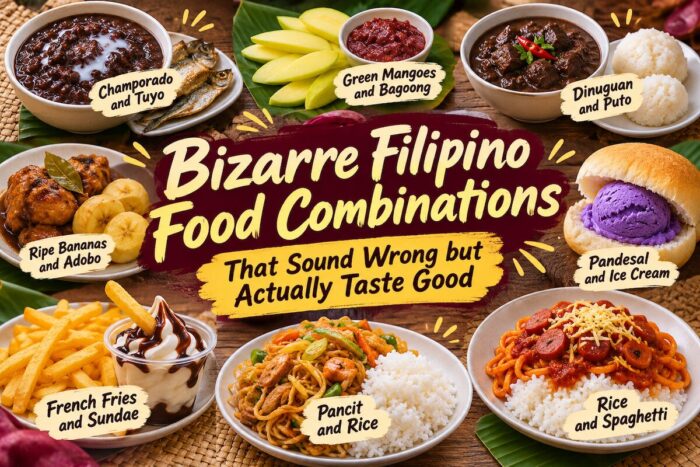
Bizarre Filipino Food Combinations That Sound Wrong but Actually Taste Good
Filipinos have a fascinating relationship with food. We love mixing flavors, experimenting with ingredients, and pairing dishes that might seem completely incompatible to outsiders. Sweet meets salty, sour meets savory, and sometimes two seemingly unrelated foods become an unexpectedly delicious match.
Consider eating dried fish with chocolate rice porridge, dipping green mangoes in fermented shrimp paste, or putting instant noodles on top of rice. These combinations might make some international visitors pause, but for many Filipinos, they’re familiar comfort foods.
Across the Philippines, food preferences also vary from one region to another. What seems unusual in Manila might be an everyday snack in another province. Some combinations come from generations of home cooking, while others are creative discoveries born from street food culture and Filipino ingenuity.
Here are 15 weird Filipino food combinations that might make you question your taste buds at first but could eventually become your next favorite food obsession.
15 Weird Filipino Food Combinations That Actually Taste Good
1. Champorado and Tuyo: Chocolate Rice Porridge Meets Dried Fish
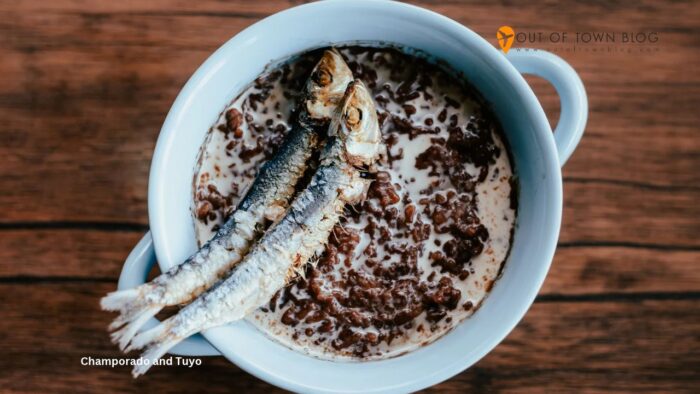
If one Filipino food combination regularly confuses international visitors, it is champorado and tuyo. Imagine eating a bowl of sweet chocolate rice porridge while munching on intensely salty dried fish. It sounds like someone accidentally placed breakfast and dessert on the same table.
Champorado is traditionally made with glutinous rice and cocoa or tablea, creating a thick, comforting chocolate porridge. Tuyo, meanwhile, is salted, sun-dried fish usually fried until crisp.
The secret is the contrast. The sweetness and slight bitterness of chocolate balance the fish’s intense saltiness. Some Filipinos crumble the tuyo directly into their champorado, while others alternate spoonfuls of porridge with bites of fish.
For Filipinos, this is not a culinary experiment. It is a beloved breakfast or merienda combination. Even chefs have found creative ways to reinvent it.
2. Green Mangoes and Bagoong: Sour Fruit Meets Fermented Shrimp Paste
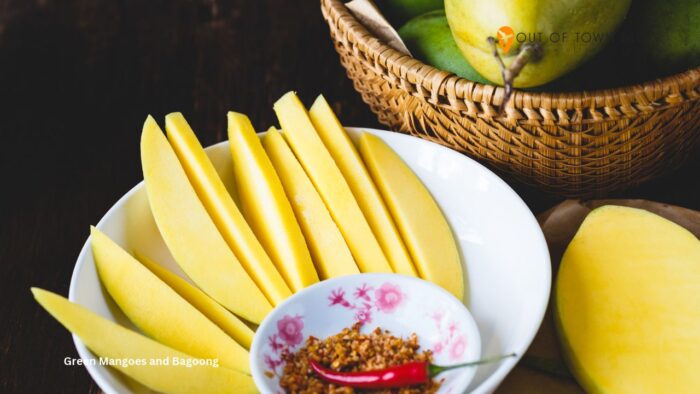
Eating fruit with shrimp paste might sound like something you’d do on a dare, but Filipinos know exactly what they’re doing when they pair green mangoes with bagoong.
Unripe mangoes are extremely sour, crunchy, and refreshing. Bagoong alamang, a fermented shrimp paste, provides a salty, savory, and sometimes slightly sweet flavor. Together, they create a combination that keeps your taste buds busy.
Some people prefer plain bagoong, while others mix it with sugar, vinegar, onions, tomatoes, and chili. The resulting dip can be sweet, salty, spicy, or a little bit of everything.
This pairing is popular across the Philippines and is particularly familiar as a street snack and afternoon treat. It is also a good introduction to the Filipino appreciation for contrasting flavors.
3. Dinuguan and Puto: Blood Stew with Sweet Rice Cakes
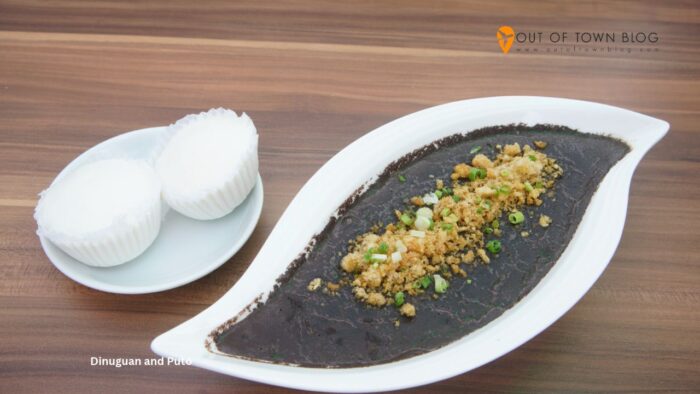
Dinuguan is one of those Filipino dishes that can make first-time visitors hesitate after learning what goes into it. The dark, savory stew is traditionally prepared using pork, pork innards, vinegar, spices, and pig’s blood.
Now imagine serving it with puto, soft and slightly sweet steamed rice cakes.
The combination works because puto’s mild sweetness and fluffy texture balance dinuguan’s rich, savory, tangy flavors. Instead of eating it with plain rice, many Filipinos enjoy scooping the stew with pieces of puto.
This pairing is especially familiar at Filipino gatherings, neighborhood celebrations, and traditional eateries. If you can get past the initial introduction, you might discover that dinuguan and puto are one of the country’s most satisfying food partnerships.
4. Ripe Bananas and Adobo: A Sweet Twist to a Filipino Classic
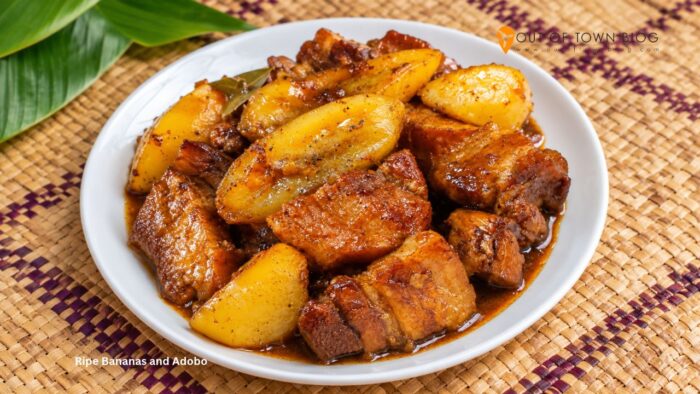
Adobo is practically a national comfort food. Pork or chicken is simmered in vinegar, soy sauce, garlic, peppercorns, and bay leaves until tender and flavorful.
But some Filipino households enjoy it in an unusual way: pairing the savory meat with ripe bananas.
The banana’s sweetness provides a pleasant contrast to the salty, garlicky, and slightly sour adobo sauce. The soft texture also complements the tender meat.
This is not a standard ingredient in every adobo recipe. It is more of a home-style pairing and personal food preference, which makes it particularly interesting. If you enjoy sweet-and-savory combinations, this might be worth trying.
5. Saba Bananas and Guinamos: Sweet Plantains with Fermented Fish
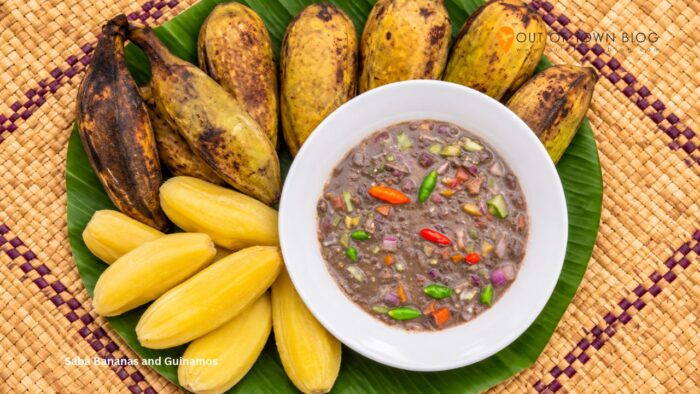
Here’s another combination that might make visitors from abroad raise their eyebrows. In some Filipino communities, particularly in parts of the Visayas, people enjoy saba bananas with guinamos, a fermented fish or shrimp condiment.
Saba is a cooking banana commonly boiled, steamed, fried, or grilled. It has a naturally sweet and starchy flavor. Guinamos brings an intense, salty, fermented taste.
Think of it as a more adventurous version of sweet fruit paired with salty cheese or salted caramel. The opposing flavors create an interesting balance, although the strong aroma of fermented seafood may take some getting used to.
It reminds us that Filipino food traditions aren’t limited to familiar restaurant dishes. Some of the country’s most interesting food experiences come from everyday household eating habits.
6. Coffee and Rice: When Your Morning Drink Becomes Your Ulam
Filipinos love coffee, but some take it a step further by pouring it directly over steamed rice.
Informally known as sabaw kape, this combination is a nostalgic childhood memory for some Filipinos, particularly those who grew up in households where leftovers were never wasted.
Instead of using ordinary soup or broth, the coffee becomes the liquid poured over rice. Some enjoy it plain, while others add sugar or pair it with whatever breakfast food is available.
The result is a soft, coffee-flavored rice dish that might seem strange to anyone accustomed to drinking coffee exclusively from a cup.
Would you try it? It might not be everyone’s idea of a gourmet breakfast, but for some Filipinos, it brings back memories of simpler mornings.
7. Pandesal and Ice Cream: The Filipino Ice Cream Sandwich

Who needs an expensive ice cream sandwich when you have pandesal?
Filipinos have long enjoyed putting ice cream inside ordinary bread rolls. The combination is simple: take a soft pandesal, slice it open, add a generous scoop of ice cream, and enjoy.
The slightly salty, fluffy bread creates an interesting contrast with the cold, creamy sweetness of the ice cream. Depending on the flavor, you can turn it into a colorful dessert with ube, mango, chocolate, cheese, or vanilla ice cream.
The only challenge is eating it before everything melts. But that’s part of the experience.
This is proof that sometimes the best food discoveries don’t require complicated recipes or expensive ingredients.
8. Pandesal and Milo: Chocolate Spread Without the Chocolate Spread
Before chocolate hazelnut spreads became pantry staples, some Filipino children already had their own version of chocolate-filled bread.
The combination involves opening a pandesal and filling it with Milo powder. Some prefer sprinkling the powder directly inside, while others add a little butter or condensed milk to help it stick.
The soft bread absorbs some of the chocolate malt flavor, while the powder adds sweetness and a slightly grainy texture.
It might not win awards for sophisticated dessert preparation, but it certainly earns points for nostalgia. For Filipinos who grew up enjoying Milo as a breakfast drink, this is a familiar childhood treat.
9. French Fries and Sundae: The Sweet and Salty Fast-Food Experiment
This combination is not exclusive to the Philippines, but it has a dedicated following among Filipino fast-food fans.
The idea is straightforward: dip a warm, salty French fry into a cold vanilla sundae. The contrast between the crispy potato, salty seasoning, and creamy ice cream creates a surprisingly addictive snack.
Some people dip only the tips of their fries, while others use the whole fry as an edible spoon.
It works for the same reason salted caramel and chocolate-covered pretzels are popular. Sweet and salty flavors complement each other, while the differences in temperature and texture make every bite interesting.
If you have never tried it, perhaps your next fast-food order should include both fries and ice cream.
10. Sinigang and Ketchup: Adding Tomato Sweetness to Sour Soup
Sinigang is already packed with flavor. Its signature sour broth, traditionally made with tamarind or other souring ingredients, is one of the most recognizable features of Filipino cooking.
But some adventurous eaters like adding ketchup to their sinigang.
Yes, ketchup.
The condiment introduces sweetness and additional tomato flavor to the sour broth. Depending on how much you add, it can soften the soup’s sharpness and create a slightly sweeter taste.
This is definitely not a traditional or universally accepted way of preparing sinigang. Many Filipinos would probably object before even tasting it.
Still, food preferences are personal. And if you enjoy experimenting with condiments, this might be an interesting kitchen experiment.
11. Pancit and Rice: Because One Source of Carbohydrates Is Never Enough
For international visitors, eating noodles with rice might seem unnecessary. After all, both are filling carbohydrate-based foods.
But in the Philippines, pancit served with steamed rice is hardly unusual.
Whether it is pancit bihon, pancit canton, pancit Malabon, or pancit guisado, some Filipinos simply cannot imagine eating a meal without rice. The noodles become another viand, especially at family gatherings or celebrations.
The combination is particularly interesting because pancit is already a complete dish in many versions, containing meat, seafood, and vegetables.
But when rice is available, why stop at one serving of carbohydrates?
12. Pancit and Pandesal: Noodles Inside a Bread Roll
If pancit with rice is not enough, some Filipinos take their noodle obsession further by putting pancit inside bread.
Imagine slicing open a pandesal and stuffing it with pancit bihon or pancit canton. You get soft bread, savory noodles, vegetables, and whatever meat or seafood comes with the pancit.
It is essentially a Filipino-style noodle sandwich.
While it might not be a nationally established food tradition, eating pancit with bread is a familiar pairing. Turning the two into one handheld snack is a playful variation.
It is also practical for people who want something filling without needing a plate and spoon.
13. Rice and Spaghetti: The Ultimate Filipino Carbohydrate Duo
Filipino-style spaghetti is already different from its Italian counterpart. It typically features a sweet tomato-based sauce, ground meat, sliced hotdogs, and grated cheese.
But for some Filipinos, spaghetti is even better when eaten with rice.
This might be difficult for visitors to understand. Why eat rice when there is already pasta on the plate?
The answer is simple: Filipinos strongly prefer rice as the foundation of a satisfying meal. The sweet and meaty spaghetti sauce becomes another flavorful topping for steamed rice.
It might look like a carbohydrate overload, but anyone who has attended a Filipino birthday party knows that food combinations rarely follow strict culinary rules.
14. Ensaymada and More Cheese: When Sweet Bread Gets Even Cheesier
Ensaymada is a soft, buttery Filipino pastry traditionally topped with butter, sugar, and grated cheese. It already combines sweet and savory flavors, but some people take the cheese obsession further.
They add more cheese, sometimes pairing it with condensed milk or other sweet toppings.
The result is a rich pastry that combines salty, creamy, buttery, and sugary flavors in one bite.
For international visitors accustomed to reserving cheese for savory meals, a sweet pastry topped with grated cheese might seem unusual.
But cheese has an established place in Filipino desserts and baked goods. It is not simply a topping. It is part of the flavor profile.
15. Banana Ketchup and Fried Food: A Filipino Condiment for Almost Everything
Tomato ketchup is a familiar condiment worldwide, but the Philippines has its own beloved alternative: banana ketchup.
Made using bananas, sugar, vinegar, and spices, this bright red condiment is a Filipino pantry staple. Despite its appearance, it does not taste exactly like tomato ketchup.
Filipinos enjoy it with fried chicken, hotdogs, fish, fries, barbecue, and other savory dishes. Some even use it as an ingredient in cooking.
For visitors who discover banana ketchup for the first time, the combination of a fruit-based condiment and savory fried food can be surprising.
But once you taste the sweetness and tanginess alongside crispy, salty food, you may understand why it has remained a Filipino favorite.
Why Filipinos Love Mixing Unexpected Food Combinations
Filipino food culture is built around bold flavors, resourcefulness, and the freedom to enjoy food in different ways. Sweet, salty, sour, spicy, and savory ingredients often share the same plate, sometimes creating combinations that surprise people unfamiliar with the cuisine.
This habit also has a practical side. Filipino households have always found creative ways to enjoy available ingredients, transform leftovers, and make inexpensive snacks more satisfying. Some combinations become family traditions, while others remain personal preferences that people proudly defend.
The interesting thing is that food does not always need to follow conventional rules. A bowl of chocolate porridge can pair with salty fish, sour mangoes can become more enjoyable with fermented shrimp paste, and a piece of bread can become an ice cream sandwich.
So, before judging another person’s food preferences, perhaps take a bite first. You might discover that what initially looks like a strange combination is actually delicious.
Frequently Asked Questions About Weird Filipino Food Combinations
1. What are the weirdest Filipino food combinations?
Some of the most surprising Filipino food combinations include champorado with tuyo, green mangoes with bagoong, dinuguan with puto, coffee poured over rice, and pancit eaten with steamed rice. These combinations bring together contrasting flavors, textures, and temperatures. While some are established Filipino eating traditions, others are personal preferences or creative food experiments. Their popularity varies across households and regions, but they demonstrate how Filipinos enjoy experimenting with familiar ingredients.
2. Why do Filipinos eat champorado with tuyo?
Filipinos pair champorado with tuyo because the sweet and slightly bitter chocolate porridge complements the intense saltiness of dried fish. Champorado is traditionally made with glutinous rice and chocolate or tablea, while tuyo is salted, sun-dried fish usually fried until crisp. The contrast creates a satisfying sweet-and-salty combination. This pairing is commonly enjoyed for breakfast or merienda and has become one of the most recognizable examples of unusual Filipino food combinations.
3. Is green mango with bagoong a popular Filipino snack?
Yes. Green mangoes with bagoong are among the Philippines’ most recognizable fruit-and-condiment combinations. Unripe mangoes have a distinctly sour taste and crunchy texture, while bagoong provides saltiness and umami from fermented seafood. Some people prefer shrimp paste mixed with sugar, vinegar, chili, tomatoes, or onions. Street vendors and neighborhood fruit sellers commonly offer this combination, particularly during mango season. It is also a familiar snack at home for Filipinos who enjoy bold and contrasting flavors.
4. What is bagoong, and why do Filipinos use it as a dip?
Bagoong is a traditional Filipino fermented condiment made from fish or shrimp, depending on the variety. It has a strong aroma, salty flavor, and distinctive umami character. Filipinos use it as a dipping sauce for green mangoes, a seasoning for vegetables, and an ingredient in dishes such as kare-kare. Although its smell can initially surprise international visitors, bagoong adds depth and complexity to many Filipino recipes. It is an important part of the country’s culinary traditions.
5. Why do Filipinos eat dinuguan with puto?
Dinuguan and puto work together because their flavors and textures complement each other. Dinuguan is a rich, savory Filipino stew made with pork, vinegar, spices, and pig’s blood. Puto is a soft, slightly sweet steamed rice cake that provides a mild contrast to the stew’s intense flavor. Rather than serving dinuguan exclusively with rice, some Filipinos use pieces of puto to scoop up the sauce. This combination is especially familiar at celebrations and traditional Filipino gatherings.
6. Do Filipinos really eat rice with noodles?
Yes. Eating pancit with steamed rice is a familiar habit in many Filipino households. Pancit dishes already contain noodles, vegetables, meat, and sometimes seafood, but rice remains an important part of everyday meals. For some Filipinos, a serving of pancit does not feel complete without rice. The same preference can extend to spaghetti and other pasta dishes. International visitors might see this as an unnecessary combination of carbohydrates, but Filipinos generally consider it a perfectly satisfying meal.
7. What are some unusual Filipino breakfast combinations?
Filipino breakfasts can feature several combinations that might surprise international travelers. Champorado with tuyo is a classic example, while pouring coffee over rice is a nostalgic habit for some. Other combinations include sweet bread with Milo powder, pandesal filled with ice cream, and rice served alongside sweet-style spaghetti. Filipino breakfasts also frequently combine salty meats, fried eggs, garlic rice, and sweet condiments. These different pairings reflect the country’s diverse household preferences and regional food traditions.
8. What makes Filipino food combinations different from other cuisines?
Filipino cuisine frequently combines contrasting flavors, particularly sweet, salty, sour, and savory elements. This approach shows up in dishes like green mangoes with bagoong, champorado with tuyo, and sweet-style spaghetti with grated cheese. Filipino food also reflects centuries of cultural influences and regional cooking traditions. Ingredients such as vinegar, fermented seafood, coconut, rice, and tropical fruits play important roles in everyday meals. The result is a cuisine that encourages experimentation and accommodates different tastes.
9. Are unusual Filipino food combinations popular among international tourists?
Some combinations are familiar to international food enthusiasts, while others can surprise first-time visitors. Champorado with tuyo, green mangoes with bagoong, and dinuguan with puto are particularly interesting introductions to Filipino food culture. Travelers who enjoy adventurous eating may appreciate the balance of flavors and textures. However, unfamiliar ingredients such as fermented shrimp paste or pig’s blood can require some explanation. Trying these combinations with an open mind is a good way to discover Filipino culinary traditions.
10. What Filipino food combinations should adventurous travelers try first?
Adventurous travelers can begin with champorado and tuyo, green mangoes and bagoong, or dinuguan and puto. These combinations offer a good introduction to the Filipino appreciation for sweet, salty, sour, and savory flavors. Those who prefer milder options can try pandesal with ice cream or French fries dipped in a sundae. Travelers interested in regional food traditions should also explore local markets, neighborhood eateries, and family-run restaurants, where they can discover combinations that rarely appear on international restaurant menus.
Follow the Out of Town Travel Blog on Facebook, Twitter, Instagram, and Pinterest for more travel and food-related updates.
Read:
- Sinigang na Baboy Recipe: Filipino Pork in Sour Soup Dish
- 10 Filipino Restaurants In Los Angeles You Need To Try Right Now
- FILIPINO FOOD: 42 Tasty Dishes You Should Be Eating Now
- 20 Unusual Filipino Foods That Every Adventurous Traveler Should Try