

 Melo Villareal
Sampaloc, Quezon Travel Guide: Things to Do, Eat, and See on a Weekend Trip
Sampaloc, Quezon is a destination for travelers who enjoy small-town experiences, local food, countryside scenery, heritage, and community culture. Located in the uplands of Quezon Province, the municipality offers a quieter side of the province, with rice fields, forested hills, rivers, old structures, and rural communities.
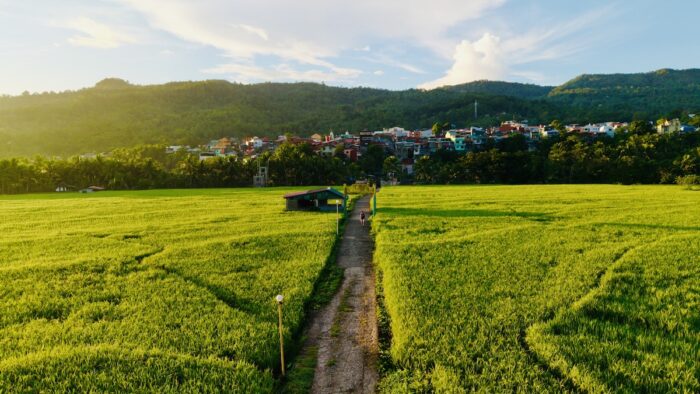
Beautiful Sampaloc – A perfect film location near Manila, photo by Lakwatserong Technician
Sampaloc has also developed a growing connection with Philippine independent cinema. Filmmaker Lav Diaz has spent considerable time in the municipality, and filming Magellan brought international actors and production crews to the area.
A weekend in Sampaloc gives travelers enough time to explore the town, discover local food, visit heritage sites, experience its film culture, and enjoy the surrounding countryside.
Where Is Sampaloc, Quezon?
Sampaloc is a municipality in Quezon Province, south of Metro Manila. It is near Lucban, Tayabas, and Mauban, making it easy to combine with a longer road trip in Quezon.
The municipality is predominantly rural. Agriculture, local industries, and small businesses remain central to everyday life.
For travelers from Manila, Sampaloc is best approached as a weekend destination. The journey takes several hours depending on traffic, weather, and your starting point.
A Brief History of Sampaloc, Quezon
Sampaloc was originally a barrio of Lucban known as Dingin. It was composed of three sitios and was later called Alfonso Trece before eventually becoming Sampaloc.
Juan Pineda’s efforts made it a municipality in 1892. The name Sampaloc comes from a large tree that once stood in the settlement’s center.
Like many towns in Quezon, Sampaloc experienced major events during the Philippine-American War, World War II, and the postwar period. Natural disasters also shaped its history, including a destructive 1934 storm and 1930s earthquakes.
Agriculture continues to play an important role in the local economy. Rice, coconut, buri, poultry, and livestock are among the municipality’s key products. Local industries also include buri weaving, food production, and woodwork.
Why Visit Sampaloc, Quezon?
Sampaloc offers a different kind of Quezon experience.
The municipality does not rely on a long list of large commercial attractions. Its appeal comes from its landscape, history, food, people, and emerging cultural identity.
The town has also become associated with independent filmmaking.
Lav Diaz discovered Sampaloc as a filming location and eventually developed a deeper connection with the municipality. His work has featured its rivers, forests, hills, and rural communities.
The production of Magellan, starring Gael García Bernal, further put Sampaloc on the international film map.
This connection to cinema has also boosted local tourism and community activities, particularly through Sine Sampaloc.
Things to Do and See in Sampaloc, Quezon
1. Explore the Town Proper
Begin your weekend with a walk around the town center.
Observe the local architecture, shops, streets, and everyday activities. Early morning is a good time to explore because the weather is cooler and the town is already active.
Bring your camera because the streets, houses, vendors, and surrounding landscape offer plenty of opportunities for travel photography.
2. Visit the Spanish Arc Bridge

The Spanish-era bridge in Sampaloc, Quezon, offers a quiet glimpse into the municipality’s historic past. Built during the Spanish colonial period, the stone bridge reflects the traditional engineering techniques used to connect communities and facilitate travel across rivers and waterways. Its weathered masonry, moss-covered surfaces, and surrounding tropical vegetation give the structure a distinctive old-world character.
Visiting the bridge is ideal for travelers interested in heritage, architecture, and local history. Take time to walk around the structure and observe its stonework, arched design, and natural surroundings. The nearby river and lush greenery also create a peaceful setting for photography.
The bridge forms part of Sampaloc’s wider cultural landscape, where historic landmarks exist alongside rural communities and natural attractions. Pair your visit with a walking tour around town, local food stops, and other heritage sites. Bring comfortable shoes and a camera, especially if you want to capture the bridge’s details and surrounding scenery.
3. See Torre ng Abcede
Torre ng Abcede in Barangay San Isidro is another heritage structure worth discovering.
Paterno Abcede, a former mayor and provincial official, built the tower in 1950. Built from yakal and adobe, it later served various community and commercial purposes.
The structure provides a glimpse into Sampaloc’s postwar history and architecture.
4. Discover the Old House in San Isidro
Another heritage attraction is an old house in Barangay San Isidro.
For heritage photographers, this area offers a chance to see traditional architecture outside Quezon’s better-known heritage towns.
Ask permission before photographing or entering private properties.
5. Explore Rural Sampaloc
Some of the most memorable parts of a Sampaloc trip happen outside the town center.
Drive through rural communities and look for rice fields, coconut trees, forested hills, and farm roads.
The scenery changes with the season. Early morning and late afternoon are particularly good for photography because of the softer light and cooler temperatures.
6. Discover Rivers and Countryside Landscapes
Sampaloc’s natural landscape is one reason filmmakers have chosen the municipality.
The town has rivers, hills, forests, and agricultural landscapes that provide a strong sense of place.
Not every scenic location is a formal tourist attraction. Some areas are part of local communities or privately owned properties. Ask residents about access and follow local rules.
7. Experience Sampaloc’s Film Culture

Cinema has become an important part of Sampaloc’s contemporary cultural identity.
Sine Sampaloc Film Festival brings independent films, screenings, workshops, and filmmaking activities closer to the community. The festival also gives students and local residents opportunities to participate in creative activities.
If your visit coincides with Sine Sampaloc, check the local schedule for film screenings, interpretative performances, workshops, and other activities.
8. Visit During the Bulihan Festival
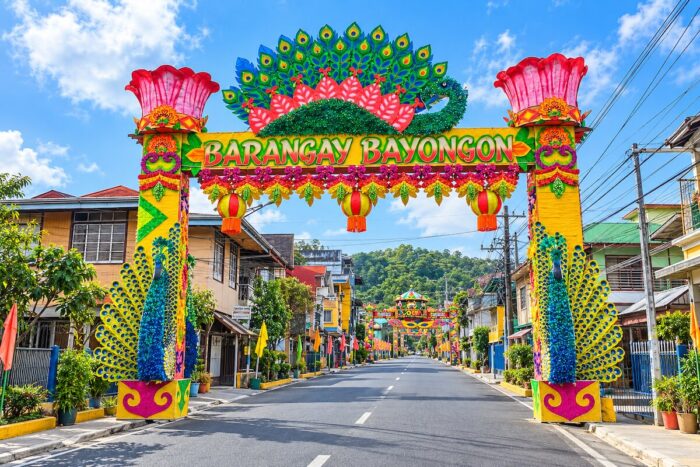
The Bulihan Festival is another cultural event worth considering when planning a trip to Sampaloc.
The festival highlights buri products, native delicacies, cultural activities, and community competitions. It is held around the town fiesta period in April.
Visiting during the festival lets travelers experience local traditions while supporting community vendors and artisans.
9. Visit D’Farm in Sampaloc, Quezon
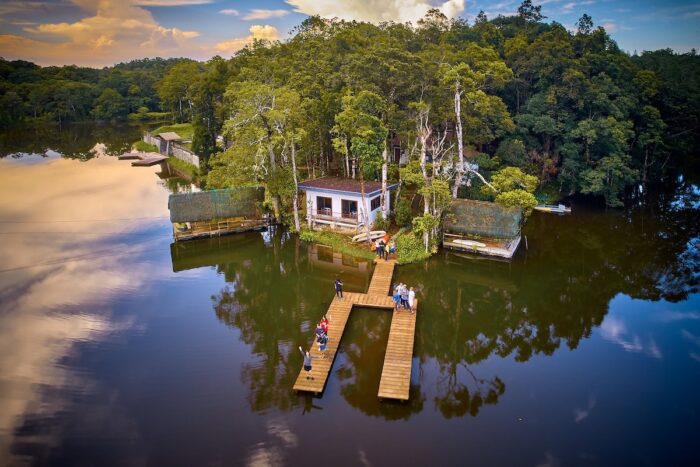
D’Farm is a privately owned agricultural property in Barangay Caldong, Sampaloc, Quezon, offering visitors a chance to experience farm tourism surrounded by coconut trees, greenery, and natural landscapes. D’Farm is known for its coconut hybrid plantation, agricultural learning activities, natural lakes, and farm-tourism experiences. It also offers overnight accommodation.
Visitors can explore the plantation, enjoy the natural surroundings, learn about coconut farming, and take photographs around the property. D’Farm is particularly interesting for travelers who want to see a different side of Sampaloc beyond its waterfalls and food.
To get there, drive toward Barangay Caldong, Sampaloc, Quezon, then follow local directions to the farm. Public transportation options may require a local tricycle from the town proper.
The current entrance fee is not reliably published online, so contact the farm before visiting for updated rates and access arrangements. The listed email is dfarm.ph@gmail.com.
Sampaloc and Lav Diaz
Film enthusiasts have another reason to visit Sampaloc.
Lav Diaz has spent considerable time in the municipality and has used its landscape as a setting for several projects.
His connection with Sampaloc began with filmmaking. He eventually developed a deeper relationship with the town and its community.
Producing Magellan brought international actors and film crews to the area. The movie’s extended filming period also created economic opportunities for some local residents.
Film crews used houses as temporary accommodations, while residents participated as extras and helped meet production requirements.
This experience helped demonstrate how film production can create opportunities for small communities.
What to Eat in Sampaloc, Quezon
Food is an important part of any weekend in Sampaloc.
The local food scene reflects Quezon’s broader culinary traditions, with pancit, kakanin, Filipino merienda, and home-style dishes commonly available.
Pancit
Pancit is one dish worth trying during a visit. Sampaloc’s connection to Magellan also produced a memorable food story. Lav Diaz has shared that Gael García Bernal enjoyed pancit guisado while staying in the area during filming.
A simple plate of pancit at a local eatery is an easy way to experience the town’s everyday food culture.
Pancit Habhab
Pancit habhab is one of Quezon’s most recognizable dishes. People traditionally serve the noodles on a banana leaf and eat them directly,y without utensils.
Lucban is particularly famous for pancit habhab, so a Sampaloc trip can easily include a food stop in nearby Lucban.
Sampaloc Longanisa
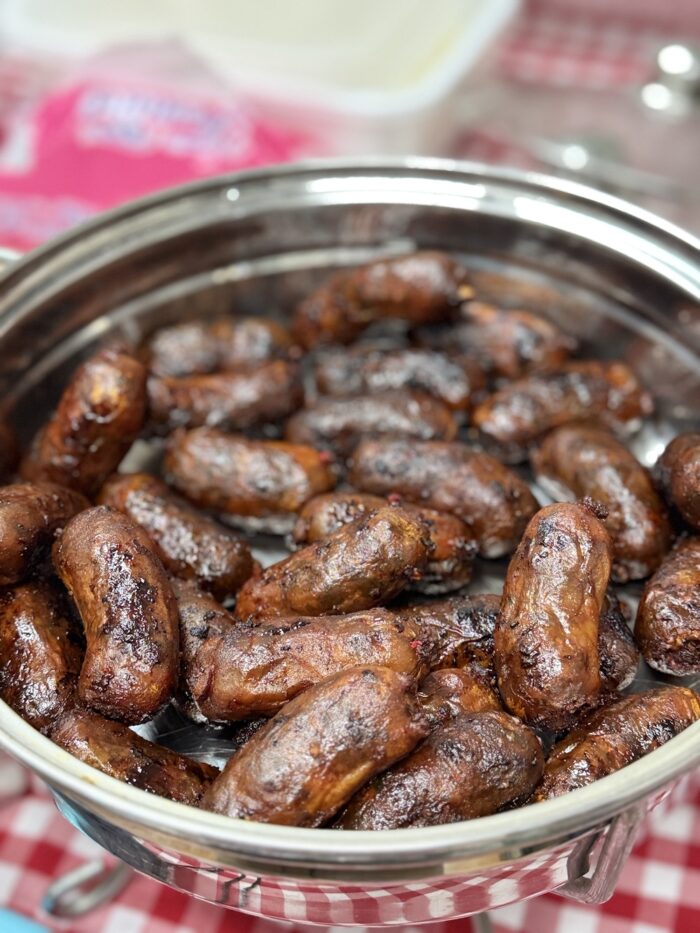
Sampaloc, Quezon’s longanisa stands out for its use of pasotes, a rare herb also known as epazote or Mexican tea. The herb gives the sausage a distinctive herbal aroma and a subtle minty, almost citrusy character that sets it apart from more familiar Filipino longganisa varieties.
Another difference is its texture. Instead of finely grinding the pork, some traditional makers chop the meat and fat by hand into small pieces. This creates a coarser bite where you can actually feel the pieces of pork. They season the mixture with garlic, pepper, salt, vinegar, and other spices before stuffing it into natural pork casings.
The pasotes is used sparingly because too much can make the sausage bitter. When balanced properly, it adds an aromatic, savory, mildly herbal flavor. Its use is becoming increasingly uncommon, making Sampaloc’s version an interesting example of Quezon’s lesser-known food heritage.
Local Kakanin
Look for traditional Filipino kakanin sold by local vendors.
Depending on availability and season, you may find different types of rice cakes and other homemade merienda items.
These make good road trip snacks and are easy to bring home.
Tamales of Sampaloc, Quezon
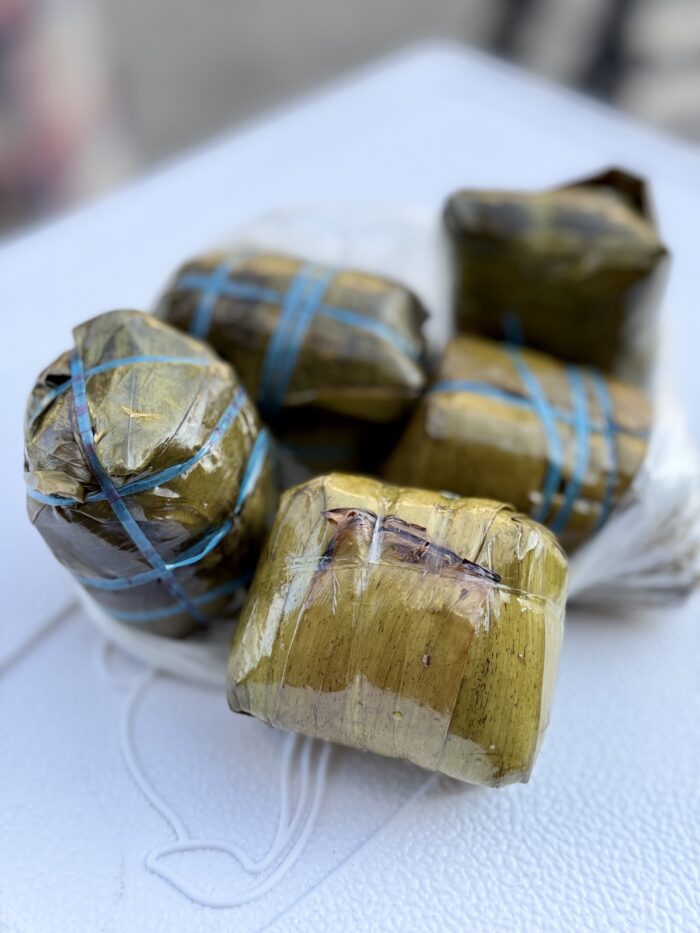
Every morning in Sampaloc, Quezon, locals can find tamales being sold by vendors alongside other traditional kakanin and breakfast favorites. Tamales are part of the municipality’s local food culture, where homegrown delicacies remain an important part of everyday life. The town itself recognizes local food and delicacies as part of its home industries.
What sets Sampaloc-style tamales apart is how they’re prepared and presented. They use ground rice cooked into a savory mixture, then wrap it in banana leaves and steam it. A traditional Sampaloc recipe documented in a Palanca-winning literary work calls for toasted rice, garlic, pepper, boiled egg, and hotdog, giving the tamales a distinctly local character.
The banana-leaf wrapping also gives the tamales a pleasant aroma. Served warm in the morning, they make a filling, inexpensive breakfast or merienda. For visitors exploring Sampaloc, Quezon, buying tamales from a local morning vendor offers a simple way to experience the town’s everyday food traditions.
Pili Candy
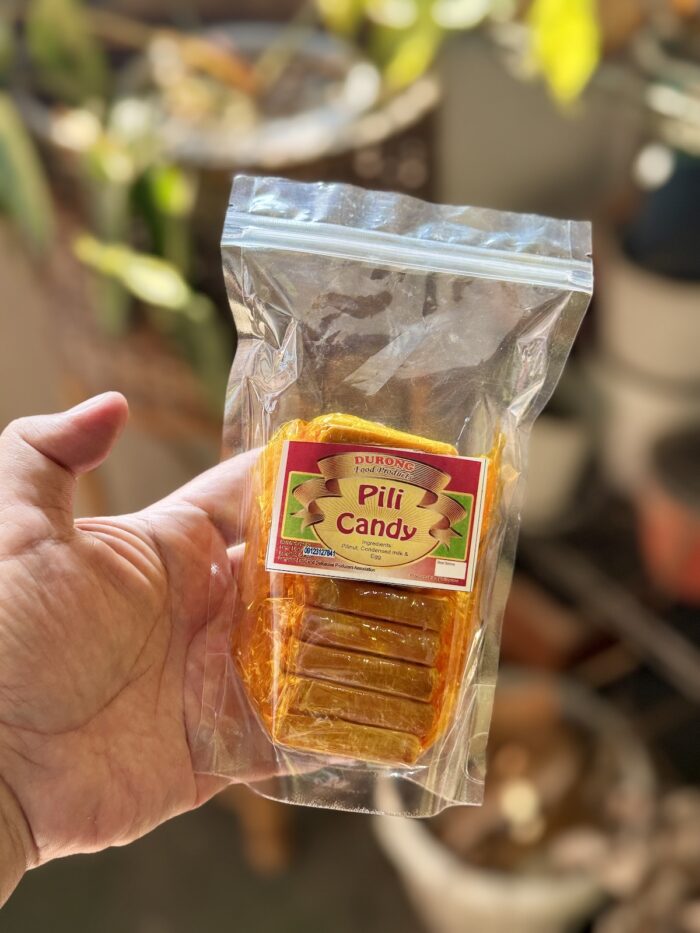
Pili candy is one of the lesser-known local treats you may encounter when exploring Sampaloc, Quezon, where native delicacies are closely tied to the town’s food traditions. Sampaloc is known for its variety of local food products and delicacies, though reliable published sources that specifically document a distinct Sampaloc-style pili candy are limited.
The main difference between Sampaloc pili candies and those associated with Bicol lies in the culinary context and preparation, not the nut itself. Bicol is widely recognized for pili nut candies, usually made by coating roasted pili nuts with caramelized sugar or other sweet mixtures.
A Sampaloc version is a small-batch, homegrown delicacy that reflects Quezon’s tradition of making native sweets and snacks for local consumption. If you are writing about a specific Sampaloc vendor or recipe, highlight its actual ingredients and preparation method rather than claim a difference that cannot be independently verified.
Buri Products
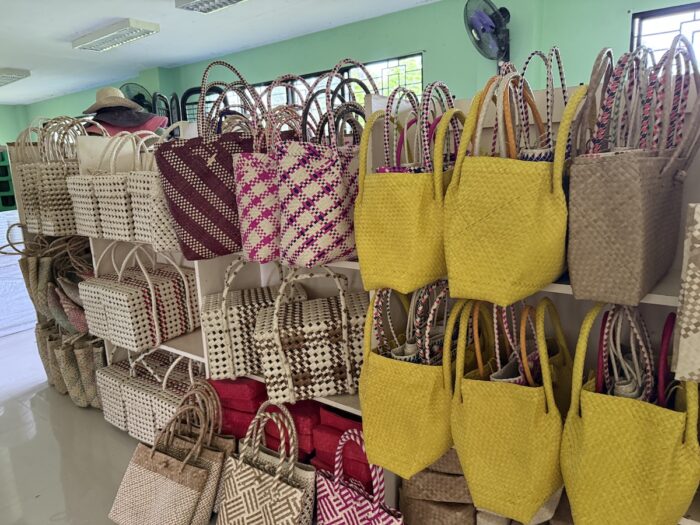
Buri is closely associated with Sampaloc’s local livelihood and handicraft tradition.
Local artisans use buri to create bags, baskets, accessories, and other products.
Look for locally made buri items during festivals or community events. They make practical souvenirs while supporting local producers.
Where to Eat in Sampaloc
Sampaloc has a modest dining scene, with local eateries and family-run food establishments serving everyday Filipino meals.
Some places to look for include:
- Dangkal’s Panciteria, a local panciteria serving noodle dishes and Filipino food.
- Lumilan Food-House, located along Quezon Avenue.
- Gigi’s Food House, another option along Quezon Avenue.
- KAP’S, located along the Sampaloc-Mauban Road.
Small local restaurants may change their operating hours, menu, and availability, so confirm locally before visiting.
Where to Stay in Sampaloc, Quezon
Accommodation in Sampaloc is more limited than in larger nearby destinations.
Travelers can look for local homestays, transient accommodations, and small properties within the municipality.
Another practical option is to stay in nearby Lucban and use the town as your base for exploring Sampaloc.
Possible accommodations in the surrounding area include:
- Patio Rizal Hotel in Lucban
- Batis Aramin Resort and Hotel in Lucban
- Casa Villaseñor Hotel in Lucban
- Balai Banahaw Vacation Farm and Private Resort
If you want to experience Sampaloc early in the morning and stay late into the evening, look for accommodation within the municipality itself.
Suggested 2-Day Sampaloc, Quezon Itinerary
Day 1: History, Heritage and Cinema
7:00 AM -> Leave Manila early.
10:00 AM -> Arrive in Sampaloc and have breakfast.
11:00 AM -> Explore the town proper and photograph local streets and heritage buildings.
12:30 PM -> Have lunch at a local panciteria or food house.
2:00 PM -> Visit heritage attractions such as Torre ng Abcede and the Spanish Arc area, subject to local access.
4:00 PM -> Explore rural communities and countryside roads.
5:30 PM -> Return to town and enjoy the late afternoon.
7:00 PM -> Have dinner and explore the town.
If a Sine Sampaloc screening is taking place, attend the community film program.
Day 2: Food, Nature and Local Life
7:00 AM -> Have breakfast.
8:00 AM -> Explore rural Sampaloc.
10:00 AM -> Visit local food vendors or craft sellers.
11:00 AM -> Shop for buri products and local delicacies.
12:00 PM -> Have lunch.
1:30 PM -> Continue exploring nearby cultural or natural attractions.
3:00 PM -> Stop for coffee or merienda.
4:00 PM -> Begin the journey back to Manila.
For a longer trip, add Lucban, Tayabas, or Mauban to the itinerary.
How to Get to Sampaloc, Quezon
From Manila by Private Car
Driving is the easiest way to explore Sampaloc because you can stop at rural communities, restaurants, and heritage attractions along the way.
From Metro Manila, take the appropriate southbound route toward Laguna and Quezon, then continue toward the Lucban-Sampaloc area.
Travel time varies depending on traffic, weather, and your starting point. Give yourself several hours rather than relying on an exact arrival time.
Use a navigation app on the day of your trip because recommended routes and road conditions can change.
From Manila by Public Transportation
Public transportation requires more planning.
One practical option is to travel to Lucban or another nearby Quezon transport hub first, then take local transportation to Sampaloc.
Depending on your starting point, you may find buses, vans, jeepneys, and tricycles.
Ask the conductor or terminal staff about the latest route to Lucban and Sampaloc. Once you arrive, confirm the current local transport schedule and fare before boarding.
Practical Travel Tips for Sampaloc
Start Early
Leave Manila early, especially on weekends. Traffic can significantly increase travel time.
Bring Cash
Carry enough Philippine pesos for food, transportation, entrance fees, and small purchases. Some establishments may not accept cards or e-wallets.
Wear Comfortable Shoes
Some attractions and rural areas may require walking on uneven roads or paths. Comfortable footwear is essential.
Bring Sun Protection
Pack sunscreen, a hat, and drinking water if you plan to explore outdoors.
Ask Before Taking Photos
Sampaloc is a living community. Ask permission before taking close-up photos of residents, vendors, and private properties.
Respect Film Locations
Some movie-related locations are private properties or active community spaces. Do not enter restricted areas without permission.
Check Local Events
Sine Sampaloc and other community events can add another dimension to your visit. Check local announcements before traveling.
Combine Sampaloc With Lucban
Lucban is a natural addition to a weekend in Quezon. You can combine food, heritage, crafts, and countryside experiences into one road trip.
Is Sampaloc, Quezon Worth Visiting for a Weekend?
Sampaloc is a good destination for travelers who enjoy small-town culture, local food, heritage, photography, and independent cinema.
The experience is less about ticking off a long list of attractions and more about discovering the community’s character.
Walk around town. Try local food. Talk to vendors. Explore the countryside. Visit heritage structures. Watch a community film screening if one is scheduled.
Sampaloc’s growing connection with cinema also gives the municipality a distinctive identity. Film productions have brought actors and crews into the community, while local residents have found opportunities through accommodation, food, transportation, and production-related services.
For travelers seeking a quieter Quezon itinerary, Sampaloc offers a refreshing weekend experience that blends culture, food, countryside scenery, and cinema.
Frequently Asked Questions About Sampaloc, Quezon
1. Where is Sampaloc, Quezon located?
Sampaloc is a municipality in Quezon Province, south of Metro Manila and near Lucban, Tayabas, and Mauban. It is an upland municipality surrounded by agricultural areas, forested landscapes, rivers, and rural communities. The town is accessible by road from Manila and makes for a great weekend destination. Travelers can also combine Sampaloc with nearby Lucban and other Quezon municipalities for a longer road trip.
2. What are the best things to do in Sampaloc, Quezon?
Top things to do in Sampaloc include exploring the town proper, visiting heritage structures, discovering the Spanish Arc Bridge, seeing Torre ng Abcede, photographing rural landscapes, trying local food, and learning about the town’s film culture. Travelers interested in independent cinema should also check whether Sine Sampaloc is taking place during their visit. The surrounding countryside offers more photo opportunities and a more relaxed way to explore.
3. Is Sampaloc, Quezon good for a weekend trip?
Sampaloc works well for a two-day trip, especially for travelers who prefer destinations focused on culture, food, heritage, and countryside experiences. A weekend gives you enough time to explore the town, visit selected heritage attractions, try local dishes, and discover the surrounding rural areas without rushing. Travelers coming from Manila should leave early because traffic can make the journey longer. You can also combine the trip with a visit to Lucban or another nearby destination in Quezon.
4. What food should I try in Sampaloc, Quezon?
Pancit is one dish you should look for during a Sampaloc trip. Pancit guisado also has an interesting connection to the filming of Magellan, as Lav Diaz recalled that Gael García Bernal enjoyed the dish while staying in the area. Pancit habhab is another Quezon specialty worth trying, particularly if you visit nearby Lucban. Local kakanin and homemade merienda are also worth looking for from community vendors.
5. Where should I stay when visiting Sampaloc?
Accommodation within Sampaloc is more limited than in nearby Lucban, so travelers should check available homestays, transient accommodations, and small local properties before the trip. Staying in Lucban provides another practical option, especially for travelers who want more accommodation choices. Hotels and resorts in the Lucban area can serve as a base for exploring both towns. For a more immersive Sampaloc experience, staying within the municipality gives you easier access to the town early in the morning and in the evening.
6. How do I get to Sampaloc, Quezon from Manila?
The most convenient way to reach Sampaloc from Manila is by private vehicle, which lets you explore attractions outside the town center. Public transportation is also available by traveling to Lucban or another nearby transport hub, then taking a local jeepney, van, or tricycle to Sampaloc. Routes and schedules may change, so confirm transportation details at the terminal before departure. Allow several hours for the trip from Metro Manila and avoid scheduling activities too close to your expected arrival time.
7. Why is Sampaloc associated with Lav Diaz?
Lav Diaz has spent considerable time in Sampaloc and has used the municipality’s landscapes as settings for several film projects. His connection with the town developed through filmmaking, and he eventually established a deeper relationship with the community. His projects helped bring attention to Sampaloc’s rivers, forests, hills, and rural landscapes. Filming Magellan also brought international actors and production personnel to the municipality.
8. What is Sine Sampaloc?
Sine Sampaloc is a community-focused film festival and cultural initiative that brings independent cinema, screenings, workshops, and filmmaking activities to the municipality. The program gives residents and students opportunities to engage with filmmaking and film appreciation. It also highlights the connection between cinema and local tourism. During the festival, visitors in Sampaloc can experience screenings and community activities that differ from conventional commercial film events.
9. When is the best time to visit Sampaloc, Quezon?
The best time depends on what you want to do. Travelers planning to explore the countryside should start early in the morning or head out again in the late afternoon,n when temperatures are generally more comfortable. Those interested in cultural events should check the municipal calendar before planning their trip. The Bulihan Festival takes place around the town fiesta period in April, while Sine Sampaloc activities are scheduled separately. Always verify event dates before traveling because schedules can change.
10. Can I combine Sampaloc with other Quezon destinations?
Yes. Sampaloc is easy to include in a longer Quezon itinerary. Lucban is one of the most convenient additions because of its proximity, food culture, heritage attractions, and accommodation options. You can also continue on to Tayabas or Mauban, depending on your route and available time. A road trip allows you to explore smaller communities along the way. For a relaxed experience, avoid packing too many destinations into one day and allow time for food stops and unexpected discoveries.
Follow and subscribe to OutofTownBlog.com on Facebook , Twitter, Instagram, Pinterest, and YouTube for more Travel-related updates.
Read:
- Pahiyas Festival: A Colorful Celebration of Harvest and Faith in Lucban, Philippines
- Malinaw Spring Resort in Lucban, Quezon
- Top 7 Tourist Spots in Lucban, Quezon + Things to do