

 Team Out of Town
12 Famous Tourist Traps That Are Actually Worth Your Time
The term “tourist trap” often carries a negative reputation. It usually describes a popular attraction packed with visitors, surrounded by souvenir shops, restaurants, and tour operators, and sometimes marked by higher prices. For travelers who prefer quiet neighborhoods and lesser-known destinations, these places can seem easy to dismiss.

Tourist Traps That Are Actually Worth Visiting
However, popularity does not automatically make an attraction a bad experience.
Some of the world’s most famous landmarks became popular because they genuinely offer something memorable. Their crowds, commercial surroundings, and higher prices may require patience and planning, but the experience can still be worthwhile.
From ancient landmarks and spectacular viewpoints to iconic city attractions, these 12 tourist traps deserve a place on your travel itinerary.
1. Eiffel Tower, Paris, France
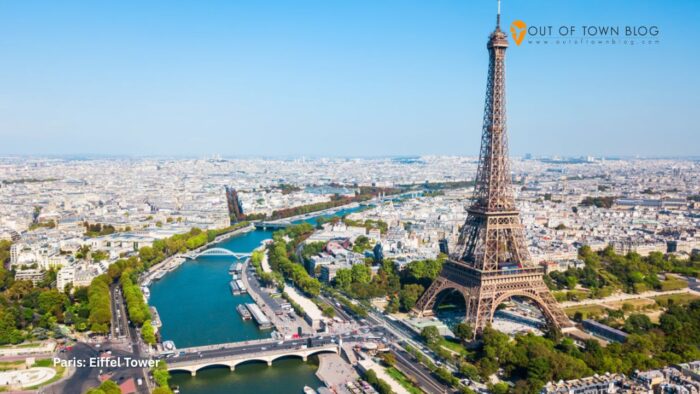
The Eiffel Tower in Paris can feel like a classic tourist trap, especially during peak season. Expect long lines, crowded viewing platforms, security checks, and higher prices for nearby food and drinks. The area around the tower also attracts souvenir sellers and busy tour groups, which can make the experience feel commercial.
Yet the Eiffel Tower is still worth visiting because it remains one of the world’s most recognizable landmarks and an essential part of the Paris experience. Seeing the tower up close gives you a better appreciation of its scale, ironwork, and engineering.
You can climb the stairs or take the elevator to enjoy panoramic views of Paris, including the Seine, Arc de Triomphe, and Sacré-Cœur. The tower also looks spectacular from Trocadéro and nearby streets, especially around sunset and after dark when its lights sparkle. For first-time visitors, the Eiffel Tower remains a memorable highlight of Paris.
2. Times Square, New York City, USA
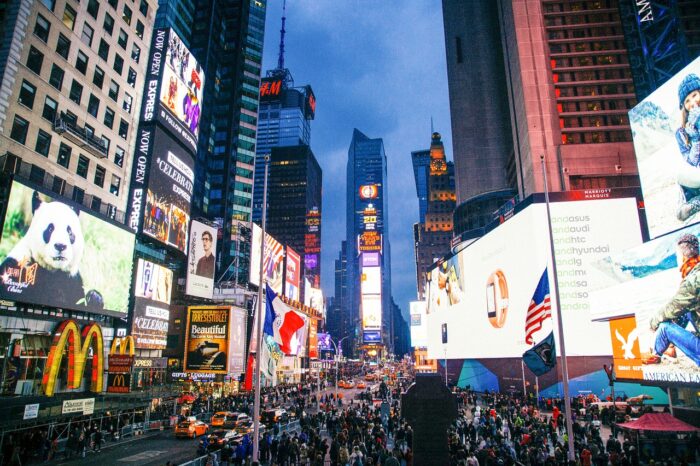
Times Square is crowded, commercial, noisy, and undeniably touristy. It is also one of the places that defines New York City for millions of travelers.
The giant digital billboards, Broadway theaters, street performers, taxis, and constant flow of people create an atmosphere that is difficult to replicate elsewhere.
You do not need to spend hours here. Walk through Times Square, take a few photographs, explore Broadway, and continue toward nearby attractions.
Visit after sunset when the illuminated signs create the classic Times Square scene. Keep your belongings secure and be cautious around aggressive street performers or unofficial ticket sellers.
3. Venice Canals, Venice, Italy

Venice is one of Europe’s most heavily visited destinations, and its narrow streets can become extremely crowded. Gondola rides can also be expensive compared with other forms of transportation.
Still, Venice’s canals are worth experiencing.
The city’s architecture, bridges, waterways, and historic buildings create a landscape unlike almost anywhere else. Even walking beside the canals can become a memorable part of your trip.
If you want to experience Venice without spending a fortune on a gondola, use the city’s public water buses for a scenic ride along the Grand Canal. Visit popular areas early, then spend time exploring quieter streets away from the main tourist routes.
4. Hollywood Walk of Fame, Los Angeles, USA

The Hollywood Walk of Fame has its share of criticism. Hollywood Boulevard can feel chaotic, and the area around the attraction is highly commercialized.
For movie and entertainment fans, however, the attraction remains significant.
More than 2,700 stars stretch along Hollywood Boulevard and Vine Street, honoring figures from the entertainment industry. The nearby TCL Chinese Theatre adds another famous Hollywood landmark to the experience.
Combine your visit with the Dolby Theatre, Hollywood Sign viewpoints, and other attractions in the area. A few hours can be enough to cover the main sights.
5. Santorini’s Oia, Greece
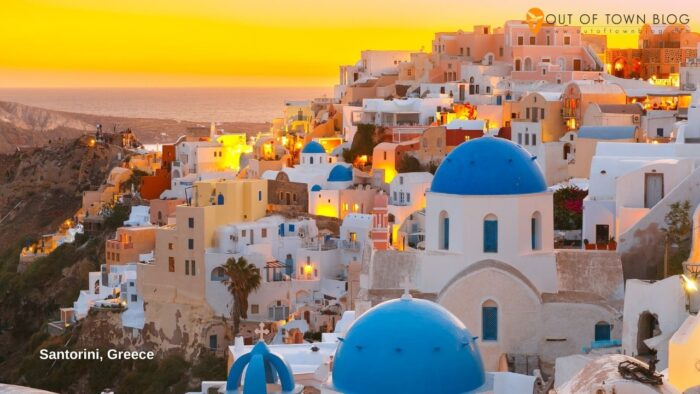
Oia has become one of the world’s most recognizable travel destinations thanks to its whitewashed buildings, blue-domed churches, and dramatic views over the Aegean Sea.
It is also one of the busiest parts of Santorini.
During peak periods, popular viewpoints can become crowded, especially around sunset. Hotels and restaurants with famous caldera views can also command premium prices.
Despite this, Oia remains spectacular. Its architecture and location make it genuinely photogenic, and watching the sun set over the Aegean is a memorable experience.
Visit early in the day to explore the village before the largest crowds arrive. If you want a quieter sunset, consider viewpoints outside the busiest central areas.
6. The Colosseum, Rome, Italy

The Colosseum is one of Rome’s most visited attractions, and the crowds can be substantial. The surrounding area also features plenty of restaurants, souvenir vendors, and tour operators.
That does little to diminish the historical importance of the ancient amphitheater.
Standing inside the Colosseum gives you a tangible connection to ancient Rome. The scale of the structure is difficult to fully appreciate in photographs.
Book your admission in advance and consider visiting early in the morning. Pair the Colosseum with the Roman Forum and Palatine Hill to make the most of your time in the area.
7. The Great Wall of China

The Great Wall is one of those attractions that can feel almost too famous to be surprising. Yet its enormous scale makes an in-person visit worthwhile.
Several sections of the wall are accessible to travelers, each offering a very different experience. Some are heavily developed and crowded, while others provide a quieter experience with more challenging terrain.
Mutianyu is a popular option for travelers based in Beijing. The section offers mountain scenery and restored stretches of the wall.
Wear comfortable shoes, bring water, and allow plenty of time. The terrain includes steep stairs, so preparation makes a significant difference.
8. The Little Mermaid, Copenhagen, Denmark

The Little Mermaid statue is small. Really small.
That has led many visitors to joke that the attraction does not live up to the hype. However, its cultural significance and waterfront setting make it worth a quick stop.
Inspired by Hans Christian Andersen’s famous fairy tale, the statue has become one of Copenhagen’s best-known landmarks.
Do not build an entire afternoon around it. Instead, include it during a walk along Langelinie and combine it with nearby attractions such as Kastellet and the Gefion Fountain.
9. Fisherman’s Wharf, San Francisco, USA
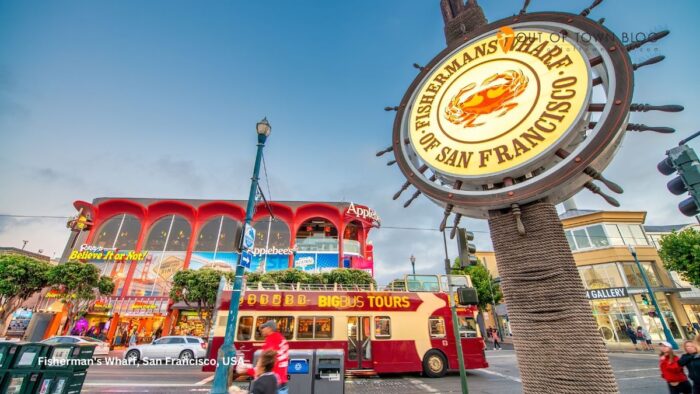
Fisherman’s Wharf is one of San Francisco’s most tourist-oriented districts, filled with souvenir shops, restaurants, attractions, and large crowds.
It is also an easy place to experience several classic San Francisco sights in one visit.
Head toward Pier 39 to see the famous sea lions, enjoy waterfront views, and browse the shops. You can also find clam chowder served in sourdough bread bowls, a San Francisco favorite among visitors.
The area works particularly well for first-time visitors because several attractions are within walking distance.
10. Dubai Mall and Burj Khalifa, Dubai, UAE

Dubai has built a reputation around extravagant attractions, and the Burj Khalifa is perhaps the clearest example.
The tower’s observation decks provide expansive views across Dubai, including the city’s skyscrapers, highways, desert landscape, and coastline.
The neighboring Dubai Mall is another destination in itself, with hundreds of stores, restaurants, entertainment attractions, and the Dubai Aquarium.
Yes, the complex is heavily visited. But the scale of both attractions is part of the experience.
Book observation deck tickets in advance, especially if you want to visit around sunset.
11. Niagara Falls, Canada and USA
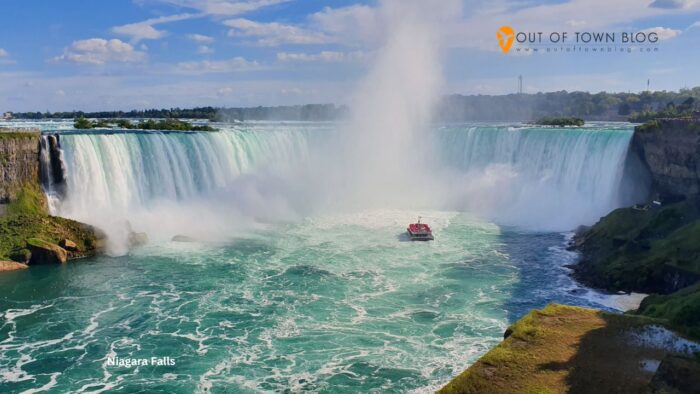
Niagara Falls has everything associated with a major tourist destination: hotels, restaurants, souvenir shops, attractions, and large crowds.
The waterfalls themselves, however, are genuinely impressive.
The enormous volume of water rushing over the falls creates a spectacle that photographs cannot fully capture. Visitors can experience the falls from viewing areas, boat tours, walking trails, and observation points.
Give yourself enough time to see the waterfalls from different perspectives. Visiting early or later in the day can also help you avoid some of the busiest periods.
12. Mount Fuji, Japan

Mount Fuji has become one of the world’s most photographed destinations, particularly around popular viewpoints in the Fuji Five Lakes region.
Social media has amplified its popularity, with travelers visiting locations such as Lake Kawaguchiko and the famous Chureito Pagoda for postcard-perfect views.
The scenery is worth the trip, especially when the weather provides a clear view of the mountain.
Plan around the weather rather than simply choosing a convenient date. Clouds can completely obscure Fuji. Early mornings often provide better visibility and softer light for photography.
How to Enjoy a Tourist Trap Without the Hassle
A popular attraction does not have to become a frustrating travel experience. A little planning can make a major difference.
Visit at strategic times. Early mornings, late afternoons, and shoulder seasons often have fewer visitors than peak hours.
Book ahead when necessary. Major attractions frequently use timed-entry systems. Advance reservations can save you from long queues and sold-out tickets.
Stay aware of tourist pricing. Research admission fees, transportation costs, and typical restaurant prices before you arrive.
Explore beyond the main attraction. Many famous landmarks sit near interesting neighborhoods, museums, parks, markets, and local restaurants.
Set realistic expectations. A popular attraction will probably be crowded. Accepting that reality can help you focus on the experience itself.
Know when to move on. You do not need to spend half a day at every famous landmark. See the attraction, take your photographs, experience what makes it special, and continue exploring.
Why Some Tourist Traps Are Still Worth Visiting
Calling an attraction a tourist trap does not automatically make it overrated. Some places attract large numbers because they offer something genuinely distinctive.
The Eiffel Tower represents Paris. The Colosseum connects visitors with ancient Rome. The Great Wall demonstrates the enormous scale of China’s historic fortifications. Mount Fuji remains one of Japan’s most recognizable natural landmarks.
The better approach is to understand what you are visiting, plan around the crowds, manage your budget, and decide how much time the attraction deserves.
Sometimes, the famous place really is worth seeing.
Want more Updates? Please follow #TeamOutofTown on Facebook, Twitter, Instagram, and Pinterest for more travel ideas.
Read: