

 Melo Villareal
A Food Lover’s Guide to Tawi-Tawi: Discover the Islands Through Flavor
Beyond the attractions, what truly made our Tawi-Tawi trip unforgettable was the food. Determined to make the most of our short stay, we skipped the hotel breakfast on our second day and headed out early to look for local breakfast spots. We asked our BARMM host to take us to a simple neighborhood eatery where locals usually start their day. The place was unassuming but warm and lively, filled with the aroma of freshly cooked dishes and the gentle buzz of morning conversations. Here are some of my favorite food experiences in Tawi-Tawi that you might want to try soon as well!

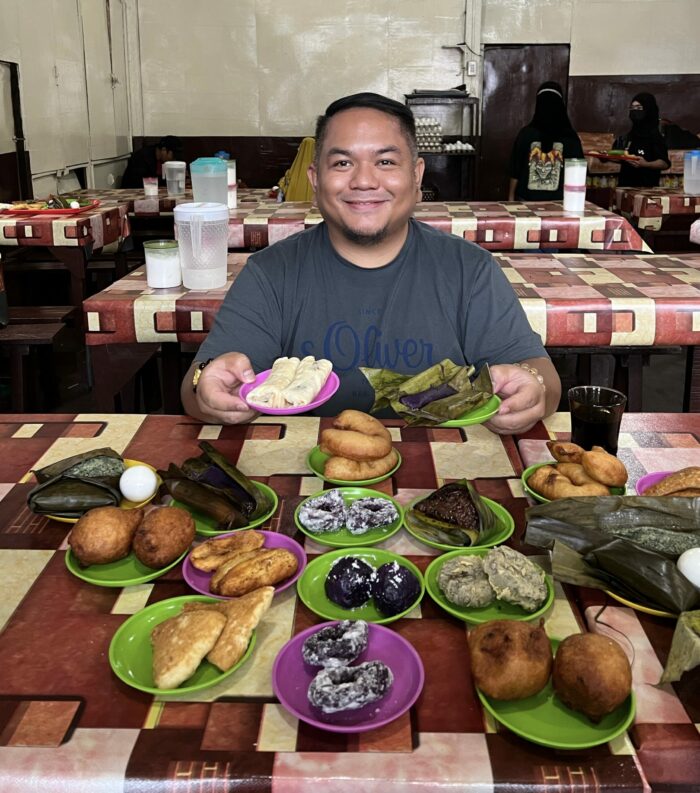
Intro to Tawi-Tawi’s kakanin at Sameera Coffee Shop
We visited Sameera Coffee Shop, a well-known all-day breakfast spot celebrated for its freshly brewed coffee, pastries, and traditional kakanin (rice cakes). Once we settled into our seats, a server arrived with a generous tray brimming with local delicacies – soft donuts, vibrant rice cakes, and sweet bananas. Each plate is priced at only P12, while a cup of coffee costs just P13. Once you are done eating, you simply pay for what you ate, so it’s easy to try a variety of items. Here are some of what we enjoyed at Sameera:

Wadjit – Tawi-Tawi’s take on the beloved biko, Wadjit is a deeply comforting rice cake simmered slowly in rich coconut milk and dark, caramel-like brown sugar. What sets it apart is its use of brown rice, giving it a heartier texture and a subtle nutty depth. Each bite is sticky, warm, and indulgent, with a natural sweetness that feels both rustic and soulful.
Apam – This native pancake is light, fluffy, and gently sweet, often enjoyed during breakfast or as a mid-day snack. Cooked until golden and tender, Apam has a soft, pillowy texture that melts in your mouth. It’s simple, homey, and comforting—best paired with coffee or tea.
Tsikalang (or Tabid-tabid) – These vibrant purple treats are made from glutinous rice that is rolled, fried, and crisped to perfection. Chewy on the inside and lightly crisp on the outside, Tsikalang offers a delightful contrast of textures, with a subtle sweetness that makes it dangerously addictive.

Palikambing is a delightful street-side indulgence—golden, plump banana fritters shaped like little donuts, crisp on the outside and irresistibly soft at the center. Made from sweet, ripe bananas, each ball is fried until perfectly caramelized, releasing a warm, fruity aroma that’s impossible to ignore. What truly elevates it is the generous drizzle of silky caramel sauce, which seeps into every crevice, adding a buttery richness to its natural sweetness. Sticky, comforting, and wonderfully nostalgic, Palikambing is the kind of treat that feels like a warm hug in dessert form.

Junai (or Junay) – This striking rice dish is cooked in tiula itum, a deeply aromatic broth made from burned coconut, giving it its signature dark hue and smoky fragrance. As the rice slowly absorbs the broth, it becomes richly infused with layers of earthy, slightly sweet, and savory notes. The result is a bold, comforting dish with a hauntingly beautiful flavor—smoky, warm, and deeply rooted in tradition. Each spoonful feels like a taste of history, evoking the hearth, the sea, and the quiet rituals of island life.

Pitis Patani – This delicacy is a striking purple rice cake made from glutinous rice and naturally tinted purple. At its center is a generous filling of bukayo, or sweetened coconut strips, which add a rich, chewy sweetness that contrasts with the soft, sticky rice. A beloved Tausug treat, it is commonly served in coffee shops around downtown Jolo, in Tawi-Tawi, and at Tausug Café in Zamboanga City, where locals enjoy it with hot coffee or tea. Pitis Patani is also a staple at special gatherings and celebrations, such as weddings, birthdays, and other important family occasions, symbolizing warmth, hospitality, and shared joy.

Daral – This beloved Tausug delicacy is a bundle of sweetness, wrapped in a thin, silky rice-flour wrap that gently cradles a rich coconut filling. The inside is soft, fragrant, and lightly caramelized, with the natural sweetness of grated coconut and sugar melting together in perfect harmony. Each bite is tender and comforting, offering a subtle chew followed by a burst of warm, tropical flavor. Daral is often enjoyed during special occasions, making it not just a treat but a symbol of celebration and togetherness.
Pangi-Pangi – These golden, fried dough loops are as playful in shape as they are in flavor. Crisp on the outside and airy on the inside, Pangi-Pangi is lightly sweet, with a satisfying crunch that gives way to a soft, fluffy center. Fried to a perfect golden brown, they carry a warm, toasty aroma that makes them impossible to resist. Simple yet addictive, Pangi-Pangi is the kind of snack that invites you to reach for just one more.
 Pan Pan – Tausug Mung Beans Fritters
Pan Pan – This humble yet deeply satisfying treat is a mung bean fritter, crisped to golden perfection on the outside while remaining soft and comforting on the inside. Made from mashed mung beans blended into a smooth batter, Pan Pan carries a gentle earthiness, is lightly sweet, and is wonderfully nutty. As it fries, it develops a delicate crunch that gives way to a warm, creamy center. Simple, nourishing, and quietly indulgent, Pan Pan is the kind of snack that feels both rustic and soul-soothing—perfect with a cup of coffee or enjoyed on its own.

Putli Mandi is a popular traditional delicacy in Tawi-Tawi, especially among the Sama-Bajau and Tausug communities. It is a sweet rice cake made from glutinous rice flour, shaped into small balls, and filled with sweetened grated coconut or brown sugar. These are boiled until soft, then coated with freshly grated coconut. Putli Mandi is soft, chewy, and mildly sweet, making it a favorite snack during gatherings, celebrations, and family occasions.

Baulu (or Baulo) – This soft, fluffy pastry is similar to mamon, known for its light, airy texture and gentle sweetness. What makes Baulu special is its charming presentation—it is molded into small, decorative, bite-sized shapes that are both visually appealing and delightful to eat. Often served during special occasions, Baulu is enjoyed as a simple yet comforting treat that pairs well with coffee or tea.
Panganan – Panganan is a traditional local snack resembling a pretzel in shape and crunch. It is made from roasted rice or powdered corn mixed with syrup, then carefully shaped and fried in oil until golden and crisp. The result is a slightly sweet, nutty-flavored snack with a satisfying crunch, perfect for casual munching or sharing with family and friends.
Seafood and Satti Experience
On our very first night in Tawi-Tawi, we were warmly welcomed with a special dinner at the Governor’s house, an experience that felt both intimate and unforgettable. Among the many local delicacies served, one that truly stood out was fried kamun, also known as the sea mantis.
This rare crustacean is notoriously difficult to catch, which makes it a prized and expensive treat. Though it may not have the glamorous appearance of a lobster, its flavor more than makes up for it—rich, sweet, and incredibly satisfying. Honestly, I found it far more delicious than lobster, and I would choose it over lobster any day.


We found ourselves back at Sameera Coffee Shop on our third day, unable to resist its cozy charm and inviting aroma. This time, beyond the tempting tray of colorful pastries, we decided to try their version of Chicken Satti. The dish arrived freshly grilled, the chicken smoky and tender, with a slight char that added depth to its flavor.
It was served alongside warm puso rice, neatly wrapped and perfect for soaking up the sauce. The vibrant red, spicy sauce was bold and rich, with just the right balance of heat and savoriness, making every bite irresistibly satisfying.

It wasn’t my first time tasting Satti—I had already fallen in love with it when I first tried it in Zamboanga, where it quickly became one of my favorite dishes. However, experiencing Tawi-Tawi’s version was a delightful surprise.
Though it was milder and less fiery, it still delivered the same comforting richness and depth of flavor. The gentler spice allowed the savory, smoky notes to shine through, making each bite just as satisfying in its own unique way.
Chinese Pier Walking Tour
After a hearty breakfast, we wandered toward the Chinese Pier, letting the morning breeze guide us to a small sari-sari store glowing with the promise of freshly cooked treats. There, we found Tabid—golden, crisp fried dough lovingly brushed with margarine and dusted with sugar, much like Bohol’s beloved Bicho.
We also tasted Pastil, a pastry shaped like an empanada, but filled not with meat—instead, delicate sotanghon noodles and savory chicken liver, creating a comforting blend of textures and flavors that felt both humble and unforgettable.


As we wandered through the lively Chinese Pier area, we were greeted by rows of small shops brimming with the bounty of the sea. The air was rich with the scent of salt and dried fish, while displays of fresh and sun-dried marine products lined the streets.
One of the most eye-catching was agal-agal, the local term for seaweed, neatly bundled and glistening in the light. Some stalls even showcased live sea mantis and lobsters, their shells shimmering with color.
Nearby, fishermen unloaded freshly caught octopus, sold for only 150 pesos per kilo. We stopped by another shop filled with various kinds of dried fish, each offering a glimpse into the island’s deep connection to the ocean.
Munching on martabak
After an hour of wandering through the lively maze of the Chinese Pier, our stomachs began to call for something warm and comforting. We followed the locals to one of their favorite morning haunts, where the scent of sizzling batter and spices drifted through the air—home to their beloved martabak.
In many Muslim cities, martabak takes the form of a folded omelet pancake, often kissed with spice and studded with bits of vegetables. Here, it is lovingly prepared as a pan-fried crepe: thin, delicate layers enveloping a savory filling of beaten eggs, finely chopped leeks, chives, scallions, and minced meat. Once cooked to golden perfection, it is folded, sliced into neat squares, and served hot—crispy at the edges, soft at the center, and bursting with flavor in every bite.

In other countries like Indonesia, martabak leans toward the sweeter side and is known as murtabak—thick, fluffy, and indulgent, often layered with sugar, butter, and condensed milk. But here in Tawi-Tawi, the martabak tells a different, heartier story.
Their version is unapologetically savory, generously packed with fillings like tender chicken, flaky sardines, or rich corned beef. Each bite is deeply satisfying, warm, and comforting, with flavors that linger.
We didn’t stop there. We also sampled Roti Jawah and Roti Kosong, two simple yet irresistible flatbreads. Soft, lightly crisped, and wonderfully fragrant, they were perfect on their own or paired with savory dips—proof that sometimes, the simplest breads can be the most memorable.
More snacks at Panglima Sugala
To bring our Tawi-Tawi food journey to a close, we made our way to the quaint coastal municipality of Panglima Sugala, home to the lively Saturday barter trade. Here, the rhythm of exchange—goods, stories, smiles—felt like a living museum of culture and tradition. After a day immersed in local life, we visited the serene Uppay Malik Rubber Farm, where we were treated to a taste of their robust Sulu coffee, deep and aromatic.
Paired with it was patulakan, a cherished Tausug confection made from pounded roasted rice, rich brown sugar, and delicate shreds of coconut, all wrapped in banana leaves and gently boiled. The combination was humble yet comforting—a snack that perfectly captured the warmth and simplicity of everyday life in Tawi-Tawi.


Our journey through Tawi-Tawi was made all the more unforgettable by the food that accompanied us every step of the way. Each meal felt like a quiet introduction to a new story, a new tradition—most of the dishes were unfamiliar to me, yet instantly comforting. What struck me most was how generously flavorful everything was, without ever being extravagant or costly.
I found myself especially enamored with their kakanin—soft, sweet, and steeped in nostalgia—treats I now long for in the bustle of Manila. For travelers who chase destinations through taste, Tawi-Tawi offers a feast of discovery. Its cuisine alone is reason enough to return.
How to get there
Tawi-Tawi is an island province in the Philippines located in the Bangsamoro Autonomous Region in Muslim Mindanao (BARMM). The capital of Tawi-Tawi is Bongao. Philippine Airlines now offers flights from Cotabato City to Tawi-Tawi.
The Cotabato-Tawi-Tawi flight schedule is every Monday and Thursday morning.
- PR 2487 Cotabato to Tawi-Tawi departs at 7:30 am
- PR 2488 Tawi-Tawi to Cotabato departs at 9:40 am
Don’t miss this chance to discover the unspoiled beauty of Tawi-Tawi through its scenic attractions and flavorful cuisine! Visit Tawi-Tawi and take advantage of these weekly fights to discover more unspoiled attractions in the Mindanao region!
Want more updates about new tourist spots in Tawi-Tawi, Philippines? Please follow #TeamOutofTown on Facebook, Twitter, Instagram, and Pinterest for more travel ideas.
Read:
- Travel Requirements to Tawi-Tawi
- The Philippine Department Of Tourism Supports Boosting ARMM Tourism In Tawi-Tawi
- Fly From Cotabato To Tawi-Tawi Via PAL And Explore These Underrated Destinations