

 Melo Villareal
MassKara Festival — The Ultimate Travel Guide to Bacolod’s Festival of Smiles
Bright masks. Thumping drums. Streets that feel like one big, happy theater. If you love colorful crowds, creative costumes, and irresistible local food, the MassKara Festival is one of the Philippines’ most joyful city festivals.
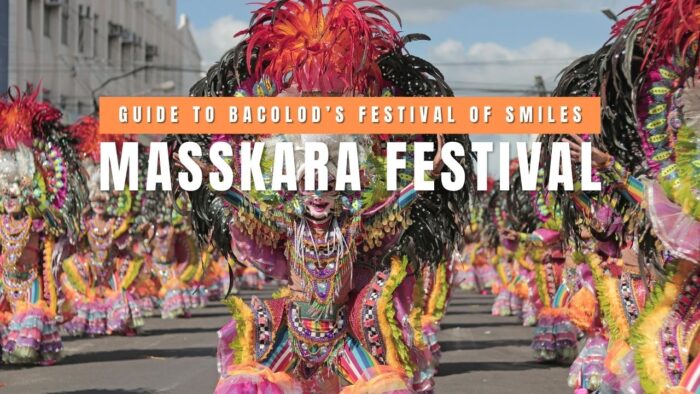
Travel Guide to Bacolod’s Masskara Festival
This guide covers everything a traveler needs: when to go, how to get there from Manila, what to do, where to sleep, and tips on safety and etiquette so you can enjoy the festival like a local.
What is the MassKara Festival?

MassKara, from ‘mass’ and the Spanish ‘cara’ meaning ‘face,’ began as a community celebration in the 1980s symbolizing hope, resilience, and unity among Bacolod City residents. Over the decades, it has become the city’s most prominent and eagerly anticipated annual event, taking place throughout October.
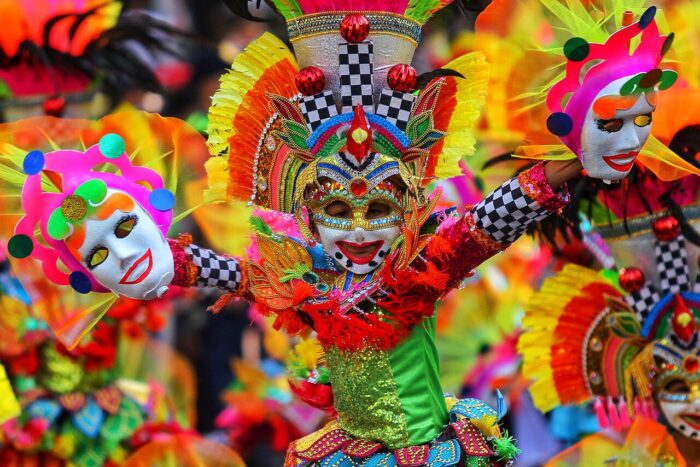
The festival is known for its vibrant atmosphere, with spectacular street and arena dance competitions that showcase local talent and culture. Participants and spectators join mask-making workshops to create the colorful masks that define the celebration. There are also live concerts by popular artists, bustling food fairs with local and international cuisine, and parades that fill the streets with energy.
Bacolod calls itself the “City of Smiles,” a nickname that captures the warmth, friendliness, and positive spirit of its people. During MassKara Festival weeks, this comes to life as the city transforms into a vibrant, joyful hub of community pride and celebration.

When is the festival celebrated?
MassKara is an October festival, with highlights traditionally on the third Sunday and multiple city events that week. Recent festival calendars, like the 2025 program, start activities earlier in October and focus on a “Highlight Weekend” in the third week. To catch the biggest spectacles, aim for that weekend.
Tip: The festival fills hotels fast. Book your rooms at least 2–3 months in advance for the highlight weekend.

How to get to Bacolod from Manila — transportation options
By air (fastest & most convenient)
Most travelers fly from Ninoy Aquino International Airport (Manila – MNL) to Bacolod–Silay Airport (BCD). Several Philippine carriers operate frequent direct flights between Manila and Bacolod, with many daily options during festival season. Flight time is about 1 hour 10 to 45 minutes, depending on the service.
From Silay Airport to Bacolod City proper, taxis, airport shuttles, and ride-hailing (Grab, where available) take roughly 20–40 minutes, depending on traffic.
By sea (slower, scenic, usually cheaper)
If you prefer an over-water journey, 2GO operates passenger ferries on routes including Manila–Bacolod, with journey times of 18-21 hours.
RoRo bus-and-ferry combinations also connect Luzon to the Visayas for budget travelers or those bringing vehicles. It is a long trip, but the ferry can be a memorable way to see the islands.+ sea (multi-leg)
Long-distance and RoRo buses run from Luzon to various Visayan ports, often including ferry crossings and taking a full day or more. This is the slowest option but works for travelers with extended itineraries or flexible schedules.

Getting Around Bacolod during Masskara
- Walk when you can. Many events are held along Lacson Street, the Public Plaza, and the Capitol grounds. City streets may be pedestrianized during events.
- Taxis and ride-hailing are plentiful, but expect longer waits and higher fares during peak parade times.
- Jeepneys and tricycles are cheap and local. Tricycles are great for short trips, but negotiate fares during festival season.
- Some hotels offer festival shuttles. Check for shuttle services when you book.
Activities to experience during Bacolod MassKara Festival
MassKara is more than just one parade. Here are can’t-miss experiences:
1. Grand Street Dancing & Arena Competitions
Color-coded groups of dancers in elaborate masks perform synchronized routines along a set route in the street parade and in the arena competition. Watching the choreography, costumes, and local team rivalries is the heart of the festival. Arrive early for a good spot.
2. Mask-making workshops & competitions
Local artists organize mask-making displays and hands-on workshops, offering a creative experience. Attendees can craft their own masks, learn from skilled artisans, and take home a souvenir.
3. Food festivals & Bacolod specialties
Don’t miss the famous Chicken Inasal, a local grilled chicken known for its marinade. Explore street snacks like fried bananas, skewered meats, sweet treats, and bakery delights. Visit bustling stalls, pop-up food markets, and the “Manokan Country” area for regional food.
4. Concerts, nightlife & the Electric MassKara
After-dark parties with live bands, electric displays, and light shows are a major festival attraction. The nightlife is energetic, with many opportunities to dance and enjoy the festivities after the parades.
5. Cultural shows, pageants, and local fairs
In addition to the main competitions, attendees can enjoy cultural performances, art fairs featuring local crafts, trade shows, and the MassKara Queen pageant.
6. Photo ops & people-watching
Lacson Street, the Capitol grounds, and the public plaza have many photogenic spots. Be mindful of etiquette and be respectful before taking close-up photos, as outlined below.
Where to stay in Bacolod City
During MassKara, location and convenience matter. Popular hotel zones include Lacson Street, the Capitol area, Downtown (close to parades, food spots, and the public plaza), or near SM City Bacolod and the business districts for mall access and chain hotels.
Recommended hotel types and areas (examples of popular hotels and neighborhoods; book early):
- Upscale/Comfort: Seda Capitol Central, L’Fisher Hotel. Good for easy access to parade routes and modern amenities.
- Mid-range: Park Inn by Radisson, Citadines Bacolod City. Central, reliable chains.
- Budget/Hostels/Pension houses: Pension Bacolod, small guesthouses near Lacson Street. Great for backpackers and last-minute stays.
Tip: Staying within a 10 to 20-minute walk of Lacson Street or Capitol Park will save you hours of festival traffic on highlight days.
Safety tips & cultural etiquette
Festivals are fun, but crowds, heat, and excitement require some common-sense care.
Safety basics
- Keep valuables secure. Use a money belt or anti-theft bag. Pickpocketing can happen in crowded parades.
- Carry cash. Street vendors and small stalls often don’t accept cards; ATMs can be busy or run out during peak days.
- Stay hydrated and sun-safe. October can be hot. Sunscreen, a hat, sunglasses, and refillable water are essential.
- Have a meeting point. If you travel with friends, agree on a visible landmark to regroup if phones die or the network is congested.
- Book transport early. Taxis and rideshares surge during highlight events, so pre-book pickups when possible.
Cultural etiquette
- Ask before taking close-up photos of people. Many performers and vendors are happy to be photographed, but ask first. It’s polite.
- Respect performers’ space. Don’t touch or grab masks and props during performances.
- Support local vendors fairly. Haggling is common, but be fair. Vendors rely on festival income.
- Wear a smile. Negrenses are famously warm and friendly. Politeness and gratitude go a long way.
Practical travel tips & planning checklist (conclusion)
MassKara is a joyful, sensory-packed event. With a little planning, you’ll have a smoother, more memorable trip. Here’s a compact checklist and final tips:
Book & plan
- Reserve flights and hotels 2 to 3 months in advance for the highlight weekend. Festival demand spikes room prices and flight fares.
- Buy event tickets, like arena seats or VIP stands, in advance where available. Street parades are free, but arena competitions may need tickets.
Packing essentials
- Pack breathable clothing, a hat, sunscreen, and comfortable walking shoes.
- Bring a reusable water bottle, power bank, small first-aid kit, and cash in small bills for vendors.
On-the-ground survival
- Arrive early for arena shows or the best street-viewing spots.
- Use hotel shuttles or walk when possible to avoid gridlock.
- Be festival-friendly: small tips, smiles, and polite camera etiquette. You’ll be welcomed.
MassKara is more than an event. It’s a community’s gift: a loud, colorful, warm-hearted invitation to celebrate resilience, artistry, and food. Come with curiosity, a good pair of shoes, and enough phone storage for photos. You’ll leave with a sore jaw from smiling and lasting memories.
MassKara Festival FAQ (Frequently Asked Questions)
1. What is the MassKara Festival?
The MassKara Festival is an annual cultural celebration held in Bacolod City, known for its colorful smiling masks, high-energy street dancing, music, and food fairs. It symbolizes resilience, optimism, and the joyful spirit of the Negrense people.
2. When is the MassKara Festival celebrated?
MassKara is celebrated every October, with the main events usually happening on the third weekend of the month. Festivities often run for several weeks, but the grand street dancing and arena competitions take place during the highlight weekend.
3. Where does the MassKara Festival take place?
The festival is held across major areas of Bacolod City, especially:
- Lacson Street
- Bacolod Public Plaza
- Capitol Park and Lagoon
- SM City Bacolod and surrounding venues
Each location hosts different events such as parades, concerts, food fairs, and cultural shows.
4. Why is Bacolod called the “City of Smiles”?
Bacolod earned its nickname for the smiling masks used in MassKara and its reputation for warm, friendly locals. The festival reinforces this identity by celebrating joy despite past economic hardships.
5. Is the MassKara Festival free to attend?
Yes, most street parades, concerts, and public events are free. However, arena dance competitions, VIP viewing areas, and special concerts may require tickets, which are best purchased in advance.
6. What are the main activities during the MassKara Festival?
Popular MassKara activities include:
- Grand street dancing parade
- Arena dance competitions
- Mask-making contests and exhibits
- Food festivals featuring Chicken Inasal
- Night concerts and Electric MassKara parties
- Cultural shows and beauty pageants
7. How do I get to Bacolod City from Manila?
You can reach Bacolod from Manila by:
- Plane – Direct flights to Bacolod–Silay Airport (fastest option)
- Sea travel – Overnight ferry services (budget-friendly but long)
- Bus + ferry – For adventurous travelers on extended trips
Flying is the most convenient, especially during festival season.
8. What should I wear to the MassKara Festival?
Wear light, breathable clothing suitable for hot and crowded conditions. Comfortable walking shoes are essential. Many visitors wear bright colors or even MassKara-themed outfits to blend into the festive atmosphere.
9. Is the MassKara Festival safe for tourists?
Yes, MassKara is generally safe, but like any large festival:
- Watch your belongings in crowded areas
- Stay hydrated and avoid heat exhaustion
- Follow crowd-control rules and local authorities
Bacolod locals are known to be welcoming and helpful to visitors.
10. Can families and children attend the MassKara Festival?
Absolutely. Daytime parades, cultural shows, and food fairs are family-friendly. Parents should supervise children closely during crowded events and nighttime concerts.
11. What food should I try during MassKara?
Must-try Bacolod food includes:
- Chicken Inasal
- Kansi (beef soup)
- Napoleones pastry
- Piaya (flatbread with muscovado filling)
Festival food stalls are perfect for sampling local flavors.
12. Where should I stay during the Bacolod MassKara Festival?
It’s best to stay near Lacson Street, the Capitol area, or downtown Bacolod for easy access to events. Hotels fill up quickly in October, so booking early is strongly recommended.
13. Do I need to book in advance for MassKara?
Yes. Flights, hotels, and arena tickets should be booked weeks or months ahead, especially if you plan to attend during the highlight weekend.
14. Is the MassKara Festival worth attending?
Definitely. MassKara is one of the most vibrant and joyful festivals in the Philippines, offering a unique mix of culture, music, food, and community spirit. It’s a must-see event for festival lovers and first-time visitors alike.
Bacolod Travel Tour Packages You Should Try
Follow and subscribe to OutofTownBlog.com on Facebook , Twitter, Instagram, Pinterest, and YouTube for more Travel-related updates.
Read: CENTURION FESTIVAL of General Luna, Quezon: History, Schedule, How to Go & What to Expect

