Melo Villareal
Say-am Festival in Apayao Province: A Celebration of Isnag Culture and Cordillera Heritage
The Say-am Festival is one of Apayao Province’s most significant cultural celebrations, bringing communities together to commemorate provincial history, celebrate Indigenous heritage, and showcase Isnag traditions. The festival gives visitors a chance to experience the province’s cultural identity through performances, community activities, food, sports, and local festivities.

Say-am Festival photo via DOT CAR
Located in the northern part of the Cordillera Administrative Region, Apayao is known for its mountains, rivers, forests, and relatively quiet tourism scene. The province has seven municipalities, each with its own cultural identity, local products, and attractions. Its landscapes and Indigenous traditions make it an interesting destination for travelers seeking experiences beyond the usual Philippine tourism circuit.
For travelers, Say-am Festival offers more than a celebration. It offers a glimpse into Apayao’s history, its people, and the cultural practices that continue to shape community life.
Visitors can combine festival activities with a journey through Apayao’s natural attractions, including caves, waterfalls, rivers, and limestone formations.
This guide covers the festival’s background, cultural significance, highlights, transportation, accommodation, tourist attractions, suggested itineraries, and practical travel tips.
What Is Say-am Festival?
Say-am Festival is a cultural celebration associated with Apayao’s history, Indigenous heritage, and community traditions.
The provincial celebration commemorates Apayao’s establishment as a separate province after its separation from Kalinga in 1995. The festival began in 1996 and has become a longstanding provincial tradition.
The celebration brings together the province’s seven municipalities:
- Calanasan
- Conner
- Flora
- Kabugao
- Luna
- Pudtol
- Santa Marcela
Representatives from these municipalities participate in activities that showcase their local identity, talents, traditions, and products.
Say-am Festival is particularly important because it connects provincial history with the cultural heritage of the Isnag people, also known as the Apayao people.
For visitors, it offers a chance to experience the province through its people rather than just its landscapes.
When Is Say-am Festival Celebrated?
The provincial Say-am Festival is traditionally held on Apayao’s founding anniversary, February 14.
Festival activities may begin before the anniversary and continue for several days or weeks, depending on that year’s official program. Celebrations have included sports competitions, cultural performances, parades, trade fairs, and other community activities.
Travelers should check the latest announcement from the provincial government before booking transportation and accommodation.
Say-am Festival versus Say-am Kabugao
Travelers should note that the provincial Say-am Festival and Say-am Kabugao are separate celebrations.
| Festival | Location | Usual celebration period |
|---|---|---|
| Provincial Say-am Festival | Apayao Province, with activities hosted in designated municipalities | Around February 14 |
| Say-am Kabugao | Kabugao, Apayao | June 23–25 |
Say-am Kabugao is a celebration held around the municipality’s founding anniversary, with activities designed to strengthen friendship, unity, and cooperation through shared food, trade fairs, sports, and talent competitions.
Visitors should verify which celebration they intend to attend before finalizing their travel plans.
The Cultural Significance of Say-am Festival
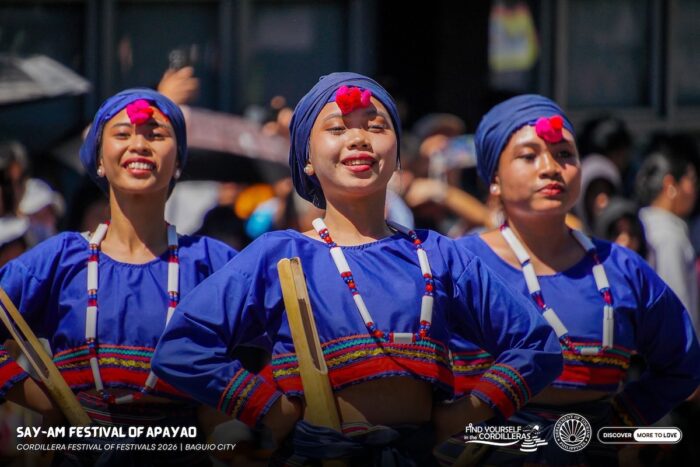
Say-am Festival is more than a provincial anniversary celebration. It reflects the Isnag people’s cultural identity, community relationships, and traditions.
The Isnag are among the Indigenous peoples of northern Luzon and have strong cultural ties to Apayao. Their traditions, environmental knowledge, and community practices are an important part of the province’s heritage.
Celebrating Isnag Heritage
The festival provides opportunities to showcase traditional music, dance, cultural performances, and local customs. These activities help preserve cultural knowledge and introduce younger generations and visitors to the community’s heritage.
For travelers, cultural performances offer a chance to appreciate Apayao’s traditions. However, visitors should remember that Indigenous culture is not simply a tourism attraction. It represents living traditions and community identity.
Respectful participation means listening to local guides, following event organizers’ instructions, and asking permission before photographing individuals or sacred activities.
Strengthening Community Relationships
Community participation is a key feature of Say-am Festival.
The celebration brings together residents, local government officials, community organizations, and representatives from different municipalities. Activities encourage cooperation, friendship, and provincial pride.
Visitors can see how the festival brings communities together through cultural presentations, shared activities, and public celebrations.
Preserving Traditions for Future Generations
Festivals help keep cultural traditions visible and relevant.
Through performances, traditional games, food, and community gatherings, residents can share their heritage with younger generations and visitors. These activities also provide opportunities for local artists, performers, and entrepreneurs.
Travelers who attend Say-am Festival can help preserve culture by supporting local businesses, buying authentic products, and respecting community traditions.
Say-am Festival Highlights and Activities
The provincial festival program changes each year. Activities documented in past celebrations provide a general idea of what visitors may experience, but travelers should confirm the current schedule before visiting.
1. Cultural Performances and Traditional Dances
Cultural presentations are among the most anticipated festival activities.
Performers may represent different municipalities and showcase dances, music, costumes, and artistic expressions connected with local traditions.
These performances give visitors an opportunity to learn about Apayao’s cultural identity and its Indigenous communities.
Some presentations may feature contemporary interpretations of traditional themes, while others highlight community heritage.
2. Street Dancing and Cultural Presentations
Previous provincial celebrations have included street dancing and dance competitions.
Participating groups may represent different municipalities and present choreographed performances inspired by local traditions, provincial history, and community identity.
The atmosphere can be lively, with colorful costumes, music, and enthusiastic spectators.
Check the official festival schedule to confirm whether street dancing is included in the edition you plan to attend.
3. Festival Parade and Floats
Parades give municipalities a chance to showcase their tourism products, cultural identity, and local achievements.
Photography enthusiasts may enjoy the parade because it brings together performers, local representatives, and festival displays.
Arrive early for a good viewing spot.
4. Agro-Industrial Trade Fair
Agricultural products and local industries are important parts of Apayao’s economy.
Festival trade fairs give local producers, farmers, entrepreneurs, and artisans opportunities to display their products.
Depending on the edition, visitors may find:
- Fresh fruits and vegetables
- Processed food products
- Local agricultural products
- Handicrafts
- Cottage industry products
- Planting materials
- Locally produced goods
These fairs also help travelers find local souvenirs and pasalubong.
5. Traditional Games
Traditional games and community competitions add to the festival’s cultural atmosphere.
These activities provide a glimpse into recreational practices and community traditions.
Visitors should check whether public participation is permitted or whether activities are intended exclusively for registered participants.
6. Sports Competitions
Sports competitions are another important component of the provincial festival.
The competitions promote camaraderie, teamwork, and friendly rivalry among participants from different municipalities.
Depending on the schedule, activities may include organized tournaments and community sporting events.
Sports events offer a good opportunity to see how the festival brings together residents from different parts of the province.
7. Talent Competitions and Cultural Nights
Talent competitions and cultural nights showcase local performers and community representatives.
These activities give residents opportunities to showcase their skills and creativity.
Visitors interested in local culture should look for evening performances in the official festival schedule.
8. Local Food and Community Gatherings
Food is central to community celebrations in Apayao.
Say-am Kabugao specifically highlights the sharing of food, known as sugnad, as part of its celebration of friendship and cooperation.
Visitors may encounter local dishes, food stalls, and community dining activities depending on the event program.
These gatherings offer opportunities to experience local hospitality and learn more about the province’s culinary traditions.
9. Beauty Pageants and Festival Competitions
Previous provincial Say-am celebrations have included Dayag ti Apayao, a beauty pageant and community competition.
The pageant may form part of the festival program, although its inclusion and schedule should be confirmed for the current edition.
10. Local Entertainment and Community Celebrations
Festival celebrations may also include concerts, entertainment, special programs, and public gatherings.
The lineup can vary depending on the organizers and annual program.
For travelers, these events provide opportunities to interact with residents and experience the lively atmosphere of a provincial celebration.
Apayao Province: Discover the Cordillera’s Last Nature Frontier
Apayao is one of the northernmost provinces of the Cordillera Administrative Region in Luzon.
It is known for its mountainous landscapes, forests, rivers, and biodiversity. The province is often described as the Cordillera’s Last Nature Frontier, highlighting its natural attractions and eco-tourism potential.
The province has seven municipalities, each offering different experiences for travelers.
| Municipality | Known for |
|---|---|
| Luna | Caves, waterfalls, rock formations, and adventure tourism |
| Kabugao | Isnag culture, provincial capital, and mountain scenery |
| Calanasan | Mountains, forests, and biodiversity |
| Conner | Agricultural products and fruit-growing areas |
| Pudtol | Rivers, historical ruins, and countryside attractions |
| Flora | Community festivals and agricultural activities |
| Santa Marcela | Local food, handicrafts, and agricultural products |
The province attracts travelers who enjoy outdoor adventures, cultural experiences, and nature-based tourism.
Best Tourist Attractions in Apayao
Consider extending your festival visit to explore some of Apayao’s natural and cultural attractions.
1. Lussok Crystal Cave and Underground River
Lussok Crystal Cave is one of Luna’s best-known natural attractions.
Located in Barangay Dagupan, the cave features limestone formations, clear waters, and an underground environment that makes it popular among nature lovers and adventure travelers.
Visitors may explore the surroundings and experience a scenic boat ride through the cave area, subject to local arrangements.
What to expect:
- Cave exploration
- Limestone formations
- Underground water scenery
- Boat rides, subject to local arrangements
- Nature photography
Visitors should contact the municipal tourism office before traveling to confirm operating conditions, entrance fees, guide arrangements, and accessibility.
2. Dupag Rock Formation
Dupag Rock Formation is a striking natural attraction in Luna, Apayao.
The site features limestone formations and rugged landscapes overlooking the surrounding countryside.
Outdoor enthusiasts who enjoy hiking, photography, and scenic views often visit.
Travel tips:
- Wear comfortable hiking shoes.
- Bring water and sun protection.
- Hire local guides when required.
- Avoid climbing restricted sections.
- Check weather and trail conditions.
The terrain can be challenging, so visitors should assess their fitness and follow local safety advice.
3. Bayugao Falls
Bayugao Falls is located in Barangay Turod, Luna.
The waterfall features cascading water and natural pools surrounded by greenery. It suits visitors who enjoy nature, photography, and outdoor relaxation.
Visitors should check the water conditions before swimming, particularly after heavy rainfall.
4. Villamor Falls
Villamor Falls is another natural attraction in Luna.
The falls offer a scenic setting with flowing water, rock formations, and greenery.
You can include it in a nature-focused itinerary around Luna, depending on road access and local conditions.
Visitors should confirm access arrangements and whether they need a local guide before departure.
5. Manacota Underground River
Manacota Underground River is another attraction for travelers interested in caves and subterranean landscapes.
The destination is part of the natural cave systems of Luna and offers an adventure experience for visitors.
Because access to the underground river involves natural terrain, visitors should arrange their trip through local tourism personnel and follow their instructions.
6. Maton River
Maton River is located in the Pudtol area and is known for its natural scenery.
The river features emerald-colored water, large boulders, and natural pools.
Depending on local conditions, visitors may enjoy sightseeing and nature photography.
Only undertake river activities where permitted and when conditions are safe. Avoid swimming during heavy rain or when water levels rise.
7. Nagan River
Nagan River is another natural attraction in Pudtol.
The river is known for its clear water and scenic surroundings. It offers a peaceful setting for travelers exploring the countryside.
Visitors should respect local environmental rules and avoid leaving waste along the riverbanks.
8. Gololan Falls
Gololan Falls is located in Kabugao.
The waterfall is surrounded by forest and is one of the natural attractions associated with the municipality’s mountainous terrain.
Because Kabugao lies in Apayao’s mountainous interior, visiting the falls may require extra travel time and local coordination.
9. Mataguisi Church Ruins
Mataguisi Church Ruins in Pudtol offers a glimpse into Apayao’s historical heritage.
The site features structures dating to the Spanish colonial period and remains an important historical attraction in the municipality.
Visitors interested in Philippine history can include the ruins in an itinerary exploring Pudtol’s historical and natural attractions.
10. Mount Sicapoo and Mount Kilang
Mount Sicapoo and Mount Kilang are mountain destinations associated with Calanasan, Apayao.
These mountains suit mountaineering and eco-tourism activities.
They suit experienced hikers and travelers who can arrange proper guides, permits, and equipment.
Don’t treat them as casual sightseeing stops. Mountain conditions can change quickly, and visitors should follow local safety recommendations.
How to Get to Apayao for Say-am Festival
Apayao is accessible by road from major cities in Northern Luzon. Travelers can reach the province through Tuguegarao City in Cagayan, Laoag City in Ilocos Norte, or Baguio City, depending on their destination.
The best route depends on the festival’s host municipality and your starting point.
How to Travel from Manila to Apayao
You have two main options: take a bus or fly to a nearby city and continue by land.
Option 1: Manila to Apayao by Bus
Travelers can take a long-distance bus from Manila to Tuguegarao City or Luna, Apayao.
Several bus companies serve Manila to Tuguegarao, and some also operate services to Apayao.
A practical route is:
-
Take a bus from Manila to Tuguegarao City.
-
Transfer to a van or bus serving Apayao.
-
Continue to your destination municipality.
-
Arrange local transportation to your hotel or festival venue.
Long-distance bus travel is an option for budget-conscious travelers, but it requires considerable travel time.
Confirm departure schedules, terminal locations, and route availability directly with the transport operator.
Option 2: Manila to Apayao by Air
Travelers who want to reduce land travel time can fly to a nearby city.
Laoag City and Tuguegarao City are possible air gateways for Apayao. From either city, travelers can continue by land to the province.
A typical route is:
-
Book a flight from Manila to Laoag or Tuguegarao, subject to available flights.
-
Transfer to a van or other land transportation.
-
Travel to Luna, Kabugao, or your selected municipality.
-
Arrange onward transportation to your accommodation.
Flight availability and schedules change. Check current airline schedules before booking your trip.
How to Get to Kabugao
Kabugao is the official capital of Apayao and is located in the province’s mountainous interior.
Transportation services from Tuguegarao City to Kabugao include local vans and other land transport options. Services from Baguio City may also be available.
Because transportation is more limited in the interior, it is advisable to:
- Confirm departure times in advance.
- Ask about the final trip of the day.
- Arrange your return transportation before traveling.
- Allow extra time for road conditions.
- Consider hiring a vehicle if traveling with a group.
Getting Around Apayao
Public transportation within Apayao can be limited, especially outside major municipal centers.
For festival trips, consider the following options:
| Transportation | Best for | Important consideration |
|---|---|---|
| Public vans | Solo travelers and small groups | Confirm schedules and available seats |
| Tricycles | Short distances within town | Agree on the fare before departure |
| Motorcycle transport | Remote locations and short rural trips | Use only licensed and appropriate operators |
| Private car | Flexible sightseeing | Check road conditions and parking |
| Rental van | Families and groups | Arrange driver and itinerary in advance |
If you plan to visit several tourist attractions, renting a vehicle with a local driver can save time and make the trip more manageable.
Where to Stay in Apayao
Accommodation options in Apayao include hotels, inns, lodging houses, homestays, and transient accommodations.
The province offers accommodations in several municipalities, including Luna, Kabugao, Calanasan, Conner, Flora, Pudtol, and Santa Marcela.
Luna
Luna is a practical base for travelers exploring attractions such as Lussok Crystal Cave, Dupag Rock Formation, and nearby waterfalls.
Accommodation options in Luna include:
- Apayao Tourism and Sports Complex
- La Nouva Vita
- Star Jewel Lodge
- Leonardas Homestay
- Borromeo’s Residence
- Iyam’s Place
- JLA Apartelles
- Jardin De Luna
- Paraiso Hotel
- ASC Hostel
Confirm availability, rates, and operating status directly with the property.
Kabugao
Kabugao is a suitable base for travelers attending Say-am Kabugao or exploring the mountainous interior.
The municipality has local lodging houses and other accommodation options.
Because lodging options may be limited, book early if you plan to visit during a festival.
Conner
Conner is another option for travelers exploring southern and central Apayao.
Accommodation options include local inns, guesthouses, farm accommodations, and transient rentals.
Accommodation Booking Tips
Before booking:
-
Confirm the property’s exact location.
-
Ask whether transportation to the festival venue is available.
-
Check whether meals are included.
-
Confirm payment arrangements.
-
Ask about cancellation policies.
-
Verify whether the accommodation has reliable mobile signal.
-
Book early during festival dates.
For travelers planning to explore multiple municipalities, consider staying in different locations rather than returning to the same accommodation every night.
What to Eat in Apayao
Food is an important part of the Apayao experience.
The province’s cuisine includes bamboo-cooked dishes, native bagoong, and other local delicacies.
Travelers should take the opportunity to explore local restaurants, food stalls, and community food offerings during the festival.
Bamboo-Cooked Dishes
Bamboo cooking is associated with Apayao’s local cuisine.
The technique involves cooking ingredients inside bamboo, letting the food absorb flavors during cooking.
Depending on the preparation, dishes may include meat, vegetables, spices, and other ingredients.
Ask local residents or food vendors about the dishes available during your visit.
Local Bagoong
Native bagoong is another local food product associated with Apayao.
Bagoong is a fermented condiment commonly served with rice, vegetables, and other Filipino dishes.
Visitors who enjoy traditional Filipino food may want to sample locally prepared versions.
Fresh Agricultural Products
Apayao is known for its agricultural products.
Depending on the season, travelers may encounter fruits, vegetables, and locally processed products at markets or festival trade fairs.
Buying from local producers is a practical way to support the province’s agricultural communities.
Festival Food Stalls
Food stalls may be available during festival celebrations, depending on the official event program.
Visitors should look for local dishes and regional specialties rather than limiting their food experience to familiar fast-food options.
If you have dietary restrictions or food allergies, ask vendors about ingredients and preparation methods before ordering.
Suggested Say-am Festival Travel Itineraries
The ideal itinerary depends on the festival venue and how much time you have.
Because Apayao is geographically large and public transportation is limited, avoid planning too many attractions in one day.
3-Day Apayao Festival Itinerary
Suitable for travelers with limited time who want to attend festival activities and explore nearby attractions.
| Day | Suggested activities |
|---|---|
| Day 1 | Arrive in Apayao, check in, explore the town, attend festival activities |
| Day 2 | Attend Say-am Festival events, visit trade fairs, enjoy cultural performances |
| Day 3 | Visit a nearby attraction, shop for local products, return to your departure point |
This itinerary works best when the festival is held in or near your accommodation municipality.
4-Day Apayao Culture and Nature Itinerary
| Day | Suggested activities |
|---|---|
| Day 1 | Travel to Apayao, check in, explore the local town |
| Day 2 | Attend Say-am Festival activities and cultural presentations |
| Day 3 | Visit Lussok Crystal Cave, Dupag Rock Formation, or nearby Luna attractions |
| Day 4 | Explore local markets, purchase pasalubong, and travel home |
This itinerary suits travelers who want a mix of cultural activities and outdoor experiences.
5-Day Apayao Adventure Itinerary
| Day | Suggested activities |
|---|---|
| Day 1 | Arrive in Apayao and settle into your accommodation |
| Day 2 | Attend festival activities and cultural performances |
| Day 3 | Explore Luna’s caves, waterfalls, and rock formations |
| Day 4 | Visit Pudtol’s historical attractions and rivers, subject to travel time |
| Day 5 | Return to your departure point |
This itinerary requires advance transportation arrangements and careful planning.
Important: These are suggested itineraries, not guaranteed schedules. Travel times between municipalities can be significant, so confirm road conditions and transportation availability before combining attractions.
Best Time to Visit Apayao
The best time to visit Apayao depends on whether you want to attend Say-am Festival or explore the province’s outdoor attractions.
Visiting During Say-am Festival
If the festival is your main reason for visiting, plan your trip around the provincial celebration in February or the separate Say-am Kabugao celebration in June.
Check the official program before booking flights, bus tickets, or accommodation.
Visiting for Outdoor Adventures
Apayao’s caves, rivers, waterfalls, and mountain destinations are best explored when conditions suit outdoor activities.
Weather can affect road accessibility, hiking trails, river conditions, and cave access.
Avoid river activities during heavy rainfall, and check with local tourism offices before visiting remote attractions.
Practical Travel Tips for Say-am Festival
1. Confirm the Festival Schedule
Do not assume every activity happens on February 14.
The provincial festival may include several days of competitions and community activities. Check the official schedule before deciding which dates to travel.
2. Book Accommodation Early
Festival periods can increase demand for accommodation in the host municipality.
Reserve your room in advance and confirm your booking directly with the property.
3. Prepare for Long Road Journeys
Apayao is not a destination where travelers should expect short transfers between every attraction.
Allow extra travel time, especially when visiting remote areas.
4. Bring Cash
Some local businesses and transportation providers may not accept cards or digital payments.
Bring enough Philippine pesos for transportation, food, entrance fees, guide services, and emergencies.
5. Prepare for Limited Connectivity
Mobile signal and internet connectivity may vary depending on your location.
Download offline maps and save important contact numbers before leaving major towns.
6. Pack Appropriate Clothing
Bring comfortable clothing for warm weather, rain protection, and outdoor activities.
For caves, waterfalls, and mountain destinations, pack suitable footwear and clothing.
7. Respect Indigenous Communities
Ask permission before photographing individuals, cultural activities, or private community spaces.
Follow local guidance and avoid entering restricted or sacred areas without authorization.
8. Hire Local Guides When Necessary
Local guides can help visitors navigate remote attractions, understand cultural context, and follow safety requirements.
Use authorized guides and tourism operators whenever required.
9. Avoid Rushing Your Itinerary
Apayao is best experienced at a comfortable pace.
Plan fewer attractions each day and allow enough time for road travel, unexpected delays, and community interactions.
10. Support Local Businesses
Buy local products, dine at local establishments, and use legitimate community-based tourism services.
This helps distribute tourism benefits among residents and local entrepreneurs.
Responsible and Sustainable Tourism in Apayao
Apayao’s natural environment and Indigenous heritage are among its most important tourism assets.
Visitors should travel responsibly and recognize that tourism can affect communities, wildlife, and natural resources.
Respect Indigenous Culture
Say-am Festival celebrates cultural heritage and community identity.
Visitors should:
-
Follow cultural protocols.
-
Respect community boundaries.
-
Ask before taking photographs.
-
Avoid making assumptions about Indigenous traditions.
-
Listen to local guides and community representatives.
Protect Rivers and Waterfalls
Apayao’s rivers and waterfalls are important natural resources.
Avoid littering, using harmful substances in waterways, or disturbing wildlife.
Take all waste with you and follow local regulations.
Leave Caves and Rock Formations Undisturbed
Caves and limestone formations are fragile natural environments.
Do not remove rocks, cave formations, or other natural materials. Avoid touching delicate formations, and follow your authorized guide’s instructions.
Support Community-Based Tourism
Choose local guides, accommodations, transport providers, and businesses whenever possible.
Responsible tourism can help generate income for residents while encouraging the protection of cultural and environmental resources.
Respect Wildlife
Apayao is known for its biodiversity and forest landscapes.
Avoid disturbing wildlife, feeding animals, or entering protected areas without authorization.
Say-am Festival Travel Checklist
Before leaving for Apayao, use this checklist to prepare for your trip.
Frequently Asked Questions About Say-am Festival in Apayao
1. What is Say-am Festival in Apayao?
Say-am Festival is a cultural celebration associated with Apayao Province’s history, Indigenous heritage, and community identity. The provincial festival commemorates Apayao’s establishment as a separate province after its separation from Kalinga in 1995. It features activities such as cultural performances, sports competitions, parades, trade fairs, and community celebrations, depending on the annual program. The festival also showcases the traditions and cultural identity of the Isnag people, who are closely associated with Apayao.
2. When is Say-am Festival celebrated in Apayao?
The provincial Say-am Festival is traditionally held on Apayao’s founding anniversary, February 14. However, festival activities may begin earlier and continue for several days or weeks, depending on the official program. Travelers should check provincial government announcements before booking transportation and accommodation. It is also important to distinguish the provincial celebration from Say-am Kabugao, which is held around June 23–25. These are separate celebrations with different schedules and locations.
3. Where is Say-am Festival held?
The provincial Say-am Festival is celebrated in Apayao, a province in the Cordillera Administrative Region of northern Luzon. Activities may be hosted in designated municipalities, depending on the annual program. Apayao has seven municipalities: Calanasan, Conner, Flora, Kabugao, Luna, Pudtol, and Santa Marcela. Travelers should confirm the official venue before making arrangements. Say-am Kabugao, meanwhile, is held in Kabugao, the provincial capital, during the municipality’s founding anniversary celebration in June.
4. What are the main activities during Say-am Festival?
Say-am Festival activities vary by year, but previous celebrations have included cultural performances, street dancing, sports competitions, traditional games, float parades, agricultural trade fairs, talent competitions, and community gatherings. Some editions have also featured beauty pageants and local entertainment. Visitors can explore festival exhibits, purchase local products, and watch performances by participating municipalities. Since not every activity is included in every edition, travelers should consult the official festival program to determine which events will take place during their visit.
5. How do I get to Apayao from Manila?
Travelers can reach Apayao by land or fly to a nearby city and continue by road. Bus services operate between Manila and Tuguegarao City, while some operators also serve Luna, Apayao. Travelers who prefer air travel can consider flights to Laoag City or Tuguegarao City, subject to available schedules, then arrange a van or other land transportation to their destination. The final route depends on the festival venue. Confirm bus schedules, transfer arrangements, and road conditions before traveling.
6. Where should I stay when attending Say-am Festival?
The best place to stay depends on the festival venue and the attractions you want to visit. Luna offers accommodation options for travelers exploring caves, waterfalls, and rock formations. Kabugao is a practical base for visitors attending Say-am Kabugao or exploring the mountainous interior. Other municipalities, including Conner, also have lodging houses and transient accommodations. Since accommodation options may be limited during festival periods, travelers should book early, confirm room availability directly, and ask about transportation to the festival venue.
7. What tourist attractions can I visit in Apayao during the festival?
Apayao offers several attractions for travelers who want to extend their festival visit. Popular destinations include Lussok Crystal Cave and Underground River, Dupag Rock Formation, Bayugao Falls, Villamor Falls, Manacota Underground River, Maton River, Nagan River, and Gololan Falls. History buffs can explore the Mataguisi Church Ruins in Pudtol, while experienced hikers may consider Mount Sicapoo and Mount Kilang. Travel times can be long, so plan your itinerary around road conditions, local transportation, and available guides.
8. What food should I try during Say-am Festival?
Visitors should explore Apayao’s local cuisine, including bamboo-cooked dishes, native bagoong, and other regional specialties. The province is also known for agricultural products, which may be available at local markets and festival trade fairs. Food stalls and community gatherings can provide opportunities to sample local dishes, depending on the event program. Ask residents or local guides for recommendations on where to find authentic food. Travelers with dietary restrictions or allergies should confirm ingredients and preparation methods before ordering.
9. Is Apayao suitable for family travel?
Apayao can suit family travel, especially for visitors interested in cultural celebrations, nature, and provincial tourism. Festival activities may appeal to children and adults, while attractions such as rivers, waterfalls, and caves provide opportunities for outdoor exploration. However, some destinations require long drives, hiking, or travel through challenging terrain. Families should choose attractions based on the ages and abilities of their members. Arrange reliable transportation, check safety conditions, and choose accommodation close to the festival venue.
10. How many days should I spend in Apayao for Say-am Festival?
A three-day trip is usually enough to attend festival activities and explore attractions near the host municipality. Travelers who want to visit several destinations across Apayao should consider staying four to five days or longer. Some areas have limited public transportation, and road journeys can take considerable time. A longer itinerary lets visitors enjoy cultural activities without rushing between attractions. Confirm transportation arrangements, festival schedules, and accommodation availability before deciding how many days to spend in Apayao.
Final Thoughts: Experience Apayao Through Say-am Festival
Say-am Festival offers travelers a meaningful opportunity to discover Apayao’s cultural heritage, community traditions, and provincial identity. The celebration highlights Indigenous culture, local history, and the relationships that connect the province’s municipalities.
Beyond the festival activities, Apayao rewards visitors with beautiful landscapes, caves, waterfalls, rivers, mountains, and opportunities for outdoor adventures. Its relatively quiet tourism scene appeals to travelers looking for destinations beyond the usual Philippine tourist hotspots.
For Filipino travelers and international visitors, attending Say-am Festival can be an introduction to the cultural richness of the Cordillera region. Pair the celebration with a visit to Apayao’s natural attractions for an even more rewarding experience.
Plan ahead, respect local communities, and allow enough time to explore. Say-am Festival is an opportunity to experience Apayao not simply as a destination, but as a province with a rich cultural identity and a strong connection to its people and environment.
Follow and subscribe to OutofTownBlog.com on Facebook, Twitter, Instagram, Pinterest, and YouTube for more Travel-related updates.
Read:
- Strawberry Picking in La Trinidad, Benguet
- BAGUIO CITY TRAVEL GUIDE: Best Attractions, Hotels, Food & Local Tips for the Philippines’ Summer Capital
- Gabbok Festival in Tabuk, Kalinga: Culture, Traditions, and Travel Guide
- Bindiyan Festival in Kabayan, Benguet