

 Melo Villareal
Gabbok Festival Guide: Exploring Kalinga’s Cultural Heritage, Traditions, and Community Celebrations
The Gabbok Festival in Tabuk City, Kalinga, offers an opportunity to discover an important Indigenous tradition that celebrates new life, family, and community. Rooted in Kalinga cultural heritage, Gabbok celebrates the welcoming and dedication of a family’s firstborn child through thanksgiving, prayers, traditional practices, and communal participation.
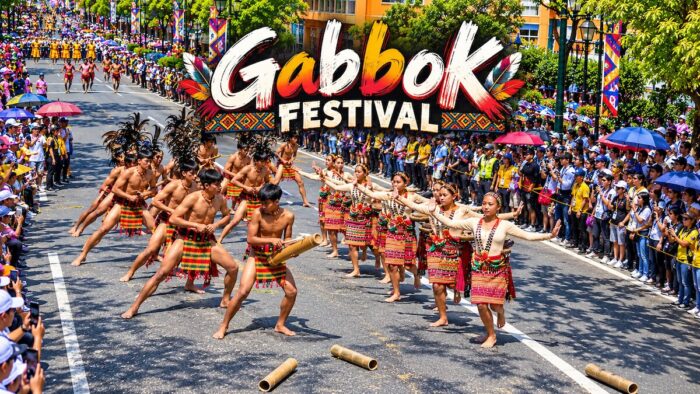
Gabbok Festival
For travelers interested in cultural tourism in the Philippines, Gabbok provides a meaningful way to understand how Indigenous communities preserve their traditions and pass cultural knowledge from one generation to the next. Its significance extends beyond public performances because it represents beliefs and practices connected to family life, protection, gratitude, and community relationships.
The term “Gabbok Festival” also refers to cultural showcases representing Tabuk and Kalinga. These presentations help introduce traditional practices to wider audiences during regional celebrations, including the Cordillera Festival of Festivals. The tradition has also appeared in cultural presentations at the annual Bodong Festival.
Visitors should understand the distinction between Gabbok as a traditional ceremony and its presentation as a public cultural performance. The ceremony belongs to a living cultural context, while festival presentations let audiences learn its meaning through music, movement, storytelling, and symbolic elements.
This guide explores Gabbok’s origins and significance, its cultural expressions, its relationship to Tabuk’s festivals, and essential information for visitors who want to experience Kalinga’s cultural heritage respectfully.
What Is Gabbok?
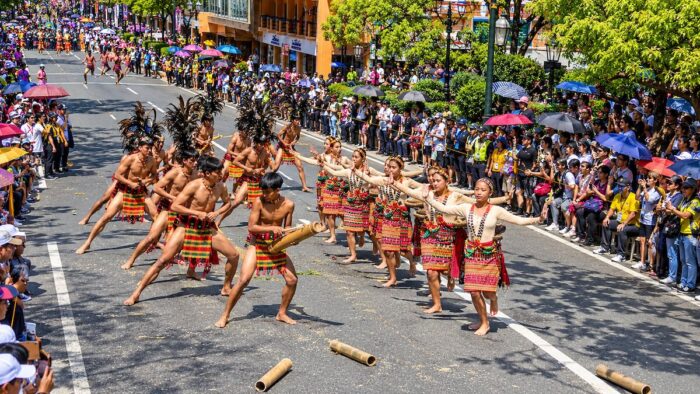
Gabbok is a Kalinga traditional ceremony associated with the birth of a family’s firstborn child. It expresses thanksgiving and seeks protection, strength, and well-being for the child and family.
In Kalinga communities, traditions tied to major life events help maintain relationships within families and the wider community. Welcoming a firstborn child is a significant occasion, and Gabbok reflects the importance of family, continuity, and collective support.
The ceremony includes prayers, offerings, chants, movements, and communal participation. Its specific expressions and interpretations may vary by community, so visitors should avoid assuming every Kalinga community performs the tradition exactly the same way.
Gabbok is more than a dance or staged performance. When performed publicly, its movements and symbolic elements help communicate cultural values to audiences unfamiliar with the tradition. Understanding its purpose makes a cultural presentation more meaningful than simply watching the performers.
For travelers, the key point is that Gabbok is a living cultural practice. It deserves the same respect as other Indigenous ceremonies, especially when its meaning involves family, spirituality, and significant moments in a person’s life.
The Cultural Significance of Gabbok in Kalinga
Celebrating New Life
The birth of a child is an important milestone in family and community life. Gabbok reflects the significance of welcoming a firstborn and expressing gratitude for the child’s arrival.
The tradition connects a personal family event with a broader cultural understanding of responsibility, protection, and continuity. It also highlights the value placed on children as community members whose identity and traditions are passed down through generations.
During a public presentation, visitors may see these ideas represented through symbolic movements, chants, music, and traditional objects. These elements help convey the ceremony’s emotional importance without reproducing every aspect of a private family observance.
Family and Community Participation
Gabbok highlights the relationship between an individual family and the wider community. Significant life events can bring people together, creating opportunities to express support and strengthen relationships.
This communal dimension is important when understanding Kalinga traditions. Cultural practices often involve more than the immediate participants. They can also communicate shared values, responsibilities, and a sense of belonging.
When attending a public performance, observe how performers coordinate their movements and how music, gestures, and symbolic objects contribute to the presentation. These details can help explain the tradition’s community-oriented nature.
Thanksgiving, Protection, and Well-Being
Gabbok is associated with thanksgiving and prayers for the firstborn child’s protection and strength. These elements reflect a family’s hopes and concerns as it welcomes a new member.
Public performances may represent these themes through ritual-inspired movements and symbolic props. However, visitors should not assume that a staged presentation reproduces every element of an actual ceremony.
The distinction matters because Indigenous traditions are not simply entertainment. Their meaning comes from the people who practice them, the beliefs they express, and the circumstances in which they take place.
Preserving Cultural Knowledge
Cultural performances can help younger generations learn about traditions that might otherwise be less familiar. They also give communities opportunities to introduce their heritage to visitors and other audiences.
When cultural groups perform Gabbok at public festivals, they can share elements of their identity through music, movement, traditional attire, and storytelling. These presentations can strengthen cultural awareness while encouraging respectful interest in Kalinga heritage.
The most meaningful way to experience Gabbok is to learn about its significance rather than focus exclusively on costumes, photographs, or entertainment value.
Gabbok Festival in Guilayon, Tabuk City
Guilayon is associated with the Gabbok tradition in Tabuk’s cultural landscape. The spelling may also appear as “Gilayon” in references to Kalinga communities, so visitors researching the tradition may encounter both forms.
Cultural and local-government references identify Gabbok as a community tradition connected to Guilayon. Public cultural showcases have also presented Gabbok as part of the broader effort to promote Kalinga heritage.
However, the schedule and format of a local Gabbok celebration should not be confused with the dates of Tabuk’s other major festivals. The city’s Matagoan Festival and the province’s Bodong Festival have their own programs and cultural activities.
A local celebration may follow a community schedule, while a regional festival may feature a choreographed presentation of the tradition. These occasions can provide different ways to learn about Gabbok, but they are not necessarily interchangeable.
Travelers planning a visit specifically for a Guilayon celebration should confirm the event’s date, venue, and public access arrangements with local organizers or Tabuk’s tourism office. Do not assume that a regional Gabbok performance means a separate local event is taking place on the same date.
Gabbok at the Cordillera Festival of Festivals
One recent opportunity to encounter Gabbok was the Cordillera Festival of Festivals held in Baguio City in October 2026. Regional cultural presentations included Gabbok from Tabuk City, introducing the tradition to a wider audience beyond Kalinga.
The event brought together cultural representatives from across the Cordillera Administrative Region. Its performances highlighted the region’s diverse traditions through music, dance, chants, costumes, and other expressions of local identity.
For visitors, a regional showcase can be an accessible introduction to Gabbok. It gives cultural groups a setting to present selected elements of their heritage to a broad audience.
However, regional presentations are different from participating in a local ceremony. A staged performance may adapt movements, music, and storytelling for a festival program, while a community observance takes place within its own cultural and family context.
Travelers interested in seeing future performances should monitor official event announcements rather than rely on a previous year’s program. A particular cultural group’s participation, the event schedule, and the venue can change from one edition to another.
Gabbok and the Bodong Festival
The Bodong Festival is another important occasion for experiencing Kalinga cultural heritage. Held in connection with the province’s founding anniversary, the festival highlights the province’s Indigenous identity and traditions.
The word “bodong” refers to Kalinga’s traditional peace-pact system, which has historically helped establish and maintain peaceful relationships between communities. The Bodong Festival showcases this heritage alongside cultural performances representing the province’s different municipalities and ethnolinguistic groups.
During the 2026 Bodong Festival, the Diddiga Cultural Parade and Showdown featured performances representing traditions from across Kalinga. Lubuagan presented Gabbok, while other participating communities showcased different ceremonies and cultural practices. Tabuk City presented Dornat, associated with renewing bodong ties.
This distinction is useful for visitors. Gabbok is connected to welcoming a firstborn child, while Dornat is associated with strengthening or renewing peace-pact relationships. Both illustrate different aspects of Kalinga culture, but they serve different purposes.
If you want to experience several Kalinga traditions in one trip, a Bodong Festival edition with a published cultural program may offer a broader introduction. Confirm the lineup and schedule before making travel arrangements.
What to Expect During a Gabbok Cultural Presentation
The exact format depends on the community and event, but public presentations can translate the tradition’s themes into a performance suitable for a festival audience.
Traditional Movements and Dance
Movement is one way performers communicate the themes of a cultural ceremony. The sequence may represent important stages of welcoming a child, expressing thanksgiving, or seeking protection.
Watch how the performers coordinate their gestures and movements. Instead of viewing the presentation only as a dance, consider what the choreography communicates about family, community, and cultural continuity.
Music, Chants, and Rhythms
Traditional music and chants can provide context for the movements. Their rhythms help organize the performance and contribute to its cultural atmosphere.
The specific instruments, songs, and vocal elements may vary from presentation to presentation. If the organizers provide an explanation, listen to the interpretation before or after the performance to better understand its meaning.
Traditional Attire and Symbolic Objects
Traditional clothing and ceremonial objects can help distinguish a cultural presentation from an ordinary stage performance. Some public interpretations of Gabbok use symbolic elements to represent strength, protection, peace, love, and family unity.
Confirm the meaning of a particular item by asking performers or organizers rather than guessing from its appearance.
Photography can document the presentation, but it should not replace learning about the tradition. Where possible, read the program notes or ask an authorized cultural representative about the significance of the objects and clothing.
Community Storytelling
Some cultural presentations include an introduction or narrative that explains the tradition’s purpose. These explanations are especially valuable for visitors who are encountering Gabbok for the first time.
If no explanation is provided, consider asking the event organizers whether an official description is available. A few minutes of cultural context can make the performance much more informative.
Other Cultural Experiences in Tabuk, Kalinga
Gabbok is part of a wider cultural landscape. Visitors can use their trip to learn about the different traditions represented across Tabuk and Kalinga.
Matagoan Festival
Tabuk’s Matagoan Festival celebrates the relationships and cultural diversity of the city’s communities. Its activities highlight local traditions, dances, arts, and the shared identity of Tabuk’s different groups.
The festival is commonly associated with the city’s annual June celebrations. Check the exact program and dates with local organizers before travel.
For visitors, Matagoan provides a useful introduction to Tabuk’s cultural diversity. It can also show how traditions from different communities shape the city’s identity.
Bodong Festival
The Bodong Festival highlights Kalinga’s heritage and the importance of its traditional peace-pact system. Cultural presentations, community participation, and the Diddiga showcase can introduce visitors to traditions from the province’s municipalities.
The festival is generally held in February to mark Kalinga’s founding anniversary, though the exact schedule should be confirmed each year.
Local Food and Community Life
Exploring Tabuk’s food and local markets can add context to a cultural visit. Ask residents or local tourism staff about eateries that serve regional dishes and use locally produced ingredients.
Be open to trying unfamiliar food, but ask about ingredients if you have allergies or dietary restrictions. If a community celebration includes food sharing, follow the host’s guidance about whether visitors may participate.
Festival Essentials: Planning Your Visit
Confirm the Dates Before Traveling
First, decide which event you want to attend. A Guilayon community celebration, a Matagoan Festival activity, a Bodong Festival performance, and a Cordillera regional showcase may occur at different times and locations.
Don’t assume a single annual date for every Gabbok-related presentation. Before booking transport or accommodation, confirm the event with Tabuk’s Office of the City Tourism and Cultural Affairs or the relevant community organizers.
Ask for the event date, venue, start time, public access arrangements, and whether advance registration is required. This is especially important if the celebration is community-based rather than a large public festival.
How to Get to Tabuk City
Tabuk City is the capital of Kalinga in the Cordillera Administrative Region of northern Luzon.
Travelers from Manila can reach Tabuk by road, typically using intercity bus services or a combination of bus and land transfers. Routes and journey times vary by operator, traffic, road conditions, and departure point.
Visitors traveling from Baguio or other parts of the Cordillera should check current transport connections before leaving. If your destination is Guilayon or a specific event venue, arrange local transportation from Tabuk’s city center rather than assuming it is within walking distance.
Where to Stay
For a straightforward trip, stay in Tabuk City and confirm the distance to your event venue before booking. Staying near the city center may make it easier to access restaurants, shops, transport services, and public festival venues.
If you are attending a celebration in Guilayon, ask the organizer whether local accommodation is available nearby or whether you should stay in the city proper.
Book early if your visit coincides with a major provincial or regional festival, when demand may increase. Confirm check-in arrangements and transportation options if your event finishes late.
What to Bring
Pack light, comfortable clothing suited to the weather and event type. Walking shoes are useful for moving between venues, and a rain jacket or umbrella may be helpful depending on the forecast.
Bring drinking water, sun protection, a charged phone, and some cash for small purchases. If you plan to photograph performances, bring a camera or smartphone you can use without blocking other spectators.
Check the event’s rules before bringing large bags, tripods, drones, or other equipment.
Responsible Cultural Tourism: Respecting Kalinga Traditions
Visitors play an important role in ensuring cultural tourism supports, rather than disrupts, local communities.
- Ask before photographing people. Respect requests from performers, families, elders, and organizers.
- Follow instructions during ceremonies. Some activities may be open to spectators, while others may be private or restricted.
- Avoid treating rituals as costumes or entertainment alone. Learn about their meaning and acknowledge the community that preserves them.
- Do not touch ceremonial objects without permission. These items may have cultural or spiritual significance.
- Support local businesses. Purchase food and products from local vendors when appropriate.
- Use respectful language. Ask questions politely and avoid making assumptions about Indigenous beliefs or practices.
- Follow local guidance. Community representatives are the best source of information about what visitors may observe or photograph.
Remember that public presentation does not automatically make every aspect of a tradition open to unrestricted participation. Respect the boundaries established by the people who practice it.
Frequently Asked Questions About Gabbok Festival
What is Gabbok Festival in Tabuk, Kalinga?
Gabbok is a Kalinga tradition that welcomes and dedicates a family’s firstborn child. It expresses thanksgiving and prayers for protection and strength through traditional practices and community participation. The term “Gabbok Festival” also refers to public cultural presentations representing Tabuk. Visitors should distinguish these staged showcases from a local community ceremony, since the format, location, and schedule may differ.
What is the meaning of Gabbok?
Gabbok celebrates the arrival of a firstborn child and the family’s hopes for the child’s well-being. It reflects values such as gratitude, family unity, protection, and community support. Its significance is best understood within the cultural context of the community that practices it. Public performances can introduce these themes to wider audiences, but they may not reproduce every detail of a traditional family observance.
When is Gabbok Festival celebrated?
No single date applies to every Gabbok-related event. A local Guilayon celebration may follow its own community schedule, while public performances can take place during larger festivals. Gabbok has been featured in regional cultural showcases, including the Cordillera Festival of Festivals and the Bodong Festival. Travelers should confirm the specific event date, venue, and program with local tourism officials or organizers before booking transportation and accommodation.
Where is Gabbok Festival held?
Gabbok is associated with Guilayon and the cultural traditions of Tabuk City, Kalinga. However, the tradition may be presented publicly at other venues during citywide, provincial, or regional festivals. If you want to attend a local celebration, verify the exact venue with community organizers. To see a public stage presentation, check the program of the festival you plan to attend.
Is Gabbok part of the Matagoan Festival?
Gabbok is part of Tabuk’s broader cultural heritage and is associated with Guilayon. Matagoan Festival is a separate city celebration that showcases the traditions and cultural diversity of Tabuk’s communities. The appearance of a particular tradition in a festival program can vary from year to year. Check the current program to determine whether Gabbok is included in the edition you intend to attend.
Is Gabbok featured in the Bodong Festival?
Yes. Gabbok has been represented in cultural performances during the Bodong Festival. In the 2026 Diddiga Cultural Parade and Showdown, Lubuagan presented Gabbok as part of its cultural showcase. This does not mean that every Bodong Festival edition will feature the same presentation or performers. Visitors should review the announced program for the relevant year before planning a trip specifically to see Gabbok.
What can visitors expect during a Gabbok performance?
A public presentation may include traditional movements, music, chants, symbolic objects, and attire that communicate the tradition’s themes. The precise format depends on the community and event. Some presentations may include narration explaining the ceremony’s significance, while others rely primarily on performance. Visitors should listen to any cultural explanation provided and avoid assuming that a stage presentation reproduces every aspect of a traditional ceremony.
Is Gabbok Festival suitable for international tourists?
Yes, a public Gabbok cultural presentation can be an educational experience for international visitors interested in Indigenous heritage and cultural tourism. The best approach is to learn about the tradition before attending and follow the organizers’ rules. Not every ceremony is necessarily open to visitors, so confirm public access before traveling. If language is a concern, ask whether an event program or local guide can explain the performance’s cultural context.
How do I get to Tabuk City, Kalinga?
Travelers can reach Tabuk by road from Manila and other parts of northern Luzon using available intercity transport services and land connections. Routes, travel times, and departure points vary, so confirm current options before leaving. Once in Tabuk, arrange local transportation to Guilayon or the festival venue if necessary. Do not assume the local celebration takes place in the city center or that public transport will run directly to the event.
Where should I stay when attending Gabbok Festival?
Tabuk City is a practical base for visitors who want access to accommodation, food, and transport services. However, the best location depends on the event venue and schedule. If the celebration takes place in Guilayon, ask the organizers about nearby accommodation and transport arrangements. Book ahead if your visit coincides with a major festival, and confirm how you will return to your accommodation after the event.
Can visitors photograph Gabbok performances?
Photography may be permitted during public cultural showcases, but visitors should follow the rules set by the organizers and performers. Ask before taking close-up photographs of individuals, elders, or children. Some ceremony-related activities may be private or restricted even when other parts of a festival are open to the public. Avoid blocking the audience’s view, using equipment where it is prohibited, or interrupting the presentation for a photograph.
How can visitors support Kalinga cultural heritage responsibly?
Visitors can support cultural heritage by learning about traditions from community representatives, following local rules, asking permission before taking photographs, and purchasing local products when appropriate. Avoid presenting a ceremony as entertainment without acknowledging its cultural meaning. If a community event has specific restrictions, respect them even if other festival activities are open to the public. Responsible travel begins with recognizing that Indigenous traditions belong to the communities that preserve and practice them.
Conclusion
Gabbok offers a meaningful introduction to Kalinga’s cultural heritage through a tradition associated with welcoming a family’s firstborn child. Its themes of thanksgiving, protection, family, and community help explain why the practice remains significant beyond its public presentation.
For travelers, the key is to distinguish between a local ceremony and a cultural showcase at a larger festival. Both can offer opportunities to learn, but each has its own context, schedule, and visitor rules.
If you plan to experience Gabbok in Tabuk, confirm the event details before traveling, arrange transportation and accommodation in advance, and approach the celebration with curiosity and respect. By learning from the communities that preserve the tradition, visitors can better appreciate Kalinga’s living Indigenous heritage.
Baguio City Travel Tour Packages You Should Try
Follow and subscribe to OutofTownBlog.com on Facebook, Twitter, Instagram, Pinterest, and YouTube for more Travel-related updates.
Read:
- Strawberry Picking in La Trinidad, Benguet
- BAGUIO CITY TRAVEL GUIDE: Best Attractions, Hotels, Food & Local Tips for the Philippines’ Summer Capital