Melo Villareal
Pili Festival Sorsogon: Why You Should Experience Sorsogon City’s Biggest June Celebration
I have always enjoyed visiting Sorsogon because every trip gives me another reason to return.
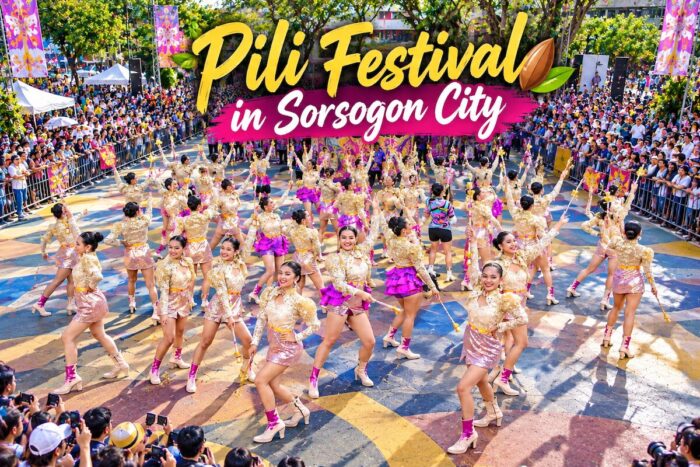
Pili Festival
The province offers beaches, waterfalls, mountains, wildlife, food, and some of Bicol’s most interesting festivals. But what I particularly enjoy about Sorsogon’s festivals is how closely they remain connected to local communities.
The Pili Festival in Sorsogon City is a perfect example.
Held every June, the celebration puts one of Sorsogon’s most important agricultural products at the center of the city’s cultural calendar. For several days, the city comes alive with street dancing, cultural performances, food activities, trade fairs, agricultural displays, and religious celebrations.
And yes, there is plenty of pili to eat.
For a traveler like me, however, the festival is about more than sampling pili nuts and buying pasalubong. It is a chance to understand why this humble local crop matters to Sorsogonons and how it has become part of the province’s identity.
If you are planning a trip to Sorsogon City in June, I would seriously consider timing your visit around the Pili Festival.
What Is the Pili Festival?
The Pili Festival is an annual celebration in Sorsogon City dedicated to the pili tree, its products, and its importance to the local economy and culture.
Pili, scientifically known as Canarium ovatum, is a Philippine native tree strongly associated with the Bicol region. Travelers are most familiar with the nut, but pili has many other uses.
In Sorsogon, pili is an agricultural product, a source of livelihood, a food ingredient, and a local specialty.
The festival brings these different aspects together.
I find that particularly interesting because you get to see how an agricultural product becomes part of a city’s cultural identity. During the festival, pili appears in food products, competitions, exhibits, demonstrations, and cultural presentations.
The celebration also takes place alongside Sorsogon City’s annual fiesta honoring Saints Peter and Paul, whose feast day falls on June 29.
That combination gives the festival two distinct sides. One celebrates agriculture, food, and local enterprise. The other celebrates faith and community traditions.
The History of the Pili Festival
The Pili Festival may look like a long-established Filipino fiesta, but its modern history is relatively recent.
The festival was conceptualized in 1999 and officially inaugurated in 2000. It aimed to promote pili and highlight its importance to Sorsogon City and its residents.
The celebration was later relaunched in 2014, bringing renewed attention to the city’s signature agricultural product.
The relaunch featured activities such as the Pamarahaw Fiesta Festival, Tiriladan sa City Hall, a house expo, and a street showdown competition. The festival also included other community activities, sports events, and cultural presentations.
Over the years, the festival has developed into a larger celebration involving different sectors of the community.
That evolution is important because the Pili Festival is not simply a tourism event. It is also a platform for local farmers, food producers, entrepreneurs, performers, students, and community organizations.
When I visit local festivals, I always look for this connection between tourism and everyday life. In Sorsogon, pili provides that connection.
Why Pili Matters to Sorsogon
Before visiting the Pili Festival, it helps to understand why the pili nut deserves its own celebration.
Pili is deeply connected to Bicol’s agricultural economy. Sorsogon is one of the country’s important pili-producing areas, and the crop has become part of the province’s food culture.
Walk around Sorsogon City, and you will find pili in many forms.
You can find roasted pili nuts, sweets, pastries, candies, and other processed products. Some producers also create specialty products using pili oil and other parts of the tree.
For travelers, this means that pili is easy to experience through food.
But the festival goes further.
It introduces visitors to the people and processes behind the product. Farmers grow the trees. Workers process the nuts. Local entrepreneurs turn them into food products. Vendors sell them. Travelers take them home as pasalubong.
That entire chain is part of what the Pili Festival celebrates.
What to Expect at the Pili Festival
One thing I have learned from traveling around the Philippines is that you should never arrive at a local festival expecting a single main attraction.
The best festivals have layers.
The Pili Festival is one of those celebrations.
You can spend the morning exploring local food products, the afternoon watching cultural activities, and the evening enjoying performances. Religious events add another dimension to the celebration.
Here are the experiences I would prioritize.
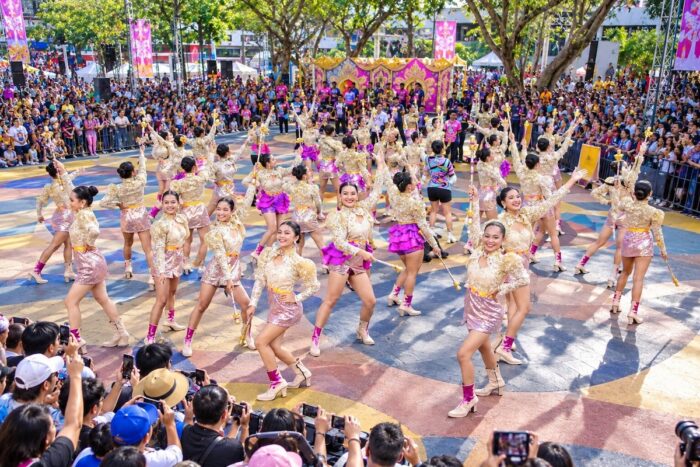
Watch the Pili Street Dancing
If I had to choose one event to prioritize, I’d choose the street dancing.
Festival dancers take over the streets in colorful costumes and elaborate performances inspired by the pili tree and its importance to Sorsogon.
The performances can depict the pili life cycle, its cultivation, and its transformation into food products.
For photographers, this is also one of the most visually interesting parts of the celebration.
I recommend arriving early if you want a good viewing position.
Don’t expect to walk up a few minutes before the performance and find an unobstructed spot. Festival crowds can become dense, particularly around the main performances.
If you are carrying a camera, protect your equipment from rain and avoid standing where the crowd could push you into the performers’ path.
Experience Pagtilad, the Traditional Pili-Nut Cracking
One of the most fascinating traditions associated with the Pili Festival is pagtilad, the traditional process of opening a pili nut.
The pili shell is hard. Traditionally, people place the nut on a wooden board and strike it with a bolo to crack the shell.
The challenge is simple to describe but difficult to execute.
You want to open the shell without destroying the edible kernel inside.
During the festival, this traditional activity becomes a cultural demonstration and public spectacle.
For me, activities like this are among the most valuable parts of Philippine festivals because they show a practical tradition rather than simply presenting a dance performance.
You get to see how people historically worked with a local agricultural product.
Look for Tiriladan sa Dalan
Another activity associated with the Pili Festival is Tiriladan sa Dalan, which brings the pili-cracking tradition into a public setting.
The activity turns something that might normally happen in a household or agricultural community into a shared festival experience.
It also shows how much effort goes into processing pili before it reaches the package of roasted nuts on a store shelf.
That is something I think many travelers overlook.
When we buy pasalubong, we usually see the finished product. Festivals like this offer a glimpse into the work behind it.
Explore the Pili Trade Fair
I always make time for local trade fairs when traveling around the Philippines.
They are often better places to discover regional products than conventional souvenir shops.
At the Pili Festival, the trade fair lets visitors explore pili-based products and other goods made by local entrepreneurs.
Expect products such as:
- Roasted pili nuts
- Candied pili
- Pili conserva
- Pili pastries
- Pili sweets
- Pili oil products
- Other locally produced food items
This is where I would do most of my pasalubong shopping.
If you are flying home, choose products that are properly packaged and check their shelf life. I also recommend asking vendors which products travel well and which ones are best consumed fresh.
Eat Your Way Through the Pili Festival
You really cannot visit a pili festival without eating pili.
The familiar roasted nut is only the beginning.
Depending on the year’s participating vendors, you may find pili candies, pastries, desserts, conserva and other food creations.
I enjoy seeing how local ingredients evolve through food.
A traditional ingredient can appear in a modern pastry one day and a familiar local sweet the next. The festival gives local producers an audience and gives travelers a chance to taste products they might not encounter elsewhere.
If you enjoy food trips, set aside enough time to explore the food stalls instead of simply buying one bag of roasted pili nuts and moving on.
Join the Cook Fest and Food Activities
Food competitions and cooking activities have also formed part of Pili Festival programs.
These events demonstrate the versatility of pili as an ingredient.
For me, they are worth watching because they provide another perspective on local cuisine. Instead of treating pili as a snack, cooks demonstrate how it can become part of different recipes.
If you are particularly interested in Bicolano food, this is one area of the festival worth exploring.
Visit the Agro-Trade Fair
The Pili Festival also promotes agriculture and local enterprise through trade and exhibition activities.
Previous celebrations have featured food stalls and exhibits around Rompeolas, the Sorsogon City Baywalk.
I like this part of the city because it lets visitors combine festival activities with a more relaxed walk.
You can shop, eat, watch performances, and explore the waterfront without spending the entire day moving between different parts of the city.
Experience the Religious Celebration
The Pili Festival is closely connected to the annual fiesta of Saints Peter and Paul.
Traditionally, religious activities include a novena from June 20 to June 28, followed by the feast day on June 29.
The Saints Peter and Paul Cathedral becomes an important part of the celebration.
If you want to understand the festival beyond its entertainment program, I recommend including at least one religious activity in your itinerary.
The atmosphere is different from the street performances and trade fairs. It is quieter and more reflective, and it shows another side of how Sorsogon City celebrates its annual fiesta.
As always, visitors should dress appropriately and remain respectful during Masses and religious processions.
A Sample Pili Festival Day Itinerary
I would structure my festival day around a mix of food, culture, and sightseeing rather than spending the entire day waiting for one event.
| Time | Activity |
|---|---|
| 7:00 AM | Breakfast in Sorsogon City |
| 8:30 AM | Explore local shops and pili products |
| 10:00 AM | Visit the trade fair and agricultural exhibits |
| 12:00 NN | Lunch featuring Bicolano dishes |
| 1:30 PM | Return to the hotel and rest |
| 3:00 PM | Head toward the festival activity area |
| 4:00 PM | Watch cultural presentations |
| 5:00 PM | Find a viewing area for street dancing |
| 6:00 PM | Pili Festival street dancing and performances |
| 7:30 PM | Dinner and pasalubong shopping |
| 9:00 PM | Evening entertainment or return to the hotel |
This is a sample itinerary only. Festival activities and schedules can change each year.
If you are visiting on June 29, I would adjust the schedule to include the religious activities surrounding the feast of Saints Peter and Paul.
How to Get to Sorsogon City
Manila to Sorsogon by Bus
For budget travelers, taking a bus from Metro Manila remains one of the most straightforward options.
Direct buses connect Manila with Sorsogon City, and the journey generally takes around 14 to 16 hours, depending on traffic, stops, and road conditions.
I would take an overnight bus if my priority were saving both time and accommodation costs.
However, festival periods can mean higher demand for seats, so I would book ahead rather than arrive at the terminal and hope for a convenient departure.
Manila to Sorsogon by Plane
If you want to save time, fly from Manila to Legazpi Airport, then continue by land to Sorsogon City.
From Legazpi, you can take a bus or van, hire a private vehicle, or arrange other ground transportation.
For travelers with only a few days, I prefer this option because it leaves more time to explore Sorsogon instead of spending most of the trip on the road.
Getting Around Sorsogon City
Once you arrive in Sorsogon City, tricycles and jeepneys are practical ways to get around.
During the festival, however, traffic conditions can change.
Road closures, pedestrian crowds, and parade routes can make short distances take longer than expected.
If I were attending the street dancing, I would get out of the vehicle before reaching the most crowded area and walk the remaining distance.
Where to Stay for the Pili Festival
If the festival is the main reason for your trip, stay in Sorsogon City proper.
This puts you closer to restaurants, transportation, shopping areas, and festival venues.
It also makes it easier to return to your hotel during the hottest part of the afternoon before heading out again for evening activities.
June is a busy period for Sorsogon City, so I recommend booking accommodation early.
If you plan to explore more of the province, you can also use the city as your base and build a longer itinerary around the festival.
What to Pack for the Pili Festival
June falls in the rainy season in the Philippines, so I would prepare for both heat and rain.
My festival essentials would include:
- Comfortable walking shoes
- Lightweight clothing
- Umbrella or rain jacket
- Waterproof phone pouch
- Camera rain cover
- Reusable water bottle
- Small backpack
- Cash in smaller denominations
- Power bank
- Sun protection
- Extra shirt
If you plan to buy plenty of pili products, bring an extra reusable bag.
I also recommend packing light when attending street events. Crowded festival areas are easier to navigate when you are carrying less.
Travel Tips for the Pili Festival
Book Early
Don’t wait until the final week to book accommodation.
Festival dates can increase demand, particularly around the major weekend activities and June 29.
Arrive Early for Street Events
If photography matters to you, arrive early.
The best viewing positions tend to disappear quickly as the crowd builds.
Prepare for Rain
June weather can be unpredictable.
A sunny morning can turn into a rainy afternoon, so I would rather carry an umbrella and not need it than spend the afternoon protecting my camera under a plastic bag.
Bring Cash
Local vendors may accept digital payments, but I would still carry cash.
Small bills are especially useful for food stalls, tricycles, and small purchases.
Buy Local Pasalubong
The festival is an excellent opportunity to support Sorsogon producers.
Rather than buying generic souvenirs, look for products made by local businesses.
Pili products are easy to pack, easy to share, and directly connected to the festival’s theme.
Wear Comfortable Shoes
Festival days involve plenty of standing and walking.
Leave the uncomfortable footwear at the hotel.
Protect Your Camera
Sorsogon festivals can be challenging for photographers because of rain, crowds and movement.
A waterproof camera cover and dry bag can save you from an expensive repair.
Respect the Community
Remember that you are entering a local celebration.
Ask permission before taking close-up portraits of people, avoid blocking performers and keep religious spaces respectful.
What to Buy at the Pili Festival
I would leave room in my luggage for pili products.
Some of the best items to look for include:
- Roasted pili nuts
- Candied pili
- Pili conserva
- Pili pastries
- Pili candies
- Pili-based desserts
- Pili oil products
- Locally produced Sorsogon food products
Pili makes excellent pasalubong because it is strongly associated with Bicol and has a long shelf life when properly packaged.
Before buying, check the packaging, production date and expiration date.
If you are flying, ask the seller about the best way to pack the product for your journey.
Why I Would Visit the Pili Festival
After visiting different festivals around Sorsogon, I appreciate how each one gives me another way to understand the province.
The Pili Festival does that through food and agriculture.
It is easy to arrive as a visitor interested in street dancing and leave with a better understanding of the pili industry.
You see the nut being processed. You taste products made from it. You meet vendors selling local goods. You watch performers interpret the crop through dance. You see farmers and entrepreneurs join a citywide celebration.
That is what makes the festival interesting to me.
The pili nut may look small, but it connects a surprisingly large part of Sorsogon’s culture and economy.
If you are already planning a trip to Sorsogon, June is a great time to experience that connection firsthand.
Pili Festival Sorsogon FAQs
When is the Pili Festival in Sorsogon City?
The Pili Festival is traditionally celebrated during the last week of June. Major activities center on the city’s annual fiesta and the June 29 feast of Saints Peter and Paul. Religious activities traditionally include a novena leading up to the feast day. The exact festival schedule changes each year, so travelers should confirm the latest program before booking transportation and accommodation.
What is the Pili Festival known for?
The Pili Festival celebrates the pili tree and its importance to Sorsogon’s agriculture, food culture, and local economy. Visitors can experience street dancing, cultural presentations, trade fairs, food activities, pili-nut cracking demonstrations and religious celebrations. The festival also offers opportunities to buy locally produced pili products, making it especially appealing to travelers who enjoy food, culture, and shopping.
What is pagtilad?
Pagtilad is the traditional process of opening a pili nut. Workers crack the hard shell using a wooden board and a bolo, aiming to extract the edible kernel without damaging it. During the Pili Festival, this traditional practice becomes a public cultural activity. It gives visitors a glimpse into the work involved in processing pili before the nuts become roasted snacks and other products sold in markets and stores.
What can tourists do during the Pili Festival?
Visitors can watch street dancing, explore trade fairs, taste pili-based food, shop for local products, watch cultural presentations, and experience religious activities. Depending on the year’s program, the festival may also include cook fests, sports competitions, entertainment events, and community activities. I recommend setting aside at least one full day for the festival, though staying several days gives you more opportunities to explore both the celebration and other attractions around Sorsogon.
What pili products should I buy?
Roasted pili nuts are the obvious choice, but I would also look for candied pili, pili conserva, pastries, sweets and other locally produced products. Some vendors may also offer pili oil and specialty items. The trade fair is a good place to compare products and talk directly with local sellers. If you are bringing food home, check the expiration date and choose products with secure packaging that can survive your journey.
How do I get to Sorsogon City from Manila?
You can travel from Manila to Sorsogon City by direct bus or fly to Legazpi Airport and continue by land. The bus journey generally takes around 14 to 16 hours, depending on traffic and stops. Flying to Legazpi takes less time and is more convenient for travelers with limited vacation days. From Legazpi, buses, vans and private vehicles can take you onward to Sorsogon City.
Is the Pili Festival free?
Many public activities, including outdoor performances and street events, are generally free to watch. However, visitors should budget for food, transportation, accommodation, and shopping. Some special activities may also have separate fees depending on the year’s program. Check the latest festival schedule before traveling if you want to attend a particular event.
What should I wear to the Pili Festival?
Wear lightweight and comfortable clothing because June in Sorsogon can be warm and humid. Comfortable walking shoes are essential because festival activities may require considerable walking and standing. Bring an umbrella or rain jacket because June falls during the rainy season. If you plan to attend Mass or other religious activities at the cathedral, bring clothing appropriate for a place of worship.
Is June a good time to visit Sorsogon?
June is a good month to visit if you want to experience the Pili Festival and the city’s annual fiesta. The main consideration is the weather, as June falls within the country’s rainy season. Rain can affect outdoor activities and travel times. With proper planning and rain protection, however, the festival provides a strong reason to visit Sorsogon City during this period.
Is the Pili Festival worth visiting?
For me, yes. The festival combines several things I look for when traveling around the Philippines: local food, community traditions, agriculture, cultural performances, and a strong sense of place. It also offers a chance to learn about pili beyond its role as a snack. If you enjoy discovering regional festivals and local products, the Pili Festival is one Sorsogon celebration worth adding to your travel calendar.
Follow and subscribe to OutofTownBlog.com on Facebook, Twitter, Instagram, Pinterest, and YouTube for more Travel-related updates.
Read:
- Top 22 Best SORSOGON TOURIST SPOTS + Things to Do
- 10 Awesome Ways to Spice up your Sorsogon Adventure
- 15 Jaw-Dropping Reasons Sorsogon Belongs at the Top of Your Travel Bucket List
- Butanding Festival in Donsol, Sorsogon
- Paray Festival in Irosin, Sorsogon
- Padaraw Festival in Bulan, Sorsogon: History, Activities, Travel Guide and Tips