

 Melo Villareal
Boracay Island Travel Guide: Best Time to Visit, Attractions & Resorts
Few places in Southeast Asia stir the imagination like Boracay. This tiny, butterfly-shaped island in the central Philippines is world-famous for its powdery white sand, blue waters, and sunsets that feel almost theatrical. Beyond the postcard-perfect beaches is a destination that rewards curious travelers with warm hospitality, vibrant local culture, and quiet beauty if you know where to look.
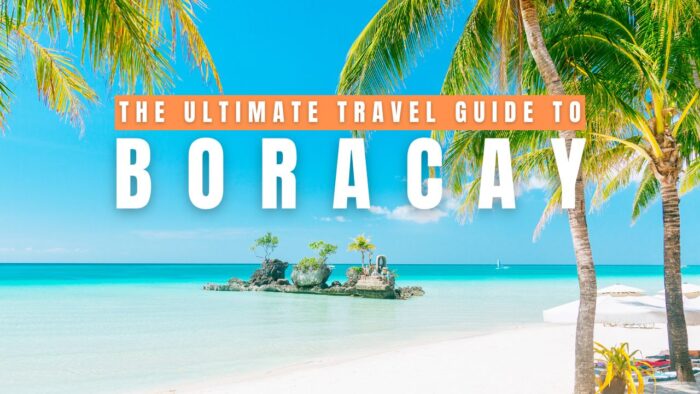
Boracay Travel Guide
Boracay’s main draw is White Beach, a 4-kilometer stretch of fine sand divided into Stations 1, 2, and 3, each with its own personality, from upscale calm to energetic nightlife. On the eastern side, Bulabog Beach offers a laid-back, wind-swept alternative loved by kiteboarders and sunrise lovers. Add island-hopping, clear snorkeling spots, and a food scene from humble Filipino eateries to world-class dining, and you’ll see why Boracay keeps calling people back.
1. Destination Overview
Best Time to Visit
Overall Best Time: November to May
This is Boracay’s dry season, when the island shows its most iconic look: clear skies, calm turquoise waters, and powdery white sand.
Peak Season (December–April)
- Weather: Sunny, dry, low humidity
- Sea Conditions: Calm, perfect for swimming, snorkeling, and island hopping
- Crowds: High (especially Christmas, New Year, Holy Week)
- Prices: Highest
- Best for: First-timers, beach lovers, photographers
If you want postcard-perfect Boracay, this is it.
Shoulder Season (Late November & Early May) – Local Favorite
- Weather: Mostly sunny with occasional showers
- Crowds: Fewer tourists
- Prices: Slightly lower
- Best for: Balanced experience (great weather + fewer people)
Local Secret: Late November is one of the best-kept secrets, with lush landscapes after the rains and calmer beaches.
Low Season (June–October)
- Weather: Rainy season, occasional typhoons
- Sea Conditions: Rougher on White Beach, windy on the east side
- Crowds: Very low
- Prices: Cheapest
- Best for: Budget travelers, digital nomads, kitesurfers
Bonus: This is peak kitesurfing season at Bulabog Beach because of strong winds.

Best Time by Travel Style
- Best weather & beaches: January–March
- Best value (weather + price): Late November, early June
- Best nightlife & events: December–April
- Best for kitesurfing: July–September
- Best for quiet, slow travel: September–October (weather permitting)
Responsible Travel Tip
During peak season, choose accredited hotels, avoid single-use plastics, and respect Boracay’s environmental rules. These help preserve the island’s fragile ecosystem.
If it’s your first time and you want Boracay at its best, aim for January to March. If you prefer fewer crowds and better deals, late November is the sweet spot.
Pro Tip: Late November and early June offer the best balance of good weather and fewer tourists.
Travel Difficulty & Duration
- Difficulty: Easy – very tourist-friendly
- Recommended Stay: 3–5 days (longer if you want a slower pace)

2. Essential Travel Information
Visa Requirements & Entry Procedures
Most Nationalities (USA, EU, UK, AU, ASEAN):
- Visa-free entry for up to 30 days
- Passport valid for at least 6 months
- Proof of onward travel may be required
Upon arrival, all travelers must show:
- Confirmed hotel booking from an accredited Boracay hotel
- Environmental fee receipt (paid at Caticlan or online)
Currency & Budget Expectations
- Currency: Philippine Peso (PHP)
- ATMs: Widely available on the island, especially at Station 2
- Daily Budget (USD):
- Budget traveler: $40–70
- Mid-range: $80–150
- Luxury: $250+
Language & Communication
- Languages Spoken: Filipino (Tagalog), English, Aklanon
- English is widely understood in hotels, restaurants, and transport.
Useful Phrases:
- Salamat – Thank you
- Magkano? – How much?
- Saan ang banyo? – Where is the bathroom?
How to Get to Boracay
Boracay has no airport on the island, but getting there is straightforward. Most travelers arrive via Caticlan (the fastest option) or Kalibo (cheaper), followed by a short boat transfer.
Option 1: Via Caticlan Airport (Best & Fastest)
Recommended for most travelers
Step-by-step
- Fly to Caticlan (MPH)
- Direct flights from Manila, Cebu, and Clark
- Flight time from Manila: ~1 hour
- Airport -> Jetty Port
- 5–10 minutes by tricycle/shuttle
- Boat to Boracay
- 10–15 minutes to Cagban Port
- Port -> Hotel
- E-tricycle or hotel shuttle (10–30 minutes)
Total Travel Time ~1.5–2 hours from landing to hotel
Estimated Cost (one-way) – Environmental fee + terminal fee + boat + trike: $10–15 USD
Pro Tip: Many hotels offer door-to-door transfers. These are worth it if you want zero hassle.
Option 2: Via Kalibo Airport (Cheaper, Longer)
Good for budget travelers
Step-by-step
- Fly to Kalibo (KLO)
- More frequent & cheaper flights
- Kalibo -> Caticlan Jetty
- 1.5–2 hours by van or bus
- Boat to Boracay
- Same process as above
Total Travel Time – ~3–4 hours from landing to hotel
Estimated Cost (one-way) – Van + boat + fees: $15–25 USD
Option 3 – 2GO Ferry Travel – Batangas to Caticlan
Here’s how you can travel from Batangas to Caticlan (the main port for Boracay) via 2GO Travel ferry:
Route: Batangas Port to Caticlan Jetty Port (Aklan)
Schedule
Sailings aren’t daily; they vary by season and vessel availability. Typical departure patterns include:
Examples of recent/typical departures:
- Around 21:00 (9 PM) — arrives next morning (between ~08:00 – 11:00)
- Some services show 09:00 (morning) departures on certain days
Frequency:
There are multiple departures per week (often Mon, Wed, Fri, Sun) on the Batangas-Caticlan route, but exact days vary with schedule updates.
Important: Always check the latest schedule on 2GO Travel’s official site or with your travel agent when booking because ferry days/times change seasonally.
Travel Time
- The ferry takes approximately 11 to 12 hours across the Sibuyan Sea.
- Duration may vary based on weather conditions and vessel type.
Fare & Accommodation Options
2GO offers several accommodation classes with different comfort levels:
| Class | Typical Fare (PHP) | Notes |
|---|---|---|
| Super Value Class | P2,100+ | Budget seating/sleeping |
| Tourist Class | P2,600+ | Air-conditioned |
| Cabin (for 4 or 6) | P3,300+ | Private space |
| Suiteroom for 2 | P7,000+ | Premium private cabin |
| Stateroom for 3 | P9,000+ | Larger private room |
| (Estimated ranges; actual fare depends on date & booking class) |
Tips:
- Discounts may apply to children, seniors, and PWDs — check at the time of booking.
- Tickets often need to be printed or presented electronically with a valid ID.
Practical Tips for Travel
- Arrive early: 2GO recommends being at the terminal 3–4 hours before departure.
- Baggage: Standard luggage is usually included up to a weight limit; excess may incur fees.
- Overnight trip: Many departures are overnight, so you’ll wake up near Caticlan if you choose late-night sailings.
After Caticlan
Once you arrive at Caticlan Jetty Port, you can take a short boat transfer to Boracay (around 10 min) or continue traveling by land/air. (This part isn’t included in the ferry ticket.)
Local Secret: Night arrivals may take longer—allow time for van and boat wait times.
Arrival & Entry Requirements (Important!)
All travelers must present:
- Valid ID / Passport
- Confirmed booking at an accredited Boracay hotel
- Payment of the Environmental fee and Terminal fee
Without these, you won’t be allowed to board the boat.
Getting Around Once on the Island
- E-tricycles: Main transport, fixed rates
- Walking: Best for White Beach areas
- Motorbike rental: ~$10–15/day (license required)
Quick Summary
- Fastest & easiest: Fly to Caticlan
- Cheapest flights: Fly to Kalibo
- Boat ride: Mandatory (10–15 minutes)
- Total cost (transfer): ~$10–25 USD
Boracay may be an island, but getting there is part of the adventure. Once your feet hit that soft white sand, you’ll know it was worth every step.
3. Top Attractions & Experiences
Must-See Landmarks & Cultural Sites
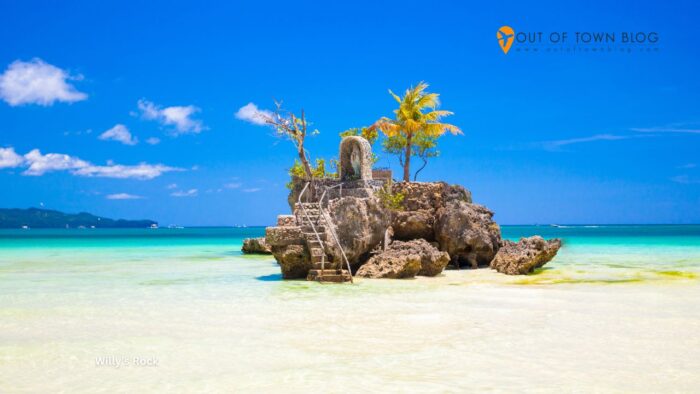
Willy’s Rock
Willy’s Rock is one of Boracay’s most iconic natural landmarks, rising dramatically from the shallow waters of Station 1. This volcanic rock formation features a small grotto with a statue of the Virgin Mary, accessible via a short staircase during low tide.
Visitors often come for sunrise and sunset views, photography, and quiet reflection. The surrounding beach is ideal for swimming, wading, and paddleboarding due to its calm waters. Willy’s Rock is also a popular stop on island-hopping tours and a scenic backdrop for beachfront dining nearby.

Mount Luho
Mount Luho is the highest point on Boracay, rising about 100 meters above sea level and offering sweeping panoramic views of the island. From the viewing deck, visitors can see White Beach, Bulabog Beach, lush hills, and the surrounding turquoise waters. The area is quiet and breezy, making it ideal for relaxing away from the crowds.
Things to do include sightseeing, photography, enjoying the fresh air, and having light snacks at small stalls. It’s stunning at sunrise or late afternoon. Mount Luho is accessible by motorbike, tricycle, or guided tour.
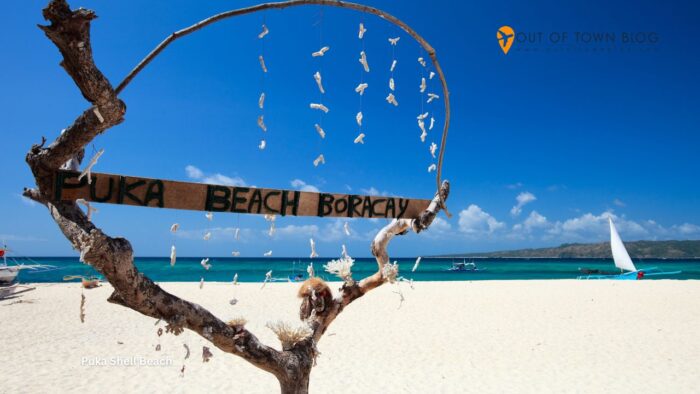
Puka Shell Beach
Puka Shell Beach is a quieter, more natural stretch of shoreline on the northern tip of Boracay, known for its coarse white sand mixed with crushed puka shells. Unlike the busy White Beach, it feels rustic and uncrowded, with fewer resorts and stronger waves.
The beach is ideal for relaxed swimming on calm days, beachcombing for unique shells, and photography thanks to its vast horizon and dramatic sunsets. Visitors can enjoy picnics, short walks along the coast, or simply unwind under palm trees while listening to the surf and sea breeze.

Diniwid Beach
Diniwid Beach, located just north of Boracay’s famous White Beach, offers a quieter, more relaxed atmosphere. This slight, curved stretch of sand is known for calm waters, rocky edges, and fewer crowds, making it ideal for travelers seeking peace.
Visitors can swim, sunbathe, or snorkel near the rocks where marine life is occasionally visible. Cliffside cafés and boutique resorts provide excellent sunset views and intimate dining experiences. It’s also a pleasant spot for early-morning walks or simply unwinding away from Boracay’s nightlife and busy central areas.
D’Mall
D’Mall is Boracay’s lively open-air shopping and dining hub, located near White Beach. It blends tropical charm with modern convenience, featuring souvenir shops, fashion boutiques, cafés, and international restaurants. Visitors can browse local crafts, buy beachwear, or enjoy Filipino and global cuisine.
At night, the area comes alive with bars, dessert spots, and casual live music. D’Mall is also a practical stop for travel essentials, groceries, spas, and salons. Easy to walk through and centrally located, it’s a popular meeting point and a great place to experience Boracay’s relaxed yet vibrant island vibe.
Hidden Gems & Local Favorites

Ilig-Iligan Beach
Ilig-Iligan Beach is a quiet, undeveloped stretch on the northeastern side of Boracay, far from the crowds of White Beach. Lined with palm trees, coral stones, and gentle waves, it feels raw and untouched, perfect for travelers seeking calm and nature. The water is clear but deeper and rougher, making it less ideal for swimming and better for relaxing walks.
Activities include beachcombing, photography, picnics, meditation, and watching the sunrise over the sea. Its peaceful atmosphere, local feel, and lack of resorts make it a refreshing contrast to Boracay’s busier shores, especially on quiet mornings and breezy afternoons.
Tambisaan Beach
Tambisaan Beach is a quiet, local-facing beach on the eastern side of Boracay, known for its calm waters, pebbly shoreline, and laid-back atmosphere. Unlike the lively West Coast, it offers a more authentic glimpse of island life, with fishing boats, modest resorts, and local eateries.
The sea is usually gentle, making it ideal for swimming and kayaking. It’s also a popular jump-off point for island-hopping tours, snorkeling trips, and scuba diving. Visit early morning for peaceful views, or enjoy fresh seafood while watching the sun rise over the water.

Manoc-Manoc Beach
Manoc-Manoc Beach is a quieter stretch on the southern side of Boracay, known for steady winds, local life, and a relaxed atmosphere away from crowds. The beach features darker sand, shallow waters, and an active shoreline where fishing boats and kiteboarding rigs are common. Visitors can try kitesurfing, paddleboarding, or swimming during calm periods.
Beach walks at sunset are peaceful and scenic. Nearby eateries offer affordable Filipino food, while resorts provide laid-back accommodations. Manoc-Manoc is ideal for travelers seeking authenticity, water sports, and a slower pace, with easy access to other parts of the island and nearby transport options available.
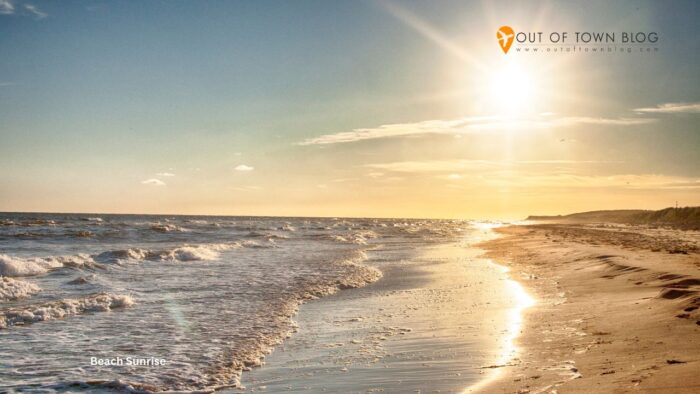
Bulabog Sunrise Viewpoint
Bulabog Sunrise Viewpoint is a quiet, elevated spot on the eastern side of Boracay, offering sweeping views of the sea and surrounding hills as the sun rises. It’s less crowded than the island’s sunset areas, making it ideal for peaceful mornings.
Visitors come to watch the sky change colors, take minimalist landscape photos, or simply sit and enjoy the breeze. The viewpoint is also popular for light hikes, meditation, and short pauses before heading down to Bulabog Beach. Early mornings are best for cooler air and clear views.

Motag Living Museum
Motag Living Museum offers a hands-on glimpse into traditional Aklanon life away from Boracay’s beaches. Set in a rural village, the museum is run by locals who demonstrate age-old practices rather than static displays. Visitors can try planting rice, weaving nipa, pounding rice, cooking native snacks, or learning basic farming tools.
Guides explain indigenous customs, music, and daily routines, making the experience interactive and educational. The visit often ends with local refreshments and conversations with villagers. It’s ideal for cultural immersion, community-based tourism, and understanding Boracay’s heritage beyond resorts.
Unique Experiences
- Paraw Sailing at Sunset – ~$15–25
- Island Hopping Tour – ~$25–35
- Cliff Diving at Ariel’s Point – ~$70 (all-inclusive)
Instagram Hotspots: Willy’s Rock at sunrise, White Beach sunset, Mount Luho viewpoint
For more activities and places to visit in Boracay, read our Top 25 BORACAY TOURIST SPOTS + Things to Do & Places to Visit.
4. Accommodation Recommendations
Budget ($50–100/night)
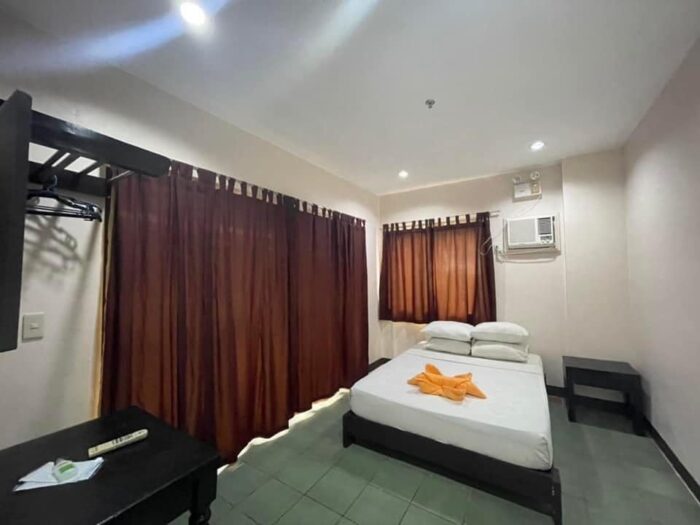
La Carmela de Boracay
La Carmela de Boracay is a popular beachfront hotel located in Station 2, offering convenience, comfort, and value. It features multiple swimming pools, an in-house restaurant, function halls, spa services, and direct beach access. Guests enjoy air-conditioned rooms, daily housekeeping, and easy access to shops, dining, and nightlife.
What sets La Carmela apart is its affordability for groups and families, its large room inventory, and its central location on White Beach. It balances resort-style amenities with budget-friendly rates, making it a reliable choice for travelers seeking comfort and accessibility.
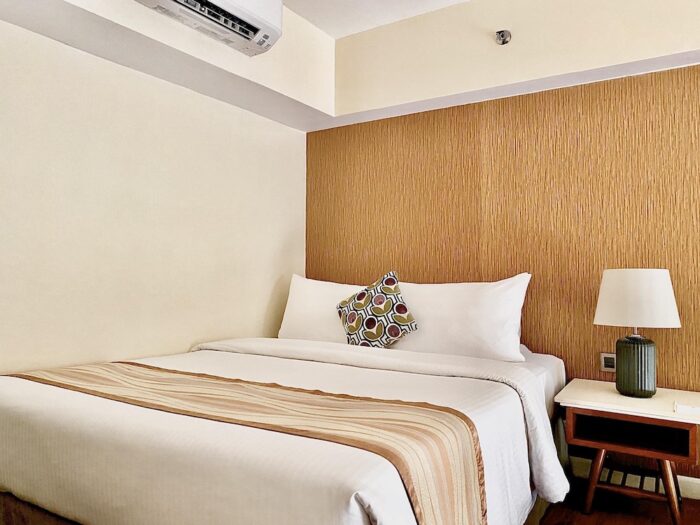
Ferra Hotel
Ferra Hotel is a modern boutique hotel known for comfort, convenience, and attentive service. It features stylish rooms with balconies, air-conditioning, smart TVs, minibars, and strong Wi-Fi. Amenities include a rooftop swimming pool, a poolside bar, an on-site restaurant, a fitness center, and spa services.
The hotel also offers airport transfers, tour assistance, and 24-hour front desk support. Located near Station 2, it provides easy access to White Beach, shopping, and dining while remaining quiet and relaxing. Its balance of affordability, thoughtful amenities, and personalized hospitality makes it one of Boracay’s best accommodation choices.
Mid-Range ($100–250/night)

The District Boracay
The District Boracay is a contemporary beachfront hotel located in Station 2, offering direct access to White Beach and Boracay’s vibrant dining and shopping scene. It features stylish rooms and suites, an infinity pool, spa and wellness facilities, a fitness center, and multiple dining options, including a beachfront restaurant and bar.
Guests enjoy personalized service, airport transfers, and family-friendly amenities. What makes it one of Boracay’s best accommodation options is its balance of comfort, modern design, prime location, and attentive service—ideal for both leisure travelers and families seeking convenience and relaxation.
Luxury ($250+/night)

Discovery Shores Boracay
Discovery Shores Boracay is a luxury beachfront resort located at Station 1, known for its powdery white sand and calmer shoreline. The resort features spacious suites, multiple swimming pools, a full-service spa, fitness center, and curated water activities.
Dining options range from fine dining to casual beachside meals, complemented by attentive butler-style service. What sets it apart is its consistent focus on personalized hospitality, elegant design, and a family-friendly yet refined atmosphere. Its prime location, world-class service, and well-maintained facilities make it one of Boracay’s most sought-after accommodations.

The Lind Boracay
The Lind Boracay is a luxury beachfront resort located at the quieter northern end of White Beach (Station 1). It offers spacious rooms and suites with modern Filipino design, private balconies, and sea or garden views. Amenities include multiple infinity pools, a full-service spa, fitness center, kids’ club, and direct beach access.
Dining options feature refined local and international cuisine, plus a stylish beachfront bar. What sets The Lind apart is its balance of exclusivity and comfort, exceptional service, and serene atmosphere—making it ideal for couples, families, and travelers seeking upscale relaxation.
Alternative Stays
- Hostels near Bulabog Beach (~$15–25/night)
- Accredited Airbnb-style apartments (check registration)
Local Secret: Station 3 offers the best value beachfront stays with fewer crowds.
5. Food & Dining Guide
Must-Try Local Dishes

Chori Burger
Merly’s BBQ Boracay and similar stalls serve Chori Burger—a local favorite street-food twist on a classic burger. A chori burger uses grilled Filipino chorizo (longganisa) instead of a regular beef patty, tucked into soft buns with sweet banana ketchup, creamy mayo, and sometimes pickled vegetables and lettuce.
It tastes juicy, savory, and slightly sweet, with smoky grill char. The rich, flavorful sausage and tangy sauces deliver a unique sweet-savory bite, making it a perfect casual, filling snack while exploring the island.

Seafood Paluto
Seafood Paluto in Boracay is a lively dining experience where you choose fresh seafood—such as crabs, prawns, squid, clams, or fish—from market-style displays, then have it cooked to your preference.
Common styles include garlic butter, chili sauce, sweet-and-sour, steamed, or grilled. The taste is bold, savory, and deeply satisfying, highlighting natural freshness enhanced by Filipino flavors—rich, slightly sweet, garlicky, and sometimes spicy. It’s communal, indulgent, and best enjoyed with rice and seaside atmosphere.

Chicken Inasal
Chicken Inasal is a flavorful Filipino grilled chicken dish commonly enjoyed at beachfront eateries and local restaurants. The chicken is marinated in calamansi, vinegar, garlic, lemongrass, and annatto oil, then grilled over charcoal for a smoky finish.
It tastes savory, tangy, and slightly sweet, with juicy meat and crisp, charred skin. Served with rice, soy sauce, calamansi, and chili, it’s comforting, aromatic, and deeply satisfying after a day at the beach.

Calamansi Muffins
The Real Coffee & Tea Cafe in Boracay is famous for its calamansi muffins — sweet, moist small cakes flavored with local calamansi (a bright, tangy Philippine citrus) offering a balance of citrus zest and sugary richness.
These muffins are popular with tourists as snacks or pasalubong (take-home treats) and pair exceptionally well with coffee. You’ll find them at the cafe’s beachfront spot in Station 2, often sold by the box. Some visitors find them sweet with a mild tang, making them a refreshing Boracay bakery classic.
Restaurant Recommendations
- D’Talipapa – Fresh seafood market + paluto
- Dos Mestizos – Authentic Spanish cuisine
- The Sunny Side Cafe – Brunch favorite
- Nonie’s – Sustainable Filipino dishes
Meals: $3–5 (street food), $8–15 (restaurants), $25+ (fine dining)
Street Food Safety
- Eat where locals line up
- Avoid food left uncovered
- Bring small bills
6. Local Culture & Etiquette
Boracay may feel carefree and cosmopolitan, but beneath the beach-party reputation is a close-knit island community shaped by Filipino values of respect, warmth, and hospitality. Understanding local etiquette not only helps you blend in, it deepens your experience and earns genuine smiles from residents.
Cultural Snapshot
- Core values: Pakikisama (getting along), hiya (sense of propriety), and strong family ties
- Religion: Predominantly Roman Catholic
- Local people: Mostly Aklanon, with migrants from across the Philippines working in tourism
Island life is relaxed, but courtesy and consideration go a long way.
Dress Code: Beach vs. Community
- On the beach: Swimwear is fine
- Off the beach (streets, shops, churches):
- Cover up with a shirt, dress, or sarong
- Avoid walking shirtless or in wet swimwear
Local Secret: Many resident complaints concern beachwear worn in town—changing before leaving the beach is a simple sign of respect.
Respectful Behavior: Dos & Don’ts
Do:
- Greet locals with a smile (Filipinos value friendliness)
- Ask permission before photographing people
- Follow environmental rules strictly
Don’t:
- Smoke or drink alcohol on White Beach (strictly prohibited)
- Raise your voice or show public anger
- Litter—even small trash can lead to fines
Environmental Etiquette (Very Important)
Boracay underwent a major rehabilitation—locals take sustainability seriously.
- Use reef-safe sunscreen only
- Do not step on coral or collect shells
- Avoid single-use plastics
- Dispose of trash properly
Pro Tip: Supporting eco-conscious tours and accredited businesses directly helps keep Boracay open and beautiful.
Tipping Practices
- Not mandatory, but appreciated
- Restaurants: Leave 5–10% if the service was good
- Hotel staff, guides, boat crews: Small tips are welcome
Local Insight: A sincere “thank you” often matters as much as the tip itself.
Social Etiquette & Interaction
- Filipinos are generally indirect communicators—politeness matters
- Saying “please” and “thank you” goes a long way
- Avoid sensitive topics (politics, religion) unless invited into the discussion.
Religious & Community Spaces
- Dress modestly in churches
- Keep noise low during services or community events
- Respect local celebrations—they’re often family-centered
Festivals & Seasonal Events
- Ati-Atihan Festival (January, near Kalibo): One of the Philippines’ biggest cultural festivals
- Barangay Fiestas: Smaller local celebrations with food, music, and dancing throughout the year
Pro Tip: If you’re invited to a local fiesta, go—it’s a rare and memorable cultural experience.
Final Etiquette Takeaway
Boracay welcomes millions of visitors, but it remains a small island at heart. Traveling respectfully, through how you dress, speak, tip, and care for the environment, ensures your presence is positive. When visitors meet the island with humility and mindfulness, Boracay responds with something special: genuine warmth, shared laughter, and an experience that feels less like tourism and more like belonging.
7. Practical Tips & Safety
- Drink bottled or filtered water
- Reef-safe sunscreen only
- Bring cash for small vendors
Emergency Numbers:
- Police: 911
- Tourist Assistance Desk: Available in Stations 1–3
Pro Tip: Download Grab or local maps offline—Wi-Fi can be patchy.
8. Souvenir Shopping
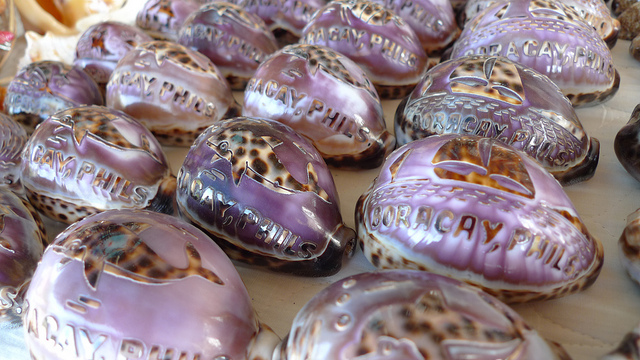
- Local Souvenirs: Calamansi products, dried mangoes, shell crafts
- Best Areas: D’Mall, Station 2 night stalls
- Night Markets: Station 2 beachfront pop-up stalls
9. Suggested Itineraries
3-Day Express Itinerary
Day 1: White Beach, sunset paraw sailing
Day 2: Island hopping, D’Talipapa dinner
Day 3: Puka Beach, souvenir shopping
Off-the-Beaten-Path Route
- Sunrise at Bulabog Beach
- Motag Living Museum
- Quiet afternoon at Manoc-Manoc Beach

A Final Word: Why Boracay Still Captivates
Boracay is not just a place you arrive at; it is a place that gradually unfolds, revealing itself in moments both grand and quietly intimate. It lives in the first barefoot walk along White Beach at dawn, when the island belongs only to early risers and fishermen. In the golden hush before sunset, the sky turns theatrical, and strangers pause together in shared awe. Gentle conversations stretch late into the night over fresh seafood and soft waves. Beyond its world-famous beauty, Boracay’s true charm lies in its rhythm, a balance between celebration and stillness, between the energy of travelers and the everyday lives of the people who call the island home.
To travel well on Boracay is to slow down, listen, and engage intentionally. It means choosing locally owned restaurants, complying with environmental regulations that protect the reefs and shoreline, and remembering that this fragile island thrives only when visitors tread lightly. Whether you come seeking adventure, rest, romance, or reconnection, Boracay has a way of meeting you where you are and gently reminding you of what matters most. Leave with sun-warmed memories, a deeper appreciation for island life, and the quiet understanding that some places do not just offer an escape; they offer perspective.
If Boracay has been calling you, this is your sign. Pack light, bring curiosity, and let the island work its magic.
Boracay Travel Tour Packages You Should Try
Follow and subscribe to OutofTownBlog.com on Facebook , Twitter, Instagram, Pinterest, and YouTube for more Travel-related updates.
Read: Back in Boracay: A Revenge Travel to the Philippines’ Most Popular Beach Destination


