

 Team Out of Town
Discover Lemlunay Festival in Lake Sebu: A Celebration of T’boli Heritage
For travelers who love discovering festivals beyond the usual tourist circuit, the Lemlunay Festival in Lake Sebu, South Cotabato, offers an extraordinary opportunity to experience the traditions, spirituality, music, and artistry of the T’boli people.
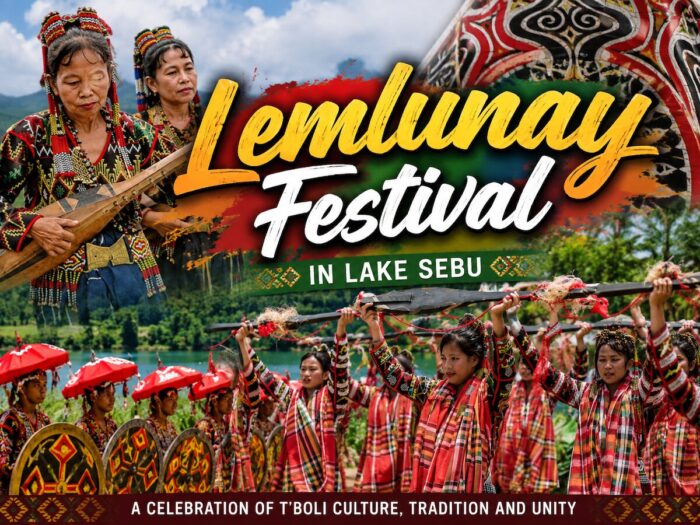
Lemlunay Festival in Lake Sebu
Also known as the T’boli Tribal Festival, Lemlunay is traditionally held around the third week of September. Its program combines indigenous rituals, traditional music and dance, community gatherings, games, and religious traditions, creating an experience deeply rooted in the cultural identity of Lake Sebu.
Lake Sebu is one of South Cotabato’s most fascinating cultural and nature destinations. It is known for its lakes, waterfalls, cool mountain environment, T’nalak weaving, brass craftsmanship, indigenous music, and T’boli heritage.
Travel note: Festival schedules can change from year to year. If you are planning a trip specifically for Lemlunay, confirm the latest official program with the local tourism authorities before booking transportation and accommodation.
What Is the Lemlunay Festival?
Lemlunay is a T’boli cultural and thanksgiving celebration traditionally associated with Lake Sebu. The name is connected with the T’boli concept of a good or ideal place associated with the afterlife and a better state of existence.
The festival reflects the T’boli aspiration to preserve their community, traditions, relationships, and cultural identity. It is therefore more than a colorful tourism event—it is an expression of heritage and community life.
The celebration features traditional rituals accompanied by gongs and indigenous music, as well as cultural dances, community activities, and traditional games. Religious traditions are also incorporated into the celebration, reflecting the unique blend of indigenous and Catholic influences found in the community.
History of the Lemlunay Festival
The roots of Lemlunay can be traced to a much smaller community celebration associated with the feast of Sta. Cruz in Lake Sebu.
During the 1970s, the religious celebration began incorporating elements of the T’boli Mo-inum, a thanksgiving tradition. Over time, the event developed into a broader cultural gathering that emphasized T’boli customs, music, dance, rituals, and community traditions.
The festival eventually grew beyond a local fiesta, bringing together representatives of different indigenous communities. Various accounts of the celebration have identified the T’boli, Ubo, Manobo, Kalangan, Tasaday, and Maguindanao among the groups connected with the wider festivities.
For visitors, this history explains why Lemlunay feels different from many conventional Philippine festivals. Its focus is not simply on entertainment but on cultural continuity, thanksgiving, identity, and the preservation of indigenous traditions.
When Is the Lemlunay Festival Celebrated?
Lemlunay has traditionally been associated with the third week of September.
However, travelers should avoid relying solely on historical festival calendars. The exact dates, venues, and activities may change from year to year, and the official program may be released relatively close to the celebration.
If you are planning a festival-focused trip, it is best to arrive at least a day before the main activities and verify the latest announcements from the Municipality of Lake Sebu and local tourism authorities.
Schedule of Activities
Because the official program can change annually, the following is a typical festival guide rather than a confirmed annual schedule.
Day 1 – Opening and Cultural Activities
The opening portion of the celebration may include:
- Festival opening ceremonies
- Indigenous rituals and thanksgiving activities
- Traditional gong and music performances
- Cultural presentations
- Community gatherings
- Exhibitions featuring indigenous crafts and products
- Traditional games and competitions
This is a good time to explore the town and learn about the T’boli community before the larger public events begin.
Day 2 – Tribal and Cultural Celebrations
The middle portion of Lemlunay generally places greater emphasis on indigenous culture.
Possible activities include:
- Tribal dances
- Traditional music performances
- Cultural presentations
- Indigenous games
- Demonstrations of traditional skills
- Community activities
- Gatherings of indigenous groups
Depending on the year’s program, visitors may also encounter cultural displays featuring traditional clothing, beadwork, brassware, and T’nalak weaving.
Day 3 – Main Festival Celebrations
The final day traditionally provides some of the most memorable moments of the celebration.
Activities may include:
- Cultural performances
- Tribal dances
- Traditional games
- Community celebrations
- Religious ceremonies
- Thanksgiving activities
- Closing ceremonies
Historical festival programs have also included a commemorative Mass that blends Catholic tradition with indigenous cultural elements.
Important: Do not assume that every activity listed above will appear in the same order or on the same dates every year. Check the latest official festival announcement before traveling.
Things to Do and See During Lemlunay
One of the best reasons to visit Lemlunay is that the festival can be combined with a broader Lake Sebu cultural and nature trip.
1. Experience T’boli Culture
Take time to learn about the T’boli way of life rather than simply watching the festival performances.
Lake Sebu is particularly known for traditional T’nalak weaving, brass making, beadwork, indigenous music, and dances. Visitors can encounter cultural bearers and artisans who continue these traditions today.
When visiting cultural communities, ask permission before taking photographs and follow local guidelines.
2. See T’nalak Weaving
T’nalak is one of the most recognizable cultural traditions associated with the T’boli people.
The intricate textile is traditionally made from abaca fibers and carries deep cultural significance. Watching the weaving process gives travelers a better understanding of the patience, skill, symbolism, and heritage behind the finished fabric.
Consider purchasing directly from legitimate local artisans when possible.
3. Visit the Seven Falls
No trip to Lake Sebu is complete without exploring its famous waterfalls.
The Seven Falls area provides spectacular mountain scenery and opportunities for adventure. The attraction is also known for its famous zipline experience, which gives visitors an aerial view of the waterfalls and surrounding landscape.
The waterfalls are especially impressive when viewed from elevated vantage points, making this one of the highlights for adventure-loving travelers.
4. Take a Lake Cruise
Lake Sebu’s tranquil waters offer a completely different experience from the festival’s excitement.
A traditional lake cruise allows you to appreciate the surrounding mountains, forests, fishing communities, and floating vegetation while enjoying a slower side of the destination.
The lake is also closely connected to local livelihoods, making a cruise an opportunity to observe everyday life in the community.
5. Try Local Tilapia Dishes
Lake Sebu is famous for its locally raised tilapia, which appears in numerous dishes served around the lake.
Try grilled, fried, or otherwise locally prepared tilapia, depending on what is available at your accommodation or local restaurants.
Food is an important part of the destination experience, so set aside time for a leisurely meal rather than treating it as merely a quick stop between attractions.
6. Visit Cultural Heritage Centers
For a deeper cultural experience, seek out places where visitors can learn about T’boli weaving, brass casting, beadwork, music, and indigenous traditions.
Cultural centers and community-based tourism experiences provide opportunities to meet artisans and cultural bearers and gain a deeper appreciation of the traditions behind the festival.
7. Explore the Surrounding Nature
Lake Sebu is much more than a festival destination. Its mountainous environment, lakes, waterfalls, and forests make it ideal for travelers who enjoy nature.
Depending on your schedule, you can combine Lemlunay with waterfall visits, nature walks, scenic viewpoints, and other outdoor activities.
8. Stay Beside the Lake
For a more immersive trip, consider staying in a lakeside accommodation rather than commuting in and out every day.
Punta Isla Lake Resort, Sunrise Garden Lake Resort, and Dolores Lake Resort are among the types of accommodations travelers can consider when planning a Lake Sebu stay.
Book early if your trip coincides with major festival activities, as accommodation options in mountain destinations can be more limited than in larger Philippine cities.
How to Get to Lake Sebu
From Manila
The easiest option for most travelers is to fly from Manila to General Santos City.
From General Santos, continue overland toward Koronadal City, then proceed toward Surallah and Lake Sebu.
An alternative is to travel via Davao City, although this can involve a longer overland journey depending on your route and transportation connections.
From General Santos City
From General Santos, travel toward Koronadal City by bus or other available public transportation.
From Koronadal, continue toward Surallah. From Surallah, travelers can find vans, jeepneys, or other local transportation heading toward Lake Sebu.
A commonly used route is:
General Santos City -> Koronadal City -> Surallah -> Lake Sebu
The journey involves several transfers, so allow plenty of travel time, especially if you are arriving on the day before a major festival activity.
By Private Vehicle
Driving can be more convenient when traveling with family or a group.
However, the final approach to Lake Sebu is mountainous, and road and weather conditions can affect travel time. Avoid driving aggressively, particularly at night or during heavy rain.
A local driver can also be helpful if you plan to visit several attractions outside the town center.
Where to Stay
Accommodation ranges from simple homestays and local lodgings to lakeside resorts.
For a more scenic stay, travelers can consider accommodations around the lake, including:
- Punta Isla Lake Resort
- Sunrise Garden Lake Resort
- Dolores Lake Resort
- Ramfels Paradise Resort
If accommodations in Lake Sebu are already full during the festival, another option is to stay in Surallah or Koronadal City and arrange transportation to Lake Sebu.
Important Travel Tips for Lemlunay Festival
1. Confirm the Festival Dates
The third week of September is the traditional period for Lemlunay, but the exact dates and activities may vary.
2. Book Early
Festival periods can increase demand for rooms and transportation. Reserve your accommodation well ahead of your trip.
3. Bring Cash
Do not assume that every small establishment, transportation provider, artisan, or food vendor accepts cards or electronic payments.
4. Dress Appropriately
Lake Sebu has a cooler mountain climate compared with many lowland destinations. Bring light layers, comfortable walking shoes, and rain protection.
5. Prepare for Rain
September can bring wet weather. A compact umbrella or rain jacket is useful, especially when moving between outdoor festival activities.
6. Respect Indigenous Traditions
Remember that Lemlunay is a cultural celebration, not simply a performance staged for tourists.
Ask permission before photographing people, especially during rituals or ceremonies. Avoid touching cultural objects or traditional clothing without permission.
7. Support Local Artisans
Buying authentic T’nalak, beadwork, brass crafts, and other locally produced items directly from legitimate artisans helps support the communities that keep these traditions alive.
8. Allow Extra Travel Time
Mountain roads, weather conditions, traffic, and transportation schedules can make journeys longer than expected.
9. Don’t Rush the Experience
Lake Sebu deserves more than a one-day festival visit. If possible, stay for two or three nights to experience both the cultural celebrations and the natural attractions.
10. Travel Responsibly
Avoid littering, minimize plastic waste, follow local environmental rules, and respect private community spaces.
Suggested 3-Day Lemlunay Festival Itinerary
Day 1: Arrival and Lake Sebu Exploration
Morning/Afternoon
- Travel to Lake Sebu
- Check in at your accommodation
- Have lunch featuring local specialties
- Explore the lake area
Late Afternoon
- Visit a cultural center or artisan community
- Learn about T’nalak weaving and T’boli traditions
Evening
- Attend any scheduled festival opening or cultural activities
- Enjoy dinner and rest
Day 2: Festival and Nature Adventure
Morning
- Attend cultural performances and festival activities
- Explore indigenous arts and crafts displays
Afternoon
- Visit Seven Falls
- Experience the zipline if conditions and operating schedules permit
Evening
- Return to town for festival performances or community activities
Day 3: Culture and Departure
Morning
- Join the final festival activities or thanksgiving ceremonies
- Take a final lake cruise or enjoy a relaxed breakfast
Afternoon
- Purchase locally made crafts
- Check out
- Travel back toward Surallah, Koronadal, or General Santos
Frequently Asked Questions About Lemlunay Festival
What is the Lemlunay Festival?
Lemlunay is a cultural celebration in Lake Sebu associated with the T’boli people. It is also known as the T’boli Tribal Festival and features indigenous traditions, rituals, music, dances, games, and community activities.
When is Lemlunay Festival held?
It has traditionally been celebrated during the third week of September. Exact dates and activities should be verified for the specific year you plan to visit.
Where is Lemlunay Festival held?
The festival is associated with Lake Sebu, South Cotabato, in the SOCCSKSARGEN region of Mindanao.
What does Lemlunay mean?
Lemlunay is associated with the T’boli concept of a good or ideal place in the afterlife. It also represents an aspiration toward a better community and way of life.
What can tourists see at the festival?
Visitors may experience indigenous dances, gong music, cultural performances, rituals, traditional games, community activities, and religious and cultural ceremonies.
Is Lemlunay Festival suitable for families?
Yes. Families interested in culture, nature, and educational travel can enjoy the festival, although parents should supervise children during crowded events and adventure activities.
What else can I do in Lake Sebu?
Popular activities include visiting the Seven Falls, riding the zipline, taking a lake cruise, learning about T’nalak weaving, exploring indigenous cultural centers, experiencing local cuisine, and visiting surrounding nature attractions.
How many days should I spend in Lake Sebu?
For Lemlunay, two to three nights is a good starting point. This gives you time to attend festival activities without sacrificing the opportunity to explore Lake Sebu’s natural and cultural attractions.
What should I wear?
Wear comfortable clothing and walking shoes. Bring a light jacket or sweater for cooler evenings and rain protection for unpredictable mountain weather.
Is Lake Sebu cold?
Lake Sebu is situated in a mountainous area and is known for its relatively cool climate. Temperatures can feel noticeably cooler than in lowland cities, particularly early in the morning and at night.
Can I photograph the festival?
Photography is generally part of the visitor experience, but cultural sensitivity is important. Ask permission before photographing individuals closely, particularly during sacred rituals and ceremonies.
Is the festival only for tourists?
No. Lemlunay is rooted in the cultural and community traditions of the T’boli people. Visitors should approach it as a living cultural celebration rather than simply an entertainment event.
Final Thoughts
For travelers who want to experience the Philippines through culture, community, nature, and tradition, Lemlunay Festival is a destination worth adding to the calendar.
What makes the experience particularly memorable is the opportunity to pair the festival with Lake Sebu’s spectacular landscapes. One day can be spent listening to gongs and watching traditional dances, while the next can take you across a peaceful lake, into a T’nalak weaving community, or above the waterfalls of Seven Falls.
Most importantly, approach Lemlunay with curiosity and respect. The festival offers visitors a window into T’boli heritage, but the traditions being celebrated belong to a living community. Taking the time to understand their meaning can turn an ordinary festival trip into a much more meaningful cultural journey.
Follow and subscribe to OutofTownBlog.com on Facebook, Twitter, Instagram, Pinterest, and YouTube for more Travel-related updates.
Read:
- Lang Dulay T’nalak Weaving Center in Lake Sebu
- Lake Sebu Travel Guide: DIY Itinerary, Hotels, Activities + How to get there and more
- Top 14 Best LAKE SEBU TOURIST SPOTS + Things to Do
- Lake Sebu: South Cotabato’s Summer Capital
- The Heartfelt Hospitality of The T’boli: How We Were Welcomed in Lake Sebu

