

 Melo Villareal
Exploring the Best Municipal Booths at Baragatan Festival 2026
Puerto Princesa City, Philippines — One of the experiences I look forward to most every year during the Baragatan Festival is exploring the municipal booths inside the Palawan Provincial Capitol Compound along Fernandez Street in Puerto Princesa City. For Baragatan Festival 2026, the grounds have once again been transformed into a vibrant cultural village where all 23 municipalities of Palawan proudly showcase their heritage, creativity, local products, and tourism treasures.

Mutya ng Palawan 2026 candidate
As I walked through the colorful displays, it felt like embarking on a journey across the entire province without ever leaving Puerto Princesa. Every booth told a unique story, offering visitors a glimpse into the culture, history, traditions, natural wonders, and livelihood of each municipality. This year’s exhibits beautifully captured the spirit of Baragatan—celebrating unity while honoring the distinct identity of every Palaweño community.

Among the most striking exhibits I encountered was the Busuanga / Coron booth. Inspired by the municipality’s world-famous lakes, towering limestone cliffs, and rich maritime heritage, the pavilion immediately drew crowds with its artistic details and impressive craftsmanship. The design transported visitors to Coron’s breathtaking seascapes, reminding everyone why it remains one of Palawan’s most iconic destinations. The booth also showcased local handicrafts by artisans from Bambuhay.
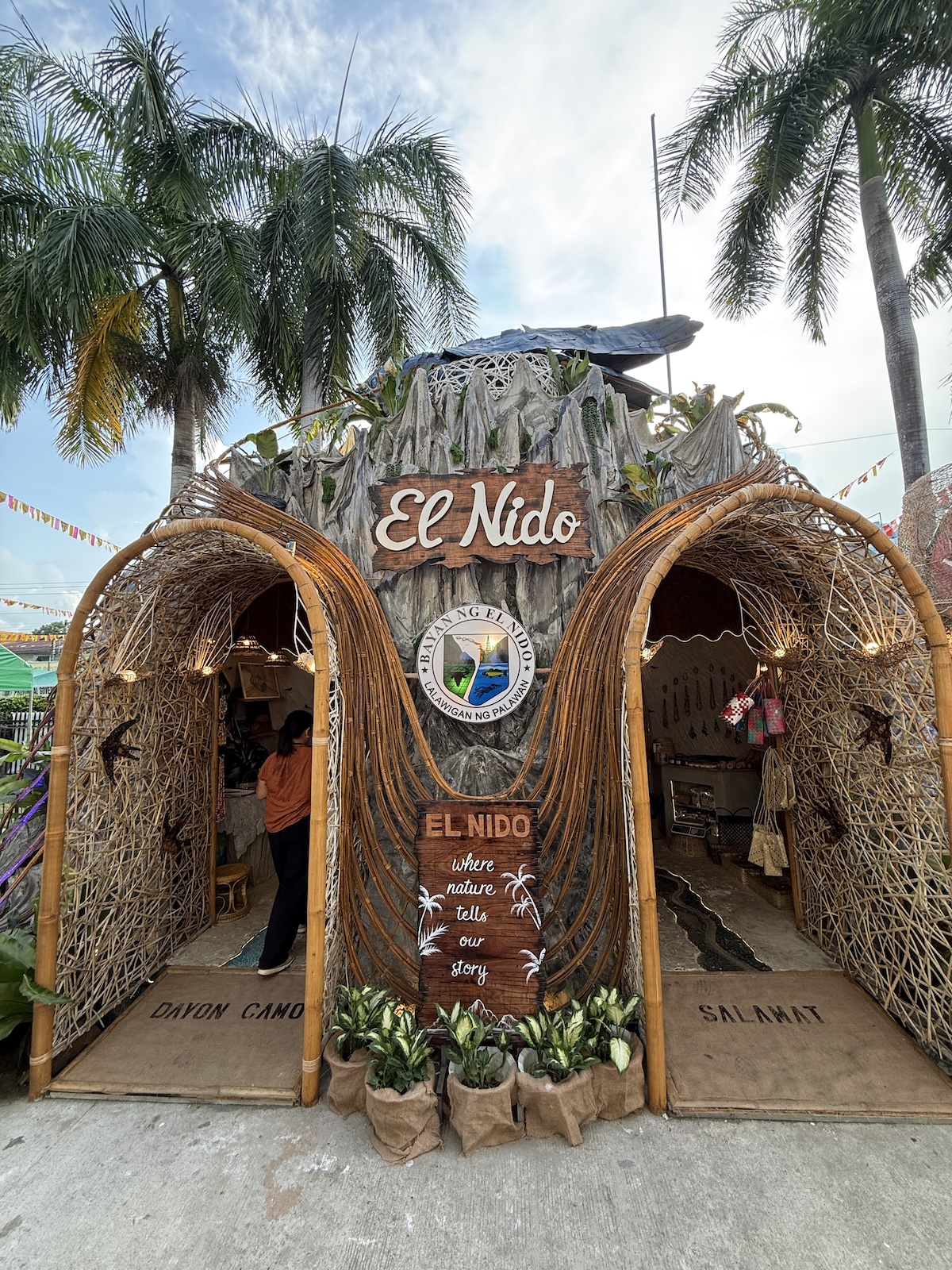
Equally captivating was the El Nido booth, which featured dramatic representations of its majestic karst formations and pristine island landscapes. The structure beautifully reflected the natural beauty that has made El Nido famous worldwide, creating one of the most photogenic attractions in the festival grounds.

Brooke’s Point impressed me with its thoughtful nature-inspired presentation, highlighting the municipality’s connection to Mount Mantalingahan and its remarkable biodiversity. Constructed using indigenous and natural materials, the pavilion also celebrated Brooke’s Point’s identity as Palawan’s coconut center. What caught my attention were the exquisite woven products crafted by Jama Mapun artisans, showcasing the enduring traditions and craftsmanship of local communities.

Sofronio Española’s booth was equally fascinating. It featured displays of woven Jama Mapun banigs and indigenous handicrafts alongside locally produced goods. The exhibit effectively captured the municipality’s cultural richness and highlighted the skills of its artisans, offering visitors a deeper appreciation of the community’s heritage.

Bataraza showcased a key cultural highlight of the festival. Its pavilion emphasized the municipality’s Muslim-Indigenous heritage by featuring detailed traditional patterns, tribal designs, and handcrafted items. The display also featured agricultural products such as pineapples, reflecting Bataraza’s reputation as Palawan’s Pineapple capital, as well as marine resources and authentic indigenous crafts. This combination beautifully represented the region’s rich cultural diversity and natural abundance.
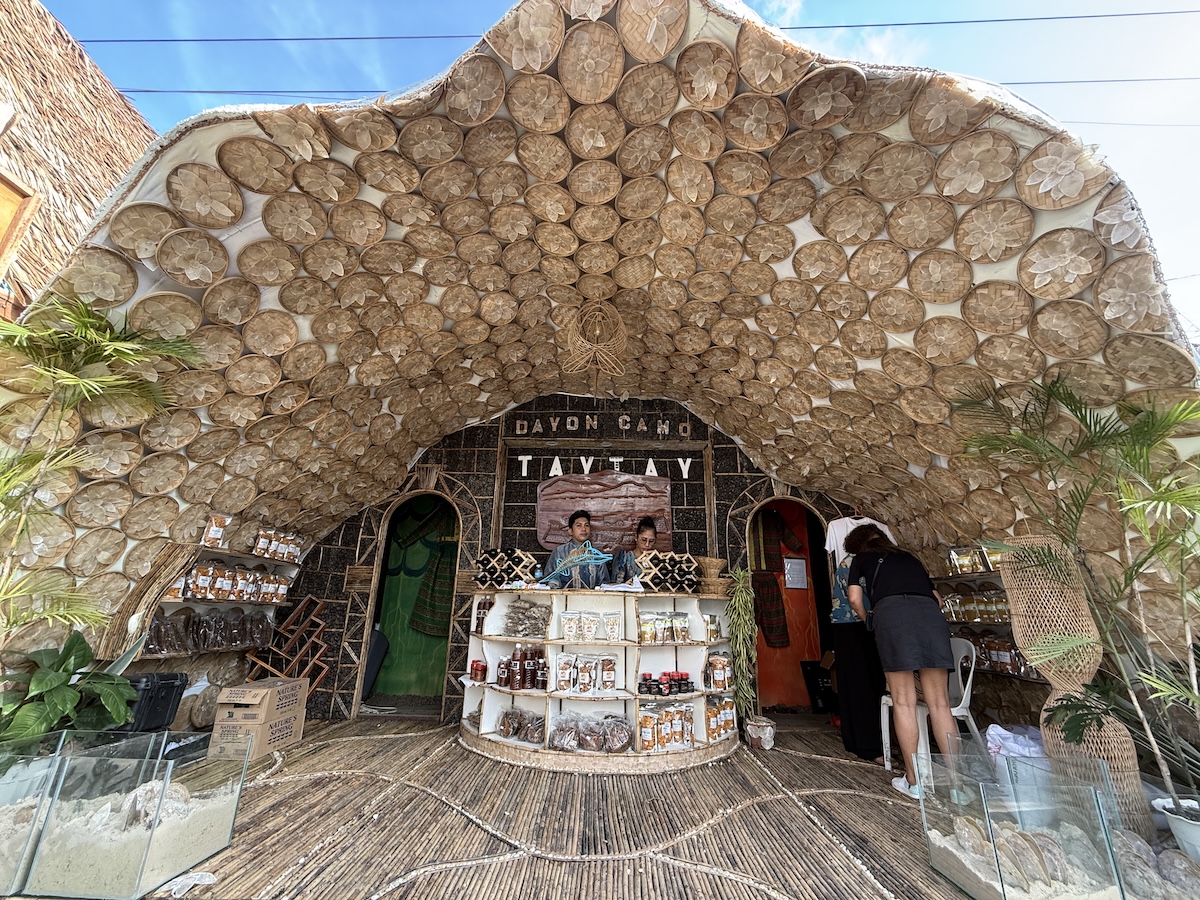
One of the most creative designs belonged to Taytay. The booth resembled a giant clam shell and was ingeniously constructed using bilao baskets and various woven materials made by local artisans. Beyond its eye-catching architecture, the exhibit celebrated Taytay’s rich history through elements inspired by Fort Santa Isabel, one of the oldest Spanish fortifications in Palawan. Visitors could also discover some of the municipality’s finest products, including premium boneless danggit, wild forest honey, roasted cashews, and flavorful chili products.

Narra proudly showcased its agricultural strength through displays of rice, coconuts, and locally crafted products. Known as the Rice Granary of Palawan, the municipality effectively highlighted the importance of agriculture in sustaining both the local economy and the province as a whole.

Among all the exhibits I visited, Rizal stood out as one of my favorites. The booth offered a remarkable showcase of the municipality’s indigenous heritage, particularly that of the Tau’t Bato people. Intricate handicrafts from Kebyagan Teyo Handicrafts, traditional weaving demonstrations, and cultural presentations created an immersive experience that helped visitors gain a deeper understanding of one of Palawan’s most fascinating indigenous communities.
San Vicente’s pavilion creatively highlighted the municipality’s growing tourism industry, particularly the world-renowned Long Beach. The exhibit combined modern design elements with natural materials, promoting its emerging ecotourism attractions while maintaining a strong connection to nature.

Aborlan, home of the Rakudan Festival, presented a charming display centered on agriculture, indigenous culture, and local craftsmanship. The use of natural materials and traditional design elements reflected the municipality’s deep agricultural roots and strong cultural identity. The booth also showcased handicrafts made by indigenous artisans from Culandanum Handicrafts.

Roxas showcased its vibrant Panalaminan Festival through colorful decorations and creative installations while emphasizing its thriving agricultural sector.
Dumaran, meanwhile, paid tribute to one of Palawan’s most important conservation symbols—the Katala or Philippine Cockatoo. The exhibit served as both a cultural showcase and a reminder of the municipality’s ongoing environmental conservation efforts.
The island municipalities delivered some of the festival’s most memorable displays. Cuyo features representations of its centuries-old churches and rich cultural traditions, proudly highlighting its historical significance as one of Palawan’s oldest settlements.

One of the most talked-about exhibits this year was undoubtedly Balabac. Greeting visitors with the phrase “POLADAS KOW!” meaning “Welcome,” the pavilion instantly captured attention. Widely regarded as one of the best-designed booths in this year’s competition, it beautifully showcased Balabac’s remote islands, powdery white-sand beaches, crystal-clear waters, and vibrant indigenous heritage. Every detail reflected the municipality’s untouched beauty and unique character.

Cagayancillo impressed visitors through its elegant use of bamboo and organic materials, demonstrating the creativity and resourcefulness of its people.

Meanwhile, Linapacan featured a traditional bahay-inspired structure complete with three welcoming arches. Walking through the exhibit felt like stepping into a traditional island home surrounded by tropical scenery.

Kalayaan Island Group delivered a powerful visual statement through a giant clam adorned with multiple Philippine flags. Beyond its artistic appeal, the display symbolized the municipality’s importance within Palawan and the Philippines, drawing significant attention from festivalgoers.

As I continued exploring the area, I couldn’t help but admire the tremendous effort, creativity, and pride poured into every display. Each pavilion represented countless hours of planning and craftsmanship, reflecting the stories and aspirations of the communities they represent.
More than just a competition, the municipal booths of Baragatan Festival 2026 serve as a celebration of Palawan’s diversity and unity. Together, the 23 municipalities have created an extraordinary cultural showcase that allows visitors to experience the very best of the province—from its rich history and indigenous traditions to its breathtaking natural attractions and world-class local products.
For anyone visiting Baragatan this year, a walk through these remarkable exhibits is an experience not to be missed.
Follow and subscribe to OutofTownBlog.com on Facebook , Twitter, Instagram, Pinterest, and YouTube for more Travel-related updates.
Read: Palawan Bets Big on Baragatan 2026 to Draw Tourists With Culture, Concerts, and Grand Street Dancing