

 Melo Villareal
Discover Lake Sebu: Top Tourist Spots and Activities to Enjoy
Nestled in the scenic highlands of South Cotabato, Philippines, Lake Sebu is celebrated for its vibrant indigenous heritage and awe-inspiring natural beauty. A top tourist destination, the town is renowned for its three beautiful lakes, chief among them the iconic and expansive Lake Sebu. Surrounded by rolling hills, lush forests, and traditional communities, the area offers visitors a chance to immerse themselves in both local culture and tranquil scenery.

Tourists can enjoy a variety of activities in Lake Sebu. One of the most popular things to do is visit Seven Falls, which features seven waterfalls accessible by zipline or on foot. Visitors can also take a boat or kayak ride on Lake Sebu, Lake Lahit, and Lake Siloton.
The T’boli Museum and Lang Dulay Weaving Center are must-visit attractions for anyone interested in local culture. Overall, Lake Sebu offers a unique experience for travelers looking to immerse themselves in nature and culture.
About Lake Sebu
Lake Sebu is known for its beautiful scenery, tranquil environment, and cultural significance. The town is home to the T’boli and Ubo tribes, who have lived in the area for centuries and have preserved their unique way of life.
Geographical Location
Lake Sebu is situated in the highlands of South Cotabato, approximately 354 kilometers south of Manila. It is nestled at an altitude of 1,000 meters above sea level and covers 354 hectares. The town is surrounded by lush forests, rolling hills, and pristine lakes, making it a popular destination for nature lovers and adventure seekers.
Cultural Significance
The T’boli and Ubo tribes are the main indigenous groups in Lake Sebu. They are known for their rich cultural heritage, which includes traditional music, dance, and weaving. Visitors can learn about the T’boli culture by visiting the T’boli Museum, which showcases artifacts, costumes, and musical instruments.
Getting to Lake Sebu
Here’s how to get to Lake Sebu:
Here’s a clean, no-icons, no-links guide on how to get to Lake Sebu, South Cotabato, Philippines:
From Manila (or Luzon)
- Take a flight to General Santos City (GenSan).
- From the airport, take a taxi or jeepney to Bulaong Terminal.
- Ride a van or bus to Koronadal (Marbel).
- From Koronadal, take a van or jeepney to Lake Sebu.
Total travel time (after flight): about 3–5 hours.
From Davao City
- Go to Ecoland Bus Terminal.
- Take a bus to Koronadal City.
- From Koronadal, take a van or jeepney to Lake Sebu.
Travel time: about 6–8 hours.
From General Santos City
- Go to Bulaong Terminal.
- Take a van or bus to Koronadal.
- Transfer to a van or jeepney to Lake Sebu.
Travel time: about 3–4 hours.
(Some vans go directly to Lake Sebu, but schedules are limited.)
From Koronadal or Surallah
If you’re already nearby:
- Take a van or jeepney directly to Lake Sebu.
- These run regularly during the day.
Travel time: about 1.5–2 hours.
If You’re Driving
From Koronadal or GenSan:
- Follow the road going to Surallah -> Lake Sebu.
- Roads are mostly paved and scenic, but winding.
Travel time: about 2 hours from Koronadal.
Local Transport in Lake Sebu
Once there, you can use:
- Tricycles
- Jeepneys
- Motorcycle taxis (habal-habal)
These take you to resorts, waterfalls, and viewpoints.
Quick Summary
Fastest: Fly to GenSan -> Koronadal -> Lake Sebu
Cheapest: Bus via Davao or Koronadal
Nearest hub: Koronadal City
Top Tourist Spots in Lake Sebu + Things to do
Lake Sebu is a charming town in South Cotabato, Philippines, known for its natural beauty and rich cultural heritage. Here are some of the top tourist spots in Lake Sebu that visitors should not miss:

Visit the Seven Falls
The Seven Falls is a must-visit attraction in Lake Sebu. As the name suggests, it is a series of seven waterfalls that cascade down the lush green mountainside.
Visitors can take a zipline ride that offers a bird ‘s-eye view of the falls and the surrounding landscape. There are also hiking trails that lead to each of the seven falls, allowing visitors to get up close to the cascading water.


Lake Sebu
Of course, no visit to Lake Sebu would be complete without a visit to the lake itself. Lake Sebu is a natural lake known for its crystal-clear waters and stunning scenery. Visitors can take a boat ride around the lake to enjoy the views and learn about the local culture and history.
There are also several restaurants and cafes around the lake where visitors can enjoy a meal or a snack while taking in the beautiful surroundings.

T’boli Museum
The T’boli Museum is a small but fascinating museum that showcases the culture and traditions of the T’boli people, one of the indigenous tribes that call Lake Sebu home. Visitors can learn about the tribe’s history, art, music, and dance, and even try on traditional T’boli clothing.
The museum is a great place to gain a deeper understanding of the local culture and appreciate the rich diversity of the Philippines.


Lotus Flower Garden
Experience the beauty of Lake Sebu on an early morning boat tour! Ask your hotel where to rent an Owong – a canoe made of Lawaan wood – to bring you to the picturesque Lotus Garden.
Locals call the lotus ‘sawa’, and it blooms best in the stillness of the early morning. Capture the stunning sight of the lake and its blooming lotuses before the sun rises!

Try the Seven Falls Zipline Adventure
The Seven Falls Zipline is a thrilling adventure like no other. Spanning a whopping 740 meters, it is one of the longest ziplines in the country. Not only does it boast an impressive length, but it also offers 420 meters of heart-pumping fun. The Seven Falls Zipline is arguably one of the most beautiful ziplines in the country.
Its quaint, scenic, and picturesque views make it a sight to behold. As you soar through the air, you’ll have a stunning view of the surrounding area. As if that weren’t enough, the Seven Falls Zipline is also the highest in Southeast Asia, soaring to more than 180 meters. This means you’ll be able to take in the breathtaking sights from higher up in the sky.

Lake Sebu School of Living Tradition (SLT) T’Boli Homestay
Maria Todi’s journey to preserve and showcase the vibrant culture of the T’boli tribe began in 1994. As a cultural worker, she established the School of Living Tradition as an informal learning center for both children and adults of the T’boli tribe to explore and learn about their traditional music, dance, arts, and crafts. If you want to experience this unique cultural journey, you can easily contact Maria Todi at 0935 456 9359.
Lang Dulay Weaving Center
Named after the National Commission for Culture and the Arts Gawad ng Manlilikha Awardee Lang Dulay, the Lang Dulay Weaving Center was established to preserve the traditional T’nalak weaving of her immediate family. Before she was recognized, Lang Dulay had already been passing on her skills to the women in her community.


She has a repertoire of over 50 unique T’nalak patterns, all inspired by her dreams and brought to life on her loom. Her apprentices work hard to keep her legacy alive. In the same year she was awarded, the weaving center was opened to the public, free of charge, although donations are highly appreciated. Lang Dulay Weaving Center is a testament to her dedication to her family and the Tboli Community.
Emilio’s Kawa and Flower Garden
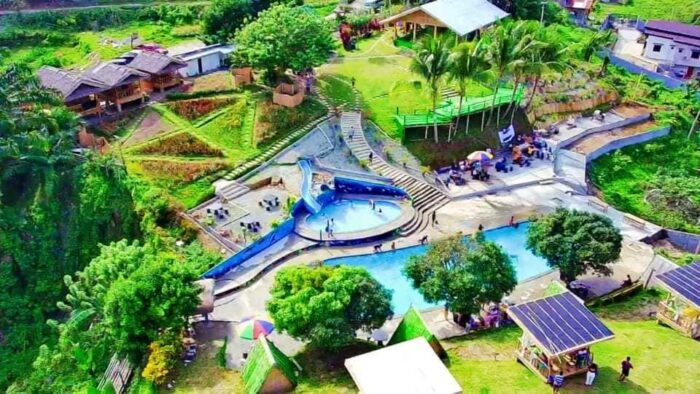
Emilio’s Kawa and Flower Garden is a hidden gem in Purok 4, Brgy. Talisay, Lake Sebu, South Cotabato. Just a short 21-minute drive from Surallah, South Cotabato, this picturesque paradise is the perfect spot to unwind and take in the stunning views of the nearby rice fields, colorful hills, and the lush green hues of the mountain forest.
Visitors come from all over to experience the relaxing and therapeutic ‘kawa’ bath, and the garden also offers accommodations and day tours. The restaurant is open for breakfast, lunch, and dinner, making it the ideal destination to spend a day or two.

Dreamweavers Hill
Discover the beauty of Dreamweavers Hill in Brgy. Lamdalag and be mesmerized by its wonders! With its amazing natural attractions, kind and hospitable people, and colorful culture and traditions, this hidden paradise is the perfect place to immerse yourself in the unique T’boli culture while taking in the breathtaking views of Lake Sebu.
Enjoy a tranquil retreat in the bamboo-constructed accommodation, which can accommodate up to 15 people. Don’t forget to try the local cuisine in their own restaurant and experience the unique flavor of native coffee. Capture picturesque moments amid lush greenery and beautiful blossoms, or pose in front of traditional residences, hammocks, and other scenic spots.
Garden By The Lake
Tucked away in the tranquil beauty of Lake Sebu, the Garden by the Lake is a resort offering guests breathtaking views of the area. Since its inception in 2016, the Garden by the Lake has become a prominent destination for visitors seeking a unique and memorable experience.
From its luxurious accommodations to its recreational amenities, the resort offers a wide array of features to make your stay truly enjoyable. You’ll also have easy access to some of the area’s best tourist sights and local restaurants.

Camp Lake View
Discover Camp Lake View, nestled in the picturesque Sitio Tukufol of Brgy Poblacion, Lake Sebu. With a wide range of activities to choose from, such as lake tours, camping sites, and a floating restaurant, there’s something for everyone to enjoy.
The resort also offers hotel accommodations for those seeking a more comfortable stay. For those seeking an extraordinary event, Camp Lake View is the perfect place for a garden wedding, with its breathtaking views offering a romantic, unforgettable setting.

Dolores Lake Resort
Dolores Lake Resort is the perfect destination for those seeking a secluded, tranquil getaway. Located in Sitio Tukofol, Lake Sebu, South Cotabato, this 5th property of Dolores Hotels and Resorts offers 20 well-appointed rooms with an exclusive view of the nearby lakes and mountains.
Take a dip in the wide pool, perfect for both kids and adults. Enjoy the all-day dining restaurant Al Fresco, where you can savor an eclectic selection of dishes inspired by native cuisines. From Tilapia Finger to Dolores Express, there is something for everyone from breakfast to dinner. Make Dolores Lake Resort your top choice for an unforgettable experience in Lake Sebu, South Cotabato.

Sunrise Garden Lake Resort
Experience the breathtaking beauty of South Cotabato with a stay at the Sunrise Garden Lake Resort! Start your journey with a stay at this property, which offers free car parking for added convenience.
Located in the picturesque Lake Sebu area, this resort puts you close to exciting attractions and delicious dining options. Enjoy the special facilities that make your stay even more special, including indoor and outdoor pools.

Our Lady of Divine Mercy Shrine
Visitors are drawn to the Divine Mercy Shrine, where an awe-inspiring 15-meter-tall statue of Jesus Christ towers over the 4-hectare private property. Not only is the site open to all without charge, but it also offers a breathtaking view of the rolling valley below and is home to the T’boli tribe.
This picturesque town, known as the “summer capital” of South Cotabato, is renowned for its T’nalak cloth, woven by the T’boli tribe, and for tilapia grown in cages off Lake Sebu. The shrine has been instrumental in making the area a popular tourist destination.
Local Cuisine to Try
When in Lake Sebu, it is a must to try their local cuisine. Here are some dishes that visitors should not miss.
Tilapia Delicacies
As Lake Sebu is known for its tilapia farms, it is no surprise that most of its local dishes feature this freshwater fish. Some popular tilapia dishes are kinilaw (raw fish salad), sinuglaw (grilled and chopped tilapia), and fried tilapia.
One of the best places to try these dishes is Punta Isla Lake Resort’s restaurant, which offers a stunning lake view while you dine. They also have a floating restaurant where guests can dine while cruising around the lake.

Where to Stay in Lake Sebu
Lake Sebu is a popular tourist destination in South Cotabato, Philippines. Several hotels and resorts in the area offer comfortable stays for travelers. Here are two of the best places to stay in Lake Sebu:
Mountain Log Resort
Mountain Log Resort is a cozy accommodation in Lake Sebu that offers a rustic, peaceful atmosphere. The resort is located on a hilltop, offering panoramic views of the lake. The rooms are clean, spacious, and equipped with basic amenities, including air conditioning and hot-water showers. Guests can also enjoy a range of activities, such as hiking, fishing, and birdwatching.

Punta Isla Lake Resort
Punta Isla Lake Resort is a popular choice for travelers who want to experience the beauty of Lake Sebu. The resort is located on the shores of the lake and offers stunning views of the surrounding mountains. The rooms are spacious, clean, and equipped with modern amenities, including air conditioning and hot-water showers. Guests can also enjoy activities such as kayaking, fishing, and hiking.
Both Mountain Log Resort and Punta Isla Lake Resort offer a comfortable stay for travelers who want to explore the beauty of Lake Sebu. These accommodations offer a peaceful, relaxing atmosphere perfect for those who want to escape the city’s hustle and bustle.
Best Time to Visit Lake Sebu
The best time to visit Lake Sebu is during the dry season from February to April, when you’ll experience the clearest skies, minimal rainfall, and pleasant weather ideal for outdoor activities and sightseeing.
However, the most critical timing isn’t just the month—it’s the hour of the day. Lake Sebu is known for its stunning early-morning scenery, particularly the fog that blankets the lake at dawn, so waking up before sunrise is essential to experience the destination’s most magical moments. If you’re planning to zipline across the Seven Falls, trek to the waterfalls, or explore the lakes by boat, the dry season offers the safest and most comfortable conditions.
That said, Lake Sebu is accessible year-round, thanks to its tropical rainforest climate with an average temperature of around 21.8°C (71.3°F). Its elevation of about 230 meters above sea level makes it cooler than most Philippine destinations. Even during the wet season, the area remains lush and beautiful, though you should expect more rainfall.
The cooler highland climate means you won’t experience the oppressive heat found in coastal areas, making Lake Sebu comfortable to visit year-round. For the best overall experience, combining ideal weather, cultural festivals, and outdoor activities, plan your visit between February and April, but be prepared to rise early to catch those unforgettable misty lake views.
Travel Tips for Lake Sebu Visitors
When planning a trip to Lake Sebu, it is essential to prepare well to make the most of your visit. Here are some helpful travel tips to ensure a smooth and enjoyable experience:
1. Research and plan ahead
Before your trip, do some research to familiarize yourself with Lake Sebu’s attractions, weather conditions, and local customs. Planning ahead will help you make the most of your time and ensure you don’t miss out on any must-visit places or activities.
2. Pack appropriate clothing and essentials
Lake Sebu is in a highland area, so the weather can be cooler than in other parts of South Cotabato. Be sure to pack warm clothing, especially for evenings or early-morning tours. Don’t forget essentials such as sunscreen, insect repellent, and a reliable pair of walking shoes.
3. Respect the local culture
Lake Sebu is home to the T’boli indigenous people, known for their rich cultural heritage. When visiting their villages or participating in cultural activities, it is essential to respect their beliefs and customs. Dress modestly, ask for permission before taking photos, and be mindful of their traditions.
4. Try local cuisine
Lake Sebu offers a wide variety of traditional Filipino and T’boli dishes. Don’t miss the opportunity to try their famous tilapia, served in various styles, including fried, grilled, or cooked in coconut milk. Exploring the local cuisine will enhance your cultural experience and provide a taste of the region’s culinary delights.
5. Explore the seven waterfalls
Lake Sebu is known for its stunning Seven Falls. Each of these falls offers a unique and breathtaking view. Plan a tour to visit all of them, and consider taking a zipline ride across one or more of the falls for an adrenaline-pumping experience.
6. Engage in eco-friendly activities
As a responsible traveler, consider participating in eco-friendly activities offered in Lake Sebu. These include responsible boating tours, nature walks, and a visit to the Lake Sebu Watershed Management and Visitor Center to learn about the region’s conservation efforts. Leave no trace and help preserve the area’s natural beauty.
7. Experience traditional T’boli arts and crafts
Lake Sebu is known for its vibrant indigenous arts and crafts. Take the time to visit the T’boli School of Living Tradition, where you can observe and learn about traditional weaving and beadwork. Consider purchasing locally made handicrafts to support the community and bring back unique souvenirs.
8. Respect the environment
Lake Sebu’s natural beauty and resources are its greatest assets. Help preserve the environment by disposing of waste properly, avoiding single-use plastics, and following designated paths when hiking or touring. By being mindful of your impact, you can play a crucial role in maintaining the destination’s ecological balance.
Remember, a trip to Lake Sebu is about sightseeing, immersing yourself in local culture, and practicing sustainable practices. By following these travel tips, you’ll ensure a memorable and responsible visit to this beautiful destination.
Frequently Asked Questions
What are some popular tourist spots in Lake Sebu?
Lake Sebu offers several popular tourist attractions that showcase its natural beauty and cultural heritage. The Seven Falls (Dongon 7 Falls) is the area’s premier destination, featuring a series of cascading waterfalls connected by one of the longest ziplines in the Philippines, allowing visitors to soar across the lush canopy. The three interconnected lakes – Lake Sebu, Lake Lahit, and Lake Seloton – are perfect for boat rides and fishing, with Lake Sebu being the most prominent and most accessible.
Visitors can explore T’boli cultural villages to witness traditional t’nalak weaving demonstrations, purchase authentic handicrafts, and experience indigenous music and dance performances. The Lake Sebu Viewpoint offers panoramic vistas of the lakes and surrounding mountains, while the Punta Isla Lake Resort provides recreational facilities and lake access. For those interested in local culture, the School of Living Traditions showcases T’boli heritage through interactive exhibits and performances.
Additionally, trekking to the various waterfalls, particularly Hikong Alo and Hikong Bente, allows visitors to immerse themselves in the area’s pristine natural environment while learning about the cultural significance these falls hold for the indigenous communities.
What activities can one do in Lake Sebu?
Lake Sebu offers a diverse range of activities that combine adventure, nature, and cultural experiences. The most thrilling activity is ziplining across the Seven Falls, where visitors can ride one of Southeast Asia’s longest ziplines, soaring over waterfalls and lush forests with breathtaking views. Waterfall trekking and hiking allow exploration of all seven waterfalls, with trails ranging from easy to challenging terrain through verdant landscapes.
Visitors can enjoy lake cruising and boating on the three interconnected lakes, often aboard traditional T’boli boats, and try tilapia fishing, a local specialty. Cultural immersion is a highlight, with opportunities to visit T’boli villages, watch traditional t’nalak weaving demonstrations, participate in or observe indigenous music and dance performances, and purchase authentic handicrafts like beadwork and brassware.
For photography enthusiasts, the scenic viewpoints offer stunning vistas of lakes and mountains. Other activities include birdwatching in the forested areas, sampling local cuisine (especially the famous tilapia dishes), visiting the School of Living Traditions to learn about indigenous heritage, and exploring nearby attractions such as cultural museums.
Whether seeking adrenaline-pumping adventures or peaceful cultural encounters, Lake Sebu provides a well-rounded experience that showcases both the natural wonders and rich traditions of this Mindanao destination.
Where are some recommended places to stay in Lake Sebu?
Lake Sebu, in South Cotabato Province, Mindanao, Philippines, offers a variety of accommodation options for visitors. Here are some recommendations:
Notable Resort:
Dolores Lake Resort – Located in Sitio Tukofol, Lake Sebu, this resort offers a secluded, tranquil environment perfect for a peaceful getaway. It features 20 well-appointed rooms with breathtaking views of the nearby lakes and mountains, providing exclusivity and a serene atmosphere.
Accommodation Types Available:
- Lakeside Resorts – These offer stunning views of the lake and mountains, perfect for enjoying the natural scenery
- Budget-Friendly Hotels – Starting from around P1,349-P1,582 per night for travelers looking for affordable yet comfortable stays
- Charming Guesthouses – Smaller, more intimate accommodations that provide a local experience
What to Look For:
When choosing where to stay, consider proximity to Lake Sebu’s main attractions like the Seven Falls, T’boli cultural communities, and the lake itself. Lakeside accommodations are particularly popular for their scenic views and convenient access to water activities and local attractions.
The area offers about 11-20 different hotels and resorts to choose from, so you’ll have plenty of options depending on your budget and preferences for amenities and location.
What is Lake Sebu known for?
Lake Sebu is known for several distinctive features that make it a unique destination in the Philippines:
Natural Attractions:
- The Seven Falls (Dongon 7 Falls) – The area’s most famous attraction, featuring a series of majestic waterfalls connected by the country’s longest zipline, offering thrilling adventure activities
- Three Interconnected Lakes – Lake Sebu (the largest), Lake Lahit, and Lake Seloton, surrounded by mountains and lush forests
- Breathtaking Scenery – Pristine natural landscapes with mountains, forests, and serene waters
Cultural Heritage:
- T’boli Indigenous Culture – Home to the T’boli people, along with Tiruray, Ubo, and Manobo tribes
- T’nalak Weaving – The famous traditional fabric made from abaca fibers with intricate geometric patterns, considered sacred by the T’boli
- Traditional Music and Dance – Rich cultural performances and indigenous musical instruments
- Handicrafts – Intricate beadwork, brassware, and other traditional crafts
Eco-Tourism: Lake Sebu is recognized as the “capital of eco-tourism” in South Mindanao, offering activities like:
- Ziplining across the Seven Falls
- Lake cruises and water activities
- Cultural village tours
- Waterfall trekking
Environmental Importance: Lake Sebu is one of the most critical watersheds in the Philippines, providing irrigation water to the provinces of South Cotabato and Sultan Kudarat.
The name “Sebu” literally means “lake” in T’boli, making “Lake Sebu” translate to “Lake Lake,” reflecting the area’s deep indigenous roots and the central role these bodies of water play in the region’s identity.
What is the history of Lake Sebu?
Lake Sebu has a rich history deeply intertwined with the indigenous T’boli people, who have inhabited the area for centuries.
Indigenous Heritage: The T’boli people are the original inhabitants of Lake Sebu and have preserved their unique culture, traditions, and way of life for generations. They are known for their intricate craftsmanship, particularly their traditional weaving called “t’nalak” – a sacred cloth made from abaca fibers with distinctive geometric patterns. The T’boli also have a rich musical tradition, including the use of the “hegelung” (a two-stringed lute) and brass instruments.
Origin of the Name: “Sebu” comes from the T’boli word for lake. The area is actually home to three natural lakes: Lake Sebu (the largest), Lake Lahit, and Lake Seloton, all interconnected and surrounded by mountains and lush forests.
Modern Development: Lake Sebu was officially established as a municipality in South Cotabato Province. Over the years, it has transformed from a remote indigenous settlement into a recognized eco-tourism destination while maintaining its cultural identity. The municipality encompasses several barangays and has worked to balance development with the preservation of T’boli culture and the area’s natural resources.
Cultural Preservation: Despite modernization, Lake Sebu remains a living museum of T’boli culture. The community continues to practice traditional customs, perform ritual dances, and maintain their ancestral way of life, particularly around fishing, agriculture, and handicraft production.
Today, Lake Sebu stands as one of the few places in the Philippines where indigenous culture remains vibrant and accessible to visitors, making it both a cultural treasure and a vital eco-tourism destination in Mindanao.
What is the significance of the 7 falls in Lake Sebu?
The Seven Falls of Lake Sebu hold both natural and cultural significance for the area:
Natural Beauty: The Seven Falls, also known as “Dongon 7 Falls,” are a series of majestic waterfalls cascading together in sequence, creating a breathtaking natural attraction. They’re surrounded by lush green forests and vegetation, making them one of the most treasured natural assets of Lake Sebu and a highlight of South Cotabato’s eco-tourism.
Cultural Importance: Each of the seven waterfalls bears T’boli names, reflecting the indigenous T’boli people’s connection to these natural wonders. The T’boli are the indigenous inhabitants of Lake Sebu, and these falls are highly venerated by the community. The names describe characteristics of each waterfall:
- Hikong Alo (Falls 1) – meaning “passage falls,” it’s the most accessible and serves as the starting point for the zip line attraction
- Hikong Bente (Falls 2) – features a towering waterfall that cascades into a deep pool
- The remaining five falls continue the series through the forest
Tourism Significance: The Seven Falls have become the centerpiece of Lake Sebu’s reputation as the “capital of eco-tourism” in South Mindanao. They attract visitors from across the Philippines and internationally, contributing to the local economy while showcasing Mindanao’s natural beauty.
The falls represent a harmonious blend of natural wonder and cultural heritage, making them more than just a scenic attraction; they are a symbol of the region’s identity.
Lake Sebu Travel and Tour Packages
Want more updates about new package tours and tourist attractions in Lake Sebu, South Cotabato, that you can add to your itinerary?
Follow the Out of Town Travel Blog on Facebook, Twitter, Instagram, and Pinterest if you want more travel and food-related updates.
Read:
- Lake Sebu Travel Guide: DIY Itinerary, Hotels, Activities + How to get there and more
- Lake Sebu: South Cotabato’s Summer Capital
- Ways to Discovering Your Inner T’Boli
- Spend this year’s Christmas at these 6 offbeat Philippine destinations
- Top 12 Best Things to Do in Koronadal City


