
 Team Out of Town
Discover Sangyaw Festival: Tacloban City’s Celebration of Faith and Culture
Tacloban City comes alive every June with the Sangyaw Festival, one of Eastern Visayas’ most colorful cultural and religious celebrations. For travelers who enjoy festivals, local traditions, street dancing, music, food, and immersive cultural experiences, Sangyaw is an excellent reason to visit the city.
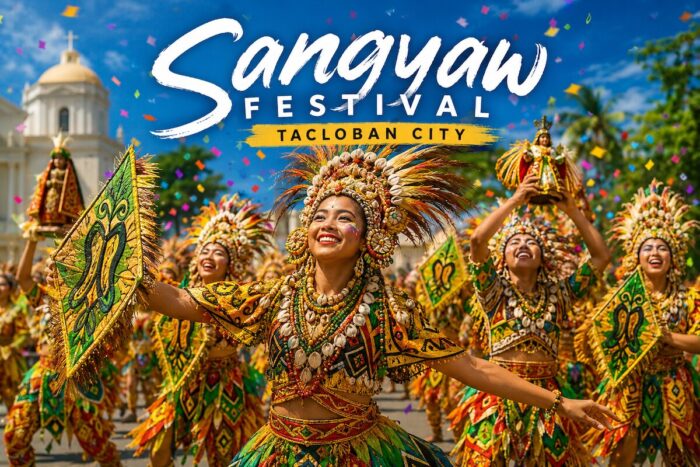
Sangyaw Festival in Tacloban City
The festival honors the Señor Santo Niño de Tacloban and celebrates Waray heritage, faith, community, and Tacloban’s enduring spirit. The word Sangyaw comes from Waray and means “to announce,” “to proclaim,” or “to herald.”
The centerpiece is the Sangyaw Parade of Lights, traditionally held on June 29, the eve of Tacloban’s Grand Fiesta on June 30. Illuminated floats, elaborate costumes, energetic dancers, music, and thousands of spectators transform the city’s streets into a spectacular nighttime celebration.
History of the Sangyaw Festival
Sangyaw has roots going back to 1974, when it was introduced as a celebration of Tacloban’s cultural identity. The original festival continued until the 1980s, after which it was discontinued following the political changes of the period.
The celebration was revived in 2008 under then-Mayor Alfred Romualdez. Since its revival, Sangyaw has become a major component of Tacloban’s annual fiesta celebrations, combining religious devotion with cultural performances, entertainment, competitions, and community activities.
Today, Sangyaw is closely associated with Tacloban’s celebration of the Señor Santo Niño and the city’s Waray cultural identity. For visitors, it offers an opportunity to see local traditions presented through dance, music, costumes, rituals, and public festivities.
What to See and Do at Sangyaw Festival
1. Watch the Sangyaw Parade of Lights
The Parade of Lights is the event to prioritize if you can attend only one festival activity.
The parade typically features illuminated floats, street dancers, colorful costumes, musical performances, and cultural storytelling. The procession moves through major streets in downtown Tacloban, with spectators gathering along the route.
Arrive early if you want a good viewing position. The most popular areas can become crowded well before the parade begins.
2. Experience the Street Dancing and Festival Performances
Street dancing is one of Sangyaw’s defining attractions. Festival contingents combine choreography, music, colorful costumes, and historical or cultural themes to tell stories connected with local heritage.
For photography enthusiasts, the parade is particularly rewarding because the performances take place at night, when costumes and illuminated elements create a dramatic atmosphere.
3. Join the Religious Celebrations
Although Sangyaw has a festive and entertainment-oriented side, its religious character remains central.
Visitors can observe the city’s devotion to the Señor Santo Niño and experience the atmosphere surrounding the traditional fiesta celebrations. Travelers should be respectful when attending religious activities, particularly during prayers, processions, and church ceremonies.
4. Explore Tacloban’s Cultural Attractions
Use your festival trip as an opportunity to explore Tacloban beyond the parade.
Among the places worth considering are the Santo Niño Shrine and Heritage Museum, which align particularly well with the festival’s religious and historical themes, and the M/V Eva Jocelyn Shrine, a landmark associated with Tacloban’s experience of Super Typhoon Yolanda.
You can also visit the Madonna of Japan and explore areas around downtown Tacloban.
5. Visit San Juanico Bridge
If you have extra time, take a side trip to San Juanico Bridge, which connects Leyte and Samar.
The bridge is one of the region’s best-known landmarks and makes a natural addition to a Tacloban festival itinerary.
6. Discover Tacloban’s Food Scene
Festival season is also a good time to sample Eastern Visayas cuisine. Look for local restaurants, food stalls, markets, and temporary festival food areas to try regional dishes and Filipino favorites.
Don’t limit your trip to the major events. One of the pleasures of festival travel is wandering through the city and discovering how residents celebrate.
Sangyaw Festival Schedule of Activities
The exact program can change from year to year, so travelers should check official city announcements before finalizing their itinerary.
In 2026, the celebration was scaled down due to the fuel crisis. Several previously planned major events—including the Sangyaw Float Competition, Sangyaw Drum and Lyre Competition, Sangyaw Mardi Gras, and Lamrag Competition—were canceled. Other activities continued, including the Sangyaw Dream Run, traditional Balyuan activities, the Festival Dance Competition, Miss Tacloban, the Sangyaw Music Festival, and the Sangyaw Parade of Lights.
A useful guide to the traditional festival calendar is:
| Date/Period | Typical Activity |
|---|---|
| Late May–June | Opening and pre-fiesta activities |
| Throughout June | Cultural, religious, community, and entertainment events |
| June 29 | Sangyaw Parade of Lights |
| June 30 | Grand Fiesta of Tacloban and Santo Niño celebrations |
| Around festival dates | Concerts, cultural performances, competitions, and community activities |
In 2026, the Sangyaw Dream Run was held on May 31 at the Tacloban City Hall Grounds, with 6K, 12K, and 21K categories.
The city has also held events such as pageants, foundation activities, cultural competitions, concerts, and other community programs during the broader fiesta period.
Important: Do not assume that a previous year’s schedule will be repeated. Festival programs may change due to weather, government directives, budget considerations, traffic arrangements, or other local circumstances.
How to Get to Tacloban City
By Air
The easiest option for travelers coming from Manila or other major Philippine cities is to fly to Daniel Z. Romualdez Airport (Tacloban Airport).
From the airport, you can take a taxi, local transportation, or other available transport services to your hotel and downtown Tacloban.
During festival season, allow extra time for traffic, especially on major parade days.
By Bus
Tacloban is connected by long-distance buses and other overland transportation services to several cities in the Visayas and parts of Luzon.
This can be a practical choice for travelers already touring Eastern Visayas or neighboring provinces.
By Private Vehicle
If you’re taking a road trip, Tacloban is accessible through the region’s major highway network. The city can also serve as a base for exploring Leyte and nearby Samar.
Keep in mind that major festival activities can bring temporary road closures and traffic rerouting.
Best Time to Visit Sangyaw Festival
The most exciting time is late June, particularly June 29 for the Parade of Lights and June 30 for the Grand Fiesta.
If you want a broader experience, consider staying for several days rather than visiting only for the parade. This gives you time to combine festival activities with sightseeing, food trips, cultural attractions, and a side trip around Leyte.
Important Travel Tips
Book Accommodation Early
Festival dates can increase demand for hotels and other accommodations. Reserve your room as early as possible, particularly if you plan to travel around June 29–30.
Arrive Early for the Parade
Don’t arrive minutes before the parade starts and expect to find a prime viewing spot. Popular areas can become crowded, so give yourself plenty of time.
Wear Comfortable Clothing
Expect warm, humid weather and plenty of walking. Lightweight clothing, comfortable shoes, a hat, and sunscreen are useful.
Bring Rain Protection
June can bring rain, so pack a compact umbrella or lightweight rain jacket. A waterproof pouch or bag can also protect your phone and camera.
Prepare for Crowds
Keep your valuables secure and avoid carrying unnecessary items. A small crossbody bag or secure daypack is generally more convenient than a large backpack.
Plan Transportation in Advance
Festival traffic can be significantly heavier than usual. Check road advisories before heading out and expect delays around parade routes.
Respect Religious Traditions
Remember that Sangyaw is not simply a street party. It has deep religious significance for many Taclobanons. Dress and behave respectfully when attending religious ceremonies and visiting sacred sites.
Carry Cash
While many establishments accept digital payments, carrying some Philippine pesos is useful for local food stalls, small vendors, transportation, and other festival-related purchases.
Stay Hydrated
Walking around crowded streets while watching performances can be tiring. Bring water and take breaks, particularly during daytime activities.
Protect Your Phone and Camera
Festival photography can be tempting, but crowded conditions make phones and cameras vulnerable. Use a wrist strap or secure bag and avoid leaving valuables unattended.
Check the Official Program
The festival schedule can change from year to year. Check the latest announcements before traveling, particularly if you are visiting specifically for a competition, concert, parade, or religious activity.
Why You Should Experience Sangyaw Festival
Sangyaw is more than a colorful parade. It brings together faith, Waray culture, local history, music, dance, community pride, and Tacloban’s resilient character.
For frequent travelers, it is especially appealing because the festival can be combined with a broader trip to Eastern Visayas. You can spend the day discovering Tacloban’s historical and cultural attractions, sampling local food, exploring Leyte and Samar, and then returning to the city for an evening of music, dancing, and lights.
The result is a travel experience that feels distinctly local rather than simply another large Philippine festival.
Frequently Asked Questions About Sangyaw Festival
What is Sangyaw Festival?
Sangyaw Festival is an annual cultural and religious celebration in Tacloban City, Leyte, honoring the Señor Santo Niño while showcasing Waray heritage through dance, music, cultural presentations, religious activities, and community events.
What does Sangyaw mean?
Sangyaw is a Waray word meaning “to announce,” “to proclaim,” or “to herald.”
When is Sangyaw Festival celebrated?
The broader celebration takes place during June, with the Sangyaw Parade of Lights traditionally held on June 29 and the Grand Fiesta of Tacloban on June 30.
What is the main event of Sangyaw Festival?
The Sangyaw Parade of Lights is the festival’s signature event. It features illuminated floats, street dancers, elaborate costumes, music, and cultural performances.
Is Sangyaw Festival religious?
Yes. The celebration honors the Señor Santo Niño de Tacloban and has an important religious dimension, although it also includes cultural, entertainment, and community activities.
Is Sangyaw Festival suitable for tourists?
Absolutely. It is particularly appealing to travelers interested in Philippine culture, festivals, photography, food, history, and local traditions.
How many days should I spend in Tacloban?
For a festival-focused trip, three to four days is a good starting point. This allows time for the main celebration as well as sightseeing around Tacloban. Add more days if you want to explore Leyte and Samar.
What should I wear to Sangyaw Festival?
Choose lightweight, breathable clothing and comfortable walking shoes. Bring rain protection because weather conditions can change quickly during the rainy season.
Is the Sangyaw Parade of Lights free?
Public viewing along the parade route is generally accessible without an admission ticket, although specific festival events or activities may require separate registration or admission.
Can I take photos during the festival?
Yes. Photography is one of the highlights for many visitors. However, avoid obstructing performers or other spectators, and be particularly respectful when photographing religious ceremonies.
Should I stay in Tacloban during the festival?
Yes. Staying in the city makes it much easier to attend early activities and the evening parade without having to deal with long-distance transportation after the celebration.
What other places can I visit while attending Sangyaw?
Consider visiting the Santo Niño Shrine and Heritage Museum, the M/V Eva Jocelyn Shrine, the Madonna of Japan, and the San Juanico Bridge. You can also explore local markets, restaurants, parks, and other attractions around Tacloban and nearby Leyte.
Final Thoughts
For travelers who love discovering destinations through their festivals, Sangyaw Festival is a compelling reason to visit Tacloban City. Its combination of Santo Niño devotion, Waray culture, street dancing, music, colorful costumes, illuminated displays, and community celebrations provides a memorable introduction to the character of Eastern Visayas.
Plan around the June 29 Parade of Lights, arrive early, allow extra time for traffic, and leave room in your itinerary for Tacloban’s historical attractions and surrounding destinations. Most importantly, approach the festival not just as a spectacle but as a celebration deeply connected to the city’s identity, faith, and community.
Follow and subscribe to OutofTownBlog.com on Facebook, Twitter, Instagram, Pinterest, and YouTube for more Travel-related updates.
Read: Tacloban City Travel Guide: Budget, Itinerary, Places to Stay, Things to do and More