

 Melo Villareal
Things to Do in Binondo, Manila: 10 Places and Experiences You Should Not Miss
Binondo is one of Manila’s most fascinating districts. Established in 1594, it is widely recognized as the world’s oldest Chinatown. More than four centuries later, it remains a busy commercial and cultural center where Chinese-Filipino heritage, Spanish colonial history, old Manila architecture and Filipino food traditions meet.
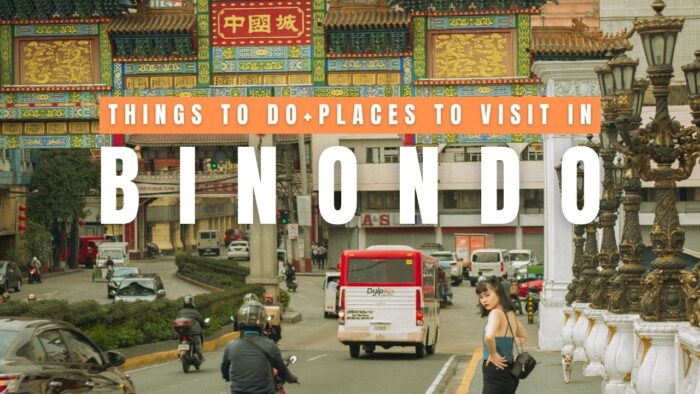
Things to do in Binondo
The best way to experience Binondo is on foot. Its streets are packed with restaurants, bakeries, jewelry shops, temples, churches, markets and heritage buildings. The district can feel overwhelming during busy hours, but that energy is part of its character.
From eating dumplings along Ongpin Street to visiting Binondo Church and exploring the Chinatown Museum, Binondo offers plenty to do for first-time visitors and returning travelers.
Here are 10 experiences worth adding to a Binondo itinerary.
1. Walk Through the Chinatown Welcome Arch
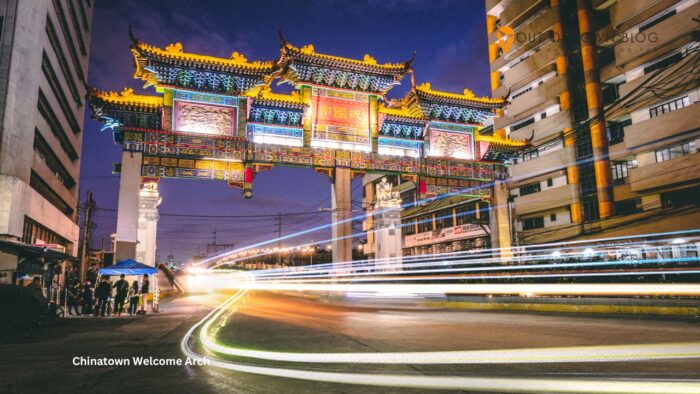
Location: Quintin Paredes Street, near Plaza Moraga and the Binondo side of Escolta
The Chinatown Welcome Arch is one of Binondo’s most recognizable gateways. Near the district’s entrance, the imposing structure immediately signals that visitors are entering Manila’s historic Chinese-Filipino community. The arch is also a popular starting point for exploring Binondo on foot. Its location makes it easy to continue toward Ongpin Street, Plaza Moraga, and the area’s food and heritage attractions.
The structure symbolizes the long-standing relationship between Filipino and Chinese communities in Manila. The district was established in 1594 as a settlement for Christianized Chinese, making it an important part of Manila’s multicultural history.
The arch is recommended for first-time visitors because it provides an easy landmark for beginning a walking tour. It is also a useful photo stop before entering the busy streets of Chinatown. From here, travelers can start exploring Binondo’s restaurants, shops, and historic buildings.
2. Visit Binondo Church
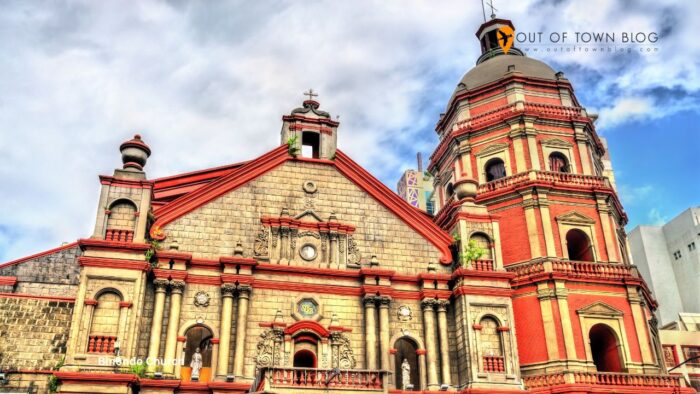
Location: Plaza Lorenzo Ruiz, at the junction of Ongpin and Quintin Paredes streets
The Minor Basilica and National Shrine of San Lorenzo Ruiz, popularly known as Binondo Church, is one of Binondo’s most important landmarks. Dominican missionaries founded the church in 1596 to serve Chinese converts to Christianity in the district.
The present structure has survived wars, earthquakes, and other disasters. World War II destroyed much of the original church, but the western façade and distinctive octagonal bell tower survived.
The church is dedicated to San Lorenzo Ruiz, the first Filipino saint, who had Chinese-Filipino heritage.
Binondo Church is recommended because it directly connects to Manila’s religious and multicultural history. It is also an ideal starting point for a Binondo walking tour. After visiting the church, travelers can easily walk toward Ongpin Street, Plaza Lorenzo Ruiz, and the district’s famous food establishments.
Visitors should dress appropriately and remember that the church remains an active place of worship.
3. Explore Ongpin Street
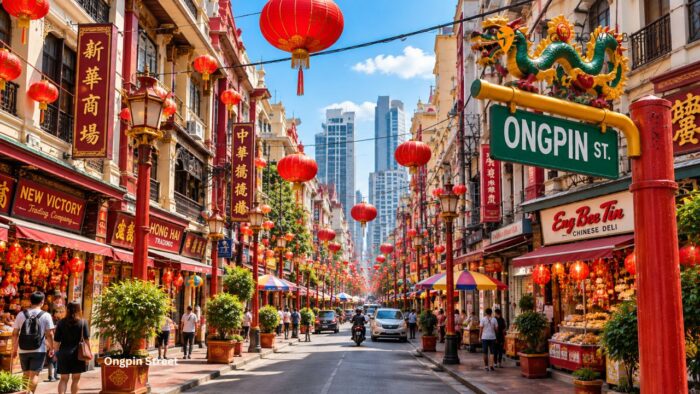
Location: Ongpin Street, Binondo
Ongpin Street is Binondo’s main artery and one of the best places to experience the district’s everyday character. The busy street is lined with Chinese restaurants, bakeries, tea shops, jewelry stores, herbal medicine shops, groceries, and food stalls.
The street is named after Roman Ongpin, a Filipino-Chinese businessman and civic leader active during the late Spanish colonial period.
Today, Ongpin remains strongly associated with Manila’s Chinese-Filipino community.
Walking along Ongpin is recommended because the experience combines food, shopping, architecture, and local culture in one stretch. Travelers can stop for dumplings, noodles, siopao, fried chicken, hopia, and other specialties without traveling far between establishments.
Visit in the morning or around lunchtime for the busiest food activity. Wear comfortable shoes and keep your belongings secure because sidewalks and streets can get crowded, especially on weekends and during festivals.
4. Go on a Binondo Food Crawl

Location: Ongpin Street, Yuchengco Street, Carvajal Street and surrounding alleys
A Binondo food crawl is one of the best ways to experience Manila’s Chinatown. Instead of choosing one restaurant for a full meal, visitors can sample several dishes from different establishments throughout the district.
Popular food stops include dumplings, fresh lumpia, fried chicken, hand-pulled noodles, siopao, hopia, and other Chinese-Filipino specialties. A typical walking route connects Binondo Church with Ongpin, Yuchengco, and Carvajal streets.
Binondo’s food culture developed from generations of Chinese-Filipino families who adapted Hokkien culinary traditions to local ingredients and Filipino tastes. This makes the district especially interesting for travelers who want to see how food reflects migration and cultural exchange.
A food crawl is recommended because it allows visitors to sample more dishes while exploring the neighborhood. Order smaller portions when possible and share dishes with companions. Bring cash and arrive hungry. First-time visitors: start late morning to early afternoon.
5. Explore Carvajal Street
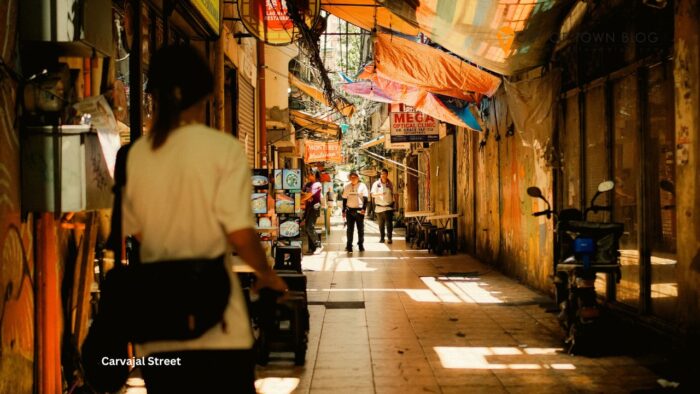
Location: Carvajal Street, Binondo
Carvajal Street is a narrow pedestrian alley tucked into Binondo’s dense commercial district. The street offers a very different atmosphere from the wider and busier Ongpin Street. Small food businesses, market stalls, and old commercial structures line the passage, creating an intimate glimpse into everyday Binondo.
The alley is also known for its connection to the district’s food culture. Small eateries along the street serve traditional Chinese-Filipino snacks and dishes, making it a worthwhile stop on a food crawl.
Carvajal is recommended because it demonstrates how much of Binondo’s character exists beyond the main streets. Visitors can find small eateries, traditional food, and old commercial spaces within a relatively compact area.
It is especially enjoyable for photographers and food travelers because the narrow alley offers a close look at the district’s daily rhythm. Visit during the day when the market activity is at its liveliest. Allow enough time to explore, rather than just walk through on the way to another attraction.
6. Visit the Chinatown Museum
Location: Fourth Floor, North Wing, Lucky Chinatown, Reina Regente Street
The Chinatown Museum offers one of the easiest ways to understand Binondo before exploring it on foot. Located inside Lucky Chinatown, the museum presents the district’s history through galleries covering its social, cultural, economic, political, and religious development.
The museum includes exhibits about old Binondo, Chinese migration, commerce, religious life, Escolta, and the development of Manila’s Chinese-Filipino community. Its galleries provide historical context that can make a subsequent walking tour more meaningful.
The museum is recommended for visitors who want more historical background instead of simply exploring Binondo through food. It is also useful during hot or rainy weather because it provides an indoor cultural experience.
Allow around one to two hours if you want to explore the exhibits properly. Check the museum’s current schedule and admission fees before visiting because operating hours and rates can change.
7. Shop for Hopia and Chinese-Filipino Pasalubong

Location: Ongpin Street and surrounding Binondo streets
Many travelers would consider a visit to Binondo incomplete without buying traditional Chinese-Filipino pastries. Hopia, tikoy, and other Chinese-Filipino treats are among the district’s most popular food souvenirs.
Several established bakeries and pastry shops operate around Ongpin and nearby streets. These businesses have helped preserve Chinese-Filipino food traditions while adapting products to Filipino tastes.
The attraction goes beyond shopping. Chinese-Filipino pastries have shaped Binondo’s commercial and culinary identity for generations, reflecting the district’s history of adapting Chinese food traditions to Filipino tastes.
Buying pastries is a great way to bring a piece of Binondo home. Hopia is convenient to pack, while tikoy is particularly popular around Chinese New Year.
Visit toward the end of your food crawl so you can choose pastries without carrying them around for several hours.
8. Visit Seng Guan Temple
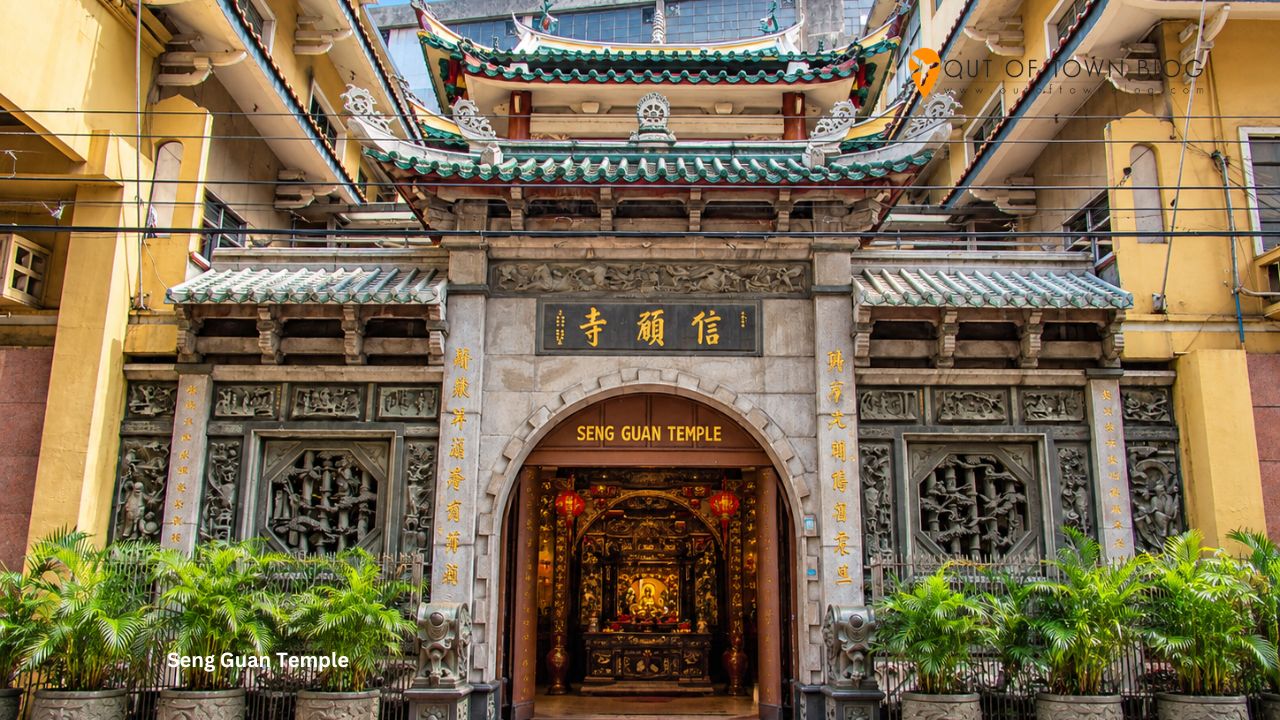
Location: Narra Street, near the Binondo-Tondo area
Seng Guan Temple is located on Narra Street near the northern edge of Binondo, in the Tondo area. The Buddhist temple provides a quieter contrast to the crowded commercial streets of Manila’s Chinatown.
The temple is known for its traditional Chinese Buddhist architecture, stone carvings, and red lanterns. Its setting offers visitors a chance to see another side of the Chinese cultural heritage that has shaped the area for centuries.
Seng Guan Temple is recommended for travelers who want to experience the spiritual dimension of Manila’s Chinese community. It also makes an interesting stop for architecture and photography enthusiasts.
Remember that the temple remains a place of worship. Dress respectfully, keep noise to a minimum, and follow any photography restrictions. Check current opening hours before you go, as temple schedules can change.
9. Have Coffee or a Meal at 1919 Grand Café
Location: 117 Juan Luna Street, Binondo
1919 Grand Café occupies a historic building at 117 Juan Luna Street. The structure was formerly associated with HSBC, which opened its first Philippine branch in Binondo in 1875.
The building reflects Binondo’s importance as a major commercial center during Manila’s development as an international trading city.
The structure was restored and transformed into a café and restaurant while retaining architectural details from its earlier period. Its interiors combine heritage elements with a contemporary dining environment. The café also overlooks Plaza Cervantes.
It is recommended for travelers who want a break from street-level exploration. The restaurant provides a comfortable setting where visitors can appreciate old Manila architecture while enjoying a meal or coffee.
It also makes a good stop for photographers interested in adaptive reuse and heritage preservation.
10. Explore Binondo’s Jewelry Shops
Location: Mainly along Ongpin Street and surrounding streets
Binondo is famous for its jewelry businesses, particularly the shops concentrated along Ongpin Street. Generations of jewelry merchants have made the district a destination for gold, jade, and precious stones.
This concentration reflects Binondo’s long history as a commercial and trading center.
Walking through the jewelry district gives visitors another perspective on Binondo. The area is less about sightseeing in the conventional sense and more about observing a specialized commercial community that has developed over generations.
Jewelry shopping is recommended even for travelers who have no intention of buying anything. The storefronts, displays, and busy commercial atmosphere offer a look at one of Binondo’s most recognizable industries.
Those planning to purchase jewelry should compare prices, ask for documentation, and verify the quality and authenticity of precious metals or stones. Travelers should also avoid making rushed purchases simply because an item appears inexpensive.
For photographers, discreet street photography can capture another side of Binondo’s commercial identity.
Other Places to See Around Binondo
Binondo’s location also makes it easy to extend a walking tour into neighboring heritage areas.
Plaza San Lorenzo Ruiz
The plaza sits directly in front of Binondo Church and provides a useful starting point for exploring the district. It is also a convenient meeting point for walking tours.
Plaza Cervantes
Near Juan Luna Street, Plaza Cervantes is surrounded by historic commercial buildings and offers an excellent introduction to Binondo’s architectural heritage.
Jones Bridge
The historic bridge connects Binondo with central Manila and Intramuros. Its ornate design makes it one of the area’s most photogenic crossings.
Escolta
Although technically outside Binondo, Escolta is close enough to include in a longer heritage walk. Its historic buildings reveal another chapter in Manila’s commercial history.
Best Way to Explore Binondo
The best way to explore Binondo is on foot.
Start at Binondo Church or the Chinatown Welcome Arch. Walk toward Ongpin Street, then explore the smaller streets and alleys around Yuchengco and Carvajal.
A practical route is:
Binondo Church -> Ongpin Street -> food crawl -> Carvajal Street -> Chinatown Museum -> 1919 Grand Café -> Escolta
Allow at least half a day for this route. A full day gives you more time to eat, shop, photograph heritage buildings, and explore smaller streets.
Binondo is also one of those destinations where getting slightly lost can lead to interesting discoveries. Keep a map on your phone, but leave room for spontaneous food stops and heritage finds.
Practical Tips for Visiting Binondo
Go early. Morning visits are more comfortable, especially if you plan to walk and eat.
Bring cash. Some small restaurants and vendors may prefer cash payments.
Wear comfortable shoes. A Binondo food and heritage walk involves plenty of walking.
Keep your belongings secure. Crowded streets require the same precautions you would use in any busy urban district.
Bring a reusable water bottle. Walking and eating in Manila’s heat can be tiring.
Do not rush your food crawl. Sharing dishes allows you to try more specialties.
Respect religious spaces. Churches and temples remain active places of worship.
Ask before photographing people. Street photography is popular in Binondo, but individual privacy still matters.
Visit on weekdays for a quieter experience. Weekends can be considerably busier, especially around popular restaurants.
Frequently Asked Questions About Binondo, Manila
1. What is Binondo famous for?
Binondo is famous as Manila’s historic Chinatown, known for Chinese-Filipino food, businesses, heritage buildings, temples, and churches. Established in 1594, it is widely recognized as the world’s oldest Chinatown. Visitors particularly come for the food along Ongpin Street, traditional bakeries, jewelry shops, Chinese temples, and Binondo Church. The district also has a long history as one of Manila’s most important commercial centers, making it a great place for travelers who want to experience both food and history in one neighborhood.
2. What are the best things to do in Binondo?
The best things to do in Binondo include visiting Binondo Church, walking along Ongpin Street, exploring Carvajal Street, trying Chinese-Filipino food, visiting the Chinatown Museum, shopping for hopia and other pastries, exploring jewelry stores, and visiting Chinese temples. Travelers can easily combine several of these activities into a half-day walking tour. Food remains one of the biggest attractions, but Binondo’s history and architecture make the district worth exploring even for visitors who are less interested in dining.
3. Is Binondo worth visiting for tourists?
Yes. Binondo is one of Manila’s most distinctive destinations because it combines history, food, religion, commerce, and Chinese-Filipino culture within a compact urban district. It is especially rewarding for travelers who enjoy walking tours and local food. The district can be crowded and chaotic, but that is part of the experience. Visitors should come prepared to walk, explore smaller streets, and try several dishes rather than expecting a conventional sightseeing destination with large tourist attractions.
4. How much time do you need in Binondo?
A half-day is enough to see Binondo’s highlights, including Binondo Church, Ongpin Street, a food crawl, and several heritage streets. A full day is better for travelers who want to visit the Chinatown Museum, explore temples, shop for pastries and jewelry, and spend more time photographing historic buildings. Travelers seeking deeper cultural exploration can also pair Binondo with Escolta, Jones Bridge, and nearby Intramuros.
5. What food should tourists try in Binondo?
Visitors should consider trying dumplings, fresh lumpia, fried chicken, hand-pulled noodles, siopao, hopia, tikoy, and other Chinese-Filipino specialties. A food crawl lets travelers sample several dishes from different restaurants instead of spending their entire meal budget at one establishment. Ongpin, Yuchengco, and Carvajal streets are especially good for finding food. Sharing dishes with companions is recommended so everyone can sample more of Binondo’s culinary specialties.
6. What is the best time to visit Binondo?
Morning through early afternoon is a practical time to visit Binondo, especially for travelers planning a food crawl. Many restaurants and bakeries are already operating, while the temperature is generally more manageable for walking than during the hottest part of the afternoon. Weekdays are usually calmer than weekends. Chinese New Year is another exciting time to visit because the district becomes particularly festive, although crowds can be significantly larger during celebrations.
7. Is Binondo safe for tourists?
Binondo is a busy commercial district where locals and tourists visit all day. Visitors should use normal urban travel precautions, particularly in crowded streets. Keep phones, wallets, and bags secure and avoid displaying large amounts of cash. Travelers should also stay aware of traffic, as streets and alleys can be busy with pedestrians, motorcycles, delivery vehicles, and other traffic. Exploring during daylight hours is generally more comfortable for first-time visitors.
8. How do you get to Binondo?
You can reach Binondo by several forms of public transportation, including the LRT, jeepneys, buses, and ride-hailing services. The nearest LRT-1 stations include Carriedo and Doroteo Jose, depending on your exact destination. Visitors can also approach Binondo from Jones Bridge and Escolta. Once inside the district, walking is often the most practical way to get between attractions because many restaurants, shops, and heritage sites are close together.
9. What should I buy in Binondo?
Popular purchases include hopia, tikoy, Chinese pastries, tea, dried food products, and other Chinese-Filipino snacks. Binondo is also known for its jewelry shops, particularly around Ongpin Street. Travelers buying jewelry should compare prices and verify product quality before buying. For an easier souvenir, traditional pastries are a practical choice because they are easy to transport and share with family and friends.
10. Can Binondo and Intramuros be visited on the same day?
Yes. Binondo and Intramuros are close enough to combine in one Manila heritage itinerary. A practical plan is to explore Binondo in the morning, have lunch during a food crawl, then cross toward Intramuros through Jones Bridge. This creates a contrasting experience between Manila’s Chinese-Filipino commercial district and its Spanish colonial walled city. Travelers who want to see both areas should set aside a full day and wear comfortable shoes, as both destinations involve considerable walking.
Want more updates about our recommended list of Best Binondo Restaurants? Please follow #TeamOutofTown on Facebook, Twitter, Instagram, and Pinterest for more travel ideas.
Read:
- Top 10 Must-Visit Restaurants in Binondo
- Top Five Attractions in the Historic City of Manila
- Manila’s Chinatown: The World’s Oldest Chinatown
- Binondo Food Trip Guide
- A Taste That Tells History: Dining at Masuki, Binondo