

 Melo Villareal
Central Luzon MSMEs Generate PHP 58.49 Million at Likha Trade Fair in Manila
Central Luzon entrepreneurs are finding bigger markets for their products as the region’s micro, small, and medium enterprises (MSMEs) continue to expand beyond their home provinces.

28th Likha ng Central Luzon Trade Fair
The 28th Likha ng Central Luzon Trade Fair generated PHP58,491,489.35 in sales, giving 151 participating entrepreneurs an opportunity to introduce their products to consumers, business partners, institutional buyers, and potential exporters in Metro Manila.
Held from September 23 to 27 at Megatrade Hall 2 of SM Megamall, the five-day trade fair exceeded its PHP38-million sales target by 53.55 percent.
The strong performance highlights the growing potential of Central Luzon-made products and the importance of market access in helping provincial businesses compete in larger domestic and international markets.
Likha Fair Surpasses Its Sales Target
The 2026 Likha ng Central Luzon Trade Fair recorded PHP58.49 million in sales, including completed purchases, confirmed orders, and ongoing business negotiations.
The sales breakdown included:
- PHP22.6 million in direct cash sales
- PHP26.64 million in booked orders
- PHP9.2 million in pending negotiations
The result also slightly surpassed the previous year’s PHP57.85 million performance by about PHP500,000, a 0.86 percent increase.
For participating entrepreneurs, however, the trade fair’s value extends beyond the five-day event.
The fair gives provincial businesses direct exposure to customers and buyers they might otherwise struggle to reach from their home communities.
Giving Central Luzon Entrepreneurs Access to Bigger Markets
Department of Trade and Industry (DTI) Assistant Secretary for Regional Operations Group Leonila Baluyut emphasized that sustainable market access remains one of the most important benefits of trade fairs.
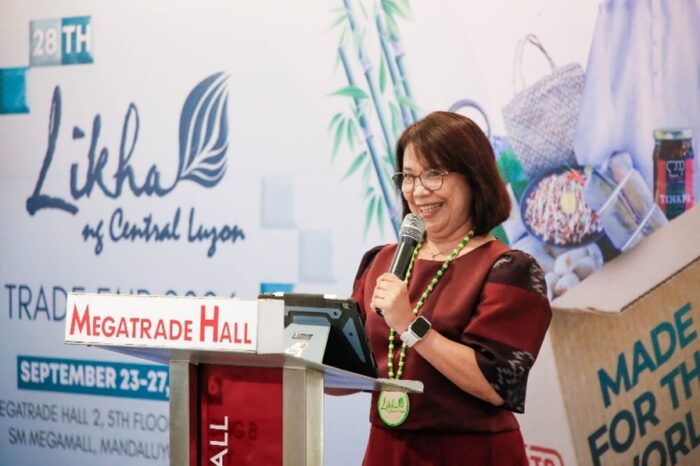
For MSMEs, securing consistent orders can increase production, employ more workers, improve operations, and generate additional economic activity in their communities.
This makes events such as Likha an important platform for businesses that want to move from small-scale operations toward more established enterprises.
DTI also helps participating entrepreneurs with product development, design improvement, cost management, and buyer negotiations.
The agency also helps connect MSMEs with institutional buyers and potential exporters.
Central Luzon Products Get Direct Market Feedback
Bringing products from Central Luzon to Metro Manila gives entrepreneurs another important advantage. They can see how customers respond to their products and identify areas for improvement.
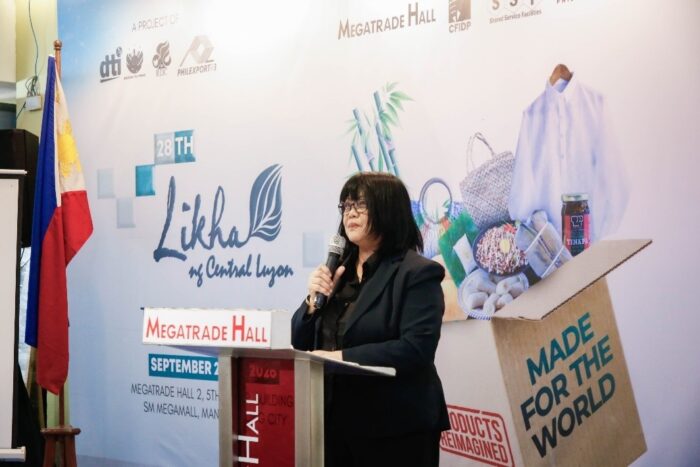
DTI Region III Regional Director Edna Dizon said the trade fair helps connect enterprises with domestic and international institutional buyers while encouraging entrepreneurs to refine their products based on actual market response.
This direct feedback can influence everything from packaging and product design to pricing and product development.
For provincial entrepreneurs, these insights can help them compete more effectively when entering new markets.
“Products Reimagined, Made for the World”
The trade fair carried the theme “Products Reimagined, Made for the World,” reflecting its focus on helping Central Luzon businesses become more market-ready.
Export opportunities form part of this strategy.
DTI helps MSMEs understand export requirements and connects them with established exporters who can guide them on international shipping, trade terms, and client negotiations.
For entrepreneurs considering international markets, these connections can help make the transition less challenging.
The process also encourages businesses to assess whether their products, packaging, pricing, production capacity, and business systems can handle larger orders.
Cley’s Food Products Turns Local Flavors Into a Growing Business
Among the entrepreneurs benefiting from DTI programs is Cley’s Food Products CEO Mia Velasco Reyes of Orani, Bataan.

Reyes began selling products online in 2015 after a customer asked about local products to introduce to the Manila market.
She saw an opportunity in Orani’s abundant seafood resources and developed products such as bottled crab paste.
Her participation in DTI initiatives, including the Kapatid Mentor ME (KMME) program, helped her strengthen her business and gain more opportunities to participate in physical trade events.
Likha became one of the platforms where she could introduce her products to a wider customer base.
Her experience reflects how local resources can become commercially viable products when entrepreneurs combine market knowledge, product development, and business support.
A Pandemic Craft Project Becomes a Growing Enterprise
Annika Pascual’s story with Anikka’s Handy Crafts in Tarlac shows another path to entrepreneurship.
What began as a pandemic craft project eventually grew into a business after online interest in her customized hanging decor increased.

Pascual is now in her fifth year participating in Likha.
For her, the event provides more than an additional sales channel. It also offers opportunities to learn from other entrepreneurs, exchange ideas, and gain inspiration.
Trade fairs can therefore serve as informal learning environments where business owners can observe new products, marketing approaches, packaging ideas, and customer preferences.
WoodInspirations Crafts Builds Long-Term Business Connections
For more than two decades, participation in Likha has been part of WoodInspirations Crafts’ growth strategy.
The Tarlac-based company traces its beginnings to a family woodworking hobby in 2002. The business has since grown into a 10-person enterprise.
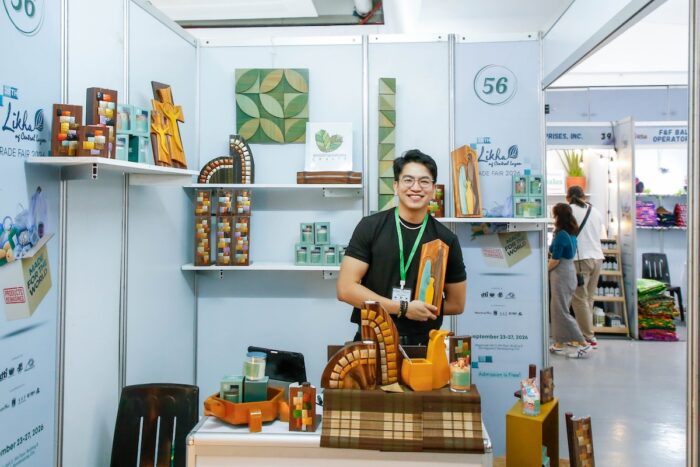
Marketing and product development officer Maiko Pascual credited the annual trade fair with helping the company establish repeat clients, export channels, institutional partnerships, and promotional collaborations.
The company’s experience illustrates trade fairs’ potential long-term impact.
A successful trade event does not necessarily end when customers leave the venue. Relationships built during the event can lead to repeat orders, partnerships, distribution opportunities, and new markets.
Why Trade Fairs Matter to Provincial MSMEs
For many small businesses, geography can limit access to customers and corporate buyers.
A business based in a provincial community may have a strong product but limited opportunities to reach large markets.
Trade fairs help bridge that gap.
Events such as Likha let entrepreneurs bring products directly to major commercial centers and interact face-to-face with potential buyers.
They can also use these events to:
- Test new products
- Receive customer feedback
- Improve packaging and presentation
- Meet institutional buyers
- Find potential distributors
- Build relationships with exporters
- Explore international markets
- Develop repeat customers
- Learn from fellow entrepreneurs
- Strengthen their brand presence
These opportunities can be especially valuable for businesses transitioning from online selling, home-based production, or small community markets into larger commercial operations.
Supporting Local Businesses Beyond the Trade Fair
Likha’s success also shows the role government agencies and private-sector partners can play in supporting Philippine entrepreneurship.
DTI Region III organized the event in partnership with PhilExport Region III, the Regional Development Council Region III, SM Supermalls, and the Central Luzon Growth Corridor Foundation Inc.
The trade fair brings together enterprises from the region’s seven provinces and provides them with access to markets in Metro Manila and beyond.
For consumers, events like Likha offer an opportunity to discover products made by Filipino entrepreneurs.
For business owners, they provide a platform to build relationships and explore new opportunities.
For Central Luzon communities, MSME growth can mean more jobs, stronger local industries, and more economic activity.
Central Luzon Businesses Looking Beyond Their Home Markets
The PHP58.49-million performance of the 28th Likha ng Central Luzon Trade Fair reflects the continuing demand for products created by provincial entrepreneurs.
More importantly, the stories of participating MSMEs show how market exposure can help businesses develop beyond their original communities.
From bottled seafood products in Bataan to customized crafts and woodworking products in Tarlac, Central Luzon entrepreneurs show how local businesses can build brands, reach larger markets, and develop long-term commercial relationships.
With continued support in product development, market access, business mentoring, and export readiness, more MSMEs in the region can take their products from local communities to customers across the Philippines and, eventually, to global markets.
Follow and subscribe to OutofTownBlog.com on Facebook, Twitter, Instagram, Pinterest, and YouTube for more Travel-related updates.
Read: Klook Travel Fest 2026: Score Travel Deals and Discounts at One Ayala This October