Melo Villareal
Coron Island Hopping Guide: Best Tours, Tourist Spots, Itineraries, and Travel Tips
Coron, Palawan, is one of the Philippines’ most spectacular island destinations. Known for its dramatic limestone cliffs, turquoise lagoons, white-sand beaches, colorful coral gardens, and historic shipwrecks, it offers some of the country’s most memorable island-hopping experiences.

Island Hopping in Coron, Palawan
Located in the Calamian Islands of northern Palawan, Coron attracts travelers looking for more than just a tropical beach getaway. Its surrounding waters hide extraordinary natural attractions, from the famously clear waters of Kayangan Lake to the mysterious underwater landscapes of Barracuda Lake. Nearby islands also offer powdery white sand, secluded beaches, and excellent snorkeling opportunities.
Island hopping is one of the best ways to explore Coron. Traditional outrigger boats take visitors across its beautiful seascapes, stopping at secluded beaches, protected lagoons, snorkeling sites, and remote islands. Depending on your itinerary, you can spend the day swimming in freshwater lakes, exploring limestone formations, snorkeling above coral reefs, or enjoying a freshly prepared Filipino lunch on a tropical beach.
Whether you are visiting Coron for the first time, planning a family vacation, traveling with friends, or looking for a more relaxed island escape, an island-hopping experience suits your travel style.
This comprehensive guide covers the best island-hopping destinations, popular tour arrangements, suggested itineraries, practical travel information, and responsible tourism tips to help you plan your Coron adventure.
Why Go Island Hopping in Coron?
Coron’s island-hopping experience stands out for the variety of landscapes you can explore in a single trip. Unlike destinations that focus mainly on beaches, Coron combines freshwater lakes, saltwater lagoons, limestone formations, coral reefs, sandbars, and historical underwater attractions.
Here are some reasons why island hopping should be at the top of your Coron itinerary.
1. Extraordinary limestone landscapes
Coron’s towering limestone cliffs rise dramatically from the sea, creating spectacular scenery. These formations surround many of the area’s most popular lakes and lagoons, making boat journeys as memorable as the destinations themselves.
2. Beautiful lakes and lagoons
Kayangan Lake, Barracuda Lake, and Twin Lagoon offer distinct swimming experiences. Their clear waters and unusual geological formations make them among Palawan’s most photographed attractions.
3. Excellent snorkeling opportunities
The waters surrounding Coron contain coral gardens, marine sanctuaries, and historic shipwrecks. Snorkeling tours allow visitors to observe tropical fish and marine ecosystems without necessarily joining a scuba-diving expedition.
4. White-sand beaches and sandbars
The islands south of Coron offer a different experience from the limestone attractions near Coron Island. Malcapuya, Banana Island, and Bulog Dos are popular for swimming, relaxing, beach photography, and enjoying a tropical picnic.
5. A combination of adventure and relaxation
You can spend the morning swimming in a freshwater lake, snorkel above coral reefs before lunch, and finish the afternoon relaxing on a white-sand beach. This variety makes Coron suitable for different types of travelers.
Understanding Coron Island-Hopping Tours
Before booking a tour, understand how island hopping works in Coron.
Most excursions depart from Coron Town and use traditional Filipino outrigger boats called bangka. These boats travel between islands, lagoons, beaches, and snorkeling locations. Tours generally operate as full-day excursions, with morning departures and afternoon returns.
You can choose between shared group tours and private boat arrangements.
-
Shared island-hopping tours: Join other travelers on a scheduled boat trip. These are convenient for solo travelers, couples, and smaller groups.
-
Private island-hopping tours: Charter a boat for your group. This offers more flexibility in choosing destinations, departure times, and how long you spend at each stop, subject to local regulations and site capacity.
-
Customized island-hopping tours: Work with a local operator to combine selected attractions into an itinerary that matches your interests and available time.
An Important Note About Coron Tour A, B, C, and D
Travelers researching Coron sometimes encounter tours labeled A, B, C, and D. However, unlike El Nido’s commonly recognized lettered tour system, Coron doesn’t have a universally standardized set of Tour A, B, C, and D itineraries.
Some hotels and tour operators use these letters to identify their own packages. The destinations included in each option can differ.
For example, one operator may place Kayangan Lake in Tour A, while another may include it in a combined Ultimate Tour. Other operators offer named excursions such as Ultimate Tour, Super Ultimate Tour, Island Escapade, and Reefs and Wrecks.
Therefore, always check the actual destination list before booking rather than relying on the tour letter alone.
1. Coron Island Ultimate Tour
The Ultimate Tour is one of Coron’s most popular excursions. It combines the destination’s famous lakes, lagoons, beaches, and snorkeling sites in one full-day adventure.
This is an excellent choice for first-time visitors who want to experience the attractions that have made Coron internationally famous.
Depending on the operator, the itinerary may include:
-
Kayangan Lake
-
Twin Lagoon
-
Barracuda Lake
-
Skeleton Wreck
-
CYC Beach
-
Coral Garden
-
Banul Beach or Beach 91
-
Twin Peaks Reef
Not every tour includes all these stops. Some itineraries replace one attraction with another depending on the weather, boat schedules, and site availability.
What to expect: Prepare for a busy day of swimming, snorkeling, short walks, boat transfers, and photography. Some attractions require climbing steps or walking over uneven limestone paths.
Recommended for: First-time visitors, photographers, couples, families with older children, and travelers who want to see Coron’s signature attractions.
2. Super Ultimate Tour
The Super Ultimate Tour is an expanded version of the traditional Ultimate Tour. It generally combines several famous lake and lagoon attractions with additional snorkeling stops and beaches.
Depending on the operator, the itinerary can include Kayangan Lake, Barracuda Lake, Twin Lagoon, Twin Peaks Reef, Balinsasayaw Reef, CYC Beach, and Beach 91.
It is designed for travelers who want to experience more of Coron’s highlights without arranging multiple separate excursions.
However, more destinations do not necessarily mean a better experience. A packed itinerary can leave less time to appreciate each attraction, especially during busy travel periods.
Recommended for: Travelers with limited time who want a comprehensive day of sightseeing and water activities.
3. Island Escapade Tour
If you prefer powdery white sand, turquoise water, and a relaxed tropical atmosphere, the Island Escapade Tour is an excellent choice.
Unlike the Ultimate Tour, which focuses on lakes and lagoons around Coron Island, the Escapade excursion travels farther south toward the beautiful beaches of the Calamian Islands.
Common destinations include:
-
Malcapuya Island
-
Banana Island
-
Bulog Dos Island
-
Ditaytayan Island, depending on the operator
Most itineraries visit three destinations during a full-day excursion.
The journey can take longer because these islands are farther from Coron Town. However, the beautiful beaches and relatively relaxed atmosphere make the boat ride worthwhile.
Recommended for: Beach lovers, couples, families, photographers, and travelers who want to spend more time swimming and relaxing.
4. Reefs and Wrecks Tour
Coron is also internationally recognized for its World War II shipwrecks and underwater attractions.
The Reefs and Wrecks Tour is a good option for travelers who want to explore the marine environment around Coron rather than spend most of the day visiting lakes and beaches.
Depending on the operator, destinations may include:
-
Lusong Gunboat
-
Lusong Coral Garden
-
Pass Island
-
East Tangat Shipwreck
-
Other coral gardens and snorkeling sites
The Lusong Gunboat is particularly interesting because visitors can snorkel over a historic shipwreck in relatively shallow water, depending on sea conditions and visibility.
Pass Island adds a beach stop to the excursion, allowing travelers to combine snorkeling with swimming and relaxation.
Recommended for: Snorkelers, scuba-diving enthusiasts, underwater photographers, and travelers interested in maritime history.
Which Coron Island-Hopping Tour Should You Choose?
| Tour | Main attractions | Best experience |
|---|---|---|
| Ultimate Tour | Kayangan Lake, Twin Lagoon, Barracuda Lake | Iconic lakes and lagoons |
| Super Ultimate | Major lakes, lagoons, reefs, beaches | More attractions in one day |
| Island Escapade | Malcapuya, Banana Island, Bulog Dos | White-sand beaches |
| Reefs and Wrecks | Lusong Gunboat, coral gardens, Pass Island | Snorkeling and marine exploration |
Note: Actual destinations depend on the operator’s package, weather conditions, and local site regulations.
Best Islands, Beaches, Lakes, and Lagoons to Visit in Coron
Coron has an impressive collection of natural attractions. Some are located around Coron Island, while others require longer boat journeys to reach the southern islands.
Here are the destinations worth including in your island-hopping itinerary.
1. Kayangan Lake

Kayangan Lake is arguably Coron’s most recognizable attraction. Often promoted as one of the cleanest lakes in the Philippines, it is famous for its exceptionally clear water, surrounding limestone cliffs, and breathtaking scenery.
The journey to the lake begins with a boat ride followed by a climb up a staircase carved into the limestone hillside. Along the way, visitors reach the famous viewpoint overlooking the turquoise waters of Coron Bay.
This viewpoint is one of Palawan’s most photographed locations. It offers a spectacular view of the limestone formations and surrounding seascape.
After enjoying the view, visitors descend toward the lake, where they can swim in its remarkably clear water.
Kayangan Lake is a freshwater lake with a unique geological environment. Its underwater landscape includes limestone formations that create an unusual swimming and snorkeling experience.
Things to do at Kayangan Lake:
-
Take photographs at the famous viewpoint.
-
Swim in the clear freshwater.
-
Explore the underwater limestone formations.
-
Enjoy the dramatic scenery surrounding the lake.
Travel tip: Wear comfortable footwear for the stairs and bring a waterproof phone pouch. Follow the local guide’s instructions regarding swimming areas and required safety equipment.
2. Twin Lagoon

Twin Lagoon is another must-visit destination and one of Coron’s most distinctive natural attractions.
As its name suggests, Twin Lagoon consists of two connected bodies of water separated by a towering limestone wall. The surrounding cliffs create a dramatic landscape, while the water changes in appearance depending on sunlight and the mixing of seawater and freshwater.
Visitors usually enter the inner lagoon through an opening beneath the limestone wall or by using a wooden staircase, depending on the tide and access conditions.
One of the most fascinating features is the difference in water temperature. The mixing of freshwater and saltwater creates noticeable temperature changes in certain areas.
Swimming through the narrow passage between the lagoons is unforgettable, especially when sunlight illuminates the water beneath the towering cliffs.
Things to do at Twin Lagoon:
-
Swim between the connected lagoons.
-
Explore the surrounding limestone formations.
-
Take photographs from the boat.
-
Enjoy the unusual changes in water temperature.
Travel tip: Listen carefully to your guide’s instructions when entering the inner lagoon. Conditions and access methods can change with the tide.
3. Barracuda Lake

Barracuda Lake is one of Coron’s most unusual natural attractions. Surrounded by towering limestone cliffs, the lake is famous for its underwater rock formations and dramatic temperature changes.
The lake is particularly popular among freedivers and scuba divers because of its distinctive thermocline.
A thermocline is a layer in the water where temperature changes rapidly over a relatively short depth. As divers descend, they may experience noticeably warmer water below the cooler surface layer.
The underwater limestone formations also create an almost otherworldly environment.
Despite its name, Barracuda Lake is not primarily famous for barracuda sightings. The name comes from a barracuda skeleton reportedly found in the lake.
Things to do at Barracuda Lake:
-
Swim in the clear water.
-
Explore the limestone formations.
-
Experience the unusual water-temperature changes.
-
Try freediving or scuba diving with appropriate supervision.
Travel tip: This destination is particularly attractive to divers, but ordinary visitors can enjoy swimming too. Follow local safety instructions and never dive beyond your training or certification.
4. Malcapuya Island

Malcapuya Island is one of the most beautiful beach destinations in the Calamian Islands.
Located south of Coron Town, the island is known for its long stretch of white sand, clear turquoise water, and tropical scenery.
Unlike the limestone lakes and lagoons around Coron Island, Malcapuya offers a more traditional tropical beach experience. Its expansive shoreline is ideal for swimming, sunbathing, beach walks, and photography.
The surrounding waters are also great for snorkeling, though conditions vary by weather and area.
Many island-hopping excursions include Malcapuya as part of the Island Escapade itinerary.
The boat journey takes longer than visiting the attractions near Coron Island, but the beach scenery makes it one of the most rewarding stops.
Things to do at Malcapuya Island:
-
Swim in the clear turquoise water.
-
Walk along the white-sand beach.
-
Take photographs of the coastline.
-
Relax beneath the coconut trees.
-
Enjoy a beach picnic.
Travel tip: Bring sun protection and drinking water. There may be limited facilities compared with resorts and developed beaches.
5. Banana Island

Banana Island is another popular stop on the Island Escapade Tour.
Despite its name, the island is better known for its coconut trees, beautiful beach, and clear waters than for banana plantations.
The island has a relaxed tropical atmosphere, with shaded areas and beach facilities that make it a pleasant place to spend time between boat transfers.
Visitors can swim, snorkel, enjoy the scenery, or simply relax on the beach.
Banana Island is also a common lunch stop during island-hopping excursions. Depending on the tour package, boat crews may prepare a Filipino-style meal featuring grilled seafood, vegetables, rice, and fresh tropical fruits.
Things to do at Banana Island:
-
Swim and snorkel.
-
Enjoy a beach picnic.
-
Relax beneath the coconut trees.
-
Photograph the surrounding tropical scenery.
Travel tip: Check whether lunch is included in your tour package and whether the operator provides drinking water.
6. Bulog Dos Island

Bulog Dos is a small island famous for its beautiful sandbar and shallow turquoise waters.
It is one of the most photogenic destinations in southern Coron. During favorable tidal conditions, a narrow stretch of white sand becomes visible, creating a beautiful natural pathway surrounded by clear water.
The sandbar is particularly attractive for aerial photography and wide-angle landscape shots.
Unlike Malcapuya, which offers a longer beach, Bulog Dos is relatively small. Visitors generally spend their time walking along the shoreline, taking photographs, and swimming in the surrounding water.
The sandbar’s appearance and accessibility depend on the tide, so the best time to visit may vary.
Things to do at Bulog Dos:
-
Walk along the sandbar when exposed.
-
Take photographs of the turquoise water.
-
Swim in the shallow areas.
-
Enjoy the surrounding island scenery.
Travel tip: Avoid walking on exposed coral or disturbing marine life. Always follow your guide’s instructions when crossing the sandbar.
7. Ditaytayan Island
Ditaytayan Island is another beautiful destination south of Coron, particularly known for its long sandbar and pristine coastal scenery.
The sandbar is one of the island’s main attractions. Depending on the tide, visitors can walk along the exposed stretch of white sand while enjoying panoramic views of the surrounding sea.
Its relatively undeveloped setting appeals to travelers who prefer quieter beach destinations.
Some operators include Ditaytayan in their Escapade itineraries, while others combine it with Malcapuya and Bulog Dos.
Things to do at Ditaytayan Island:
-
Explore the sandbar.
-
Swim in the clear water.
-
Take landscape and aerial photographs.
-
Enjoy a peaceful beach stop.
Travel tip: Ask your boat operator about the expected tide before departure if visiting the sandbar is a priority.
8. CYC Beach

CYC Beach, short for Coron Youth Club Beach, is a popular stop on many Coron Island-Hopping Tours.
The beach is known for its shallow water, white sand, and surrounding mangrove vegetation.
Unlike some privately managed island destinations, CYC Beach is commonly described as a public beach. Its accessible shoreline makes it a convenient stop for swimming and relaxation.
The shallow waters appeal to visitors who want a more relaxed beach experience rather than a deep-water snorkeling excursion.
Things to do at CYC Beach:
- Swim in the shallow water.
- Relax on the beach.
- Photograph the surrounding mangroves.
- Enjoy a short beach break during your tour.
Travel tip: Protect the mangroves and avoid leaving trash behind.
9. Banul Beach
Banul Beach, also spelled Banol Beach, is a beautiful beach destination located near the famous lakes and lagoons of Coron Island.
Limestone cliffs surround the beach, creating a dramatic tropical backdrop. Its clear water and white sand make it an attractive spot for swimming and picnics.
Banul Beach often appears on traditional island-hopping itineraries, though the exact stops depend on the operator.
Many visitors enjoy this destination for lunch, with traditional Filipino food served by the beach.
Things to do at Banul Beach:
-
Enjoy a beach picnic.
-
Swim in the clear water.
-
Take photographs of the limestone cliffs.
-
Relax before continuing to the next attraction.
10. Atwayan Beach
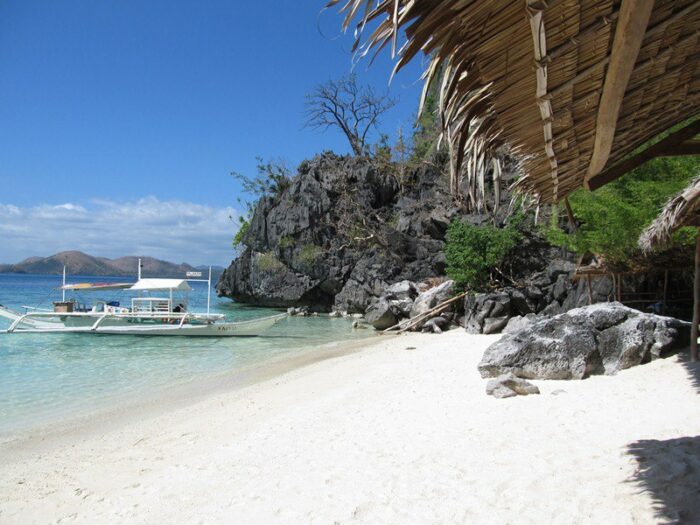
Atwayan Beach is another scenic stop commonly included in selected Coron island-hopping packages.
It is known for its white-sand shoreline, calm-looking coastal scenery, and surrounding limestone islands.
The beach offers a convenient place to rest between visits to the lakes and snorkeling attractions.
Depending on the tour package, visitors may enjoy lunch, swimming, and photography.
Things to do at Atwayan Beach:
-
Relax along the shoreline.
-
Swim in the surrounding water.
-
Enjoy a beach lunch.
-
Take photographs of the limestone landscape.
11. Skeleton Wreck
Skeleton Wreck is a famous underwater attraction in Coron Bay.
This relatively shallow Japanese shipwreck has become a popular snorkeling and diving site.
Covered in marine growth, the wreck attracts various fish species, creating an interesting underwater environment.
Its partially exposed structure lets visitors observe the wreck while snorkeling, though visibility and accessibility depend on sea conditions.
Coron is particularly famous for its collection of Japanese shipwrecks sunk during World War II. These wrecks have become important attractions for scuba divers from around the world.
Things to do at Skeleton Wreck:
-
Snorkel above the wreck.
-
Observe the marine life.
-
Explore the underwater structure with a qualified dive operator.
-
Photograph the underwater scenery.
Travel tip: Never touch or remove anything from a historic wreck. These sites are part of Coron’s maritime heritage.
12. Lusong Gunboat
Lusong Gunboat is one of Coron’s best-known snorkeling and wreck-diving destinations.
The wreck is part of the area’s World War II maritime history. Today, it provides an unusual opportunity to observe a historic vessel underwater.
Because parts of the wreck are relatively shallow, visitors can view its structure while snorkeling, depending on visibility and water conditions.
The surrounding reef also makes this an interesting destination for marine-life observation.
Things to do at Lusong Gunboat:
-
Snorkel above the wreck.
-
Observe fish and marine growth.
-
Join a guided scuba-diving excursion.
-
Learn about Coron’s underwater history.
13. Lusong Coral Garden
Lusong Coral Garden is a snorkeling destination known for its underwater coral formations and marine biodiversity.
It is commonly combined with Lusong Gunboat on Reefs and Wrecks excursions.
The area offers an opportunity to observe colorful reef fish and coral formations in their natural environment.
For visitors who enjoy snorkeling, this is an excellent addition to a Coron itinerary.
Things to do at Lusong Coral Garden:
-
Snorkel above coral formations.
-
Observe tropical fish.
-
Practice underwater photography.
-
Learn about reef conservation.
14. Seven Pecados Marine Park
Seven Pecados, also known as Siete Pecados, is a group of small limestone islets surrounded by clear water and coral reefs.
It is a popular snorkeling destination near Coron Town.
The name refers to seven small islands or rocky formations that create a picturesque seascape.
The marine sanctuary is known for its coral gardens and colorful tropical fish. Visitors can explore the underwater environment while snorkeling with a guide.
It is an excellent destination for travelers who want to experience Coron’s marine biodiversity without committing to a full scuba-diving excursion.
Things to do at Seven Pecados:
-
Snorkel above coral gardens.
-
Observe tropical fish.
-
Photograph the limestone islets.
-
Learn about marine conservation.
15. Pass Island
Pass Island is a beautiful beach destination with white sand, tropical vegetation, and clear water.
It is generally included in selected Reefs and Wrecks excursions rather than the standard Ultimate Tour.
The island is ideal for visitors who want to combine snorkeling with a relaxing beach stop.
Its relatively remote location also makes it an attractive destination for travelers looking to explore beyond the most famous attractions near Coron Island.
Things to do at Pass Island:
-
Swim and snorkel.
-
Relax beneath the palm trees.
-
Explore the beach.
-
Enjoy a picnic and tropical scenery.
Suggested Island-Hopping Itineraries in Coron
How many days should you spend island hopping in Coron? Ideally, allocate at least two full days to explore both the famous lakes and lagoons and the beautiful beaches in the southern part of the Calamian Islands.
One day is enough to experience some highlights, but it will not cover everything.
Here are three suggested itineraries, depending on how much time you have.
One-Day Coron Island-Hopping Itinerary
If you only have one full day, prioritize the classic Ultimate Tour. This itinerary combines some of Coron’s most recognizable attractions.
| Schedule | Destination | Suggested activity |
|---|---|---|
| Morning | Kayangan Lake | Viewpoint photography and swimming |
| Late morning | Twin Lagoon | Swimming and exploring the lagoons |
| Lunch | Banul Beach or Atwayan Beach | Filipino lunch and beach relaxation |
| Afternoon | Skeleton Wreck | Snorkeling and underwater exploration |
| Afternoon | Coral Garden or CYC Beach | Snorkeling or swimming |
| Late afternoon | Return to Coron Town | End of island-hopping tour |
Note: The sequence is illustrative. Your boat operator will determine the actual route based on conditions, access, and site schedules.
My recommendation: Choose this itinerary if you are visiting Coron for the first time and want to experience its most iconic attractions.
Two-Day Coron Island-Hopping Itinerary
Two days allow you to explore two very different sides of Coron.
Day 1: Lakes, Lagoons, and Snorkeling
| Schedule | Destination | Suggested activity |
|---|---|---|
| Morning | Kayangan Lake | Swimming and photography |
| Morning | Barracuda Lake | Swimming and underwater exploration |
| Late morning | Twin Lagoon | Swimming and sightseeing |
| Lunch | Banul Beach | Beach picnic |
| Afternoon | Skeleton Wreck | Snorkeling |
| Afternoon | Coral Garden | Marine-life observation |
Day 2: Southern Islands and Beaches
| Schedule | Destination | Suggested activity |
|---|---|---|
| Morning | Malcapuya Island | Beach swimming and photography |
| Late morning | Banana Island | Relaxation and snorkeling |
| Lunch | Banana Island or designated beach stop | Filipino island lunch |
| Afternoon | Bulog Dos Island | Sandbar exploration and photography |
| Late afternoon | Return to Coron Town | End of tour |
This is my recommended itinerary for travelers who want to experience both Coron’s famous attractions and its beautiful beaches.
Three-Day Coron Island-Hopping Itinerary
With three days, you can explore Coron at a more relaxed pace and add more snorkeling and beach destinations.
Day 1: Coron Island Ultimate Tour
- Kayangan Lake
- Twin Lagoon
- Barracuda Lake
- Banul Beach
- Skeleton Wreck
- Coral Garden
Spend the first day visiting Coron Island’s most famous attractions. Take your time swimming and enjoying the scenery rather than rushing between stops.
Day 2: Island Escapade
- Malcapuya Island
- Banana Island
- Bulog Dos Island
Dedicate the second day to the beautiful southern islands. Enjoy the beaches, swim in turquoise water, and photograph the sandbars.
Day 3: Reefs and Wrecks
- Lusong Gunboat
- Lusong Coral Garden
- Pass Island
- Other available reef or wreck stops
Spend the final day exploring Coron’s underwater attractions. This is an excellent opportunity for snorkeling enthusiasts and travelers interested in World War II maritime history.
If you don’t want another full day on the boat, you can replace the third excursion with a Coron Town Tour, Mount Tapyas, and Maquinit Hot Spring.
My recommendation: Three days of island hopping provide the most complete experience, particularly if you enjoy photography, swimming, snorkeling, and exploring less-visited beaches.
Practical Guide to Island Hopping in Coron
Planning an island-hopping adventure requires more than choosing beautiful destinations. You also need to consider transportation, weather, boat arrangements, equipment, and local regulations.
Here are the practical details to know before your trip.
How to Get to Coron, Palawan
The easiest way to reach Coron is by flying to Francisco B. Reyes Airport, also known as Busuanga Airport (USU).
The airport is on Busuanga Island, a short road transfer from Coron Town.
By air
Direct domestic flights to Busuanga are available from selected Philippine cities, depending on airline schedules.
Common departure points include:
-
Manila
-
Cebu
-
Clark
Flight availability and frequency vary, so check airline schedules before booking.
By sea
Travelers coming from El Nido can also consider ferry services to Coron. The journey generally takes several hours, depending on the vessel and sea conditions.
This is a practical option for visitors exploring multiple destinations in Palawan.
Airport transfers
Upon arrival at Busuanga Airport, you can arrange a shared van or private transfer to Coron Town. Many hotels and tour operators can organize transportation.
Best Time to Visit Coron for Island Hopping
The best time to visit Coron for island hopping is generally during the drier months, when the chances of favorable boating conditions are higher.
Weather can affect your experience because island-hopping tours depend on sea conditions, visibility, and local safety assessments.
Here is a general seasonal guide.
| Period | Weather conditions | Travel recommendation |
|---|---|---|
| December to February | Generally drier and cooler | Excellent for sightseeing and island hopping |
| March to May | Hot and generally dry | Excellent for beach activities and snorkeling |
| June to August | Rainier conditions become more common | Check weather forecasts and remain flexible |
| September to October | Higher likelihood of heavy rain and weather disruptions | Allow extra days in your itinerary |
| November | Transitional conditions | A possible shoulder-season option |
March to May can be particularly attractive for beach activities, although midday temperatures can become uncomfortable.
December to February is also popular because of generally pleasant weather, but demand for flights and accommodation can increase.
The rainy season doesn’t mean island hopping is impossible. However, rough seas, strong winds, and tropical weather systems can lead to cancellations.
Always follow advisories from the local Coast Guard, tourism authorities, and your tour operator.
Shared Tours vs. Private Boat Rentals
One of the most important decisions when planning island hopping is choosing between a shared excursion and a private boat.
| Consideration | Shared tour | Private boat |
|---|---|---|
| Cost | Usually lower per person | Higher total charter cost |
| Schedule | Fixed itinerary | More flexible |
| Destinations | Preselected stops | Can be customized where permitted |
| Group size | Mixed travelers | Your own group |
| Meals | Often included | Depends on arrangement |
| Best for | Solo travelers and couples | Families and larger groups |
Shared tours
Shared tours are convenient because the operator generally arranges the boat, guide, itinerary, and lunch. Some packages also include entrance fees, snorkeling equipment, and hotel transfers.
Always check the inclusions before paying.
Private boat rentals
Private boat arrangements offer more flexibility. You can discuss the itinerary with the boat operator, choose suitable destinations, and potentially spend more time at selected locations.
However, a private boat does not automatically include meals, entrance fees, equipment, or transfers. Clarify these details when booking.
Which should you choose?
If you are traveling alone or as a couple, a shared tour is often the practical choice. If you are traveling with family or friends, compare the total cost of a private charter against the combined price of shared tours.
What to Bring for Island Hopping in Coron
Packing properly can make your island-hopping experience more comfortable.
Here is a practical checklist:
| Essential item | Why you need it |
|---|---|
| Swimwear | For swimming and snorkeling |
| Quick-dry clothes | More comfortable after water activities |
| Reef-conscious sunscreen | Helps protect your skin while minimizing harmful runoff |
| Waterproof bag | Protects electronics and valuables |
| Waterproof phone pouch | Allows you to take photographs near the water |
| Snorkeling mask | Useful for exploring coral gardens |
| Water shoes | Helpful on rocky and uneven surfaces |
| Towel | For drying after swimming |
| Drinking water | Helps prevent dehydration |
| Hat and sunglasses | Protection from direct sunlight |
| Cash | For incidental purchases and additional fees |
| Personal medication | For individual travel needs |
| Power bank | Keeps your phone and camera charged |
Avoid bringing unnecessary valuables. Keep your passport, extra cash, and electronic devices securely stored at your hotel whenever possible.
What to Expect During a Typical Island-Hopping Tour
A typical full-day excursion starts in the morning.
Your tour operator will provide your meeting time and pickup arrangements. After arriving at the designated departure point, you will board a traditional outrigger boat and travel to your first destination.
The boat crew or guide will explain the day’s itinerary, safety procedures, and activities.
Depending on the tour, you may spend time swimming in lakes, snorkeling above coral reefs, walking along beaches, and enjoying lunch prepared by the boat crew.
Most tours return to Coron Town during the late afternoon.
Here are some things to expect:
-
Boat transfers between multiple attractions.
-
Short walks and stair climbs at selected destinations.
-
Swimming and snorkeling activities.
-
Beach picnics or designated lunch stops.
-
Possible itinerary changes due to weather or local regulations.
-
Limited mobile signal at remote destinations.
Remember that island hopping involves exposure to the sun and water for several hours. Prepare accordingly.
Responsible and Sustainable Island Hopping in Coron
Coron’s natural attractions are among its greatest tourism assets. Protecting these environments is essential to maintaining the destination’s beauty and supporting the communities that depend on tourism.
As a visitor, you can help protect Coron by following responsible travel practices.
1. Never touch or step on coral reefs
Corals are living organisms that can be damaged by physical contact. Avoid standing on reefs, touching marine animals, or collecting coral fragments.
2. Avoid feeding marine animals
Feeding fish and other marine wildlife can interfere with their natural behavior and feeding patterns. Observe marine animals from a respectful distance.
3. Use reef-conscious sun protection
Choose sunscreen products designed to reduce harmful impacts on marine environments. Better yet, wear a rash guard and other sun-protective clothing to reduce how much sunscreen you need.
4. Bring reusable water bottles
Reduce single-use plastic waste by carrying a reusable bottle. Avoid leaving food packaging, plastic bags, and other waste on beaches or boats.
5. Respect local regulations
Some attractions are protected areas with specific access rules, environmental requirements, and visitor limits. Follow your guide’s instructions and do not enter restricted locations.
6. Support local tourism businesses
Choose legitimate local tour operators, hire qualified guides, and support local food vendors and communities.
7. Avoid disturbing wildlife
Do not chase, handle, or attempt to photograph marine animals through direct contact. Responsible wildlife observation helps preserve their natural environment.
8. Choose responsible tour operators
Ask about safety procedures, waste management, guide qualifications, boat maintenance, and environmental practices before booking.
Sustainable tourism isn’t just about keeping beaches clean. It also means protecting marine ecosystems, respecting local communities, and ensuring that future generations can continue enjoying Coron’s natural attractions.
Essential Safety Tips for Island Hopping
Island hopping can be enjoyable, but visitors should remember they’ll spend several hours on open water and in natural environments.
Keep these safety reminders in mind:
-
Wear a properly fitted life jacket when required and whenever you are not confident swimming.
-
Listen to your guide before entering lakes, lagoons, and snorkeling sites.
-
Do not swim beyond designated areas.
-
Avoid snorkeling alone.
-
Never dive without appropriate training and supervision.
-
Stay hydrated and protect yourself from the sun.
-
Keep your belongings secured inside waterproof bags.
-
Avoid swimming when seas are rough or visibility is poor.
-
Follow boat crew instructions when boarding and disembarking.
-
Do not pressure boat operators to continue when authorities have suspended marine travel.
If you are traveling with children or older family members, inform the operator in advance so they can recommend suitable routes and activities.
Frequently Asked Questions About Island Hopping in Coron
1. How many days do you need for island hopping in Coron?
Ideally, spend two to three days island hopping in Coron. Two days allow you to explore the famous lakes and lagoons around Coron Island and the beautiful beaches of the southern islands. Three days give you enough time to add snorkeling destinations, coral gardens, and historic shipwrecks. If you only have one day, prioritize the Ultimate Tour, which includes several of Coron’s most recognizable attractions. Additional days also give you flexibility if weather conditions cause tour cancellations.
2. What is the best island-hopping tour in Coron?
The best tour depends on the attractions you want to experience. The Ultimate Tour is an excellent choice for first-time visitors because it typically includes Kayangan Lake, Twin Lagoon, Barracuda Lake, and snorkeling destinations. The Island Escapade suits travelers who prefer white-sand beaches and turquoise waters, particularly Malcapuya, Banana Island, and Bulog Dos. Meanwhile, the Reefs and Wrecks Tour is ideal for snorkeling enthusiasts and visitors interested in Coron’s World War II shipwrecks.
3. Is one day enough for island hopping in Coron?
One full day is enough to experience some of Coron’s most famous attractions, but you cannot explore everything in a single excursion. The Ultimate Tour is usually the most practical option for a short visit because it combines several lakes, lagoons, beaches, and snorkeling locations. However, the southern islands, including Malcapuya and Banana Island, require a separate excursion. If you want to experience both landscapes, allocate at least two full days for island hopping.
4. What is the difference between Coron and El Nido island hopping?
Coron and El Nido offer spectacular island-hopping experiences, but their attractions are different. Coron is particularly famous for its freshwater lakes, dramatic limestone formations, hidden lagoons, coral gardens, and World War II shipwrecks. El Nido, meanwhile, is known for its limestone karst formations, white-sand beaches, hidden beaches, and lagoons within Bacuit Bay. Both destinations offer snorkeling, swimming, and beach excursions. Your choice depends on whether you prefer Coron’s combination of lakes and underwater attractions or El Nido’s dramatic coastal scenery.
5. Is island hopping in Coron suitable for children?
Yes, many Coron island-hopping excursions suit families with children, as long as you choose appropriate destinations and follow safety instructions. Beaches such as Malcapuya and Banana Island can offer more relaxed swimming and beach activities than excursions involving longer swims or underwater exploration. However, some attractions require climbing stairs, boarding boats, or entering deeper water. Parents should check the itinerary with the operator, bring properly fitted flotation equipment, and supervise children throughout the excursion.
6. Can you visit Kayangan Lake and Twin Lagoon in one day?
Yes. Kayangan Lake and Twin Lagoon are commonly included in the same Ultimate Tour. They are among the most popular attractions around Coron Island, making them convenient to combine during a full-day excursion. Depending on the itinerary, you may also visit Barracuda Lake, Skeleton Wreck, CYC Beach, and other snorkeling locations. The exact order of stops depends on the operator, weather, site access, and visitor management arrangements. Booking an established tour makes coordinating these destinations easier.
7. Which is better, Malcapuya Island or Banana Island?
Both islands offer beautiful tropical scenery, but they provide slightly different experiences. Malcapuya Island is particularly attractive for its long stretch of white sand, turquoise water, and expansive beach scenery. Banana Island has a relaxed atmosphere, shaded areas, and beach facilities that make it a pleasant stop for swimming and lunch. If you have enough time, visit both through an Island Escapade excursion. Combining them with Bulog Dos also lets you explore one of Coron’s most beautiful sandbar destinations.
8. Can you rent a private boat for island hopping in Coron?
Yes. Local tour operators and boat providers in Coron offer private boat charters. This arrangement allows you to customize your itinerary, subject to destination access, environmental regulations, boat capacity, and weather conditions. Private excursions are particularly convenient for families and groups of friends who want more flexibility than a shared tour. Before booking, confirm the boat’s passenger capacity, safety equipment, guide arrangements, meals, drinking water, entrance fees, and other inclusions. Also ask whether hotel transfers are included.
9. What should you wear for island hopping in Coron?
Wear comfortable swimwear, lightweight clothing, and footwear suitable for walking on beaches and uneven surfaces. A rash guard is useful for sun protection, especially during snorkeling. Water shoes can also help when entering rocky shorelines or walking along limestone paths. Bring a hat, sunglasses, and a quick-dry towel. Avoid wearing expensive jewelry or carrying unnecessary valuables. If you plan to take photographs, use a waterproof phone pouch or camera housing to protect your equipment from water damage.
10. Is snorkeling included in Coron island-hopping tours?
Many Coron island-hopping packages include snorkeling stops, particularly excursions visiting Coral Garden, Seven Pecados, Lusong Coral Garden, and Skeleton Wreck. However, snorkeling equipment is not automatically included in every package. Some operators provide masks and snorkels, while others charge separately for equipment rental. Ask your tour provider what is included before booking. If you have your own snorkeling equipment, bringing it can be more convenient. Always follow your guide’s instructions and avoid touching coral reefs or disturbing marine animals.
11. What happens if island-hopping tours are cancelled because of bad weather?
Island-hopping tours may be suspended when weather conditions make boating unsafe. Strong winds, rough seas, heavy rainfall, and official maritime advisories can affect departures and access to specific destinations. If your tour is cancelled, contact your operator about rescheduling, alternative excursions, or refunds under its booking policy. This is one reason why it is advisable to schedule your island-hopping activities early during your stay rather than on your departure day. Allowing an extra day in your itinerary can also help accommodate unexpected cancellations.
12. Are Coron island-hopping tours available for solo travelers?
Yes. Solo travelers can join shared island-hopping tours, making it easier to explore Coron without arranging a private boat. Shared excursions also provide opportunities to meet other travelers and enjoy organized activities with a local guide. Most popular tours have set itineraries, so you don’t need to plan every boat transfer yourself. When comparing packages, check whether the advertised price is per person, whether a minimum number of participants is required, and whether hotel transfers, lunch, entrance fees, and snorkeling equipment are included.
13. What is the best month for island hopping in Coron?
December to May is generally a favorable period for island hopping because these months tend to have drier weather. December to February offers relatively comfortable temperatures, while March to May is popular for beach activities and snorkeling. However, weather conditions can change, and even the dry season can experience rough seas. June to October generally brings a higher likelihood of rain and weather disruptions. Check forecasts and local maritime advisories before your excursion, especially if your itinerary includes distant islands such as Malcapuya and Ditaytayan.
14. Are entrance fees and environmental fees included in Coron island-hopping packages?
It depends on the tour operator and the package you select. Some shared tours advertise inclusive rates covering boat transfers, meals, guides, and destination entrance fees. Other arrangements, particularly private boat charters, may require visitors to pay individual environmental or attraction fees separately. Charges can also vary by destination and applicable local regulations. Before booking, request an itemized list of inclusions and exclusions. This helps you avoid unexpected expenses and makes it easier to compare shared tours with private excursions.
15. Is island hopping in Coron worth it?
Absolutely. Island hopping is one of Coron’s most rewarding experiences because it lets you explore natural attractions you can’t reach by road. You can swim in the clear waters of Kayangan Lake, explore the limestone formations of Twin Lagoon, snorkel above historic shipwrecks, and relax on the white-sand beaches of Malcapuya Island. Coron’s varied landscapes set it apart from many other Philippine beach destinations. Whether you prefer adventure, photography, snorkeling, or simply enjoying tropical scenery, island hopping deserves a place in your itinerary.
Final Travel Tips: Making the Most of Your Coron Island-Hopping Adventure
Island hopping is undoubtedly one of the highlights of visiting Coron, Palawan. With its beautiful lakes, hidden lagoons, white-sand beaches, coral gardens, and historic shipwrecks, the destination offers an impressive range of experiences.
If you are visiting Coron for the first time, start with the Ultimate Tour to experience its iconic lakes and lagoons. Dedicate another day to the southern islands, particularly Malcapuya, Banana Island, and Bulog Dos. If you enjoy snorkeling and underwater exploration, consider adding a Reefs and Wrecks excursion.
More importantly, avoid squeezing every attraction into one day. Coron deserves to be explored at a comfortable pace. Spend enough time swimming, appreciating the scenery, and enjoying the natural beauty of each destination.
Plan your tours around favorable weather conditions, choose reputable local operators, and follow responsible tourism practices. Most importantly, respect the marine environment and local communities that make these experiences possible.
From its spectacular limestone landscapes to its beautiful tropical beaches, island hopping in Coron offers an unforgettable way to discover why Palawan remains one of the Philippines’ most remarkable travel destinations.
Want more updates on new package tours and tourist attractions in Coron, Palawan, to add to your itinerary? Follow the Out of Town Travel Blog on Facebook, Twitter, Instagram, and Pinterest for more travel and food-related updates.
Read:
- Is Coron Palawan the MOST BEAUTIFUL island in the Philippines?
- My Coron Palawan Experience
- 10 Most Beautiful Airbnbs in Coron Palawan
- List of Best Coron Luxury Hotels and Resorts
- Why You Should Pack Your Bags and Visit Coron Palawan
- Boracay Island Hopping Tour: Best Destinations, Activities, Itinerary, and Travel Tips