
 Melo Villareal
North Korea is a country with an unsavory reputation across the world – a country ruled by a dictator long departed from reality; espionage, famine, and nuclear armament. This dark legacy may put off most visitors, but for the most die-hard travelers, North Korea is a welcome challenge. Visiting this securely Communist country is only possible if you purchase it as part of a package, but most visitors consider it one of the most interesting and fascinating experiences of their lives.

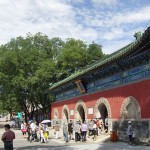
Tomb of King Tongmyong, Pyongyang, North Korea (photo by yeowatzup via Flickr)
North Korea’s unique history and current political status make it a country well worth visiting for those willing to put in a little effort. Whether you are sampling traditional cuisine in your hotel or just looking out the window, admiring the hauntingly beautiful barren landscape, it will be an impressive feat simply because you are in one of the most inaccessible countries. But it is the local people who are the highlight of any trip to the DPRK – remember that these people lead restricted lives that can be unimaginable to Westerners. Most are overjoyed to see foreigners and will be incredibly friendly.

Beach Near Lake Sijung, North Korea (photo by yeowatzup via Flickr)
Pyongyang
The capital of North Korea, Pyongyang, is the stronghold of its power. Indeed, its concrete and marble skyscrapers, towers, buildings, and other monuments could be a testament to the idolization of its leaders. When you look more closely, however, you will notice that the people are strictly controlled and the buildings are crumbling and dirty.

Pyongyang Grand Theater At Night (photo by Baron Reznik via Flickr)
People who live in the capital are considered extremely lucky to do so and have been vetted. Although there are still signs of poverty, life in Pyongyang is far better than in the countryside. Do not expect vibrant city life found elsewhere in Asia; there is no flashing neon or busy commerce. You will be taken on a tour of officially sanctioned sights on a guided bus.

Kumsusan Memorial Palace (photo by David Stanley via Flickr)
These sites include the Kumsusan Memorial Palace, where the body of Kim Il-sung lies in state; Mansudae, the gigantic statue of their beloved deceased leader; the characteristic granite Juche Tower, which gives beautiful views of the Taedong River; and the Pyongyang metro, a deceptively enigmatic subway system. No matter where you are taken, you will be experiencing the authentic Pyongyang atmosphere, which is truly unique.

Taedong River (photo by Stefan Krasowski via Flickr)
Outside Pyongyang
Although you will spend most of your trip to North Korea in the capital, you will get the chance to explore at least one sight outside the city. Most of the country is closed to foreigners, but there are some interesting places you can include on your itinerary. Panmunjom, the defector border between the north and south where the 1953 Korean Armistice Agreement was signed, thus ending the war, is a popular destination, as is Paekdusan, the mythical birthplace of Korea.

Panmunjom – South Korea Viewed from the North (photo by John Pavelka via Flickr)
North Korea is a strictly controlled country; there is no doubt about this, but there is equally no doubt that it has an intriguing reputation in the eyes of travelers. Its relatively unapproachable demeanor may put off most, but it offers travelers an experience that few could ever compare to.
Frequently Asked Questions About Visiting North Korea
1. Can tourists visit North Korea?
Yes, tourists can visit North Korea, but only under highly controlled conditions. Most foreign visitors must book through an authorized tour operator that arranges visas, accommodations, transportation, and guides. Independent travel is generally not permitted, and visitors are accompanied by official government guides throughout their stay. Travel policies can change without notice due to political or diplomatic developments, so it is important to verify current regulations before planning a trip. Citizens of certain countries may face additional restrictions or be denied entry, depending on current government policies.
2. Do I need a visa to visit North Korea?
Yes. Almost all travelers need a visa to enter North Korea. Unlike in many countries, travelers usually cannot apply directly at an embassy. Instead, an authorized tour company coordinates the visa application on the traveler’s behalf after the tour has been booked. Visitors typically receive a separate tourist visa rather than a visa stamped directly into their passport. Processing times vary depending on nationality and the political situation, so it is advisable to apply several weeks before your intended departure.
3. How do most tourists travel to North Korea?
Most international visitors enter North Korea from Beijing, China, either by air or by train. Flights typically arrive in Pyongyang, while train journeys offer a unique experience as they cross the China-North Korea border. Some specialized tours may operate from other neighboring countries when permitted. Since transportation options are limited and subject to change, travelers should confirm available routes with their tour operator well before departure.
4. Is it safe to visit North Korea?
North Korea can be safe for tourists who strictly follow local laws and their guides’ instructions. Violating local regulations, taking unauthorized photographs, wandering away from the group, or engaging in political discussions can lead to serious consequences. Travelers should remember that North Korea has a very different legal system, and penalties for actions considered minor elsewhere may be severe. Staying respectful, following all instructions, and avoiding prohibited activities are essential for a trouble-free visit.
5. Can I travel independently in North Korea?
No. Independent tourism is generally not allowed. Visitors are required to travel with government-approved guides and follow a pre-arranged itinerary. Tourists cannot freely explore cities, use public transportation independently, or visit locations not included in the approved schedule. The guides accompany visitors throughout the trip and ensure that all activities comply with local regulations.
6. What are the most popular places to visit?
The capital city, Pyongyang, is the primary destination for most visitors. Popular attractions include the city’s grand monuments, museums, public squares, parks, theaters, and the Pyongyang Metro. Depending on the tour itinerary, travelers may also visit the Korean Demilitarized Zone (DMZ), the scenic Mount Myohyang region, the city of Kaesong, the Victorious Fatherland Liberation War Museum, and several cultural performances. Many tours also include visits to schools, farms, factories, and monuments that showcase the country’s official narrative and history.
7. What is the best time to visit North Korea?
The most pleasant seasons are spring (April to May) and autumn (September to October), when temperatures are mild and skies are generally clear. Spring offers blooming flowers and comfortable weather for sightseeing, while autumn features colorful foliage and crisp air. Summers can be hot, humid, and rainy, while winters are often extremely cold, especially in northern regions. Many national celebrations also take place during spring and autumn, providing visitors with unique cultural experiences.
8. What kind of accommodation can tourists expect?
International visitors usually stay in designated hotels that cater specifically to foreign tourists. Hotels in Pyongyang generally offer comfortable rooms, restaurants, bars, souvenir shops, and basic amenities. Luxury options are limited compared to other countries, but accommodations are generally clean and well-maintained. Internet access may be unavailable or highly restricted, and some facilities common elsewhere may not be available.
9. Can I use my mobile phone or access the internet?
Internet access is extremely limited for tourists. Some hotels may offer restricted internet services, but availability varies. International roaming is generally unavailable, although temporary local SIM cards may be available for certain visitors. Travelers should prepare for limited digital connectivity and download maps, travel documents, and important information before entering the country.
10. What currency is used, and can I use credit cards?
Foreign tourists generally use foreign currencies such as the Chinese Yuan, Euro, or US Dollar, depending on current regulations. Credit and debit cards issued by international banks are typically not accepted. Visitors should carry sufficient cash for souvenirs, beverages, snacks, and other personal expenses. Currency exchange options are limited, so it is important to confirm which currencies are accepted before departure.
11. What are the photography rules in North Korea?
Photography is permitted in many locations but is subject to strict regulations. Visitors should always ask their guides before taking photos. Certain military sites, checkpoints, construction areas, infrastructure, and sensitive government facilities are strictly off-limits. Tourists may also be instructed not to crop or partially photograph statues or monuments, as doing so may be considered disrespectful. Following the guide’s instructions regarding photography is extremely important.
12. What should I wear during my visit?
Casual but neat clothing is appropriate for most sightseeing activities. However, visitors should dress conservatively, especially when visiting monuments, memorials, museums, and official sites. Comfortable walking shoes are recommended, as many tours involve extensive walking. During colder months, warm winter clothing is essential due to freezing temperatures.
13. Can I bring books, magazines, or electronic devices?
Travelers should avoid bringing politically sensitive materials, religious literature intended for distribution, drones, satellite communication equipment, or publications critical of the North Korean government. Laptops, cameras, and smartphones are generally permitted, but they may be inspected upon arrival and departure. Always check the latest customs regulations before traveling.
14. What food can tourists expect?
North Korean cuisine features rice, noodles, soups, vegetables, seafood, grilled meats, and fermented dishes. Popular meals include cold noodles, dumplings, kimchi, barbecue, and hot pot. Tourist hotels generally serve a mix of Korean and international dishes, while some itineraries include visits to local restaurants where visitors can sample traditional regional specialties. Meals are usually included in organized tour packages.
15. Why do people visit North Korea despite the restrictions?
Many travelers are drawn to North Korea because it is one of the world’s most isolated and least-visited countries. Visitors are interested in experiencing its unique culture, architecture, historical monuments, carefully organized tours, and distinctive political environment. The opportunity to observe a society that differs significantly from most other destinations makes North Korea an intriguing travel experience for curious travelers seeking something truly uncommon. However, visitors should understand the country’s strict regulations and approach the experience with respect, preparation, and realistic expectations.
Follow and subscribe to OutofTownBlog.com on Facebook , Twitter, Instagram, Pinterest, and YouTube for more Travel-related updates.
Read:
- Is Airbnb Legal or Banned in New York City?
- Top Tourist Scams in Paris and How to Avoid Them
- 12 Mistakes Tourists Make in Thailand (And How to Avoid Them)
- 12 Tourist Mistakes Everyone Makes in Singapore