
 Kim Buenafe
Beijing Travel Guide
You haven’t really been to China if you haven’t seen Beijing. More than just the country’s capital city, Beijing is the political, economic, cultural, educational, and international trade and communication center of the nation. The city is also one of the world’s significant ancient capitals, as it houses some of the finest remnants and relics of China’s imperial past. Beijing’s primeval treasures stand in stark contrast with its impressive skylines, vibrant neighborhoods, and booming districts. These give the city a complex yet compelling character, making Beijing an energetic hodgepodge of culture, tradition, development, and modernity.
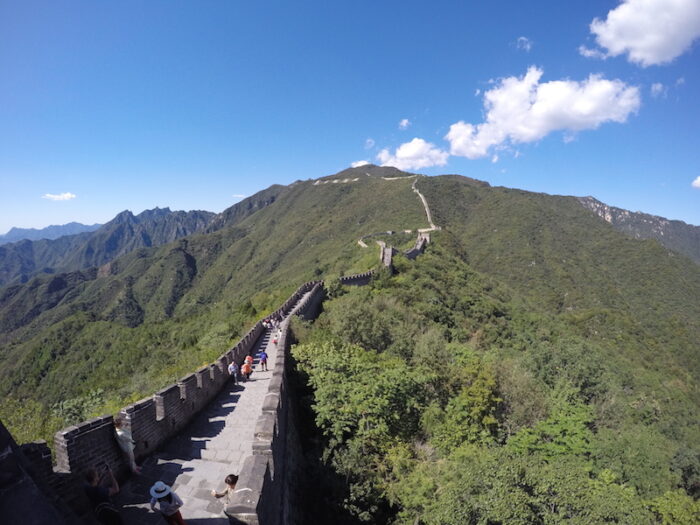
Great Wall of Mutianyu
With all this said, it’s actually a must to spend a couple of days or more in Beijing. The question is, where to start? There’s a variety of places to see and explore in this part of China – from the world-famous Great Wall and Forbidden City down to quaint hutongs and hidden temples.
My two days weren’t enough to travel around the city, but we still managed to get a feel of the place, its people, and the culture after checking out some remarkable spots and under-the-radar districts.

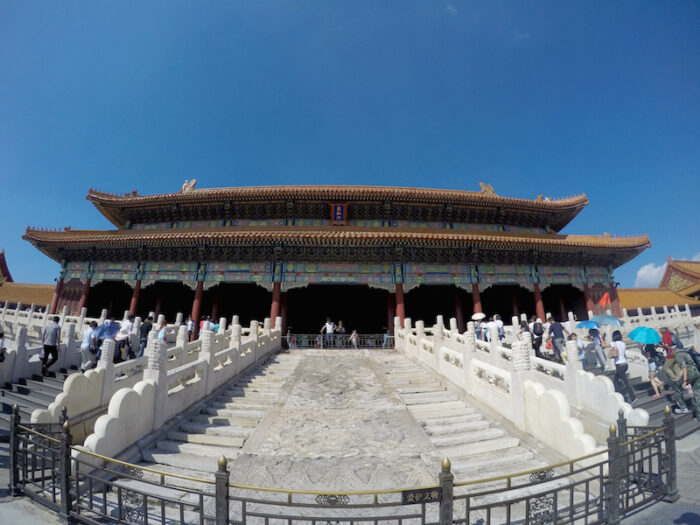
Forbidden City
This is perhaps one of the most popular destinations in Beijing, being the best-preserved imperial palace in China and the largest ancient palatial structure in the world. The Forbidden City, having housed 24 emperors during the Ming and Qing dynasties, reflects the essence and culmination of traditional Chinese architectural accomplishment. The grand temples, deluxe halls, and splendid structures inside its walls exude authentic magnificence.
It was called the Forbidden City because ordinary people were prohibited from entering this sacred place unless they had special permission from the emperor. The scenario inside the Forbidden City is nothing like its name, though. Locals and tourists are everywhere. If ever you grow tired of the crowd (which will eventually happen), you can head to the peripheral courtyards for a pleasing escape.
Tiananmen Square

Another remarkable attraction is Tiananmen Square, the world’s largest public square, located at the center of Beijing. Visitors can see the Tiananmen Tower, the Monument to the People’s Heroes, the Chairman Mao Zedong Memorial Hall, the Great Hall of the People, and, if you get up early, the national flag-raising ceremony.
This morning ritual is performed by a troop of People’s Liberation Army soldiers trained to march at precisely 108 paces per minute. We weren’t able to walk on the square’s grounds due to the energy-draining heat, so we just viewed it from the big windows of the hop-on-hop-off bus. 1950s Soviet-style buildings ringed by white perimeter fences can be seen from afar.
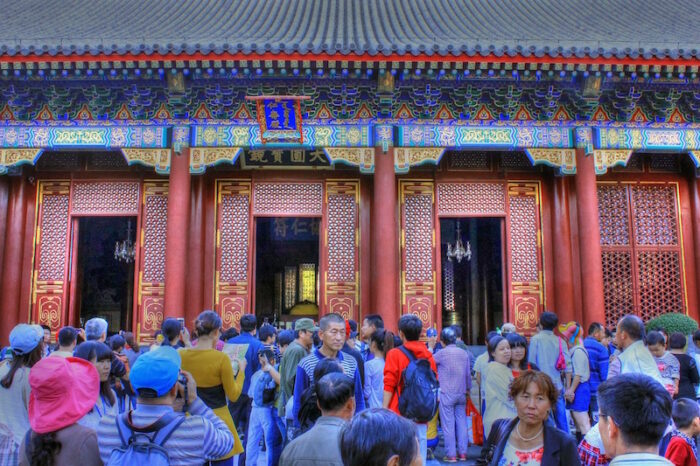
Temple of Heaven Park

This masterpiece of architecture and landscape design is considered the most holy of Beijing’s imperial temples. The Temple of Heaven Park resembles a tranquil oasis of peace and methodical Confucian design, where the emperor once performed solemn rites and prayers for prosperity.
The best time to visit this UNESCO World Cultural Heritage site is early morning for an enjoyable experience of watching older locals do their morning exercise, practice tai chi, or sing songs. We were there late in the afternoon, so the chance to go inside the temple was slim. We settled to watching the sights and scenes happening inside its long walls, which, for me, were just as amusing.

Great Wall in Mutianyu
Who doesn’t know China’s famed Great Wall? If you’re left with only a day in Beijing, I’d say make visiting the Great Wall your top priority. It is China’s most incredible engineering triumph and a must-see sight, and the experience of hiking it can leave you lost for words. The Great Wall of China stretches over 342 miles and features about 827 city walls, 71 passes, and countless towers. The section nearest Beijing (and most crowded) is Badaling.
We wanted to avoid the flock of tourists, so we went to Mutianyu instead. It was a good choice as this section of the wall gives better views and an excellent cultural experience. The wall is impressive and manageable, with watchtowers tensely distributed along it. The crowd wasn’t as big as we expected, plus the surrounding natural scenery is breathtaking.
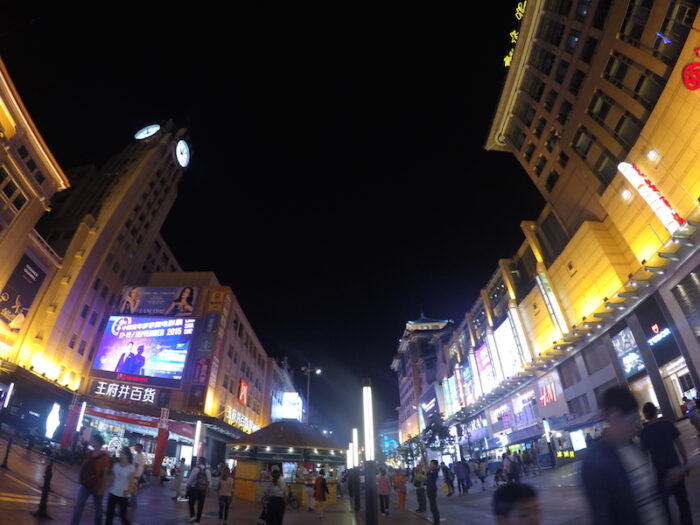
Wangfujing
After all the temple-hopping and sightseeing around Beijing, it would be nice to do some shopping or food tripping in one of China’s most famous shopping districts. Wangfujing is one exciting place to cap off the day, with large upscale shopping malls, trendy boutiques, small shops, various restaurants, and eateries lining the street. Visitors can shop for all kinds of finds – from paintings and traditional Chinese arts and crafts down to clothes, apparel, and more.
Food choices are also aplenty as restaurants serve a wide range of cuisine, be it fastfood, Peking duck, Western dishes, or dessert. We found a shake kiosk somewhere in the middle of Wangfujing and sipped on a freshly made yogurt shake while watching people pass by.
Beijing is a city with a lot to offer, whether it’s culture, food, people, entertainment, or art. Simply walking through local neighborhoods and districts would give one a sense of wonder at the remarkable contrast between ancient times and modern transformation in China’s capital city.
Beijing Travel Tour Packages You Should Try
Follow and subscribe to OutofTownBlog.com on Facebook, Twitter, Instagram, Pinterest, and YouTube for more Travel-related updates.
Do you have something to add to this Beijing Travel Guide? Feel free to post a comment below: