

 Melo Villareal
Travel Guide: Calaguas Islands in Camarines Norte, Philippines
Calaguas Islands are increasingly becoming a popular backpacker beach destination. Located on the northernmost tip of Bicol, this beautiful beach in Camarines Norte is probably one of the best Barkada destinations in Luzon.

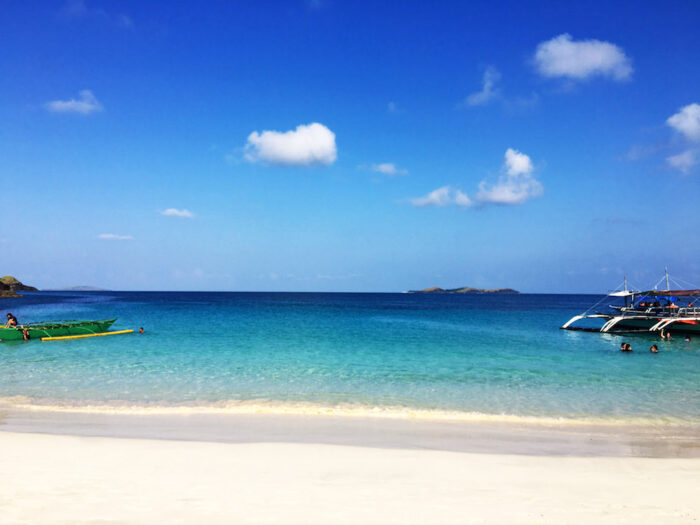
Mahabang Buhangin in Calaguas Island (photo courtesy of Wikipedia)
Calaguas is a group of islands that includes Tinaga Island and Guintinua Island, as well as minor islands like Maculabo Island and others. On Tinaga Island, you can find the famous Mahabang Buhangin (Long Beach) or Halabang Baybay in Bicolano. If you are looking for a perfect campsite or white sand beach, you will surely enjoy Mahabang Buhangin.
Also Read: 5 Facts for the Calaguas Island Weekender
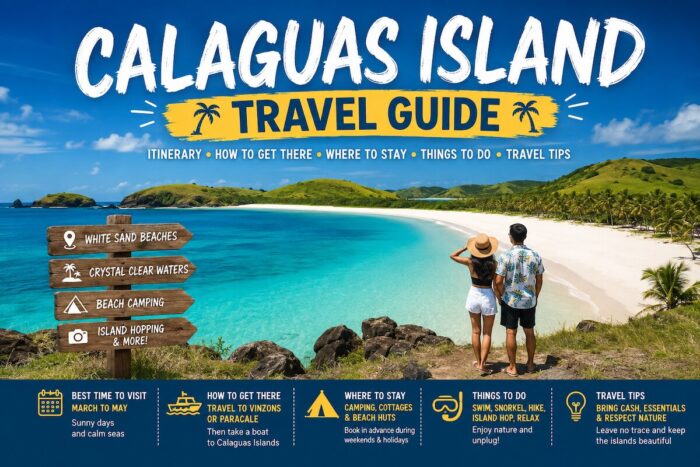
If you are planning a trip to the Calaguas Islands and looking for travel tips, a sample itinerary, a transportation guide, and hotel recommendations, you have come to the right page. This post aims to provide the most detailed Calaguas Islands Budget Travel Guide to help you prepare for your future visit to this beautiful group of islands.

Best time to visit Calaguas Islands
The best time to visit Calaguas Islands is generally from March to May, when the weather is typically sunny and dry, making it ideal for swimming, island hopping, camping, and enjoying the famous white-sand beaches.
- March to May: Best overall period for beach activities, with warmer and generally drier weather.
- December to February: A good alternative if you prefer cooler temperatures and fewer crowds, although sea conditions can sometimes be rough.
- June to October: Generally less ideal because of the southwest monsoon, which can bring rain, cloudy skies, and rough seas.
- November: A possible shoulder-season option, but weather conditions can be unpredictable.
For the best experience, plan your trip on weekdays and avoid major holidays when possible. Always check the weather and sea conditions before traveling, as boat trips to the islands can be affected by rough seas.
Best months at a glance: March, April, and May.

How To Get There
Getting to Daet from Manila
BY LAND:
Take the Bus to Daet, Camarines Sur, or Paracale if you want to use that route. Transport Terminals to Daet are available in Cubao and Pasay. Travel time is approximately 6 to 8 hours, depending on the traffic.
Take a Philtranco bus from Pasay/EDSA or Cubao/EDSA. There are non-air-conditioned buses if you want to save more on transportation. There are regular air-conditioned buses and a deluxe air-conditioned Bus with an onboard restroom.
DLTB, Isarog Bus Lines, Penafrancia Travel and Tours, and Superlines also offer trips from Cubao/Pasay to Daet. Super Lines in Cubao offers a direct trip to Paracale (Contact Number: +632 414-3321 / +632 414-3319)
PHILTRANCO Pasay Central Office: (02) 851-8077-79 Cubao Terminal: (02) 722-7567
BY AIR:
You can reach Daet via Naga City Airport. Philippine Airlines and Cebu Pacific have regular flights to Naga City. It will take 2 hours from the airport to reach Daet.
How to reach Calaguas via Vinzons
- From Daet, catch a jeepney to Pandawan fishport in Vinzons.
- From the fish port, take the boat going to Barangay Banocboc (usually leaves at 10-11am).
- From Brgy Banocboc, you can hire an outrigger boat or a small fishing boat to go to Mahabang Buhangin.
- If you are in a group of 5 or more, you can hire an outrigger boat from Vinsons Fishport to take you directly to Tinaga Island.
- The travel time from Vinsons Fishport to Tinaga Island is approximately 2 hours.
How to reach Calaguas via Paracale
- From Daet, take a public van or bus to Paracale (1 hour).
- From Paracale, get a Tricycle to the fish port.
- Hire a boat (P2,000 – P2,500) to Halabang Baybay or Mahabang Buhangin.
- Travel time from Paracale to Mahabang Buhangin is approximately 2-2.5 hrs.

Where to Stay
There are several native cottages for rent in Calaguas. If you are more adventurous, you can choose to camp out. If you do not have a tent, you can ask the locals or your boatmen where to rent one. Each tent is usually suitable for up to 5 individuals and is generally rented for 300-400 pesos per night, plus a camping fee of 120-150 pesos per person.

Waling-Waling EcoVillage
Location: Mahabang Buhangin, Calaguas Island, Vinsons, Camarines Norte, Philippines

The resort offers air-conditioned rooms and cottages. Resort rates start at P3,500 per room per night.


Where to Eat
Cheaper Option: There are Sari-sari stores in some parts of the island, but they don’t sell hot meals. There are houses where you can ask to cook your meals, but I guess it’s more exciting to cook your own, so make sure to bring drinking water, food, and enough booze.
Some fishermen sell their fresh catch every morning or in the afternoon. There is also a small talipapa (market) in Brgy. Mangcawayan is where you can buy fish. If you don’t have cooking utensils, ask your boatmen; some will lend you their pans, plates, etc.
- Calaguas Paradise Resort offers a seafood menu and some local vegetable dishes.
- Waling-Waling Island Resort also has an excellent restaurant that has a 100-seat capacity.

Sample Calaguas 3 days 2 nights Itinerary
Day 0
- 9:00PM – ETD daet
Day 1
- 07:00AM – ETA Daet/ Breakfast
- 08:00AM – ETD for Calaguas Island
- 10:00AM – ETA Calaguas Island/ set camp explore
- 12:00 NN- Lunch
- 01:00PM – Siesta/ swimming/ explore/ picture happy campers
- 06:00PM – Dinner
- 07:00PM – Socials
- 10:00PM – Lights out
Day 2
- 06:00AM – Wakeup call
- 07:00AM – Breakfast
- 09:00AM – Prepare for Island Hopping (own pax Acct)
- 12:00NN – Back to the campsite
- 01:00pm – Late lunch
- 04:00pm – Explore the beach
- 05:00 PM – Rest
- 06:00 PM – Dinner
Day 3
- 06:00AM – Wakeup call
- 07:00AM – Breakfast
- 09:00AM – Break Camp
- 10:00AM – ETD Calaguas – Daet
- 12:00NN – ETD Daet
- 01:00PM – Late Lunch
- 02:00PM – Surfing Bgasbas
- 05:00 PM – Rest
- 06:00 PM – Dinner
- 09:00 PM – ETD Daet – Manila
Things to do in Calaguas
- Playing Frisbee, Volleyball
- Diving and Snorkeling
- Camping
- Skimboarding
- Nightlife via Mobile Bars
- Island Hopping
- Scuba Diving
- Visit Pulang Daga Beach in Paracale
- Take a short hike to get an excellent bird’s-eye view of the island
Calaguas Travel Checklist
- Bring insect repellants
- Bring enough food/snacks and drinking water
- Bring Rice
- Bring a first-aid kit
- Sunblock
- Bring Dry Bags
- Bring Power Banks for your Mobile Phones
- Bring FlashLight
- Bring an Extra Battery for your Camera
Calaguas Important Travel Tips
- Get the 9pm Bus trip for you to arrive in Calaguas before lunchtime
- Hire a local travel guide to help the community
- Dispose of your trash responsibly

Calaguas Travel Budget and Expenses
- Depending on the size of the Boat, overnight boat rental ranges from Php3,000 to Php6,500.
- Calaguas Environmental Fee Php20
- Entrance Fee Php150
- The local Travel Guide Fee is Php50 per person
- Daytour Cottage Php500 can accommodate 10 people
- Bus fare to Daet Php560
- Bus to Vinson’s Php75
- Tricycle Php10 per person
- The tent pitching fee is Php100 per tent
Frequently Asked Questions About Calaguas Island
1. Where is Calaguas Island located?
Calaguas Islands are a group of islands in Vinzons, Camarines Norte, Philippines, known for their white-sand beaches, clear waters, scenic landscapes, and laid-back island atmosphere.
2. What is the best time to visit Calaguas Island?
The best time to visit is generally from March to May, when the weather is usually sunny and suitable for swimming, island hopping, and beach activities. November to February can also be pleasant, although sea conditions may vary.
3. How many days should I spend in Calaguas?
A 2-day, 1-night itinerary is enough for a quick getaway, while 3 days and 2 nights is ideal if you want more time to relax, explore nearby attractions, and enjoy the beach without rushing.
4. How do I get to Calaguas Island from Manila?
Travelers from Manila can take a bus bound for Daet, Camarines Norte, or travel by private vehicle. From the mainland, visitors usually continue to a coastal jump-off point, such as Vinzons or Paracale, where boats can be arranged to take them to Calaguas.
5. How long is the boat ride to Calaguas Island?
The boat ride typically takes around 1 to 2 hours, depending on the jump-off point, boat type, sea conditions, and destination within the Calaguas group.
6. Is Calaguas Island suitable for a DIY trip?
Yes. Calaguas can be visited independently, although first-time travelers may find it more convenient to arrange transportation, boat transfers, accommodation, and meals in advance.
7. What can I do in Calaguas?
Popular activities include swimming, beach camping, island hopping, snorkeling, kayaking, photography, watching the sunset, and hiking to scenic viewpoints.
8. Is there an entrance fee to Calaguas?
Visitors may need to pay environmental, registration, or entrance fees, depending on the specific area they visit. Fees and regulations may change, so it is best to confirm the current rates before your trip.
9. Can I camp overnight in Calaguas?
Yes. Camping is one of the signature experiences in Calaguas. Travelers can bring their own tent or rent one through local operators and accommodations.
10. Are there hotels or resorts in Calaguas?
Accommodation options are generally more basic than those found in major beach destinations. Visitors can find campsites, beach accommodations, cottages, and simple lodging facilities. Booking ahead is recommended during weekends and peak seasons.
11. Is there electricity and mobile signal in Calaguas?
Facilities can be limited, particularly in more remote camping areas. Electricity and mobile connectivity may not be as reliable as in mainland destinations, so bring power banks, rechargeable lights, and other essential devices.
12. What should I bring to Calaguas Island?
Pack sun protection, swimwear, comfortable clothes, waterproof bags, toiletries, medicine, a reusable water bottle, a power bank, a flashlight, cash, and personal camping equipment if you plan to camp.
13. Is Calaguas good for families?
Yes. Its beautiful beaches and relaxing atmosphere make it suitable for families. However, parents should closely supervise children when swimming and during boat transfers because sea conditions can change quickly.
14. Is Calaguas good for solo travelers?
Yes. Solo travelers can enjoy the destination, particularly those who love beaches, camping, photography, and outdoor adventures. Joining a group tour can also help reduce transportation and boat costs.
15. What is a recommended Calaguas itinerary?
Day 1: Travel from Manila to Camarines Norte, take a boat to Calaguas, check in or set up camp, swim, explore the beach, and watch the sunset.
Day 2: Wake up early, enjoy the beach, join an island-hopping or snorkeling activity if available, have lunch, then return to the mainland and begin the journey back to Manila.
For a more relaxed trip, add another night and spend the extra day exploring the islands and enjoying the beach.
16. Is there food available in Calaguas?
Basic food options may be available through campsites, accommodations, or local vendors, but choices can be limited. Bringing snacks and other essentials is a good idea, especially for travelers with dietary restrictions.
17. Can I use credit cards or e-wallets in Calaguas?
Do not rely entirely on cashless payments. Bring enough Philippine pesos because connectivity and payment facilities may be limited in island communities.
18. Is Calaguas Island safe for tourists?
Calaguas is a popular destination for local and international travelers, but visitors should follow local regulations, heed boat operators’ instructions, monitor weather conditions, and take precautions when swimming, hiking, and camping.
19. Can I visit Calaguas during the rainy season?
It is possible, but the trip can be less predictable. Heavy rain and rough seas may affect boat schedules and outdoor activities. Always check the weather forecast and coordinate with your boat operator before departure.
20. Is Calaguas Island worth visiting?
Yes. Calaguas is worth visiting for travelers looking for a relatively peaceful beach escape with white sand, clear waters, beautiful sunsets, and a memorable camping experience away from busy urban destinations.
21. What is the most important travel tip for visiting Calaguas?
Plan ahead but stay flexible. Boat schedules and activities can be affected by weather and sea conditions. Bring enough cash, pack light but bring essentials, respect the environment, and follow instructions from local authorities and boat operators.
Follow the Out of Town Travel Blog on Facebook, Twitter, Instagram, and Pinterest if you want more travel and tech-related updates.
Read:
- Travel Guide: Kuwebang Lampas And Puting Buhangin Beach In Pagbilao, Quezon
- Never Miss These 8 Fun Activities In Camarines Norte
- ROMBLON ISLAND TRAVEL GUIDE: The Marble Capital Of The Philippines
- Perfect Summer Getaways: Top 10 Beaches In The Philippines


