

 Team Out of Town
Pulau Pangkor, off the west coast of Peninsular Malaysia, is one of those destinations that rewards travelers who are willing to look beyond the usual island-hopping circuit. While nearby Langkawi often gets the international spotlight, Pangkor offers a more relaxed island experience, with quiet beaches, fishing villages, forested hills, historic landmarks, and spectacular coastal scenery.
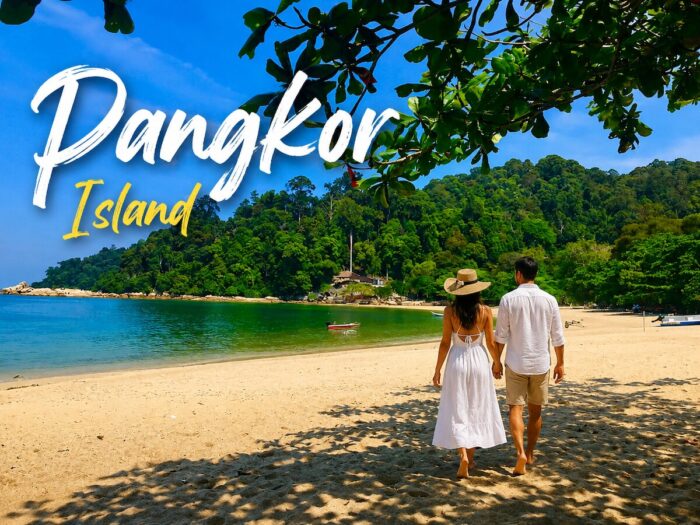
Discover Pulau Pangkor
The island is compact enough to explore in a few days, yet there is plenty to discover beyond its best-known beaches. From golden sunsets at Teluk Nipah to the secluded coves of the island’s western coast, Pulau Pangkor combines laid-back beach life with authentic local culture.
Whether you are planning a weekend escape, a family holiday, or a longer Malaysian island adventure, here is a guide to the best beaches and hidden gems worth discovering on Pulau Pangkor.
Why Visit Pulau Pangkor?
Pulau Pangkor is particularly appealing to travelers looking for a quieter alternative to Malaysia’s more developed beach destinations.
The island has a distinctly local character. Fishing remains an important part of everyday life; traditional boats line parts of the coast, and small villages coexist with resorts, restaurants, and beach activities.
Another advantage is its manageable size. You do not need a complicated itinerary to experience Pangkor. Renting a scooter, hiring a taxi, or joining a local tour makes it relatively easy to move between beaches, villages, viewpoints, and cultural attractions.
The island is also known for its beautiful sunsets, tropical forests, seafood restaurants, and opportunities to see wildlife.
Best Beaches in Pulau Pangkor
1. Teluk Nipah
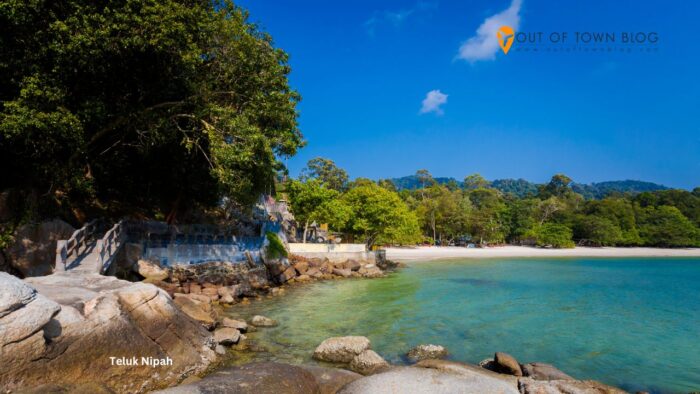
Teluk Nipah is arguably Pulau Pangkor’s most popular beach and one of the best places to begin exploring the island.
The beach has soft sand, calm-looking tropical waters, and a lively but generally relaxed atmosphere. Visitors can find accommodations, restaurants, small shops, and operators offering water activities nearby.
During the day, Teluk Nipah is ideal for swimming, relaxing by the sea, kayaking, or simply enjoying the tropical surroundings.
One of the highlights is the view toward nearby islands, particularly Pangkor’s smaller offshore islets. At sunset, the beach becomes an especially attractive place for photography.
Because Teluk Nipah is popular, it can be busier than some of Pangkor’s other beaches. Travelers seeking solitude should explore farther along the coast.
2. Coral Beach
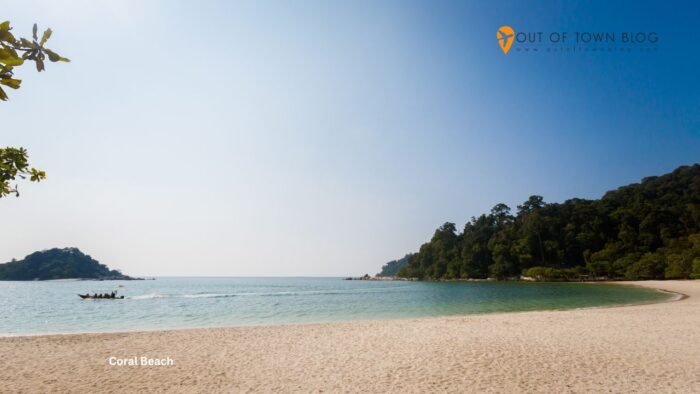
Located close to Teluk Nipah, Coral Beach offers a slightly more intimate beach experience.
Its tropical setting, rocky sections, and clear coastal waters make it particularly attractive to travelers interested in snorkeling and exploring the shoreline.
The beach is also a good place to spend a slow afternoon. Rather than packing the day with activities, bring a towel, find a shady spot, and enjoy the sound of the waves.
Coral Beach is especially appealing in the late afternoon, when the light softens and the coastline takes on a warm golden glow.
3. Pasir Bogak Beach
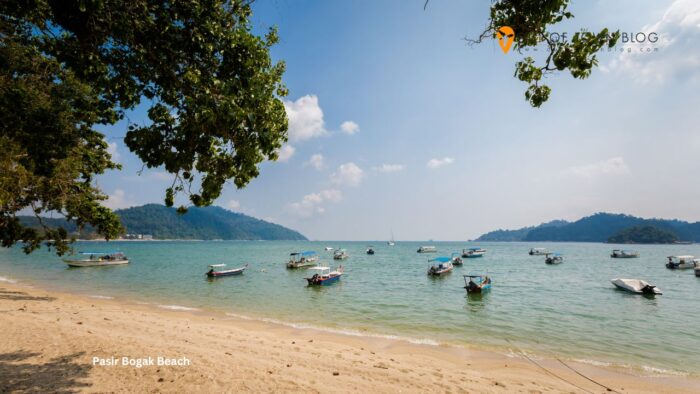
Pasir Bogak is another well-known beach on Pulau Pangkor and one of the island’s more accessible coastal areas.
The broad beachfront is ideal for families and travelers seeking easy access to accommodation, restaurants, and recreational activities.
It is also a convenient location for watching the sunset. The combination of palm trees, fishing boats, and offshore views creates a classic Malaysian island setting.
Pasir Bogak can be busier than some of the island’s more secluded beaches, but its accessibility makes it a practical choice for first-time visitors.
4. Teluk Belanga
If your idea of a perfect island day involves getting away from crowds, Teluk Belanga is worth seeking out.
This quieter stretch of coastline offers a more natural setting and a sense of isolation that can be difficult to find around the island’s main tourist areas.
The journey itself is part of the experience. As you travel farther from the developed sections of Pangkor, the landscape becomes increasingly green and undeveloped.
Bring water, sun protection, and anything else you may need because facilities can be limited compared with Teluk Nipah and Pasir Bogak.
5. Teluk Ketapang
Teluk Ketapang is another less-developed coastal area that appeals to travelers looking for scenery rather than commercial attractions.
The surrounding landscape feels more rugged and natural, making it an interesting stop for photographers and travelers exploring Pangkor by road.
It is also an excellent reminder that the island’s appeal extends beyond its most famous beaches. Some of Pangkor’s most memorable moments come from simply stopping at a quiet stretch of coastline and taking in the scenery.
Hidden Gems and Places to Explore
Pangkor Town and the Local Fishing Villages
One of the best ways to understand Pulau Pangkor is to spend some time away from the resort areas.
Explore the island’s fishing communities and watch local boats come and go along the shoreline. The colorful boats, fishing equipment, seafood businesses, and everyday village scenes provide a glimpse into the island’s traditional way of life.
For photographers, early morning is particularly rewarding when fishing activity is underway and the light is softer.
Respect local residents and ask permission before photographing people up close, particularly around homes and workplaces.
Fu Lin Kong Temple
Fu Lin Kong Temple is one of Pangkor’s most interesting cultural attractions.
Set against a hillside, the temple features colorful architecture, landscaped surroundings, and Chinese religious elements. Its elevated location also provides views over parts of the island.
The temple is a good place to experience a different side of Pangkor beyond beaches and water activities.
Dress respectfully when visiting religious sites and be mindful of worshippers.
Dutch Fort
For a glimpse into Pangkor’s colonial history, visit the remains of the Dutch Fort, locally known as Kota Belanda.
The stone structure dates to the period when the Dutch established a presence on the island. Although the fort is relatively small, its historical significance makes it one of Pangkor’s most worthwhile cultural stops.
The site also demonstrates how strategically important Pangkor was due to its location along maritime trade routes.
Combining the fort with nearby villages and coastal areas makes for an interesting half-day exploration.
Batu Bersurat
Close to the Dutch Fort is Batu Bersurat, or the Tiger Rock.
This historic rock features an inscription associated with the Dutch presence on Pangkor. It is an intriguing stop for visitors interested in the island’s lesser-known history.
It does not require a long visit, but it adds historical context to a sightseeing route that includes the Dutch Fort.
Pangkor Hill and the Island’s Green Interior
Pangkor is not only about beaches.
Much of the island remains covered in greenery, and its forested hills provide a different perspective from the coast.
Nature lovers can explore suitable trails and lookout points, although conditions can be hot and humid. Wear proper footwear, carry sufficient water, and avoid venturing into unfamiliar forest areas alone.
The island is also known for wildlife, including hornbills. Keep your distance from wild animals and avoid feeding them.
Pangkor’s Hornbills
One of the island’s most distinctive wildlife experiences is seeing hornbills.
These large, striking birds can sometimes be spotted around trees and developed areas. Their presence adds an unexpected wildlife dimension to a beach holiday.
Early morning and late afternoon are generally more comfortable times for wildlife observation because temperatures are lower.
If you photograph them, use a zoom lens rather than approaching too closely.
Things to Do in Pulau Pangkor
Go Island-Hopping
A boat trip around Pangkor’s surrounding waters is one of the best ways to appreciate the island’s coastline.
Island-hopping excursions can include stops at smaller islands and scenic coastal areas, depending on sea and weather conditions.
The experience is especially worthwhile for travelers who want to combine sightseeing with swimming and snorkeling.
Try Snorkeling
The waters around Pangkor can provide opportunities for snorkeling, particularly around suitable reef and rocky areas.
Visibility varies depending on weather, tides, and sea conditions, so do not expect identical conditions every day.
If you book an organized excursion, choose an operator that demonstrates responsible marine-tourism practices.
Watch the Sunset
Pangkor is an excellent sunset destination.
The western-facing beaches are particularly attractive toward the end of the day, when the sun drops over the horizon and the sky changes color.
Teluk Nipah and Coral Beach are convenient choices, while quieter coastal areas can provide a more peaceful experience.
Arrive early enough to find a comfortable spot, and stay after sunset to see the changing colors.
Explore the Island by Scooter
For independent travelers, getting around by scooter can make exploring Pangkor much easier.
A scooter allows you to stop whenever you see an interesting viewpoint, roadside food stall, fishing village, or quiet beach.
Always wear a helmet, drive cautiously, and be particularly careful on winding roads and unfamiliar sections of the island.
Travelers who are not comfortable riding can use local taxis or arrange transportation through their accommodation.
Sample Local Seafood
No trip to Pangkor would be complete without eating seafood.
As a fishing island, Pangkor offers a variety of fresh seafood, and local restaurants are a great place to try Malaysian dishes featuring fish, prawns, squid, crab, and other seasonal catches.
Look beyond tourist-oriented menus and ask what is fresh that day.
Where to Stay in Pulau Pangkor
Where you stay can significantly influence your Pangkor experience.
Teluk Nipah is ideal for travelers who want easy access to the beach, restaurants, shops, and activities. It is particularly convenient for first-time visitors.
Pasir Bogak is well-suited to families and travelers who prefer a wider beach area with convenient access to accommodation and services.
For a quieter getaway, consider accommodation away from the busiest beach areas. These properties can provide a more peaceful environment, although you may need transportation to reach restaurants and attractions.
When choosing accommodation, consider not just the room but also proximity to the beach, transportation options, dining facilities, and whether you want a lively or secluded atmosphere.
Best Time to Visit Pulau Pangkor
Pulau Pangkor has a tropical climate, so warm weather is possible throughout much of the year.
The best time for a beach-focused holiday generally depends on seasonal rainfall and sea conditions. The west coast of Peninsular Malaysia has different weather patterns from the east coast, so Pangkor can be considered for an island escape during periods when other Malaysian beach destinations may experience less favorable conditions.
Always check the latest weather forecast before booking water-based activities.
For photography, early mornings and late afternoons provide softer light and more comfortable temperatures than midday.
How to Get to Pulau Pangkor
The usual way to reach Pulau Pangkor is to travel to the mainland port and take a ferry to the island.
Travelers coming from Kuala Lumpur or other parts of Peninsular Malaysia can travel by road toward the ferry terminal serving Pangkor.
From the ferry arrival point, taxis and other local transportation options can take visitors to their accommodation.
Because ferry schedules and transportation arrangements can change, check the latest operating schedules before your trip, particularly if you are traveling during a holiday period.
Practical Travel Tips
Bring cash. Although digital payments are increasingly common, smaller businesses and local vendors may not always accept cards or electronic payments.
Carry sun protection. Tropical sunshine can be intense, particularly during midday. Pack sunscreen, sunglasses, a hat, and light clothing.
Bring insect repellent. Some inland and forested areas can have mosquitoes, particularly around dusk.
Start early. Early mornings are cooler and quieter, making them ideal for photography, sightseeing, and exploring fishing villages.
Respect local communities. Pangkor is a living island rather than simply a tourist resort. Dress appropriately when visiting villages and religious sites, and be considerate when taking photographs.
Protect the environment. Avoid leaving plastic, food packaging, or other waste on beaches. Do not touch coral or marine life while snorkeling.
Check sea conditions. Boat trips, snorkeling, and swimming conditions can change quickly depending on weather and tides.
A Suggested 3-Day Pulau Pangkor Itinerary
Day 1: Beaches and Sunset
Begin your trip at Pasir Bogak Beach before exploring the southern and western sections of the island.
Spend the afternoon around Teluk Nipah and Coral Beach. Enjoy a relaxed beach lunch, try a water activity, or simply swim and unwind.
Finish the day by watching the sunset from the western coast.
Day 2: Culture, Villages and Nature
Start with Fu Lin Kong Temple and continue to the Dutch Fort and Batu Bersurat.
Spend some time exploring local fishing communities before enjoying a seafood lunch.
In the afternoon, explore quieter parts of the island and look for hornbills and other wildlife.
End the day with dinner at a local seafood restaurant.
Day 3: Island-Hopping and Relaxation
Dedicate your final full day to a boat trip around Pangkor and its surrounding islands.
Swim, snorkel, and enjoy the coastal scenery before returning to the main island.
Spend the late afternoon relaxing at your favorite beach before preparing for your journey home.
Final Thoughts
Pulau Pangkor may not have the international profile of Langkawi, but that is precisely part of its charm.
Its appeal lies in the combination of accessible beaches, traditional fishing communities, historical landmarks, forested landscapes, local food, and quieter coastal corners. You can spend one morning swimming at Teluk Nipah, explore a historic fort in the afternoon, watch hornbills in the trees, and finish the day with fresh seafood and a spectacular sunset.
For travelers looking for a Malaysian island destination that feels relaxed, authentic, and easy to explore, Pulau Pangkor deserves a place on the itinerary.
The best way to experience it is to slow down, rent a ride or arrange local transport, and leave enough room in your schedule for the unexpected discoveries between the famous beaches.
Follow and subscribe to OutofTownBlog.com on Facebook, Twitter, Instagram, Pinterest, and YouTube for more Travel-related updates.
Read:
- 12 of The Best Beaches in Malaysia
- Top 12 Best Things To Do In Perak, Malaysia
- Travel Guide: Tunku Abdul Rahman Marine Park

