

 Team Out of Town
Palawan has earned global recognition from sources like Travel + Leisure and U.S. News & World Report as one of the best islands in the world. Its combination of unspoiled beaches, dramatic limestone cliffs, and rich marine life makes it stand out among top destinations. Many travelers rank it above other famous islands because it offers both natural beauty and diverse experiences in one location.

Why Palawan is the World’s Best Island
From the clear waters of Kayangan Lake to the UNESCO-listed Puerto Princesa Subterranean River, Palawan delivers a variety of landscapes that feel distinct yet connected. Visitors can explore coral reefs, trek through rainforests, or relax on quiet stretches of white sand without the crowds found in other tourist hotspots.
Its commitment to environmental preservation also plays a major role in its appeal. Even with its growing popularity, Palawan maintains clean waters, vibrant ecosystems, and a sense of authenticity that keeps it at the top of global travel lists year after year.
Why Palawan Is the World’s Best Island
Global Awards and Accolades
Palawan has been named the World’s Best Island multiple times by Travel + Leisure and U.S. News & World Report. In 2024, it reclaimed the top spot in Travel + Leisure’s World’s Best Awards, scoring high for scenery, activities, and overall experience.
Its recognition is not limited to one year. Over the past decade, Palawan has appeared in lists of the 24 Best Islands to Visit, often ranking above destinations like the Maldives, Bora Bora, and Bali.
These awards consider factors such as natural beauty, cultural heritage, and visitor satisfaction. Palawan’s UNESCO-listed Puerto Princesa Subterranean River National Park and World War II shipwreck diving sites in Coron contribute to its strong reputation.

Comparison With Other Top Island Destinations
When compared with other famous islands such as Maldives, Bora Bora, Sardinia, Mauritius, and Santorini, Palawan stands out for its range of landscapes and affordability. While the Maldives offers luxury resorts, Palawan combines high-end stays with budget-friendly options.
Bora Bora is known for overwater villas and a lagoon setting, but Palawan offers more varied activities, from limestone cliff hikes to freshwater lake swimming. Bali draws visitors for culture and nightlife, while Palawan focuses on quieter, nature-based experiences.
Even against scenic European islands like the Faroe Islands or Cyprus, Palawan’s tropical climate and year-round diving appeal give it an advantage for travelers seeking warm-water adventures. Its mix of marine biodiversity, beaches, and inland forests is rare among top island destinations.
Appeal to Travelers and Adventure Seekers
Palawan attracts a wide range of visitors. Adventure seekers come for scuba diving in coral reefs and WWII wrecks, kayaking through mangrove forests, and trekking in old-growth jungles.

Nature lovers explore Kayangan Lake in Coron, El Nido’s lagoons, and the underground river in Puerto Princesa. These sites are known for clear waters, unique rock formations, and abundant wildlife.
For travelers seeking relaxation, Palawan offers quiet beaches, fishing villages, and small island-hopping tours. Its balance of adventure and tranquility makes it suitable for both short getaways and extended stays.
Natural Beauty and Unique Landscapes
Palawan features striking limestone formations, clear blue waters, and secluded coastal areas. Its scenery combines dramatic rock landscapes with vibrant marine environments, creating a setting that draws both nature lovers and photographers.
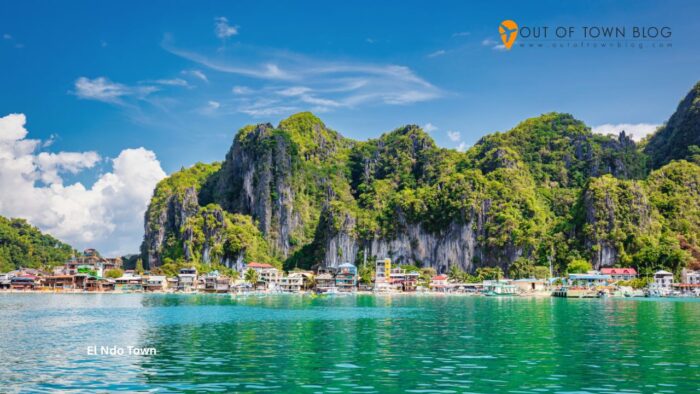
Limestone Cliffs and Formations
Towering limestone cliffs line much of Palawan’s coastline, especially around Bacuit Bay in El Nido. These cliffs rise sharply from the sea, forming rugged walls of gray and white rock.
Many of these formations are over millions of years old, shaped by erosion and weathering. They create narrow channels, overhangs, and caves that visitors can explore by boat or kayak.
Some cliffs shelter small beaches at their base, accessible only during low tide or through narrow openings. These natural structures also provide nesting spots for seabirds and shelter for marine life.

Crystal-Clear Waters and Beaches
The island’s crystal-clear waters allow visibility of coral reefs and fish even from the surface. This clarity makes it a popular destination for snorkeling and diving.
Palawan’s beaches range from long stretches of fine white sand to small, secluded coves. Many are fringed with coconut palms and backed by forested hills.
Notable beaches include Nacpan Beach, known for its wide shoreline, and the Hidden Beach in El Nido, which is enclosed by limestone walls. Visitors often reach these spots by small outrigger boats.
| Beach Name | Notable Feature | Accessibility |
|---|---|---|
| Nacpan Beach | Long sandy stretch | Road access |
| Hidden Beach | Enclosed by limestone formations | Boat only |
| Seven Commandos | Palm-lined shore | Boat only |
Lagoons and Hidden Coves
Palawan’s lagoons are often surrounded by steep limestone walls that protect calm, shallow waters. The Small Lagoon and Big Lagoon in Bacuit Bay are well-known examples.

These areas host seagrass beds, colorful fish, and occasionally sea turtles. The still waters make them ideal for kayaking and swimming.
Hidden coves, often shielded by rock formations, offer quiet spots away from busier tourist areas. Access can require swimming through narrow gaps or wading in shallow channels, adding to their sense of seclusion.
Some coves connect to underwater caves, creating habitats for marine species and unique diving opportunities.
Wildlife and Marine Life

Palawan is home to more than a thousand species of plants and animals. These include the Palawan peacock-pheasant, Philippine pangolin, and mouse-deer, which are found only in this region.
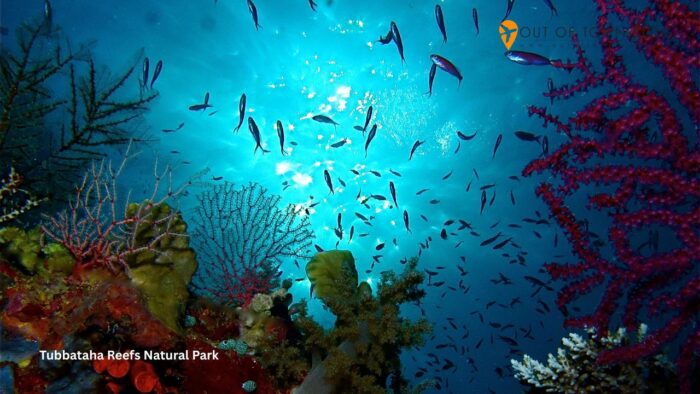
Its marine ecosystems are equally rich. Coral reefs around Tubbataha Reefs Natural Park shelter over 600 species of fish and nearly 400 species of coral. Sea turtles, dugongs, and whale sharks also frequent these waters.
Mangrove forests and seagrass beds provide breeding grounds for fish and protect shorelines from erosion. Many coastal villages depend on these resources for food and livelihoods.
Key habitats include:
- Tropical rainforests – 41% of Palawan’s land area remains forested.
- Coral reefs – among the most diverse in Southeast Asia.
- Mangroves & seagrass beds – critical for marine life cycles.
UNESCO World Heritage Sites
Palawan contains two UNESCO World Heritage Sites that highlight its global ecological value.
Tubbataha Reefs Natural Park is a protected marine area in the Sulu Sea. It is recognized for its pristine coral reefs, large fish populations, and role as a nesting site for seabirds and marine turtles.
Puerto Princesa Subterranean River National Park features an underground river that flows directly into the sea. The river passes through limestone karst formations and caves, creating a unique habitat for bats, swiftlets, and specialized cave fauna.
These sites are strictly managed to balance tourism with conservation. Visitors must follow regulations to help preserve their fragile ecosystems.
The Last Ecological Frontier
Palawan is often called the Philippines’ “last ecological frontier” because much of its natural environment remains intact compared to other regions.
Large areas of forest, wetlands, and coastal habitats are still undisturbed. These areas support high biodiversity and act as carbon sinks, helping regulate the climate.
Conservation programs focus on protecting indigenous communities’ rights, sustainable fishing, and responsible tourism. Maintaining these ecosystems is vital for both wildlife survival and human well-being.
Its status as an ecological frontier underscores the importance of careful management to ensure that development does not erode its environmental wealth.
Top Destinations in Palawan
El Nido and Bacuit Bay
El Nido sits at the northern tip of Palawan and serves as the gateway to Bacuit Bay. The area is known for its tall limestone cliffs, turquoise waters, and small hidden beaches.

Bacuit Bay contains over 40 islands and islets. Many feature lagoons that can be reached by kayak or small boat. Popular stops include Small Lagoon, Big Lagoon, and Secret Lagoon.
Marine life is abundant, making the area a good spot for snorkeling and diving. Coral reefs here support species like parrotfish, sea turtles, and giant clams.
El Nido town offers boat tours labeled as Tour A, B, C, and D, each visiting different island clusters. Tour A, for example, focuses on lagoons and beach coves, while Tour C highlights snorkeling sites.
Coron and Kayangan Lake
Coron lies north of Palawan’s main island and is part of the Calamian Islands. It is well known for its clear lakes and World War II shipwreck dive sites.
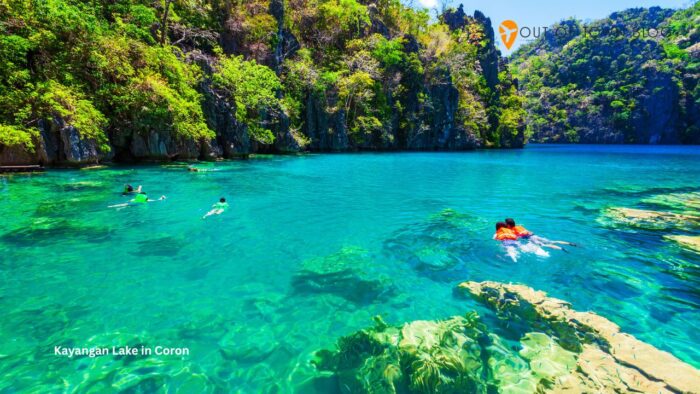
Kayangan Lake is one of the cleanest lakes in the Philippines. Visitors reach it by climbing a short but steep trail that offers a viewpoint over Coron Bay. The lake’s water is a mix of freshwater and saltwater, giving it a unique clarity.
Nearby Barracuda Lake is another attraction, notable for its warm layers of water caused by geothermal activity.
Coron Bay contains several sunken Japanese warships from 1944. These wrecks are now artificial reefs and attract divers from around the world.
Puerto Princesa and the Underground River
Puerto Princesa is the capital of Palawan and a common entry point for visitors. It is home to the Puerto Princesa Subterranean River National Park, a UNESCO World Heritage Site.
The underground river runs for over 8 kilometers, with about 4 kilometers navigable by boat. It flows directly into the sea and passes through limestone karst formations.
Tours take visitors into the cave system, where they can see rock formations shaped over thousands of years. Wildlife such as bats and swiftlets live inside the cave.
Outside the park, Puerto Princesa offers mangrove forests, beaches, and local markets, making it a good base for day trips.

Onuk Island in Balabac, Palawan
Onuk Island (also spelled Onok), located in Balabac, Palawan, is often hailed as one of the last untouched paradises in the Philippines. This privately owned island features powdery white sand, crystal-clear turquoise waters, and vibrant marine life, making it a dream destination for beach lovers, snorkelers, and photographers alike. Surrounded by rich coral reefs, Onuk Island is home to sea turtles, colorful fish, and occasionally dolphins, offering an unforgettable underwater experience.
Its remote location, accessible only through a series of land and sea transfers, ensures fewer tourists and a truly serene atmosphere. The island’s stunning beauty was famously showcased in a National Geographic-winning photo, making a visit feel like stepping into a postcard. Whether you choose a day trip or an overnight stay, Onuk Island promises pristine nature, tranquility, and breathtaking views that make the journey worthwhile.
Adventure and Activities
Snorkeling and Diving
Palawan’s reefs host coral gardens, sea turtles, and schools of tropical fish. Popular spots include Coron Bay for World War II shipwreck dives and Tubbataha Reefs Natural Park, a UNESCO World Heritage Site known for its biodiversity.
Many snorkeling sites have shallow reefs close to shore, making them accessible to beginners. More experienced divers can explore deeper walls and wrecks with certified guides.
Water visibility often reaches 20–30 meters, especially between March and June. Local operators provide gear rentals, safety briefings, and boat transfers to offshore sites.
Exploring Caves and Underground Rivers
The Puerto Princesa Subterranean River National Park features a navigable underground river stretching over eight kilometers. Visitors ride small boats through chambers lined with stalactites and stalagmites.
Guided tours highlight rock formations and explain the cave’s geology and ecosystem. Lighting inside is minimal, so tours rely on handheld lamps to reveal details.
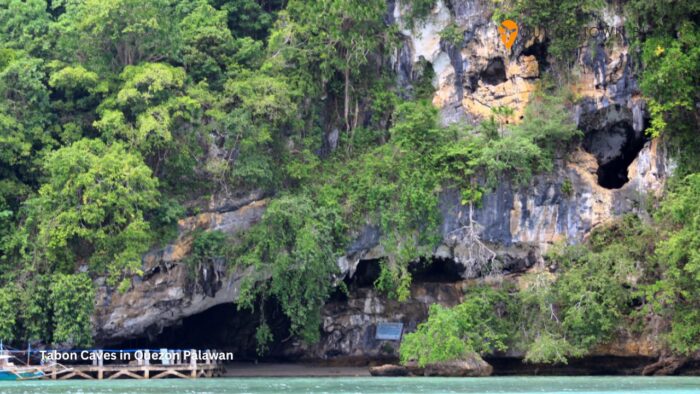
Other caves, such as Tabon Caves in Quezon, hold archaeological significance with artifacts dating back thousands of years. Access to some caves may require permits or local guides for safety.
Island Hopping and Water Sports
Island-hopping tours connect travelers to beaches, lagoons, and snorkeling spots in areas like El Nido and Honda Bay. Typical itineraries include stops at small islands with white sand and shallow reefs.
Many tours offer a mix of swimming, kayaking, and paddleboarding. Calm bays are suitable for beginners, while open-water routes appeal to stronger swimmers.
A simple comparison of common tours:
| Area | Highlights | Travel Time from Main Town |
|---|---|---|
| El Nido | Lagoons, limestone cliffs | 10–30 min by boat |
| Honda Bay | Sandbars, coral reefs | 15–20 min by boat |
| Coron | Lakes, WWII shipwrecks | 20–40 min by boat |
Local operators often provide lunch, safety gear, and guides, making it easy for travelers to join even without prior experience.
Travel Tips and Practical Information
Palawan’s conditions, lodging choices, and cultural practices can shape a traveler’s experience. Weather patterns affect transport and outdoor activities, while staying in the right area can save time and money. Respect for local customs helps maintain positive connections with residents.
Best Time to Visit and Climate
Palawan has a tropical climate with two main seasons: the dry season from November to May and the wet season from June to October.
The dry season offers calmer seas and clearer skies, making it ideal for island-hopping and diving. March to May can be hotter, with temperatures reaching 34°C (93°F). Those months are popular with both domestic and international travelers.
The wet season brings heavier rain, especially from July to September. Boat tours may be canceled due to rough seas. However, prices for accommodation often drop, and some areas are less crowded.
Travelers should check local forecasts before booking. Typhoons are less common in Palawan than in other parts of the Philippines but can still affect travel.
Accommodation Options
Palawan offers a wide range of accommodation for different budgets. In popular areas like El Nido, Coron, and Puerto Princesa, visitors can find:
| Type | Example Price Range (per night) | Features |
|---|---|---|
| Budget Guesthouse | $10–$25 | Basic rooms, fan or aircon, shared facilities |
| Mid-range Hotel | $30–$80 | Private bath, Wi-Fi, breakfast |
| Luxury Resort | $150+ | Beachfront location, pools, full service |
Booking in advance is recommended during the dry season, especially around Christmas, New Year, and Holy Week.
Some eco-lodges and homestays allow travelers to stay closer to nature while supporting local families. These are common in smaller towns and rural areas.
Sustainable Tourism and Local Culture
Many Filipinos in Palawan rely on tourism for income. Travelers can support the community by hiring local guides, eating at family-run eateries, and buying handicrafts directly from artisans.
Practicing sustainable tourism helps protect Palawan’s fragile environment. Visitors should avoid single-use plastics, follow marine park rules, and respect wildlife.
Local culture values politeness and hospitality. Simple greetings like “Magandang araw” (Good day) are appreciated. Dress modestly when visiting villages or religious sites.
Food is another way to connect with the culture. Trying local dishes such as fresh seafood or pho-style noodle soups in coastal towns can enhance the travel experience.
Frequently Asked Questions
What attractions contribute to Palawan being named the World’s Best Island?
Palawan features white sand beaches, limestone cliffs, and crystal-clear lagoons. Popular sites include the Puerto Princesa Subterranean River, El Nido’s island-hopping routes, and Coron’s shipwreck diving spots. These attractions combine natural beauty with opportunities for outdoor exploration.
How has Palawan maintained its top island status over the years?
The island has preserved much of its natural environment through conservation efforts and regulated tourism. Local communities and authorities promote sustainable practices, which help keep its beaches, reefs, and forests in good condition for visitors.
What unique features distinguish Palawan from other top-rated islands?
Unlike many tourist-heavy islands, Palawan still has large areas with minimal development. Its biodiversity includes rare wildlife on land and in the sea. The combination of dramatic limestone formations and rich coral reefs sets it apart from other destinations.
What are the top reasons travelers choose Palawan over other famous islands?
Travelers often cite its variety of activities, from snorkeling and diving to hiking and kayaking. Many also appreciate its less crowded beaches compared to other popular islands. Affordable travel options and friendly local communities add to its appeal.
How does Palawan’s natural beauty compare to other leading island destinations?
While islands like Santorini or Bali offer cultural and architectural beauty, Palawan stands out for its untouched natural scenery. Its waters are known for high visibility, and its landscapes remain largely free from large-scale commercial development.
What amenities and experiences make Palawan a leading choice for island vacations?
Palawan offers a range of accommodations, from budget guesthouses to luxury resorts. Visitors can enjoy guided tours, local cuisine, and water sports. Transportation options, such as boat transfers and small domestic flights, make exploring its different areas accessible.
Palawan Travel Tour Packages You Should Try
Follow and Subscribe to OutofTownBlog.com on Facebook, Twitter, Instagram, Pinterest, and YouTube for more Travel related updates.
Read: Explore Sabang Beach This Summer – Stay In Comfort at Four Points Palawan