

 Melo Villareal
Exploring Shimokitazawa: The Ultimate Guide to Tokyo’s Creative Neighborhood
Shimokitazawa, often called Shimokita, is one of Tokyo’s most distinctive neighborhoods. Located in Setagaya Ward and just a short train ride from Shibuya and Shinjuku, the area is known for vintage fashion, independent music, small theaters, record stores, cafés, restaurants, and creative businesses.
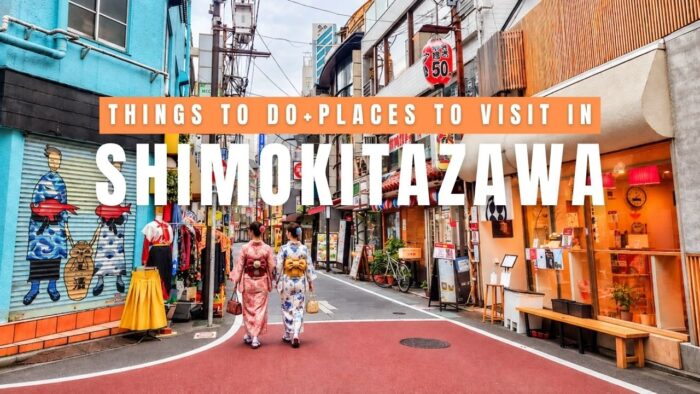
Things to do in Shimokitazawa
The neighborhood has a different atmosphere from Tokyo’s major commercial districts. Its narrow streets, independent shops, and relaxed cafés encourage travelers to explore without following a rigid sightseeing schedule.
Shimokitazawa’s identity grew from its history as a former farming area and its transformation after the Great Kanto Earthquake and World War II. Today, its creative atmosphere continues to attract students, musicians, artists, designers and other creatives.
For travelers, the best way to experience Shimokitazawa is to walk. Browse vintage clothing racks, hunt for vinyl records, stop at a specialty coffee shop, watch an independent film, catch a live performance, and explore the neighborhood’s newer developments.
Practical Visitor Information for Shimokitazawa
| Visitor Information | Details |
|---|---|
| Location | Setagaya Ward, Tokyo, Japan |
| Nearest Station | Shimokitazawa Station |
| Train Lines | Odakyu Line and Keio Inokashira Line |
| From Shibuya | About 4 minutes by Keio Inokashira Line, depending on the service |
| From Shinjuku | About 7 to 10 minutes by Odakyu Line, depending on the service |
| Best Way to Explore | Walking |
| Recommended Duration | Half day to one full day |
| Best For | Vintage shopping, cafés, record stores, live music, theater, street photography and local food |
| Best Time to Visit | Afternoon for shopping, evening for dining, music and nightlife |
| Best Days | Weekdays for a quieter experience, weekends for a livelier atmosphere |
| Vintage Shopping | Numerous secondhand and vintage stores around the station and Ichibangai area |
| Food and Cafés | Independent restaurants, coffee shops, bakeries and casual eateries throughout the neighborhood |
| Nightlife | Live music venues, bars, restaurants and small theaters |
| Photography | Narrow streets, vintage storefronts, cafés, independent shops and evening scenes |
| Accessibility | The main station and newer developments are relatively accessible, but some older shops have stairs or narrow entrances |
| Cash | Carry some Japanese yen because smaller independent businesses may have limited payment options |
| Language | Japanese is the primary language, although some tourist-oriented businesses have English information |
| Recommended Footwear | Comfortable walking shoes |
| Ideal Itinerary | Vintage shopping -> coffee -> record stores -> lunch -> creative spaces -> dinner -> live music or theater |
| Nearby Areas to Combine | Shibuya, Sangenjaya, Yoyogi-Uehara and Shinjuku |
Travel Tip: Shimokitazawa is best explored without an overly strict schedule. Set aside several hours to browse side streets because many of the neighborhood’s independent shops and cafés are tucked away from the main station area.
1. Go Vintage Shopping Along Shimokitazawa’s Narrow Streets
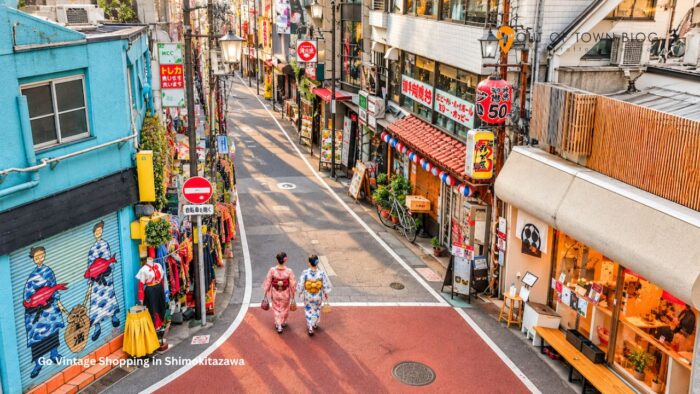
Location: Around Shimokitazawa Station, particularly the streets around Ichibangai and Kitazawa.
Activity: Spend several hours browsing secondhand clothing stores, vintage boutiques, accessories shops, and independent fashion stores.
Shimokitazawa is one of Tokyo’s best neighborhoods for vintage and secondhand shopping. With so many stores close together, you can spend an entire afternoon moving from one small shop to another without following a fixed route.
Look for vintage denim, jackets, T-shirts, dresses, military pieces, bags, and accessories. The neighborhood has everything from affordable secondhand stores to carefully curated boutiques.
Popular names include Flamingo, Chicago, and New York Joe Exchange. The selection changes frequently, so returning visitors can discover completely different pieces each time.
Vintage shopping is one of the best things to do in Shimokitazawa because so much variety is packed into a relatively walkable area. The experience feels more like treasure hunting than conventional shopping. Fashion lovers should arrive with time to browse, not expecting to visit just one store.
2. Explore Shimokitazawa Ichibangai Shopping Street

Location: Ichibangai, a short walk from Shimokitazawa Station.
Activity: Walk through the neighborhood’s smaller independent shops, cafés, restaurants, and vintage stores.
Shimo-kitazawa Ichibangai Shopping Street offers a quieter side of Shimokitazawa and is a great place to start exploring the neighborhood on foot. The street is lined with small businesses that reflect the area’s independent character. Visitors can browse clothing stores, grab coffee, hunt for unusual accessories, or simply watch the neighborhood go about its daily routine.
Unlike Tokyo’s major shopping districts, Ichibangai feels intimate and local. The narrow streets encourage slow exploration, with plenty of opportunities to turn down a side street and discover another small shop.
This area is particularly enjoyable for travelers who prefer independent businesses over large commercial complexes. Its mix of vintage shopping, cafés, and a neighborhood feel makes it one of the best places to understand what gives Shimokitazawa its distinctive personality.
3. Hunt for Vinyl at Shimokitazawa’s Record Stores
Location: Around Kitazawa and the streets surrounding Shimokitazawa Station.
Activity: Browse vinyl records, CDs, and other music-related finds at independent record stores.
Shimokitazawa has long been associated with Tokyo’s independent music culture, making record hunting one of the neighborhood’s essential experiences. Stores such as JET SET and smaller independent record shops offer collections covering different genres and eras.
JET SET is particularly known for house, techno, and soul, while other neighborhood stores specialize in Japanese music, rock, electronic music, and harder-to-find releases. The fun is in browsing the shelves and discovering something unexpected. You do not need to be a serious collector to enjoy the experience. Even casual music fans can find interesting Japanese releases, used albums and unusual covers.
What makes record shopping special here is the connection between the stores and Shimokitazawa’s wider music culture. Many live houses, musicians and music fans operate within the same compact neighborhood, giving the record shops a strong sense of place.
4. Drink Specialty Coffee at Bear Pond Espresso
Location: Near Ichibangai, within walking distance of Shimokitazawa Station.
Activity: Stop for carefully prepared espresso or coffee while exploring the vintage-shopping district.
Bear Pond Espresso is one of Shimokitazawa’s best-known coffee destinations and a staple of the neighborhood’s specialty coffee culture. The compact café is well known among coffee enthusiasts for its espresso and carefully prepared drinks.
Its location also makes it easy to add to a walking itinerary, as it sits close to vintage shops and other independent businesses. This makes a simple Shimokitazawa routine easy: browse secondhand clothing, stop for coffee, keep hunting for records, and finish with a meal.
The café is worth including for its connection to the neighborhood’s long-established creative, independent character. It feels different from visiting a large international coffee chain. Travelers interested in Tokyo’s café culture can make Bear Pond one stop on a broader exploration of Shimokitazawa’s small coffee shops and food businesses.
5. Explore Mikan Shimokita

Location: Beside Shimokitazawa Station.
Activity: Browse shops, cafés, restaurants and community-oriented spaces within the station-adjacent complex.
Mikan Shimokita is one of the newer developments around Shimokitazawa Station and shows how the neighborhood continues to evolve. The complex opened in 2022 and added another collection of independent shops, restaurants, cafés and creative businesses to the area. Its name refers to the Japanese word “mikansei,” meaning unfinished, reflecting Shimokitazawa’s constantly changing character.
Visitors can use the complex as a convenient starting or ending point for a neighborhood walk. Itis especially useful when traveling with friends with different interests because the surrounding area offers food, shopping, and leisure options within easy walking distance.
Mikan Shimokita also demonstrates the contrast between Shimokitazawa’s older narrow streets and its newer urban developments. That combination is part of what makes the neighborhood interesting. You can move from a modern station complex into vintage shops and tiny independent businesses within minutes.
6. Spend Time at Bonus Track
Location: Daita, a short walk from central Shimokitazawa.
Activity: Explore the open-air complex’s independent shops, cafés, restaurants, books and community events.
Bonus Track offers a more relaxed environment for travelers who want to take a break from shopping. The low-rise development brings together small businesses, food outlets, creative spaces and events in an open-air setting. It works particularly well as part of a walking route connecting the older Shimokitazawa streets with newer developments.
Travelers can stop for a meal, browse independent shops, look for books or simply sit and enjoy the neighborhood atmosphere. Bonus Track is especially appealing because it does not feel like a conventional enclosed shopping mall. Its design encourages people to move between businesses and spend time outdoors.
It also hosts events and community activities, giving repeat visitors another reason to return. For travelers interested in contemporary Tokyo, Bonus Track offers a strong example of how smaller creative districts can develop without losing the neighborhood’s independent character.
7. Visit Reload for Shops, Food and Design
Location: Near Shimokitazawa Station, along the former railway corridor.
Activity: Browse independent shops, cafés, food businesses and creative spaces.
Reload is a newer development that has become part of modern Shimokitazawa. Its low-rise layout and open-air design make it easy to explore on foot. The complex features independent businesses, cafés, restaurants, and specialty shops, offering an alternative to Tokyo’s larger shopping centers. Travelers can combine a visit to Reload with nearby vintage stores and other Shimokitazawa attractions.
One of its strengths is the atmosphere. The development offers a calmer place to pause between shopping and sightseeing, especially when the main streets get busy. Reload also helps demonstrate how Shimokitazawa has changed in recent years.
The neighborhood retains its older independent businesses and vintage shops while adding new spaces for food, design and retail. This balance between old and new makes Reload worth including in an itinerary, especially for first-time visitors to Shimokitazawa.
8. Watch an Independent Film at Shimokita Ekimae Cinema K2
Location: Inside the tefu) lounge complex near Shimokitazawa Station.
Activity: Watch independent, art-house or specialty film screenings.
Shimokitazawa’s connection to creative culture extends beyond music and fashion into cinema. Shimokita Ekimae Cinema K2 lets travelers watch films in a neighborhood setting rather than at one of Tokyo’s huge multiplexes.
The cinema offers a selection of films and special screenings that may appeal to travelers who enjoy Japanese cinema, independent productions, and art-house movies. Check the screening schedule before you go, as the program changes. A cinema visit also works well as an evening activity after shopping and dinner. Cinema K2 is particularly interesting for its location within Shimokitazawa’s broader creative ecosystem.
The neighborhood has independent theaters, music venues, cafés, record stores and fashion boutiques within walking distance. Watching a film here therefore becomes part of experiencing Shimokitazawa’s cultural identity rather than simply filling time between sightseeing stops.
9. Catch a Live Performance at a Shimokitazawa Music Venue
Location: Various venues around Shimokitazawa, including Club 251, Basement Bar, ERA and Shimokitazawa THREE.
Activity: Watch emerging Japanese bands, indie musicians and other live performances.
Live music is one of Shimokitazawa’s defining experiences. The neighborhood is home to numerous small venues where emerging musicians and established performers share intimate stages. Shimokitazawa THREE, Club 251, Basement Bar, and ERA are among the venues that define the area’s live music scene.
The appeal is the scale. Instead of watching a band from a distant seat in a large arena, visitors can experience performances in compact venues where the audience is much closer to the stage. Check individual schedules before your trip because performances vary by date and genre. Even travelers who do not recognize the performers can enjoy discovering new music.
Shimokitazawa’s reputation as an independent music hub developed over decades, and its live houses remain central to the neighborhood’s identity. For travelers who want a less tourist-oriented side of Tokyo nightlife, attending a live show is one of the best choices.
10. Browse the Shops at Shimokitazawa Garage Department
Location: Kitazawa 2-chome, within walking distance of Shimokitazawa Station.
Activity: Explore a collection of small accessory, fashion, and lifestyle shops.
Shimokitazawa Garage Department is a compact shopping destination that brings together several smaller businesses under one roof. It is especially useful for travelers who want to browse accessories, fashion pieces, and unusual lifestyle items without spending hours walking between distant stores.
The shopping environment fits Shimokitazawa’s independent character by emphasizing smaller shops and niche products over major international brands. This is a good stop after exploring the area’s vintage clothing stores because you can continue looking for accessories or souvenirs that feel different from conventional Tokyo merchandise. The relatively compact space also makes it easy to visit on a limited schedule.
Garage Department is a worthwhile stop because it concentrates small-scale retail in a walkable area. It captures the alternative shopping culture that has made Shimokitazawa one of Tokyo’s best destinations for travelers looking beyond mainstream department stores.
11. Visit a Vintage Clothing Store Such as New York Joe Exchange
Location: Ichibangai area near Shimokitazawa Station.
Activity: Search for secondhand clothing and, when available, exchange unwanted pieces for store credit.
New York Joe Exchange is one of Shimokitazawa’s recognizable vintage fashion destinations. The store is especially interesting because shoppers can browse secondhand clothing while the inventory changes regularly through its exchange model.
That means each visit can feel different because new pieces continually enter the racks. The store is a useful stop for travelers searching for affordable Japanese and international vintage clothing, including jackets, shirts, denim, and accessories. It also provides an insight into Shimokitazawa’s fashion culture, where secondhand clothing is closely tied to personal style and subculture.
The shop sits near other vintage stores, letting travelers compare selections before deciding what to buy. New York Joe Exchange offers one of Shimokitazawa’s best shopping experiences, with its variety, ever-changing inventory, and neighborhood atmosphere.
12. Discover Shimokitazawa’s Small Theaters
Location: Throughout the streets around Kitazawa and Shimokitazawa Station.
Activity: Watch plays, comedy performances, and experimental theater productions.
Shimokitazawa is one of Tokyo’s important neighborhoods for small-scale theater and performing arts. The area has several intimate venues, including Theater 711, where visitors can see productions that differ significantly from mainstream commercial entertainment.
Theater schedules vary, so travelers interested in seeing a performance should check current listings before visiting. The compact scale of these venues brings performers and audiences closer together. Many productions are staged in Japanese, but travelers can still appreciate the atmosphere and the role these theaters play in the local arts scene.
Shimokitazawa’s theater culture is closely tied to the neighborhood’s music and creative communities, concentrating artistic activity in a small area. This makes attending a performance a particularly good choice for travelers who want to experience contemporary Tokyo beyond major tourist attractions and large entertainment districts.
13. Relax at Kitazawa Park
Location: Kitazawa 3-chome, within walking distance of central Shimokitazawa.
Activity: Take a break from shopping, walk through the park, and enjoy some quiet outdoor time.
Kitazawa Park offers a useful pause from Shimokitazawa’s busy shopping streets. The neighborhood is compact and full of stores, cafés, restaurants, and entertainment venues, so a nearby green space gives travelers somewhere to slow down.
A park visit works particularly well during a longer walking itinerary. Grab a takeaway drink or snack and spend some time outdoors before continuing to explore. It is also a practical option for travelers who want to experience the neighborhood at a slower pace rather than spending the entire day inside shops and cafés.
The park isn’t a major tourist attraction, and that is part of its appeal. It offers a glimpse of everyday neighborhood life and lets visitors see how residents use the area. Include it as a short stop rather than a destination requiring a long visit.
14. Try Specialty Coffee at Ogawa Coffee Laboratory Shimokitazawa
Location: Reload, near Shimokitazawa Station.
Activity: Enjoy specialty coffee and explore the laboratory-style café’s coffee-focused concept.
Ogawa Coffee Laboratory Shimokitazawa is an excellent stop for travelers who want to explore Tokyo’s specialty coffee culture. Located inside Reload, the café combines coffee with the neighborhood’s contemporary creative atmosphere.
Travelers can use it as a morning starting point before exploring vintage shops or as an afternoon break after several hours of walking. The café’s location also makes it easy to combine with other nearby attractions, including Reload’s independent shops and the streets around the station. This coffee stop is especially appealing because it fits into a broader Shimokitazawa itinerary.
You can move from vintage fashion to records, then to contemporary retail and specialty coffee without leaving the neighborhood. For café-hopping visitors, this is one of several places worth considering. A coffee break here also gives travelers time to appreciate the newer side of Shimokitazawa’s evolving food and lifestyle scene.
15. Explore Shimokitazawa on Foot After Dark
Location: Streets around Shimokitazawa Station, Kitazawa, Ichibangai and the surrounding entertainment district.
Activity: Walk through the neighborhood at night, browse open shops, eat at local restaurants and experience the live music scene.
Shimokitazawa takes on a different personality after sunset. The streets become livelier as restaurants, bars, music venues and theaters welcome their evening crowds. Instead of heading straight to one attraction, spend time walking through the neighborhood and seeing where people gather.
Combine dinner with a record-store stop, visit a small bar, attend a live performance, or find a late-night café. Shimokitazawa’s nightlife is more intimate than the massive entertainment districts of Shibuya and Shinjuku. Its small venues and independent businesses create an atmosphere centered on local communities and creative culture.
This makes an evening walk one of the best things to do in Shimokitazawa for travelers who want to experience Tokyo after dark without spending the night in a major nightclub district. The neighborhood’s mix of food, music, fashion, and theater offers plenty of options for an unplanned evening.
Suggested One-Day Shimokitazawa Itinerary
Shimokitazawa is compact enough to explore on foot, so you can combine several experiences in one day.
9:00 AM -> Arrive at Shimokitazawa Station.
9:15 AM -> Start with coffee at a specialty café.
10:00 AM -> Explore Ichibangai and browse vintage clothing stores.
11:30 AM -> Visit a record shop and search for Japanese vinyl.
12:30 PM -> Have lunch at a local restaurant.
2:00 PM -> Explore Mikan Shimokita and the newer station-area developments.
3:00 PM -> Visit Reload and stop for another coffee.
4:00 PM -> Continue toward Bonus Track and explore its independent shops.
5:00 PM -> Take a short break at Kitazawa Park.
6:00 PM -> Return toward the station for dinner.
7:30 PM -> Watch a live music performance, theater production or independent film, depending on the schedule.
9:30 PM -> Walk through Shimokitazawa’s evening streets before returning to your hotel.
How to Get to Shimokitazawa
Shimokitazawa Station is served by the Odakyu Line and Keio Inokashira Line, making the neighborhood easy to reach from central Tokyo.
From Shibuya, take the Keio Inokashira Line. The journey is particularly convenient and takes only a few minutes on an express train.
From Shinjuku, take the Odakyu Line directly to Shimokitazawa.
The station is an excellent starting point because many of the neighborhood’s vintage shops, cafés, restaurants, and entertainment venues are within walking distance.
Best Time to Visit Shimokitazawa
You can visit Shimokitazawa year-round, but the best time depends on what you want to do.
Mornings are ideal for coffee, quieter streets, and browsing shops before the neighborhood gets busier.
Afternoons work well for vintage shopping, record hunting, cafés, and exploring the newer developments.
Evenings are best for restaurants, bars, theaters, and live music.
Weekends tend to be busier, particularly around popular vintage shops and cafés. If shopping is your priority, arrive earlier to have more time to browse.
Travel Tips for Shimokitazawa
Wear Comfortable Shoes
Shimokitazawa is best explored on foot. Comfortable shoes will make it easier to move between shops, cafés and entertainment venues.
Carry Cash
Many businesses accept electronic payments and cards, but it’s still useful to carry some Japanese yen for smaller shops and independent establishments.
Do Not Rush
The neighborhood rewards spontaneous exploration. Leave room in your itinerary for shops and cafés you discover along the way.
Check Live Event Schedules
Music and theater schedules change regularly. Check the latest listings before planning your evening.
Explore Beyond the Main Streets
Some of Shimokitazawa’s most interesting stores are hidden along smaller streets. Don’t limit your exploration to the area around the station.
Respect Small Businesses
Many shops and cafés are independently operated. Follow photography rules, keep noise down, and respect requests regarding bags, seating, and merchandise.
Frequently Asked Questions About Shimokitazawa
1. What is Shimokitazawa famous for?
Shimokitazawa is famous for its vintage clothing shops, independent music venues, record stores, cafés, theaters, and alternative youth culture. The neighborhood has a relaxed atmosphere that contrasts with the large commercial districts of Shibuya and Shinjuku. It has become one of Tokyo’s best-known destinations for secondhand fashion and independent entertainment. Travelers can spend an entire day browsing vintage stores, hunting for records, drinking specialty coffee, and attending a live performance. Its combination of old neighborhood streets and newer creative developments also makes it an interesting area for travelers who want to see a different side of contemporary Tokyo.
2. Is Shimokitazawa worth visiting?
Yes. Shimokitazawa is particularly worthwhile for travelers who enjoy vintage fashion, independent shops, music, cafés, theater and local neighborhood culture. It offers a different experience from Tokyo’s major sightseeing districts because the attractions are spread across small streets rather than concentrated in large commercial buildings. You can easily spend several hours exploring without following a strict sightseeing route. The neighborhood is also close to Shibuya and Shinjuku, making it convenient to add to a Tokyo itinerary. Travelers interested in photography and street culture will also find plenty of interesting scenes to capture.
3. How long should you spend in Shimokitazawa?
Plan at least half a day to experience Shimokitazawa properly. Three to five hours gives you enough time to explore vintage stores, visit a record shop, have coffee, and eat a meal. If you want to attend a live music performance or theater show, plan to spend the entire day and stay into the evening. Serious vintage shoppers and music fans can easily spend a full day in the neighborhood thanks to its many independent stores and venues. Shimokitazawa also works well as a flexible stop between other Tokyo destinations.
4. Is Shimokitazawa good for vintage shopping?
Shimokitazawa is one of Tokyo’s best areas for vintage and secondhand shopping. The neighborhood has many stores selling used clothing, vintage fashion, accessories, and retro items. Shops range from affordable secondhand outlets to highly curated boutiques specializing in particular styles. Inventory changes frequently, so there is always an element of discovery. Travelers should allow several hours if shopping is their main reason for visiting. It is also worth exploring side streets, because some smaller stores are easy to miss if you stay only around the station.
5. What should I buy in Shimokitazawa?
Vintage clothing is one of the most popular purchases, particularly denim, jackets, T-shirts, military-inspired pieces, dresses and accessories. Record collectors can find Japanese vinyl, international releases, and specialist music selections. Other possibilities include books, small lifestyle products, jewelry and unusual souvenirs from independent shops. The neighborhood is better suited to finding distinctive items than conventional Tokyo souvenirs. Before buying vintage clothing, check the condition carefully, particularly seams, zippers, stains, and sizing. Japanese sizing can differ from what travelers are accustomed to in their home countries.
6. Is Shimokitazawa good for nightlife?
Shimokitazawa is an excellent choice for travelers who prefer intimate nightlife rather than large clubs. The neighborhood has small live music venues, bars, restaurants, theaters, and cafés that stay open late. Live houses are central to Shimokitazawa’s identity, hosting Japanese indie bands and emerging performers. Travelers can have dinner, attend a concert, and continue exploring the neighborhood afterward. The nightlife is generally more relaxed and community-oriented than the large entertainment districts of Shibuya and Shinjuku. Check individual venue schedules because performances and opening hours vary.
7. What are the best cafés in Shimokitazawa?
Shimokitazawa has a strong specialty coffee culture, with both established cafés and newer coffee businesses. Bear Pond Espresso is one of the area’s best-known names, while Ogawa Coffee Laboratory Shimokitazawa offers another specialty coffee experience inside Reload. Other small cafés are scattered throughout the neighborhood, making café hopping easy during a shopping day. The best approach is to choose cafés based on location and atmosphere rather than trying to visit every famous name. A morning coffee followed by vintage shopping and an afternoon café break works particularly well for a full day in Shimokitazawa.
8. Can you visit Shimokitazawa and Shibuya on the same day?
Yes. The Keio Inokashira Line connects Shimokitazawa and Shibuya, making it easy to visit both areas in one day. A practical itinerary is to spend the morning and early afternoon in Shimokitazawa, then travel to Shibuya later for major shopping areas, restaurants and evening attractions. The two neighborhoods provide very different experiences. Shibuya is known for large-scale commercial developments and major landmarks, while Shimokitazawa focuses more on vintage shopping, independent businesses, music and creative culture. Visiting both gives travelers a useful contrast between different sides of Tokyo.
9. Is Shimokitazawa suitable for first-time visitors to Tokyo?
Shimokitazawa suits first-time Tokyo visitors who want to explore beyond the city’s most famous landmarks. It is easy to reach by train and compact enough to explore on foot. The neighborhood also offers activities that require little advance planning, such as shopping, café hopping, and walking. First-time visitors seeking a more traditional sightseeing experience may want to combine Shimokitazawa with major Tokyo attractions such as Shibuya, Asakusa, or Shinjuku. Travelers who enjoy fashion, music, cafés and independent culture may find Shimokitazawa particularly rewarding.
10. What is the best way to explore Shimokitazawa?
Walking is the best way to explore Shimokitazawa. The neighborhood appeals to visitors with its narrow streets, independent stores, and unexpected discoveries. Start near Shimokitazawa Station and walk through the vintage-shopping streets, then head to record stores, cafés, and newer spots like Reload and Bonus Track. Keep your schedule flexible because stores can be small and browsing takes time. If you are visiting in the evening, finish with dinner and a live music performance or theater show. Shimokitazawa is more enjoyable when you treat it as a neighborhood to discover rather than a checklist of attractions.
Why Shimokitazawa Should Be on Your Tokyo Itinerary
Shimokitazawa deserves a place on a Tokyo itinerary if you want to experience a side of the city shaped by independent businesses, music, fashion, cafés and creative culture. Its appeal comes from the details. You can spend an afternoon searching for vintage clothing, find a Japanese vinyl record, take a coffee break, browse a tiny bookstore and end the day at a live music venue, all within a compact neighborhood.
The best way to visit is to avoid packing too many fixed stops into the day. Give yourself at least half a day, wear comfortable shoes, and leave room for spontaneous discoveries. Start around Shimokitazawa Station, explore the vintage shops and older streets, then head to Mikan Shimokita, Reload, and Bonus Track. Stay into the evening to experience the neighborhood’s restaurants, theaters, and live music scene.
For first-time visitors to Tokyo, Shimokitazawa is especially worthwhile as a contrast to the high-rise commercial districts of Shibuya and Shinjuku. It offers a slower, more personal way to experience Tokyo, with independent shops and creative spaces replacing large attractions.
If your idea of a great Tokyo day involves good coffee, vintage shopping, local food, music, and discovering places that feel different from the usual tourist circuit, make Shimokitazawa a priority. Come with time to wander, and let the neighborhood shape your itinerary.
Tokyo Travel Tour Packages You Should Try
Follow and subscribe to OutofTownBlog.com on Facebook , Twitter, Instagram, Pinterest, and YouTube for more Travel-related updates.
Read:
- 8 Best Anime Cafes, Stores, and Hidden Spots in Tokyo
- The Top 10 Best Boutique Hotels in Tokyo, Japan
- Top 11 Best Airbnbs in Tokyo, Japan
- Where to Stay in Tokyo: Shinjuku vs Shibuya vs Ginza vs Asakusa
- Top 15 Best Things to Do in Shibuya City, Tokyo
- Top 35 Best TOKYO TOURIST SPOTS + Things to Do & Places to Visit
- TOKYO TRAVEL GUIDE: Travel Tips + Itinerary
- 8 Best Hotels Near Tokyo Narita Airport
- Best Narita Airport Transfers
- Manila to Tokyo Flight Guide: Airlines, Prices and Booking Tips
- Tokyo Outlet Shopping Guide: Where to Find Designer Brands for Less


