

 Melo Villareal
Beyond Kyoto: 10 Hidden Japan Destinations for Spectacular Autumn Colors
Kyoto may be Japan’s most famous destination for autumn foliage, but it is far from the only place where travelers can experience spectacular koyo, the Japanese tradition of admiring changing autumn leaves. Beyond Kyoto’s crowded temple gardens lies a quieter side of Japan, where crimson maples cover deep river valleys, golden forests surround volcanic lakes, and historic villages become even more atmospheric beneath colorful mountain slopes.
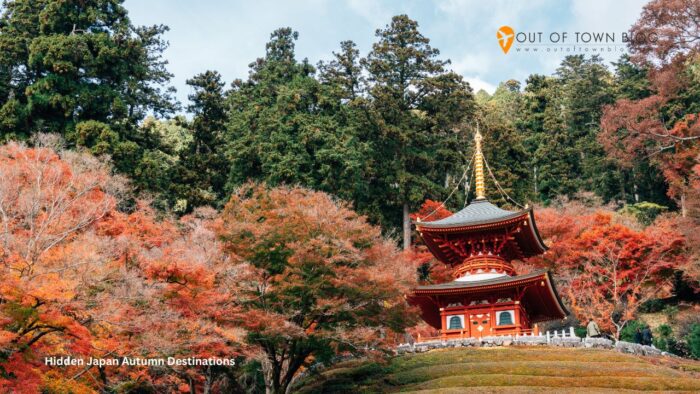
Hidden Japan Autumn Destinations
From Hokkaido’s highlands to remote valleys in Tohoku and traditional post towns along the old Nakasendo route, these destinations offer memorable alternatives for travelers who want to experience Japan’s autumn beauty away from the busiest tourist centers.
The foliage season also moves gradually across the country, beginning in higher and northern regions as early as September before reaching central and southern Japan later in autumn.
1. Walk Through the Fiery Forests of Oirase Gorge and Lake Towada, Aomori
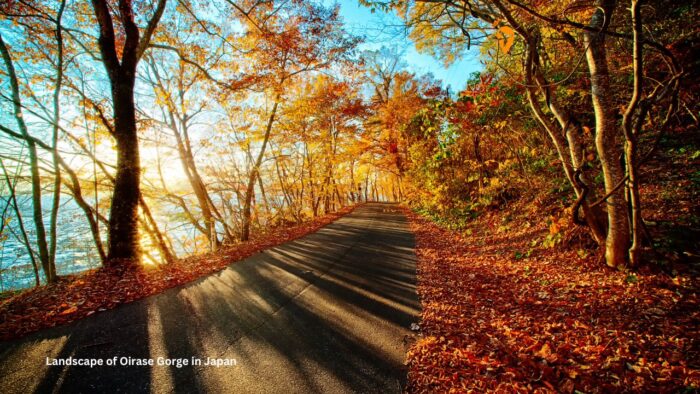
Oirase Gorge and Lake Towada offer one of Japan’s most extraordinary autumn landscapes, yet they remain far less internationally crowded than Kyoto. Located within Towada-Hachimantai National Park, the area combines a deep volcanic lake, clear mountain streams, moss-covered rocks, waterfalls, and forests that turn brilliant shades of red, orange, and gold in autumn. Lake Towada itself is surrounded by mountains and natural forest, creating dramatic reflections when the weather is calm.
The best activity here is walking beside the Oirase Stream. The trail follows the water through a forest filled with waterfalls and rapids, allowing visitors to experience the changing colors at a slow pace rather than simply viewing them from an observation deck. Choshi Otaki Falls is among the area’s most recognizable sights, while quieter sections of the stream are perfect for photography and nature walks. A visit to Lake Towada adds another perspective, with wide views of colorful mountains meeting deep blue water.
Late October is generally one of the best periods for autumn foliage, although weather conditions can affect the exact timing.
How to get there: From Tokyo, take the Tohoku Shinkansen north to Shin-Aomori Station, then continue by seasonal bus toward Lake Towada. Renting a car provides greater flexibility for exploring the wider national park.
Recommended place to stay: A lakeside hotel or ryokan around Yasumiya, Lake Towada’s main visitor area, is an excellent choice for early-morning and late-afternoon sightseeing.
2. Discover the Dramatic Autumn Landscapes of Naruko Gorge, Miyagi
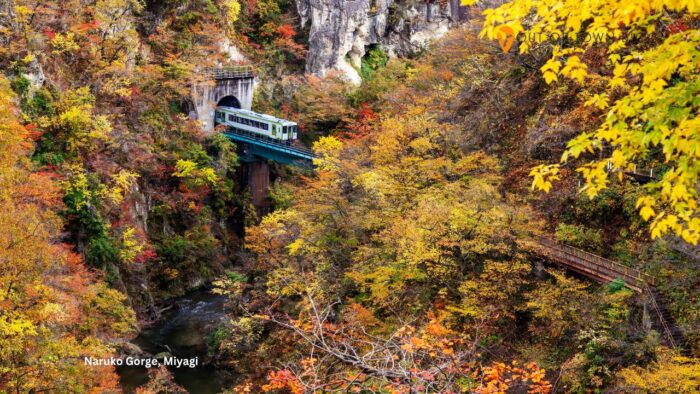
Naruko Gorge is one of Tohoku’s most spectacular autumn destinations and an excellent choice for travelers looking for dramatic scenery without Kyoto’s famous crowds. The gorge cuts through the mountains of Miyagi Prefecture, creating a landscape of steep cliffs, dense forests, and deep valleys that become particularly colorful from late October into early November. The famous view of the Ofukazawa Bridge crossing the valley is among the region’s most photographed autumn scenes.
Begin your visit at one of the gorge’s viewpoints, where you can look across the valley and appreciate the enormous scale of the surrounding mountains. Depending on trail conditions and seasonal access, walking routes offer opportunities to experience the forest more closely. The nearby Naruko Onsen area adds another reason to stay longer. After spending the day walking through colorful landscapes, visitors can relax in a traditional Japanese hot spring and enjoy the peaceful atmosphere of one of Japan’s historic onsen towns.
Naruko is particularly appealing for travelers who enjoy combining nature with local culture. Small shops, traditional inns, regional food, and hot springs give the destination a distinctly Japanese character that is difficult to experience during a rushed day trip.
How to get there: Travel from Tokyo to Sendai by Shinkansen, then continue toward Naruko-Onsen by regional train. Naruko Gorge is located between the Naruko-Onsen and Nakayamadaira-Onsen areas, with local transport and walking options available.
Recommended place to stay: Stay at a traditional ryokan in Naruko Onsen to enjoy easy access to the gorge and a relaxing hot-spring experience.
3. Explore the Golden Mountain Landscapes of Hachimantai
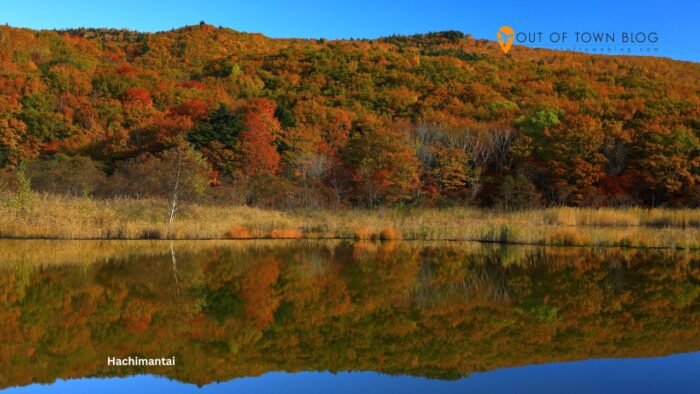
For travelers who want wide-open mountain scenery instead of temple gardens, Hachimantai is one of Japan’s finest autumn escapes. Spanning parts of Iwate and Akita prefectures, the region is known for its volcanic landscapes, highland roads, forests, ponds, and hot springs. During autumn, large sections of the mountains transform into sweeping carpets of yellow, orange, and crimson.
Hachimantai is particularly rewarding for travelers who enjoy hiking and scenic drives. Depending on the season and route, visitors can explore highland walking trails, viewpoints around Mount Hachimantai, and volcanic landscapes near Goshogake and other hot-spring areas. Forested slopes and open mountain terrain create a completely different autumn experience from the dense maple gardens of Kyoto. The sense of space is one of Hachimantai’s greatest attractions.
The area is also ideal for travelers who want to follow Japan’s autumn colors earlier in the season. Higher elevations usually begin changing color before many lower destinations elsewhere in the country.
How to get there: The region can be reached from major Tohoku transport hubs by train and bus, although a rental car makes exploring the scattered mountain attractions considerably easier. Travelers can reach the region from Tokyo by Shinkansen, then by onward road transport.
Recommended place to stay: Choose an onsen hotel in the Hachimantai highlands for convenient access to mountain scenery and relaxing thermal baths.
4. Experience Japan’s Earliest Autumn Colors in Daisetsuzan National Park
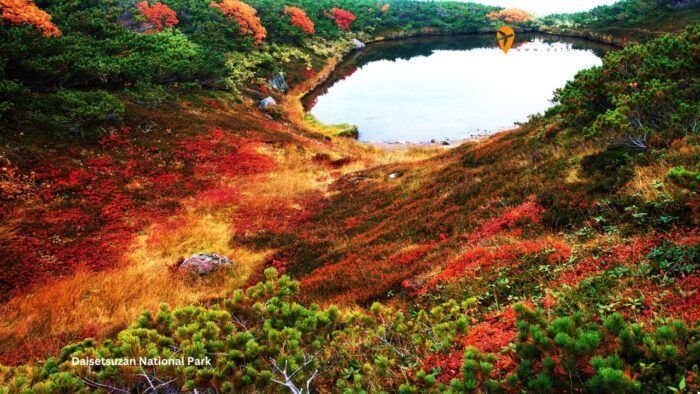
Daisetsuzan National Park in Hokkaido is a dream destination for travelers who want to experience autumn before much of Japan begins to change color. Because of its northern location and high elevations, the region is among the first places in Japan to welcome the autumn foliage season. In many years, color begins appearing at higher elevations around mid-September, then moves toward lower elevations in October.
The park is vast, rugged, and dramatically different from Japan’s famous historic cities. Here, autumn is experienced through volcanic mountains, alpine trails, deep valleys, and enormous forests. Mount Asahidake is one of the region’s most popular areas, while Sounkyo offers impressive scenery later in the foliage season. Travelers can ride a ropeway, hike at their own pace, and enjoy panoramic views of mountains with changing vegetation.
One of the greatest pleasures of visiting Daisetsuzan is the feeling of being surrounded by wilderness. Instead of crowds gathering at a famous temple gate, visitors can stand at a mountain viewpoint and see autumn colors spread across an expansive natural landscape.
How to get there: Fly or take a train connection to Asahikawa, then continue by bus or rental car toward Asahidake, Sounkyo, or other park gateways.
Recommended place to stay: Stay in an onsen hotel in Asahidake Onsen for easy access to the ropeway and mountain trails.
5. Step Back in Time Along the Kiso Valley’s Nakasendo Trail
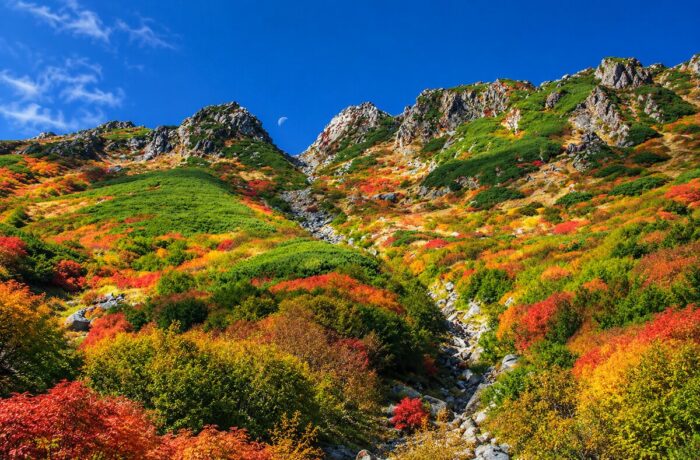
The Kiso Valley offers something that many autumn destinations cannot: spectacular foliage combined with the atmosphere of old Japan. Located between Nagano and Gifu prefectures, the valley preserves sections of the historic Nakasendo route, which once connected Kyoto and Edo, now Tokyo. Traditional post towns such as Magome, Tsumago, and Narai remain remarkably atmospheric, with wooden buildings, narrow lanes, stone paths, and mountain scenery.
The walk between Magome and Tsumago is one of the area’s most rewarding activities. The route passes through forests, small settlements, and sections of the historic road, offering the chance to enjoy autumn colors while following a path used by travelers for centuries. The journey typically takes several hours at a relaxed pace, and starting from Magome gives many walkers a route with more downhill sections.
In autumn, the surrounding mountains add warm colors to the traditional architecture. Take time to explore the old streets early in the morning or later in the afternoon, when many day visitors have departed. Local cafes, small museums, and traditional inns provide opportunities to slow down and enjoy the valley.
How to get there: Take a train to Nakatsugawa or another major Kiso Valley rail station, then continue by local bus to Magome or nearby post towns. Regional trains also provide access to other sections of the valley.
Recommended place to stay: Book a traditional minshuku or ryokan in Tsumago so you can experience the historic town after the day-trippers leave.
6. Escape the Crowds in Shiobara Gorge, Tochigi
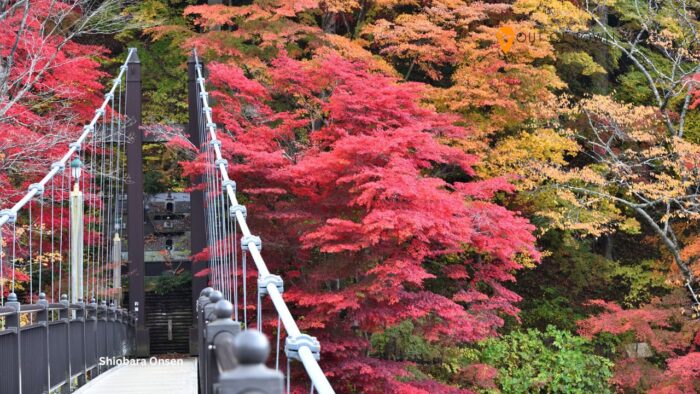
Shiobara Gorge is an excellent alternative for travelers who want autumn scenery in the broader Nikko region without spending all their time at the area’s busiest attractions. The Shiobara area combines forested valleys, rivers, waterfalls, suspension bridges, and hot springs. During autumn, the gorge becomes a colorful natural corridor, with changing leaves covering the surrounding slopes.
Walking is the best way to appreciate Shiobara. Choose a route that follows the river or leads to one of the area’s scenic bridges and viewpoints. The combination of rushing water and autumn forests creates a more adventurous experience than simply visiting a landscaped garden. Waterfalls and deep valleys provide constantly changing scenery, while hot springs offer a perfect way to end a day outdoors.
Shiobara also works well for travelers who prefer to stay overnight rather than attempt a long day trip from Tokyo. The slower pace allows time for an afternoon walk, an evening bath, and another scenic excursion the following morning. This combination of nature and onsen culture makes the destination particularly appealing to couples and travelers seeking a peaceful autumn break.
How to get there: Travel from Tokyo toward Tochigi by Shinkansen or regional rail, then continue by local transport toward the Shiobara Onsen area.
Recommended place to stay: Stay at a ryokan in Shiobara Onsen, where traditional hot-spring baths provide a relaxing conclusion to an autumn sightseeing day.
7. Chase Autumn Colors Around the Hidden Valleys of Kawamata and Oku-Nikko
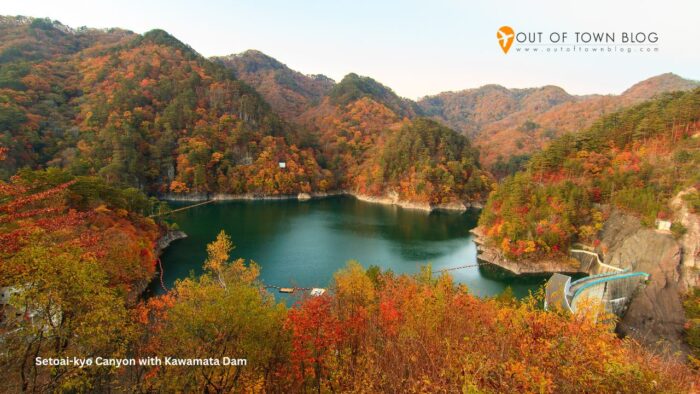
Most visitors to Nikko focus on famous shrines and Lake Chuzenji, but the wider region contains quieter landscapes where autumn feels far more remote. The Kawamata area and surrounding valleys offer dramatic scenery, including deep gorges, mountain lakes, rivers, and hot springs.
Setoaikyo Canyon is one of the area’s standout landscapes. The canyon is approximately 100 meters deep in places and becomes particularly impressive when autumn colors cover the surrounding cliffs and forests. Nearby Lake Kawamata provides another beautiful contrast, with blue water surrounded by colorful mountains. A suspension bridge offers views toward both the lake and surrounding valley. The region’s autumn foliage is especially attractive from around mid-October into early November.
This destination is ideal for travelers who want to combine sightseeing with a quieter onsen stay. The journey itself becomes part of the experience as roads and buses move deeper into the mountains. The area also includes hot springs where visitors can relax amid forested scenery.
How to get there: Travel to Kinugawa-Onsen Station, then continue by bus toward the Kawamata area.
Recommended place to stay: Choose a traditional ryokan in Kawamata Onsen, ideally one with an outdoor bath overlooking the valley or surrounding mountains.
8. Explore the Quiet Autumn Forests of Lake Chuzenji and Okunikko
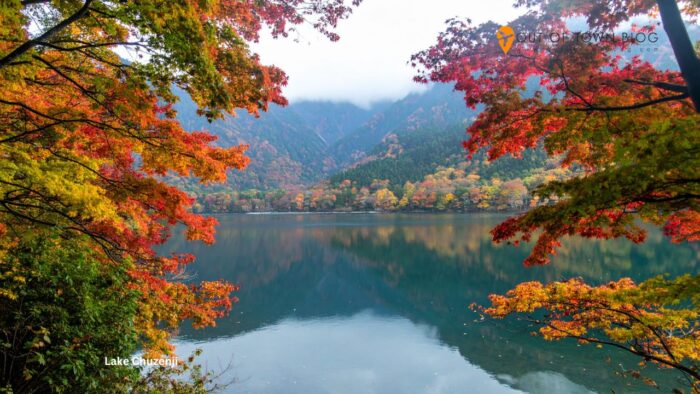
Lake Chuzenji may be known to Japanese travelers, but exploring the wider Okunikko region allows visitors to escape the busiest sightseeing routes. Located in the mountains above central Nikko, the area includes lakes, wetlands, forests, and highland landscapes that turn vivid shades of red and yellow during autumn.
Cycling is one of the most rewarding ways to explore the quieter side of Okunikko. Visitors can rent bicycles and travel through scenic areas around Lake Sainoko, Lake Chuzenji, Senjogahara Plateau, and nearby wetlands. The changing autumn colors are reflected in the lakes, creating beautiful opportunities for photography.
Travelers can also explore walking trails, scenic viewpoints, and lakeside areas. Staying overnight is highly recommended because it allows visitors to experience the region early in the morning before day-trip traffic arrives. Autumn traffic on the roads leading toward the mountain attractions can be heavy during peak foliage periods.
How to get there: Travel from Tokyo to Nikko, then continue by bus into the Okunikko region toward Lake Chuzenji and the surrounding highlands.
Recommended place to stay: Yumoto Onsen or near Lake Chuzenji for easy access to hiking, cycling, and early-morning sightseeing.
9. Discover the Underrated Autumn Beauty of Mount Daisen
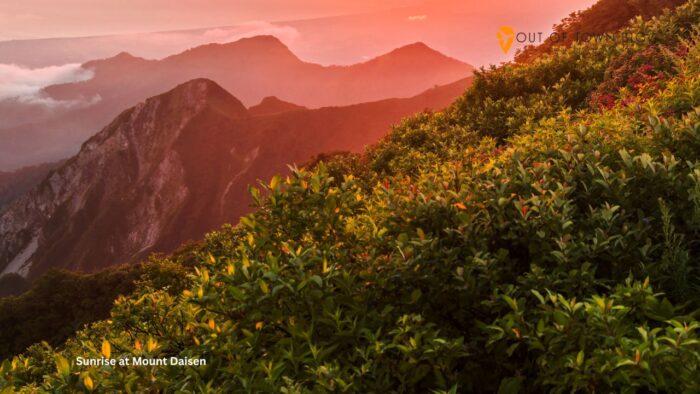
Mount Daisen in Tottori Prefecture is one of western Japan’s most impressive mountain destinations, offering a completely different autumn experience from Kyoto. The mountain dominates the surrounding landscape and is surrounded by forests that gradually change color during autumn. For travelers exploring western Japan, it is an excellent destination for hiking, scenic drives, photography, and peaceful countryside stays.
Autumn visitors can enjoy walking trails around the mountain, explore forested areas, and admire panoramic views of the changing slopes. The region’s rural character is part of its charm. Instead of moving from one major attraction to another, visitors can take time to appreciate the changing landscapes, local cuisine, and a slower pace of life.
Mount Daisen is also well suited to travelers building a longer autumn itinerary through western Japan. The foliage season generally arrives later here than in northern Japan, making it a useful alternative for travelers visiting during November.
How to get there: Travel by train to Yonago, then continue by local bus or rental car toward the Mount Daisen area.
Recommended place to stay: A mountain lodge, guesthouse, or small hotel near Daisenji for convenient access to walking trails and scenic viewpoints.
10. Wander Through the Maple Valley of Minoo Park, Osaka
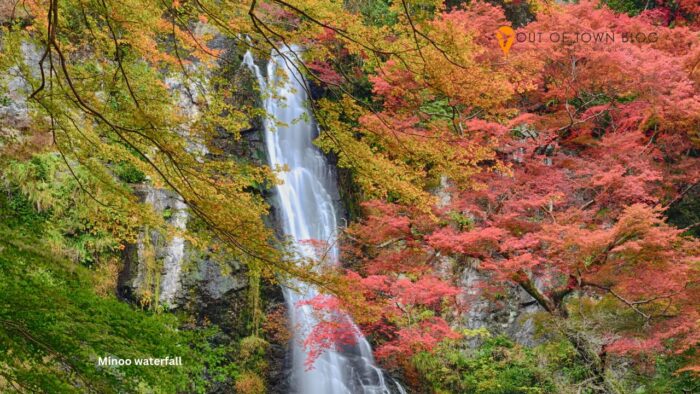
Travelers visiting Kansai do not necessarily need to go to Kyoto to see beautiful autumn leaves. Minoo Park, located north of Osaka, offers an easy-to-reach forest escape that still provides a relaxing natural environment. The park is centered on a scenic walking route that leads through the forest toward Minoo Waterfall.
The approximately 2.6-kilometer trail is the main attraction. Walking through the forest is particularly enjoyable in autumn, when maple trees create colorful scenes along the route. The waterfall provides a rewarding destination at the end of the walk, and visitors can take their time stopping for photographs and snacks along the way. One unusual local specialty is maple leaf tempura, made using preserved maple leaves that are coated and fried.
Minoo Park is an excellent option for travelers who want to combine urban sightseeing with autumn nature. Spend the morning exploring Osaka, then escape to the forest for an afternoon walk. While the park can become busy on weekends during peak foliage, it generally offers a different, less temple-focused experience than Kyoto’s famous autumn destinations.
How to get there: Travel by train from central Osaka toward Minoh Station, then walk from the station to the park and waterfall trail.
Recommended place to stay: Stay at a hotel in central Osaka, preferably near Umeda, for convenient rail access to Minoo Park and the city’s major attractions.
FAQ: Hidden Japan Autumn Destinations
When is the best time to see autumn leaves in Japan?
The best time depends heavily on where you travel. Japan’s autumn colors generally begin in northern and high-elevation destinations before gradually moving southward. Daisetsuzan often sees color as early as September, while many destinations in Tohoku peak during October. Central destinations and the Japanese Alps usually become most colorful from mid-October onward, while Kyoto commonly reaches its best autumn period from mid-November into early December. Weather, elevation, rainfall, and temperatures can affect the exact timing, so travelers should always check updated foliage forecasts before finalizing their itinerary.
Are hidden autumn destinations in Japan less crowded than Kyoto?
Many lesser-known destinations can feel significantly quieter than Kyoto’s most famous temples, particularly on weekdays. However, popular Japanese foliage destinations such as Lake Towada, Naruko Gorge, Nikko, and Minoo Park can still get crowded on peak weekends. The advantage of these destinations is often that the scenery is spread across larger natural areas rather than concentrated inside a single temple complex. Staying overnight can also make a major difference, as early mornings and late afternoons are often quieter than the day’s busiest hours.
Do I need to rent a car to visit Japan’s hidden autumn destinations?
A rental car is useful for remote mountain areas, especially Hachimantai, parts of Towada-Hachimantai National Park, and Mount Daisen. However, several destinations can be reached by train and bus. Naruko Gorge, Nikko, Lake Towada during seasonal bus periods, and the Kiso Valley all have public transportation options. Travelers who prefer not to drive should plan their itinerary around destinations with reliable rail connections and stay near transportation hubs. Always check seasonal bus schedules before traveling because some services operate differently outside peak tourist periods.
Which hidden autumn destination is best for first-time visitors to Japan?
For first-time visitors, the Kiso Valley is an excellent choice because it combines beautiful autumn scenery with traditional Japanese culture, historic architecture, and relatively straightforward transportation. Lake Towada and Oirase Gorge are ideal for travelers who prioritize nature and photography, while Minoo Park is perfect for visitors already staying in Osaka. Those seeking hot springs and mountain scenery should consider Naruko Gorge or Shiobara. The best destination ultimately depends on whether you prefer hiking, photography, historic towns, scenic drives, or relaxing in an onsen.
What should I pack for a Japan autumn foliage trip?
Autumn weather in Japan can vary significantly between regions and elevations, so layered clothing is essential. Mountain destinations such as Daisetsuzan and Hachimantai can feel much colder than Tokyo, Osaka, or Kyoto. Bring a waterproof outer layer, comfortable walking shoes with good grip, and warmer clothing for mornings and evenings. A small daypack is useful for carrying water, snacks, and extra layers during hikes. Travelers visiting rural areas should also carry some cash, as smaller businesses and traditional accommodations may not always accept all types of international payment cards.
Can I combine several hidden autumn destinations in one trip?
Yes, and following the progression of autumn colors can create an especially memorable itinerary. Travelers with enough time can begin in Hokkaido or northern Tohoku in early autumn, then gradually move south toward central Japan as the season progresses. A route could combine Daisetsuzan, Lake Towada, Naruko Gorge, and the Kiso Valley, depending on available travel days. Because foliage timing changes with weather conditions, it is wise to avoid creating an overly rigid itinerary and leave some flexibility when possible.
Is autumn a good time to stay in a Japanese ryokan?
Autumn is one of the best seasons to stay at a traditional Japanese ryokan, especially in mountain and hot-spring destinations. After a day of walking through forests or visiting scenic valleys, soaking in an outdoor onsen can be a memorable part of the experience. Destinations such as Naruko, Kawamata, Shiobara, and Hachimantai are particularly well-suited for ryokan stays because nature and hot-spring culture are central to the experience. Booking ahead is recommended during peak foliage weekends, especially when you want a room with mountain views or access to a private outdoor bath.
How many days should I spend chasing autumn colors outside Kyoto?
A week is enough for a focused trip through one region, while 10 days or more allows travelers to follow the changing foliage across multiple areas. Rather than visiting a different destination every day, it is usually more enjoyable to stay two or three nights in selected regions. This allows flexibility if the weather changes and gives you time to experience trails, hot springs, and local towns rather than simply taking photographs and moving on. A slower itinerary also reduces the risk of spending too much of your autumn holiday on trains and transfers.
Kyoto Travel and Tour Packages
Avoid the hassle! Find the best places to stay in Kyoto, Japan, and book your accommodation with Booking and Agoda!
Want more updates about new package tours and tourist attractions in Kyoto, Japan, that you can add to your itinerary?
Like, follow, and subscribe to OutofTownBlog.com on Facebook, Twitter, Instagram, and Pinterest, and Team Out Of Town on YouTube for more updated travel guides to Kyoto.
Read:
- OSAKA TRAVEL GUIDE: Itinerary, Things to do + How to get There and more
- Top 15 Best Things to Do in Kyoto, Japan
- Ultimate List of Best Hotels and Resorts in Kyoto, Japan
- Tour Itinerary: One Day Trip in Kyoto via KKday
- Japan Budget Travel Guide: Exploring Japan on a Shoestring
- Exploring KYOTO: Travel Guide for First-Time Visitors