Team Out of Town
Athens Food Guide: 15 Greek Dishes, Drinks, and Culinary Experiences Every Visitor Should Try
Athens may be best known for the Acropolis, ancient temples, and the mythology that shaped Western civilization, but one of the most rewarding ways to understand the Greek capital is to explore it through its food. Beyond the marble ruins and postcard views lies a city where neighborhood bakeries begin serving warm pastries before sunrise, market vendors arrange olives and spices in colorful displays, tavernas fill with the aroma of grilled meat and slow-cooked dishes, and long dinners often stretch late into the evening over wine, conversation, and plates designed to be shared.

The Ultimate Athens Food Bucket List
Greek food is far more diverse than the familiar combination of souvlaki and Greek salad that many international travelers already know. In Athens, eating can become part of the sightseeing experience itself, whether you are stopping at a bakery on the way to the Acropolis, tasting local cheeses in a bustling market, learning family recipes during a hands-on cooking class, or spending an evening discovering Greek wines made from grape varieties that rarely appear on international restaurant menus.
For travelers who enjoy planning a destination around what they can eat, Athens offers an especially appealing combination of affordable street food, traditional home-style cooking, vibrant markets, contemporary restaurants, wine bars, cooking workshops, and guided culinary experiences. The city’s food scene can be explored casually, one delicious stop at a time, or become the centerpiece of an entire itinerary.
If you are planning a trip to the Greek capital, this is the ultimate Athens food bucket list, featuring Greek dishes worth seeking out, along with food tours, cooking classes, wine tastings, market visits, and culinary experiences that help you experience the city beyond its famous landmarks.
1. Start the Day With a Classic Greek Breakfast
One of the simplest pleasures of visiting Athens is beginning the morning at a neighborhood bakery rather than heading straight for a familiar hotel breakfast buffet. Greek breakfast traditions vary by region and household, but they often revolve around excellent ingredients served without unnecessary complication: fresh bread, savory pies, cheese, olives, yogurt, fruit, honey, and strong coffee.

For many travelers, the first stop should be a local bakery, where trays of golden pastries are often at their best early in the day. One of the most enjoyable things to try is bougatsa, a delicate phyllo pastry that may be filled with sweet custard or savory fillings. The crisp outer layers and soft filling make it particularly satisfying when eaten fresh and warm.
Another essential choice is tiropita, or Greek cheese pie, which comes in many regional styles and shapes. Depending on the bakery, it may be made with a combination of cheeses wrapped in thin, flaky layers of phyllo pastry, creating a breakfast that is both comforting and surprisingly filling.
Travelers should also look for spanakopita, the famous spinach-and-feta pie. The best versions balance the earthy flavor of spinach with salty cheese and buttery, crisp pastry, making it an excellent option before a morning of walking through Athens.
Food Bucket List Tip
Instead of treating breakfast as something to rush through before sightseeing, spend a little time in a local bakery and order what looks freshest. A warm pastry and Greek coffee enjoyed while watching the city wake up can be one of the most authentic and affordable culinary experiences of the trip.
2. Eat Souvlaki Like a Local

No Athens food bucket list would be complete without souvlaki, one of Greece’s most recognizable and widely loved street foods. It is simple enough to eat while walking through the city, yet satisfying enough to become a full meal after hours of sightseeing.
Souvlaki generally consists of pieces of grilled meat, often pork or chicken, served on a skewer or wrapped inside soft pita bread. When ordered as a pita wrap, it may include tomatoes, onions, tzatziki, French fries, herbs, and seasonings, creating a messy, flavorful, inexpensive, and remarkably filling combination.
Depending on where you eat, you may encounter different interpretations of the dish, and this is part of the fun. One place may focus on smoky grilled meat, while another may be known for its homemade pita, generous tzatziki, or perfectly seasoned fries tucked inside the wrap.
The best approach is to try souvlaki more than once rather than assuming that a single meal represents everything Athens has to offer. The city’s food culture rewards curiosity, and some of the most memorable meals can come from small, unassuming neighborhood spots that do not necessarily have the most dramatic view or the largest sign.
3. Try Gyro—and Understand Why It Is Different

Gyro is another essential part of the Athens street-food experience, and although first-time visitors often confuse it with souvlaki, the two dishes are prepared differently.
While souvlaki traditionally features pieces of grilled meat, gyro is typically made from seasoned meat cooked on a vertical rotisserie before being sliced into thin pieces. The meat is then often wrapped in pita bread with tomatoes, onions, tzatziki, and French fries.
The result is rich, savory, and wonderfully convenient for travelers who need a quick meal without sacrificing flavor. A properly assembled gyro offers a contrast of textures and temperatures, from warm meat and crisp fries to cool tzatziki and fresh vegetables.
For visitors, there is no need to choose sides in the souvlaki-versus-gyro debate. Athens is the perfect place to try both, perhaps on different days, and discover which version you would happily eat again before leaving Greece.
4. Order a Proper Greek Salad

A Greek salad in Athens can be a surprisingly different experience from the heavily dressed versions served in many restaurants abroad.
Traditional horiatiki, known locally as Greek salad, is typically made with simple ingredients chosen for their freshness and flavor. Tomatoes, cucumbers, red onions, green peppers, olives, olive oil, and herbs form the foundation, while a generous piece of feta is often placed on top rather than being crumbled and mixed throughout.
What makes the dish memorable is not an elaborate dressing or complicated preparation. It is the quality of the ingredients.
When tomatoes are ripe, olive oil is fragrant, feta is rich and salty, and olives are full of character, the result can feel much more substantial than the word “salad” suggests. On a warm Athens afternoon, especially when served alongside grilled meat, seafood, or fresh bread, a traditional Greek salad can be one of the most satisfying meals on the table.
It is also a useful reminder that Greek cooking often relies on letting excellent local ingredients speak for themselves.
5. Taste Moussaka at a Traditional Taverna

If you are looking for a Greek comfort-food dish that feels more like a full culinary experience than a quick snack, make time for moussaka.
Often compared with a baked casserole, traditional moussaka is typically made with layers of eggplant, potatoes, seasoned meat, and a creamy béchamel topping. The preparation can be time-consuming, which is part of why it feels so different from the quick street food that dominates many first-time visitors’ expectations of Athens.
A well-prepared serving is rich, warm, and deeply satisfying, with soft vegetables, savory meat, and a golden, creamy topping, making it ideal for a long lunch or a leisurely dinner.
Moussaka is best enjoyed when you have nowhere else to rush. Order it at a traditional taverna, pair it with a glass of Greek wine, and let the meal become part of the afternoon or evening rather than just another item checked off an itinerary.
Athens is a city with extraordinary historical landmarks, but some of its most enjoyable moments happen when you stop moving for a while and let a meal take its time.
6. Don’t Leave Athens Without Trying Tzatziki
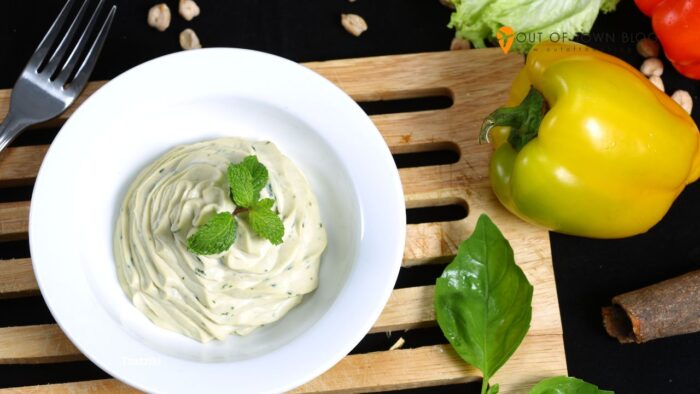
Tzatziki is familiar to many travelers before they ever arrive in Greece, but tasting it as part of a proper Greek meal is still essential.
Traditionally made with yogurt, cucumber, garlic, olive oil, and herbs, tzatziki can be served as a dip, side dish, or accompaniment to grilled meats. Its cool, creamy character provides a refreshing contrast to the smoky flavors of souvlaki, gyro, and other grilled dishes.
The ingredients sound straightforward, but the quality of the yogurt, the balance of garlic, and the freshness of the cucumber can make a noticeable difference. When served with warm pita bread and shared alongside several other small dishes, tzatziki becomes part of the relaxed, communal style of eating that makes Greek meals so enjoyable.
For travelers who want to understand how Greek food can transform a few simple ingredients into something memorable, tzatziki is an excellent place to start.
7. Eat Fresh Seafood and Explore Greece’s Mediterranean Flavors
Although Athens is a large and energetic capital, Greece’s relationship with the Mediterranean is never far from the table.
Seafood lovers should take the opportunity to try dishes featuring grilled octopus, calamari, sardines, shrimp, mussels, and fresh fish. Preparation is often relatively simple, allowing the quality of the seafood to remain the focus, with olive oil, lemon, herbs, and grilling techniques adding flavor without overwhelming the main ingredient.
Grilled octopus, in particular, is worth seeking out for travelers who want to move beyond familiar seafood dishes. When properly prepared, it can be tender and smoky, often served with olive oil and lemon or accompanied by vegetables and potatoes.
Calamari is another popular choice, while sardines offer a more traditional Mediterranean experience that can be especially rewarding when enjoyed with a glass of crisp Greek white wine.
Rather than thinking of seafood as a special-occasion meal, embrace the relaxed Greek approach to dining and allow lunch or dinner to unfold slowly. Good seafood, warm bread, olive oil, and wine can turn a simple meal into one of the most memorable evenings of the trip.
8. Explore Athens’ Central Market

For travelers who want to see where many of Greece’s culinary traditions begin, a visit to Athens’ central market can offer a more vivid, immediate experience than simply reading a restaurant menu.
Markets offer a glimpse into the ingredients that shape everyday Greek cooking, with stalls displaying fresh produce, olives, herbs, spices, cheese, meat, seafood, nuts, and dried fruits. The colors, aromas, and activity can make the experience particularly enjoyable for travelers who like to understand a destination through its ingredients rather than only through finished dishes.
Walking through the market also provides an opportunity to notice how important seasonality and freshness remain in Greek food culture. Ingredients that might seem ordinary elsewhere can feel more distinctive when encountered in a place where they are central to daily cooking.
For first-time visitors, a guided market experience can add useful context. A knowledgeable guide may explain unfamiliar ingredients, introduce regional products, and recommend what to taste, while also helping visitors understand the traditions behind the food.
Why a Market and Food Experience Can Be Worth Booking
A guided culinary market experience can be particularly useful for travelers who want more than a list of restaurants. It can help visitors discover ingredients they may not recognize, learn about Greek culinary traditions, sample a variety of products in a relatively short period, and explore parts of Athens beyond the city’s most famous landmarks.
For travelers who enjoy eating and learning at the same time, a market-based culinary experience can offer a deeper understanding of how Athenians eat.
9. Try Loukoumades for Dessert

After several plates of grilled meat, savory pies, cheese, and seafood, Athens offers plenty of reasons to save room for dessert.
One of the most enjoyable traditional sweets to add to your bucket list is loukoumades, small fried dough balls that are commonly served warm and drizzled with honey. Depending on where you order them, they may also be topped with cinnamon, chopped nuts, or other sweet additions.
Their appeal lies in the contrast between the crisp exterior and soft interior, combined with the rich sweetness of honey. They are easy to share, although travelers who order a plate after a long day of sightseeing may quickly discover that sharing becomes more difficult than expected.
Loukoumades are particularly enjoyable as an afternoon break or evening dessert, especially when eaten slowly rather than treated as something to grab and immediately rush away from.
10. Eat Greek Yogurt With Honey and Nuts

Greek yogurt may be one of the most familiar foods associated with Greece, but eating a generous bowl of thick yogurt topped with local honey and nuts is still an experience worth having in Athens.
The dish can work equally well as breakfast, an afternoon snack, or dessert after dinner. Its simplicity is precisely what makes it so appealing, as the quality of the yogurt, honey, and nuts becomes immediately noticeable.
Greek honey can add floral or herbal notes depending on its origin, while nuts contribute texture and richness. Together, the ingredients create something satisfying without being overly heavy.
Travelers often discover that foods they thought they already knew can feel completely different when enjoyed in the place where they are part of everyday culinary tradition. Greek yogurt with honey is a perfect example.
11. Taste Feta Beyond the Greek Salad
Feta deserves more attention than simply being treated as an ingredient scattered over a Greek salad.
In Athens, travelers can encounter feta in pastries, appetizers, baked dishes, and plates served with olive oil and herbs. Its salty, tangy character works particularly well with vegetables, phyllo pastry, and the generous use of olive oil that defines much of Greek cooking.
Try feta in a freshly baked cheese pie as part of a shared appetizer, or in a warm baked dish, where its texture softens and becomes creamier.
A broader exploration of Greek cheese can also be worthwhile. Greece produces a variety of regional cheeses, and food-focused experiences can introduce travelers to flavors they may never encounter on a standard international menu.
For cheese lovers, Athens offers an opportunity to move beyond the familiar and discover just how much variety exists within Greek culinary traditions.
12. Slow Down Over a Cup of Greek Coffee
Coffee in Athens is not simply a source of caffeine before another busy day of sightseeing. It is woven into the social rhythm of the city.
Traditional Greek coffee is prepared differently from espresso-based drinks and is typically served in a small cup. Travelers can usually choose their preferred level of sweetness, while the coffee itself is known for leaving grounds at the bottom of the cup.
The important thing is not to rush the experience.
Find a comfortable place to sit, watch people pass by, and allow the coffee break to become part of the day rather than merely a pause between attractions. Athens can be intense, crowded, and full of things competing for your attention, which makes these slower moments especially enjoyable.
A cup of Greek coffee can also be a reminder that experiencing a city does not always require doing something. Sometimes it simply requires sitting still long enough to notice what is happening around you.
13. Discover the World of Greek Wine
Greek wine deserves far more attention from international travelers than it often receives.
A wine tasting in Athens can introduce visitors to grape varieties, wine regions, and styles that may be unfamiliar to those whose knowledge of wine is centered on France, Italy, Spain, or the New World.
Depending on the experience you book, you may taste Greek white wines, red wines, rosés, and wines made from indigenous grape varieties, often accompanied by Greek cheeses, bread, olives, or small plates designed to complement the tasting.
Why an Athens Wine Tasting Is Worth Booking
A guided wine tasting can provide context that is difficult to gain from simply choosing a bottle from a restaurant menu. Participants can learn about Greek wine regions, indigenous grapes, local winemaking traditions, and the ways particular wines pair with Greek food.
For couples, groups of friends, and travelers looking for a more relaxed evening activity, an Athens wine tasting can be both enjoyable and educational. It also offers a chance to discover bottles and grape varieties that you may not easily find after returning home.
Wine tastings are particularly appealing to travelers seeking a cultural experience that does not involve visiting another museum or historical site, while still offering insight into Greece’s geography, agriculture, and traditions.
14. Take an Athens Cooking Class and Bring Greece Home With You

One of the most rewarding culinary experiences to book in Athens is a hands-on cooking class.
Restaurants can show you what Greek food tastes like, but a cooking class can show you how those flavors come together. Under the guidance of a local chef or instructor, travelers may learn how to prepare traditional dishes while gaining a better understanding of the ingredients, techniques, and food traditions behind them.
Depending on the class, participants may prepare dishes such as:
- Tzatziki
- Greek salad
- Stuffed vegetables
- Traditional pies
- Meat dishes
- Greek desserts
- Homemade sauces
Some cooking classes also begin with a market visit, allowing participants to shop for ingredients before returning to the kitchen. This can add another dimension to the experience by connecting the finished meal with the produce, herbs, cheese, and other ingredients used to prepare it.
Why a Cooking Class Is Worth Booking
A cooking class offers something that a restaurant meal cannot: knowledge you can take home.
It can be an excellent activity for couples looking for a shared experience, families traveling together, groups of friends, solo travelers who enjoy meeting people, and food enthusiasts who want to understand Greek cooking beyond restaurant menus.
Unlike a souvenir that eventually ends up on a shelf, a recipe can continue to bring back memories of the trip every time you prepare it at home.
15. Join an Athens Food Tour
If you want a single, organized experience that introduces you to several aspects of Athens’ food culture, a well-designed Athens food tour is an excellent choice.
Depending on the itinerary, a food tour may take travelers through bakeries, markets, street-food stops, traditional tavernas, and neighborhood food businesses, offering tastings and explanations along the way.
The real advantage is not simply that someone else chooses where to eat. A good guide can provide context by explaining why a particular dish matters, how it is traditionally prepared, and how Athens’ neighborhoods have influenced people’s eating habits.
For first-time visitors, a food tour can also provide an enjoyable introduction to the city, particularly when the route includes neighborhoods travelers might otherwise overlook.
What to Look for When Booking an Athens Food Tour
Not every culinary tour offers the same experience, so it is worth checking the details before making a reservation.
Look at how many food and drink tastings are included, the total duration of the experience, the neighborhoods visited, the expected group size, and whether dietary restrictions can be accommodated. Recent guest reviews can also provide useful insight into the quality of the guide and the overall experience.
You may also want to check whether drinks are included and whether the tour has a flexible cancellation policy, especially if your Athens itinerary depends on weather, flight schedules, or other travel arrangements.
Popular Types of Athens Food Tours
Travelers can choose from several types of culinary experiences, including:
- Traditional Greek food tours
- Athens street-food tours
- Market and food tours
- Evening food and wine experiences
- Small-group culinary walks
- Private food tours
- Greek dessert experiences
- Food tours combined with sightseeing
For many first-time visitors, a small-group walking experience offers a good balance between eating, learning, and becoming more familiar with the city.
Where to Book Athens Food Tours and Culinary Experiences
When choosing a culinary experience, travelers should look for reputable tour and activity platforms, established local operators, and providers with strong recent reviews and clear descriptions of what is included.
Booking in advance can be particularly useful during busy travel periods, when popular experiences may have limited availability.
Athens offers a wide range of culinary activities, including food tours, market experiences, cooking classes, wine and food tastings, olive oil experiences, dessert workshops, private culinary walks, and multi-course meals led by chefs or local hosts.
Affiliate-Friendly Booking Categories
For a travel website, it can be more useful to organize recommendations by the type of experience a traveler is looking for, rather than presenting one long, confusing list.
Best Athens Food Tours
Highlight a carefully selected set of experiences and compare them by duration, number of tastings, neighborhoods visited, group size, and overall tour style.
Best Athens Cooking Classes
Feature hands-on classes according to whether they include a market visit, a full meal, wine, traditional recipes, or a more intimate small-group setting.
Best Athens Wine Tastings
Compare introductory tastings with more detailed food-and-wine experiences, particularly those that focus on indigenous Greek grape varieties and regional wine traditions.
Best Culinary Experiences in Athens
This category can include distinctive activities such as olive oil tastings, Greek dessert workshops, market visits, chef-led meals, and private culinary experiences.
The most effective recommendations are usually those that solve a specific traveler’s problem. A couple looking for a romantic wine tasting, for example, may not need the same experience as a family hoping to book a hands-on cooking class.
The Perfect One-Day Athens Food Bucket List
Travelers with only one full day in Athens can still enjoy a meaningful introduction to the city’s food culture by incorporating meals and snacks into the itinerary.
Morning: Start at a Local Bakery
Begin with Greek coffee and a freshly baked tiropita, spanakopita, or another traditional pastry. Rather than rushing through breakfast, take a few minutes to enjoy the atmosphere of the neighborhood before heading toward the day’s first attraction.
Late Morning: Explore a Market or Culinary Neighborhood
Spend time visiting a market or joining a guided culinary walk to explore Greek cheese, olives, bread, pastries, herbs, and other local specialties.
Lunch: Choose a Greek Street-Food Favorite
For lunch, order souvlaki or gyro, or settle into a taverna for a more substantial traditional meal. Add Greek salad and tzatziki to share, particularly if you are traveling with companions.
Afternoon: Make Time for Something Sweet
After more sightseeing, take a break with Greek yogurt, honey, and nuts, or order a plate of warm loukoumades.
Evening: Book a Wine Tasting or Cooking Class
As the day slows down, consider a Greek wine tasting or hands-on cooking class. Both experiences can offer a more relaxed alternative to simply choosing another restaurant for dinner.
Night: Finish With a Long Greek Meal
End the day with dinner at a traditional restaurant and allow yourself to linger. Order several dishes if possible, share them around the table, and enjoy the slower rhythm that often makes dining in Greece as memorable as the food itself.
It may not be the fastest way to see Athens, but for food lovers, it can be one of the most rewarding.
Beyond Restaurants: Athens Is a Culinary Experience
One of the best things about eating in Athens is that food doesn’t have to be separated from the rest of your travel itinerary.
Breakfast can be had at a bakery while walking toward an ancient site. A market visit can become a lesson in local ingredients and everyday life. A wine tasting can introduce you to Greece’s geography and agricultural traditions. A cooking class can provide a hands-on cultural experience that continues long after the holiday ends.
This is what makes Athens such a rewarding destination for food-loving travelers.
You are not simply ordering Greek dishes from a menu.
You are discovering how food connects neighborhoods, families, history, agriculture, and daily life.
The Bottom Line
Athens is one of Europe’s most rewarding destinations for travelers who enjoy exploring a city through its food.
Yes, you should eat souvlaki and gyro. You should order Greek salad, taste moussaka, enjoy tzatziki with warm bread, and save room for loukoumades and Greek yogurt with honey.
But the most memorable Athens food experiences often come when you look beyond the obvious.
Join an Athens food tour for an introduction to local dishes and neighborhoods. Take a Greek cooking class if you want to understand the techniques behind the food and bring recipes home with you. Book an Athens wine tasting if you are curious about Greece’s indigenous grapes and regional wine traditions. Add a market visit or another culinary experience to understand where the ingredients for the city’s famous dishes come from.
The Acropolis may be the reason you first decide to visit Athens, but after several days of eating your way through the city, its food culture may become one of the strongest reasons to return.
FAQ: Athens Food Bucket List
What food is Athens famous for?
Athens is famous for many classic Greek dishes, including souvlaki, gyro, Greek salad, moussaka, tzatziki, spanakopita, tiropita, grilled seafood, loukoumades, and Greek yogurt served with honey and nuts. The city also offers excellent opportunities to explore Greek cheese, olives, pastries, coffee, and regional wines.
Is Athens a good destination for food lovers?
Yes. Athens is an excellent destination for food lovers, offering affordable street food, traditional tavernas, neighborhood bakeries, bustling markets, wine bars, cooking classes, and guided culinary experiences. Travelers can easily build an entire itinerary around food while still exploring the city’s famous historical attractions.
Is an Athens food tour worth booking?
For many first-time visitors, an Athens food tour can be worth booking because it provides an introduction to traditional dishes, bakeries, markets, and neighborhood food businesses that might otherwise be difficult to discover in a short visit. A knowledgeable guide can also explain the history and cultural significance behind the foods you are tasting.
What should I look for when booking an Athens food tour?
Before booking, check the number and types of tastings included, the tour duration, the neighborhoods visited, the expected group size, dietary accommodation options, recent reviews, drink inclusions, and cancellation policies. The best experience will depend on whether you prefer street food, market visits, traditional meals, wine, desserts, or a combination of several culinary experiences.
Are cooking classes in Athens worth booking?
Cooking classes can be particularly worthwhile for travelers who want a hands-on experience rather than simply another restaurant meal. They offer the opportunity to learn traditional recipes and cooking techniques while creating something you can recreate at home.
What do you cook in an Athens cooking class?
The menu varies by class, but participants may prepare Greek salad, tzatziki, stuffed vegetables, traditional pies, meat dishes, sauces, and Greek desserts. Some experiences also include a market visit, where participants can select ingredients with guidance from a local chef or instructor.
Is Greek wine worth trying?
Absolutely. Greece produces a diverse range of wines, including distinctive styles made from indigenous grape varieties that many international travelers may not have encountered before. A guided tasting can be an excellent introduction to Greek wine regions, grape varieties, and traditional food pairings.
What happens during an Athens wine tasting?
Most Athens wine tastings introduce participants to several Greek wines while explaining the grape varieties, regions, flavors, and winemaking traditions behind them. Some experiences also include Greek cheese, olives, bread, or other small plates designed to demonstrate how local food and wine complement each other.
What is the best Greek street food to try in Athens?
Souvlaki and gyro are among the most popular and essential street foods for visitors to try. Freshly baked spanakopita and tiropita from neighborhood bakeries are also excellent choices, particularly for breakfast or a quick snack between sightseeing stops.
How many days do I need to explore Athens’ food scene?
Even two or three days can provide an excellent introduction to Athens’ food culture, particularly if you combine neighborhood bakeries, street food, traditional tavernas, and one organized culinary experience. Travelers with more time can explore markets, take cooking classes, join wine tastings, and discover different neighborhoods through their restaurants and local food traditions.
Follow and subscribe to OutofTownBlog.com on Facebook, Twitter, Instagram, Pinterest, and YouTube for more Travel-related updates.
Other Stories:
- 12 Of The Best Places To Visit In Greece
- Top 10 Best Things To Do In DeLand, Florida
- Top 12 Best Things To Do In Naoussa, Greece
- 7 Best Airbnbs In Athens, Georgia
- Top 15 Best Things to Do in Athens, Greece