

 Team Out of Town
10 Underrated Asian Destinations for a Colorful Autumn Escape
Autumn transforms parts of Asia into landscapes of red, orange, gold, and yellow. Japan and South Korea attract large numbers of visitors during the season, but other destinations offer beautiful foliage, mountain scenery, historic villages, and a more relaxed pace.

Where to See Autumn Foliage in Asia
For travelers planning an autumn holiday, these ten destinations provide alternatives to the most familiar foliage hotspots. The best viewing periods vary by altitude, weather, and location, so travelers should check local forecasts and foliage reports before finalizing their itineraries.
1. Lake Towada and Oirase Gorge, Japan
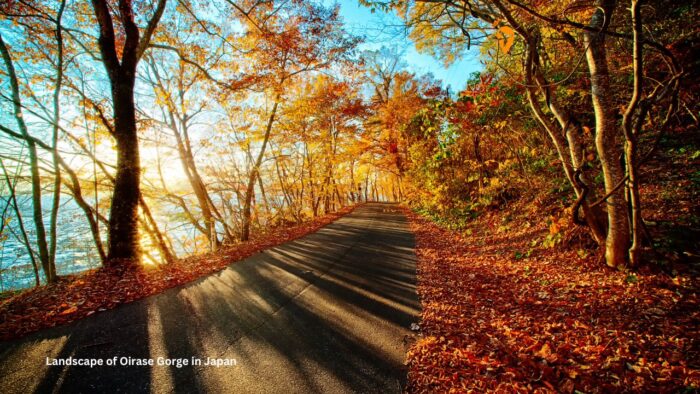
Best time to visit: Mid-October to early November, depending on local conditions.
Lake Towada and Oirase Gorge in Aomori Prefecture offer one of northern Japan’s most scenic autumn landscapes. The area combines a large volcanic lake, forested mountains, moss-covered rocks, and a stream that winds through colorful woodland. During autumn, maples and other deciduous trees turn shades of red, orange, and gold.
Oirase Gorge is particularly appealing to travelers who enjoy walking and photography. Trails follow the stream past small waterfalls, bridges, and sections of dense forest. Lake Towada offers a different perspective, with panoramic views of the surrounding mountains and opportunities for sightseeing cruises when services operate.
The region can be a good alternative to the busy foliage destinations around Kyoto and Tokyo. However, popular viewing spots still attract visitors during peak weekends.
How to get there: Take the Shinkansen to Hachinohe or Shin-Aomori, then take a bus to Lake Towada and Oirase Gorge. Bus schedules can be seasonal, so confirm connections before traveling. Staying overnight gives visitors more time to explore the area.
2. Andong, South Korea

Best time to visit: Late October to early November, depending on weather conditions.
Andong is known for traditional Korean culture, historic architecture, and its connection to Confucian heritage. In autumn, the countryside around the city takes on warm seasonal colors, creating an attractive setting for travelers who want to combine foliage viewing with cultural sightseeing.
The UNESCO-listed Hahoe Folk Village is one of the area’s main attractions. Traditional tiled-roof and thatched-roof houses sit among trees and agricultural landscapes, offering opportunities to see rural Korean architecture against an autumn backdrop. Visitors can also explore local museums, historic academies, and regional food establishments.
Andong is a worthwhile option for travelers who want to experience a different side of South Korea beyond Seoul, Busan, and the country’s most famous mountain parks. It works well for a relaxed overnight trip, especially for visitors who enjoy history and local traditions.
How to get there: Take an intercity bus or train from Seoul, depending on the service available. From Andong, use local buses or taxis to reach Hahoe Folk Village and other attractions. Check local transportation schedules before planning a full day of sightseeing.
3. Hachimantai, Japan
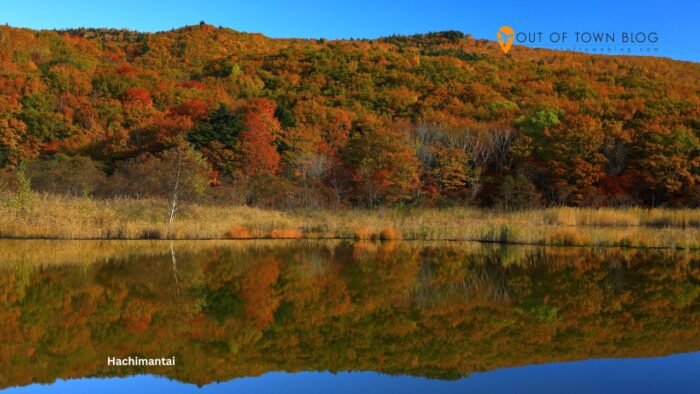
Best time to visit: Late September to mid-October at higher elevations, with timing varying by location.
Hachimantai, spanning parts of Iwate and Akita prefectures, is a mountainous destination known for highland scenery, volcanic landscapes, marshes, and hot springs. Its elevation gives the region an earlier autumn season than many lower-lying parts of Japan.
The changing foliage creates colorful views along mountain roads and walking trails. Visitors can explore wetlands, scenic viewpoints, and forested areas while enjoying cooler temperatures. The Hachimantai Aspite Line is a popular scenic drive when seasonal road access permits, although travelers should check current conditions before setting out.
Hot spring towns nearby offer opportunities to relax after a day outdoors. Hachimantai is especially suitable for travelers who prefer mountain scenery and nature-focused itineraries over city sightseeing.
How to get there: Travel by Shinkansen to Morioka Station, then continue by regional bus or rental car. A car provides greater flexibility for exploring scenic roads and remote viewpoints. Public transportation can be limited in some areas, particularly outside the main travel season.
4. Odaesan National Park, South Korea
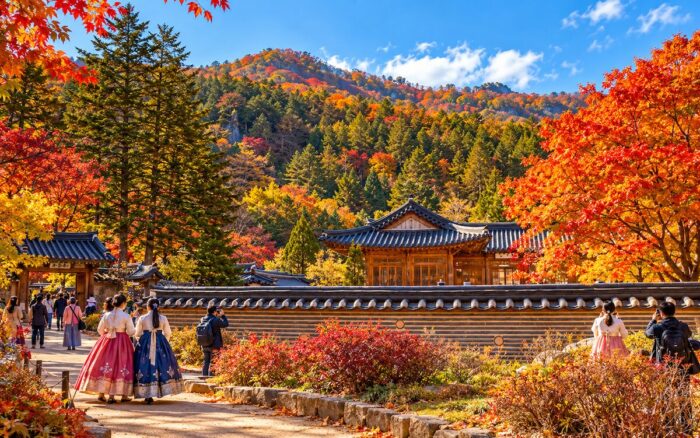
Best time to visit: October to early November, depending on elevation and weather.
Odaesan National Park in Gangwon Province is a strong choice for travelers seeking autumn forests, mountain trails, and traditional Korean Buddhist architecture. During the foliage season, the park’s wooded slopes turn colorful, creating beautiful scenery for hikers and photographers.
Woljeongsa Temple is one of the area’s best-known cultural attractions. A tree-lined approach leads to the temple complex, letting visitors combine a peaceful walk with a look at Korea’s Buddhist heritage. The surrounding forest also offers shorter nature walks without a demanding mountain hike.
Travelers can include Odaesan in a broader trip through Gangwon Province, which offers mountain landscapes and access to other outdoor attractions. Weekends during peak foliage can be busy, so arriving early may provide a quieter experience.
How to get there: Travel from Seoul toward Jinbu or nearby transport hubs by train or intercity bus. Continue by local bus or taxi to the park and Woljeongsa Temple. Check seasonal transport schedules, especially if you’re not renting a car.
5. Jiuzhaigou Valley, China
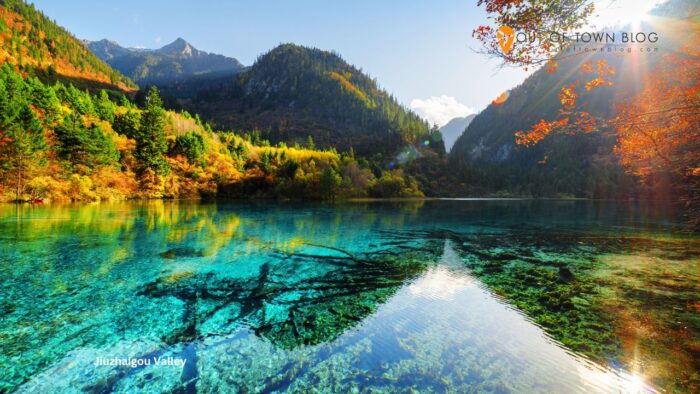
Best time to visit: Generally October to early November, subject to local conditions.
Jiuzhaigou Valley in Sichuan Province is famous for its clear lakes, waterfalls, forested mountains, and striking water colors. Autumn adds another layer of scenery as surrounding trees turn gold, orange, and red. The contrast between colorful forests and turquoise lakes makes the national park a standout destination for landscape photography.
Wooden walkways and designated viewing areas allow visitors to explore different sections of the park. Popular sights include colorful lakes, cascading waterfalls, and forested valleys. Because the park covers a large area, visitors should allow enough time to travel between its main attractions.
Jiuzhaigou suits travelers willing to plan a dedicated nature trip more than those looking for a quick city break. Weather, altitude, visitor regulations, and transport arrangements can affect the experience, so plan ahead.
How to get there: Fly to Jiuzhai Huanglong Airport when flights are available, or travel by road from Chengdu with an organized transfer or other transport option. Check current flight schedules, road conditions, park admission requirements, and local travel regulations before departure.
6. Kanas Lake, Xinjiang, China
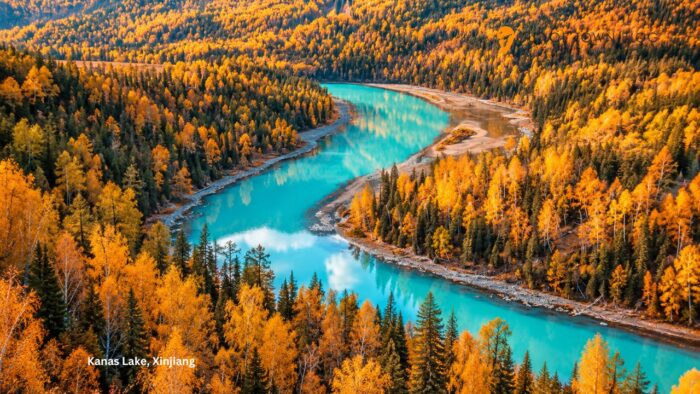
Best time to visit: Usually September to early October, depending on elevation and weather.
Kanas Lake in northern Xinjiang is known for its alpine lake, forested mountains, and seasonal colors. During autumn, birch trees turn yellow and gold, creating a vivid contrast with the blue-green water and surrounding peaks. The landscape feels very different from the better-known foliage destinations of East Asia.
The region also features traditional villages and mountain scenery that appeal to travelers interested in photography and cultural encounters. Visitors can explore designated viewpoints, walk through selected areas, and enjoy the changing colors across the lake and surrounding forests.
Kanas is remote, and its autumn season can be short. Cold temperatures may arrive early, while road conditions and access can change with the weather. Travelers should plan carefully and avoid assuming that every attraction will remain accessible throughout the season.
How to get there: Travel to Altay or another suitable regional transport hub, then continue by road to the Kanas scenic area. Depending on the route, the journey may take several hours. Check current entry requirements, local transport arrangements, and seasonal access information before booking.
7. Taipingshan, Taiwan
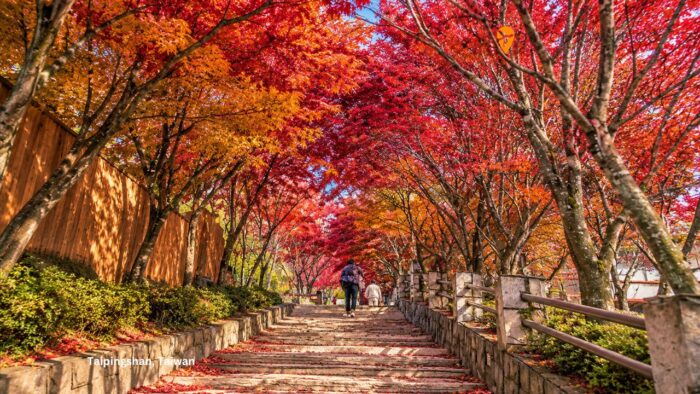
Best time to visit: October to December for cooler mountain conditions, though foliage varies and isn’t uniform across the park.
Taipingshan National Forest Recreation Area in Yilan County offers a different kind of autumn escape. Rather than the brilliant red maple landscapes of northern Japan, the area features misty mountain forests, towering trees, moss-covered ground, and cool highland scenery.
The park’s forest trails are popular with travelers who enjoy nature photography and leisurely walks. When operating, the Bong Bong Train offers a distinctive way to experience part of the former logging railway area. Visitors can also explore forest paths and viewpoints that showcase the region’s mountainous environment.
Taipingshan is especially appealing to travelers visiting Taiwan who want to leave the cities behind for a day or two. However, mountain weather can change quickly, and rain or fog may affect visibility. Approach the area as a forest and mountain destination rather than a guaranteed display of peak autumn colors.
How to get there: Travel from Taipei or Yilan toward the Taipingshan area by car or organized transport. Public transportation options may be limited, so check the latest schedules and park access information before leaving. An overnight stay nearby can make the journey more manageable.
8. Alishan, Taiwan
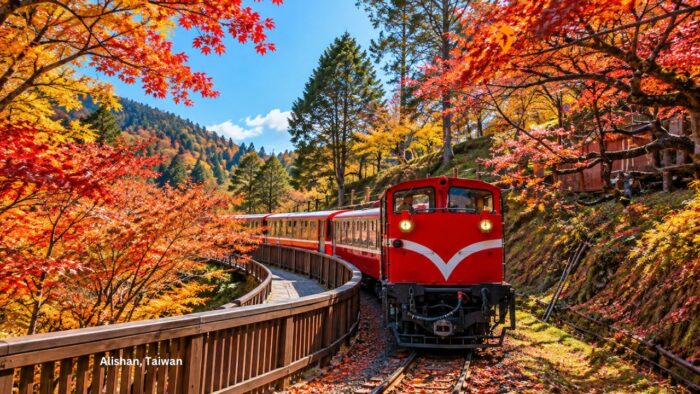
Best time to visit: October to December for cooler weather, misty forests, and mountain scenery. Foliage varies by species and location.
Alishan is one of Taiwan’s most recognized mountain destinations, known for its forest railway, sunrise viewpoints, ancient trees, and sea of clouds. Although its autumn landscape differs from the intense red foliage seen in parts of Japan and South Korea, the cooler season brings comfortable conditions for exploring the forest and mountain trails.
Visitors can walk through wooded paths, see towering trees, ride sections of the historic Alishan Forest Railway when services operate, and watch the sunrise from designated viewpoints. Changing mist creates atmospheric conditions for photography, especially in the early morning.
Alishan suits travelers who want a mountain escape with accessible attractions and established visitor facilities. Weekends and holidays can be crowded, especially around sunrise viewing areas, so staying overnight and starting early can improve the experience.
How to get there: Travel from Chiayi City by bus, organized tour, or other available transport. Some travelers combine the journey with the Alishan Forest Railway, subject to operating schedules and ticket availability. Check weather forecasts and transport updates before departure.
9. Langtang Valley, Nepal
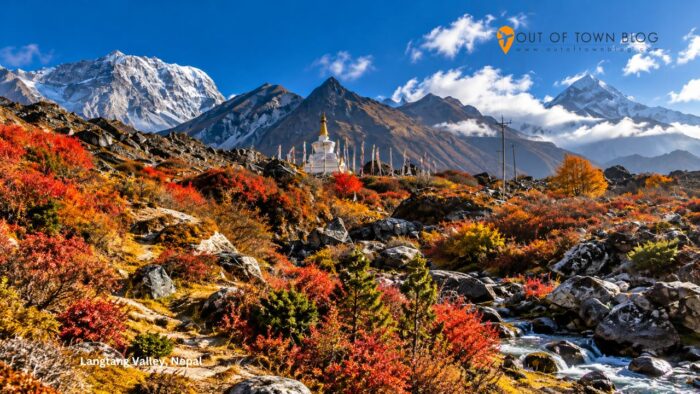
Best time to visit: October to November, when trekking conditions are often favorable, subject to weather and trail conditions.
Langtang Valley offers a mountain-focused autumn experience in Nepal. Located north of Kathmandu, the region features Himalayan peaks, forests, traditional settlements, and highland landscapes. The seasonal colors come from a mix of forest vegetation, shrubs, and grasses rather than the broadleaf maple forests associated with Japan.
The valley appeals to hikers who want mountain scenery without choosing one of Nepal’s longest trekking routes. Along the trail, visitors can encounter villages, local teahouses, forested sections, and dramatic views of surrounding peaks. The pace is slower than a typical city itinerary, so visitors should allow time to acclimatize and adjust to altitude.
Autumn is a popular trekking period, so accommodation along the route may fill up. Weather can also change quickly at higher elevations. Travelers should assess their fitness, prepare suitable clothing, and consider hiring a qualified local guide.
How to get there: Take a road trip from Kathmandu to Syabrubesi, the usual starting point for the Langtang Valley trek. The journey can take several hours and depends on road conditions. Arrange trekking permits, transport, accommodation, and current trail information before leaving Kathmandu.
10. Bumthang Valley, Bhutan
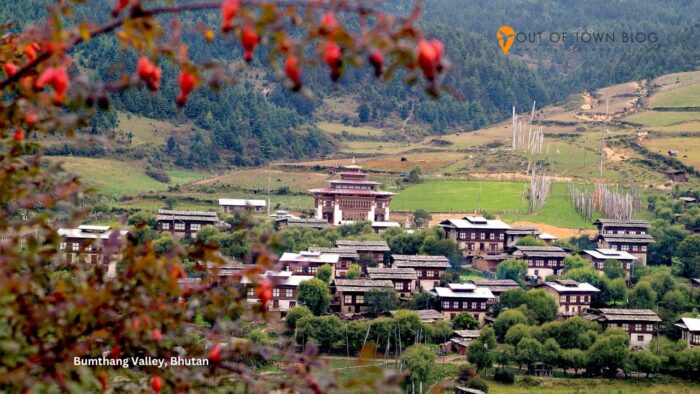
Best time to visit: October to November, depending on weather and local conditions.
Bumthang Valley in central Bhutan offers a quieter autumn trip centered on mountain landscapes, traditional villages, monasteries, and agricultural scenery. During the season, fields and surrounding vegetation turn golden, and clear days reveal views of the valley’s hills and forests.
The region particularly attracts travelers who enjoy cultural experiences alongside nature. Visitors can explore historic monasteries, walk through rural settlements, visit local craft shops, and sample Bhutanese dishes. The landscape is more subdued than Japan’s fiery maple forests, but its seasonal colours and cultural setting make it distinctive.
Bumthang requires more travel planning than destinations served by major international transport networks. Road journeys through Bhutan can be long, and weather may affect travel times. Visitors should arrange the appropriate travel documentation and transport before departure.
How to get there: Most international travelers arrive in Bhutan via Paro and, when available, continue to central Bhutan by domestic flight or by road with a prearranged driver. Confirm current entry procedures, transport availability, and travel requirements before booking.
Practical Tips for Planning an Autumn Foliage Trip in Asia
Check the foliage forecast
Autumn colors do not peak on the same dates every year. Temperature changes, rainfall, elevation, and local tree species all affect the timing. Check regional foliage updates shortly before departure and keep some flexibility in your itinerary.
Choose destinations based on your travel style
- For scenic drives and easy walks: Lake Towada and Oirase Gorge, Hachimantai, and Alishan.
- For culture and autumn scenery: Andong and Bumthang Valley.
- For mountain trekking: Langtang Valley.
- For dramatic lake landscapes: Jiuzhaigou Valley and Kanas Lake.
- For forest walks and cooler weather: Odaesan National Park and Taipingshan.
Pack for changing temperatures
Mountain destinations can be much colder than nearby cities. Bring layers, a waterproof jacket, comfortable walking shoes, and clothing suitable for early mornings. For trekking destinations, pack according to the route’s altitude, duration, and weather conditions.
Book transport and accommodation early
Popular foliage periods overlap with domestic holidays and peak travel dates in some destinations. Reserve accommodation and intercity transport early, especially in remote locations with limited services.
Respect local environments and communities
Stay on marked trails, follow park rules, avoid disturbing wildlife, and dispose of rubbish properly. When visiting rural villages and cultural sites, ask before photographing residents and observe local customs.
Frequently Asked Questions
1. What is the best month to see autumn foliage in Asia?
October and November are common months for autumn foliage in many parts of East Asia, but the ideal timing depends on the destination. Northern Japan and higher mountain areas can experience autumn colors in September or early October, while lower elevations may peak later. South Korea’s mountain parks often turn colorful during October and early November. Taiwan’s mountain forests offer cooler seasonal conditions into December, although their foliage patterns differ from Japan’s. Always check local reports before booking flights and hotels.
2. Which Asian country is best for autumn foliage?
Japan is one of the most popular countries for autumn foliage because of its extensive forests, scenic railways, mountain roads, historic temples, and well-developed transport network. South Korea is another excellent choice, particularly for travelers interested in mountain parks and traditional villages. Taiwan offers a different experience with misty mountain forests and highland scenery. China has dramatic autumn landscapes in places such as Jiuzhaigou and Kanas Lake. The best country depends on your budget, preferred scenery, transport needs, and interest in cultural attractions.
3. Where can travelers see autumn leaves in Japan without visiting Kyoto?
Travelers can explore Lake Towada and Oirase Gorge in Aomori, Hachimantai across Iwate and Akita, and other northern or mountainous regions. These destinations offer colorful forests, mountain views, streams, wetlands, and hot springs. Northern Japan generally sees autumn earlier than many central and southern areas, though exact dates vary. Visitors should consider transportation carefully because some rural areas have limited seasonal bus services. Staying overnight can help travelers explore the scenery without rushing through the region.
4. Are these autumn destinations suitable for Filipino travelers on a budget?
Some destinations can fit a budget-conscious itinerary, but costs vary considerably. Andong and Odaesan may work well for travelers already visiting South Korea, while Taiwan’s mountain destinations can be combined with a wider Taiwan trip. Remote locations such as Kanas Lake, Langtang Valley, and Bumthang Valley require more planning and may involve substantial transport or guided-travel costs. Filipino travelers should compare airfare, accommodation, local transport, admission fees, and visa or entry requirements before choosing a destination. Booking early and traveling outside major holidays can help manage expenses.
5. How can travelers avoid crowds during autumn foliage season?
Visit popular attractions on weekdays, arrive early in the morning, and consider staying overnight near the main viewing areas. Explore lesser-known trails and viewpoints where permitted, and don’t rely solely on famous photo spots. Remote destinations may have fewer visitors overall, but they can still become busy during peak weekends or local holidays. Travelers should also plan alternative activities in case rain, fog, or changing foliage conditions affect the main attraction. Choosing a destination for its wider landscape and cultural experiences makes the trip more rewarding even when foliage isn’t at its peak.
6. Is autumn foliage guaranteed at these destinations?
No. Foliage depends on temperature, rainfall, elevation, tree species, and seasonal weather patterns. Some destinations are known for red and golden leaves, while others offer a broader autumn experience featuring misty forests, golden fields, mountain scenery, and cooler weather. Heavy rain, unseasonably warm conditions, or early cold spells can change the timing and intensity of foliage. Travelers should treat published peak dates as estimates, not guarantees. Check current local updates before departure and leave room in the itinerary to adjust sightseeing plans.
Follow and subscribe to OutofTownBlog.com on Facebook, Twitter, Instagram, Pinterest, and YouTube for more Travel-related updates.
Read:
- Top 15 Best Hotels in London, England
- Top 10 Best Places to Visit in England
- 5 Most Romantic Activities to Do in England
- 7 Essential Travel Tips for Visiting England in Autumn