
 Melo Villareal
Manaslu Circuit Trek 2026: Complete Cost, Permit, Itinerary, Difficulty, and Travel Guide
The Manaslu Circuit Trek is one of Nepal’s most rewarding high-altitude trekking routes. It circles Mount Manaslu, the world’s eighth-highest mountain at 8,163 meters, and crosses the spectacular Larkya La Pass at more than 5,000 meters.
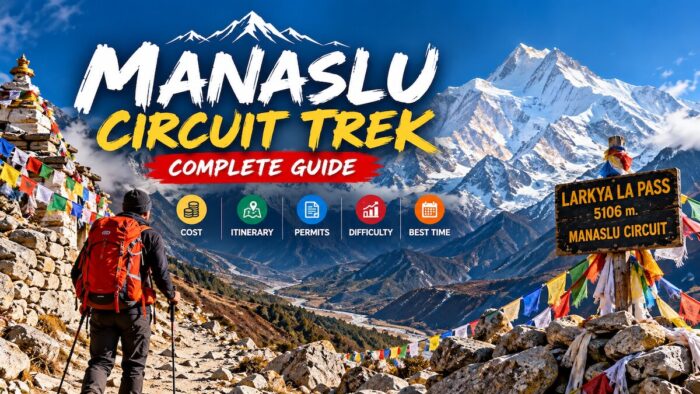
Manaslu Circuit Trek Guide
The route combines Himalayan scenery, high mountain villages, Buddhist monasteries, suspension bridges, dramatic valleys, and long stretches of relatively remote trail. It begins in the lower Budhi Gandaki Valley and gradually climbs toward the Tibetan-influenced villages of Nubri before crossing Larkya La and descending toward the Annapurna region.
The trek is considered strenuous because of its length, altitude, rugged terrain, and high pass crossing. The maximum altitude is around 5,100 to 5,160 meters at Larkya La, depending on the route measurement used.
For most trekkers, 14 to 16 days offers a reasonable balance of walking, acclimatization, transportation, and flexibility for weather delays.
Manaslu Circuit Trek at a Glance
| Category | Details |
|---|---|
| Location | Gorkha and Manaslu region, Nepal |
| Main mountain | Mount Manaslu |
| Manaslu elevation | 8,163 meters |
| Highest point | Larkya La, approximately 5,100-5,160 meters |
| Typical duration | 14-16 days |
| Trek difficulty | Strenuous |
| Trek distance | Approximately 170-180 km, depending on itinerary |
| Starting point | Soti Khola or Machha Khola |
| Ending point | Dharapani |
| Main permits | Manaslu RAP, MCAP, ACAP |
| Guide | Mandatory |
| TIMS | Required under current Nepal Tourism Board provisions |
| Best months | March-May and September-November |
| Best visibility | October-November |
| Accommodation | Teahouses and lodges |
| Main pass | Larkya La |
| Recommended travel style | Guided trek with porter support |
Why Trek the Manaslu Circuit?
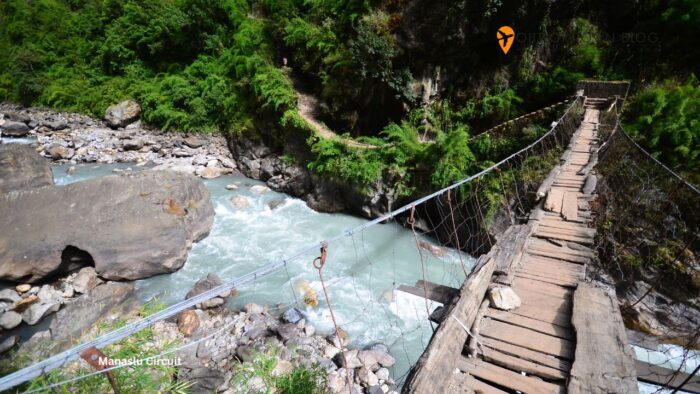
The Manaslu Circuit offers a dramatic shift in landscapes and cultures as you gain altitude.
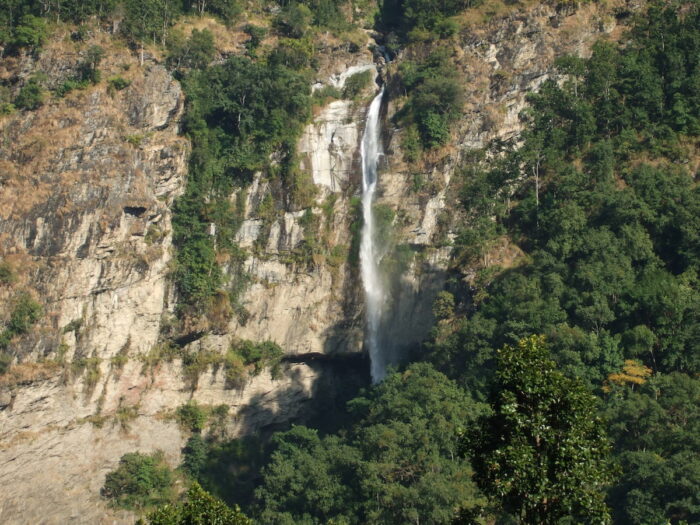
The lower trail follows the Budhi Gandaki River through subtropical vegetation, waterfalls, suspension bridges, farming villages, and narrow gorges. Higher up, the landscape becomes increasingly alpine, with Tibetan Buddhist villages, mani walls, chortens, monasteries, and views of Manaslu and surrounding peaks.
The route also takes you over Larkya La, one of Nepal’s major high passes.
Another attraction is the gradual transition from lower Gurung communities to Tibetan-influenced settlements in the upper Nubri Valley.
The Manaslu Conservation Area covers a diverse landscape and supports a wide range of plant and animal species.
Manaslu Circuit Trek Difficulty
The Manaslu Circuit is generally classified as a strenuous trek.
You don’t need technical mountaineering skills for the standard circuit, but you do need good cardiovascular fitness, strong legs, and the ability to walk for several consecutive hours at altitude.
Most trekking days involve approximately five to eight hours of walking. The Larkya La crossing is considerably longer and more demanding.
The biggest challenge is altitude, not technical climbing.
Your itinerary should therefore include adequate acclimatization days at Samagaon and Samdo.
What Makes the Trek Difficult?
High altitude
The trail climbs from below 1,000 meters to more than 5,000 meters.
Long walking days
Several stages involve six or more hours of walking, while the Larkya La crossing can take eight or more hours.
Uneven terrain
Expect rocky trails, stone staircases, suspension bridges, narrow paths, and steep ascents and descents.
Weather changes
Conditions can change quickly at high altitude. Snow, strong winds, rain, fog, and freezing temperatures can affect the trail.
Remote sections
Medical services and road access become increasingly limited as you move into the upper Manaslu region.
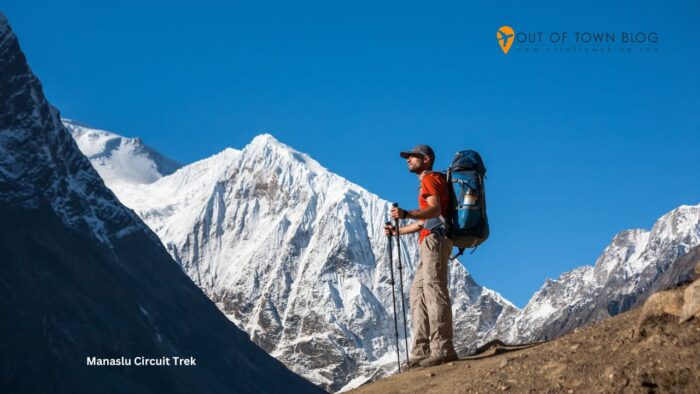
Manaslu Circuit Trek Altitude
Altitude is one of the most important considerations when planning this trek.
| Location | Approximate Elevation |
|---|---|
| Kathmandu | 1,337 m |
| Soti Khola | 700 m |
| Machha Khola | 870-900 m |
| Jagat | 1,340 m |
| Deng | 1,860 m |
| Namrung | 2,630 m |
| Lho | 3,180 m |
| Samagaon | 3,520 m |
| Samdo | 3,860 m |
| Dharamsala / Larkya Phedi | 4,460 m |
| Larkya La Pass | approximately 5,100-5,160 m |
| Bimthang | 3,720 m |
| Dharapani | approximately 1,860 m |
Exact elevations can vary slightly between maps and route descriptions.
14-Day Manaslu Circuit Trek Itinerary
This itinerary provides a practical framework. Trekking agencies may adjust overnight stops based on road conditions, weather, trail conditions, group fitness, and teahouse availability.
Day 1: Kathmandu to Soti Khola
Travel from Kathmandu toward Soti Khola through Dhading and Arughat.
The road gets rougher as you near the trailhead. A private or shared jeep is generally more comfortable than a bus for the final sections.
Overnight: Soti Khola
Altitude: Approximately 700 meters
Day 2: Soti Khola to Machha Khola
Begin trekking along the Budhi Gandaki River.
The route passes through forests, waterfalls, rocky sections, and small settlements. Some sections involve steep climbs and descents.
Walking time: Approximately 6 hours
Overnight: Machha Khola
Altitude: Approximately 870-900 meters
Day 3: Machha Khola to Jagat
Continue through Tatopani, Dobhan, and Yaru before reaching Jagat.
The trail becomes more dramatic as the valley narrows.
Walking time: Approximately 6-7 hours
Overnight: Jagat
Altitude: Approximately 1,340 meters
Day 4: Jagat to Deng
The trail passes through Philim and several smaller villages before entering the higher sections of the Manaslu region.
Vegetation gradually changes as you gain altitude.
Walking time: Approximately 6 hours
Overnight: Deng
Altitude: Approximately 1,860 meters
Day 5: Deng to Namrung
The trail climbs through forests and increasingly mountainous terrain.
You begin to notice stronger Tibetan cultural influences as you approach the upper Nubri Valley.
Walking time: Approximately 6-7 hours
Overnight: Namrung
Altitude: Approximately 2,630 meters
Day 6: Namrung to Samagaon
Continue through Lho and toward Samagaon.
This is one of the most scenic sections of the trek, with expanding views of Manaslu and the surrounding Himalayan peaks.
Walking time: Approximately 6 hours
Overnight: Samagaon
Altitude: Approximately 3,520 meters
Day 7: Acclimatization Day in Samagaon
Do not treat this as a completely inactive day.
Take a short acclimatization hike around Samagaon. Depending on your itinerary and fitness, options can include Birendra Lake or the direction of Manaslu Base Camp.
The objective is to gain altitude during the day while sleeping at the same elevation.
Overnight: Samagaon
Altitude: Approximately 3,520 meters
Day 8: Samagaon to Samdo
The trail continues toward Samdo through a stark alpine landscape.
The walk is relatively short, giving your body more time to adapt to the increasing altitude.
Walking time: Approximately 4 hours
Overnight: Samdo
Altitude: Approximately 3,860 meters
Day 9: Acclimatization Day in Samdo
Spend another acclimatization day before moving toward the Larkya La crossing.
A short hike toward the Tibetan border area or surrounding ridges lets you gain elevation without changing your sleeping altitude.
Overnight: Samdo
Day 10: Samdo to Dharamsala
The trail becomes increasingly alpine as you approach Larkya Phedi (Dharamsala).
This is an important preparation day for the following morning’s pass crossing.
Walking time: Approximately 4 hours
Overnight: Dharamsala
Altitude: Approximately 4,460 meters
Day 11: Cross Larkya La to Bimthang
This is the toughest day of the trek.
Start early because weather conditions can deteriorate later in the day. The trail climbs toward Larkya La, then descends toward Bimthang.
The pass reaches approximately 5,100-5,160 meters.
The descent after the pass can feel long, especially after several hours at high altitude.
Walking time: Approximately 8-9 hours
Highest point: Larkya La
Overnight: Bimthang
Altitude: Approximately 3,720 meters
Day 12: Bimthang to Tilije
After crossing the pass, the trail descends into increasingly greener terrain.
The landscape changes quickly as you lose altitude.
Walking time: Approximately 6 hours
Overnight: Tilije
Day 13: Tilije to Dharapani
Continue to Dharapani, where the Manaslu Circuit meets the Annapurna trekking route.
Depending on road and itinerary arrangements, you may continue by vehicle toward Besisahar.
Overnight: Dharapani or Besisahar
Day 14: Besisahar to Kathmandu
Travel back toward Kathmandu.
Road conditions and traffic can make this a long travel day, so avoid scheduling an important international flight immediately afterward.
Manaslu Circuit Trek Permits
Permits are one of the most important parts of planning the trek because the route passes through a restricted area and conservation areas.
1. Manaslu Restricted Area Permit
The Manaslu Restricted Area Permit, or RAP, covers the restricted section in Chumnubri Rural Municipality.
A useful 2026 planning figure is:
September-November: USD 100 per person for the first seven days, then USD 15 per person per additional day.
December-August: USD 75 per person for the first seven days, then USD 10 per person per additional day.
2. Manaslu Conservation Area Permit
Foreign trekkers also need a Manaslu Conservation Area entry permit.
The current planned fee for foreign visitors is NPR 3,000 per person.
3. Annapurna Conservation Area Permit
The standard Manaslu Circuit exits toward Dharapani and the Annapurna region, so trekkers commonly need an Annapurna Conservation Area Permit for the applicable section.
A current planning figure for foreign visitors is NPR 3,000 per person.
4. Local Municipality Fee
Some trekking packages also include a local Chumnubri Rural Municipality fee of approximately NPR 1,000.
Ask your trekking agency for a complete permit breakdown so you know exactly which government and local fees are included in your package.
Is a Guide Required for the Manaslu Circuit?
Yes.
The Manaslu Circuit is a restricted-area trek that requires a licensed trekking guide and the appropriate documentation through a registered trekking agency.
This means independent trekking without a licensed guide is not the standard legal arrangement for the Manaslu Circuit.
Your guide also provides practical assistance with:
- Route navigation
- Permit checkpoints
- Accommodation
- Meals
- Weather updates
- Altitude monitoring
- Emergency coordination
- Communication with local communities
Manaslu Circuit Trek Transportation
Transportation is an important part of the trip because the road journey to the trailhead can be long and rough.
Kathmandu to Soti Khola
The trek traditionally starts around Soti Khola.
You can travel by public bus, shared jeep, or private jeep. A private or shared 4WD jeep is generally more comfortable for the rougher sections.
Some itineraries start the walking portion from Machha Khola, depending on road conditions and the trekking package.
Dharapani to Besisahar
After crossing Larkya La and descending through Bimthang and Tilije, you eventually reach Dharapani.
From Dharapani, road transport connects you to Besisahar.
Besisahar to Kathmandu
Buses and private vehicles connect Besisahar with Kathmandu.
Because road conditions and traffic can change, build some flexibility into your schedule.
Manaslu Circuit Trek Accommodation
Most trekkers stay in teahouses and mountain lodges.
The rooms are basic but increasingly comfortable along the main route.
A typical teahouse room may include:
- Two beds
- Mattress
- Pillow
- Blanket
- Shared bathroom
- Dining room
- Charging facilities, sometimes for an additional fee
Bathrooms become more basic at higher elevations.
Hot showers may be available at lower elevations but can become expensive or unavailable above certain villages.
Samagaon generally has more accommodation choices than the smaller high-altitude settlements.
Dharamsala has limited accommodation, so arrive early during busy trekking seasons.
Manaslu Circuit Trek Food
Food becomes an important energy source during the trek.
Typical teahouse meals include:
- Dal bhat
- Fried rice
- Fried noodles
- Chow mein
- Momos
- Thukpa
- Tibetan bread
- Pancakes
- Eggs
- Pasta
- Potatoes
- Soup
- Vegetable curry
- Chapati
- Oatmeal
Dal bhat, consisting of rice, lentil soup, vegetables, and often additional sides, is one of the most practical meals for long trekking days.
As altitude increases, food becomes more expensive because supplies must travel farther by road, porter, mule, or other transport.
Bring snacks such as:
- Trail mix
- Chocolate
- Energy bars
- Dried fruit
- Nuts
- Electrolyte powder
- Biscuits
Manaslu Circuit Trek Estimated Budget
Your total cost depends on whether you join a group trek, hire a private guide, use a porter, choose basic or upgraded accommodation, and spend additional nights in Kathmandu.
For a 14-16 day trek, a realistic planning range is approximately USD 1,200 to USD 2,400 per person for a guided trip with permits, accommodation, food, transportation, and basic trekking services. Premium private arrangements can cost considerably more.
| Expense | Estimated Budget |
|---|---|
| Manaslu RAP | USD 75-100+ depending on season and duration |
| MCAP | NPR 3,000 |
| ACAP | NPR 3,000 |
| Local fee | Around NPR 1,000 |
| Guide | USD 25-40+ per day |
| Porter | USD 18-25+ per day |
| Teahouse accommodation | USD 8-25 per night |
| Food | USD 20-35 per day |
| Kathmandu-trailhead transportation | USD 80-160+ depending on vehicle arrangement |
| Personal expenses | USD 100-250 |
| Estimated total | USD 1,200-2,400+ |
These figures are planning estimates, not fixed package prices. Ask your trekking agency for an itemized quotation.
Manaslu Circuit Trek Packing List
Pack light enough to walk comfortably while carrying everything required for changing weather and altitude.
Clothing
- Moisture-wicking shirts
- Trekking pants
- Thermal base layers
- Fleece jacket
- Down jacket
- Waterproof jacket
- Waterproof pants
- Warm hat
- Sun hat
- Gloves
- Warm socks
- Extra underwear
Footwear
- Waterproof hiking boots
- Camp shoes or sandals
- Gaiters
Trekking Equipment
- Backpack
- Rain cover
- Trekking poles
- Sleeping bag suitable for sub-zero temperatures
- Headlamp
- Water bottles
- Water purification tablets or filter
- Sunglasses
- Sunscreen
- Lip balm
- Personal first-aid kit
Electronics
- Phone
- Power bank
- Charging cables
- Universal adapter
- Camera
- Spare batteries or charging equipment
Documents
- Passport
- Nepal visa documents
- Travel insurance
- Trekking permit documentation
- TIMS documentation
- Emergency contact details
- Copies of important documents
Manaslu Circuit Trek Safety
Make safety your priority throughout the trek.
Watch for altitude sickness
Altitude sickness becomes an important concern above approximately 2,500 meters.
Early symptoms can include headache, nausea, loss of appetite, fatigue, and dizziness. More serious symptoms include severe headache, vomiting, difficulty walking, altered mental status, and shortness of breath at rest.
If symptoms worsen, descend immediately and seek medical assistance.
Ascend gradually
Avoid rushing the itinerary.
A practical rule is to limit sleeping-altitude gains to around 300-500 meters per day once you are above 2,500 meters and include rest days after significant altitude gains.
This is why the acclimatization days at Samagaon and Samdo matter.
Stay hydrated
Drink regularly throughout the day.
Avoid relying heavily on coffee or alcohol at high altitude, as staying hydrated is important.
Start early for Larkya La
Start the Larkya La crossing early.
Morning conditions are often more predictable, and starting early gives you more daylight for the long crossing and descent.
Check route conditions
Mountain conditions can change after landslides, heavy rain, snow, or other events.
Check current local conditions before starting the trek and follow guidance from your trekking agency and guide.
Best Time for the Manaslu Circuit Trek
The two main trekking seasons are spring and autumn.
March to May
Spring brings relatively stable trekking conditions and warmer temperatures at lower elevations.
Rhododendrons begin blooming, adding color to the route’s lower and middle sections.
March can still have snow around Larkya La, while April and May generally offer increasingly favorable conditions.
September to November
Autumn is one of the most popular periods for the Manaslu Circuit.
The monsoon has generally cleared, skies become clearer, and mountain visibility can be excellent.
October and November are particularly popular, so accommodation and guide availability can become tighter.
December to February
Winter brings much colder conditions.
Snow can make the Larkya La crossing more difficult, and some high-altitude teahouses may operate on a limited schedule.
Experienced trekkers with appropriate equipment may still attempt the route, but winter requires more careful planning.
June to August
The monsoon season brings heavy rain, muddy trails, landslide risks, leeches in lower areas, and reduced mountain visibility.
You can still attempt the Manaslu Circuit in certain conditions, but it is generally less convenient.
Responsible Trekking on the Manaslu Circuit
The Manaslu region includes villages, monasteries, forests, rivers, and fragile high-altitude environments.
Travel responsibly by following local rules.
- Carry reusable water bottles.
- Avoid single-use plastics.
- Dispose of waste properly.
- Stay on established trails.
- Respect monasteries and religious sites.
- Ask before photographing people.
- Dress appropriately in villages and religious areas.
- Avoid disturbing wildlife.
- Support local teahouses and businesses.
- Use local guides and porters through registered agencies.
Manaslu Circuit Trek Travel Tips
Book your guide early
October and November are busy trekking months. Secure your guide and permits before arriving in Nepal.
Allow extra days
Do not schedule your international departure immediately after finishing the trek. Weather, road conditions, and altitude can affect the itinerary.
Carry cash
ATMs are limited or unavailable in many sections of the route. Carry enough Nepalese rupees for food, charging, showers, snacks, tips, and unexpected expenses.
Pack for multiple climates
The trail begins in relatively warm valleys and climbs into freezing high-altitude conditions.
Keep your passport accessible
You may need to present documents at checkpoints.
Do not underestimate the pass
Larkya La is the trek’s physical and logistical high point. Save enough energy for the long descent after reaching the summit.
Frequently Asked Questions About the Manaslu Circuit Trek
How difficult is the Manaslu Circuit Trek?
The Manaslu Circuit is generally considered a strenuous trek because of its length, rugged terrain, altitude, and Larkya La crossing. Most days involve several hours of walking, with the pass-crossing day becoming particularly demanding. You don’t typically need technical mountaineering skills on the standard route, but you do need good physical conditioning and the ability to walk for consecutive days. Altitude is a major concern, so proper acclimatization at Samagaon and Samdo is essential.
How many days do you need for the Manaslu Circuit Trek?
A standard Manaslu Circuit itinerary usually takes about 14 to 16 days from the trailhead, though the full trip from Kathmandu can take longer. A 14-day plan can include two acclimatization days and the Larkya La crossing. Some trekkers add extra days for weather, acclimatization, side trips, or transportation delays. For a more relaxed experience, plan 16 to 18 days for greater flexibility and less pressure to complete long stages.
What is the highest altitude on the Manaslu Circuit?
The highest point is Larkya La Pass, generally listed at approximately 5,100 to 5,160 meters above sea level depending on the map and source. The altitude makes this section the most demanding part of the trek. Before reaching the pass, trekkers usually spend nights in Samagaon, Samdo, and Dharamsala to let their bodies adjust gradually. The high elevation also means that weather can change quickly, so you need appropriate cold-weather equipment.
Do you need a guide for the Manaslu Circuit Trek?
Yes. The Manaslu Circuit is a restricted-area trek, and trekkers must use a licensed trekking guide and obtain the required documentation through a registered trekking agency. This means independent trekking without a licensed guide is not the standard legal arrangement for the Manaslu Circuit. Your guide can also assist with permits, accommodation, route navigation, weather decisions, altitude monitoring, and emergency coordination.
How much does the Manaslu Circuit Trek cost?
A practical 2026 planning budget is approximately USD 1,200 to USD 2,400 per person for a guided trek, depending on the package, group size, guide and porter arrangements, accommodation, food, transportation, and personal spending. Premium private trips can cost more. The Restricted Area Permit, conservation permits, guide, transportation, food, and accommodation account for much of the expense. Ask agencies for an itemized quotation because some packages include permits and meals while others charge certain services separately.
What permits are required for the Manaslu Circuit?
The main permits are the Manaslu Restricted Area Permit, Manaslu Conservation Area Permit, and Annapurna Conservation Area Permit for the relevant exit section. A local municipality fee may also apply. For planning purposes, the Manaslu Restricted Area Permit is around USD 100 per person for the first seven days from September through November, followed by USD 15 per additional day. From December through August, the first seven days cost around USD 75, followed by USD 10 per additional day.
When is the best time to trek the Manaslu Circuit?
The best trekking windows are generally March to May and September to November. Spring offers warmer conditions, blooming rhododendrons, and improving trail conditions as winter snow decreases. Autumn typically provides clearer skies and excellent mountain visibility after the monsoon. October and November are popular, so book guides, permits, and accommodation early. These months also provide better conditions for mountain photography and views of Manaslu and the surrounding Himalayan peaks.
Can beginners do the Manaslu Circuit Trek?
Beginners can attempt the Manaslu Circuit if they are physically prepared and trek with an experienced guide, but it is not an easy introductory hike. The route involves long walking days, substantial elevation gain, rugged terrain, and a crossing above 5,000 meters. First-time Himalayan trekkers should train several months beforehand, learn about altitude sickness, and choose an itinerary with sufficient acclimatization. Extra days can make the experience more manageable.
What should you pack for the Manaslu Circuit?
Your packing list should cover warm and cold conditions. Bring waterproof hiking boots, trekking poles, thermal layers, fleece, a down jacket, waterproof clothing, gloves, warm socks, sunglasses, sunscreen, a sleeping bag, headlamp, water bottles, water purification equipment, personal medication, a first-aid kit, power bank, and essential documents. Keep your backpack as light as possible. If you hire a porter, split your gear between your daypack and the porter’s bag, and keep valuables and important documents with you.
Is there Wi-Fi and electricity on the Manaslu Circuit?
Many teahouses provide electricity, and some offer Wi-Fi, but availability becomes less reliable as you climb higher. Charging may also cost extra. Don’t rely on continuous internet access for navigation, communication, or emergency planning. Carry a power bank and download offline maps before starting the trek. At higher elevations, solar power and limited electricity may be your only options, so plan ahead to keep your electronics charged.
Is the Manaslu Circuit safe?
You can complete the route safely with proper preparation, but it involves real mountain risks. Altitude sickness, sudden weather changes, snow, landslides, falls, dehydration, and road conditions can all affect the journey. Acclimatize gradually, check current route conditions before departure, and follow your guide’s advice. We also strongly recommend travel insurance that covers high-altitude trekking and emergency evacuation.
Want more updates about new package tours and tourist spots in Nepal? Follow #TeamOutofTown on Facebook, Twitter, Instagram, and Pinterest for more travel ideas.
Read:
- Your Whirlwind Travel Tale of 10 Days in Nepal should be like this!
- How Much Does Trekking in Nepal Cost? A Simple Guide
- How Difficult Is the Manaslu Circuit Trek? What You Need to Know Before You Go