

 Melo Villareal
Native Delicacies You Must Try in Isabela Province
Isabela Province is renowned for producing the largest supply of rice in Northern Luzon and is also recognized as the country’s leading supplier of corn. These achievements have earned it the prestigious titles of the “Rice Granary of Northern Luzon” and the “Corn Capital of the Philippines.” Located in the heart of the Cagayan Valley region, Isabela is surrounded by Cagayan Province to the north, Kalinga and Mountain Province to the west, Ifugao and Nueva Vizcaya to the south, Quirino and Aurora to the southeast, and bordered by the vast Philippine Sea to the east.

Inatata – Native Delicacies You Should Taste When in Isabela Province
Renowned for its abundant fisheries, agricultural crops, forestland, and mineral wealth, Isabela is also home to a delightful array of local delicacies. We’ve listed some of our top picks below:
Pancit Cabagan

Pancit Cabagan is a savory and hearty noodle dish that has firmly established itself as a beloved staple in Filipino cuisine. Hailing from the town of Cabagan in Isabela province, this dish is aptly named after its place of origin. What sets Pancit Cabagan apart is its generous medley of ingredients—chewy, thick rice noodles are tossed with tender slices of pork, succulent shrimp, and an array of vegetables like crisp green beans and carrots. All these ingredients are bathed in a rich, savory soy-based sauce that’s simmered to perfection in a hot wok, imparting a smoky aroma and depth of flavor. It’s typically crowned with hard-boiled quail eggs and crisp fried shallots, adding layers of texture and taste.
Traditionally enjoyed as comfort food in the Philippines, Pancit Cabagan is especially popular during fiestas, birthdays, and family gatherings. Its hearty, flavorful nature, combined with the umami-packed sauce and a hint of sweetness, makes it irresistible to both locals and visitors alike. Pancit Cabagan is more than just a meal—it’s a celebration of Filipino hospitality and culinary ingenuity, promising an unforgettable dining experience for everyone at the table.
Binallay

A trip to Isabela would not be complete without savoring Binallay, an iconic traditional delicacy of the region. This delectable sweet rice cake is lovingly crafted using finely ground glutinous rice flour mixed with creamy coconut milk, then skillfully shaped and wrapped in fragrant banana leaves. The parcels are gently simmered in boiling water, allowing the subtle aroma of the banana leaf to infuse the cake.
Commonly enjoyed during festive celebrations and special gatherings, Binallay is traditionally served warm, generously drizzled with rich and sweet latik sauce made from caramelized coconut cream. The result is a unique harmony of textures and flavors—soft, chewy rice cake complemented by the toasty, slightly nutty notes of coconut and banana leaf. For both locals and visitors, tasting Binallay is an unforgettable culinary experience and a true taste of Isabela’s vibrant culture.
Moriecos
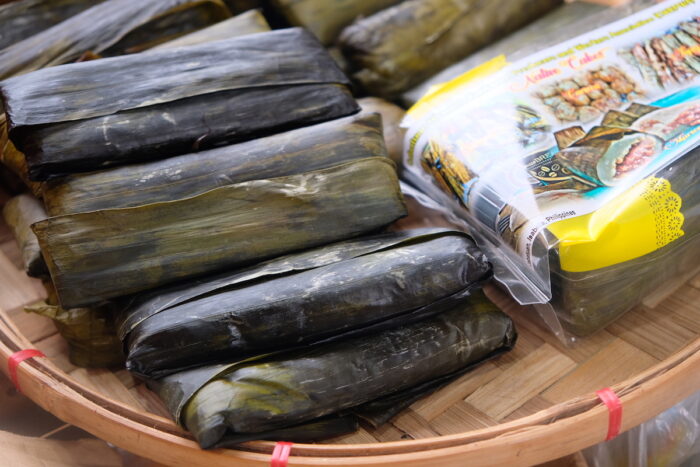
Moriecos is a traditional rice delicacy from Isabela, known for its rich flavor and cultural significance during local festivities. It is made from glutinous rice cooked in coconut milk and filled with a sweet mixture of ground peanuts, brown sugar, and grated coconut, giving it a delightful balance of sweetness and nuttiness.
The mixture is carefully wrapped in banana leaves, which impart a subtle aroma when steamed. Moriecos is often enjoyed as a snack or dessert, especially during special occasions and gatherings, symbolizing the province’s deep-rooted love for rice-based delicacies and the warmth of Filipino hospitality.

Dinengdeng
Dinengdeng, a well-loved dish from Isabela and the wider Ilocano region, is a simple yet flavorful vegetable stew that reflects the province’s agricultural richness and resourceful cooking traditions. It is made by simmering a variety of fresh, locally grown vegetables—such as string beans, eggplant, bitter melon, okra, and squash—in a light broth seasoned with bagoong (fermented fish sauce). Sometimes, grilled or fried fish is added for extra flavor.
The result is a healthy, savory dish that highlights the natural taste of the vegetables and the Ilocano preference for balanced, earthy flavors. Dinengdeng embodies the essence of home-cooked comfort food in Isabela—humble, nourishing, and deeply connected to the land.
Closely resembling Bulanglang and Laswa, this dish stands out due to its distinctive use of both fish and fermented fish paste, offering a uniquely robust and umami-rich flavor profile.
Inatata
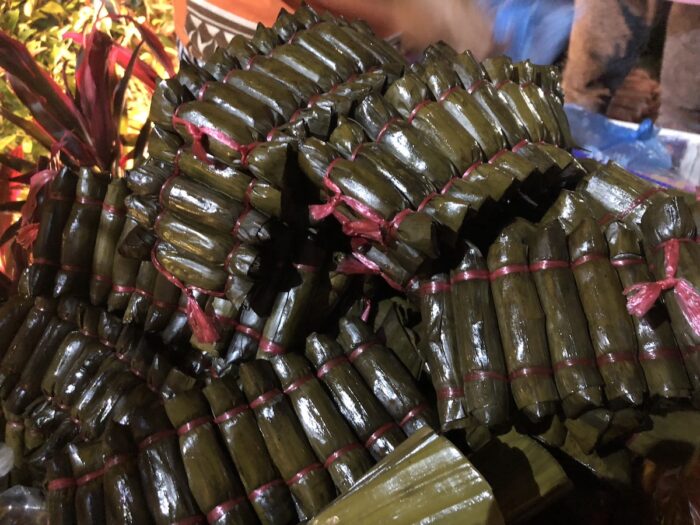
Whole glutinous rice, naturally a bit sweet and sticky, is carefully wrapped in small, elongated cylinders using vibrant green banana leaves. These rice-filled parcels are neatly arranged and securely tied together in batches of ten.
Once prepared, they are steamed until the grains become tender and infused with the subtle aroma of the banana leaves. When tied together, the cluster of cylinders strikingly resembles a magazine of bullets, each piece nestled closely to the next.
Aling Belen Longganisa

Aling Belen is a beloved household name throughout the province, renowned for her mouthwatering Longganisa. Since 1970, she has been expertly crafting her own signature blend of the iconic Pinoy sausage, using a unique mix of handpicked spices and traditional curing methods passed down through generations. Her secret family recipe and passion for quality have earned her Longganisa its reputation as the finest in all of Isabela.
Bibingkang Kanin

Bibingkang Kanin is a Filipino delicacy made from sticky glutinous rice, creamy coconut milk, sweet white sugar, and tender strips of young coconut meat. The preparation begins by steaming the glutinous rice until it becomes soft and sticky. Once cooked, it’s mixed with the coconut milk, sugar, and coconut meat, then transferred to a baking dish and baked until the top develops a golden, slightly caramelized crust, adding a delightful chewy texture and rich, sweet flavor.
Lechon Cordero
This dish features succulent lamb lechon, expertly marinated in a savory blend of oyster sauce, freshly squeezed lemon juice, and robust red wine. The same flavorful marinade is carefully injected into the lamb, ensuring each bite is infused with rich, aromatic flavors.
Pinataro
This delightful warm dish features soft, chewy white sticky rice dumplings, nestled with tender coconut strips. The dumplings are generously bathed in a rich, velvety coconut latik cream that adds a sweet, aromatic depth to every bite.
Corn Coffee
Corn coffee from Isabela is well-known due to the province’s abundant supply of high-quality corn. This unique beverage offers a rich, roasted flavor that closely resembles traditional coffee, making it an appealing alternative for coffee enthusiasts. In addition to its satisfying taste, corn coffee provides notable health benefits, belonging to a caffeine-free, nutrient-rich drink enjoyed by many in the region.
Corn Pastillas
This traditional milk candy, originating from Isabela, is crafted from a blend of sweet corn, sugar, flour, powdered milk, and rich butter. The combination of these ingredients creates a soft, creamy texture and a delicately sweet flavor that reflects the region’s distinct culinary heritage.
Pancit Batil Patong

Although it originated in Tuguegarao, Pancit Batil Patong has also become a beloved staple in Isabela. This flavorful sautéed noodle dish features fresh, thick Miki egg noodles tossed with crunchy bean sprouts and crisp cabbage. It is generously topped with savory minced carabeef, a rich spoonful of crushed Chicharon (crispy pork cracklings), and crowned with perfectly fried eggs. The combination creates a satisfying contrast of textures and tastes that locals and visitors alike enjoy.

How to Get There:
Getting to Isabela Province depends on where you’re coming from, but the most common route is from Metro Manila. Here are the main ways to reach Isabela:
1. By Land (Bus or Car):
- Several bus companies, such as Victory Liner, Florida Bus, and GV Florida Transport, offer daily trips from Metro Manila (Cubao, Pasay, or Sampaloc terminals) to major towns in Isabela like Ilagan City, Cauayan City, Santiago City, and Roxas.
- The trip usually takes 8 to 10 hours, depending on traffic and your destination within the province.
- If driving, take the North Luzon Expressway (NLEX), then Subic-Clark-Tarlac Expressway (SCTEX), and continue to Tarlac–Pangasinan–La Union Expressway (TPLEX). From there, follow the Maharlika Highway (AH26) north toward Isabela.
2. By Air:
- The fastest way is to take a direct flight from Manila to Cauayan Airport (CYZ), which serves as the main airport in the province. Flight time is around 1 hour.
- From Cauayan, you can easily travel by bus, van, or car to other towns and cities in Isabela.
3. By Combined Route (Air + Land):
- You can also fly to Tuguegarao City (Cagayan Province) or Clark International Airport (Pampanga), then travel by land to Isabela (around 2–4 hours from Tuguegarao, or 6–8 hours from Clark).
Check out our complete list of recommended Hotels in Isabela Province via Agoda, or you may also see available Airbnb properties in the city.
Also, see:
- A Festival in the Philippines sets Guinness World Record for Dancing Scarecrows.
- Best Things to do In Cauayan, Isabela, Philippines
- Banaue Travel Guide: Itinerary, Things to do, How to get there and more
- Kiangan: A Heritage town in Ifugao