

 Melo Villareal
Reminiscing A Long Gone Era: The Intramuros Walking Tour
The Waterfront Pavilion Hotel Manila is a 4-star hotel located in downtown Manila and very near Intramuros. They invited us last week for a different kind of relaxing staycation where we also had a marvelous time walking in and around Intramuros.
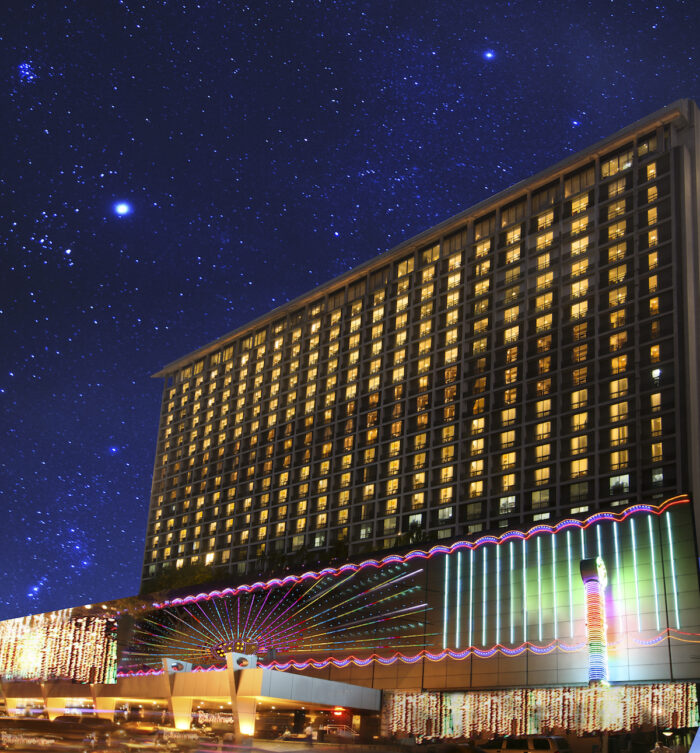
Waterfront Manila at Night
It’s actually “a walk to remember” because Intramuros has so much history. One of the exciting activities we had was a visit to four historic places inside the Manila’s famous walled city.
Intramuros survived four colonizations; Spanish, British, American and Japanese. But even after all the destruction, Intramuros was revived and in 1951, “was declared a historical monument” with Republic Act 957. Through the years, the Intramuros Administration has been working earnestly to restore the walls, the sub-features of the fortification and its city.
They have rebuilt the five original gates; Isabell II, Parian Gate, Real Gate, Santa Lucia Gate and the Postigo Gate. They’ve also created connecting walkways near the original walls.
During our staycation, we explored the historic charm of Intramuros by visiting several significant sites. We started at Baluarte de San Diego, then made our way to Fort Santiago. Afterward, we toured Casa Manila, and concluded our day at the San Agustin Church and Museum. Each stop offered a glimpse into the rich history and culture of the area.
Baluarte de San Diego
Our journey began at the Baluarte de San Diego, a historic fortress located in Intramuros. This structure, built during the Spanish colonization, is an integral part of the colonial fortifications of the area. Positioned on the southwestern corner of Intramuros, its construction was led by Antonio Sedeno, a Jesuit priest. The fortress was named Nuestra Señora de Guía, which translates to Our Lady of Guidance.
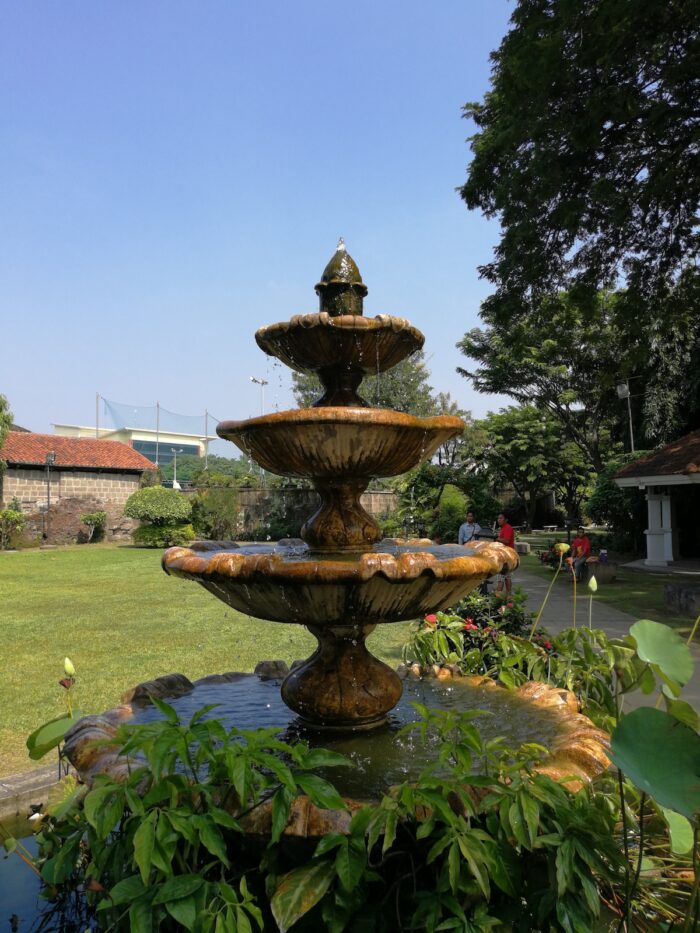
Before this was made, there was an older fort with cortina or curtain walls which the Governor General put together. And Baluarte de San Diego was made to guarantee that they have a clearer view against attackers. It has two parts; the face which is propelling outward and the flanks which connect the face and the Cortina or what they call curtain wall.
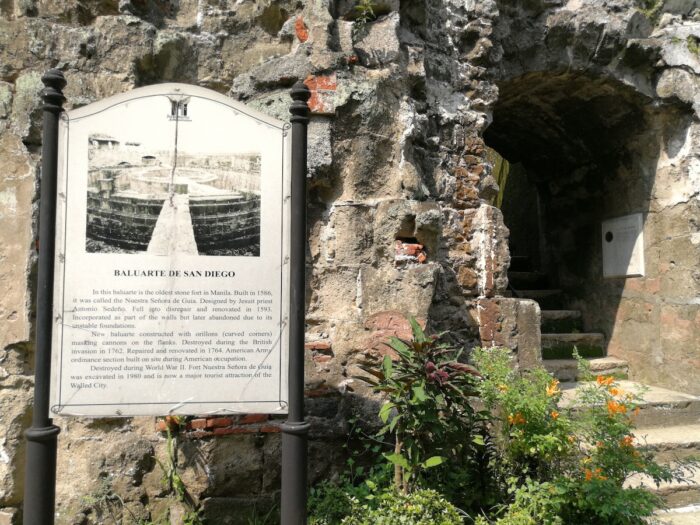
Just like the other parts of Intramuros, Baluarte de San Diego has been subjected to attacks; in 1762 British forces aimed their cannons at this bastion.
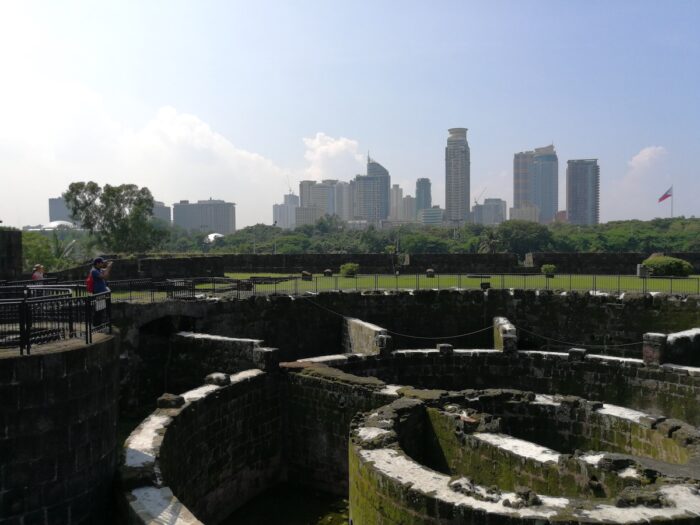
There were other expansions made to this like the semi-circular structures called orillons or the little ears which look like ace-of-spades shape. Since then, it has undergone several restorations; one in 1614 when it was in a bad condition and was completed between 1653 and 1663 and in 1979 until 1992.
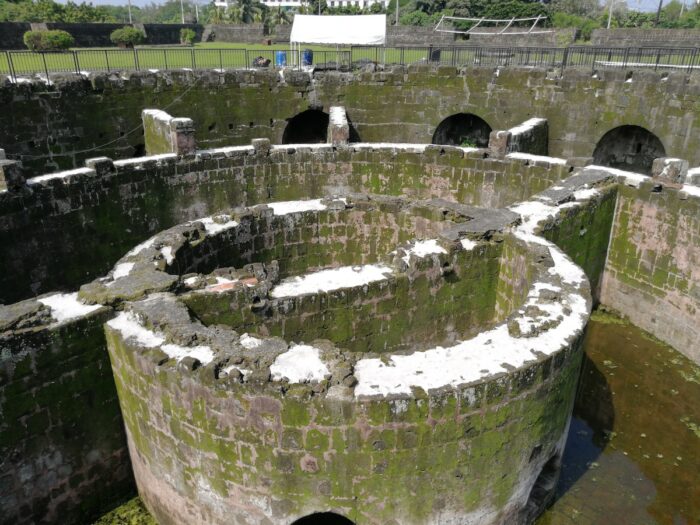
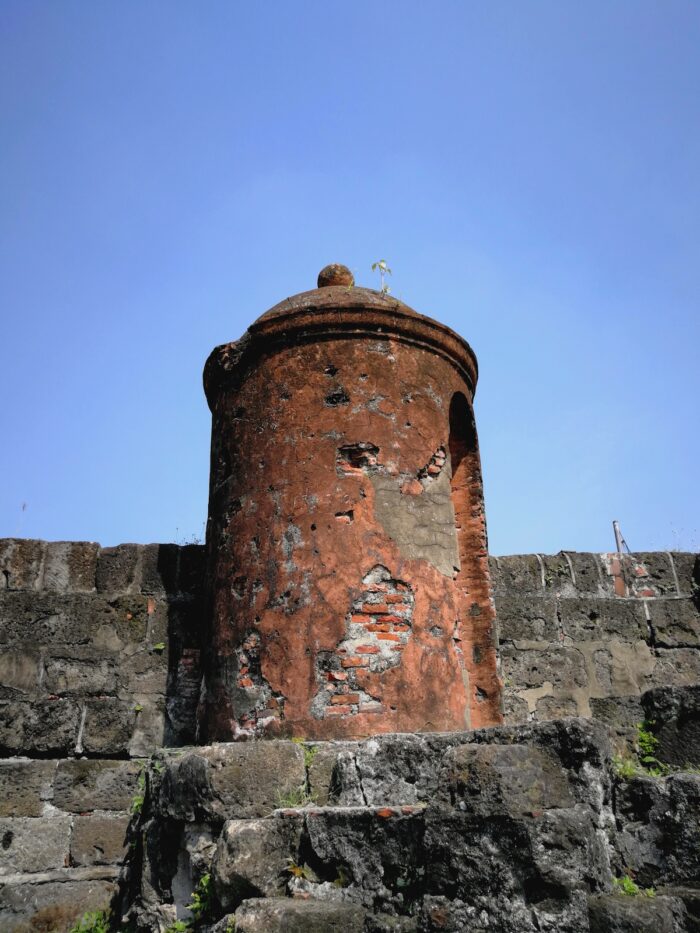
Within the fort are amenities which include a courtyard, cistern tank (water supply tank), lodging quarters and workshops.
Location: Southwest corner Intramuros beside Pamantasan ng Lungsod ng Maynila (PLM)
Operating Hours: Mon to Sun from 8am-5pm (when there are no functions)
Mon to Sun from 8am-12nn (when there are functions)
Contact: Intramuros Vistors Center, Fort Santiago at Tel. (02) 5272961
San Agustin Church and Museum
After a detailed educational tour where we saw different remnants of artilleries of long gone eras, our next stop was San Agustin Church and Museum.
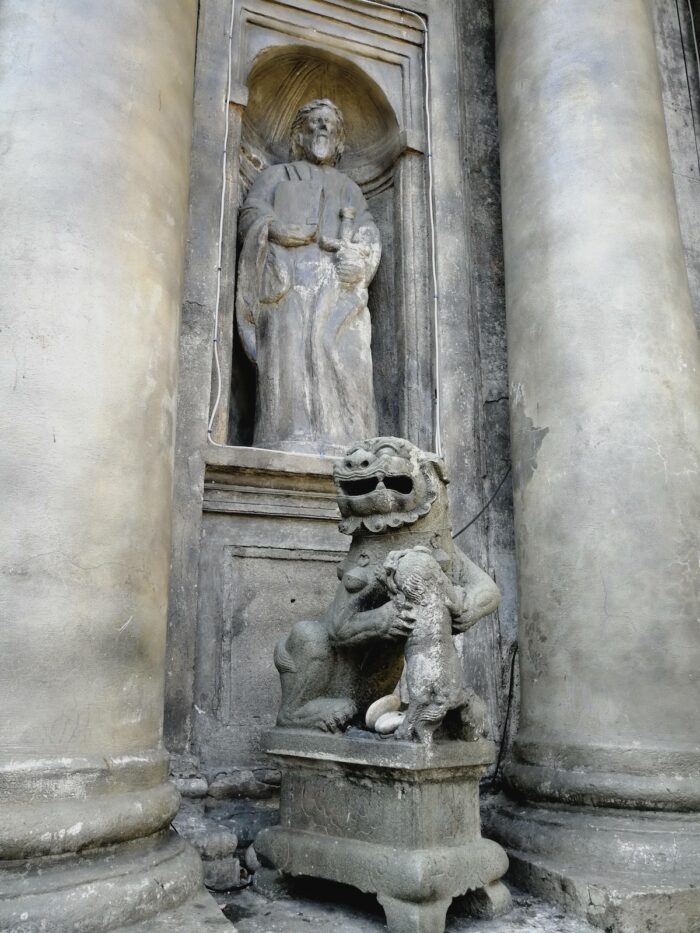
It’s the first church that the Spaniards built in Luzon after they moved from Cebu. It’s a beautiful old church built in 1875. Italian artists Cesare Alberoni and Giovanni Dibellain did the trompe l’oeil painting of the ceiling. The tombs of Spanish conquistadors Miguel Lopez de Legazpi, Juan de Salcedo and Martin de Goiti are located in this significant historical church.
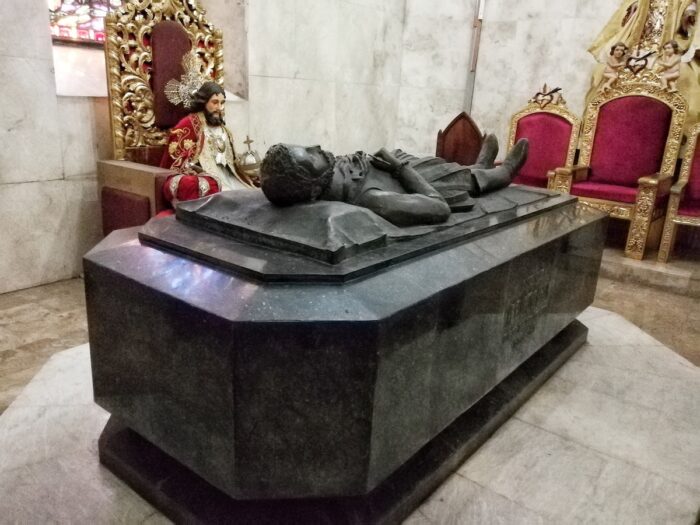
“San Agustin Church is a Roman Catholic church under the auspices of The Order of St. Augustine, located inside the historic walled city of Intramuros in Manila.”
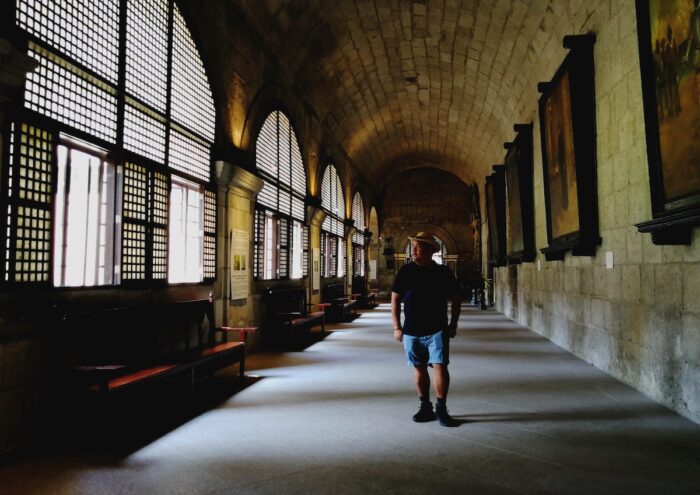
In 1973, the monastery connecting the church was converted into a museum. There are various religious icons, church artifacts, paintings and sculptures in the museum. It was declared a UNESCO World Heritage Site together with four other churches in 1993. It was also named a National Historical landmark by the Philippines in 1976.
There are several Chinese lion sculptures at the façade of the church given by Chinese nationals who converted to Catholicism.

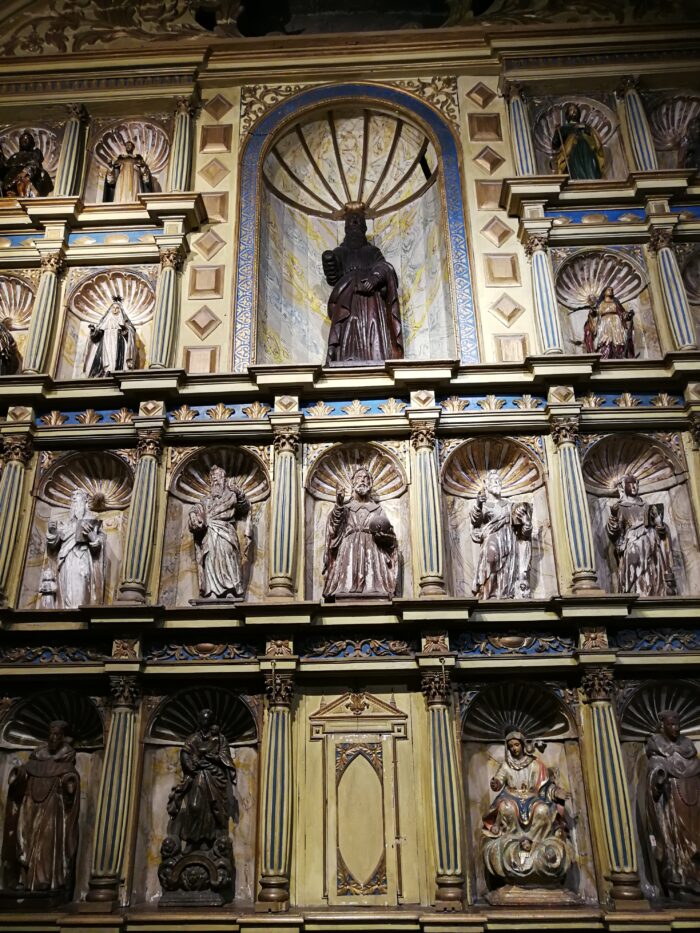
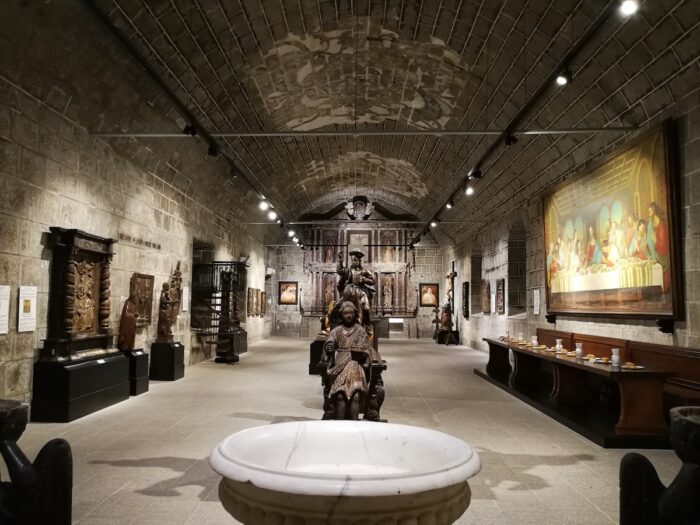
The erected church today is the third Augustinian church at the site. The first church was made of bamboo and nipa and was completed in 1571 but it was devastated by fire in December 1574 when the forces of Limahong tried to invade Manila. The second structure built on the same site was also destroyed by fire in February 1583 when there was a funeral service for Spanish Governor-General Ronquillo de Penalosa and a candle ignited a drapery. They rebuilt the church for the third time using stone in 1586 but was formally declared complete on January 19, 1607, a rather slow construction due to lack of funds and materials.
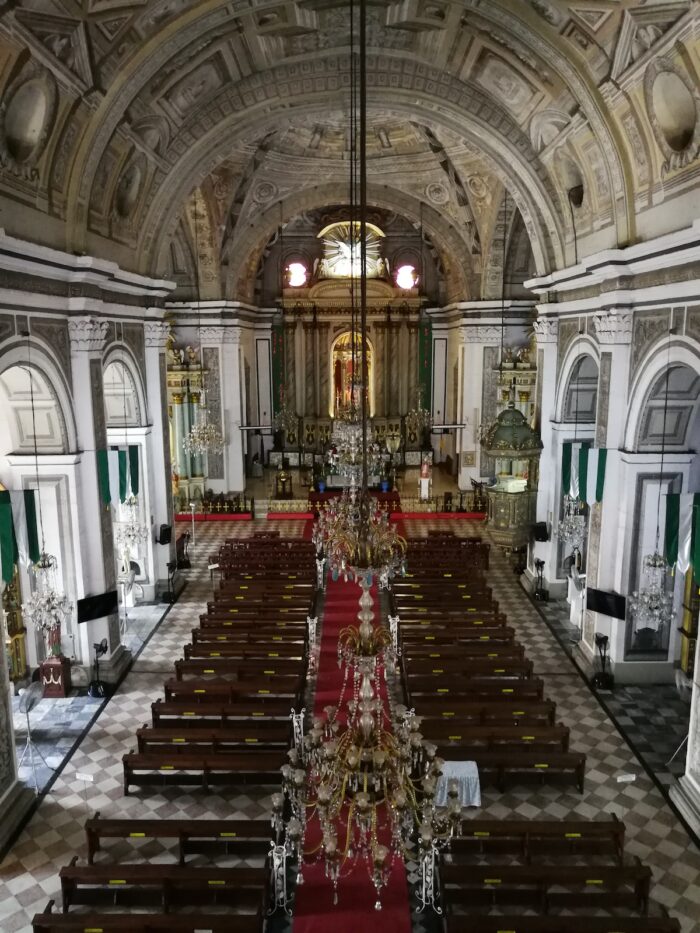
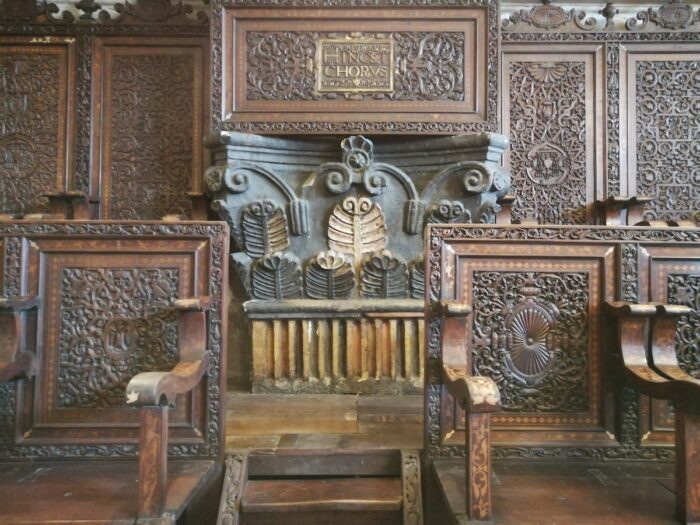
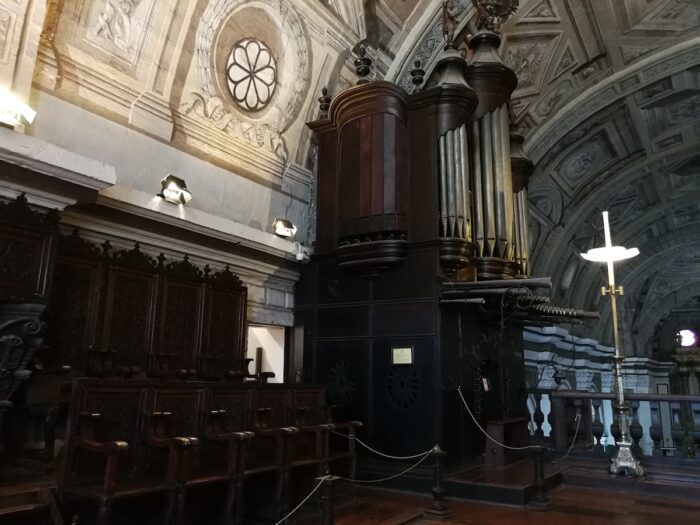
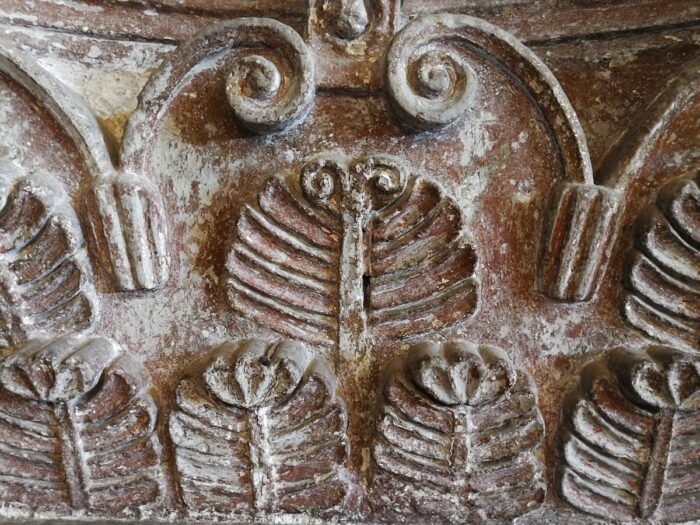

Included in our tour was the coro or choir loft which is surrounded by 68 ornately carved high-backed chairs from the 1600 and centuries-old hymn books. Artisans from the Escuela de Taller de Filipinas has been restoring this portion of the church for the last 29 months.
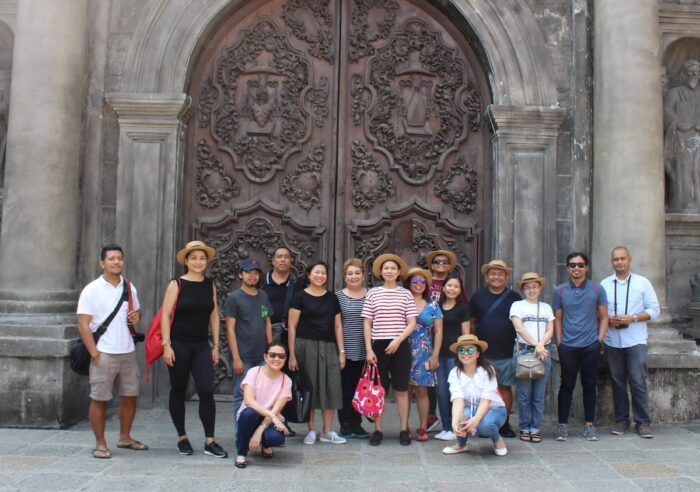
Location: General Luna Street
Operating Hours: San Agustin Church Museum – 8am to 6pm (closed at lunch),
Church- open daily during mass
Contact no.: (02) 527 2746
Casa Manila
For our third stop on our impressive walking tour of Intramuros, we went to Casa Manila which is a museum in Intramuros that showcases the colonial way of living during the Spanish colonization in our country.

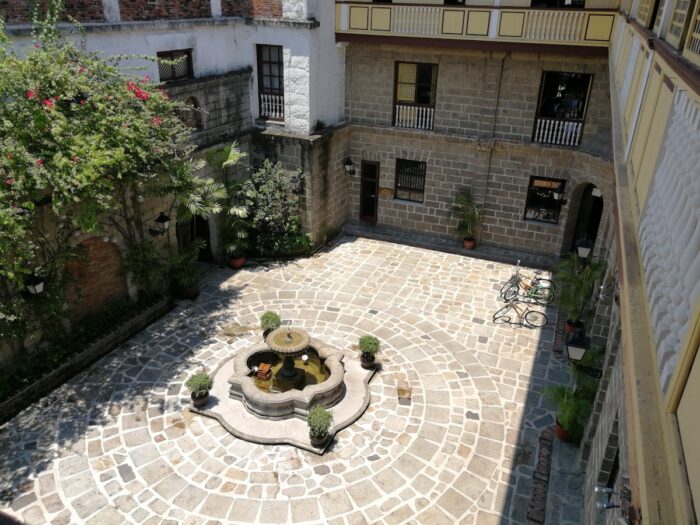
It is a copy of a San Nicolas House that was located in Calle Jaboneros before. J. Ramon L Faustmann was the architect of this structure. Former First Lady Imelda Marcos had this constructed in the 1980s and was modeled from Spanish colonial architecture.

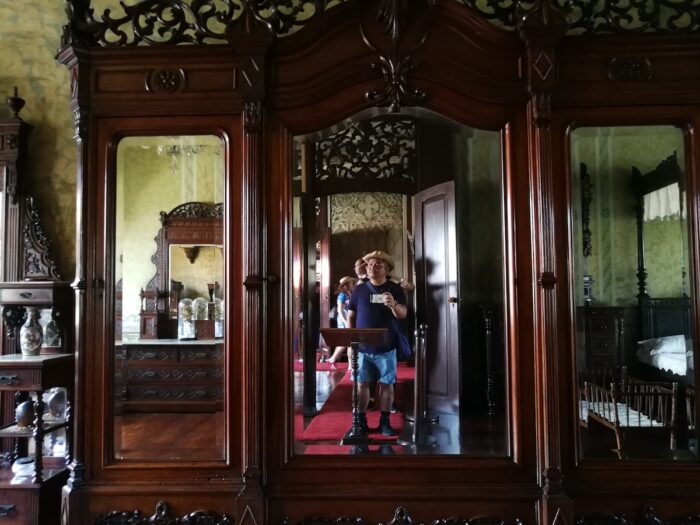
Casa Manila is a replica of the original Spanish period house that stood along Calle de Jaboneros in San Nicolas, Binondo. The moment we entered and saw all those colonial period furnitures, decors, and ornamentation we were brought back to the 19th century life of an affluent family living in Manila.

There are lavish collections of antique furniture from China and Europe that dates back from the 19th century; there are also beautifully made Chinese ceramics and well-crafted Persian rugs as well as religious statues made from ivory.
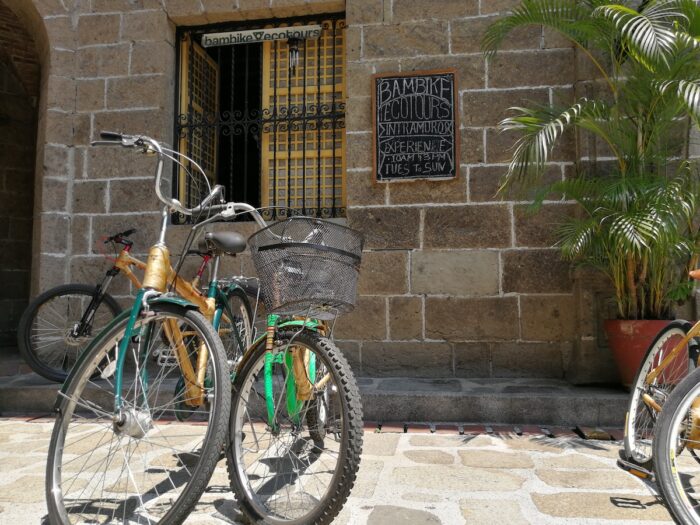
Bambike Ecotours which actually holds their office here promotes ecotourism by taking their clients to all the wonderful spots here in Intramuros using bamboo bikes made by Gawad Kalinga villagers here in the Philippines.
It’s a beautiful way to tour this place using a bike and it’s actually more wonderful because it’s made of bamboo which makes the experience a little bit different.
Location: Plaza Luis Complex, General Luna St
Operating Hours: Tue to Sun from 9am-6pm
Contact no.: 02-527 4084
Fort Santiago
We visited Fort Santiago last. It is the most popular among tourist and it just had a make-over but I was moderately disappointed when we arrived at the quintessential Plaza Moriones because it looked completely different. It used to have flowering plants and a vibrant fountain at the center but now, it looked like a modern garden and not a historic place.
Spanish conquistador Miguel Lopez de Legazpi built this fortress for Manila when it is first founded. This along with other structures of the walled city “Intramuros” served as the part of the protection against invaders.
![[Image Credit: TripSavvy]](https://outoftownblog.com/wp-content/uploads/2018/02/entrance-to-the-old-fort-santiago-intramuros-manila-luzon-philippines-southeast-asia-asia-515035601-591ae8a85f9b58f4c0be8a6e-700x466.jpg)
Everything about his final works and other memorabilias are in the Rizal Shrine. His prison cell, his footsteps from his cell where he was executed can be seen here.

Fort Santiago is just a few meters away from Manila Cathedral and Palacio del Gobernador (which is where COMELEC- Commission on Elections holds office).
Fort Santiago is an another structure of defense that survived the British Occupation, American Colonization and World War II
Location: Intramuros, Manila
Contact no.: 0930 661 5151
Operating Hours: Sun to Sat from 8am-9pm
*If you’re in Manila, don’t miss the chance to enjoy these places and after a hectic day touring, you can stay at the Waterfront Hotel & Casino Manila Pavilion Hotel, United Nations cor. Ma. Orosa St., Manila. For more information about their hotel, click here. To contact the Intramuros administration, click here.
Travel Tour Packages You Should Try
Follow and Subscribe to OutofTownBlog.com on Facebook, Twitter, Instagram, Pinterest, and YouTube for more Travel related updates.
Also Read: