
 Amanda Virrey
Baguio Teachers’ Camp
Baguio City is renowned for its numerous reports of supernatural and paranormal encounters, making it a popular destination for those interested in sixth-sense phenomena.

The entrance to Teachers’ Camp at Leonard Wood.
As a tranquil hill station that once served as a haven for soldiers recuperating from injuries during both World Wars, it is believed that the sudden passing of many individuals left restless spirits behind. Many locals say that the souls of those who died unexpectedly still wander the mist-laden streets and old colonial buildings of the city, their stories lingering like shadows in the cool mountain air.
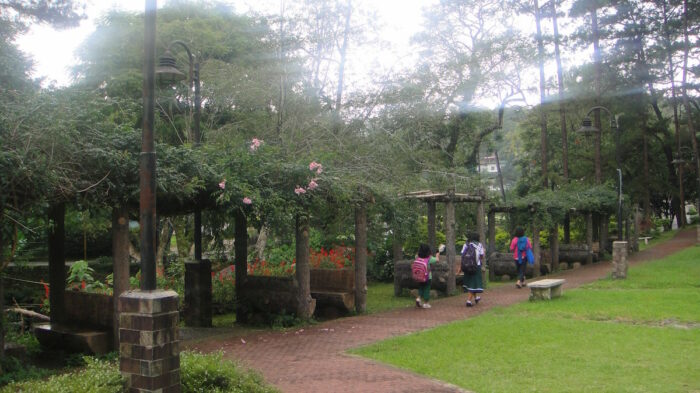
Many of these restless spirits are reportedly drawn to Teachers’ Camp, nestled along Leonard Wood Road, where their mysterious presence is often felt by visitors and locals alike.
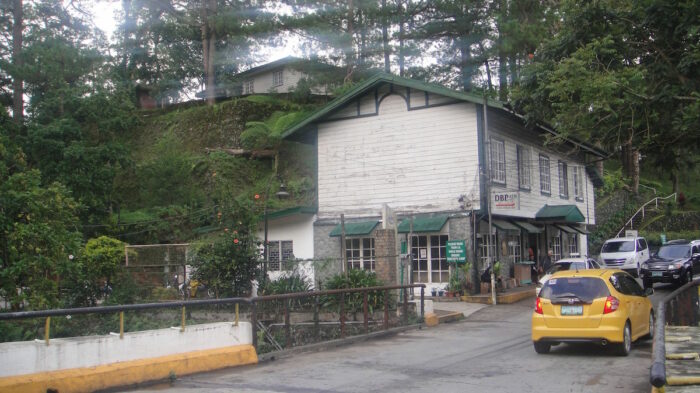
History notes that Teachers’ Camp was founded in 1908 as a vacation home and training site for teachers visiting from outside the city of Baguio, in the Philippines. Governor William Pack introduced this innovative plan to provide accommodation, rest, and professional development opportunities for educators. The camp was officially inaugurated on April 6, 1908, featuring facilities designed to host seminars, recreation, and gatherings that contributed to the growth of the Philippine educational system.
Throughout the years, additional facilities have been constructed at the site, such as modern dormitories and cozy cottages equipped with kitchens for longer stays. A social center was also built to host gatherings, workshops, and recreational activities. Notably, an athletic oval was developed, which has served as a training ground for athletes, including those who have gone on to participate in the Olympic Games.
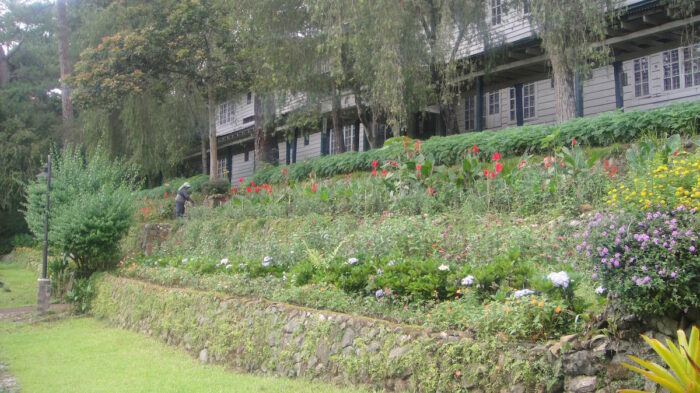
In 1936, the Teachers’ Camp in Baguio City temporarily served as the residence and training ground for cadets of the Philippine Military Academy (PMA) after the academy’s relocation from Manila due to the growing number of enrollees and the need for a more suitable climate. The camp accommodated the cadets until 1937, when their increasing population necessitated a move to a larger and more permanent location at Fort Del Pilar, which remains their home to this day.
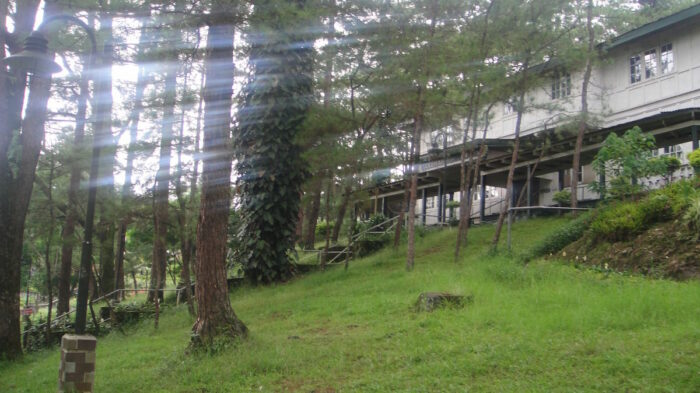
Aside from its rich historical timeline, Baguio Teachers’ Camp has been the setting for a wide range of emotional experiences, from joyous gatherings such as educational seminars and athletic events to unfortunate incidents including tragic accidents and reported paranormal activities. These intense moments have contributed to the camp’s longstanding reputation as a site believed by many to be haunted by spirits or ‘post-earthly beings.’
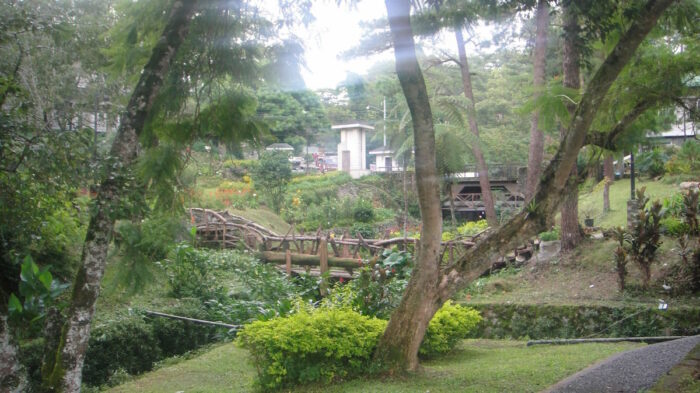
Some reported experiences from people who have stayed in the dormitories include hearing a piano being played in a room known to have been empty and securely locked for a long time, the sound of heavy breathing inside a bedroom during the night with no apparent source, footsteps echoing in the white hall when no one is present, and a variety of other unexplained occurrences. These phenomena are often attributed to the building’s history, as it served as a site for numerous war crimes, which some believe contributes to its haunted reputation.
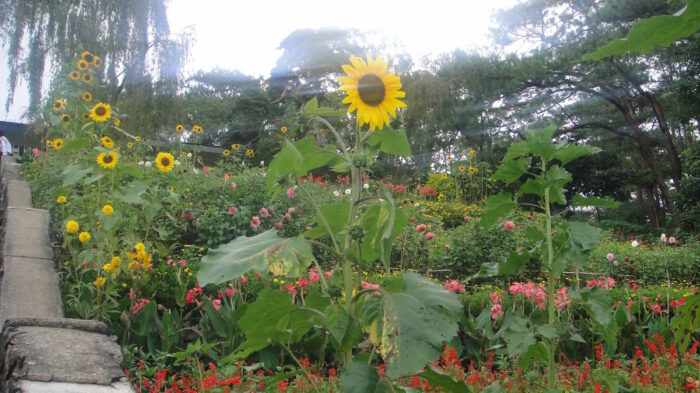
However, the camp’s beautiful layout remains highly valued, even though stories persist about lingering spirits—an occurrence common throughout Baguio, a city known for its rich history and numerous battles.

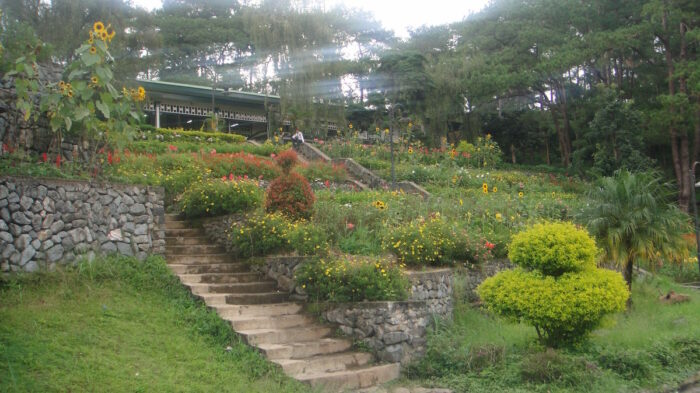
Baguio Teachers’ Camp offers a picturesque landscape featuring well-maintained grass, panoramic views adorned with vibrant flowering plants, and meandering wooden bridges leading to picnic tables set alongside gentle streams. The camp is known for its enduring architecture, utilizing sturdy wood and showcasing spacious interiors that reflect its historic significance as a training ground and retreat for teachers. Throughout the area, visitors can find fields blanketed with mountain flowers, especially a striking abundance of sunflowers, creating a colorful showcase during blooming seasons. Additionally, the camp is surrounded by a captivating maze of tall pine trees and lush greenery, complemented by clearly marked walking paths that invite visitors to enjoy the fresh mountain air and tranquil environment, making it a favored destination for educational workshops, recreation, and relaxation in Baguio City.

With regard to the spirits, it is important that we intentionally engage in prayer, not simply as a routine, but with the specific purpose of seeking spiritual understanding and awareness of the condition of these spirits. Through these prayers, we hope to connect with them on a spiritual level, fostering their realization of their present state and aiding in their journey toward eternal peace and rest.

Therefore, don’t miss out on this historical landmark when you’re in Baguio City.
Baguio City Travel Tour Packages You Should Try
Follow and Subscribe to OutofTownBlog.com on Facebook, Twitter, Instagram, Pinterest, and YouTube for more Travel related updates.