Melo Villareal
Germany Christmas Markets: A Complete Travel Guide
Germany is one of Europe’s most popular destinations for Christmas market holidays. From historic town squares lined with wooden stalls to castle courtyards lit with festive lights, the country offers travelers a wide range of experiences during the Advent season.
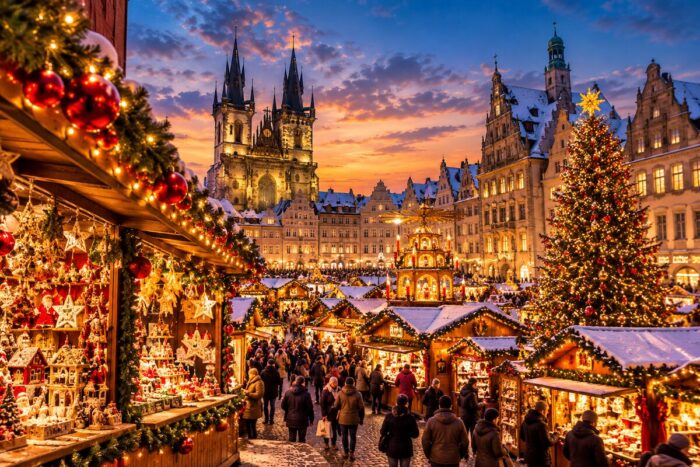
Christmas Markets in Germany
German Christmas markets, locally known as Weihnachtsmärkte, bring together traditional handicrafts, regional specialties, seasonal music, and centuries-old customs. Visitors can shop for handmade Christmas decorations, sample gingerbread and roasted sausages, drink warm spiced beverages, and explore historic neighborhoods dressed for the holidays.
The experience varies by destination. Nuremberg is famous for its traditional market and gingerbread, Dresden celebrates its long-standing market heritage and Christmas stollen, and Cologne hosts festive markets beneath the towering Gothic cathedral. Smaller cities such as Erfurt and historic towns across Germany also offer memorable alternatives to the busiest destinations. Germany’s official tourism board highlights markets nationwide, from the coast to the Alps.
A Christmas market trip works well for families, couples, solo travelers, and digital nomads planning a winter getaway. With careful planning, you can combine several destinations by train, enjoy regional food, and explore German culture beyond the market stalls.
What Are Christmas Markets in Germany?
German Christmas markets are seasonal gatherings that usually take place during the weeks leading up to Christmas. Many developed from historic winter markets where merchants sold food, household goods, and seasonal products. Over time, they became important places for communities to gather, shop, eat, and celebrate Advent.
Today, markets range from large, internationally recognized events to small neighborhood gatherings organized around churches, castles, and town squares.
A typical market features wooden stalls selling Christmas ornaments, candles, toys, winter accessories, and handmade gifts. Food stands offer regional specialties, baked goods, sausages, and hot drinks. Some markets also feature carousels, live music, nativity displays, children’s workshops, and ice-skating rinks.
Most major markets open in late November and close shortly before Christmas. Some destinations host additional winter markets that remain open after December 25, but dates and schedules vary by location.
Best Christmas Markets in Germany
1. Nuremberg Christmas Market
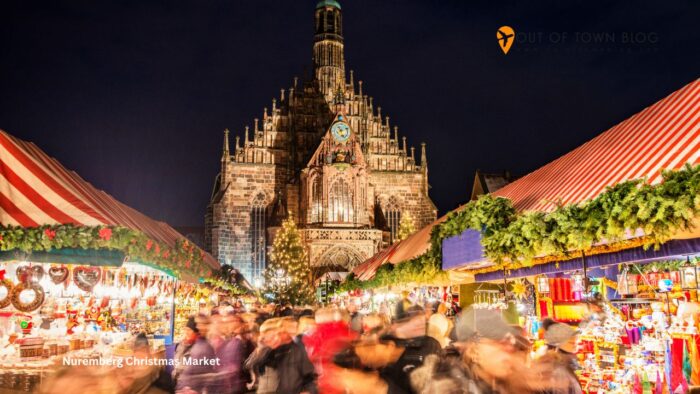
Nuremberg’s Christkindlesmarkt is one of Germany’s most recognizable Christmas markets. It takes place in the city’s Hauptmarkt, the central square surrounded by historic buildings.
Traditional red-and-white stalls sell seasonal food, handmade decorations, and locally made products. The market is especially known for Nuremberg gingerbread, grilled Nuremberg sausages, and the ceremonial opening delivered by the city’s Christkind.
The market also includes a Children’s Christmas area with family activities and a Sister Cities Market featuring international products. These attractions make Nuremberg a strong choice for families and travelers seeking a traditional Christmas experience.
What to see and do:
- Browse handmade wooden toys and Christmas decorations.
- Sample Nürnberger Rostbratwürste, small grilled sausages traditionally served with mustard or in a bread roll.
- Buy Lebkuchen, the city’s famous spiced gingerbread.
- Explore Nuremberg’s Old Town and Imperial Castle.
- Visit the children’s market if traveling with young visitors.
Best for: First-time visitors, families, traditional Christmas shopping, and food lovers.
Suggested time: One full day for the market and Old Town, or two nights for a more relaxed visit.
2. Dresden Striezelmarkt
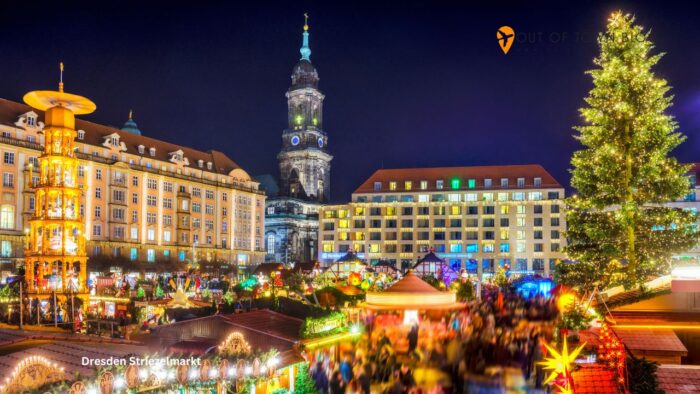
Dresden’s Striezelmarkt is among Germany’s oldest Christmas markets, dating back to 1434. Located on Altmarkt square, it combines traditional Saxon craftsmanship with regional Christmas food and festive entertainment.
Visitors can browse wooden decorations, candles, nutcrackers, and crafts associated with the nearby Ore Mountains. The market is also known for Dresdner Christstollen, a traditional fruit bread dusted with powdered sugar.
The city’s other seasonal markets offer more chances to explore historic courtyards and quieter settings. The Romantic Christmas Market near Dresden Castle offers traditional crafts and food within walking distance of major Old Town attractions.
What to see and do:
- Taste authentic Dresdner Christstollen.
- Shop for traditional wooden Christmas decorations.
- Photograph the festive market square and its illuminated displays.
- Explore Dresden’s historic center, including the Frauenkirche and Zwinger.
- Visit another market near the Royal Palace for a different atmosphere.
Best for: Architecture enthusiasts, traditional crafts, food lovers, and travelers interested in German Christmas history.
Suggested time: Two days, allowing time for both the market and Dresden’s cultural attractions.
3. Cologne Christmas Market at the Cathedral
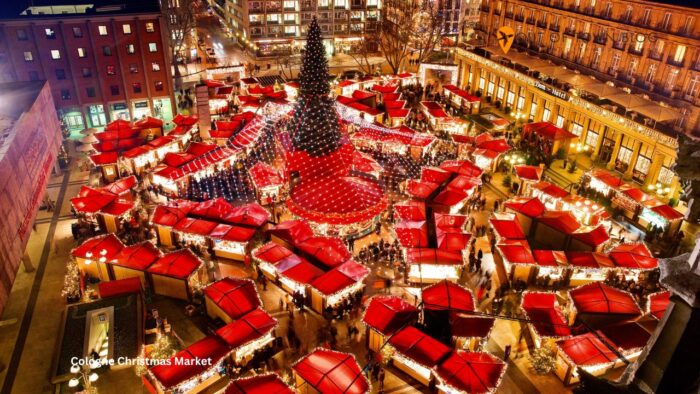
Cologne’s Christmas market at Roncalliplatz sits beside Cologne Cathedral, one of the city’s most recognizable landmarks. The cathedral’s Gothic architecture creates a dramatic setting for rows of festive stalls and a large decorated Christmas tree.
Visitors can shop for ornaments, handcrafted gifts, and seasonal treats while enjoying live performances and family activities. The city’s wider Christmas program includes several markets, each with its own character.
The market is centrally located near Cologne’s main railway station, making it convenient for travelers arriving by train. Admission to the cathedral market is generally free, although purchases, rides, and some activities cost extra.
What to see and do:
- Walk through the stalls beneath the illuminated canopy.
- Explore Cologne Cathedral and its surroundings.
- Sample German sausages, baked goods, and seasonal drinks.
- Visit other Christmas markets in the Old Town.
- Explore the Rhine waterfront and Cologne’s museums.
Best for: First-time visitors, families, architecture enthusiasts, and travelers planning a city break.
Suggested time: One to two days.
4. Munich Christmas Market at Marienplatz
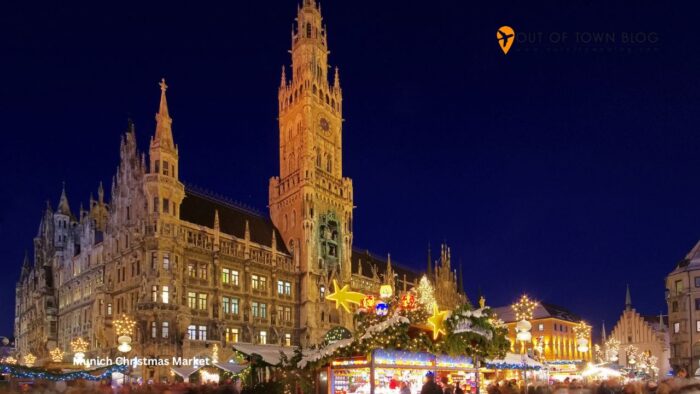
Munich’s traditional Christmas market takes place in the city’s central Marienplatz, close to the historic New Town Hall. The market offers a classic Bavarian setting, with stalls selling regional food, Christmas ornaments, and seasonal gifts.
Munich is also a useful base for travelers who want to combine Christmas markets with museums, historic churches, shopping streets, and day trips around Bavaria.
What to see and do:
- Browse the traditional market at Marienplatz.
- Try Bavarian sausages, roasted almonds, and gingerbread.
- Visit the city’s historic center.
- Explore additional seasonal markets around Munich.
- Plan a separate day trip to nearby towns or winter destinations if weather and transport schedules permit.
Best for: Travelers who want a large city with Christmas markets, restaurants, museums, and shopping.
Suggested time: Two to three days.
5. Erfurt Christmas Market
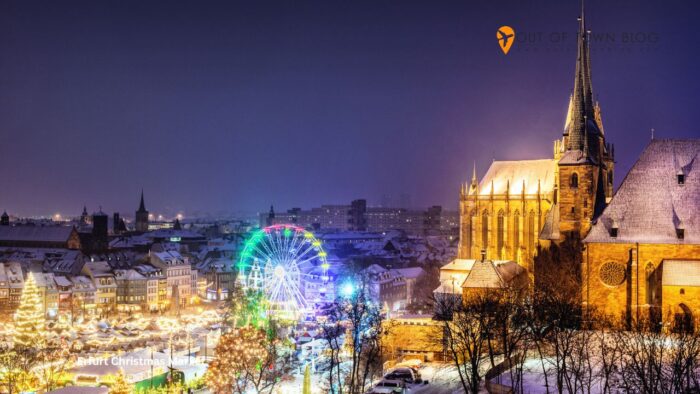
Erfurt offers a festive experience in a historic setting, with its main Christmas market spread across Domplatz in front of the city’s cathedral and Severikirche.
The market’s mix of architecture, traditional stalls, food, and seasonal attractions makes it an appealing alternative to Germany’s busiest Christmas destinations. Its location also makes it easy to combine market visits with walks through Erfurt’s Old Town.
What to see and do:
- Explore Domplatz and its historic surroundings.
- Browse stalls selling seasonal gifts and regional products.
- Sample Thuringian specialties.
- Visit the Krämerbrücke, a historic bridge lined with shops and houses.
- Enjoy the city’s traditional architecture and quieter streets away from the main market.
Best for: Couples, photographers, culture-focused travelers, and visitors seeking a historic city atmosphere.
Suggested time: One to two days.
6. Leipzig Christmas Market
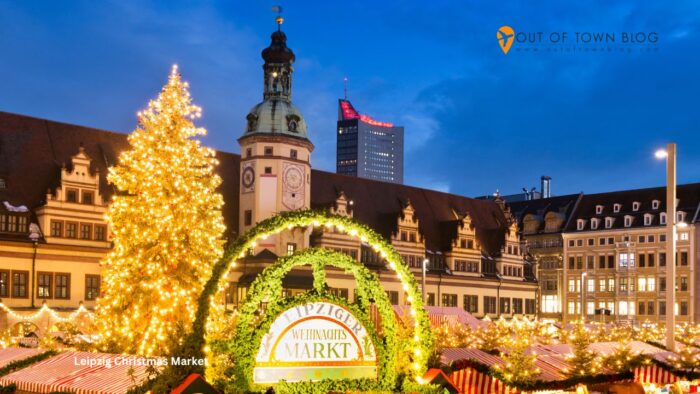
Leipzig’s Christmas market spans several central locations, including the Old Town Hall and market square. With its mix of traditional stalls, international food, seasonal entertainment, and shopping, it’s a practical destination for a winter city break.
The city is also known for its musical heritage and cultural attractions, giving visitors plenty to do beyond Christmas shopping.
What to see and do:
- Explore the main market square and surrounding stalls.
- Visit Leipzig’s historic churches and cultural landmarks.
- Shop for handmade gifts and festive decorations.
- Sample regional specialties.
- Check the seasonal events program for concerts and family activities.
Best for: Culture lovers, music enthusiasts, solo travelers, and visitors who want markets alongside city attractions.
Suggested time: One to two days.
7. Stuttgart Christmas Market
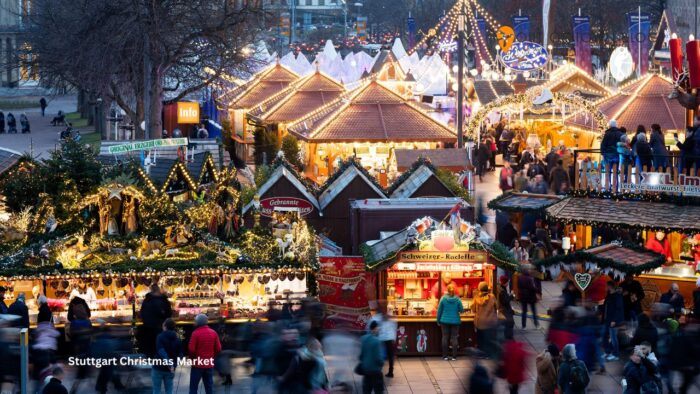
Stuttgart’s Christmas market spreads through the city’s central squares, with decorated stalls, seasonal food, and festive displays. It is a convenient choice for travelers who want to combine market visits with shopping and museums.
The surrounding region also offers day trips to historic towns and wine-growing areas. Check transport schedules before planning winter excursions.
What to see and do:
- Browse the market stalls in the city center.
- Shop for Christmas ornaments and locally made gifts.
- Try Swabian food specialties.
- Explore Stuttgart’s museums and shopping districts.
- Consider a day trip to a nearby historic town.
Best for: Shoppers, families, and travelers planning a broader itinerary in southwest Germany.
Suggested time: One to two days.
8. Rothenburg ob der Tauber’s Reiterlesmarkt
Rothenburg ob der Tauber is a small Bavarian town known for its medieval walls, timber-framed houses, and historic streets. Its Reiterlesmarkt fits naturally into the town’s traditional architecture.
The compact setting makes the market particularly appealing to visitors who prefer smaller destinations over major city crowds. Combine a market visit with a walk along the town walls and exploration of the historic center.
What to see and do:
- Walk through the medieval Old Town.
- Browse seasonal stalls and traditional gift shops.
- Visit the town’s Christmas Museum and check its current opening hours.
- Sample Franconian specialties and seasonal baked goods.
- Photograph the historic streets after dark.
Best for: Couples, photographers, history enthusiasts, and travelers seeking a smaller-town Christmas experience.
Suggested time: One full day or an overnight stay.
9. Aachen Christmas Market
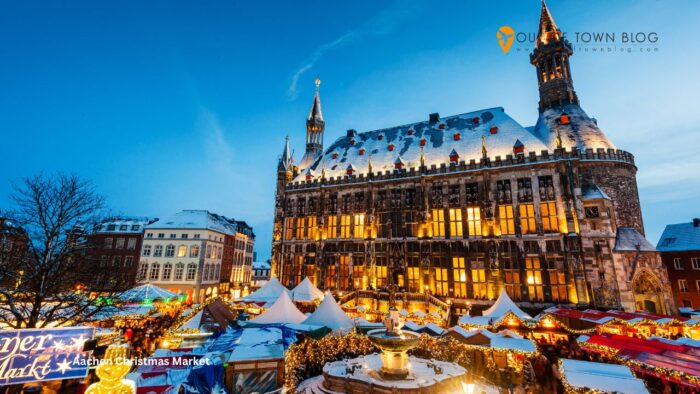
Aachen’s Christmas market takes place around the cathedral and historic town hall, creating a festive route through the city’s central streets.
The city is known for Aachener Printen, a traditional spiced baked specialty that makes an excellent edible souvenir. Its location in western Germany also makes Aachen a possible addition to a route through Cologne and nearby destinations.
What to see and do:
- Explore the market around Aachen Cathedral and the town hall.
- Sample Aachener Printen.
- Browse local crafts and Christmas gifts.
- Walk through the historic center.
- Combine the visit with Cologne or another nearby city if transport connections suit your schedule.
Best for: Food lovers, history enthusiasts, couples, and travelers exploring western Germany.
Suggested time: One day.
10. Smaller Christmas Markets Worth Exploring
Germany has many other seasonal markets worth considering. Rather than visiting only the most famous destinations, add a smaller market to your itinerary for a different pace and a closer look at local traditions.
Consider these options:
- Lübeck: Explore a historic northern German city known for its medieval center and marzipan.
- Freiburg: Visit a Black Forest market and explore the city’s historic streets.
- Trier: Combine Christmas shopping with Roman history and historic architecture.
- Ravensburg: Discover a traditional market in a southern German town with a medieval center.
- Regensburg: Explore a historic city on the Danube and look for seasonal markets in its Old Town and castle settings.
Market locations, opening dates, and programs change each year. Check the relevant city tourism website before booking accommodation or planning a day trip.
When Do Christmas Markets in Germany Open?
Most German Christmas markets open in the second half of November or near the beginning of Advent. Many close on December 23 or 24, although selected winter markets continue after Christmas.
The exact dates depend on the city and organizer. Some markets also close on specific public or religious observances.
Best time to visit
Late November: A good choice for travelers who want to experience the opening period and festive decorations. Some markets may be less crowded on weekdays, depending on the destination.
Early to mid-December: Usually the best overall period for a Christmas market trip. Most major markets are operating, seasonal entertainment is underway, and the atmosphere is festive.
The week before Christmas: Expect strong demand, especially on weekends. Book accommodation and train tickets early, and check the final operating dates of every market on your itinerary.
December 24 to 26: Many markets close early on Christmas Eve or do not operate on Christmas Day and December 26. Restaurants, shops, and attractions may also have reduced hours.
After Christmas: Choose destinations with markets specifically scheduled to continue into late December or January. Don’t assume a major Christmas market will remain open after December 24.
How to check market dates
Use official city tourism websites and individual market pages. For example, Nuremberg’s official tourism information publishes market dates and opening hours, while Dresden’s tourism site lists its main Striezelmarkt and additional seasonal events.
Treat previous-season dates as a planning reference only. Always verify the schedule for your travel year.
How Much Does It Cost to Visit Christmas Markets in Germany?
Many traditional German Christmas markets are free to enter. Your main expenses will usually be transportation, accommodation, meals, shopping, and paid attractions.
Prices vary by destination, season, and spending habits. Major cities and weekends tend to be more expensive, especially for accommodation.
Estimated daily budget
The following figures are planning estimates per person, excluding international flights. They are not official market prices and should be updated when you book your trip.
| Expense | Budget traveler | Mid-range traveler |
|---|---|---|
| Accommodation per night | EUR 40 to 80 | EUR 90 to 180 |
| Meals and market food | EUR 20 to 35 | EUR 35 to 60 |
| Local transportation | EUR 5 to 15 | EUR 10 to 25 |
| Attractions and activities | EUR 0 to 15 | EUR 10 to 35 |
| Shopping and souvenirs | EUR 10 to 25 | EUR 20 to 50 |
| Estimated daily total | EUR 75 to 170 | EUR 165 to 350 |
These estimates depend on room-sharing arrangements, hotel availability, and the number of paid activities. Solo travelers may pay more per person for accommodation than couples sharing a room.
How to save money
- Book hotels several months ahead, especially in popular market cities.
- Visit on weekdays when possible.
- Stay near a railway station or public transport stop instead of paying for a hotel beside the main market.
- Set a daily budget for food and souvenirs.
- Use public transportation and compare regional train tickets with individual fares.
- Choose free-entry markets and enjoy the atmosphere without paying for every attraction.
- Travel with a companion and split accommodation costs.
- Compare the total cost of a multi-city rail pass with individual tickets before purchasing.
What to Eat at German Christmas Markets
Food is a major part of the Christmas market experience. Each region has its own specialties, and trying local dishes is an easy way to make your trip more memorable.
Lebkuchen
Lebkuchen is a type of German gingerbread associated with Nuremberg. It often contains honey, nuts, and warm spices, with variations in texture and coating.
Buy a small assortment to sample different varieties or choose packaged gingerbread for gifts.
Nürnberger Rostbratwürste
These small grilled sausages are a Nuremberg specialty. People commonly serve them in a bread roll with mustard or as part of a larger meal.
Dresdner Christstollen
Christstollen is a rich yeast bread made with dried fruit and often nuts or marzipan, finished with powdered sugar. Dresden is particularly associated with this Christmas specialty.
Bratwurst
Bratwurst is a broad category of German sausages. Recipes and serving styles vary by region, so try local versions rather than assuming every market serves the same sausage.
Gebrannte Mandeln
These are almonds coated in caramelized sugar. Their sweet aroma is common at German Christmas markets, and they make an easy snack while walking between stalls.
Reibekuchen and Kartoffelpuffer
These names refer to potato pancakes, usually fried until crisp. Depending on the stall and region, vendors may serve them with applesauce or savory accompaniments.
Stollen, cookies, and other seasonal sweets
Look for regional pastries, cinnamon-flavored baked goods, and Christmas cookies. Local bakeries may sell packaged specialties that travel well as souvenirs.
Glühwein and non-alcoholic drinks
Glühwein is warm spiced wine served in many markets. Non-alcoholic alternatives, often called Kinderpunsch or alcohol-free punch, are useful options for children and travelers who do not drink alcohol.
Hot chocolate and other warm drinks are also widely available.
Practical tip: Many drink stalls charge a deposit for their reusable mugs. You can return the mug for a refund or keep it as a souvenir and forfeit the deposit. Ask about the deposit before ordering.
What to Buy at German Christmas Markets
Christmas markets are good places to shop for locally made products and traditional seasonal decorations.
Popular items include:
- Wooden nutcrackers and figurines.
- Handmade ornaments and nativity figures.
- Candles and candle arches.
- Traditional German Christmas pyramids.
- Local pottery and craft products.
- Gingerbread, stollen, and packaged sweets.
- Wool accessories and winter gifts.
Check whether a product is handmade locally or mass-produced. For authentic regional crafts, ask the seller about the item’s origin and how it was made.
Bring a reusable shopping bag and keep fragile items protected in your luggage. If you plan to buy bulky decorations, check your airline’s baggage allowance before traveling.
How to Get Around Germany During Christmas Market Season
Germany’s railway network makes multi-city Christmas market trips practical. Trains connect many major destinations, and local public transportation can take you from stations to market areas.
Traveling between cities by train
Consider routes that minimize backtracking. For example, Cologne and Aachen work well together in western Germany, while Nuremberg and Munich can be combined on a southern Germany itinerary.
You can also pair Dresden and Leipzig for a trip focused on eastern Germany.
Check journey times, train changes, and ticket conditions before booking. Advance fares may offer savings, but some discounted tickets have restrictions.
Using local public transportation
In major cities, use local trains, trams, buses, and underground services to reach markets and nearby attractions. Many central markets are within walking distance of railway stations or historic city centers.
Check the local transport authority for day tickets, group fares, and route information.
Walking between markets
Some cities host several Christmas markets within the same central area. Wear comfortable shoes and allow extra time for crowds, winter weather, and shopping.
In historic centers, cobblestones and uneven surfaces can make walking more difficult, especially in wet or icy conditions.
Renting a car
A rental car may help if you plan to visit smaller towns or rural destinations that are inconvenient by train. However, city-center parking can be expensive, and traffic restrictions may apply around market areas.
For a first trip focused on major cities, trains and public transportation are often more convenient than driving.
Where to Stay During Christmas Market Season
Accommodation is one of the biggest expenses of a German Christmas market holiday. Demand rises in popular cities during Advent, especially on weekends.
Hotels near the Old Town
Staying near a historic center lets you visit the market early and return after dinner. This is convenient for families and travelers who want to avoid late-night transport.
The trade-off is price. Hotels beside famous markets can sell out early.
Hotels near railway stations
Station-area hotels are useful for multi-city itineraries. They make it easier to arrive with luggage and take early trains to your next destination.
Check the walking distance to the market and the neighborhood’s transport connections before booking.
Apartments and serviced accommodation
Apartments can be practical for families, groups, and digital nomads who need extra space or cooking facilities. Confirm check-in arrangements, cleaning fees, cancellation terms, and whether heating and Wi-Fi are available.
Smaller towns and nearby cities
If accommodation in a famous market city is too expensive, consider staying in a nearby town with reliable rail connections. Compare the full cost of lodging and transport before deciding, since a cheaper hotel can become less economical if daily travel takes too long.
What Is the Weather Like in Germany During Christmas Market Season?
Late November and December are winter months in Germany. Temperatures vary by region, but travelers should prepare for cold weather, short daylight hours, rain, wind, and occasional snow.
Snow is possible, but it is not guaranteed. A Christmas market trip can be enjoyable without snowfall, so don’t plan your holiday around the promise of a white Christmas.
What to pack
Bring the following essentials:
- A warm winter coat.
- Thermal layers and comfortable sweaters.
- A scarf, gloves, and a warm hat.
- Waterproof walking shoes with good grip.
- Thick socks.
- An umbrella or waterproof jacket.
- A small day bag for purchases and personal items.
- A power bank for your phone and camera.
- Any required medication and travel documents.
Layering works well because outdoor markets can be cold, while trains, museums, restaurants, and shops are heated.
For travelers coming from the Philippines, the temperature difference can be significant. Wear your warmest layers when visiting outdoor markets, and avoid packing only lightweight tropical clothing.
Suggested Germany Christmas Market Itineraries
Five-day itinerary: A first Christmas market trip
Day 1: Arrive in Munich
Settle into your accommodation, explore the historic center, and visit the Christmas market at Marienplatz.
Day 2: Munich
Spend the day exploring Munich’s markets, museums, shops, and historic attractions.
Day 3: Travel to Nuremberg
Take a train to Nuremberg. Visit the Christkindlesmarkt, sample local food, and explore the Old Town.
Day 4: Nuremberg
Spend more time browsing market stalls, visiting the Imperial Castle, and shopping for traditional crafts.
Day 5: Departure
Enjoy breakfast and a final walk before traveling to your departure airport or next destination.
This itinerary works best if you fly into Munich and arrange your departure around your final destination. Check flight options before booking your rail tickets.
Seven-day itinerary: Cologne, Aachen, and Nuremberg
Day 1: Arrive in Cologne
Visit the cathedral area and explore the main Christmas market.
Day 2: Cologne
Explore additional markets, the Rhine waterfront, and the city’s cultural attractions.
Day 3: Day trip to Aachen
Travel to Aachen for its Christmas market, historic center, and regional food.
Day 4: Travel to Nuremberg
Take a train to Nuremberg. Depending on your arrival time, enjoy an evening visit to the market.
Day 5: Nuremberg
Explore the Christkindlesmarkt and the Old Town.
Day 6: Nuremberg
Enjoy a slower day for shopping, food, museums, or the children’s market.
Day 7: Departure
Travel to your chosen airport or continue to another German destination.
This itinerary includes travel between western and southern Germany. Check train connections and consider whether a flight from a different city would save time or money.
Ten-day itinerary: A broader Christmas market tour
Days 1 and 2: Cologne
Explore the cathedral market, other city markets, and the Rhine waterfront.
Day 3: Aachen
Visit the market and historic center.
Days 4 and 5: Nuremberg
Explore the Christkindlesmarkt, regional food, and historic attractions.
Days 6 and 7: Dresden
Visit the Striezelmarkt, explore Dresden’s Old Town, and sample local Christmas specialties.
Days 8 and 9: Leipzig
Explore the Christmas market, museums, and musical heritage.
Day 10: Departure
Travel to the airport or continue to another destination.
This route covers several distinct regions, but it requires intercity train travel. Compare journey times and fares before committing to the sequence. If you prefer a slower trip, remove one destination and spend extra time in the remaining cities.
Christmas Markets in Germany for Filipino Travelers
A trip to Germany’s Christmas markets requires additional planning for travelers departing from the Philippines. Start with visa requirements, international flights, travel insurance, and winter clothing.
Schengen visa requirements for Filipinos
Filipino passport holders generally need a Schengen short-stay visa to visit Germany for tourism. The visa allows eligible travelers to visit participating Schengen countries for short stays, subject to the conditions and validity of the visa granted.
Apply through the appropriate diplomatic mission based on your main destination. If Germany is your main destination, consult the official visa guidance from the German Embassy in Manila.
Typical application requirements include a valid passport, completed application form, travel itinerary, accommodation details, evidence of sufficient funds, supporting documents showing your circumstances in the Philippines, and compliant travel medical insurance. Requirements may change, and officials may request additional documents.
Start preparing early. Appointment availability and processing times vary, so check current instructions before making non-refundable bookings.
Flights from the Philippines to Germany
Compare flights departing from Manila or Cebu, depending on your location and preferred airline. Depending on the route, you may connect through major hubs in Asia or the Middle East before arriving in Germany.
Frankfurt and Munich are common options, but the best arrival airport depends on your itinerary. If you plan to visit Cologne, also compare flights into Düsseldorf or Frankfurt.
Check total travel time, baggage allowances, connection requirements, and arrival times. A slightly more expensive ticket may be worthwhile if it reduces overnight layovers or makes your train itinerary easier.
Travel insurance
Travel medical insurance is an important part of a trip to Germany. For a Schengen visa application, the policy must satisfy the applicable requirements for medical emergencies, hospitalization, and repatriation.
Review the policy’s medical coverage, exclusions, deductibles, and emergency assistance arrangements. If you plan to participate in winter sports or other activities, verify whether the policy covers them.
Money and payments
Germany uses the euro (EUR). Carry a payment card and some cash for small purchases, but check whether your bank charges foreign transaction or ATM withdrawal fees.
Some market stalls accept cards, while others may prefer cash. Keep small euro notes and coins on hand for food, drinks, and other purchases.
Winter clothing for travelers from the Philippines
Pack a proper winter coat, thermal base layers, gloves, a scarf, a hat, and waterproof shoes. If needed, buy or borrow appropriate cold-weather clothing before departure.
Check the forecast shortly before leaving and prepare for cold rain, even if snow isn’t expected.
Money-saving tips for Filipinos
- Book international flights and accommodation early.
- Compare round-trip flights with open-jaw itineraries that arrive in one city and depart from another.
- Choose accommodation near public transportation.
- Use trains for major cities and compare ticket options.
- Share accommodation with a travel companion when practical.
- Set a souvenir budget before visiting markets.
- Check foreign transaction fees and currency conversion rates.
- Allow extra funds for winter clothing, baggage, and unexpected travel changes.
Responsible and Sustainable Travel at German Christmas Markets
Christmas markets can support local craftspeople, food producers, and seasonal businesses. Travelers can help preserve these traditions by making thoughtful purchasing decisions and respecting local communities.
When possible, choose locally produced goods, use reusable shopping bags, and follow waste-sorting instructions. Bring a reusable bottle where practical, but check local rules and venue facilities.
Use public transportation when convenient and avoid blocking busy walkways while taking photographs. Ask permission before photographing vendors or close-up images of individuals.
Respect residential areas near smaller markets, especially in the evening. Follow market safety instructions and keep children close in crowded spaces.
Frequently Asked Questions About Christmas Markets in Germany
1. What is the best Christmas market in Germany?
The best market depends on your interests. Nuremberg is a strong choice for traditional crafts, gingerbread, and a classic Christmas market setting. Dresden is known for its historic Striezelmarkt and Christmas stollen, while Cologne offers a spectacular location beside its cathedral. Munich suits travelers who want markets alongside museums, shopping, and Bavarian food. First-time visitors should choose destinations based on travel time, accommodation costs, and the other attractions they want to experience.
2. When is the best time to visit Christmas markets in Germany?
Early to mid-December is often a good period because most major markets are open and the festive season is underway. Late November can be attractive for travelers who want to visit near the opening period. Weekdays may be less crowded than weekends, although crowd levels vary. Before booking, confirm the market’s dates for your intended travel year. Many markets close shortly before Christmas, and December 24 to 26 can have limited operating hours.
3. Are Christmas markets in Germany free to enter?
Many major German Christmas markets are free to enter, including well-known city-center markets. However, individual attractions such as ice-skating, rides, workshops, concerts, or special exhibitions may charge fees. Also budget for food, drinks, gifts, and any refundable mug deposits. Smaller specialty events may have different admission rules, so check the official market website before visiting. Free admission lets you enjoy the decorations and atmosphere even if you don’t plan to shop extensively.
4. How many days do I need to visit Christmas markets in Germany?
A short trip of three to five days can cover one or two cities, while seven to ten days allows you to explore several regions. Spend at least one full day in a major destination if you want to visit its market, historic center, and other attractions. Add extra time if you prefer leisurely shopping, museums, or day trips. Travel between distant cities can take several hours, so avoid scheduling too many markets on consecutive days.
5. What food should I try at German Christmas markets?
Try regional specialties such as Nuremberg gingerbread, grilled bratwurst, roasted almonds, potato pancakes, and Dresden’s traditional Christstollen. Many markets also sell waffles, pastries, roasted chestnuts, and other seasonal snacks. Glühwein is a popular hot spiced wine, while non-alcoholic punch and hot chocolate are common alternatives. Food varies by region, so use your itinerary to discover local dishes rather than eating the same items at every stop. Check ingredient information if you have allergies or dietary restrictions.
6. Do Filipinos need a visa to visit Christmas markets in Germany?
Filipino passport holders generally need a Schengen short-stay visa to visit Germany as a tourist. Applicants should consult the German Embassy in Manila for current requirements, the application process, appointment availability, fees, and required documents. The application typically involves a valid passport, itinerary, accommodation information, proof of financial means, and compliant travel medical insurance. Apply through the correct diplomatic mission based on your main destination. Do not rely on old checklists or processing estimates, since procedures and appointment availability can change.
7. How do I travel between Christmas markets in Germany?
Trains are a practical way to connect major German cities. You can combine destinations such as Cologne and Aachen, Nuremberg and Munich, or Dresden and Leipzig, depending on your schedule. Local trains, trams, buses, and underground services make it easier to reach city-centre markets. Book popular intercity journeys in advance when suitable fares are available, and compare ticket restrictions before paying. For smaller towns, check whether public transportation runs frequently enough for a day trip or whether an overnight stay makes more sense.
8. Is Germany expensive during Christmas market season?
Germany can be expensive during the Advent season, particularly in popular destinations on weekends. Accommodation often accounts for a large share of the budget, while food, transport, and shopping add to the total. Many markets are free to enter, so you can control spending by setting a daily allowance for food and souvenirs. Book accommodation early, compare train fares, and consider nearby towns with good transport links. Your final budget will depend on your accommodation arrangements, how many cities you visit, and the attractions you choose.
9. Does it snow at Christmas markets in Germany?
Snow is possible during the Christmas market season, but it is never guaranteed. Weather varies by region and year, and many cities get cold rain or dry winter weather instead. Travelers should pack for low temperatures, wind, and wet streets rather than relying on snow forecasts made months in advance. Waterproof shoes, warm layers, gloves, and a winter coat will make outdoor visits more comfortable. Check local forecasts shortly before departure and keep your itinerary flexible if severe weather affects transportation.
10. What should I wear to German Christmas markets?
Wear a warm winter coat over layers, along with thermal clothing, a scarf, gloves, a hat, and comfortable waterproof shoes. You may spend several hours outdoors, often standing while eating or browsing stalls. Temperatures can feel colder at night, and historic streets may be wet or slippery. Layering helps because trains, restaurants, and museums are usually heated. Travelers arriving from tropical countries should prepare carefully and avoid relying on lightweight jackets alone.
11. Can I visit German Christmas markets with children?
Yes. Many markets welcome families and include carousels, children’s rides, craft activities, seasonal performances, and child-friendly food. Nuremberg is especially worth considering because it has a dedicated Children’s Christmas area. Choose accommodation within easy reach of the market, and plan indoor breaks when the weather is cold. Crowds can get heavy in the evenings and on weekends, so set a meeting point and keep children close. Check individual market programs for age recommendations, opening hours, and available family activities.
12. Are German Christmas markets suitable for solo travelers and digital nomads?
Yes. Christmas markets are easy to explore independently, and major cities offer museums, cafés, public transportation, and cultural attractions beyond the stalls. Solo travelers can choose a centrally located hotel or hostel, visit markets during the day, and return in the evening. Digital nomads should check accommodation Wi-Fi, workspace availability, and cancellation policies before booking. Keep in mind that markets are seasonal outdoor attractions and not a reliable work environment. Plan work hours around daylight, transport schedules, and the opening times of the markets you want to visit.
Plan Your Germany Christmas Market Trip
Germany’s Christmas markets offer regional food, handmade crafts, historic architecture, and seasonal traditions. Nuremberg and Dresden are excellent choices for heritage-focused travelers; Cologne offers a striking cathedral setting, and cities such as Erfurt, Leipzig, and Aachen provide additional options for a varied itinerary.
Plan your trip around the markets that interest you most, confirm opening dates through official tourism websites, and book transportation and accommodation early. Filipino travelers should pay particular attention to visa preparation, travel insurance, winter clothing, and international flight arrangements.
With a practical itinerary and a realistic budget, you can enjoy Germany’s Christmas market season at your own pace, whether you are traveling with family, exploring as a couple, taking a solo holiday, or combining winter travel with remote work.
Follow and subscribe to OutofTownBlog.com on Facebook, Twitter, Instagram, and Team Out of Town on YouTube for more Tacloban Tourist Spots.
Read:
- Top 10 Best Things to Do in Dortmund, Germany
- Top 10 Best Things to Do in Essen, Germany
- 10 of the Most Beautiful Destinations to Visit In Germany