

 Team Out of Town
12 Essential Tips for First-Timers in Berlin, Germany (Save Money, Avoid Mistakes & Explore Like a Local)
Berlin is one of Europe’s most fascinating capitals, blending rich history, cutting-edge creativity, world-class museums, and vibrant nightlife into a city unlike any other. From the remains of the Berlin Wall to trendy neighborhoods filled with cafés, street art, and local markets, Berlin offers countless experiences for first-time visitors. However, the city can feel overwhelming due to its size, extensive public transportation network, and unique local customs.

Essential Tips for First-Timers in Berlin
Whether you’re planning a weekend city break or a longer European adventure, understanding how Berlin works can help you save money, avoid common tourist mistakes, and make the most of your visit. From transportation hacks and accommodation strategies to cultural etiquette and dining tips, these practical recommendations will help you enjoy Berlin like a seasoned traveler.
Here are 12 essential tips every first-time visitor should know before arriving in Germany’s dynamic capital.
1. Buy a Public Transportation Pass Instead of Individual Tickets

Berlin’s public transportation system is one of the best in Europe. The city’s U-Bahn (subway), S-Bahn (urban trains), trams, and buses connect virtually every neighborhood and attraction. For first-time visitors, purchasing a transportation pass is almost always cheaper than buying individual tickets throughout your trip.
Many travelers underestimate how large Berlin is. Attractions such as the Brandenburg Gate, East Side Gallery, Museum Island, Charlottenburg Palace, and Tempelhof Airport are spread across different districts. Walking between major sights is often impractical, making public transport essential.
Consider purchasing a 24-hour, 48-hour, or multi-day pass depending on your itinerary. Most tourist attractions fall within Zones A and B, meaning you generally won’t need a more expensive airport-inclusive ticket after arriving in the city center.
Berlin also operates on an honor system. There are no ticket barriers at many stations, but inspectors conduct random checks. Riding without a valid ticket can result in substantial fines.
Using public transportation not only saves money but also lets you experience Berlin like a local while avoiding expensive taxi and ride-hailing costs.
2. Stay in the Right Neighborhood for Your Travel Style
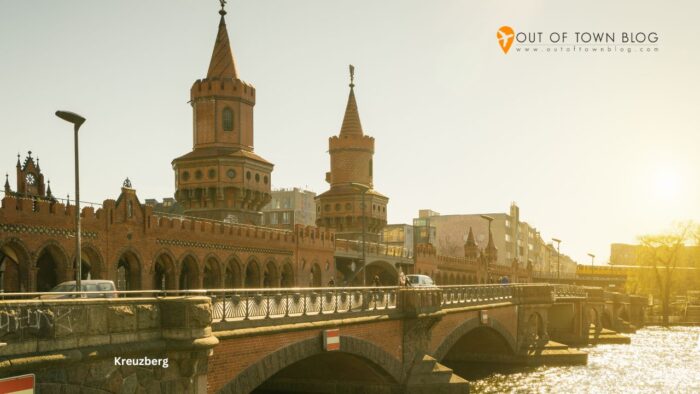
Choosing the right neighborhood can dramatically improve your Berlin experience. First-time visitors often focus solely on finding the cheapest hotel, only to end up spending more time and money commuting around the city.
Mitte is ideal for travelers interested in history, museums, and major landmarks. Staying here places you near many of Berlin’s most famous attractions and transportation hubs.
Kreuzberg attracts food lovers, creatives, and nightlife enthusiasts. The area offers a multicultural atmosphere, excellent street food, and vibrant evening entertainment.
Prenzlauer Berg is perfect for families and travelers seeking a quieter environment. The neighborhood features beautiful streets, parks, cafés, and a relaxed local vibe.
Friedrichshain appeals to younger travelers looking for nightlife, music venues, and alternative culture.
While accommodations in central districts may cost slightly more, the savings on transportation and travel time often outweigh the difference. Booking accommodations near an S-Bahn or U-Bahn station is especially valuable.
Researching neighborhoods before booking can help ensure your hotel matches your interests, making your Berlin adventure more enjoyable and cost-effective from the very beginning.
3. Visit Museums on Discount Days and Use Museum Passes

Berlin is home to some of Europe’s finest museums, but admission costs can add up quickly if you visit multiple sites during your stay. Smart travelers can save significant money by planning museum visits strategically.
Museum Island alone contains several world-renowned institutions showcasing art, archaeology, and cultural treasures from around the world. Instead of purchasing separate tickets, consider a museum pass if you plan to visit multiple attractions.
Many museums offer discounted evening admissions, student rates, family tickets, or special promotions throughout the year. Checking museum schedules before your trip can help you identify opportunities to reduce costs.
Start your sightseeing early in the day to maximize your ticket value. Larger museums often require several hours to fully explore.
Combining museums with nearby attractions can also reduce transportation expenses. For example, Museum Island is conveniently located near Berlin Cathedral, Unter den Linden, and the River Spree.
Travelers who budget carefully often discover they can visit several top cultural attractions for less than the cost of a single guided tour. Planning ahead allows you to enjoy Berlin’s remarkable cultural heritage without exceeding your travel budget.
4. Carry Cash Alongside Your Credit Cards
Germany remains more cash-oriented than many other European countries. While credit and debit card acceptance continues to improve, first-time visitors are often surprised to discover that some cafés, small restaurants, bakeries, and local shops still prefer cash payments.
Carrying a reasonable amount of euros can help avoid awkward situations when your card isn’t accepted. Small purchases, market stalls, and neighborhood eateries are particularly likely to favor cash transactions.
Avoid exchanging large amounts of currency at airport exchange counters, where rates are often less favorable. Instead, use bank-affiliated ATMs after arriving in the city.
Keeping a combination of cards and cash provides flexibility and security. Store backup payment methods separately in case of loss or theft.
Many Berlin flea markets and local events also operate primarily with cash vendors. Having euros readily available allows you to take advantage of spontaneous shopping opportunities without having to search for an ATM.
A practical strategy is to carry enough cash for daily meals, transportation emergencies, and small purchases, while using cards for hotels and larger expenses. This balance minimizes fees while ensuring you’re prepared for Berlin’s still-evolving payment landscape.
5. Take Advantage of Berlin’s Free Attractions

One of Berlin’s greatest advantages for budget-conscious travelers is the abundance of free attractions. Unlike many major European capitals, Berlin offers numerous iconic landmarks that can be enjoyed without spending a euro.
Walking through the Brandenburg Gate, exploring the Memorial to the Murdered Jews of Europe, viewing sections of the Berlin Wall, and visiting the East Side Gallery are all free experiences.
The city also features beautiful parks, public squares, and riverside promenades. Tempelhofer Feld, a former airport transformed into a public recreational area, provides a unique glimpse into Berlin’s creative urban culture.
Many neighborhoods are attractions in themselves. Kreuzberg, Neukölln, and Prenzlauer Berg offer fascinating architecture, street art, and local culture that cost nothing to explore.
Self-guided walking tours can replace expensive group tours while allowing greater flexibility. Downloading maps and researching routes before your trip can further reduce costs.
Combining paid attractions with free experiences creates a balanced itinerary that maximizes value. Many visitors discover that some of their favorite Berlin memories come from simply wandering the city’s diverse neighborhoods and soaking in its distinctive atmosphere.
6. Book Popular Attractions and Tours in Advance
Berlin receives millions of visitors annually, especially during the summer and holiday seasons. Popular attractions frequently experience long queues, and waiting in line can consume valuable sightseeing time.
Booking tickets online in advance often provides both convenience and savings. Early reservations can secure better prices and guarantee entry during peak travel periods.
This is particularly important for popular museums, historical sites, and guided experiences. Advance booking also allows travelers to organize efficient sightseeing routes and avoid unnecessary transportation expenses.
Many attractions offer timed-entry tickets, significantly reducing wait times. The hours saved can be used to explore additional neighborhoods, cafés, or cultural sites.
If your schedule is flexible, consider visiting major attractions on weekdays or early in the morning, when crowds are smaller.
Travelers frequently underestimate how much time they can lose standing in line. Planning ahead not only improves your experience but can also reduce overall trip costs by helping you make better use of each day in the city.
7. Eat Like a Local Instead of Dining Only in Tourist Areas
Berlin offers excellent food at nearly every budget level. However, restaurants located directly beside major tourist attractions often charge higher prices while delivering average dining experiences.
Venturing a few streets away from major landmarks can reveal authentic local restaurants, Turkish eateries, Vietnamese cafés, and international food spots offering better value.
Berlin’s famous street food scene provides affordable meal options for travelers seeking quick, delicious lunches. Local markets and food halls also showcase the city’s diverse culinary influences.
Lunch specials are often cheaper than dinner menus. Planning your main meal during midday can significantly reduce food expenses throughout your trip.
Supermarkets are another overlooked money-saving resource. Fresh pastries, sandwiches, fruit, and drinks are widely available at reasonable prices.
Dining where locals eat not only saves money but also provides a more authentic understanding of Berlin’s multicultural identity. Many of the city’s most memorable meals are found in neighborhood establishments rather than heavily promoted tourist restaurants.
8. Learn Basic German Phrases Before Arriving
Berlin is highly international, and many residents speak English. Nevertheless, learning a few basic German phrases demonstrates respect and often leads to friendlier interactions.
Simple expressions such as greetings, thank you, excuse me, and please can make everyday situations easier. Hotel staff, restaurant employees, and shop owners generally appreciate visitors who make an effort to communicate in German.
Basic language skills become particularly useful when navigating local markets, neighborhood businesses, or transportation systems outside tourist-heavy areas.
Language preparation can also reduce travel stress. Understanding common signs, menu terms, and transportation announcements helps travelers move around the city more confidently.
Numerous free language-learning apps make it easy to learn essential phrases before departure.
Even if your pronunciation isn’t perfect, most Berliners appreciate the attempt. Small efforts often foster positive interactions and enhance the overall travel experience, helping visitors connect more deeply with local culture.
9. Use Berlin’s Extensive Cycling Infrastructure

Berlin is one of Europe’s most bicycle-friendly cities. Dedicated bike lanes, relatively flat terrain, and widespread rental options make cycling an attractive transportation alternative.
Renting a bicycle can be cheaper than relying exclusively on public transportation, especially during longer stays. It also provides greater flexibility when exploring neighborhoods and parks.
Cycling allows visitors to discover hidden corners of the city that may be overlooked when traveling by train underground. Many travelers find that Berlin’s street art, architecture, and local culture are best appreciated at bicycle speed.
Always follow local cycling rules and remain aware of designated bike lanes. Pedestrians accidentally walking into bike paths are a common source of confusion for first-time visitors.
Combining cycling with public transportation offers an efficient way to cover larger distances while maintaining travel flexibility.
For travelers seeking both savings and memorable experiences, spending a day exploring Berlin by bicycle can become one of the highlights of the entire trip.
10. Be Prepared for Sunday Closures
One of the biggest surprises for first-time visitors is Germany’s tradition of Sunday closures. Many supermarkets, pharmacies, retail stores, and shopping centers remain closed on Sundays.
Travelers who fail to prepare may find themselves unable to purchase groceries, toiletries, or other necessities when needed.
Plan ahead by purchasing snacks, drinks, and essentials on Saturday. Transportation services, restaurants, museums, and tourist attractions generally continue operating, but shopping options become significantly more limited.
Train stations and airports often have convenience stores that remain open, though prices may be higher than at regular supermarkets.
Rather than viewing Sunday closures as an inconvenience, many travelers use the day to explore parks, museums, historical sites, and local neighborhoods.
Understanding this cultural practice in advance can prevent frustration and help you organize your itinerary more effectively while avoiding unnecessary last-minute expenses.
11. Respect Berlin’s Historical Significance
Berlin’s modern identity is deeply connected to its complex history. From World War II to Cold War division and reunification, the city contains numerous sites of profound historical importance.
Approaching memorials and historical landmarks respectfully is essential. Many locations commemorate tragic events and are intended for reflection and education rather than entertainment.
Taking time to understand the stories behind these places enriches your travel experience and provides valuable context for modern Berlin.
Free walking tours and museum exhibits can help visitors gain deeper insight into the city’s transformation over the past century.
Reading about Berlin’s history before arrival enhances appreciation for landmarks that might otherwise appear ordinary.
Respectful tourism not only honors the city’s past but also creates a more meaningful travel experience, helping visitors connect with Berlin on a deeper level than simple sightseeing alone.
12. Don’t Try to See Everything in One Trip

Berlin is enormous. Many first-time visitors create overly ambitious itineraries packed with attractions, museums, restaurants, and neighborhoods. This often leads to exhaustion and prevents meaningful experiences.
Instead of rushing between dozens of sites, focus on a manageable number of priorities each day. Allow time for spontaneous discoveries, neighborhood exploration, and relaxing breaks.
Berlin rewards slow travel. Some of the city’s best experiences come from sitting in a café, browsing local markets, exploring side streets, or enjoying a park on a sunny afternoon.
Building flexibility into your schedule also accommodates unexpected opportunities such as festivals, street performances, or local recommendations.
Accepting that you won’t see everything during one visit can actually make your trip more enjoyable. Many travelers leave Berlin already planning a return visit because there is always more to discover.
Quality experiences often create stronger memories than long checklists. Taking your time allows you to appreciate the unique atmosphere that makes Berlin one of Europe’s most captivating cities.
Why Visit Berlin?
Berlin is a city that rewards curious, informed, and flexible travelers. By using public transportation wisely, staying in the right neighborhood, taking advantage of free attractions, planning ahead, and embracing local culture, first-time visitors can enjoy an unforgettable experience while keeping costs under control.
Whether you’re exploring historic landmarks, discovering vibrant neighborhoods, sampling international cuisine, or learning about Germany’s fascinating past, these essential Berlin travel tips will help you maximize your budget and minimize common tourist mistakes.
With the right preparation, your first visit to Berlin can become the beginning of a lifelong appreciation for one of Europe’s most exciting and culturally rich destinations.
Berlin Travel and Tour Packages
Want more updates about new package tours and tourist attractions in Berlin, that you can add to your itinerary? Follow the Out of Town Travel Blog on Facebook, Twitter, Instagram, and Pinterest if you want more travel and food-related updates.
Read:
- Berlin Travel Guide: Itinerary, Activities, Best Hotels, and more
- Top 16 Best Things to do in Berlin + Tourist Spots
- Berlin Hotels with the Highest Traveler Ratings


