

 Melo Villareal
Cagsawa Festival Travel Guide: History, Culture, Mayon Views, and Things to Do in Daraga
As a frequent traveler who loves visiting Albay, I find Daraga one of the province’s most interesting places to explore. It has spectacular views of Mayon Volcano, a strong Bicolano identity, and one of the country’s most recognizable historical landmarks, the Cagsawa Ruins.
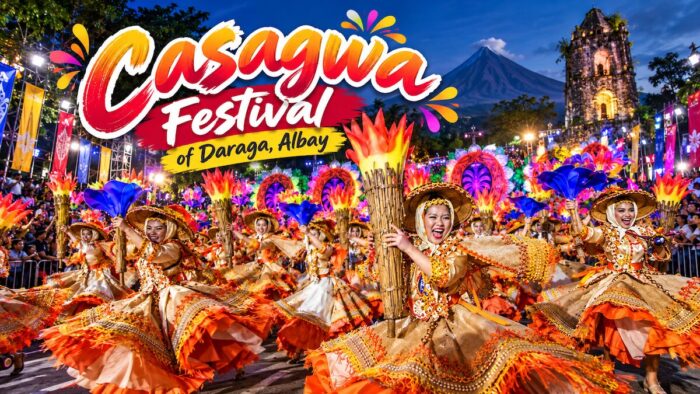
Cagsawa Festival in Daraga, Albay
The Cagsawa Festival brings these elements together. More than a colorful community celebration, it is closely tied to Cagsawa’s story and the devastating February 1, 1814 eruption of Mayon Volcano. The festival celebrates local culture and creativity while remembering a disaster that profoundly shaped Daraga’s history.
What Is the Cagsawa Festival?
The Cagsawa Festival is a cultural festival celebrated in Daraga, Albay. The provincial and municipal governments launched it in 2012, and it has since grown into one of Albay’s major local celebrations. Festival programs have featured cultural presentations, outdoor and sporting activities, culinary events, performances, and visual arts.
The festival is distinctive for its connection to the Cagsawa Ruins. The surviving bell tower stands against Mayon Volcano as a reminder of the communities that have lived for generations in the shadow of an active volcano.
For travelers, this gives the festival a different character from celebrations centered mainly on harvests, patron saints, or local products. Cagsawa Festival combines entertainment with history, heritage, disaster awareness, and community identity.
History of the Cagsawa Festival
The Story of Old Cagsawa
Understanding the festival starts with understanding Cagsawa.
Cagsawa was an established settlement during the Spanish colonial period. The Franciscans built its church in 1724, but the community’s history changed dramatically when Mayon Volcano erupted on February 1, 1814. The eruption destroyed Cagsawa and left the church in ruins.
The bell tower eventually became the most recognizable surviving feature of the old church.
The disaster also influenced the development of nearby Daraga. Daraga Church had already been constructed in the 1770s, and after the 1814 eruption, survivors from Cagsawa relocated to Daraga.
Today, the Cagsawa Ruins remain one of Albay’s best-known heritage attractions.
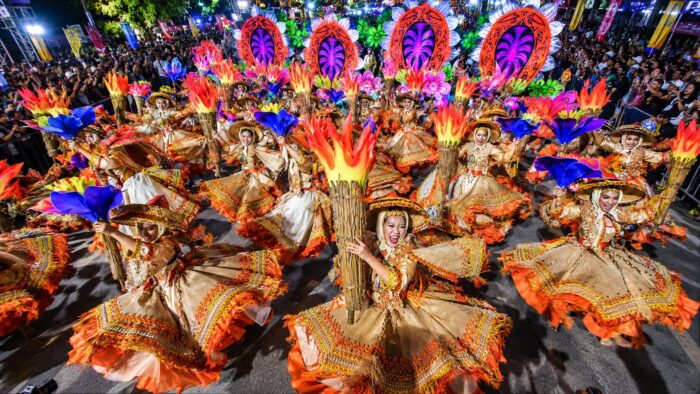
Beginning of the Cagsawa Festival
The first Cagsawa Festival was held in February 2012 to celebrate Daraga’s heritage and history.
The festival became particularly significant in 2014.
That year marked the 200th anniversary of the 1814 Mayon eruption. The commemorative celebration, called Cagsawa Dos Siglos, paid tribute to the resilience of Albayanos while reminding communities of the risks of living near an active volcano and the importance of disaster preparedness.
That historical context gives the festival much of its meaning today.
Things to Do and See During Cagsawa Festival
1. Experience the Cagsawa Ruins

The Cagsawa Ruins should be the centerpiece of your visit.
The famous bell tower, with Mayon Volcano in the background, has become one of Albay’s defining images. Beyond taking photographs, take time to understand what happened here.
The ruins are the remains of the Franciscan church destroyed during Mayon’s 1814 eruption. The surrounding park has since become one of the province’s major tourist destinations.
Visit early in the morning if photography is a priority. Mayon is often easier to see before clouds begin building around its summit.
2. Watch Cultural Performances
Cultural performances are among the activities historically associated with Cagsawa Festival.
Expect presentations that showcase Bicolano music, dance, costumes, history, and community traditions. Previous editions have incorporated heritage through dances and theatrical presentations.
These performances are particularly interesting if you want to understand the festival beyond the usual sightseeing experience.
3. Look for Pintura Cagsawa
One of the festival’s more unusual activities is Pintura Cagsawa.
The event gives artists a platform to explore body painting and body art, adding a contemporary visual element to a festival deeply rooted in history.
The actual lineup varies by edition, so check the current program rather than assuming every historical activity will return each year.
4. Photograph Mayon Volcano
Cagsawa offers one of the classic viewpoints of Mayon Volcano.
The contrast between the old bell tower and Mayon’s symmetrical cone makes this one of the Philippines’ most photographed landscapes.
Morning is usually my preferred time to photograph it. Arriving early also helps you avoid daytime crowds.
5. Try an ATV Adventure

The Cagsawa area also offers ATV activities that take visitors through rugged landscapes around Mayon’s lower slopes and old lava terrain.
Routes, access conditions, operating restrictions, and safety requirements can change, particularly when volcanic activity increases.
Always follow local advisories and never enter restricted areas around Mayon.
6. Explore Daraga Church

Add Daraga Church, formerly known as Nuestra Señora de la Porteria Parish Church, to your itinerary.
The church was built in the 1770s on a hill overlooking the surrounding landscape. Its history became closely tied to Cagsawa when survivors relocated to Daraga after the 1814 eruption.
It also provides another perspective on Mayon and Daraga’s colonial history.
7. Try Bicolano Food
No festival trip to Albay feels complete without a proper Bicolano food trip.
Look for regional favorites such as:
- Bicol Express
- Laing
- Pinangat
- Dinuguan
- Fresh seafood
- Pili nut candies
- Pili pastries
- Sili-based dishes
Coconut milk and chili feature prominently in many Bicolano dishes, although spice levels vary considerably.
8. Shop for Local Products
The Cagsawa area has souvenir stalls where travelers can look for locally made products and pasalubong.
Pili products are among my favorite things to bring home from Albay. You can find pili in candies, pastries, brittle, roasted nuts, and other preparations.
Local handicrafts and Mayon-inspired souvenirs are also common in the area’s tourism trade.
9. Explore More of Daraga
Do not treat Cagsawa as a quick photo stop.
Spend additional time around Daraga. The municipality has heritage sites, local neighborhoods, food establishments, and excellent views of Mayon.
Daraga can also serve as a practical base for exploring Legazpi City and other destinations around Albay.
Sample 3-Day Cagsawa Festival Activity Schedule
This is a sample travel itinerary, not the official festival calendar. Festival dates, venues, competitions, and performances can change each year.
| Day | Morning | Afternoon | Evening |
|---|---|---|---|
| Day 1 | Arrive in Daraga and check in | Visit Daraga Church and explore the town | Attend festival opening activities or cultural performances |
| Day 2 | Sunrise or early morning at Cagsawa Ruins | Festival events, local food trip, or ATV activity | Cultural show, community program, or entertainment event |
| Day 3 | Return to Cagsawa for sightseeing and photography | Pasalubong shopping and nearby Albay attractions | Dinner and departure or overnight stay |
Suggested Day 1: Discover Daraga
Use your first day to get to know the destination.
Visit Daraga Church, explore the town center, try Bicolano food, and attend any scheduled afternoon or evening festival activities.
Avoid packing too many attractions into the first day, particularly if you have traveled overnight from Manila.
Suggested Day 2: Cagsawa Festival Day
Start early at the Cagsawa Ruins.
Take your photos while the temperature is cooler and, hopefully, Mayon’s summit remains visible.
Spend the rest of the day attending scheduled festival events. Depending on the year’s program, you may find cultural presentations, competitions, art activities, sports events, culinary programs, or entertainment.
Suggested Day 3: Explore More of Albay
Use your final morning for another chance to see Mayon if clouds kept you from seeing the volcano clearly on previous days.
Then shop for pasalubong, explore nearby attractions, or continue your journey through Albay.
How to Get to Cagsawa Festival
By Air From Manila
Most travelers flying from Manila arrive at Bicol International Airport in Daraga.
From the airport, take a road trip to your hotel, Daraga town center, or the Cagsawa Ruins area.
Travel time depends on traffic and your exact destination, so leave extra time during festival periods.
By Bus From Metro Manila
Long-distance buses connect Metro Manila with the Albay area.
An overnight bus can be practical if you want to save on airfare and arrive in Bicol the following morning.
Travel times vary according to traffic, weather, road conditions, stops, and the specific service you choose.
By Private Vehicle
Driving from Metro Manila gives you greater flexibility, particularly if your itinerary includes several destinations around Albay.
The drive is long, so plan sufficient rest stops. If several people are traveling together, a private vehicle can make it easier to combine Daraga with Legazpi, Camalig, Guinobatan, and other parts of the province.
Getting Around Daraga
Jeepneys, tricycles, taxis, private vehicles, and other locally available transportation options can help you move around Daraga and neighboring areas.
During major festival activities, allow extra travel time. Streets near venues can become congested, and parking may be more difficult than usual.
If you plan to attend an evening event, arrange your return transportation in advance whenever possible.
Important Cagsawa Festival Travel Tips
Check the Current Festival Schedule
Don’t plan your trip around an old program. Individual events, dates, venues, competitions, and schedules can change every year.
Visit Cagsawa Early
An early start usually means cooler temperatures, fewer visitors, and a better opportunity for unobstructed Mayon views.
Monitor Mayon Volcano Advisories
Mayon is an active volcano. Volcanic conditions can change, and authorities may impose access restrictions around designated danger zones.
Never enter a restricted area simply to get a better photograph.
Prepare for the Sun
Bring sunscreen, sunglasses, a hat, lightweight clothing, and drinking water.
February can still feel hot, especially when you spend extended periods outdoors.
Bring Rain Protection
Weather around Mayon can change quickly. A compact umbrella or lightweight rain jacket is useful even when the morning starts sunny.
Wear Comfortable Shoes
Festival activities can involve a lot of walking and standing. Comfortable shoes are especially important if you plan to combine festival events with Cagsawa sightseeing.
Carry Cash
Bring Philippine pesos for transportation, food stalls, small stores, pasalubong shops, and other establishments where digital or card payments may not always be available.
Respect the Cagsawa Ruins
Remember that Cagsawa is a historical site associated with a major disaster and loss of life. Avoid climbing on protected structures or damaging the ruins for photographs.
Leave Room for Weather Changes
Mayon does not always reveal itself on schedule.
If seeing and photographing the volcano is important to you, give yourself two or three mornings in Albay rather than depending on a single visit.
Frequently Asked Questions About Cagsawa Festival
1. What is the Cagsawa Festival?
The Cagsawa Festival is a cultural celebration in Daraga, Albay that highlights the town’s history, heritage, arts, food, outdoor activities, and connection to Mayon Volcano. First held in 2012, the festival is closely associated with the Cagsawa Ruins and the historical memory of the destructive 1814 Mayon eruption. Previous celebrations have featured cultural performances, sporting activities, culinary events, artistic presentations, and other community programs.
2. When is the Cagsawa Festival celebrated?
Cagsawa Festival has traditionally been associated with February, the month of the historic February 1, 1814 Mayon eruption. The first festival was held in February 2012, while the 2014 Cagsawa Dos Siglos commemoration marked 200 years since the disaster. Individual event dates and programs can vary, so travelers should confirm the current year’s official schedule before finalizing flights and accommodations.
3. Why is the Cagsawa Festival important?
The festival connects contemporary celebrations with one of Albay’s most significant events. Mayon’s 1814 eruption destroyed Cagsawa and dramatically changed the surrounding communities. The festival remembers this history while celebrating Bicolano culture, creativity, resilience, and community life. The 2014 bicentennial celebration emphasized both remembrance and awareness of the ongoing risks of living near an active volcano.
4. What can tourists do during Cagsawa Festival?
Activities depend on the annual program, but previous editions have included cultural presentations, outdoor activities, sports, culinary events, performances, and visual arts. Travelers can combine festival activities with sightseeing at Cagsawa Ruins, Mayon Volcano photography, an ATV experience where permitted, a visit to Daraga Church, Bicolano food trips, and pasalubong shopping. This combination makes it easy to build a two- or three-day Daraga itinerary around the celebration.
5. What happened at Cagsawa Ruins?
The ruins are remnants of the Franciscan Cagsawa Church, which was built in 1724. On February 1, 1814, Mayon Volcano erupted, destroying Cagsawa and surrounding communities. The church’s bell tower became the site’s most recognizable surviving feature and is now one of Albay’s most famous landmarks. The ruins have since become an important historical and tourism site.
6. Can you see Mayon Volcano from Cagsawa Ruins?
Yes. Cagsawa Ruins provides one of the most recognizable perspectives of Mayon Volcano. Visibility isn’t guaranteed because clouds often gather around the volcano. I recommend visiting early in the morning and keeping another morning available as a backup. The bell tower framed against Mayon’s cone is one of the classic photographs travelers try to capture when visiting Albay.
7. How many days should I spend in Daraga for Cagsawa Festival?
Three days is a comfortable starting point. This gives you time to visit Cagsawa Ruins, explore Daraga, attend several festival activities, try Bicolano food, and account for unpredictable Mayon visibility. Add another day if you want to explore Legazpi City or other destinations in Albay. A longer stay also gives you more flexibility if weather disrupts outdoor plans.
8. What should I bring to Cagsawa Festival?
Bring lightweight clothes, comfortable shoes, sunscreen, sunglasses, a hat, a reusable water bottle, a compact umbrella, and a power bank. Photographers should bring a wide-angle lens for Cagsawa and Mayon landscapes, plus enough batteries and storage. Keep some cash for transportation, food, and small purchases. Most importantly, monitor current weather and volcanic advisories because conditions around Mayon can affect sightseeing plans.
Final Travel Notes
What I like about the Cagsawa Festival is how easily it fits into a wider Albay trip. Start the morning watching Mayon emerge behind the Cagsawa bell tower, spend the afternoon enjoying local food and festival activities, then use the next day to explore more of Daraga and nearby destinations.
Cagsawa also reminds visitors that Albay’s most famous landscape has a complicated history. Mayon Volcano is beautiful, but its eruptions have repeatedly shaped the communities surrounding it.
Give yourself at least a few days rather than treating Cagsawa as a quick photo stop. Explore Daraga, eat Bicolano food, learn about what happened in 1814, attend the festival activities available during your visit, and take time to appreciate one of Albay’s most recognizable views.
Follow and subscribe to OutofTownBlog.com on Facebook , Twitter, Instagram, Pinterest, and YouTube for more Travel-related updates.
Read:
- Humba Festival in Ronda, Cebu: History, Things to Do, Schedule, Travel Guide and Tips
- Kabkaban Festival in Carcar, Cebu
- Dagitab Festival in Naga, Cebu
- Tostado Festival in Santander, Cebu
- Palawod Festival in Bantayan, Cebu
- Siloy Festival in Alcoy, Cebu
- Magayon Festival in Legazpi City, Albay
- Butanding Festival in Donsol, Sorsogon