Melo Villareal
Camiguin Celebrates Its Rich Biodiversity at First World Bird Festival
Camiguin is known for its volcanic landscapes, waterfalls, and beautiful coastal scenery. But beyond its popular tourist attractions, the island province is also home to an impressive variety of wildlife, including rare and endemic bird species.
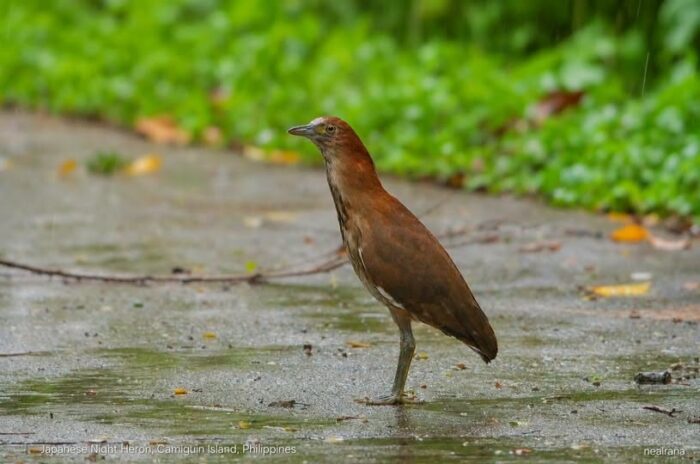
Japanese Night Heron by Neal Rana
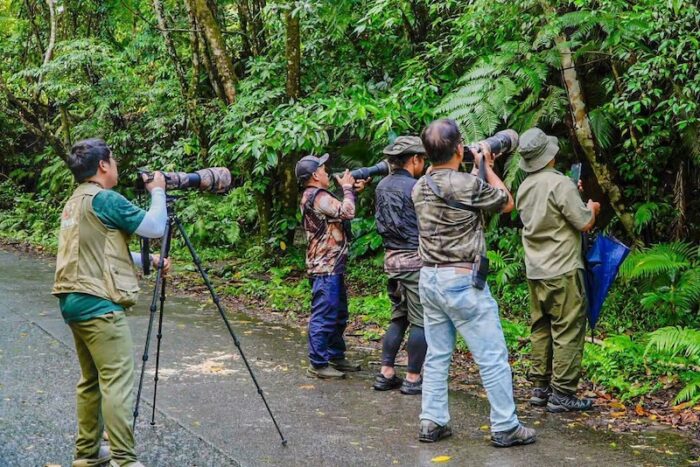
This rich natural heritage took the spotlight during the first Camiguin World Bird Festival, held from November 5 to 7. Organized by the Provincial Government of Camiguin and the Department of Environment and Natural Resources (DENR), the three-day event brought together bird photographers and nature enthusiasts from across the country.
With Sony Philippines as its corporate partner, the festival welcomed 26 professional and hobbyist bird photographers from Luzon, Visayas, and Mindanao. They explored different parts of the island, hoping to capture photographs of Camiguin’s resident and migratory birds in their natural habitats.
For Camiguin, the event was more than just a photography competition. It was also an opportunity to introduce the island as a promising birdwatching destination and encourage more people to appreciate the importance of protecting its natural environment.
Governor Xavier Romualdo said the festival aims to raise awareness about Camiguin’s avian biodiversity while strengthening its position as a destination for birdwatching and nature-based tourism.
He also said the shootfest will become a regular event, reinforcing the province’s commitment to responsible tourism and protecting its natural resources for future generations.
Discovering Camiguin’s Rare and Endemic Birds
The festival gave participants an opportunity to explore some of Camiguin’s most interesting natural habitats. According to DENR data, the photographers documented 65 bird species during the event, including resident and migratory birds.
Many of these species can be found around the Mounts Timpoong-Hibok-Hibok Natural Monument, a 2,228-hectare protected area recognized as an ASEAN Heritage Park in 2015.
Participants visited several locations across the island, including Katibawasan Falls, Sitio Campana, the Provincial Dairy area, Volcano Houses, and the Itum-to-Baylao cross-country road in Mambajao.
In Mahinog, they explored Hubangon village, Benoni Lagoon, and Katunggan Park Mangroves, which provide habitats for migratory birds.
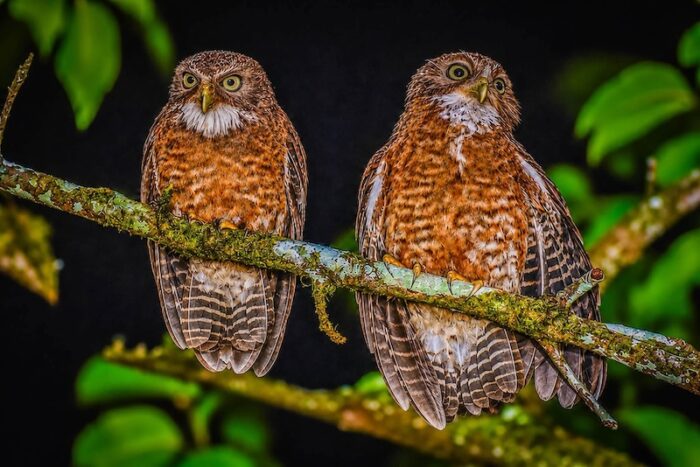
Among the most interesting birds photographed were species found only in Camiguin. These included the Camiguin hanging parrot (Loriculus camiguinensis), easily recognized by its bright red head and distinct blue throat.
Another notable sighting was the Camiguin boobook or hawk-owl (Ninox leventisi), a resident owl known for its striking greenish-yellow eyes. Photographers also documented the Camiguin bulbul (Hypsipetes catarmanensis), another endemic species that adds to the island’s unique wildlife collection.
Other birds spotted during the festival included the orange-bellied flowerpecker (Dicaeum trigonostigma isidroi), yellowish white-eye (Zosterops nigrorum catarmanensis), and black-naped monarch (Hypothymis azurea catarmanensis).
One of the more remarkable sightings was the Japanese night heron (Gorsachius goisagi), a species classified as vulnerable on the International Union for Conservation of Nature (IUCN) Red List. Its estimated global population stands at only around 600 to 1,700 mature individuals.
For birdwatchers and wildlife photographers, encounters like these make Camiguin an interesting destination. They also highlight why protecting the island’s forests, wetlands, and other natural habitats matters.
Camiguin Bird Photography Competition Names Winners
Aside from documenting the island’s bird species, participants also competed for recognition in the festival’s photography shootfest.
Team Eagle Eye, composed of Neil Francis Ramil of Davao City and Jun Rey Yap of Cagayan de Oro City, took home the grand prize of PHP 50,000 after emerging as the overall winner.
Team Bangan, represented by Rommel Garcia and Jose Capangpangan, both from Cagayan de Oro City, finished as first runner-up.
Team Siloy, composed of Selvester Esdrelon and Maria Catrina Rizzari of Cebu City, secured second runner-up honors.
The competition brought together photographers who shared an interest in wildlife and nature. More importantly, their photographs helped showcase bird species and natural habitats that many travelers may not immediately associate with Camiguin.
Regenerative Tourism Forum Highlights Responsible Travel
The Camiguin World Bird Festival also coincided with the Regenerative Tourism Forum, which brought together tourism practitioners and industry representatives to discuss how travel can positively impact local communities and the environment.
The Camiguin Provincial Tourism Office, Camiguin Polytechnic State College, and the international organization 7Generations co-hosted the forum, with support from the Camiguin Tourism Association.
Discussions focused on regenerative tourism and how tourism activities can go beyond attracting visitors. The goal is to encourage travel experiences that support local livelihoods, strengthen communities, and help protect the natural environment.
The forum’s timing complemented the bird festival’s conservation message. Both events highlighted the importance of developing tourism without compromising the natural resources that make Camiguin special.
A Different Side of Camiguin Worth Exploring
Most travelers visit Camiguin for its waterfalls, hot and cold springs, white-sand beaches, and scenic volcanic landscapes. However, the island’s rich biodiversity offers another reason to include it in your travel plans.
Its forests, mangroves, wetlands, and protected mountain areas provide habitats for bird species that are hard to find elsewhere. For nature lovers and wildlife photographers, these places offer opportunities to experience a quieter and less familiar side of the island.
The first Camiguin World Bird Festival is a welcome addition to the province’s tourism calendar. By bringing together photographers, environmental advocates, and tourism stakeholders, the event helps put the island’s natural heritage in the spotlight.
More than attracting birdwatchers, it sends an important message: Camiguin’s natural beauty is worth protecting, and responsible tourism can help ensure that future generations will continue to enjoy it.
Follow and subscribe to OutofTownBlog.com on Facebook , Twitter, Instagram, Pinterest, and YouTube for more Travel-related updates.
Read:
- Camiguin Ferry Schedule and Ticket Guide
- Camiguin’s Lanzones: Why This Fruit Matters to the Island
- Camiguin Pasalubong Guide: What to Buy and Bring Home