

 Melo Villareal
Caramoan Travel Guide: How to Prepare for Island Hopping, Long Journeys, and a Stress-Free Beach Escape
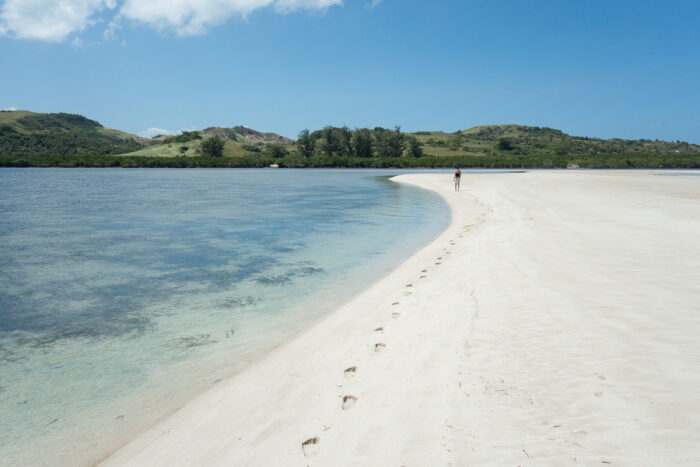
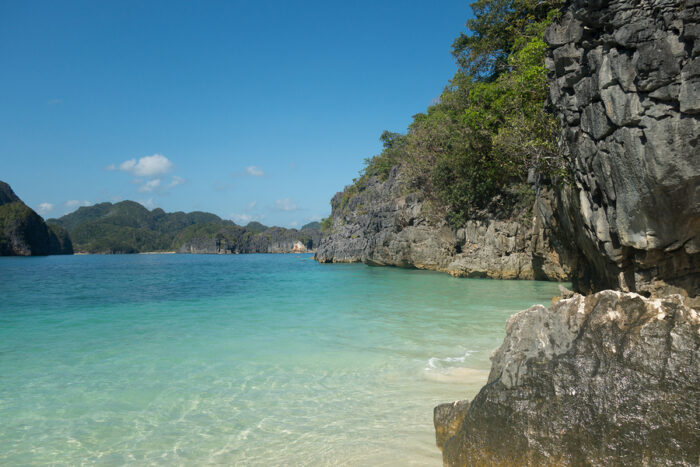
Caramoan Peninsula in Camarines Sur rewards travelers who plan ahead. Located in the Bicol Region, this coastal destination is known for its limestone islands, secluded beaches, clear waters, and dramatic rock formations. Its landscapes have also attracted international reality television productions, helping put Caramoan on the map for travelers seeking an island escape.

Caramoan Peninsula
Getting there requires more preparation than visiting destinations with frequent flights, established ferry connections, and extensive transport options. The journey can involve a long bus ride or a flight to Naga, followed by several hours of road travel. Once in Caramoan, you may need to arrange local transfers and a boat tour to reach the islands.
A little preparation can make a big difference. From choosing the right travel dates to packing cash, confirming transport arrangements, and following local safety rules, these tips will help you enjoy Caramoan with fewer surprises.
1. Plan Your Journey Before Leaving Home
Caramoan’s remote location is part of its appeal, but it also means you should arrange transportation before you go. Start by deciding whether you prefer an overnight bus from Manila or a flight to Naga followed by a land transfer.
Travelers who want to save on airfare can consider an overnight bus, which may save you an extra hotel night. Flying to Naga can shorten the first part of the journey, but you will still need to travel overland to Caramoan.
The road journey from Naga to Caramoan can take approximately four to five hours by public bus, although actual travel time depends on traffic, weather, stops, and road conditions. Direct bus services may also be available from Manila, depending on the operator and schedule. Confirm current departures and arrival points before booking.
Travel tip: Avoid planning a tight connection between your arrival in Bicol and an island-hopping tour. Give yourself enough time to reach your accommodation, rest, and confirm your boat arrangements.
2. Check the Current Route to Caramoan
One of the most important steps is confirming the route before you travel. Older guides describe taking a passenger boat from Sabang Port in San Jose to Guijalo Port in Caramoan. However, more recent travel information suggests this route may no longer operate as described in older guides.
Do not rely on an outdated schedule or assume that a boat will operate on your arrival date. Contact your bus operator, accommodation provider, local tourism office, or transport provider to verify the recommended route and current road conditions.
If you are traveling independently, ask for the precise arrival point in Caramoan and the best way to reach your hotel or island-hopping jump-off point. If you are booking a package, request a clear breakdown of the transportation included.
Before departure, confirm:
- Your bus or flight schedule.
- Your transfer from Naga or another arrival point.
- Where your vehicle will drop you off.
- The latest local transport arrangements.
- What happens if bad weather delays your journey.
This simple step can prevent missed connections, unnecessary overnight stays, and unexpected transport expenses.
3. Allow at Least Three Days for Your Trip
A quick day trip may leave you exhausted, especially if you are traveling from Manila. The long journey takes time, and you will want enough hours to enjoy the islands without rushing through every stop.
For most travelers, three days and two nights is a practical starting point. Consider adding another night if you want a slower itinerary, have a long overland journey, or prefer to include hiking, sightseeing, and time at your accommodation.
A simple itinerary could look like this:
| Day | Suggested activities |
|---|---|
| Day 1 | Travel to Caramoan, check in, explore the town, and rest |
| Day 2 | Join an island-hopping tour and visit selected beaches and limestone formations |
| Day 3 | Enjoy breakfast, take photos, explore nearby attractions if time permits, and travel home |
Treat this as a flexible outline rather than a fixed schedule. Your actual itinerary should account for arrival times, boat availability, tides, weather, and the distance between attractions.
If your trip includes a long bus journey, avoid scheduling a demanding island-hopping tour immediately after arrival. Rest first so you can enjoy the experience safely.
4. Choose the Best Time to Visit Caramoan
Caramoan’s island-hopping experience depends heavily on sea conditions. Many people prefer the drier months from November to May for outdoor activities, though weather can change quickly and calm seas are never guaranteed.
March, April, and May can bring hot days, so prepare for strong sunlight during boat trips. The rainy season, which typically runs from June to October, can bring rough seas, heavy rain, and transport disruptions. Tropical cyclones may also affect the Bicol Region.
Check the latest weather forecast and marine advisories before traveling. The Philippine Coast Guard can suspend small-vessel operations when sea conditions become dangerous. Don’t pressure boat operators to continue a trip if authorities have suspended departures or the crew considers conditions unsafe.
If you have flexible dates, avoid planning your entire vacation around a single island-hopping day. An extra night gives you more room to adjust if the weather changes.
5. Book Accommodation That Matches Your Itinerary
Caramoan has accommodation options for different travel styles, from simple guesthouses and budget rooms to beach-oriented resorts. Your best choice depends on your budget, group size, preferred comfort level, and proximity to your planned activities.
Before booking, check the location carefully. A property near the town center may be convenient for restaurants, shops, and local transport. A beachfront property may offer a more relaxed stay, but confirm how you’ll get to the island-hopping jump-off point.
Ask these questions before paying:
- Is breakfast included?
- Is air-conditioning available?
- Does the property have reliable mobile signal or Wi-Fi?
- Can the staff arrange island-hopping tours?
- Are transfers from the bus terminal or port available?
- Is there a restaurant nearby?
- What is the cancellation policy if bad weather affects your trip?
For groups, compare the total cost of family rooms or cottages against booking several smaller rooms. For solo travelers, ask about shared tours and whether the accommodation can help connect you with other guests who want to join an island-hopping trip.
Book ahead during holidays and peak travel periods. If you plan to arrive late, notify the property and confirm that someone will be available to assist with check-in.

6. Prepare a Realistic Budget
Your Caramoan budget should cover transportation, accommodation, meals, local transfers, boat rentals, environmental or entrance fees, and emergency expenses.
Island hopping can be a major part of your budget. Some boat operators charge per boat, so the per-person price may be lower when you travel with a group. Confirm the number of passengers allowed, the destinations included, and whether the quoted price includes required fees.
Use this checklist when requesting a tour quotation:
| Expense | What to confirm |
|---|---|
| Transportation | Bus or flight fare, road transfers, and terminal charges |
| Accommodation | Room rate, breakfast, taxes, and extra-person fees |
| Island hopping | Boat rental, destinations, passenger limit, and tour duration |
| Local fees | Environmental, entrance, or other applicable charges |
| Meals | Breakfast, lunch, dinner, drinking water, and snacks |
| Contingency | Extra accommodation or transport if weather causes delays |
Do not assume that a rate from an old blog post is still valid. Request current prices from the relevant provider, and ask for a written breakdown if you book a package.
Bring enough cash for small establishments and local transport. Don’t assume ATMs, card terminals, or mobile payment services will be available everywhere you go. Keep your emergency money separate from your daily spending cash.
7. Pack for Boat Trips and Beach Activities
Packing well makes a remote beach trip more comfortable. Focus on items that protect you from the sun, keep your belongings dry, and help you manage a long journey.
Essential items to bring
- Lightweight clothing and swimwear.
- A quick-drying towel.
- Comfortable sandals or shoes with good grip.
- Sunscreen and sun-protection clothing.
- A hat, sunglasses, and a reusable water bottle.
- \A waterproof dry bag for your phone, camera, wallet, and travel documents.
- A power bank and charging cables.
- Personal medication and a basic first-aid kit.
- Cash in smaller denominations.
- A light rain jacket or poncho.
- A change of clothes for the trip home.
If you plan to take photos, bring protective equipment for your camera and phone. Saltwater spray can damage electronics, even when you are careful. Use a waterproof pouch for short boat transfers, but do not assume every pouch will protect expensive equipment during full submersion.
Pack light enough to carry your belongings between vehicles and boats. Large suitcases can be inconvenient when moving through small terminals, uneven paths, and beach landing areas.
8. Make Island Hopping Easier and Safer
Island hopping is one of Caramoan’s main attractions. Visitors can explore white-sand beaches, dramatic limestone formations, and secluded coastal spots. Popular destinations include Matukad Island, Lahos Island, and Sabitang Laya. The stops available on your trip will depend on the tour route and sea conditions.
To make your tour more enjoyable, ask your operator which destinations you can combine in one trip. Some itineraries involve more walking, climbing, or swimming than others. Choose a route that matches your fitness level and your group’s interests.
Follow these practical rules:
- Book with an operator who explains the itinerary, fees, safety procedures, and passenger limit.
- Wear a properly fitted life jacket whenever required, and follow the boat crew’s instructions.
- Keep your phone, camera, and valuables in a dry bag.
- Bring drinking water and sun protection.
- Avoid climbing wet or unstable rocks without a local guide’s approval.
- Follow local restrictions for swimming, climbing, and visiting protected areas.
- Take your rubbish back with you.
- Never insist on visiting a beach or island when the boat crew advises against it.
Ask about lunch arrangements before departure. Some tours include meals, while others expect visitors to bring food or arrange it separately. Confirm this detail so you do not spend the day hungry or pay unexpected charges.
9. Prepare for Limited Connectivity and Services
Do not expect every part of Caramoan to offer the same connectivity and convenience as a major city. Mobile signal, internet speed, electricity, and access to shops can vary by location and accommodation.
Download offline maps and save your booking confirmations, accommodation address, transport details, and emergency contacts before leaving an area with reliable internet. Share your itinerary with a family member or friend, particularly if you are traveling alone.
If you need to work remotely, ask your accommodation about Wi-Fi reliability and power backup. A property advertising Wi-Fi does not necessarily have a connection suitable for video calls or large uploads.
Keep essential items with you rather than in checked luggage or a vehicle. These include your identification, medicines, cash, phone, power bank, and travel documents.

10. Eat Local Food and Plan Your Meals
A visit to Caramoan is also an opportunity to enjoy Bicolano food and fresh seafood. Depending on the establishment and availability, you may find grilled fish, shrimp, crabs, local vegetables, and dishes influenced by Bicol’s use of coconut milk and chili.
Ask residents or your accommodation staff for recommendations on trusted local eateries. If you have dietary restrictions, explain them before ordering. Seafood availability can change with the weather and fishing conditions, so a particular dish may not always be available.
For an island-hopping day, confirm whether your tour includes lunch. Bring snacks and drinking water if the operator recommends them, and avoid carrying food in packaging that could become litter.
Travelers who need regular meals or specific food options should tell their accommodation in advance. This is especially helpful for families with children, people with food allergies, and visitors arriving late in the evening.
11. Respect the Environment and Local Communities
Caramoan’s beaches, reefs, and limestone formations are important natural assets. Responsible travel helps protect these places and supports the people who depend on tourism.
Follow marked paths and local guidance when visiting caves, beaches, and rocky areas. Do not collect shells, coral fragments, or other natural materials. Avoid touching marine life, and never stand on coral reefs.
Use refillable bottles where practical, take your rubbish back to the mainland when no suitable disposal facilities are available, and avoid leaving cigarette butts or food packaging on beaches.
When possible, hire local guides and boat operators. Pay agreed fees, respect community rules, and ask permission before photographing residents. Keep noise levels reasonable near homes and accommodation areas.
A clean and respectful visit helps preserve the experience for the next traveler and supports the local community.
12. Have a Backup Plan for Delays
Weather, road conditions, vehicle breakdowns, and changes to boat operations can affect travel to Caramoan. Leave room in your schedule for unexpected delays, especially if you have a flight or another important commitment after your visit.
Consider these precautions:
- Keep an emergency fund for extra meals, transport, or accommodation.
- Avoid booking a flight home that leaves immediately after you’re expected to arrive from Caramoan.
- Save the contact details of your accommodation and transport providers.
- Ask your hotel what to do if a tour is cancelled.
- Check weather and transport advisories before leaving your room.
- Review your travel insurance policy for relevant coverage and exclusions.
If bad weather prevents island hopping, use the time to explore the town, enjoy local food, relax at your accommodation, or learn more about the area. The islands are a major attraction, but your safety should determine when you visit them.
Sample Three-Day Caramoan Vacation Plan
Day 1: Arrival and Settling In
Travel to Caramoan, check in, and confirm your island-hopping arrangements. Visit nearby shops to buy drinking water and snacks, then enjoy a relaxed dinner. Get enough rest before your boat trip.
Day 2: Island Hopping
Set out early if conditions permit. Visit the islands included in your confirmed tour, swim only in designated safe areas, take photographs, and follow your boat crew’s instructions. Return before conditions become unsuitable.
Day 3: Breakfast and Departure
Have breakfast, check out, and begin your return journey with enough time for delays. If your departure is later in the day, explore nearby attractions or enjoy a leisurely meal before leaving.
Frequently Asked Questions About Caramoan Peninsula
1. Is Caramoan Peninsula worth visiting?
Yes. Caramoan is worth visiting if you enjoy island hopping, uncrowded beaches, limestone formations, and destinations that require a little extra planning. Its remote setting offers a different experience from more developed beach destinations. However, the long journey may not suit travelers with limited time or those who prefer convenient transport connections. Plan at least three days if possible, confirm your transport arrangements, and keep your itinerary flexible enough to accommodate weather-related changes.
2. How many days should I spend in Caramoan?
Three days and two nights is a reasonable starting point for a Caramoan vacation. This gives you time to arrive, settle into your accommodation, spend a day island hopping, and return home without squeezing every activity into a tight schedule. Travelers coming from Manila may prefer four days because the road journey can take several hours. Add another night if you want to explore more attractions or have a backup day in case rough seas interrupt your island-hopping plans.
3. How do I get to Caramoan from Manila?
You can travel by overnight bus from Manila to Caramoan, subject to current operator schedules, or fly to Naga and continue by road. The flight shortens the first leg, but you still need to arrange ground transportation. Older guides also describe a boat route from Sabang to Guijalo, but you should confirm its current operation locally. Verify the latest route with your transport provider or accommodation before departure, and avoid booking your trip around an unconfirmed boat schedule.
4. When is the best time to visit Caramoan?
The drier months, November to May, are generally popular for beach trips and island hopping. March to May can be particularly hot, so bring sun protection and enough drinking water. June to October typically brings wetter conditions and a greater possibility of weather disruptions. These are seasonal patterns, not guarantees. Check the forecast and marine advisories close to your departure date, and remember that boat operators may cancel trips when sea conditions become unsafe.
5. How much should I budget for a Caramoan vacation?
Your budget depends on how you travel, where you stay, your group size, and the island-hopping package you choose. Include transportation, accommodation, meals, local transfers, boat rental, applicable fees, and emergency expenses. Groups may be able to share a boat charter, reducing the cost per person. Confirm current prices directly with providers because rates can change. Bring cash for small establishments and local transport, and keep a reserve for unexpected overnight stays or delays.
6. What should I pack for Caramoan?
Bring swimwear, lightweight clothes, comfortable footwear, sunscreen, a hat, sunglasses, a reusable water bottle, and a waterproof dry bag for your electronics and valuables. Also bring a power bank, personal medication, basic first-aid supplies, rain protection, and cash. Pack light because you may need to move between buses, vans, tricycles, and boats. If you plan to take photographs, protect your camera from saltwater spray and moisture. Download offline maps and save your accommodation details before traveling.
7. Is island hopping in Caramoan safe?
Island hopping can be enjoyable when you use a reputable operator and follow local safety guidance. Choose a boat that complies with applicable passenger limits, listen to the crew, and wear a properly fitted life jacket when required. Avoid climbing slippery rocks or swimming in areas that guides identify as dangerous. Weather conditions can change quickly, and authorities may suspend small-vessel operations during rough seas. If your tour is cancelled for safety reasons, do not pressure the operator to proceed. Reschedule when conditions improve.
8. Can I visit Caramoan on a DIY trip?
Yes. Independent travelers can arrange their own transportation, accommodation, meals, and island-hopping tour. A DIY trip offers flexibility, but you need to verify each part of the journey before leaving home. Confirm your arrival point, local transfers, boat-tour arrangements, fees, and accommodation check-in time. Ask your hotel or guesthouse for current local transport information, as older online guides may have outdated schedules. If you are traveling alone, compare the cost of a private boat with joining a shared tour.
9. Is mobile internet reliable in Caramoan?
Mobile signal and internet quality vary by location, network, and accommodation. Don’t assume you will have a reliable connection throughout your stay, especially during boat trips or visits to remote beaches. Download maps, booking confirmations, and important travel information in advance. Save the phone numbers for your accommodation and transport providers, and share your itinerary with someone you trust. Digital nomads who need dependable connectivity should contact their accommodation directly before booking to ask about internet speed, power interruptions, and backup arrangements.
10. What happens if bad weather cancels my island-hopping tour?
Bad weather may delay or cancel boat trips, especially when authorities issue advisories or local operators consider conditions unsafe. Keep your schedule flexible and avoid arranging a flight home immediately after your expected return from Caramoan. Ask your accommodation about its cancellation and rescheduling policies, and check whether your travel insurance covers relevant delays or additional expenses. If island hopping becomes impossible, consider local sightseeing, restaurants, or a relaxed day at your accommodation. Never risk an unsafe crossing just to follow your original itinerary.
Surviving Caramoan Peninsula comes down to preparation, flexibility, and respect for local conditions. Confirm your route, allow plenty of time, budget for unexpected expenses, and let weather and safety guide your island-hopping plans. With these precautions, you can spend less time worrying about logistics and more time enjoying Caramoan’s beaches, limestone islands, and coastal scenery.
Follow and subscribe to OutofTownBlog.com on Facebook , Twitter, Instagram, Pinterest, and YouTube for more Travel-related updates.
Read:
- Spending a Night at Sabitang Laya Island in Caramoan Islands
- Caramoan Travel Guide: Tourists Spots + Things to do
- 18 Most Beautiful Places in the Philippines for Your Bucket List


