Melo Villareal
List of Places YOU Need to Visit Before You Die
A bucket list is a list of things you want to do before you “kick the bucket.” It can be anything from learning how to skydive to getting a tattoo. It is a little more expensive for the itchy feet, because traveling can really empty your wallet, so you have to be circumspect when choosing where to go. Here is a bucket list of the top unique places you need to visit before you die.
Socotra, Yemen

Dragon Blood Tree in Socotra Island photo via Depositphotos
Socotra, Yemen, is one of the world’s most unusual island destinations. Located in the Arabian Sea, this remote island is famous for its otherworldly landscapes, rare wildlife, and unique plant species.
Socotra’s most iconic sight is the dragon blood tree, known for its distinctive umbrella-shaped canopy and red resin. The island is also home to rugged mountains, limestone caves, white-sand beaches, turquoise waters, and dramatic desert landscapes.
Nature lovers can explore the Dixam Plateau, hike through remote valleys, visit traditional coastal villages, and discover secluded beaches. The island’s isolation has helped preserve an ecosystem where many plants and animals are found nowhere else on Earth.
For photographers, hikers, and adventurous travelers, Socotra offers extraordinary scenery and a chance to experience a destination far from conventional tourist routes. Its rare biodiversity, dramatic landscapes, and remote character make it a fascinating place to explore.
Zion Canyon, Utah

Zion Canyon is one of Utah’s most spectacular natural attractions and the centerpiece of Zion National Park. Carved over millions of years by the Virgin River, the canyon features towering sandstone cliffs, narrow valleys, dramatic rock formations, and striking layers of red, cream, and pink stone.
One of its most distinctive characteristics is the sheer scale of its canyon walls, which rise dramatically above the valley floor. Visitors can explore scenic drives, hiking trails, viewpoints, and river landscapes that showcase the area’s diverse geology and wildlife.
Popular experiences include hiking to Canyon Overlook, walking along the Riverside Walk, and tackling the challenging Angels Landing trail for panoramic views.
Zion Canyon is a must-visit for travelers who enjoy nature, photography, hiking, and dramatic landscapes. Its combination of accessible trails, impressive scenery, and geological history makes it one of Utah’s most memorable destinations.
Petra, Jordan

Petra, Jordan, is one of the world’s most remarkable archaeological destinations and a must-visit for travelers interested in history, culture, and extraordinary landscapes. Known as the “Rose City” because of its pink sandstone cliffs, Petra was once a thriving trading center established by the Nabataeans more than 2,000 years ago.
Its most famous landmark, the Treasury, stands at the end of the narrow Siq, a dramatic sandstone canyon that creates an unforgettable entrance to the ancient city. Beyond the Treasury, visitors can explore carved tombs, temples, royal monuments, ancient streets, and the impressive Monastery.
Petra’s unique combination of Nabataean architecture, natural rock formations, and ancient engineering makes every walk through the site fascinating. The experience becomes even more memorable at sunrise or sunset, when warm light brings out the colors and textures of the sandstone.
Drake Passage, Palmer Peninsula, Antarctica

The Drake Passage is the legendary stretch of ocean between the southern tip of South America and Antarctica. Known for powerful winds and rolling seas, it offers an unforgettable introduction to the Antarctic journey. Crossing it also means entering one of the world’s most remote regions.
The Palmer Peninsula, extending north from mainland Antarctica, is known for its dramatic mountains, glaciers, icy bays, and abundant wildlife. Visitors may encounter penguins, seals, whales, and seabirds in their natural environment.
Antarctica is the ultimate destination for travelers seeking pristine landscapes and extraordinary wildlife. Vast ice fields, towering glaciers, snow-covered mountains, and crystal-clear waters create scenery unlike anywhere else on Earth. Its isolation adds to the experience, offering a rare opportunity to explore a largely untouched wilderness.
Together, these destinations provide an extraordinary expedition filled with adventure, wildlife encounters, and unforgettable polar landscapes.
Ice cave in Vatnajökull, Southeast Iceland

The ice caves of Vatnajökull in Southeast Iceland offer one of the country’s most extraordinary natural experiences. Formed within Vatnajökull, Europe’s largest glacier by volume, these caves develop as meltwater flows through and beneath the ice, creating temporary tunnels and chambers.
Their most striking feature is the brilliant blue ice. Light passes through dense, compressed glacier ice, producing shades ranging from deep cobalt to pale turquoise. The walls often feature dramatic patterns, ripples, and translucent layers that make every cave look different.
Because glaciers constantly move and melt, ice caves change shape each year, and some disappear completely before new ones form. This makes every visit highly seasonal and unique.
Visiting an ice cave also provides a closer look at Iceland’s dynamic glacial landscape. Guided tours are essential because conditions can change quickly. For photographers and adventure travelers, Vatnajökull’s ice caves offer an unforgettable combination of natural beauty, geology, and exploration.
Camel Thorn Trees, Namibia

The Camel Thorn Trees of Namibia are among the country’s most distinctive natural landmarks. Known locally as kameeldoring, these hardy acacia trees thrive in Namibia’s dry landscapes, particularly around Sossusvlei and Deadvlei in the Namib Desert. They can survive extreme heat and long periods without rain, thanks to deep root systems that reach underground water sources.
Their twisted branches, sparse leaves, and dark silhouettes create a striking contrast against the red dunes and bright desert sky. Some camel thorn trees at Deadvlei are estimated to be around 900 years old. Although they are long dead, their remains have been preserved by the exceptionally dry conditions.
Visiting these trees offers a remarkable opportunity to experience Namibia’s dramatic desert scenery. They are also among the country’s most photographed natural attractions, making them a must-see for travelers interested in photography, wildlife, landscapes, and unique geological and ecological features.
Grand Canyon

The Grand Canyon in Arizona is one of the world’s most spectacular natural landmarks, famous for its immense size, colorful rock layers, and dramatic landscapes. Carved by the Colorado River over millions of years, the canyon stretches for about 277 miles and reaches depths of more than a mile.
The South Rim is the most accessible and popular area, offering breathtaking viewpoints, scenic drives, hiking trails, and visitor facilities. The North Rim provides a quieter experience, with higher elevations, cooler temperatures, and panoramic views from a different perspective.
What makes the Grand Canyon unique is the incredible variety of geological formations displayed across its vast walls. Visitors can enjoy sunrise and sunset viewpoints, hiking, photography, wildlife spotting, and scenic helicopter tours.
A visit to the Grand Canyon offers an unforgettable opportunity to experience one of nature’s most remarkable landscapes and a defining destination in the American Southwest.
Mount Roraima, Venezuela
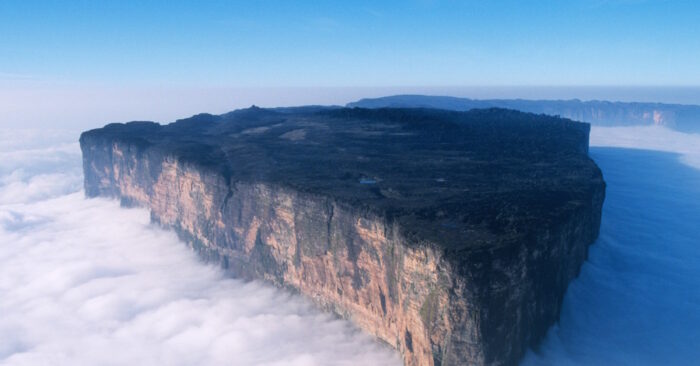
Mount Roraima is one of South America’s most extraordinary natural landmarks, rising dramatically from the surrounding landscape in Venezuela’s Gran Sabana. This ancient tabletop mountain, or tepui, features towering cliffs, unusual rock formations, deep valleys, natural pools, waterfalls, and an almost otherworldly landscape.
Roraima is part of Canaima National Park and sits near the borders of Venezuela, Guyana, and Brazil. Its isolated summit supports unique plant species, including several that are found nowhere else on Earth. The mountain also holds deep cultural significance for the Indigenous Pemon people, who consider the tepui a sacred place.
Reaching the summit requires a challenging multi-day trek through savannas, rivers, forests, and steep terrain. The effort rewards adventurous travelers with spectacular views and a rare sense of remoteness. For hikers, photographers, and nature lovers, Mount Roraima offers an unforgettable encounter with one of the planet’s most distinctive landscapes.
Grand Prismatic Spring, Yellowstone National Park, United States

The Grand Prismatic Spring in Yellowstone National Park is one of the most spectacular natural attractions in the United States. Located in Wyoming, it is the largest hot spring in the country and the third largest in the world. Its most striking feature is its brilliant range of colors, with deep blue water at the center surrounded by rings of green, yellow, orange, and red.
These vivid colors come from heat-loving microorganisms that thrive around the spring’s mineral-rich waters. The intense blue center results from the water’s depth and clarity, creating a dramatic contrast with the colorful microbial mats along the edges.
Visitors can admire Grand Prismatic Spring from the boardwalk at Midway Geyser Basin or enjoy a panoramic view from the Grand Prismatic Spring Overlook. Its unusual colors, immense scale, and geothermal activity make it a must-visit destination for anyone exploring Yellowstone National Park.
Jackson Hole Valley in Grand Teton National Park

Jackson Hole Valley and Grand Teton National Park offer some of Wyoming’s most spectacular mountain scenery. Jackson Hole Valley stretches between the Gros Ventre and Teton mountain ranges, creating a dramatic landscape of wide-open meadows, forests, rivers, and rugged peaks. The valley is also known for Jackson, a lively mountain town with historic buildings, art galleries, restaurants, and Western character.
Grand Teton National Park rises dramatically from the valley floor, with the jagged Teton Range providing its defining backdrop. The park features pristine lakes, alpine trails, wildlife-rich meadows, and scenic roads. Visitors can spot moose, elk, bison, and other wildlife while exploring the outdoors.
These destinations are must-visit places for travelers who enjoy hiking, photography, wildlife viewing, scenic drives, and mountain landscapes. Together, Jackson Hole and Grand Teton offer an impressive combination of outdoor adventure, natural beauty, and Western culture throughout the year.
Batad Rice Terraces, Ifugao, Philippines

The Batad Rice Terraces in Ifugao are among the most remarkable cultural landscapes in the Philippines. Carved into the mountains by generations of Ifugao farmers, these centuries-old terraces form a dramatic amphitheater surrounded by lush mountain scenery.
Unlike the more expansive Banaue Rice Terraces, Batad features a compact, bowl-shaped formation that creates a striking view from elevated trails and viewpoints. The terraces reflect the Ifugao people’s traditional farming knowledge, close relationship with nature, and enduring cultural heritage.
Reaching Batad usually involves a scenic trek, making the journey part of the experience. Visitors can explore the terraces on foot, meet local communities, enjoy mountain views, and learn about traditional rice farming.
Batad is a must-visit destination for travelers seeking culture, nature, photography, and outdoor adventure. Its dramatic landscape and living heritage offer a deeper appreciation of Ifugao’s traditions and the remarkable craftsmanship behind the terraces.
Marble Caves, Chile

The Marble Caves in Chile, also known as the Marble Chapels, are a remarkable geological attraction on the turquoise waters of General Carrera Lake in Chilean Patagonia. Located near Puerto Río Tranquilo, these formations include the Marble Cathedral, Marble Chapel, and Marble Caves, all shaped by water erosion over thousands of years.
Their smooth walls feature striking bands of white, gray, blue, and other mineral tones. Sunlight reflects off the lake and illuminates the marble interiors, creating constantly changing colors and patterns. The formations were designated a protected Nature Sanctuary in 1994 for their geological significance.
A boat or kayak tour offers the best way to explore the caves up close. Their remote Patagonian setting, unusual geology, and dramatic reflections make the Marble Caves a must-visit destination for nature lovers, photographers, and adventure travelers.
Karijini National Park, Australia

Karijini National Park, in Western Australia’s Pilbara region, is renowned for its ancient landscapes, dramatic gorges, and striking red-rock scenery. Formed from rocks more than two billion years old, the park features deep canyons, waterfalls, freshwater pools, and rugged walking trails. Visitors can explore Dales Gorge, swim near Fortescue Falls, admire the panoramic views from Oxer Lookout, or tackle the challenging trails through Hancock and Weano gorges.
What makes Karijini special is the contrast between its arid surroundings and the lush interiors of its gorges, where ferns, pools, and waterfalls create unexpected pockets of greenery. The park also offers opportunities to see native wildlife, seasonal wildflowers, and spectacular night skies. Its cultural significance adds another layer, as Karijini is the traditional country of the Banyjima, Kurrama, and Innawonga Aboriginal peoples. For travelers seeking adventure, nature, and unforgettable scenery, Karijini deserves a place on any Western Australia itinerary.
Up Next – Top Amazing Places You Need To Visit – Part 2
Follow #TeamOutofTown on Facebook, Twitter, Instagram, Bloglovin, and Pinterest for more travel ideas.