

 Melo Villareal
Exploring Eritrea: 15 Beautiful Places and Unique Experiences
Eritrea remains one of Africa’s most intriguing and least-explored destinations. Located along the Red Sea in the Horn of Africa, the country combines remarkably preserved modernist architecture, ancient archaeological landscapes, highland towns, dramatic mountain roads, traditional markets, and remote tropical islands. Its capital, Asmara, is a UNESCO World Heritage city celebrated for its exceptional concentration of early twentieth-century modernist architecture, while destinations such as Massawa, Keren, Qohaito, and the Dahlak Archipelago reveal entirely different sides of the country.

Best Things to do in Eritrea
Travel in Eritrea requires careful planning, and visitors should confirm current visa requirements, internal travel permits, transport arrangements, and local regulations before departure. Once logistics are arranged, however, Eritrea offers rewarding experiences for travelers interested in history, architecture, culture, archaeology, and the Red Sea.
1. Explore the UNESCO-Listed Modernist Architecture of Asmara
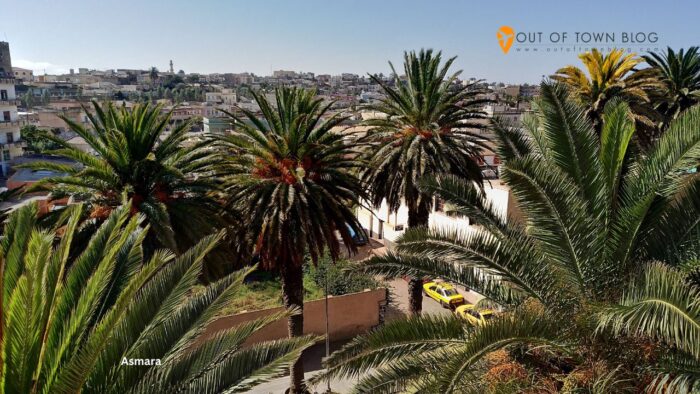
Asmara is unquestionably one of the best places to begin an Eritrean journey. Situated on the country’s highland plateau at more than 2,000 meters above sea level, the capital is internationally recognized for its extraordinarily well-preserved collection of early twentieth-century modernist architecture. The city is an exceptional example of modernist urbanism in Africa, shaped during Italian colonial rule from the late nineteenth century to the early 1940s.
Walking through the city is one of the best things to do in Eritrea. Visitors can admire streamlined buildings, broad streets, historic cafés, churches, cinemas, and public structures. The Fiat Tagliero Building, famous for its dramatic aviation-inspired design, is among the city’s most recognizable landmarks. Cinema Impero is another architectural highlight, while Harnet Avenue offers a pleasant setting for a leisurely walk and a chance to experience Asmara’s relaxed café culture.
Take time to explore on foot, photograph the architectural details, enjoy local coffee, and observe the city’s daily rhythm. The cooler highland climate also makes walking particularly pleasant compared with Eritrea’s hotter coastal areas.
How to get there: International visitors generally arrive through Asmara International Airport. From the airport, central Asmara is reached by arranged transfer or local transportation. Most major Eritrean itineraries begin in the capital, making it the country’s most convenient base for organized excursions.
2. Visit Fiat Tagliero, Asmara’s Most Famous Modernist Landmark
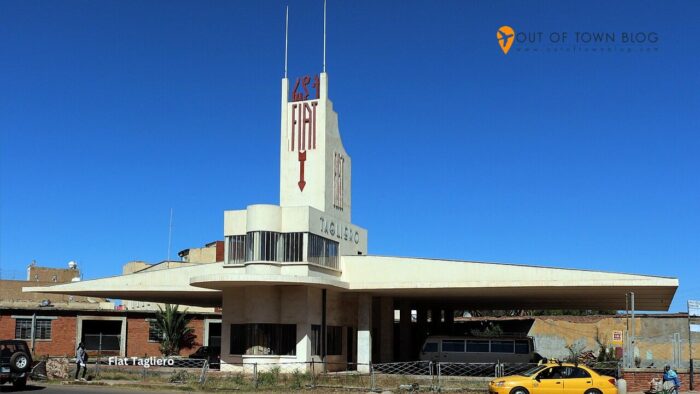
Fiat Tagliero is one of the most distinctive buildings in Eritrea and an essential stop for architecture enthusiasts. Completed during the Italian colonial period, the structure is famous for its futuristic design, which resembles an enormous aircraft poised for flight. Its dramatic wings and streamlined form make it one of the most memorable examples of modernist architecture in Africa.
The building is particularly fascinating because it embodies the optimism and technological imagination of early twentieth-century modernism. Rather than resembling a traditional service station, Fiat Tagliero was designed as a bold architectural statement. Even travelers with little interest in architecture will appreciate its unusual silhouette and the contrast between its futuristic appearance and Asmara’s historic streetscape.
Things to do include photographing the exterior, examining the building’s striking proportions, and including it in a wider architectural walking or driving tour of Asmara. Combine the visit with stops at Cinema Impero, historic cafés, churches, and other modernist landmarks throughout the city.
How to get there: Fiat Tagliero is located within Asmara and is easily included in a city sightseeing itinerary. Visitors can reach the area by taxi, private vehicle, or organized city tour. It can also be combined with other central landmarks depending on the route and local access arrangements.
3. Experience Asmara’s Historic Café and Coffee Culture
One of the most enjoyable experiences in Eritrea is slowing down and spending time in Asmara’s historic cafés. The city has a distinctive café culture influenced by Eritrean traditions and its Italian colonial past. Travelers can sit outdoors, order locally prepared coffee, and watch everyday life unfold along the city’s streets and avenues.
Coffee is an important part of Eritrean hospitality and culture. Visitors may encounter traditional coffee ceremonies involving roasting, grinding, and brewing coffee beans, while urban cafés offer a more relaxed setting for enjoying espresso-style drinks, pastries, and conversation. Exploring Asmara’s cafés is particularly rewarding after a morning spent visiting architectural landmarks.
Things to do include trying Eritrean coffee, sampling local pastries and food, taking a leisurely break between sightseeing stops, and experiencing the evening social atmosphere. Walking through the city in the late afternoon is also rewarding, as residents gather on the streets and in public spaces. This slower experience provides a different perspective from simply visiting monuments.
How to get there: Asmara’s principal cafés and historic streets are concentrated around the central city. Once staying in the capital, visitors can reach many areas on foot, while taxis and private drivers are useful for destinations farther from the city center.
4. Explore Massawa, the Pearl of the Red Sea

Massawa is one of Eritrea’s most historically important and visually distinctive destinations. Located on the Red Sea coast, the port city has long served as a meeting point between Africa, Arabia, and the wider maritime world. Its historic character reflects centuries of influence from Eritrean, Ottoman, Egyptian, Italian, and other regional cultures.
The best things to do in Massawa include exploring the historic waterfront, walking through older neighborhoods, observing traditional coral-stone buildings, and discovering the layers of architectural history visible throughout the city. The old town is particularly interesting for travelers who enjoy photography and history. War damage and subsequent restoration efforts are also part of Massawa’s story and lend a powerful atmosphere to parts of the city.
Massawa is also an excellent place to enjoy the Red Sea. Travelers can relax by the water, sample seafood, take boat excursions, and use the city as a gateway to nearby islands. Because of its hot coastal climate, sightseeing is generally more comfortable during cooler parts of the day.
How to get there: Massawa is connected to Asmara by road. The journey descends dramatically from the Eritrean highlands toward sea level, passing through changing landscapes and climate zones. Private vehicles and organized tours are among the most practical options, especially because travel arrangements and permits may need to be organized in advance.
5. Take a Red Sea Boat Trip to the Dahlak Archipelago
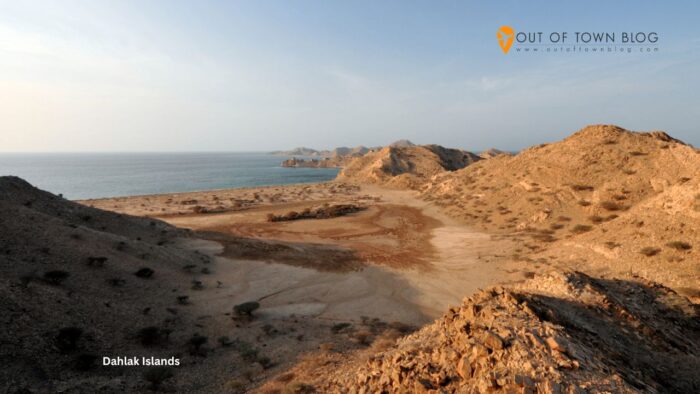
The Dahlak Archipelago is one of Eritrea’s most beautiful natural destinations. Located offshore in the Red Sea, the island group offers clear water, remote beaches, coral reefs, and opportunities to experience a much quieter side of Eritrean travel. For travelers who enjoy snorkeling, swimming, island landscapes, and camping, a visit to the Dahlak Islands can be among the country’s most memorable experiences.
Things to do include swimming in the Red Sea, snorkeling around coral reefs, relaxing on secluded beaches, observing marine life, and enjoying the extraordinary feeling of being far from major cities. Some organized itineraries include overnight camping on islands and visits to reef areas around different parts of the archipelago. The islands are especially appealing because many areas remain far less developed and visited than better-known Red Sea destinations elsewhere in the region.
Visitors should remember that island trips involve more planning than ordinary city sightseeing. Boats, guides, permits, accommodation, food, and safety arrangements may need to be organized before departure. Conditions on the water can also influence itineraries.
How to get there: Most visitors access the Dahlak Archipelago by boat from Massawa. Independent arrangements can be difficult, so organized excursions with authorized local operators are generally the most practical option. Travelers should arrange required permits and transport before arriving at the coast.
6. Discover the Ancient Archaeological Landscape of Qohaito

Qohaito is one of Eritrea’s most fascinating archaeological destinations and an excellent choice for travelers interested in ancient civilizations. Located on a highland plateau, Qohaito contains archaeological remains associated with pre-Aksumite and later Aksumite-era settlement.
The experience is much more than simply visiting a single monument. Travelers can explore standing pillars, ancient structures, the remains of water-management systems, tombs, and archaeological sites scattered across a wide landscape. One of the best-known features is the Temple of Mariam Wakiro, while the Safira Dam demonstrates the engineering abilities of ancient communities. The surrounding escarpments and mountain views add a spectacular natural dimension to the archaeological experience.
Take time to walk between the principal sites and appreciate the sense of isolation. Qohaito’s relatively undeveloped setting allows visitors to imagine the importance of this ancient highland settlement and its relationship with regional trade networks.
How to get there: Qohaito is generally visited by road from Asmara, often as part of a longer excursion through southern Eritrea. Travel permits and local guides may be required. Organized transport is strongly recommended because of access requirements and the dispersed nature of the archaeological landscape.
7. See the Ancient Ruins of Adulis
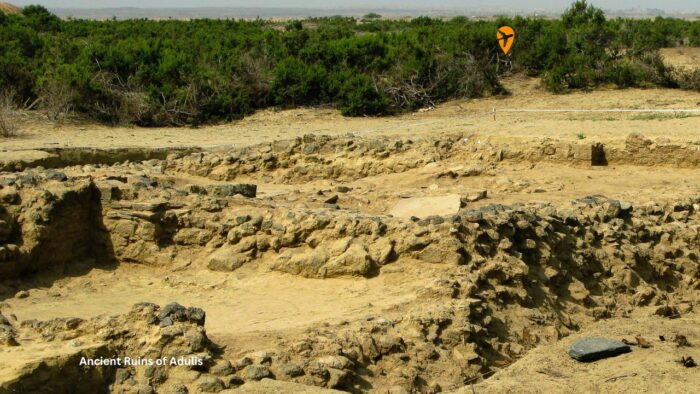
Adulis is one of the most important archaeological sites connected with Eritrea’s ancient maritime history. Located near the Red Sea coast, the ancient settlement was an important trading center that linked communities in the Horn of Africa with wider networks across the Red Sea and Mediterranean world. Archaeological remains continue to provide evidence of the region’s long history of trade and cultural exchange.
A visit to Adulis offers a fascinating contrast with Eritrea’s highland destinations. Instead of Art Deco streets or mountain landscapes, the site encourages travelers to consider ancient merchants, ports, caravan routes, and the connections between Africa and neighboring regions. Visitors can explore the excavated remains and learn about the settlement’s historical role in regional trade.
Adulis is particularly rewarding when combined with a visit to Qohaito. Ancient routes connected the Qohaito highlands with the Red Sea coast and the port of Adulis, helping explain the strategic importance of these landscapes.
How to get there: Adulis is usually approached from the Massawa area by road. Because archaeological access and internal travel requirements may change, visitors should arrange transportation, permits, and a knowledgeable guide in advance. Combining Adulis with Massawa provides a fuller understanding of Eritrea’s ancient maritime heritage.
8. Visit Keren and Experience Its Famous Traditional Market
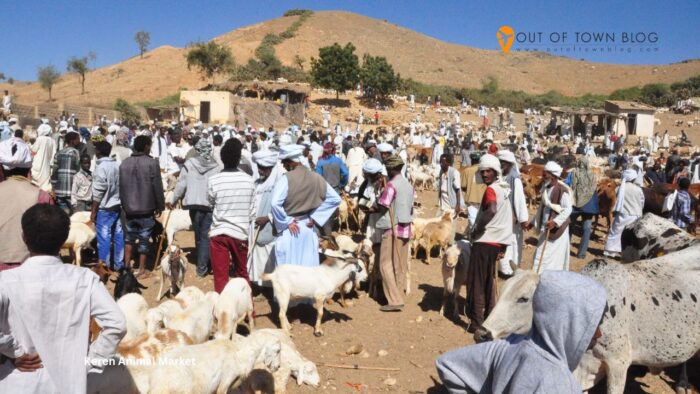
Keren is one of Eritrea’s most culturally rich destinations and is widely regarded as the country’s second-largest urban center. Located in the northern highlands, the city is surrounded by attractive mountain landscapes and is known for its multicultural character, traditional markets, and historical sites.
One of the most famous experiences in Keren is the traditional Monday livestock and camel market. The market attracts traders and visitors from surrounding areas and provides an opportunity to observe a living commercial tradition involving camels, cattle, goats, and other livestock. Arriving early allows visitors to experience the market at its most active.
Beyond the market, travelers can walk through Keren, explore its streets, visit historical sites, and learn more about the Bilen and Tigre communities associated with the surrounding region. The town’s atmosphere is considerably different from Asmara, offering a more traditional highland experience.
Photography can be rewarding, but travelers should always ask permission before taking close photographs of people or livestock transactions. Respectful interaction is particularly important in busy market environments.
How to get there: Keren is located northwest of Asmara and is accessible by road. Organized tours and private vehicles are among the easiest ways to travel there. Travelers interested in the famous market should plan their itinerary around Monday and confirm the current market schedule before traveling.
9. Visit the Mariam Dearit Shrine and Its Remarkable Baobab Tree
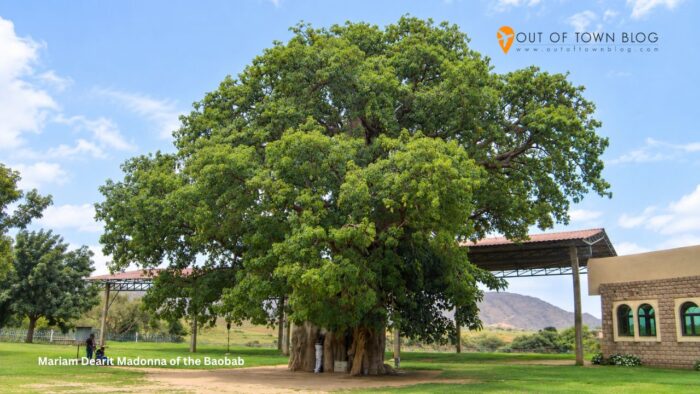
Near Keren, Mariam Dearit is one of Eritrea’s most unusual religious and cultural landmarks. The site is associated with a shrine built within or around the hollow interior of an enormous baobab tree, creating an unforgettable combination of natural and spiritual heritage. It attracts pilgrims and visitors and is often included in cultural itineraries around Keren.
The main attraction is, of course, the giant tree itself. Its immense trunk creates a dramatic setting unlike that of conventional churches or shrines. Visitors can learn about local religious traditions, experience the site’s atmosphere, and appreciate the tree’s extraordinary age and scale.
The surrounding area also provides opportunities to experience the northern Eritrean landscape and rural communities. When visiting a place with religious importance, travelers should dress respectfully, follow local guidance, and avoid disturbing worshippers or ceremonies.
Mariam Dearit is an excellent addition to a Keren itinerary, as it complements the camel market’s busy atmosphere with a quieter, more reflective cultural experience.
How to get there: The shrine is usually visited from Keren by private vehicle or organized tour. A local guide can help explain the site’s cultural importance and arrange the most suitable route. It is often combined with Keren’s market and other historical attractions during a full-day excursion.
10. Explore the Historic Streets and Architecture of Cinema Impero
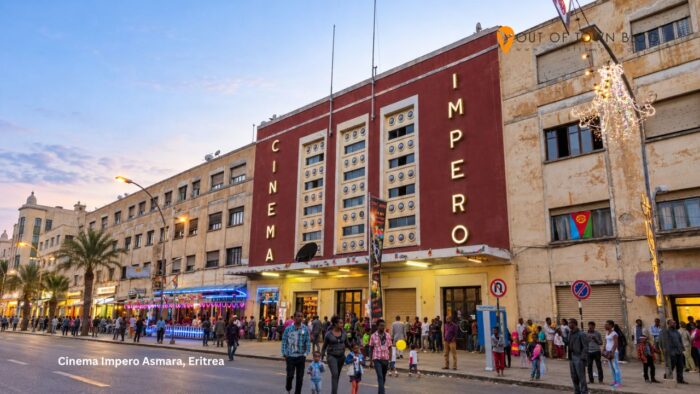
Cinema Impero is among Asmara’s most recognizable architectural treasures and an important stop for anyone exploring the city’s modernist heritage. The cinema is celebrated for its Art Deco design and its striking façade, which reflects the streamlined architectural language that transformed Asmara during the twentieth century.
Visitors should take time to admire the exterior details, photograph the building, and examine how its design fits within the wider streetscape. The surrounding area is also an excellent place for a walking tour, as many other historic buildings are located in the city center.
What makes Cinema Impero particularly interesting is that it represents more than a single attraction. It is part of a remarkably cohesive urban landscape containing cinemas, commercial buildings, religious structures, public spaces, and residential neighborhoods shaped by modernist planning.
Combine your visit with a stop at nearby cafés and an evening walk through central Asmara. Architecture enthusiasts may also enjoy exploring the relationship between Cinema Impero, Fiat Tagliero, and other modernist structures throughout the capital.
How to get there: Cinema Impero is located in Asmara and is accessible on foot, by taxi, or via an organized city tour. Visitors staying near the central area can conveniently include it in a half-day or full-day architectural sightseeing itinerary.
11. Visit the Medeber Market and Discover Eritrean Craftsmanship
Medeber Market in Asmara offers a fascinating glimpse into Eritrean craftsmanship, recycling traditions, and everyday economic life. Unlike the city’s famous Art Deco landmarks, the market provides a more practical and energetic experience. Artisans transform used materials into useful household goods, tools, and other products, creating an environment filled with activity, sound, and craftsmanship.
One of the most interesting things to do is watch artisans at work. Reused metal and other materials are shaped and repurposed, demonstrating both practical skill and resourcefulness. Visitors can observe the processes involved and appreciate how traditional craftsmanship remains part of daily life.
The market is also an excellent place for travel photography, although visitors should always ask before taking close-up photographs of people. A guided visit can provide additional insight into the different crafts and workshops.
Medeber is particularly rewarding because it offers a contrast with Asmara’s formal architectural attractions. After admiring elegant cinemas and modernist buildings, visitors can experience a lively working environment shaped by practical skills and local commerce.
How to get there: Medeber Market is located in Asmara and is accessible by taxi or private vehicle. It is commonly included in organized city tours. Ask your accommodation or guide about the best time to visit and any current access arrangements.
12. Drive the Dramatic Asmara-to-Massawa Mountain Road
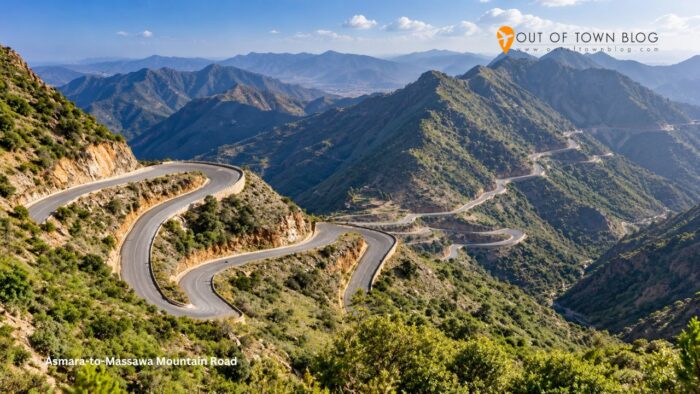
The journey between Asmara and Massawa is an attraction in itself. The road connects Eritrea’s cool highlands with the hot Red Sea coast, descending dramatically through changing landscapes and elevations. Travelers can experience a remarkable transition from highland terrain and terraced agricultural areas toward drier coastal scenery.
The best way to enjoy the journey is to allow time for scenic stops. Look for changing mountain views, deep valleys, dramatic escarpments, and the gradual transformation of vegetation and climate. The route is particularly rewarding for photographers, although travelers should follow local guidance regarding where stops are permitted.
The road also provides a better understanding of Eritrea’s geography. Asmara and Massawa may both be major destinations, but they offer completely different environments despite being connected by a relatively short overland route. The transition from the high plateau toward the Red Sea is one of the country’s most memorable travel experiences.
How to get there: Simply arrange overland transport between Asmara and Massawa. Private drivers and organized tours are usually the most convenient options for international visitors. Because road conditions, security requirements, and travel permissions can change, confirm arrangements locally before departure.
13. Explore the Ancient Ruins of Belew-Kelew and Metera
For travelers fascinated by ancient history, Belew-Kelew and the archaeological area around Metera offer another compelling Eritrean experience. The sites are associated with ancient settlement and trade networks and contain ruins and stone monuments that reveal the long history of civilization in the Eritrean highlands.
Things to do include walking among archaeological remains, examining ancient stone structures, observing surviving stelae, and learning about the historical importance of the southern highlands. The landscapes surrounding the sites are also attractive, adding scenic interest to the historical exploration.
Metera and Belew-Kelew are especially worthwhile when combined with Qohaito and nearby towns. Together, these destinations create an archaeological journey through a part of the Horn of Africa that remains relatively unknown to international travelers.
Visitors should take their time and explore with a knowledgeable guide who can provide historical context. The remains can be difficult to interpret without background information, but guided visits make the experience more meaningful and help travelers understand the relationship between the different ancient settlements.
How to get there: The sites are generally approached by road through southern Eritrea, often as part of an organized archaeological itinerary. A local guide and appropriate permits may be required. Because the ruins are less straightforward to visit than major urban attractions, arranging transport and guidance in advance is advisable.
14. Visit Debre Bizen Monastery and the Highland Escarpment

Debre Bizen Monastery offers travelers an opportunity to experience Eritrea’s religious heritage and dramatic highland scenery. The historic Orthodox Christian monastery is set on a mountaintop overlooking the escarpment, making the journey as important as the destination itself.
The experience can include learning about Eritrean Orthodox traditions, appreciating the monastery’s historical significance, and enjoying panoramic views of the surrounding mountains and valleys. Religious sites often provide valuable insight into the cultural history of Eritrea, particularly when visited respectfully and with a knowledgeable local guide.
Because monasteries may have specific rules concerning dress, photography, visiting times, and access, travelers should not assume that all areas are open to every visitor. Following local instructions is essential. The setting, however, makes the journey worthwhile even for travelers primarily interested in landscapes and photography.
Debre Bizen can also be combined with other excursions through Eritrea’s highland and escarpment regions, allowing visitors to experience the country’s dramatic topography away from the larger cities.
How to get there: Access is generally arranged from Asmara or through organized excursions into the surrounding highlands. Depending on current regulations, visitors may need permits or advance authorization. A local guide is recommended to help organize access and explain the monastery’s cultural significance.
15. Relax on Eritrea’s Red Sea Coast and Enjoy the Marine Landscape
Eritrea’s Red Sea coastline is one of its greatest natural assets. While Massawa serves as the country’s best-known coastal gateway, the broader coastal experience offers opportunities for swimming, boating, snorkeling, photography, and simply enjoying the contrast between desert landscapes and brilliant blue water.
The Red Sea is particularly appealing for travelers interested in marine environments. Depending on the location and access arrangements, activities may include snorkeling around reefs, swimming from beaches or boats, and visiting offshore islands. The coastline also provides excellent opportunities for sunrise and sunset photography.
For a more immersive experience, combine coastal relaxation with an island excursion to the Dahlak Archipelago. This creates a journey that moves from Eritrea’s historic cities and mountain landscapes toward quieter natural environments. Organized trips may include beach camping and snorkeling, allowing visitors to spend more time away from urban areas.
How to get there: Massawa is the main starting point for coastal and island activities and is reachable by road from Asmara. From Massawa, local arrangements can be made for authorized boat trips and coastal excursions. Plan carefully because permits, boats, and guides may need to be arranged in advance.
FAQ: Top Things to Do in Eritrea
1. What are the best things to do in Eritrea?
The best things to do in Eritrea include exploring the modernist architecture of Asmara, visiting the historic Red Sea port of Massawa, experiencing Keren’s traditional market, discovering the ancient ruins of Qohaito and Adulis, and traveling to the Dahlak Archipelago. Eritrea is especially rewarding for travelers interested in architecture, archaeology, culture, and relatively uncrowded destinations. A well-planned itinerary can combine highland cities, ancient sites, mountain scenery, and Red Sea islands, giving visitors a broad introduction to the country’s remarkable geographic and cultural diversity.
2. What is the most beautiful place to visit in Eritrea?
Asmara is arguably Eritrea’s most visually distinctive city because of its exceptionally preserved modernist architecture and attractive highland setting. However, travelers seeking natural scenery may prefer the Dahlak Archipelago, where remote islands, beaches, clear waters, and coral reefs offer a distinctly different experience. Qohaito is another beautiful destination because ancient ruins are set across a dramatic plateau overlooking steep escarpments and mountain landscapes. The most beautiful place ultimately depends on whether you prefer architecture, archaeology, mountains, or the sea.
3. How many days do you need to explore Eritrea?
A week provides enough time to see several major destinations, but ten days to two weeks allows for a more relaxed itinerary. Travelers can spend several days exploring Asmara and then visit Keren, Massawa, Qohaito, and selected archaeological sites. Additional time is necessary for the Dahlak Archipelago because island excursions depend on transport, permits, and weather conditions. Eritrea rewards slower travel because internal journeys can require advance arrangements. Allowing extra time also makes it easier to adjust an itinerary when transport schedules or access requirements change.
4. Is Asmara worth visiting?
Asmara is absolutely worth visiting, particularly for travelers interested in architecture and urban history. The city is internationally recognized for its exceptional collection of modernist buildings and its remarkably well-preserved urban planning. Visitors can explore landmarks such as Fiat Tagliero and Cinema Impero, walk along historic avenues, visit cafés, and experience local markets. Its cool highland climate and relaxed atmosphere make it an enjoyable place to spend several days. Asmara is also the main gateway for exploring many other destinations throughout Eritrea.
5. What is special about Massawa?
Massawa is special because of its long history as a Red Sea port and its mixture of architectural and cultural influences. Travelers can explore historic neighborhoods shaped by centuries of contact between Africa and the Arabian Peninsula, as well as Ottoman, Egyptian, Italian, and Eritrean traditions. The city is also an important gateway to Eritrea’s marine attractions, including boat trips and excursions toward the Dahlak Archipelago. The dramatic journey from the cool highlands of Asmara to Massawa’s hot coastal environment is another reason the destination is memorable.
6. Can tourists visit the Dahlak Archipelago?
Tourists can visit parts of the Dahlak Archipelago, but travel generally requires advance planning. Boat transportation, permits, guides, supplies, and accommodation arrangements may need to be organized before departure. Organized tours are often the most practical choice because island logistics can be difficult to arrange independently. Activities may include snorkeling, swimming, beach exploration, and camping, depending on the itinerary and local conditions. Travelers should confirm current access rules before planning because requirements can change. The islands are best suited to visitors prepared for a remote and relatively undeveloped travel experience.
7. What is Qohaito known for?
Qohaito is known for its extensive archaeological landscape and spectacular highland setting. The area contains ancient ruins, standing pillars, tombs, water management structures, and archaeological evidence associated with pre-Aksumite and Aksumite-era communities. Its strategic position near historical routes between the Eritrean highlands and the Red Sea made it an important location for ancient trade. Today, travelers visit Qohaito to explore its scattered monuments and enjoy dramatic escarpment views. Because the site is spread across a large plateau, visiting with a guide is especially helpful for understanding its history and locating its principal features.
8. What should travelers know before visiting Eritrea?
Travelers should plan carefully before visiting Eritrea. Visa requirements, internal travel permits, transportation arrangements, and access to certain regions may require advance preparation. Visitors should check the latest official travel and entry information before booking flights or tours, as regulations can change. It is also advisable to arrange reputable local guides or tour operators for destinations outside the main cities, especially archaeological sites and islands. Respecting local customs, dressing appropriately at religious sites, asking permission before photographing people, and carrying sufficient supplies during remote excursions will help create a more comfortable and respectful journey.
Follow #TeamOutofTown on Facebook, Twitter, Instagram, Bloglovin, and Pinterest for more travel ideas.
Read:
- 20 Best Things to Do in Durban, South Africa
- Top 15 Best Things To Do in Franschhoek, South Africa
- Why You Should Choose Africa as Your next Safari Destination
- Top 15 Best Things to do in Cape Town, South Africa