

 Melo Villareal
Palma de Mallorca Cathedral: A Gothic Masterpiece by the Sea
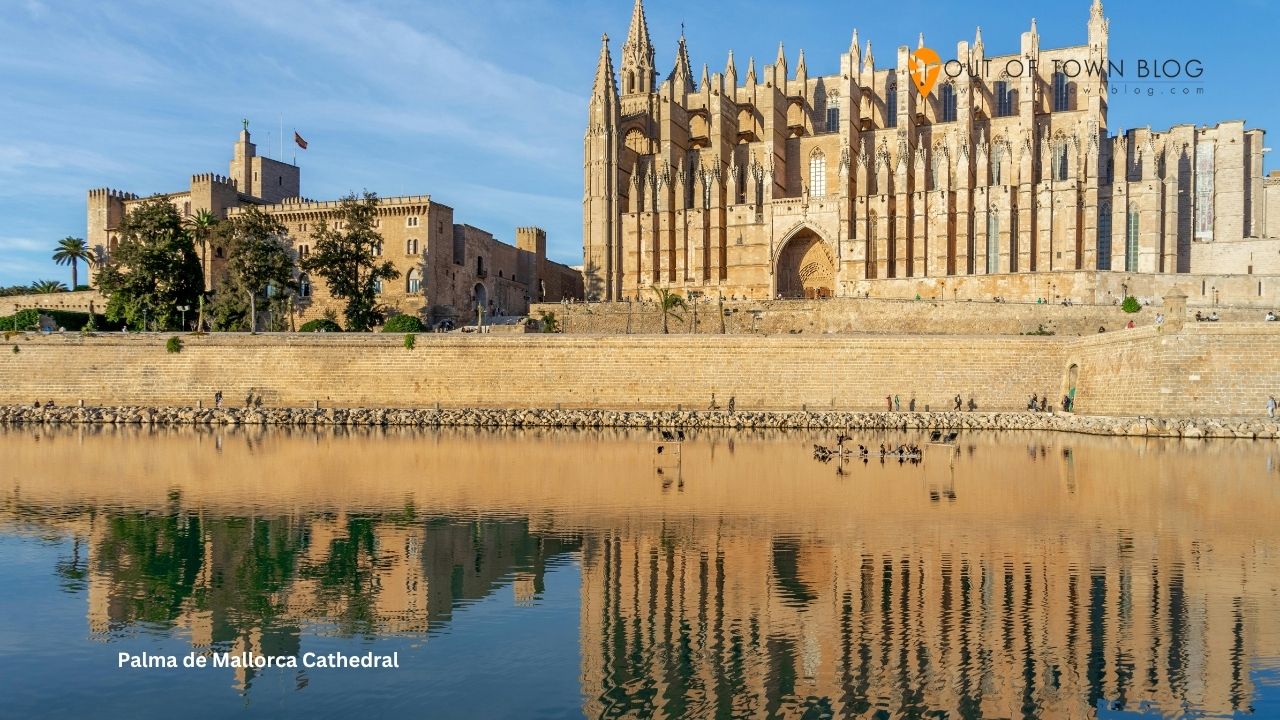
Rising dramatically above the Mediterranean coastline, Palma de Mallorca Cathedral—locally known as La Seu—is one of Spain’s most extraordinary architectural and cultural landmarks. Its immense scale, honey-colored stone, and intricate detailing give it a commanding presence over the bay, while its interior reveals a space filled with light, symbolism, and artistic innovation. More than just a religious structure, the cathedral embodies centuries of history, faith, and craftsmanship at the heart of Palma de Mallorca.
Palma de Mallorca Cathedral
Location and Setting
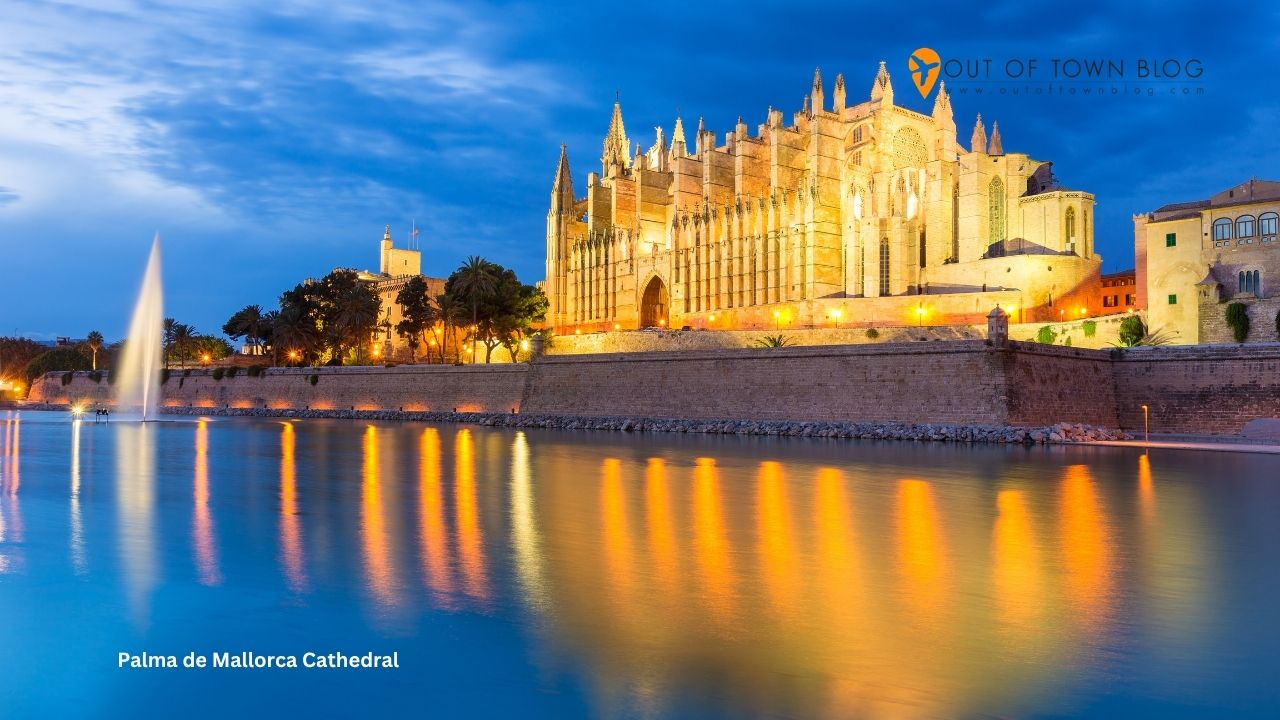
The cathedral occupies a striking position at the edge of Palma’s Old Town, directly facing the Mediterranean Sea. It rises above Parc de la Mar, an artificial lake that mirrors the cathedral’s façade and enhances its visual impact. This placement creates a rare architectural dialogue among land, city, and sea—unlike many European cathedrals surrounded by dense urban fabric.
Historically, the site held a mosque during the period of Islamic rule over Mallorca. After the Christian reconquest in the 13th century, the mosque was replaced by the cathedral, transforming the site into a powerful symbol of religious and political change. Today, its location still reflects that layered past, where traces of different cultures converge in a single monumental space.
Historical Background
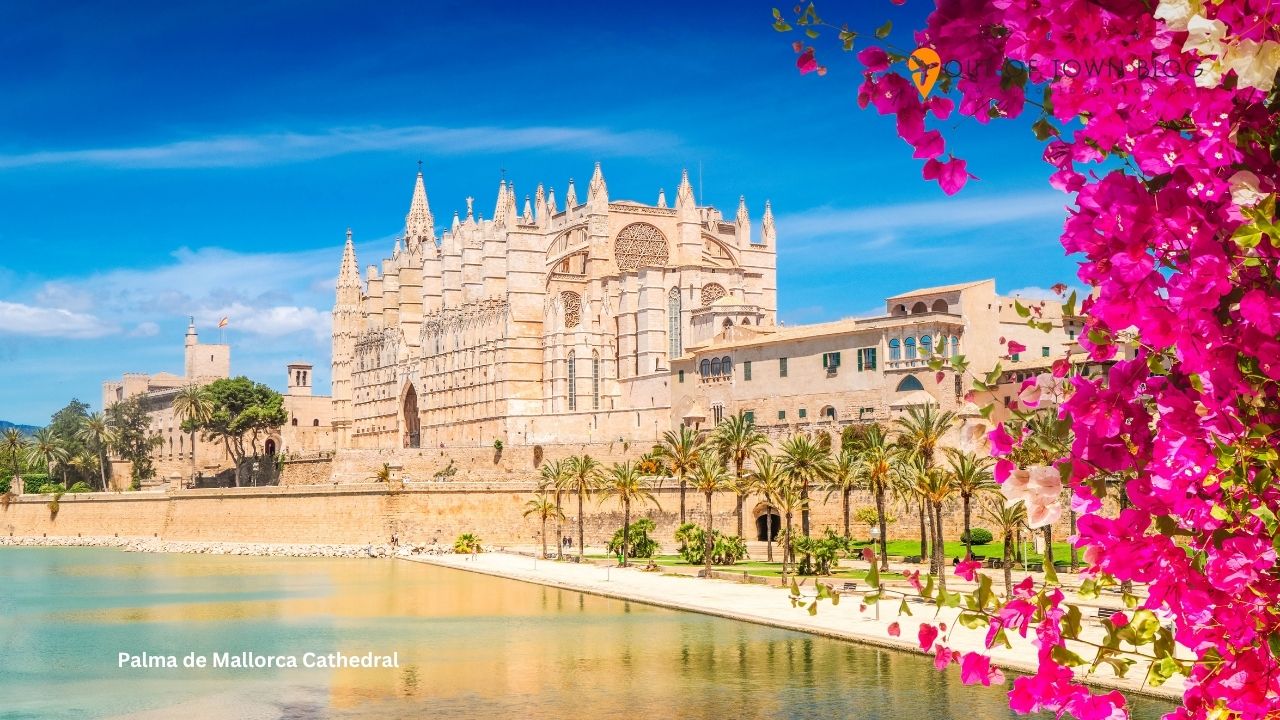
Construction of the cathedral began in 1229 under King James I of Aragon, shortly after his forces captured the island. According to tradition, the king vowed to build a great church dedicated to the Virgin Mary after surviving a violent storm at sea. This vow laid the foundation for what would become one of the most ambitious Gothic projects in Spain.
The building process extended over nearly four centuries, concluding in 1601. As a result, the cathedral incorporates stylistic influences from different phases of Gothic architecture, while maintaining a cohesive overall design. Over time, earthquakes, structural concerns, and evolving artistic tastes led to renovations and additions.
One of the most significant interventions occurred in the early 20th century, when renowned Catalan architect Antoni Gaudí was invited to modernize parts of the interior. Gaudí reworked the liturgical layout, improved lighting, and introduced elements such as a suspended canopy above the altar. His contributions were subtle but transformative, blending modernist creativity with the cathedral’s medieval structure.
Architectural Features
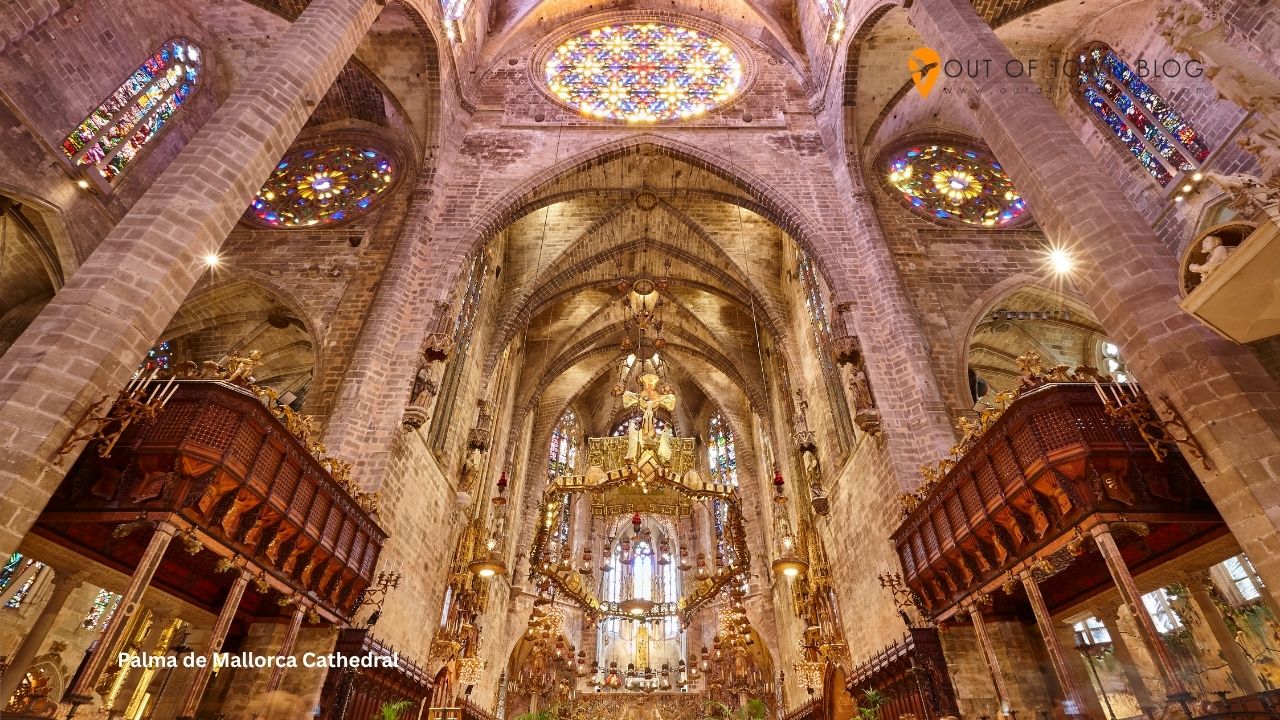
Palma Cathedral is a prime example of Catalan Gothic architecture, a regional variation characterized by wide open spaces, minimal ornamentation compared to northern Gothic styles, and an emphasis on light.
The cathedral’s most striking exterior features are its massive buttresses and soaring walls, which give it a fortress-like appearance from a distance. However, closer inspection reveals delicate tracery, sculptural details, and finely carved portals.
Inside, the cathedral’s scale becomes even more apparent. The nave reaches a height of approximately 44 meters, making it one of the tallest Gothic interiors in Europe. Slender octagonal columns support the structure, spaced widely apart to create a sense of openness and vertical continuity. This design allows light to flow freely throughout the space, enhancing the spiritual atmosphere.
One of the cathedral’s defining elements is its enormous rose window, often referred to as the “Eye of the Gothic.” Measuring around 13 meters in diameter, it is one of the largest of its kind. Composed of thousands of pieces of colored glass, the window produces intricate patterns of light that shift throughout the day.
The stained glass windows throughout the cathedral contribute to its reputation as the “Cathedral of Light.” Unlike darker Gothic interiors elsewhere in Europe, La Seu is filled with luminosity, creating an environment that feels both grand and ethereal.
Gaudí’s contributions are visible in the presbytery area, where his suspended canopy—resembling a crown of thorns—adds a symbolic focal point above the altar. He also relocated the choir stalls and introduced new lighting concepts that emphasize the building’s verticality and openness.
Cultural and Symbolic Significance
Beyond its architectural brilliance, the cathedral holds deep cultural and religious importance. It remains an active place of worship, hosting regular services and major religious celebrations. Its dedication to the Virgin Mary reflects the maritime heritage of Mallorca, where seafaring and faith have long been intertwined.
The cathedral also serves as a symbol of Palma itself. Its image is closely associated with the city’s identity, appearing in countless photographs, artworks, and cultural references. For many visitors, it is the defining landmark of Mallorca.
Interesting Details and Phenomena
One of the most remarkable phenomena associated with the cathedral occurs twice a year, around February 2 and November 11. On these mornings, sunlight passes through the large rose window and projects a perfectly aligned reflection beneath another rose window on the opposite wall. The result is a luminous figure-eight pattern, often described as magical and symbolic.
The building material—local sandstone—gives the cathedral its warm, golden coloration. This stone changes subtly in tone depending on the time of day and weather conditions, creating a dynamic visual experience.
Despite its age, the cathedral has shown remarkable resilience, though it has required ongoing maintenance and restoration. Its survival through centuries of natural and human challenges is a testament to both its original construction and continued care.
How to Get There
Getting to Palma de Mallorca Cathedral is relatively easy thanks to its central and highly visible location in Palma de Mallorca. Here are the main ways to reach it, depending on where you’re coming from:
On Foot (Best Option in the City Center)
If you’re staying anywhere in Palma’s Old Town, walking is the simplest and most enjoyable way to get there. The cathedral dominates the skyline, so it’s easy to navigate toward it. Streets naturally lead downhill toward the waterfront, where La Seu stands beside Parc de la Mar. Walking also lets you explore historic alleys, shops, and cafés along the way.
By Bus
Palma has a reliable public bus system that connects most parts of the city to the cathedral area.
- Look for routes heading toward “Parc de la Mar” or the city center.
- Buses stop just a few minutes’ walk from the cathedral.
- Tickets can usually be purchased onboard or via transit cards.
This is a convenient option if you’re coming from outside the Old Town or nearby neighborhoods.
By Taxi or Ride-Hailing
Taxis are widely available throughout Palma and can bring you close to the cathedral.
- Ask to be dropped off near Parc de la Mar or the cathedral entrance.
- Be aware that some streets in the historic center are restricted, so you may need to walk a short distance.
By Car
Driving is possible but not ideal due to limited access and parking restrictions in the Old Town.
- Use public parking garages near the city center (such as those along the waterfront).
- From there, it’s a short walk to the cathedral.
From Palma de Mallorca Airport
If you’re arriving directly from the airport:
- Bus: Take the airport bus (Line A1) to the Palma city center. Get off near the cathedral area.
- Taxi: A taxi ride takes about 10–15 minutes, depending on traffic.
- Car Rental: Follow signs to Palma center, then park nearby and walk.
Helpful Tip
Because of its massive size and seaside position, the cathedral is one of the easiest landmarks to locate in Palma. Even without a map, heading toward the waterfront or following signs for “La Seu” will lead you there.
Visiting Information and Tips
The cathedral is generally open to visitors throughout the week, though hours may vary by season and religious events. It is advisable to check current schedules in advance.
Entrance Fees
Entrance fees for Palma de Mallorca Cathedral (La Seu) are generally straightforward, with a few options depending on how much of the site you want to explore.
Standard Entrance Fees
- General admission: €9–€10 per adult
- Students/seniors (reduced): around €7
- Children (under ~10 years old): usually free
This standard ticket grants access to the cathedral interior, including the nave, chapels, and museum areas. In some cases, an audio guide may be included or available for an additional fee.
Terrace / Premium Tickets
- Cathedral + terraces access: 25 Euro
This upgraded ticket allows visitors to climb to the cathedral’s terraces, offering sweeping views over Palma, the harbor, and the surrounding city. It’s a popular option for those who want a more complete experience.
Guided Tours and Packages
- Guided tours: typically range from €20 to €59+, depending on inclusions
These tours often include priority entry and a knowledgeable guide who explains the cathedral’s history, architecture, and artistic details in depth. Some packages may also include walking tours of nearby historic areas.
Free Entry
- Residents of the local diocese may enter free on specific days with valid identification.
- For most visitors, however, standard admission fees apply year-round.
Summary
- Expect to pay about €10 for basic entry
- Around €20–€25 for terrace access
- Discounts available for certain groups
A standard ticket is already enough to appreciate the cathedral’s grandeur, but the terrace option adds a memorable perspective with panoramic views of the city and sea.
Visitors should dress modestly out of respect for the cathedral’s function as a place of worship. Photography is usually permitted, but restrictions may apply in certain areas.
Best Time to Visit Palma de Mallorca Cathedral
Timing your visit to La Seu can significantly shape your experience, as the cathedral’s atmosphere changes throughout the day, seasons, and even specific dates of the year.
Morning: The Most Magical Experience
The early morning—shortly after opening—is widely considered the best time to visit. At this hour, the cathedral is quieter, allowing you to fully absorb its immense scale and serene atmosphere without heavy crowds.
More importantly, this is when sunlight begins streaming through the stained-glass windows. The interior comes alive with shifting colors, illuminating the nave and columns in an almost otherworldly way. The famous rose window is especially striking in the morning light, casting intricate patterns across the stone surfaces.
If you want a contemplative, almost spiritual experience, morning is ideal.
Midday: Bright but Busy
By late morning to early afternoon, the cathedral is at its busiest. Tour groups arrive, and the interior becomes more active and noisy. While the light is still strong, it tends to be harsher and less atmospheric compared to the softer morning glow.
This time is still suitable if your schedule is limited, but expect crowds and a less intimate experience.
Late Afternoon: A Quieter Alternative
Later in the afternoon, visitor numbers begin to decline. The light softens again, though it enters at a different angle, creating a subtler and more subdued ambiance inside.
While not as visually dramatic as the morning, this can be a good compromise if you prefer fewer people and a calmer pace.
Seasonal Considerations
Spring (March–May):
One of the best overall times to visit. The weather in Palma de Mallorca is pleasant, and tourist crowds are moderate. Lighting conditions are excellent, and the city feels lively without being overwhelming.
Summer (June–August):
This is peak tourist season. The cathedral can become very crowded, especially at midday. However, extended daylight hours mean more flexibility in timing your visit. Early mornings are strongly recommended during this period.
Autumn (September–November):
Another excellent time to visit. Crowds begin to thin out, temperatures remain comfortable, and the overall experience is more relaxed.
Winter (December–February):
The quietest season. While the weather is cooler, the cathedral is far less crowded, offering a more peaceful visit. Lighting can still be beautiful, even as days grow shorter.
Special Dates: A Unique Phenomenon
If you want a truly extraordinary experience, plan your visit around February 2 or November 11. On these dates, a rare solar alignment occurs: sunlight passes through the main rose window and projects a perfectly mirrored circle beneath another window, forming a glowing figure-eight shape inside the cathedral.
This event draws both locals and visitors, so arriving very early is essential if you want a good viewing spot.
Weekly Timing Tips
- Weekdays are generally quieter than weekends.
- Early opening hours are always the least crowded.
- Avoid visiting during major religious services unless you intend to attend, as tourist access may be limited.
Final Recommendation
For the best overall experience, aim to visit early in the morning during spring or autumn. This combination offers the perfect balance of beautiful lighting, comfortable weather, and manageable crowds. If you can align your visit with one of the rare dates for light phenomena, the experience becomes even more memorable.
Ultimately, La Seu rewards careful timing—arrive at the right moment, and you’ll see not just a cathedral, but a living interplay of stone, light, and history.
Nearby Attractions
The cathedral is surrounded by several notable landmarks that can easily be explored in the same visit. Immediately adjacent is the Royal Palace of La Almudaina, a historic residence that reflects Mallorca’s royal past. Parc de la Mar offers a relaxing space with scenic views of the cathedral and the sea.
The surrounding Old Town is filled with narrow streets, historic buildings, and local shops, providing a rich cultural backdrop that complements the cathedral experience.
Final Thoughts
Palma de Mallorca Cathedral stands as a remarkable fusion of history, architecture, and spiritual significance. Its commanding presence over the Mediterranean, combined with its luminous interior and centuries-long story, makes it far more than a typical tourist attraction. It is a place where art, faith, and history converge in a way that feels both monumental and deeply human.
To visit La Seu is to experience the essence of Mallorca itself—its layered past, its artistic heritage, and its enduring connection to the sea. Whether approached as a historian, an architecture enthusiast, or a curious traveler, the cathedral offers a profound and lasting impression that defines any journey to Palma.
Mallorca Travel Tour Packages You Should Try
Follow and subscribe to OutofTownBlog.com on Facebook , Twitter, Instagram, Pinterest, and YouTube for more Travel-related updates.
Read:
- 12 Best Things to Do in Palma de Mallorca, Spain
- Ultimate List of the Best Hotels in Mallorca, Spain
- Autumn is a fantastic time to visit Mallorca
- How to get the Best Car Hire Deals in Mallorca
- The Magic of Mallorca: A Mediterranean Island Paradise Worth Discovering
- Mallorca, Spain: An Island of Hidden Calas, Timeless Villages, and Mediterranean Soul