Melo Villareal
National Museum of Natural History: A Guide to Exhibits and History
The National Museum of Natural History in Manila, Philippines, is renowned for showcasing the country’s biological and geological diversity. The museum, situated along Agrifina Circle in Rizal Park, Manila, offers visitors a comprehensive look at the unique natural history of the Philippines.
With its neoclassical architecture, the museum provides an engaging and educational experience for locals and tourists who want to learn about the Philippines’ natural history.

National Museum of Natural History in Manila

Featuring 12 permanent galleries, the National Museum of Natural History creatively presents botanical, zoological, and geological specimens representing the country’s rich natural heritage. Through its thoughtfully curated displays, the museum offers a fascinating insight into the history and features of the Philippines’ diverse ecosystems.
Visitors can explore the museum’s exhibits to better understand the region’s flora, fauna, and geological formations, making it an essential destination for those interested in the natural world.

History and Architecture
Foundation and Development
The National Museum of Natural History showcases the country’s rich biological and geological diversity. The museum is housed in the former Agriculture and Commerce Building, a neoclassical-style building designed by Filipino architect Antonio Toledo and completed in 1941.
The building served as the headquarters of the Department of Agriculture and Commerce until the 1970s. It was also a former headquarters of the Philippine Department of Tourism.
During the dark days of World War II, the National Museum of Natural History bore witness to the relentless fury of destruction. Its once-sturdy walls were battered and scarred, a testament to the tumultuous times. In February 1945, the building echoed with the thunderous roar of heavy artillery as American forces unleashed their firepower upon it for a relentless three days.
The blasts, strategically aimed at the ground floor, mercilessly pulverized the lower levels, causing the second floor to crumble and collapse onto the earth below. Yet, as time marched on, this grand structure found itself with a new purpose as it became an integral part of the government’s post-war rehabilitation program.
In 2013, the old Department of Tourism office underwent an impressive makeover to become the awe-inspiring National Museum of Natural History. Following a remarkable four-year renovation, the building was unveiled in 2016 as a stunning modern architectural marvel.
Thanks to the collaborative efforts of the government and the acclaimed Dominic Galicia Architects, the museum now proudly houses an exquisite collection of botanical, geological, and zoological treasures.
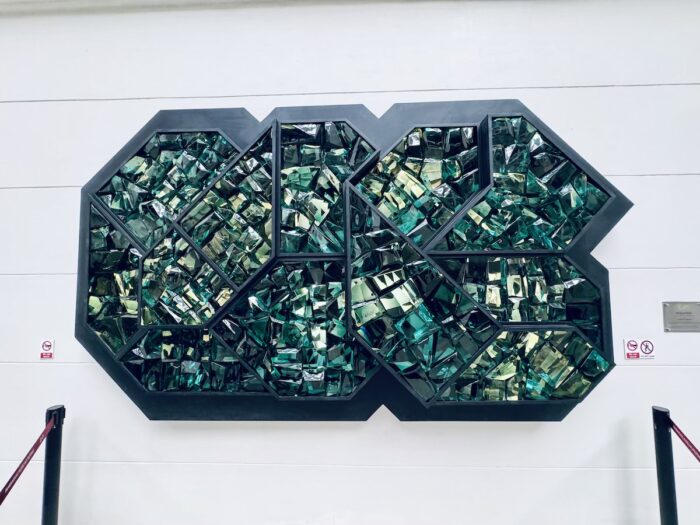
Antonio Toledo’s Influence
The building’s original architect, Antonio Toledo, was a prominent Filipino architect who designed several notable buildings in Manila. His work is characterized by a fusion of traditional Filipino elements and neoclassical style, as seen in the exterior of the Agriculture and Commerce Building.
Toledo’s influence can also be seen in the museum’s interior, which features a grand staircase and ornate details reminiscent of his other works.
Renovation and Transformation
The renovation and transformation of the Department of Tourism Building into the National Museum of Natural History was a massive undertaking that involved restoring the building’s original neoclassical elements and adding modern features.


The museum’s centerpiece is the “Tree of Life,” a massive sculpture in the center of the building’s atrium. The sculpture was designed by Filipino artist Luis “Junyee” Yee Jr. and is made of recycled materials.
Other museum features include 12 permanent galleries showcasing the country’s natural history, a research center, and a library. The museum’s design and architecture have won numerous awards and accolades, cementing its status as a world-class institution.
Exhibitions and Collections
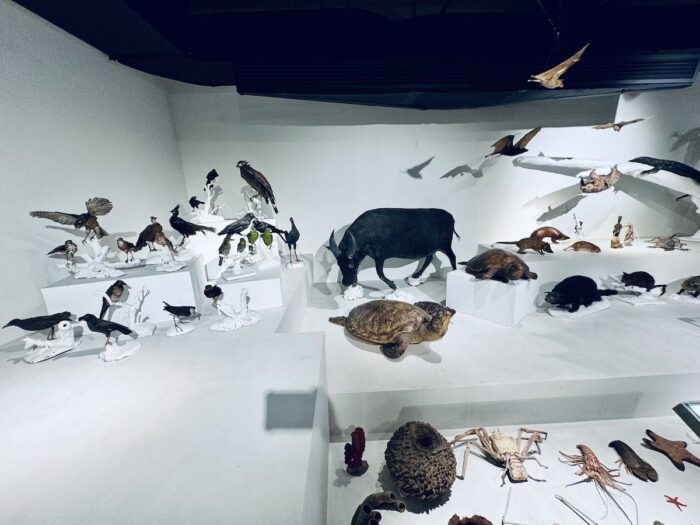
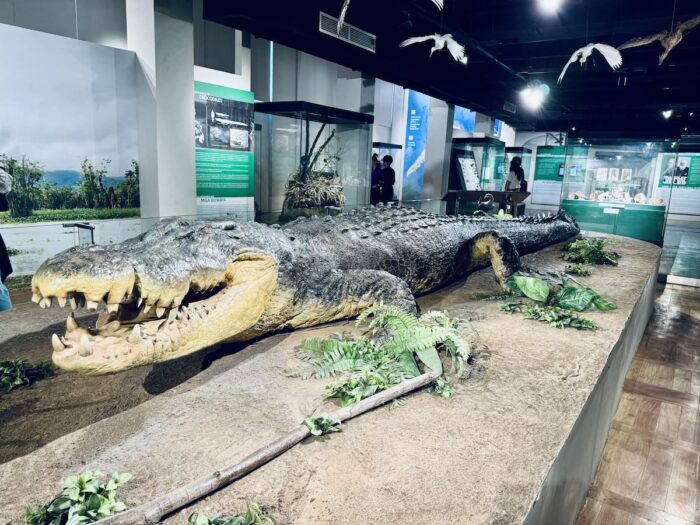
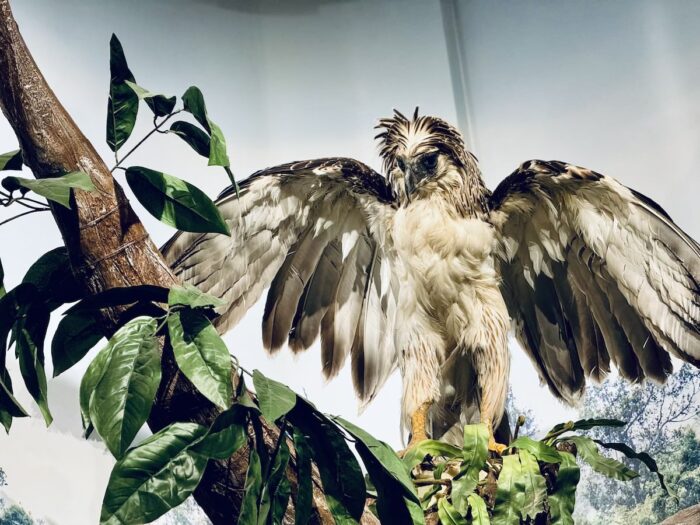
The National Museum of Natural History boasts an impressive collection of artifacts and specimens that represent the unique natural history of the Philippines. The museum houses 12 permanent galleries that creatively curate botanical, zoological, and geological specimens displays. The collections are held in trust for research, exhibition, education, and public enjoyment now and for future generations.
Permanent Exhibits
The museum’s permanent exhibits are divided into 12 galleries, each showcasing a different aspect of the Philippines’ rich biological and geological diversity. The galleries cover topics such as the “Marine Realm,” “The Forests,” “The Grasslands,” and “The Caves.” Visitors can also explore the “Tree of Life Exhibit,” which traces the evolutionary history of life on Earth.

Special Collections
In addition to the permanent exhibits, the museum also houses several special collections. These collections include the Archaeology Collection, the Ethnology Collection, the Fine Arts Collection, the Geology and Paleontology Collection, the Botany and National Herbarium Collection, the Maritime and Underwater Cultural Heritage Collection, and the Zoology Collection.


Tree of Life Exhibit
One of the museum’s most popular exhibits is the “Tree of Life Exhibit.” This exhibit features a massive, three-story sculpture of a tree, representing the evolutionary history of life on Earth.
The exhibit also includes interactive displays that allow visitors to explore the various branches of the tree and learn about the different species that have evolved over time.
Educational and Scientific Programs
Research and Conservation
The National Museum of Natural History is committed to advancing scientific research and conservation efforts. The museum has a dedicated team of scientists and researchers who work in laboratory and field settings to study various aspects of the natural world.
The museum’s scientific research covers various topics, including DNA analysis, habitat conservation, and shark behavior.

One of the museum’s ongoing research projects is focused on studying the oceans and the impact of human activity on marine life. The museum’s scientists use cutting-edge technology and equipment to collect data and samples from the ocean, which are then analyzed in the lab. The research aims to better understand the ocean’s complex ecosystems and identify ways to protect and conserve marine life.
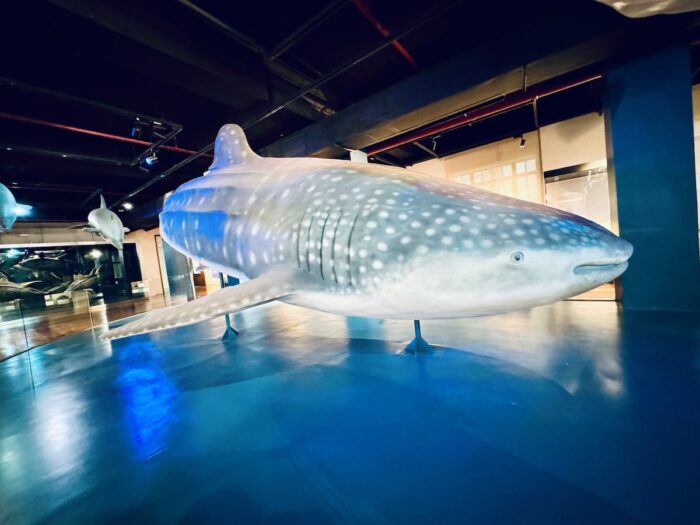
In addition to scientific research, the museum also has a strong focus on conservation efforts. The museum works to preserve and protect habitats and species at risk of extinction. This includes working with local communities to develop sustainable practices and promoting public awareness of conservation issues.
Public Programs and Events
The National Museum of Natural History offers a variety of educational programs and events for visitors of all ages. These programs are designed to engage visitors with the natural world and to promote scientific literacy.
The museum’s public programs include lectures, workshops, and hands-on activities that cover a wide range of topics, from geology to biology. Visitors can participate in guided tours of the museum’s exhibits, which provide an in-depth look at the museum’s collections and the scientific research behind them.
The museum hosts special events throughout the year, such as science festivals and family days. These events offer visitors the opportunity to interact with museum scientists and learn more about the natural world in a fun and engaging way.
Visitor Information
The National Museum of Natural History is one of the most popular museums in the Philippines. It is located in Rizal Park, Manila. It is part of the National Museum Complex, which includes the National Museum of Fine Arts, the National Museum of Anthropology, and the National Planetarium.
Here is some important visitor information for those planning to visit the National Museum of Natural History.
Admission and Accessibility
The museum is open from Tuesday to Sunday, from 10:00 AM to 5:00 PM. Admission is free for all visitors, including foreigners. The museum is accessible to persons with disabilities, and wheelchairs are available for use.
Contact and Reservation
For inquiries and reservations, visitors can contact the National Museum of the Philippines at (+632) 8298-1100 or nmnh@nationalmuseum.gov.ph. Reservations are not required, but visitors are encouraged to book beforehand to ensure their slot. The museum can accommodate up to 500 visitors per day. Visitors can also visit the official website of the National Museum of the Philippines to learn more about the museum.
The National Museum of Natural History is a must-visit attraction for those interested in the natural world and the rich biodiversity of the Philippines. With its unique exhibits, such as the iconic Dome, visitors can learn about the country’s flora and fauna and the importance of preserving them. The museum is also great for families and students who want to learn more about the natural world and the environment.
How to get there
The exact address of the museum is P. Burgos Drive, Rizal Park, Manila. Accessing the National Museum of Natural History is definitely an easy task because almost everyone around the area knows where it is. Once you reach the National Museum of the Philippines landmark in Manila City, just ask the guards where the museum is and you’re good to go!
Moreover, there are countless routes traversing through the museum so I’m sure that you’ll easily spot it. Moreover, if you’re traveling by private car, it’s more likely that you’ll be able to reach it faster with the assistance of online travel guides such as Waze and Google Maps.
Finally, there are also many options to reach the National Museum of Natural History because jeepney, bus, and train routes pass through the museum’s location.

Frequently Asked Questions
What is the entrance fee for the National Museum of Natural History?
The National Museum of Natural History in Manila is open to the public free of charge, as mandated by the National Museum and Fine Arts Act of 1998. However, donations are welcome to help support the museum’s operations and maintenance.
What are the main exhibits currently on display at the National Museum of Natural History?
The National Museum of Natural History houses 12 permanent galleries that showcase the rich biological and geological diversity of the Philippines. Visitors can explore creatively curated displays of botanical, zoological, and geological specimens that represent the country’s unique natural history. Some of the main exhibits include the Tree of Life, which features a towering 70-foot steel structure that showcases the evolution of life on earth, and the Gallery of Philippine Biodiversity, which showcases the country’s flora and fauna.
Why is the National Museum of Natural History considered a popular attraction?
The National Museum of Natural History is a popular attraction in Manila due to its impressive collection of specimens and interactive exhibits that showcase the country’s rich natural history. The museum’s unique architecture, which features a stunning central atrium that lets in natural light, also adds to its appeal.
What unique features does the Tree of Life exhibit offer at the National Museum of Natural History?
The Tree of Life exhibit at the National Museum of Natural History offers visitors a unique perspective on the evolution of life on Earth. The towering 70-foot steel structure features a winding ramp that takes visitors on a journey through the different periods of Earth’s history, from the earliest life forms to the present day. Along the way, visitors can see life-sized replicas of prehistoric creatures and learn about the different geological eras that shaped the planet.
How does the National Museum of Natural History differ from the National Museum of Anthropology and the National Museum of Fine Arts?
The National Museum of Natural History, National Museum of Anthropology, and National Museum of Fine Arts are all part of the National Museum of the Philippines. While the National Museum of Natural History focuses on the country’s natural history, the National Museum of Anthropology showcases the cultural heritage of the Philippines, and the National Museum of Fine Arts features a collection of artworks from Filipino artists.
Can visitors take photographs inside the National Museum of Natural History?
Yes, visitors are allowed to take photographs inside the National Museum of Natural History, but flash photography and tripods are prohibited to prevent damage to the exhibits.
Want more updates about other Museums and Art Galleries in Metro Manila, Philippines? Follow #TeamOutofTown on Facebook, Twitter, Instagram, and Pinterest for more travel ideas.
Read: