

 Melo Villareal
Morocco is a fantastic place to visit, and in recent years, a growing number of tourists have been traveling there to experience its rich blend of landscapes and culture. Along the Atlantic and Mediterranean coasts, visitors can relax on wide, golden beaches, explore traditional fishing ports, or enjoy water sports at modern seaside resorts. Beyond the coast, the country’s dramatic mountain ranges, including the Atlas and the Rif, provide rugged peaks, fertile valleys, and remote Berber villages that offer a glimpse into traditional Moroccan life. Many travelers are also drawn to two of the most intriguing cities in the world: Marrakech, famous for its bustling souks, maze-like medina, historic palaces, and lively Jemaa el-Fnaa square, and Casablanca, a cosmopolitan hub known for its grand boulevards, Art Deco architecture, impressive Hassan II Mosque, and thriving café and nightlife scene.
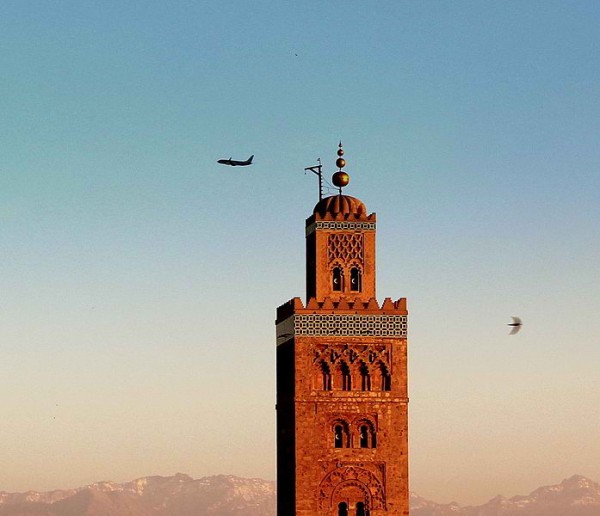
Marrakech in Morocco (photo by Wikipedia)
In recent years, Morocco has seen a marked rise in international visitors, a development the local government can reasonably claim credit for. Through a series of high-profile tourism campaigns and strategic partnerships with airlines and tour operators, the country has successfully promoted its diverse cultural heritage, landscapes, and cities.
As interest in Morocco has grown, so too have the options for getting there. A wide range of international and regional carriers now serve the country, and flight frequency has increased across major hubs in Europe, the Middle East, Africa, and even North America. As a result, travelers can often find affordable airfares and convenient routes from virtually any major airport worldwide, whether they are planning a weekend escape or a longer journey across the country.

What is particularly reassuring for prospective visitors is that this influx of tourism has not diminished Morocco’s essential charm. The country has achieved a broadly balanced approach to development and preservation, particularly in iconic cities such as Marrakech and Casablanca. In Marrakech, the ancient medina and its labyrinth of souks still exude the same sensory overload of colors, scents, and sounds, even as boutique riads, stylish restaurants, and modern transport links have appeared around them.
Likewise, Casablanca, with its mix of Art Deco buildings, contemporary business districts, and the impressive Hassan II Mosque, continues to offer a blend of old and new that feels authentic rather than over-commercialized. In both cities, the atmosphere remains deeply evocative, ensuring that the growing number of visitors does not come at the expense of the country’s fabled mystique.
 The Corniche of Casablanca (photo by Wikipedia)
The mystique of Marrakech
The main streets of Marrakech are lined with boutique hotels, traditional hammams, and world?class restaurants serving everything from elegant Moroccan tasting menus to modern fusion cuisine. Lantern?lit terraces and palm?fringed boulevards create a polished, cosmopolitan feel where locals and visitors stroll late into the night. Yet just a few steps away from this contemporary sheen, the atmosphere changes dramatically as you slip into the city’s ancient heart: the Medina.
Within the Medina, narrow alleyways wind between sun?baked ochre walls, and the pace of life shifts. The air is rich with the scent of cumin, saffron, and grilled meats mingling with leather and orange blossom. Donkey carts rattle over cobblestones, and heavy wooden doors—often intricately carved and studded with metal—open into serene riads, whose quiet courtyards and tinkling fountains feel a world away from the bustle outside.
While some visitors are drawn to the new town’s glitz and glamour—rooftop bars, chic cafés, designer boutiques, and sprawling resorts—those who prefer the road less travelled will find their adventure in the Medina’s tangled lanes. Here, the meandering streets and covered souks reveal a rich tapestry of daily life: traders call out from stalls stacked with hand?woven Berber rugs, colourful ceramics, brass lanterns, aromatic soaps, and pyramids of spices in every shade of red and gold. Nearby, artisans shape leather, hammer copper, and paint intricate patterns by hand, preserving skills passed down through generations.
These souks are renowned as some of the most exotic shopping destinations in the world, and they also offer a direct, sensory connection to Marrakech’s past and present. Every turn leads to another square, another craft workshop, or another hidden café serving mint tea in delicate glasses, encouraging you to linger and explore.
For those seeking a deeper encounter with the city’s history, the Saadian Tombs are an essential stop. Long sealed off and only rediscovered in the early 20th century, this funerary complex is the original resting place of the Saadian rulers, including princes and Sultan Ahmed al?Mansour. Tucked away near the Kasbah Mosque, the site opens onto a series of courtyards and chambers adorned with some of Morocco’s finest decorative art.
Inside, elaborately carved cedar ceilings, intricate stucco, colourful zellij tilework, and imported Italian marble combine to create a striking display of wealth and piety. The calm, reverent atmosphere offers a powerful contrast to the busy streets just beyond the walls. Standing among these tombs provides a vivid sense of the opulence and sophistication of the Saadian era, and a deeper understanding of the dynasties that helped shape Marrakech into the city it is today.

Casablanca: Morocco’s jewel
Similarly, Casablanca is a sprawling, energetic city with a long and diverse history and is one of Morocco’s wealthiest and most commercially important areas. As the country’s economic heart, it hosts major banks, corporate headquarters, and a busy port that links Morocco to global markets. Beyond its commercial side, Casablanca is culturally rich, with art galleries, fashion houses, theaters, and historical landmarks that attract visitors year-round.
In many neighborhoods, the French influence is easy to spot. Grand boulevards, art deco buildings, and bustling café terraces reflect the city’s colonial-era past and give Casablanca a distinctly European flavor. There are few simpler pleasures than lingering over breakfast in one of the excellent French bakeries scattered throughout the city, enjoying freshly baked croissants or pain au chocolat with a strong coffee. At the same time, the streets slowly come to life.
Sightseers should not miss the Hassan II Mosque, one of Casablanca’s most impressive sights and the third-largest mosque in the world. Completed in the early 1990s after several years of construction, it rises dramatically above the Atlantic Ocean, with part of its structure extending over the water. The mosque’s architecture combines traditional Moroccan craftsmanship—such as intricate zellij tilework, marble columns, and carved wooden ceilings—with modern techniques and engineering. Influenced in part by French architectural aesthetics, this monumental complex can welcome up to 25,000 worshippers inside each day, with many more gathering in the vast courtyard and oceanfront esplanade, especially during major religious festivals.
No Moroccan adventure would be complete without a chance to relax, and Casablanca’s Boulevard de la Corniche is the ideal place to slow down and soak in the atmosphere. Stretching along the Atlantic coastline, this vibrant seaside boulevard is a popular meeting point for tourists and Morocco’s younger generations alike. By day, visitors stroll along the promenade, pausing at cafés and oceanfront terraces to enjoy mint tea, fresh juices, or a leisurely lunch with sweeping sea views. As the sun sets, the boulevard transforms: bars, lounges, and rooftop restaurants fill with the sounds of conversation and music, while nightclubs open their doors to those looking to dance into the early hours. Each venue along the Corniche reflects Morocco’s unique charm, blending contemporary style with local design, flavors, and hospitality.
With so much to see and do in and around Marrakech and Casablanca, travelers quickly discover that each city offers its own distinct but equally compelling experience. Marrakech draws visitors into its ancient medina, where narrow passageways, bustling souks, and historic riads reveal centuries of tradition and craftsmanship. Casablanca, by contrast, showcases Morocco’s modern face, with its sweeping boulevards, contemporary architecture, and lively arts and culinary scenes, all set against the backdrop of the Atlantic Ocean. Together, these two cities capture the diversity and dynamism of Morocco, making it almost impossible not to fall in love with both during a single journey.
Marrakesh Travel Tour Packages You Should Try
Follow and subscribe to OutofTownBlog.com on Facebook , Twitter, Instagram, Pinterest, and YouTube for more Travel-related updates.
Read:
- 10 Exotic Travel Destinations To Go As A Couple
- The Flavors Of Morocco: Discover Moroccan Cuisine
- Top 15 Best Things to Do in Morocco